Common Mistakes North Carolina Gardeners Make That Are Hurting Their Spider Plants
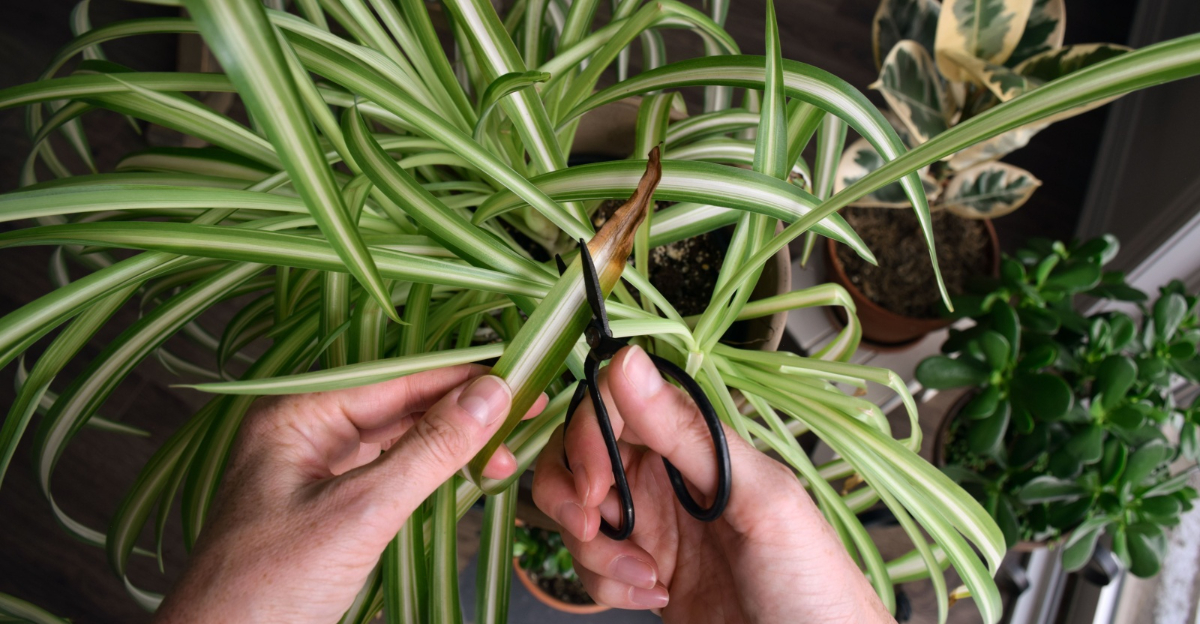
Is your spider plant trying to tell you something? These resilient favorites are staples in North Carolina homes because they grow fast and handle a little neglect with grace.
Whether they trail from a shelf in a humid coastal cottage or hang in a sunny Piedmont living room, they generally look beautiful with very little effort. However, even the toughest plants have their limits.
Small habits around water quality, light, and pot size can quietly sabotage their health. If yours looks a bit tired or develops crispy tips, your routine might be working against you.
Understanding these subtle cues makes a real difference in how vibrant your spider plants stay throughout the year.
1. Too Much Water Starts A Slow Decline
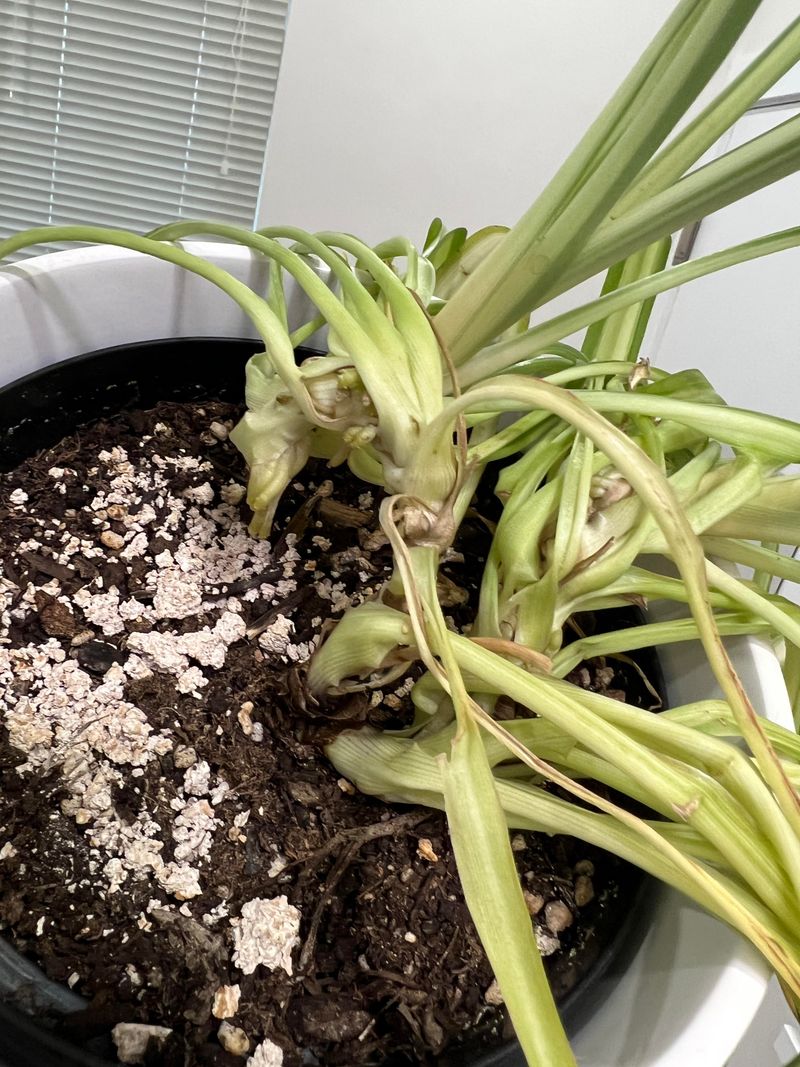
Watering more than a plant actually needs is one of the most common ways spider plants run into trouble in North Carolina homes. It tends to happen gradually, especially during cooler months when the soil stays wet much longer than expected.
Gardeners who water on a fixed schedule rather than checking the soil first are often the ones who notice their plant starting to look off before they can pinpoint why.
When spider plant roots sit in consistently wet soil, they begin to lose the ability to absorb oxygen. The foliage may start to yellow, feel soft, or look generally tired even though the plant is receiving plenty of water.
That is the tricky part – it can look like the plant needs more water when the real issue is that it has had too much for too long.
A good approach is to push a finger about an inch into the soil before watering. If it still feels damp, wait a few more days.
In North Carolina during fall and winter, spider plants may only need watering once every ten to fourteen days depending on the pot size and indoor temperature.
Letting the top portion of the soil dry out between sessions gives the roots a chance to breathe and recover, which keeps the plant looking full and healthy through every season.
2. Harsh Sun Leaves Its Mark Fast
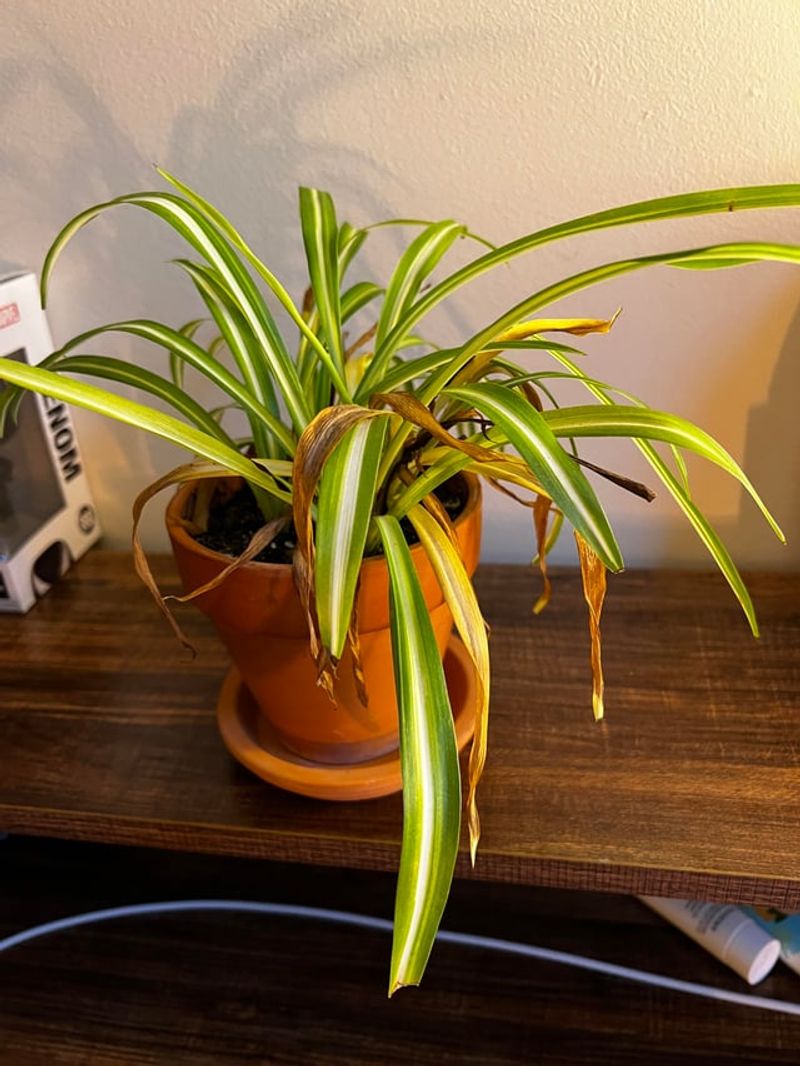
Plenty of North Carolina gardeners place their spider plants near south- or west-facing windows because those spots get a lot of light, and more light seems like a good thing.
The problem is that direct afternoon sun in North Carolina can be surprisingly intense, even indoors, and spider plants are not built to handle it for long stretches.
When leaves get too much direct sun exposure, the damage tends to show up as pale, bleached streaks or crispy brown patches along the leaf surface.
The variegated white-and-green varieties are especially noticeable when scorched because the white portions lose their brightness and take on a washed-out, almost translucent look.
Recovery from sun scorch is slow, and the damaged portions of the leaves will not turn green again once they have been bleached out.
Bright indirect light is what spider plants genuinely prefer. Positioning them a few feet back from a sunny window, or filtering the light with a sheer curtain, usually gives them the brightness they need without the intensity that causes harm.
Your North Carolina Garden Changes Every Week. Your Plan Should Too.
Gardening in North Carolina changes quickly throughout the season. Every Friday you’ll receive a simple weekly plan showing exactly what to plant, prune, fertilize, harvest, and protect so you never miss the right timing.
In North Carolina, where summer sun angles are steep and the afternoon light through glass can be harsh, this small adjustment in placement tends to make a noticeable difference within just a few weeks.
Moving the plant even two or three feet from the window can protect the foliage while still keeping it in a well-lit spot.
3. Poor Drainage Creates Hidden Trouble
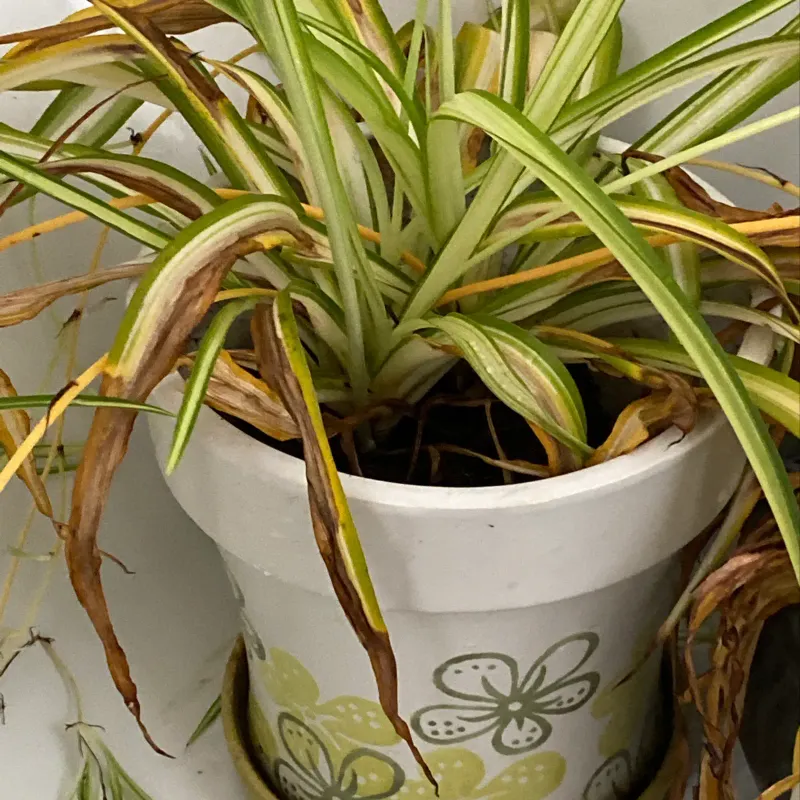
A pot without drainage holes, or a potting mix that holds water too tightly, creates conditions that work against spider plants in ways that are not always obvious right away.
The trouble builds slowly beneath the surface, which is part of what makes drainage issues so easy to overlook until the plant already looks stressed.
Many North Carolina gardeners use decorative pots that do not have holes in the bottom because they look nicer on shelves and furniture.
Placing a plastic nursery pot inside a decorative outer pot is a smart workaround, but the key is making sure water is not collecting in the space between the two containers.
If roots are sitting in standing water even for a day or two at a time, the soil environment shifts in ways that harm root health over the long term.
Choosing a well-draining potting mix also matters just as much as the pot itself. Mixes that are heavy with peat or that compact easily after a few months can start to retain moisture unevenly, leaving wet pockets near the bottom of the pot even when the surface looks dry.
Adding a small amount of perlite to a standard potting mix improves drainage noticeably and helps air move through the soil more freely.
Refreshing the potting mix every couple of years also prevents the slow compaction that builds up in containers over time.
4. Tap Water Can Show Up On The Tips
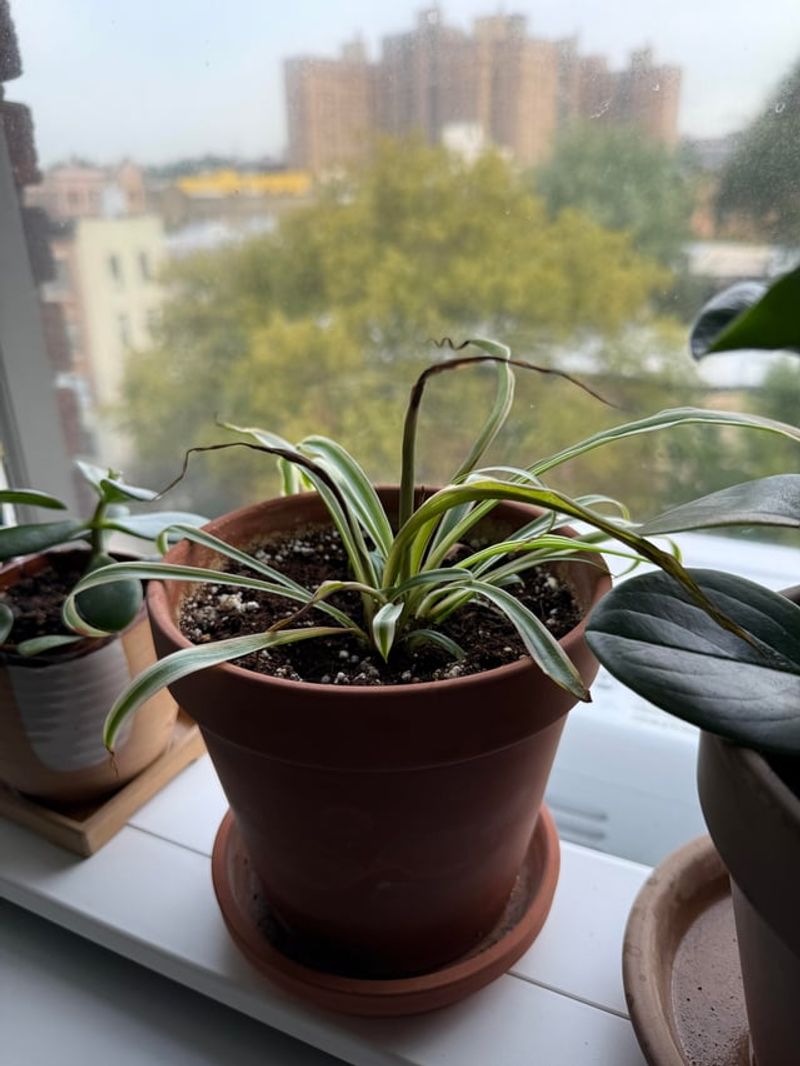
Brown leaf tips on spider plants are one of the most common concerns that North Carolina gardeners bring up, and tap water is often quietly behind it.
Municipal water supplies in many parts of North Carolina contain fluoride and chlorine, and spider plants are notably sensitive to both of those additives over time.
The browning usually starts at the very tip of the leaf and works its way back slowly. It does not spread rapidly or affect the whole plant at once, which is why it can take a while before someone connects the symptom to the water source.
Gardeners who have been using the same tap water for months without issue may not suspect it because the damage accumulates gradually rather than appearing all at once.
Switching to filtered water, rainwater, or water that has been left out in an open container overnight can help reduce the fluoride and chlorine load that reaches the roots.
Rainwater is especially easy to collect in North Carolina, where rainfall is relatively consistent through much of the year.
Using a rain barrel near a downspout gives gardeners a free, low-fluoride water source that spider plants tend to respond well to.
Once the water source changes, existing brown tips will not reverse on their own, but new growth that comes in should look noticeably cleaner and greener at the edges going forward.
5. Salt Buildup Sneaks Up Over Time
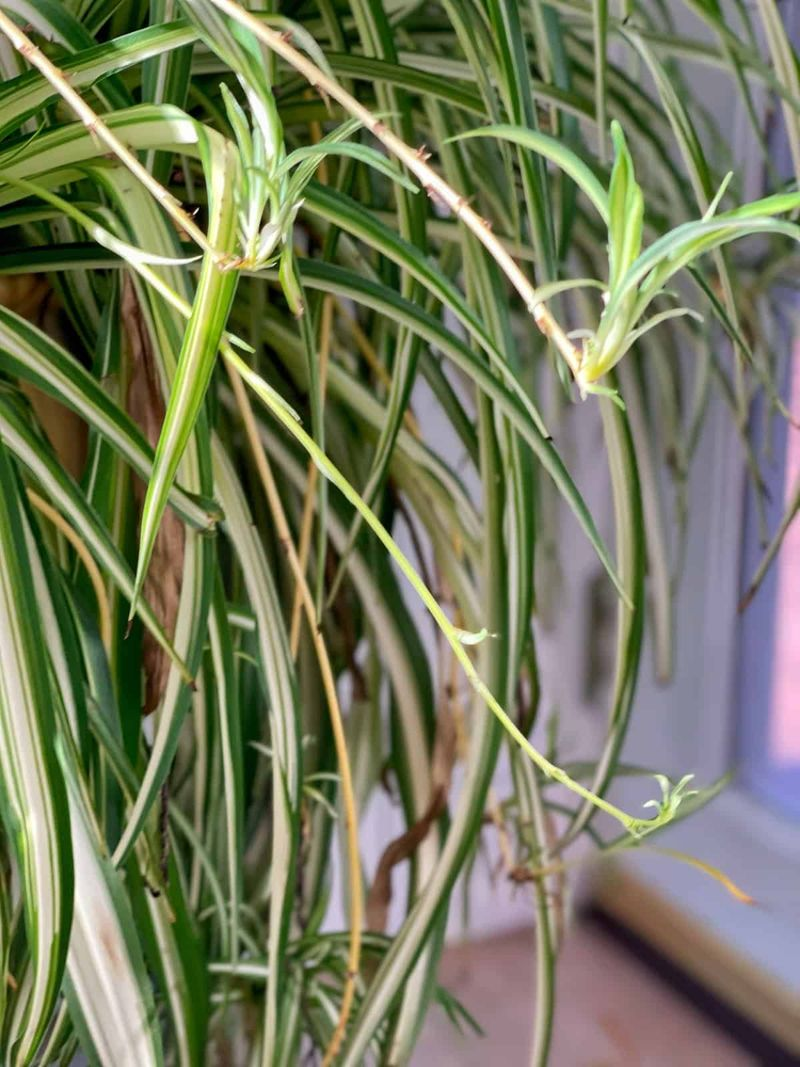
Every time a spider plant gets watered, small amounts of minerals from the water and fertilizer are left behind in the soil.
Over weeks and months, those minerals accumulate into a form of salt buildup that gradually changes the chemistry of the growing environment in ways the plant does not handle well.
One of the first visible signs is often a white or yellowish crust forming on the surface of the potting mix or along the rim of the pot.
The leaves may also start showing tip browning that looks similar to fluoride sensitivity but does not improve even after switching water sources.
That is usually a clue that salt buildup in the soil itself has become the bigger issue rather than just what is coming through the tap.
Flushing the soil thoroughly every few months is one of the most effective ways to manage this in North Carolina homes.
To flush properly, water the plant slowly and generously until water runs freely out of the drainage holes, then repeat the process two or three times in a single session.
This pushes accumulated salts down and out of the root zone. Repotting into fresh potting mix every couple of years also gives the plant a clean slate and removes the mineral-heavy soil that has been collecting residue since the last refresh.
Both habits together go a long way toward keeping spider plant foliage looking clean and vibrant.
6. Extra Fertilizer Does More Harm Than Good
Fertilizer feels like a straightforward way to help a plant grow faster and look healthier, but spider plants are not heavy feeders and they respond noticeably when given more nutrients than they can actually use.
Overfeeding is a surprisingly common habit among enthusiastic North Carolina gardeners who want to give their plants every possible advantage.
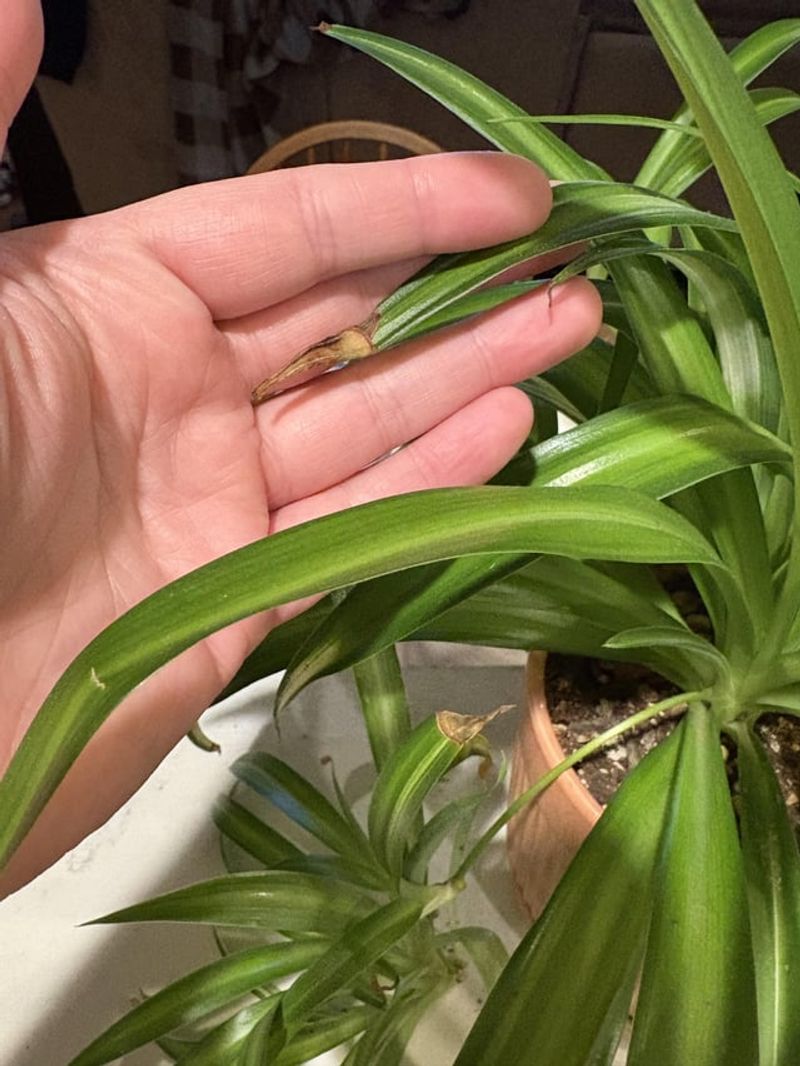
When too much fertilizer is applied, especially synthetic liquid types, the salt content in the soil rises quickly. The leaves may develop brown or scorched-looking tips, and in some cases the foliage takes on an overly dark green color that looks almost unnatural.
Spider plants that are fed too frequently during fall and winter, when their growth naturally slows down, tend to show these symptoms more clearly because they are not actively using the nutrients being pushed into the soil.
A balanced, water-soluble fertilizer applied once or twice a month during spring and summer is generally more than enough for spider plants growing indoors in North Carolina.
During fall and winter, many growers skip fertilizing entirely or reduce it to once every six to eight weeks at most.
Using a diluted concentration, roughly half of what the package recommends, is a safer approach that still supports healthy growth without overwhelming the plant.
Less frequent feeding paired with consistent watering tends to produce fuller, better-looking foliage than aggressive fertilization schedules do over the course of a full growing season.
7. Dry Air Leaves Foliage Looking Rough
North Carolina winters bring a particular challenge for indoor spider plants that does not get talked about as often as watering or light.
When heating systems run consistently through the colder months, the humidity inside most homes drops noticeably, and spider plants feel that shift in the air around them even if the soil moisture seems fine.
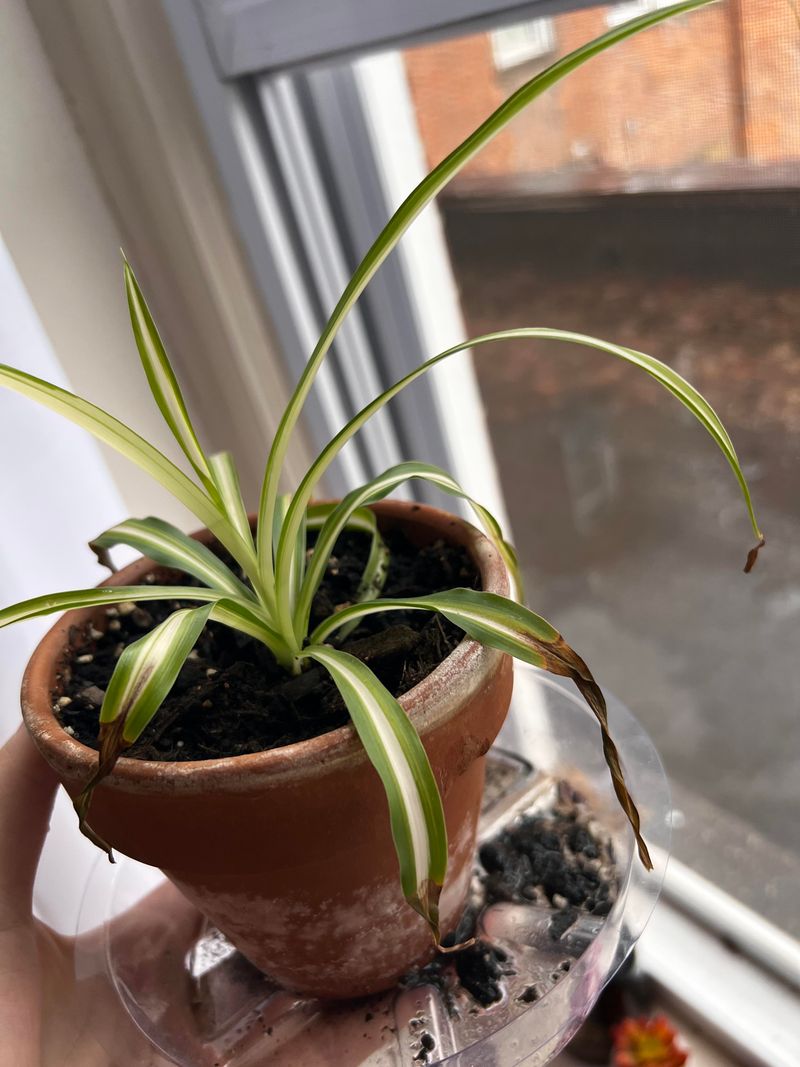
Low humidity tends to show up as leaf edges that look slightly dry, curled, or crispy without the kind of browning that usually points to watering issues.
The foliage can start to lose its fresh, arching appearance and look a little limp or dull even when the plant is otherwise being cared for properly.
Homes in the piedmont and mountain regions of North Carolina, where winters can be cold and heating runs hard for months, often create some of the driest indoor conditions that spider plants encounter.
Raising the humidity around the plant does not require expensive equipment. Grouping several houseplants together creates a small pocket of shared moisture as each plant releases water vapor through its leaves.
Setting the pot on a shallow tray filled with pebbles and water, making sure the bottom of the pot sits above the waterline, adds gentle ambient moisture as the water evaporates.
A small humidifier nearby can also help during the driest stretches of winter.
Spider plants in North Carolina tend to look noticeably perkier and more vibrant when indoor humidity stays somewhere in the range of forty to fifty percent.
8. Staying Rootbound Too Long Holds Growth Back
Spider plants do tolerate being slightly rootbound, and some gardeners have heard that they produce more offshoots when their roots are a little crowded.
That is partly true, but there is a significant difference between slightly snug and genuinely overcrowded, and staying in a too-small pot for too long starts to limit what the plant can do.
When roots have filled every available inch of the pot, the soil dries out much faster after each watering because there is so little growing medium left to hold moisture.
The plant may look like it needs water constantly, and even with frequent watering, the foliage can appear stressed and the growth slows down or stalls.
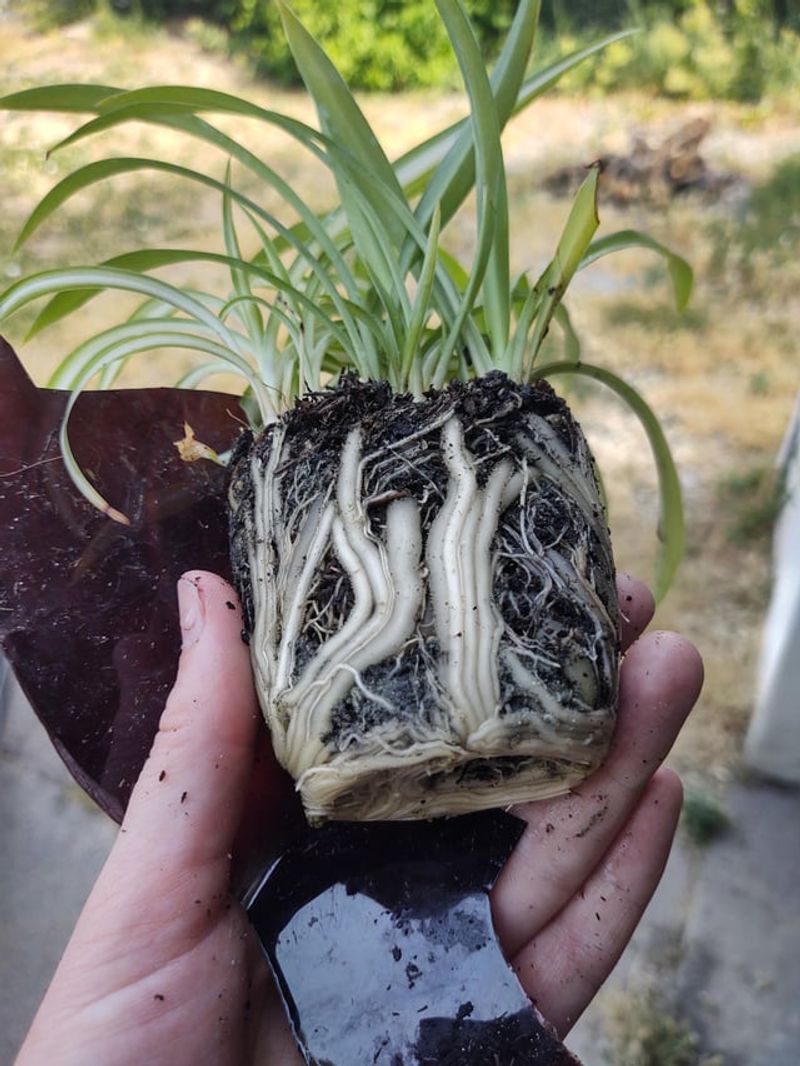
Roots may also begin pushing out of the drainage holes or visibly circling the inside of the pot in dense, tangled layers that restrict healthy development.
Repotting into a container that is one to two inches wider in diameter gives the roots enough new space to spread out and access fresh soil without overwhelming the plant with too much open ground at once.
In North Carolina, spring is a natural time to repot because the warming temperatures signal the beginning of active growth, and a freshly potted spider plant can take advantage of that seasonal energy right away.
Using a well-draining mix when repotting and watering it in gently after the move helps the plant settle into its new container without unnecessary stress during the transition period.