Jane Magnolia Is Blooming Across Michigan And It Handles Spring Cold Better Than Most Trees
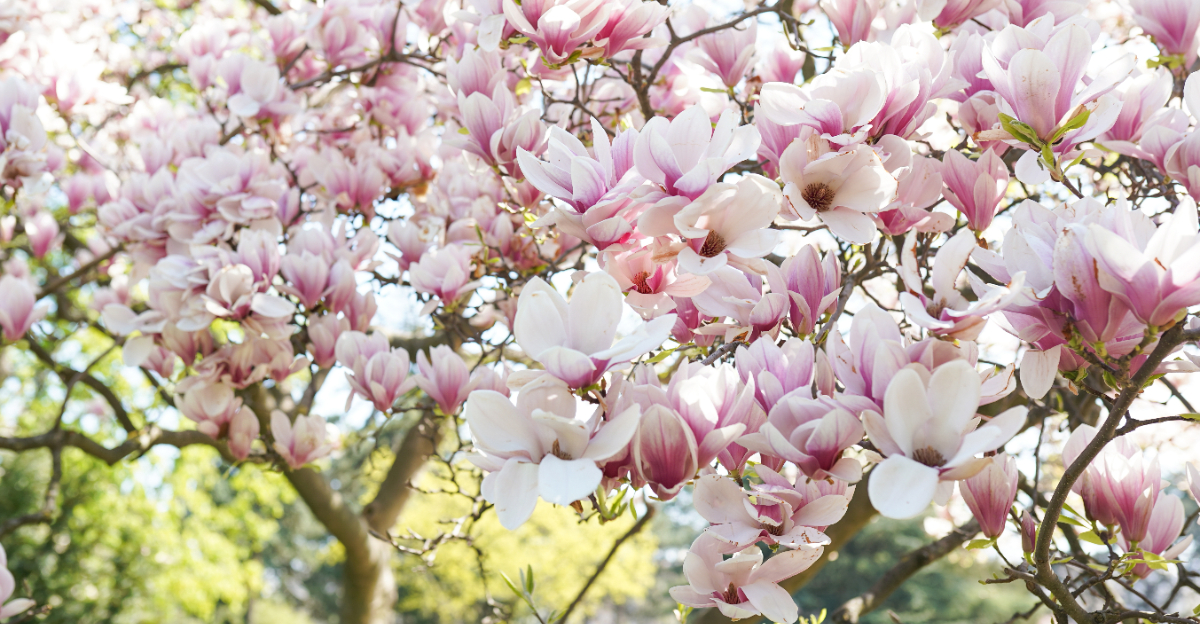
Every spring, a quiet transformation happens across Michigan neighborhoods. Bare branches suddenly burst into rich pink blooms, and one tree often steals the show.
Jane Magnolia has become a favorite for gardeners who want early color without worrying about the late frosts that often surprise the state.
Across the Upper and Lower Peninsulas, spring weather can shift quickly, and many flowering trees struggle when temperatures dip again after warming up.
Jane Magnolia stands out because it was developed to handle those unpredictable conditions. Its flowers open a little later than many magnolias, which helps them avoid the worst of Michigan’s frost damage.
That reliability is why homeowners from Detroit to Grand Rapids and even parts of the Upper Peninsula keep planting this compact tree.
With its manageable size, bold blooms, and dependable performance, Jane Magnolia brings one of the most memorable spring displays you can grow in a Michigan yard.
1. Jane Magnolia Was Bred To Bloom Later In Spring
Back in the mid-20th century, plant scientists at the U.S. National Arboretum had one big goal in mind.
They wanted to create magnolia trees that would not lose their flowers to sneaky late frosts. The result was the famous “Little Girl” series, and Jane Magnolia was one of its brightest stars.
Jane Magnolia blooms noticeably later than many traditional magnolia varieties, which is a really big deal in Michigan. Most early-blooming magnolias open their flowers during warm spells in March or early April, only to get hit by a freezing night shortly after.
Jane waits longer, giving the coldest temperatures a chance to pass before showing off her blooms.
This delayed flowering schedule was not accidental. Researchers carefully selected parent plants that naturally pushed their bloom time back, reducing the risk of frost damage significantly.
For Michigan gardeners, this means far more reliable color every single spring. Watching a Jane Magnolia bloom in a Michigan yard feels like a reward for patience.
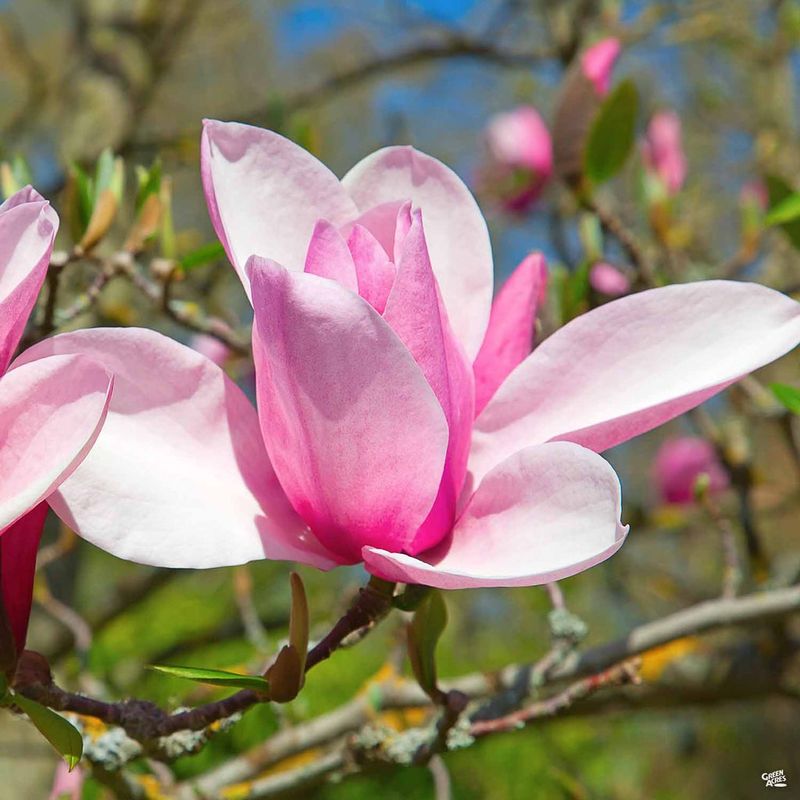
The tree holds its buds tight through chilly days, then bursts into a gorgeous display of deep pink and purple flowers once conditions are safer. That smart timing is exactly why this tree has become such a popular choice across the state.
2. Jane Magnolia Is Hardy In Michigan’s Climate
Michigan winters are not for the faint of heart, and most plants know it. Temperatures can plunge well below zero in the northern parts of the state, and even southern Michigan sees some seriously cold stretches.
Jane Magnolia handles all of it without breaking a sweat, thanks to its USDA hardiness rating of Zones 4 through 8.
Zone 4 covers some of the coldest areas in Michigan, including parts of the Upper Peninsula where winter temperatures can drop to around minus 20 to minus 30 degrees Fahrenheit.
The fact that Jane Magnolia thrives in these conditions makes it one of the most versatile flowering trees available to Michigan gardeners. You do not have to worry about losing the tree after a brutal cold snap.
Planting this tree in full sun to partial shade gives it the best shot at strong, healthy growth. Well-drained soil is equally important, since soggy roots can weaken even the hardiest plants over time.
Your Michigan Garden Changes Every Week. Your Plan Should Too.
Gardening in Michigan changes quickly throughout the season. Every Friday you’ll receive a simple weekly plan showing exactly what to plant, prune, fertilize, harvest, and protect so you never miss the right timing.
A little attention to planting location goes a long way with this tree. Whether your Michigan garden sits in Traverse City, Lansing, or Marquette, Jane Magnolia can handle the local winters.
Its cold hardiness is one of the top reasons nurseries across the state stock it every season, and why so many Michigan homeowners keep planting it year after year.
3. Flower Buds Tolerate Light Spring Frost
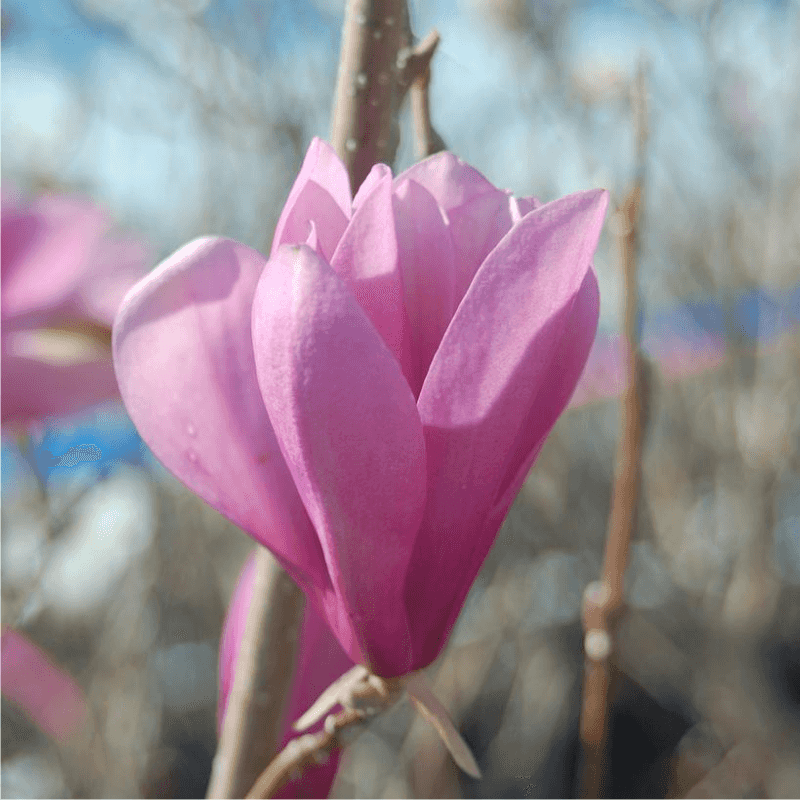
One of the most frustrating things about growing magnolias in Michigan is watching beautiful flower buds get destroyed by a late frost.
Many magnolia species are especially vulnerable because their buds open early, right when April cold snaps are still very possible. Jane Magnolia takes a smarter approach by developing its buds later in the season.
Because the buds form and open after the worst of the cold has typically passed, they face less risk from freezing temperatures.
Even when a light frost does occur after the buds have started to develop, Jane Magnolia tends to bounce back much better than many of its magnolia relatives.
The flowers may show a little frost damage on the outer petals, but the overall display usually stays intact.
This frost tolerance is not just a nice bonus. For Michigan gardeners who have experienced the heartbreak of watching a magnolia lose all its flowers to a cold snap, it is a genuine game changer.
Reliable blooms every spring make the tree far more satisfying to grow. Gardeners in cities like Kalamazoo and Flint have noticed this resilience firsthand.
While neighbors with other magnolia varieties sometimes end up with browned or wilted flowers after a cold night, Jane Magnolia keeps delivering that gorgeous pink and purple show season after season without much trouble at all.
4. Michigan Blooms Usually Appear In Late April Or Early May
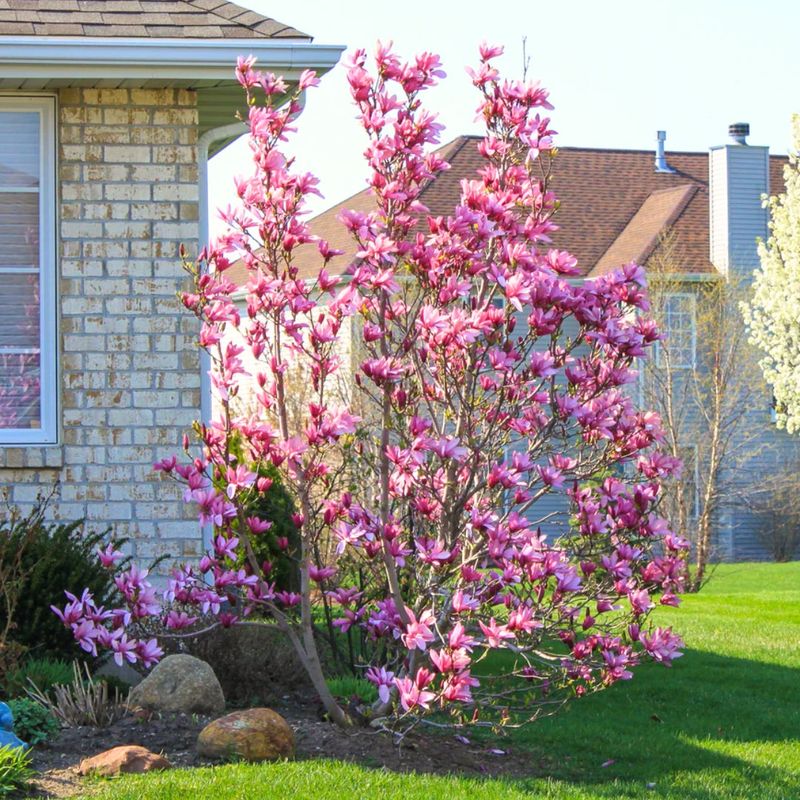
Timing is everything in a Michigan spring, and Jane Magnolia has its timing down to a fine art. In southern Michigan, including the greater Detroit area and cities like Ann Arbor and Kalamazoo, blooms typically begin appearing from late April into the first weeks of May.
The exact timing shifts a little depending on how warm or cool the spring has been up to that point.
Northern Michigan operates on a slightly different schedule. Towns like Traverse City and Petoskey see spring arrive a bit later, which means Jane Magnolia blooms may hold off until mid-May in those areas.
This regional variation is completely normal and does not indicate anything wrong with the tree. It is simply responding to the local climate it finds itself in.
Spring temperatures play the biggest role in when blooms open. A warm, early spring can push flowers out a week or two ahead of schedule, while a cold, drawn-out spring will delay them.
Either way, the wait is absolutely worth it when those deep pink and purple flowers finally pop open against the still-bare branches.
For Michigan gardeners planning their spring landscapes, knowing this bloom window helps with pairing Jane Magnolia alongside other spring-flowering plants.
Planting spring bulbs nearby creates a layered, colorful display that stretches from early spring all the way through May, turning any Michigan yard into a real showpiece.
5. The Tree Stays Compact For Small Yards
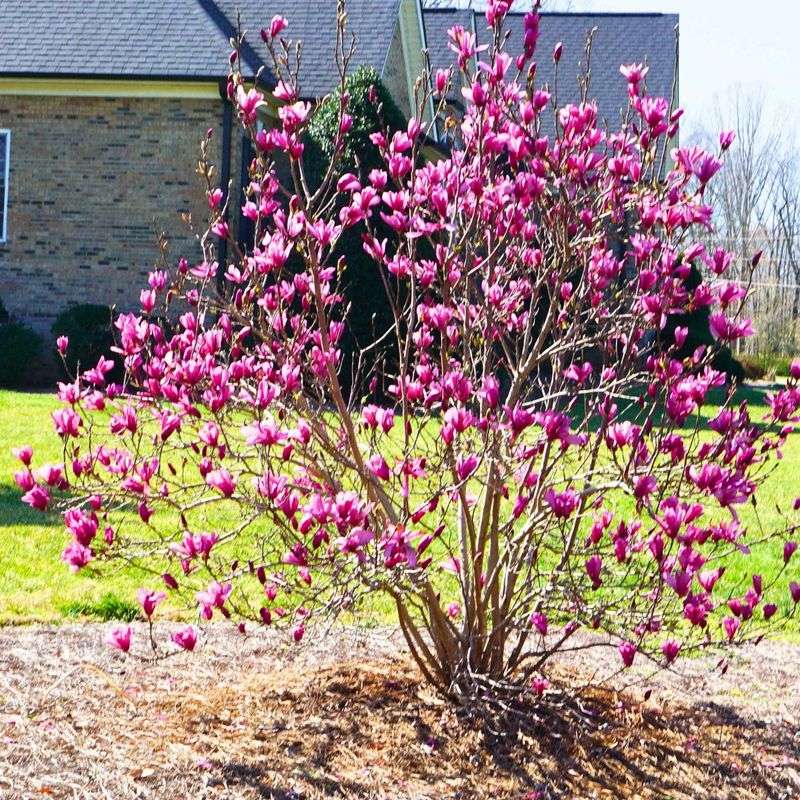
Not every Michigan homeowner has acres of land to work with, and that is exactly where Jane Magnolia really shines. Unlike some flowering trees that grow tall and wide and eventually take over a yard, Jane Magnolia stays refreshingly manageable.
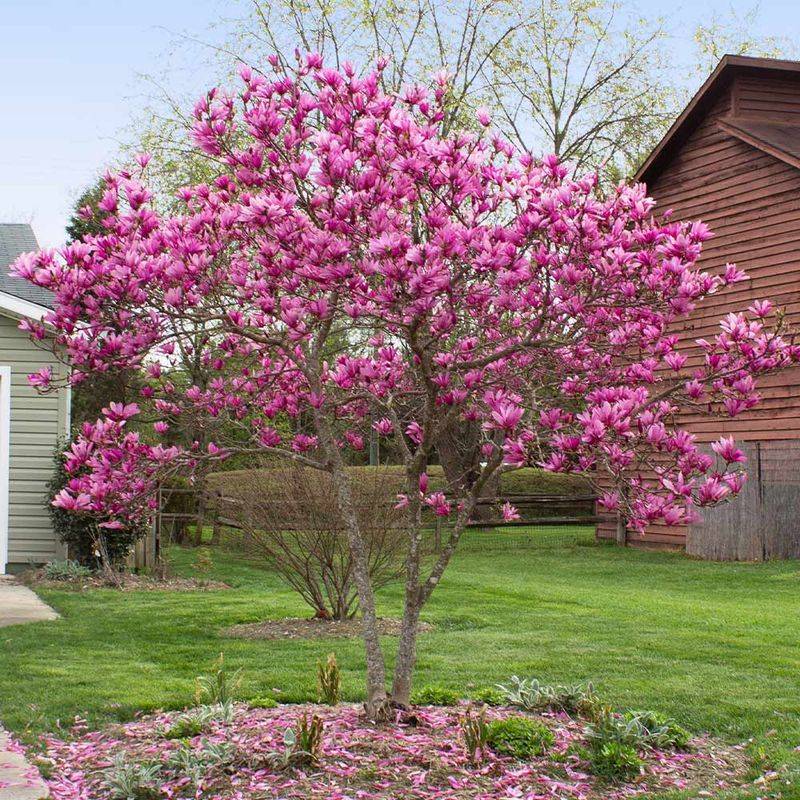
At maturity, it typically reaches somewhere between 10 and 15 feet tall with a similar spread, making it a perfect fit for smaller outdoor spaces.
This compact size opens up a lot of options for where you can plant it. Foundation plantings near the front of a home work beautifully, giving the house a burst of spring color right where visitors will notice it first.
Small landscape beds, corner plantings, and even narrow side yards can all accommodate this tree without it becoming overwhelming over time.
Michigan suburban neighborhoods are filled with yards that simply cannot support large shade trees near the house.
Jane Magnolia fills that gap perfectly, offering the drama and visual impact of a flowering tree without the worry of roots damaging foundations or branches overhanging rooftops.
It is one of those rare plants that looks bigger than its footprint actually is. Nurseries throughout Michigan, from Lansing to Grand Rapids, consistently recommend Jane Magnolia for exactly this reason.
Homeowners who want a standout focal point in a tight space keep coming back to this tree because it delivers maximum visual punch without demanding a lot of room to do it.
6. Flowers Open Gradually Over Several Weeks
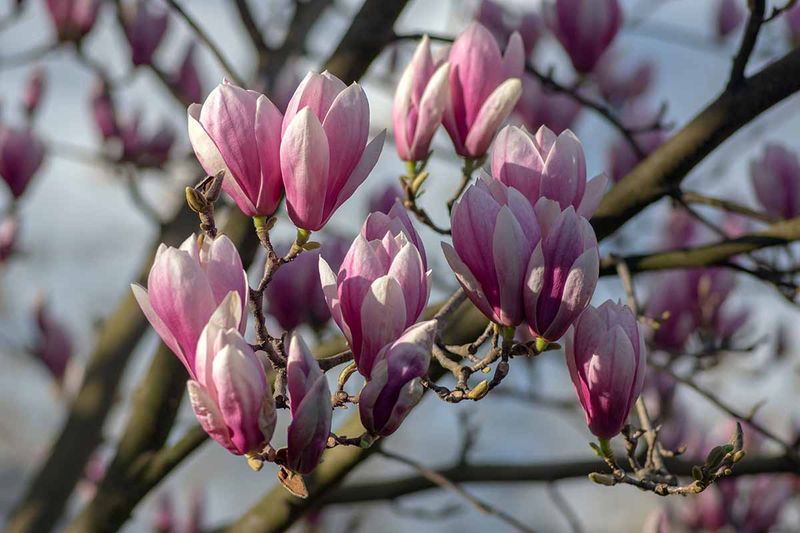
Some flowering trees put on one big, breathtaking show and then it is over in a week. Jane Magnolia plays a longer game.
Instead of opening all its flowers at once, the tree produces blooms in waves, with buds opening gradually over a period of several weeks rather than all at once. For Michigan gardeners, that extended display is a real treat after a long winter.
The flowers themselves are genuinely stunning. Deep pink to reddish-purple on the outside, they open to reveal pale, almost white interiors that add a lovely contrast.
Each flower has a tulip-like shape that makes the tree look elegant even when only a few blooms are open at a time. As more buds open week by week, the display builds steadily.
This staggered blooming pattern also provides a safety net against cold snaps. If an unexpected frost hits while some buds are still closed, those buds often survive to open later, keeping the show going.
Trees that bloom all at once do not have that same protection, which is another reason Jane Magnolia performs so reliably in Michigan.
Watching the progression of blooms on a Jane Magnolia from the first bud to the last open flower is one of the genuine pleasures of spring gardening in Michigan.
The tree rewards patient observers with weeks of changing color and texture right outside the window, making it well worth the spot it takes up in any yard.
7. The Tree Performs Best In Sheltered Locations
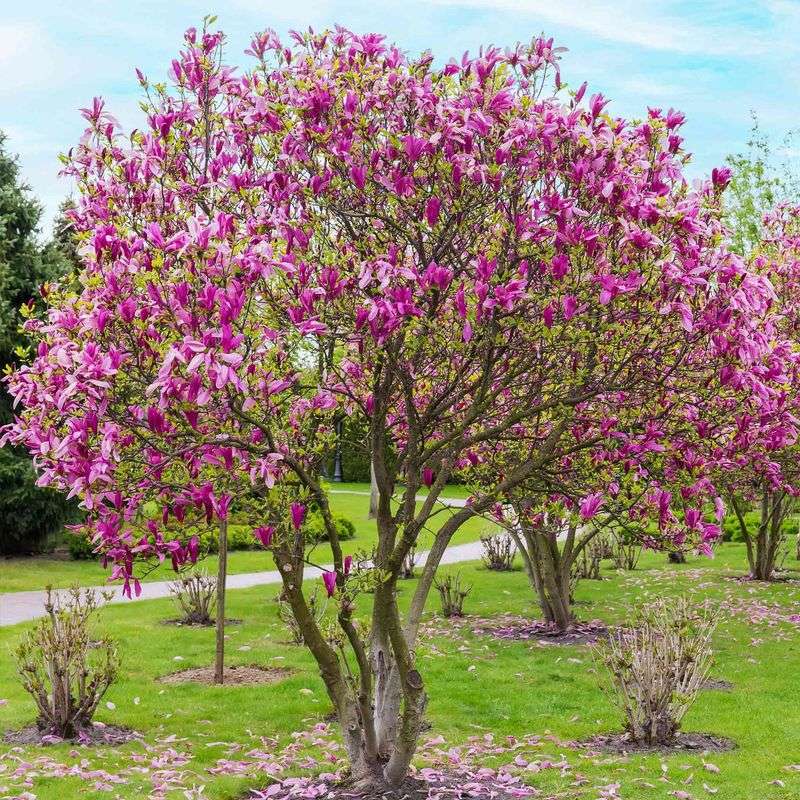
Even a cold-tough tree appreciates a little shelter, and Jane Magnolia is no different. While it handles Michigan winters with impressive strength, placing it in a spot that offers some protection from harsh wind and wild temperature swings gives it an even better chance to thrive.
Sheltered planting locations help protect those precious flower buds during the unpredictable stretches of early spring.
Planting near the south or east side of a home is one of the smartest moves a Michigan gardener can make with this tree.
The house wall acts as a windbreak and also absorbs and radiates heat, creating a slightly warmer microclimate that can make a meaningful difference during cold nights in April.
Fences and established hedgerows serve a similar purpose in more open yard settings. Windbreak plantings of evergreen trees or tall shrubs on the north and west sides of a property can shield a Jane Magnolia from the coldest winds that sweep across Michigan during late winter and early spring.
Even a modest amount of protection can reduce the chance of bud damage and help the tree open its flowers at the right time.
Gardeners in more exposed areas of Michigan, including open rural properties or lakefront lots along Lake Michigan, should pay extra attention to placement. A little planning at planting time saves a lot of disappointment later.
Giving Jane Magnolia a sheltered home lets it perform at its absolute best every single spring season.
8. Jane Magnolia Often Reblooms Slightly In Summer
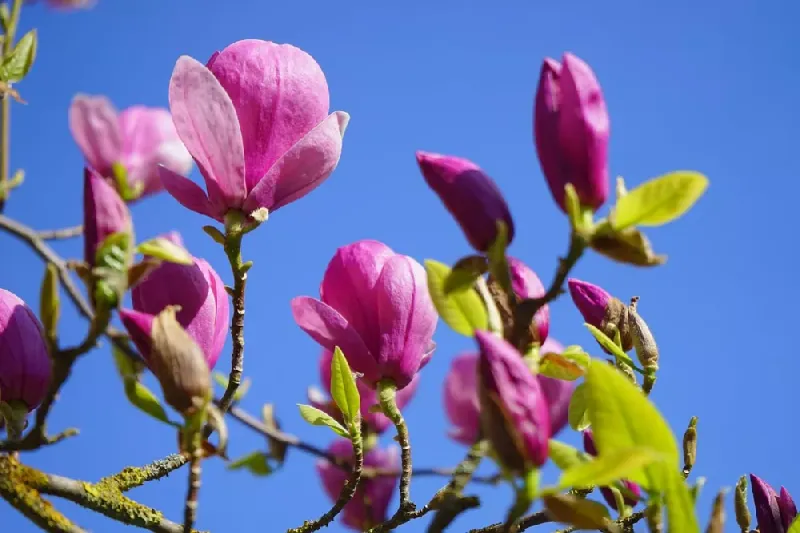
Most people think of Jane Magnolia as a spring tree, and that is mostly accurate. But here is a fun bonus that surprises a lot of Michigan gardeners the first time they notice it.
After the main spring bloom wraps up, Jane Magnolia sometimes produces a scattered handful of flowers again later in summer. It is not a full second bloom, but rather a light, occasional reappearance of those signature pink flowers among the green summer leaves.
This summer rebloom is a recognized trait of the cultivar, so it is nothing to worry about when you spot a few flowers opening in July or August. In fact, it is something to celebrate.
That pop of color against the deep green summer foliage is a pleasant reminder of the spring display, and it adds a nice unexpected touch to the garden during the warmer months.
Keeping the tree well-watered during dry Michigan summers helps maintain strong overall health, which supports both the tree’s summer foliage and its occasional rebloom.
Healthy, well-amended soil rich in organic matter gives the roots the nutrients they need to sustain steady growth from spring through fall.
Michigan gardeners who invest a little care into their Jane Magnolia tend to see better rebloom activity over time.
Regular deep watering during dry spells, a layer of mulch around the base, and avoiding heavy fertilization in late summer all contribute to a healthier, happier tree that keeps giving back season after season.