Michigan Fruit Trees You Can Still Prune In April For A Better Season
Michigan gardeners know how easy it is to second-guess spring pruning. Winter hangs on, the weather swings back and forth, and fruit trees can look like they are waking up before the rest of the yard has fully caught up.
By April, plenty of people start wondering whether they missed their chance or whether a few careful cuts could still help.
That question matters because pruning is not just about tidying the tree. It affects airflow, light, shape, and how the tree puts energy into the growing season ahead.
A tree left completely alone can become crowded faster than many people expect, especially after a few years of strong growth and uneven branching.
April is not too late for every fruit tree in Michigan, but it is not a free-for-all either. Some trees can still benefit from attention right now, and knowing which ones are worth pruning makes the next step much easier.
1. Apple Benefits From A Smart Spring Cleanup
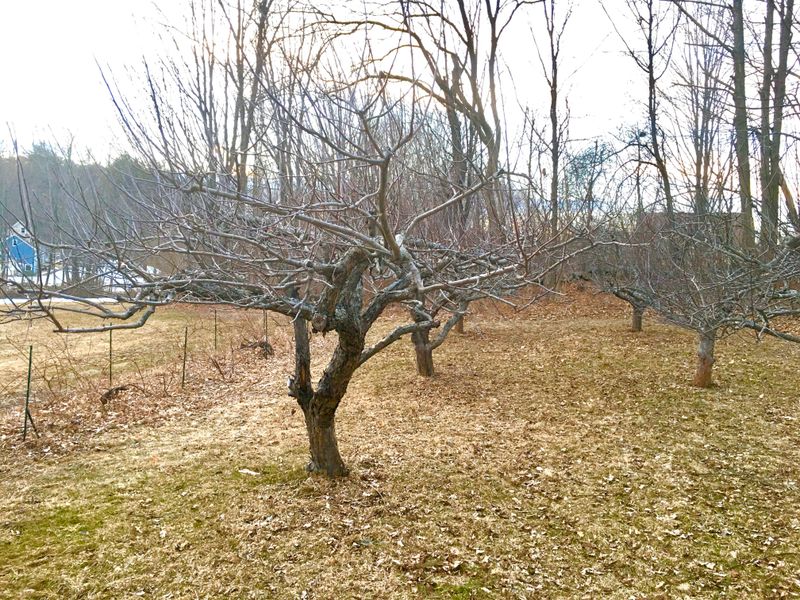
April is actually your last real chance to do structural pruning on apple trees before the season takes off, so do not let this window pass you by.
The goal when pruning apple trees is to create what growers call an open goblet shape. Think of it like opening up an umbrella from the inside out, so sunlight can reach every branch.
Remove any branches that grow inward toward the center of the tree, as well as any damaged or crossing limbs that rub against each other.
Encouraging spur growth is another big reason to prune apple trees in April. Spurs are those short, stubby little branches where apples actually form, and trimming back longer shoots pushes the tree to develop more of them.
More spurs generally means more fruit, and bigger fruit at that.
Michigan apple growers have long understood that a well-pruned tree is a productive tree. When branches are too crowded, air cannot flow freely, which creates damp conditions where fungal problems love to settle in.
Opening up the canopy helps prevent those issues before they even start.
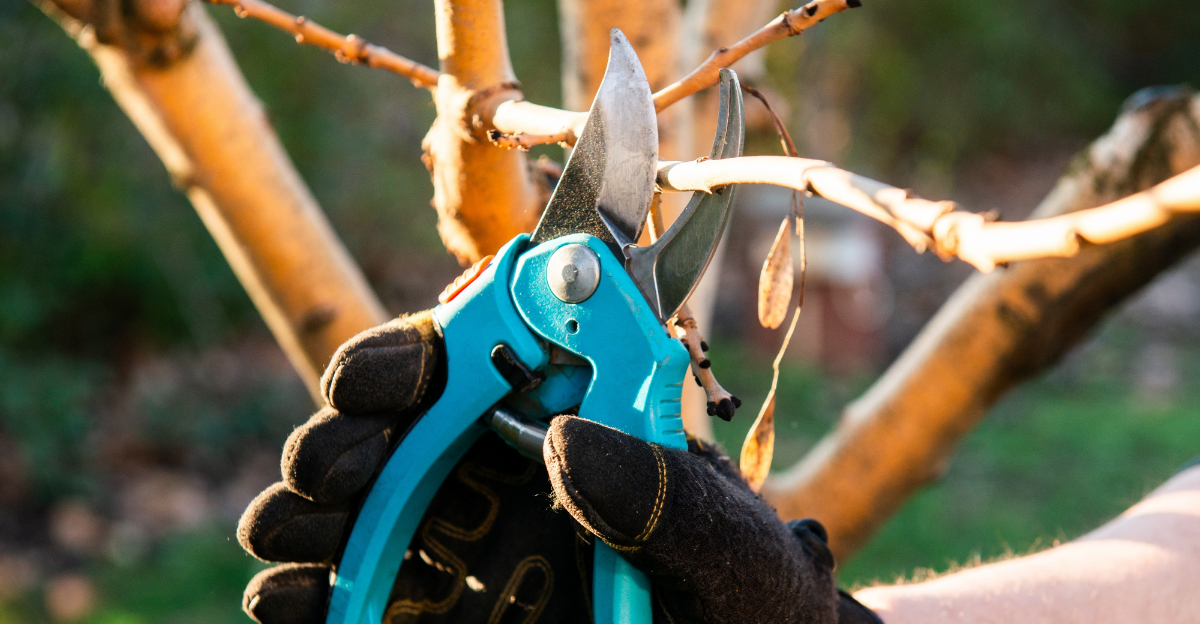
Use clean, sharp pruning shears and make your cuts just above a healthy bud or side branch. Avoid leaving stubs, as these can become entry points for pests and disease.
If you are working on a larger tree, a pruning saw may be needed for thicker limbs. Always clean your tools between trees to avoid spreading any potential issues from one tree to another across your Michigan garden.
2. Pear Shapes Up Well With Timely April Pruning
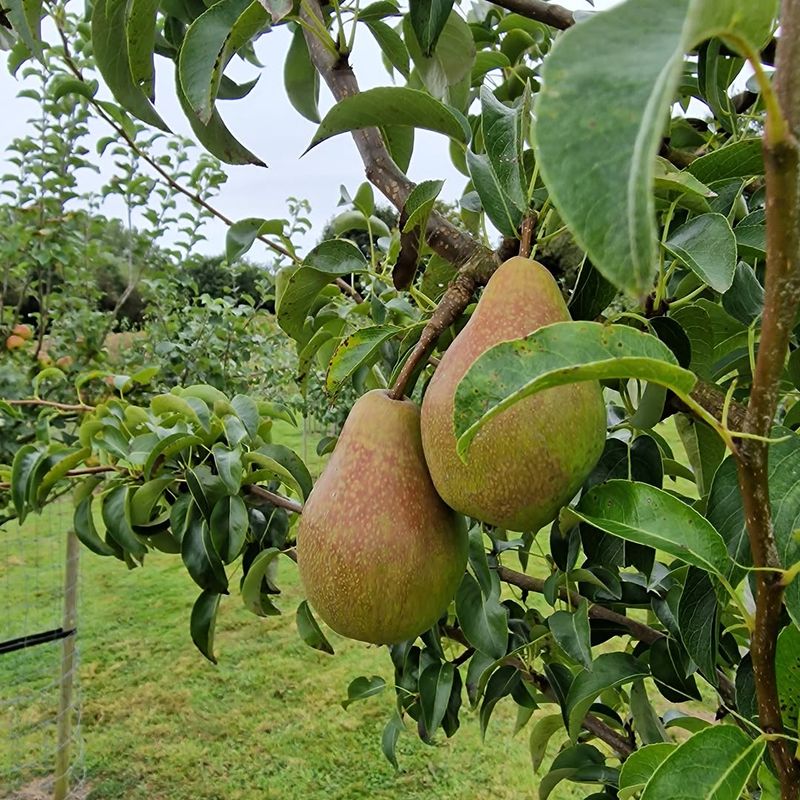
The key with pear trees is that they do not need heavy pruning, but they absolutely need strategic pruning to stay productive and healthy season after season.
Water sprouts are one of the main things to watch for when you head out to prune your pear trees in April. These are the fast-growing, upright shoots that shoot straight up from branches or from the base of the tree.
They look vigorous, but they rarely produce fruit and actually steal energy from the rest of the tree, so off they go.
Your Michigan Garden Changes Every Week. Your Plan Should Too.
Gardening in Michigan changes quickly throughout the season. Every Friday you’ll receive a simple weekly plan showing exactly what to plant, prune, fertilize, harvest, and protect so you never miss the right timing.
Unlike apple trees, pear trees naturally want to grow in an upright, somewhat narrow form, and you want to work with that shape rather than fight it. Removing dense, overlapping wood from the interior helps light and air move through the canopy without forcing the tree into an unnatural shape.
One thing Michigan gardeners should keep in mind is that pear trees are particularly sensitive to a bacterial disease called fire blight. Heavy pruning that causes lots of new, tender growth can actually make trees more vulnerable to this problem.
Light, thoughtful cuts are your best friend here.
After each cut, wipe your pruning tools with a disinfectant solution to avoid spreading any bacteria from branch to branch. Wood that is no longer viable should always be removed first, followed by any branches that cross or crowd the center.
Keeping your pear tree open and airy in April sets the stage for a cleaner, more productive growing season across your Michigan garden.
3. Peach Needs A Careful Trim For Better Growth
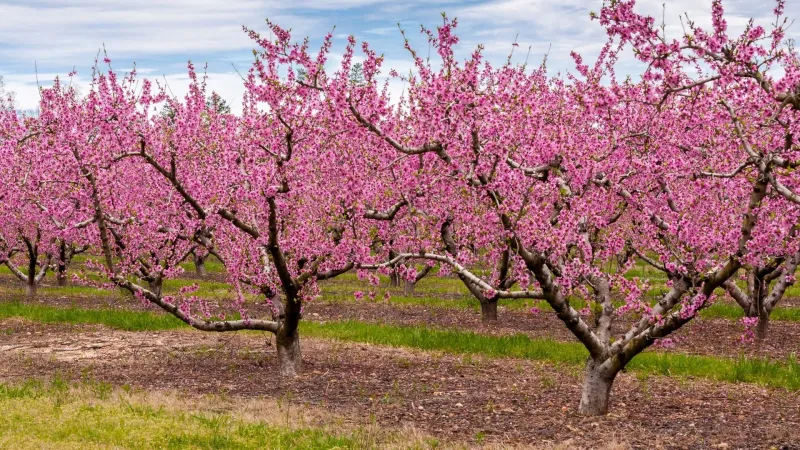
Out of all the fruit trees you might grow in the Great Lakes State, peaches require the most aggressive April pruning to keep them fruiting well year after year.
The reason for this comes down to how peaches produce their fruit. Unlike apples or pears, peaches only grow fruit on wood that was produced the previous year.
That means if you skip pruning, you end up with a tree full of old, unproductive wood and very little fresh growth where the action actually happens.
Aim to remove about one-third to one-half of last year’s growth each April. It might feel like a lot, but peach trees bounce back quickly and reward that boldness with strong new shoots loaded with fruit buds.
The open-center shape, which looks almost like a wide bowl or vase, is the standard approach for peaches because it allows maximum sunlight into the canopy.
Good airflow is especially important for peach trees in Michigan because the humid summers here can encourage fungal diseases like peach leaf curl. A well-thinned canopy dries out faster after rain, which helps keep those problems in check without relying too heavily on sprays.
When pruning, always cut back to a healthy outward-facing bud or side shoot. Avoid leaving long stubs, and make your cuts clean and smooth.
If you have a young peach tree, now is also a great time to start training its scaffold branches so the structure is solid going into the years ahead. Your future self will thank you come harvest time in late summer.
4. Plum Responds Well To A Light Spring Tidy Up
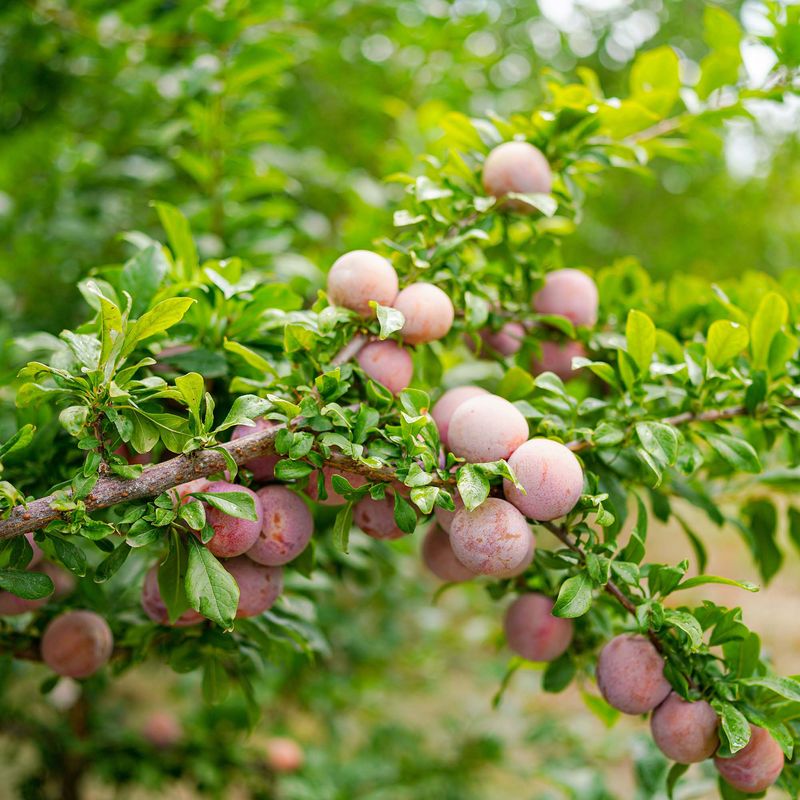
Plum trees have a quiet charm about them. They do not demand as much attention as peach trees, and they are generally more forgiving of Michigan winters, but they still benefit from a little thoughtful trimming in April to stay at their best.
Light pruning is the name of the game with plums in spring. You are not trying to reshape the whole tree or remove massive amounts of wood.
Instead, think of April pruning on plums as more of a tidy-up session, clearing out anything damaged, declining, or just a little too crowded for comfort.
One thing Michigan plum growers should keep in mind is silver leaf disease, a fungal problem that enters through fresh pruning wounds. The spores that cause it spread more easily in wet, cool conditions, which April in Michigan can definitely deliver.
Always choose a dry day for pruning, and ideally pick a stretch when no rain is forecast for a few days afterward.
Crossing branches are a common issue in plum trees because they tend to produce a lot of vigorous side shoots. Where two branches rub against each other, the bark gets damaged and weak spots form over time.
Removing one of the two offending branches solves the problem and keeps the canopy cleaner and more open.
Plum trees also tend to send up suckers from the base or from the roots, especially on grafted trees. Pull these out or cut them off as close to the ground as possible.
Letting suckers grow takes energy away from the main tree and can even lead to a totally different plant taking over if the rootstock variety is different from the grafted fruiting variety you actually want growing in your Michigan yard.
5. Tart Cherry Can Still Be Pruned For A Stronger Season
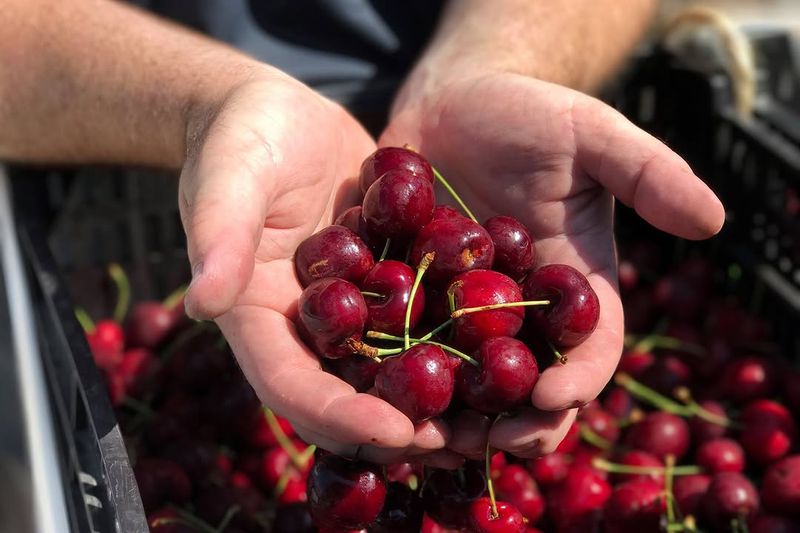
Michigan is famous for its tart cherries, and for good reason. The state produces more tart cherries than anywhere else in the country, with the Traverse City area being practically synonymous with the fruit.
If you grow a tart cherry tree in your yard, April is a great time to give it some attention before those beautiful blossoms appear.
Tart cherry trees, also called sour cherries, naturally grow in a spreading, somewhat rounded shape. Pruning in April helps maintain that form while clearing out wood that no longer contributes to fruit production.
Weak branches should be the first to go, followed by any that cross through the center of the canopy.
One of the best things about tart cherries compared to sweet cherries is that they are much more cold-hardy, making them well-suited to Michigan’s unpredictable spring weather. Still, it is best to prune tart cherries during dry weather and avoid periods of wet conditions that can increase disease risk.
Tart cherry trees produce fruit on one-year-old wood as well as on spurs that develop on older wood. Keeping a mix of younger growth and established spur-bearing branches is the key to consistent harvests.
Avoid removing too much older wood at once, as that can reduce fruiting for a season or two while the tree catches up.
After pruning, take a step back and look at the overall shape of your tree. A well-pruned tart cherry should look balanced and open, with no single branch dominating the others.
Clean tools, proper cuts, and a dry pruning day will go a long way toward keeping your Michigan tart cherry tree healthy and producing abundantly for many seasons to come.
6. Sweet Cherry Benefits From Selective Spring Pruning
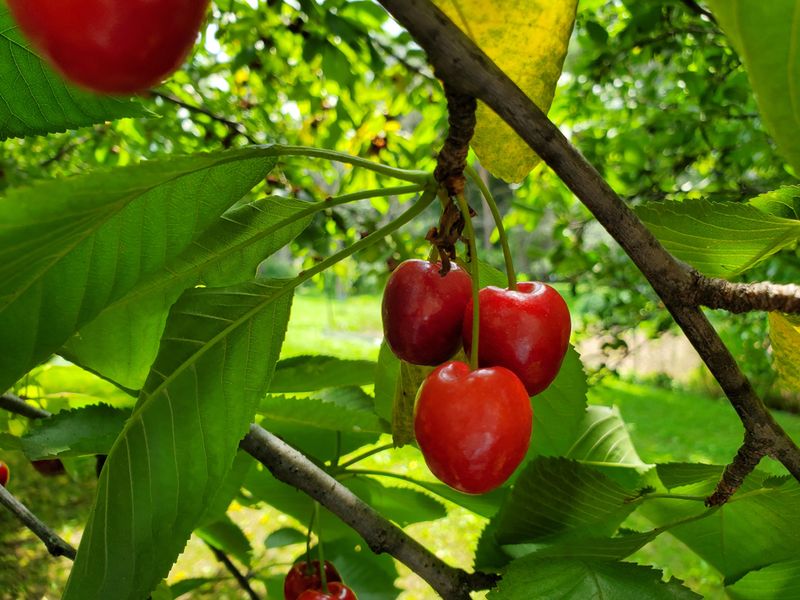
Most experienced growers prefer to do major pruning on sweet cherries in the summer, after harvest, because spring wounds can be more vulnerable to fungal problems like brown rot and bacterial canker. That said, light shaping in April is perfectly fine, especially for young trees that are still building their structure.
If you have a sweet cherry tree in its first few years of growth in your Michigan garden, April is actually a wonderful time to start guiding those scaffold branches. The scaffold branches are the main limbs that radiate out from the trunk, and getting them positioned well early on saves a lot of corrective work later.
Aim for three to five evenly spaced scaffold branches that grow outward and upward from the trunk.
For mature sweet cherry trees, keep April pruning minimal. Remove any damaged wood, and clip back any shoots that are growing straight up or crowding the center of the canopy.
Resist the urge to make large cuts, as big wounds on sweet cherries are slow to heal and can invite problems during the wet Michigan spring season.
Sweet cherries grow vigorously, sometimes putting on several feet of new growth in a single season. Because of this, they can quickly become too large to harvest easily if left unpruned for several years.
Consistent light pruning each April, combined with a more thorough summer session, keeps the tree at a manageable size without stressing it out.
Always use sharp, clean tools and make smooth cuts just outside the branch collar. Your sweet cherry tree will reward your careful attention with heavy clusters of glossy, delicious fruit all summer long right in your Michigan backyard.
7. Apricot Needs A Gentle Approach In April
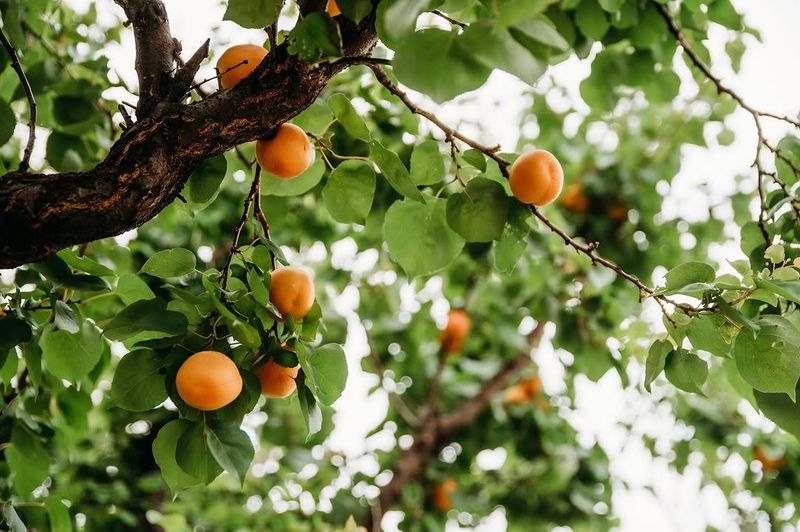
Growing apricots in Michigan is a bit of an adventure. Apricot trees bloom earlier than almost any other fruit tree, which means late frosts can sometimes damage the blossoms before they ever get a chance to set fruit.
But that does not stop dedicated Michigan gardeners from growing them, and with the right pruning in April, you can help your apricot tree stay healthy and as productive as possible.
Apricots produce fruit on short spurs that develop on two-year-old and older wood, similar to plums. The goal when pruning in April is to preserve a good supply of healthy spur-bearing wood while removing branches that are crowding the canopy or have become weak and unproductive.
An open canopy is especially important for apricots because good air circulation helps prevent brown rot, which is one of the most common and damaging problems for this fruit in Michigan’s humid summers.
Keep your cuts moderate in April. Apricots are somewhat sensitive to heavy pruning in spring, and removing too much at once can stress the tree and reduce fruiting for the coming season.
Focus on the three Ds: damaged, diseased, and declining wood. Once those are cleared out, move on to any crossing or rubbing branches before calling it done for the day.
Apricot trees also benefit from having their water sprouts removed. These fast-growing upright shoots appear frequently after pruning and should be pinched or snipped off as soon as you notice them throughout the growing season.
Planting your Michigan apricot tree in a sheltered spot with good southern exposure gives it the best shot at escaping late frost damage. Combined with smart April pruning, that simple step can make a real difference in how much fruit ends up on your table each summer.