Best Shade Trees To Grow In Your Phoenix Backyard
Phoenix summers are no joke – triple-digit temperatures can make your backyard feel more like a furnace than a relaxing retreat.
The right shade tree can drop the temperature under its canopy by 10 to 20 degrees, making patios, play areas, and west-facing walls dramatically more comfortable.
But not every tree handles Phoenix heat, alkaline soil, and limited water the same way. Dense shade works beautifully over a patio, while filtered shade suits garden beds and walkways.
Placement near west-facing walls or driveways can change how much relief you actually feel during peak afternoon heat.
Choosing the right tree also means thinking about root space, mature spread, and how much water you can realistically provide through the establishment period and beyond.
The eight trees in this guide are well-suited for Phoenix conditions and offer a range of sizes, shade types, and maintenance profiles to match almost any backyard situation.
1. Evergreen Elm Creates A Wide Canopy For Phoenix Yards
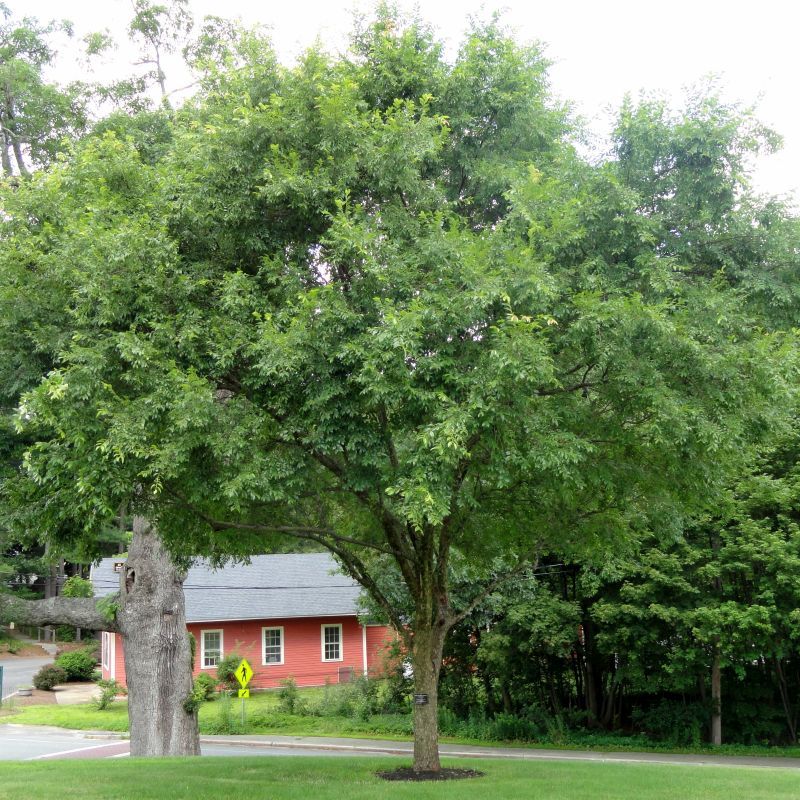
Fast shade is the reason people plant evergreen elm. This tree is often sold as “evergreen elm,” and it’s also known as Chinese elm or lacebark elm.
In Phoenix-area plant lists, it’s commonly described as a fast-growing shade tree that can form a broad crown. That quick canopy payoff can be a big deal in a backyard that feels exposed all afternoon.
It also tends to cast a cooler-feeling shade than many desert trees with very open canopies.
Size depends heavily on site and water. Some local references list it around 35 feet tall and wide, while others note it can become substantially larger with frequent irrigation and room to spread.
The practical takeaway is to treat it as a large-canopy tree and give it generous space away from tight walkways and hardscape. Planning for a wider mature spread helps you avoid lifting sidewalks or squeezing patios later.
It’s also worth thinking about where you want shade to fall at different times of day, since a broad crown can shift light patterns a lot.
In Phoenix it’s often semi-evergreen, with a seasonal leaf drop that can show up around late winter, followed by fresh growth. It can work well over patios and seating zones where you want more consistent coverage than a fully deciduous tree provides.
That late-winter leaf drop can be messy for a short window, so placing it away from a pool or high-traffic patio can reduce cleanup frustration.
2. Chinese Pistache Brings Big Shade And Fall Color
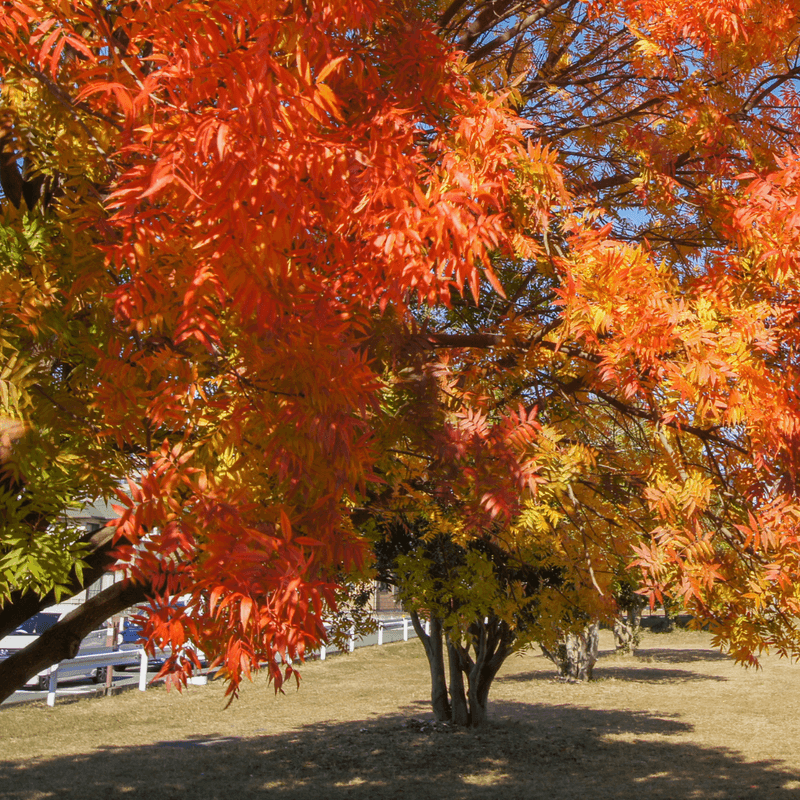
Walking out to a Phoenix patio in July and actually feeling cool is something most homeowners think is impossible – until they sit under a mature Chinese Pistache.
This tree develops a broad, rounded canopy that can spread 25 to 35 feet wide at maturity, delivering dense overhead shade that genuinely changes how usable your outdoor space feels during summer afternoons.
Chinese Pistache grows to about 25 to 40 feet tall and does best in full sun, which Phoenix has in abundance. It handles reflected heat from block walls and concrete better than many trees, making it a solid candidate for west-facing placements where afternoon sun hammers hardest.
Your Arizona Garden Changes Every Week. Your Plan Should Too.
Gardening in Arizona changes quickly throughout the season. Every Friday you’ll receive a simple weekly plan showing exactly what to plant, prune, fertilize, harvest, and protect so you never miss the right timing.
The canopy spreads wide enough to cover a large patio, a portion of a driveway, or even shade a south-facing wall of the house.
Root spread is moderate compared to more aggressive trees, but you still want to plant it at least 10 to 15 feet from sidewalks, foundations, and underground utilities.
During the first two to three years in Phoenix, deep, infrequent watering helps roots push down into the soil rather than spreading shallow.
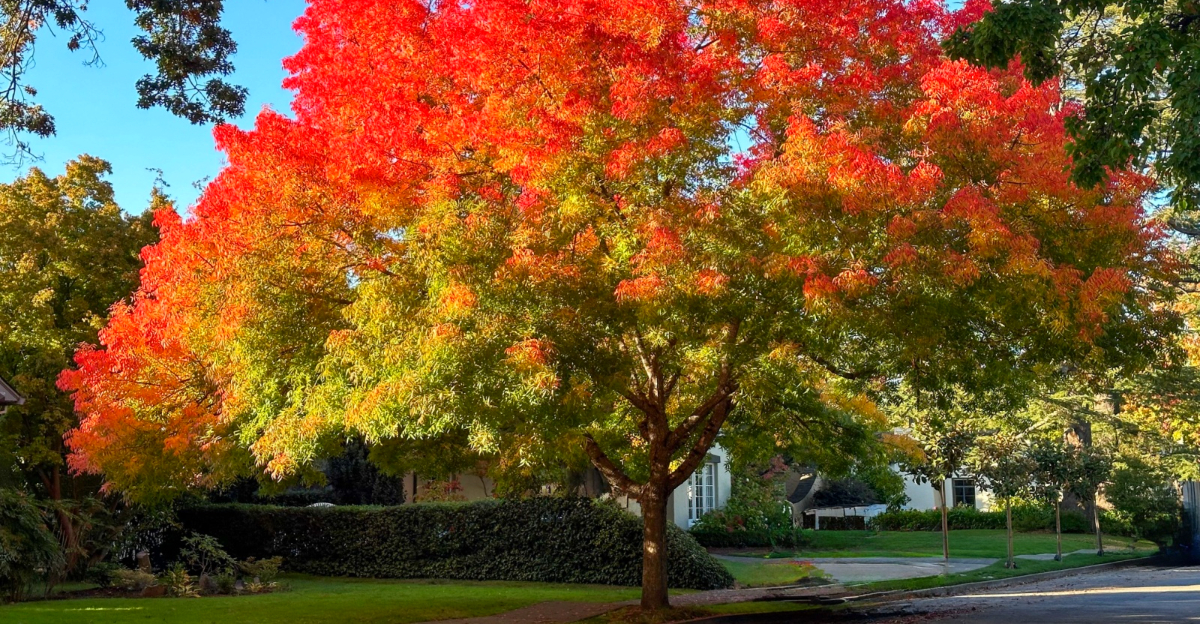
One of the biggest draws for Phoenix gardeners is the fall color. Most desert trees stay green or simply drop leaves without fanfare, but Chinese Pistache turns brilliant shades of orange, red, and yellow in late fall – a rare treat in the desert.
The trade-off is that it is deciduous, so winter sun does reach through the bare canopy, which can actually be a seasonal advantage for warming patios.
3. Velvet Mesquite Spreads Cool Shade With Desert Toughness
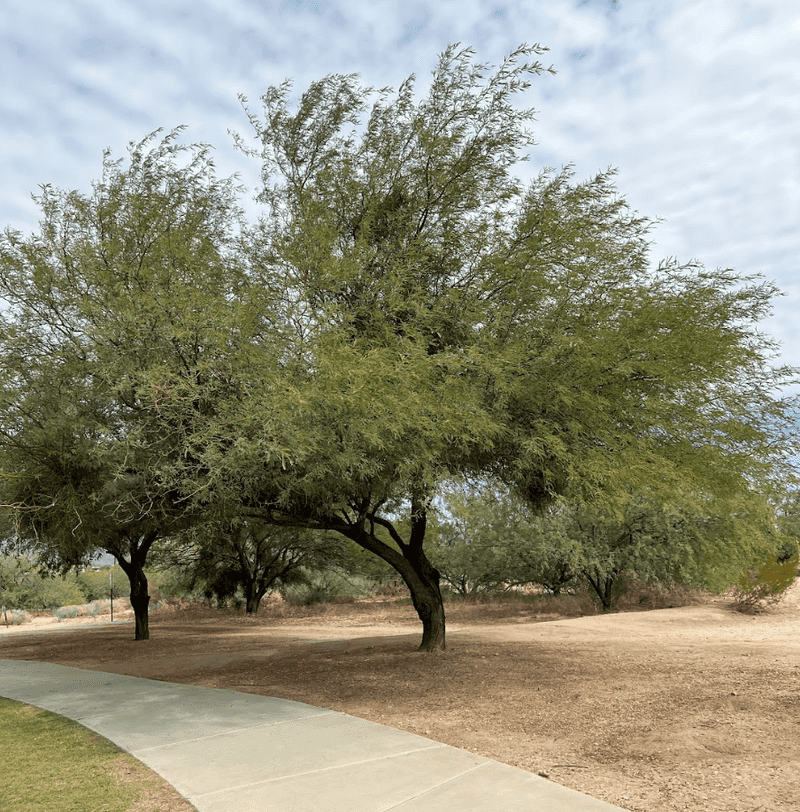
Reflected heat off block walls and concrete can be brutal in Phoenix, and Velvet Mesquite handles it with true Sonoran Desert toughness.
This native species is built for exactly the conditions Phoenix throws at it – alkaline soil, brutal summer heat, and long dry stretches between rains.
Velvet Mesquite typically reaches 20 to 30 feet tall with a wide, spreading canopy that provides dappled or filtered shade.
That filtered quality works especially well over desert garden beds, gravel areas, and outdoor seating where you want shade without completely blocking airflow.
The feathery, fine-textured foliage softens the look of any Phoenix yard and layers beautifully with native shrubs like brittlebush, desert marigold, and globe mallow planted beneath.
Root depth and spread are significant with mesquite, so give this tree plenty of room – at least 15 to 20 feet from walls, foundations, and hardscape.
Deep taproots are one of the reasons it handles drought so well, but surface roots near irrigation sources can spread wide over time.
Avoid planting directly over buried irrigation lines.
Seed pods and leaf litter are the honest trade-offs with this tree. The pods attract wildlife including birds and small mammals, which many Phoenix gardeners view as a genuine benefit.
Thorns on younger trees are worth noting if you have children or pets using the area. Once established, this tree needs very little supplemental water, making it one of the most water-efficient shade options in the Valley.
4. Blue Palo Verde Adds Light Shade And Spring Blooms
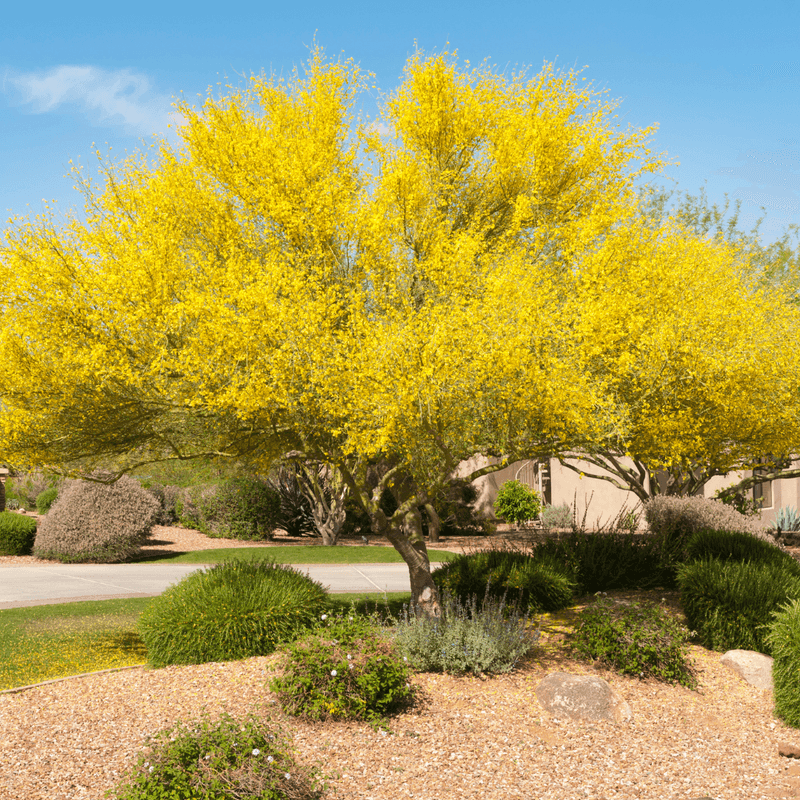
Every spring, Blue Palo Verde puts on a show that stops people in their tracks. Clouds of bright yellow flowers cover the entire tree for a few weeks, turning a Phoenix yard into something that looks almost too beautiful to be real.
But beyond the flowers, this tree earns its place as a reliable, low-water shade option suited perfectly to desert conditions.
As Arizona’s state tree, Blue Palo Verde reaches about 25 to 30 feet tall with an open, airy canopy.
The shade it provides is filtered rather than dense – sunlight still filters through the small leaves and green photosynthesizing bark, creating a dappled pattern that works well over gravel gardens, walkways, and desert plant groupings.
For full patio coverage, pairing it with a denser tree or positioning it to block late afternoon western sun is worth considering.
The green bark is one of this tree’s most distinctive traits. Even when the tree drops its tiny leaves during drought stress, the bark continues photosynthesizing, allowing the tree to maintain energy production through dry periods.
This adaptation makes Blue Palo Verde one of the most drought-tolerant trees available for Phoenix landscapes.
Thorns are present, especially on younger trees, so placement away from play areas and high-traffic pathways makes sense. Seed pods drop in summer and can be prolific, requiring seasonal cleanup.
Root spread is moderate, and the tree generally plays well near walkways when given a reasonable buffer of 8 to 10 feet.
Deep, infrequent watering during establishment helps anchor this tree well in Phoenix’s sandy and caliche soils.
5. Desert Willow Brings Airy Shade And Flowers
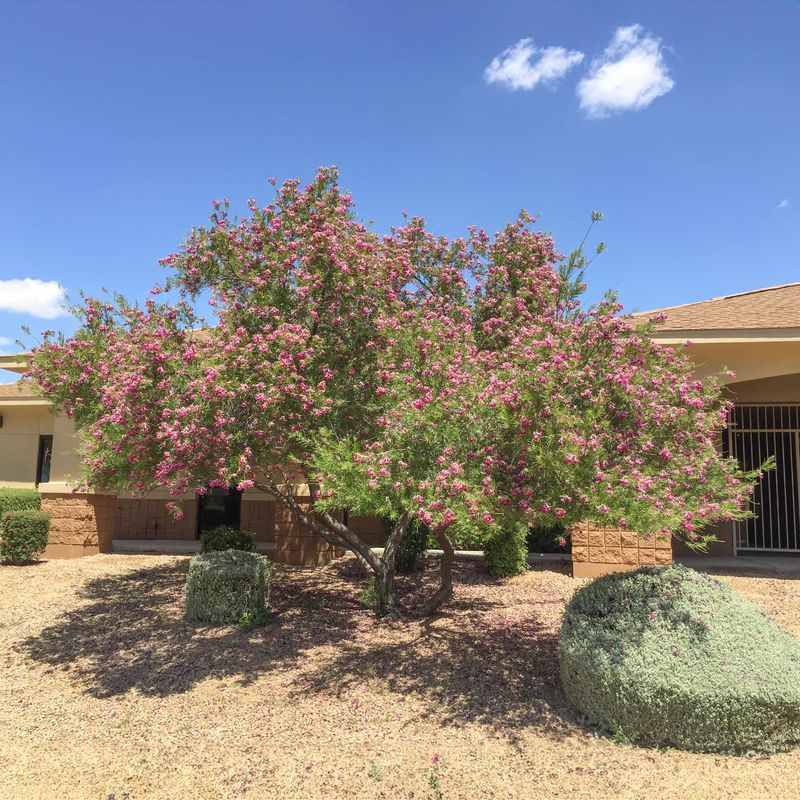
Desert willow is a strong Phoenix pick when you want flowers, movement, and lighter shade. It’s commonly listed around 25 feet tall and 20 feet wide with blooms that can run from spring into fall in flushes.
Those narrow leaves and airy branches let breezes move through, which can make a seating area feel less stuffy than it would under a very dense canopy. It also fits smaller yards where a massive shade tree would feel out of scale.
Desert willow is tied to washes in nature, so it often looks best with deep, periodic watering and good drainage, not a no-irrigation setup.
The upside is that it’s usually more forgiving than many flowering trees in heat, and it can handle full sun with smart watering.
A consistent deep soak during the hottest stretch can keep flowering stronger and help the tree avoid a stressed, sparse look. Good drainage is still key, especially in spots where runoff collects during monsoon storms.
It attracts hummingbirds and pollinators, and seed pods can add some litter depending on cultivar and cleanup preferences. It works well as a patio accent or as a secondary canopy layered with a denser shade tree.
Planting it where you can see the flowers up close makes the bloom season feel like a real feature, not just background color.
6. Ironwood Gives Filtered Shade With Low Water Needs
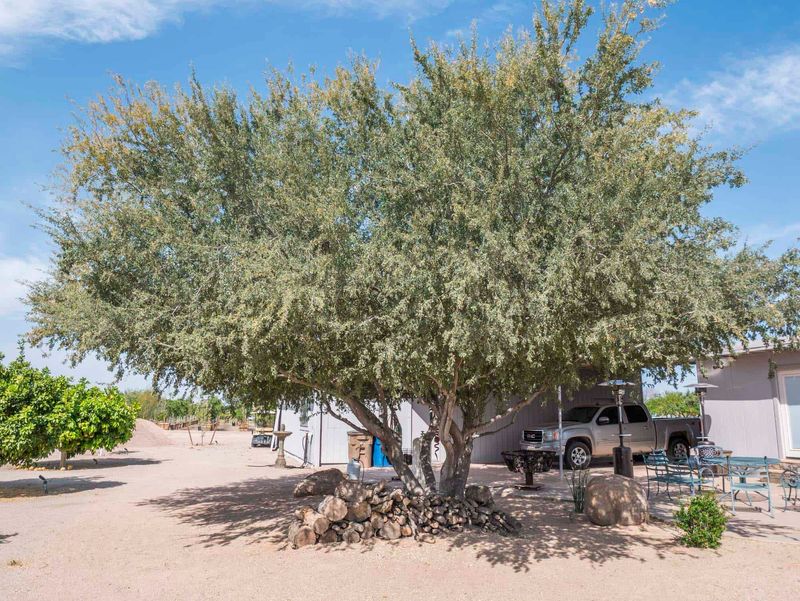
Ironwood is a long-game tree that fits desert-style landscapes. It’s a Sonoran Desert native that can provide filtered shade and can remain evergreen except in colder winters, depending on site and weather.
The canopy has a calm, airy look that feels right at home in Phoenix yards that lean native and low-water. Mature trees can also create a noticeably cooler pocket for desert plants that struggle in full afternoon sun.
The growth rate needed a correction. In landscapes, it’s often described as slow, commonly around 6–12 inches of growth per year under good conditions, though it can vary.
The payoff is durability and character, and some ironwoods in natural settings are thought to persist for centuries.
That slower pace can be a plus for smaller backyards where you want shade to build gradually rather than overwhelm the space.
Planning for its mature size early helps you place patios and desert beds in ways that will still work years down the road.
Ironwood can have spines, so keep it away from tight paths and play zones. It can be a great “nurse” canopy for understory desert plants that appreciate some afternoon protection.
Under its filtered shade, you can often grow a wider range of desert perennials with less leaf scorch in peak summer.
A little clearance around the trunk also makes it easier to work under the canopy without snagging clothing or gloves.
7. Texas Ebony Makes Dense Evergreen Shade
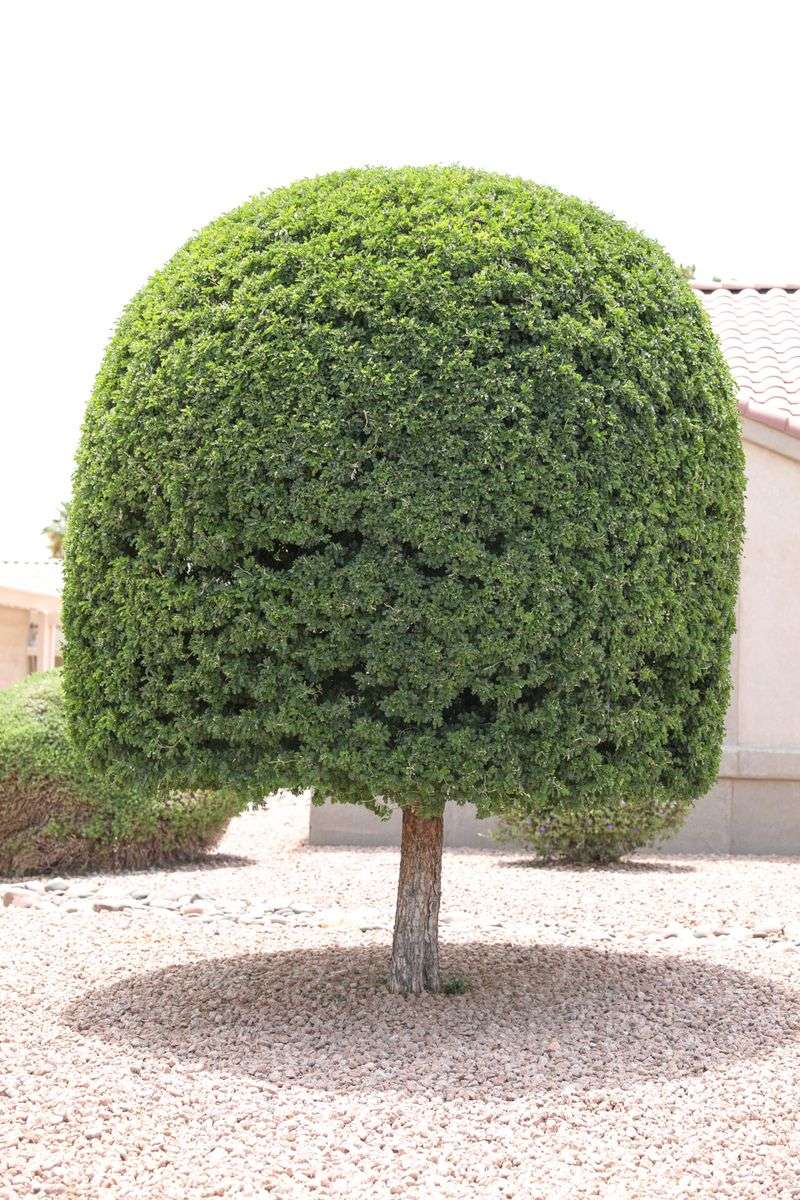
Texas ebony is a good option when you want evergreen structure and denser shade in a smaller footprint than many big canopy trees.
In regional desert plant lists it’s often shown around 20 feet tall and about 15 feet wide, sometimes larger with favorable conditions and irrigation.
That compact size can be a big win in Phoenix backyards where space near patios and walls is limited. The dark, glossy leaves also give it a richer look than many desert trees, especially against gravel and stucco.
The canopy is compact and can work well near patios and seating areas where year-round shade matters. It’s also thorny, which is a real planning factor for front edges, sidewalks, and gates.
Giving it a little buffer from walkways makes maintenance and cleanup much easier. Thoughtful placement also helps you avoid brushing against branches when you’re moving patio furniture or hauling trash bins.
It’s typically described as very low water use once established, but it still benefits from thoughtful establishment watering and good drainage.
Avoid overpruning, since some guidance warns the bark can sunburn when the canopy is opened up too much.
Light shaping tends to look better than aggressive thinning, especially in Phoenix where sun exposure is intense. A wider mulch ring can also help roots stay cooler and reduce stress during the hottest stretch of summer.
8. Canyon Hackberry Adds Canopy Shade And Wildlife Value
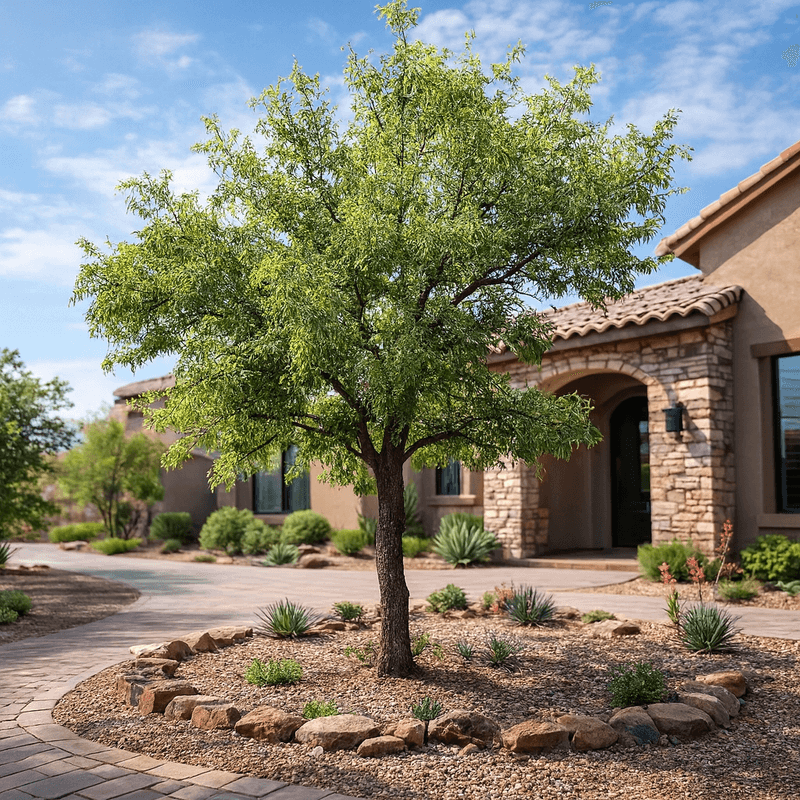
Monsoon season in Phoenix has a way of testing every tree in the yard, and Canyon Hackberry tends to come through it with the kind of structural resilience that earns long-term trust from homeowners.
This native Southwestern tree handles the heat, the wind, the alkaline soil, and the feast-or-famine rainfall pattern of the Sonoran Desert with quiet reliability.
Canyon Hackberry grows 20 to 30 feet tall with a broad, spreading canopy that provides moderate to dense shade depending on the tree’s age and form.
The irregular, somewhat rugged canopy shape gives it a natural character that fits well in desert-style landscapes.
It works nicely as a front yard canopy tree, a driveway shade tree, or as part of a layered planting with native shrubs and ground covers beneath its spreading branches.
The wildlife value of Canyon Hackberry is one of its most appreciated qualities in Phoenix yards. Small orange-red berries ripen in fall and attract a wide range of birds, including thrushes, mockingbirds, and quail.
For homeowners who enjoy watching desert wildlife from a shaded patio, this tree functions as both shade provider and natural bird feeder through the cooler months.
Root spread is moderate, and the tree is generally well-behaved near walkways when given adequate spacing of 10 to 15 feet. Berry drop in fall creates some cleanup but is manageable and worth the wildlife activity it generates.
Water needs are low to moderate once established, with deep irrigation every two to three weeks through the first Phoenix summer helping roots push down into the soil. Full sun placement suits it best.