What Many Arizona Gardeners Miss Before The First Real Heat Arrives
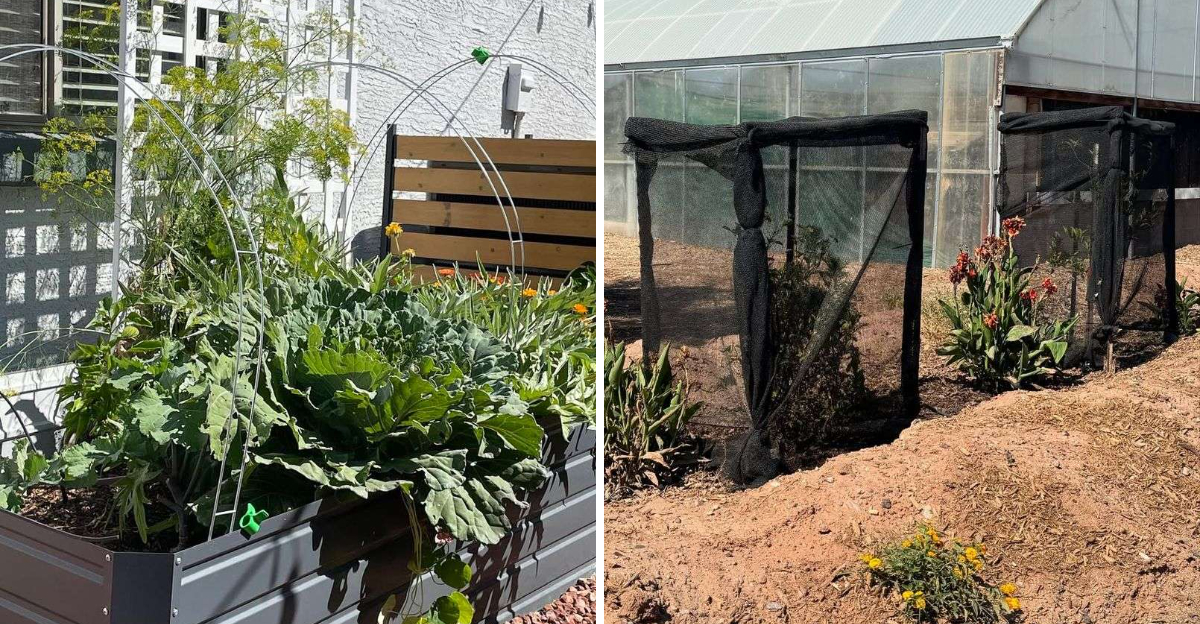
Early spring in Arizona can feel manageable, which makes it easy to assume plants are set up for the season ahead. Growth starts to pick up, new leaves look healthy, and everything seems on track.
Then conditions shift fast, and that early progress can stall without warning.
Many gardens struggle not because of extreme heat itself, but because a few key steps were missed before temperatures begin to rise. Soil dries out faster, roots face more stress, and plants that looked fine weeks earlier start to show signs of decline.
That short window before the first real heat matters more than most expect. A few adjustments made at the right time can help plants stay steady instead of reacting under pressure once conditions become harder to manage.
1. Soil Dries Faster Than Expected As Temperatures Rise
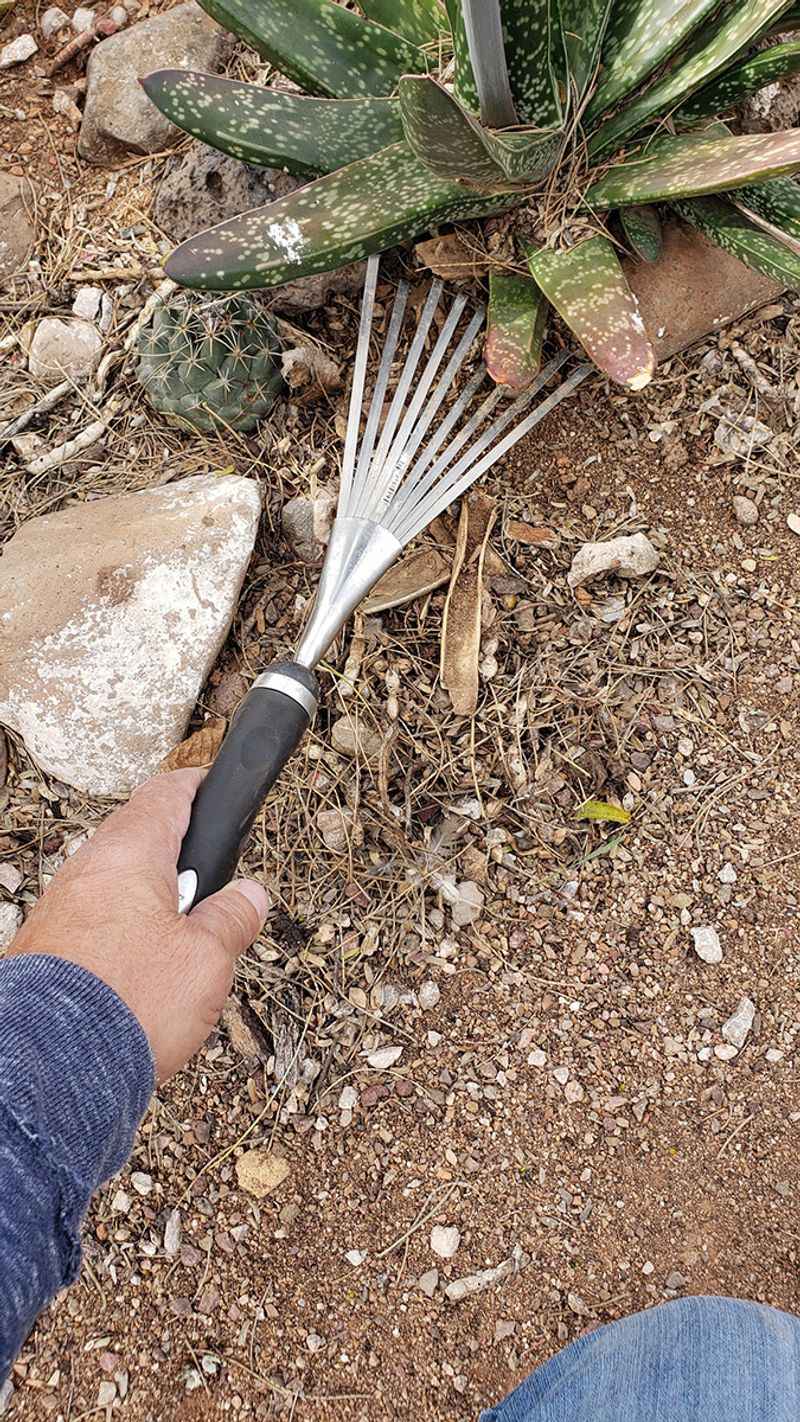
Grab a handful of your garden soil right now, and you might be surprised how dry it already is. Arizona soil, especially in lower elevations, loses moisture at a pace that catches a lot of gardeners off guard during the transition from mild weather to full heat.
Sandy and rocky soils are common across much of the state, and they simply do not hold water the way denser soils do in other regions.
Adding organic compost to your beds in early spring is one of the most practical moves you can make. Compost improves the soil structure enough to slow down moisture loss without turning your beds into a soggy mess.
Even a two-inch layer worked into the top several inches of soil can make a noticeable difference in how long your plants stay hydrated between watering sessions.
Checking soil moisture before you water is a habit worth building now. Stick your finger about two inches down into the soil.
If it feels dry at that depth, it is time to water. If it still feels slightly cool and damp, hold off.
Overwatering in warming soil can cause root problems just as quickly as underwatering. The goal is to keep moisture consistent, not to flood and then forget.
Arizona gardeners who start paying attention to soil condition in early spring tend to have an easier time managing their gardens once the real heat arrives in late May and June.
2. Irrigation Needs Change Quickly Before Heat Sets In
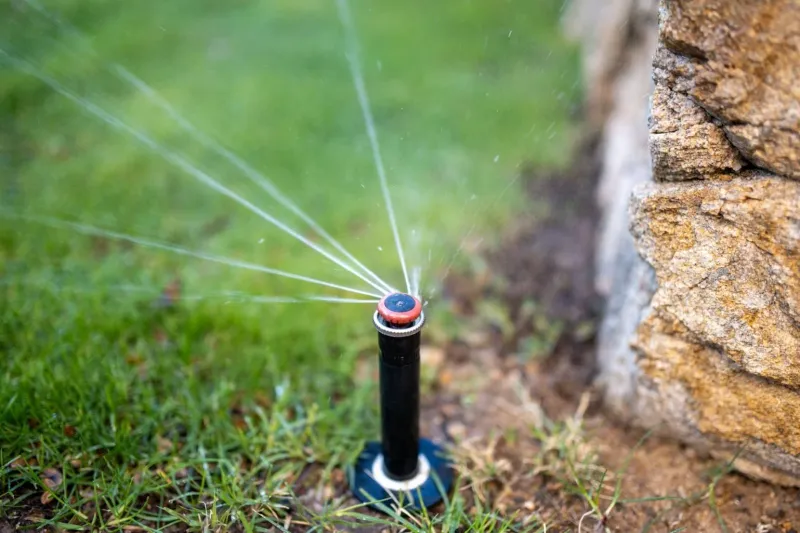
Watering schedules that worked fine in February can fall short by April. Temperatures across Arizona ramp up gradually but consistently, and the irrigation timing that felt adequate a month ago may no longer be cutting it.
Plants that looked healthy last week can start showing stress signs quickly if you do not adjust.
Shifting to deep, infrequent watering before the intense heat arrives encourages roots to grow deeper into the soil. Shallow, frequent watering keeps roots near the surface where soil dries out first.
Deeper roots have access to more stable moisture and are less affected by the intense surface temperatures that Arizona summers bring.
Drip systems and soaker hoses are worth setting up early if you have not already, since they deliver water directly to the root zone with less evaporation than overhead sprinklers.
Your Arizona Garden Changes Every Week. Your Plan Should Too.
Gardening in Arizona changes quickly throughout the season. Every Friday you’ll receive a simple weekly plan showing exactly what to plant, prune, fertilize, harvest, and protect so you never miss the right timing.
Morning watering is a reliable approach in Arizona because it gives plants time to absorb moisture before afternoon heat peaks. Evening watering can leave foliage damp overnight, which sometimes leads to fungal issues in humid microclimates near walls or dense plantings.
Adjusting your irrigation controller every few weeks as temperatures climb, rather than leaving it on one setting all spring, keeps things closer to what your plants actually need.
Tucson and Phoenix gardeners especially notice a big difference between March and May water requirements, so checking your system regularly and making small adjustments goes a long way toward keeping your garden in solid shape heading into summer.
3. Mulch Helps Reduce Moisture Loss In Early Warm Periods
Bare soil in an Arizona garden during spring is basically an open invitation for rapid moisture loss. Without any protective cover, the surface of your garden beds can heat up dramatically by midday, pulling moisture out of the soil faster than your irrigation can keep up with.
Mulch acts as a buffer between the soil and the sun, and it makes a real, measurable difference.
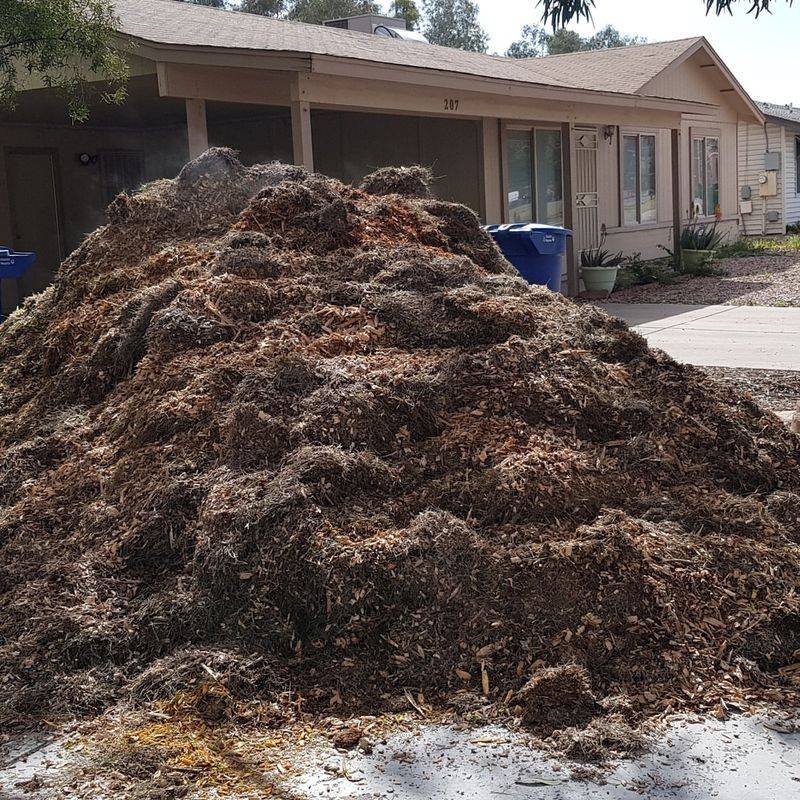
A three to four inch layer of organic mulch, whether wood chips, straw, or shredded bark, placed around your plants can help keep soil temperatures more stable during those transitional weeks before full summer heat arrives.
Stable soil temperature matters because extreme fluctuations stress root systems, particularly for plants that are still getting established.
Mulch also slows weed growth, which means less competition for the water and nutrients your garden plants need.
One thing to keep in mind is to keep mulch pulled back slightly from plant stems. Piling it directly against stems can trap unwanted moisture against the base of the plant, which sometimes leads to rot.
A small gap of an inch or two around each stem is enough. Refreshing your mulch layer in early spring, before temperatures really start climbing, is easier than trying to add it once the heat is already intense.
Gardeners across Arizona, from Flagstaff down to Yuma, use mulch as a reliable tool for extending the productive life of their spring gardens into the warmer months without dramatically increasing water use.
4. Shallow Roots Struggle Without Early Adjustment
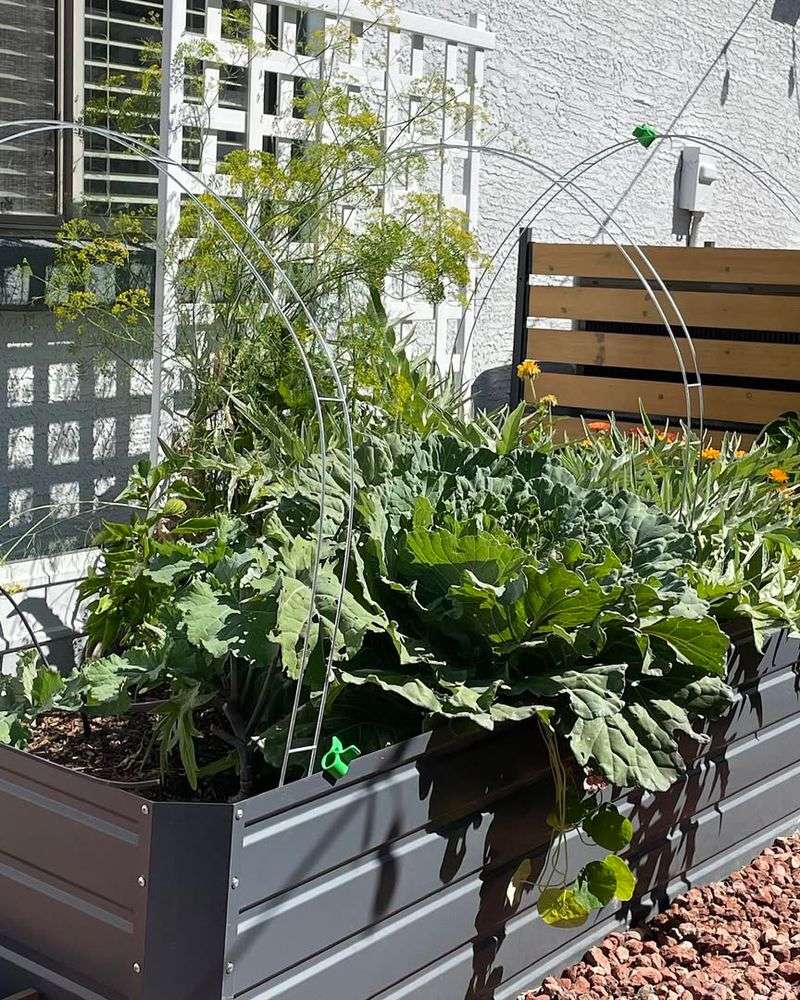
Root depth matters more in Arizona than in most other states. When surface soil heats up to extreme temperatures in summer, shallow roots have nowhere to escape the heat.
Plants that never developed deep root systems early in the season are the first ones to show stress when June arrives, and by then it is much harder to correct the problem.
Encouraging deeper root growth starts with how you water in late winter and early spring. Frequent light watering keeps roots near the surface because that is where the moisture consistently is.
Switching to longer, less frequent watering sessions pushes roots to follow moisture deeper into the soil profile. It takes a few weeks of adjusted watering for roots to respond, so starting this process before the heat hits gives plants time to actually adapt.
Transplants and seedlings put in the ground during spring also benefit from a slower, deeper watering approach from the very beginning. Starting them off with good habits means they develop root systems better suited to surviving Arizona summers.
Raised beds, which are popular among vegetable gardeners in the Phoenix and Tucson areas, tend to dry out faster than in-ground beds, so the depth issue is even more significant there.
Mixing compost into raised bed soil improves water retention and gives roots a more hospitable environment to grow downward.
Catching this early, before the soil heats up significantly, gives your plants a realistic shot at staying productive well into the warmer months.
5. Sun Exposure Intensifies Before Peak Summer
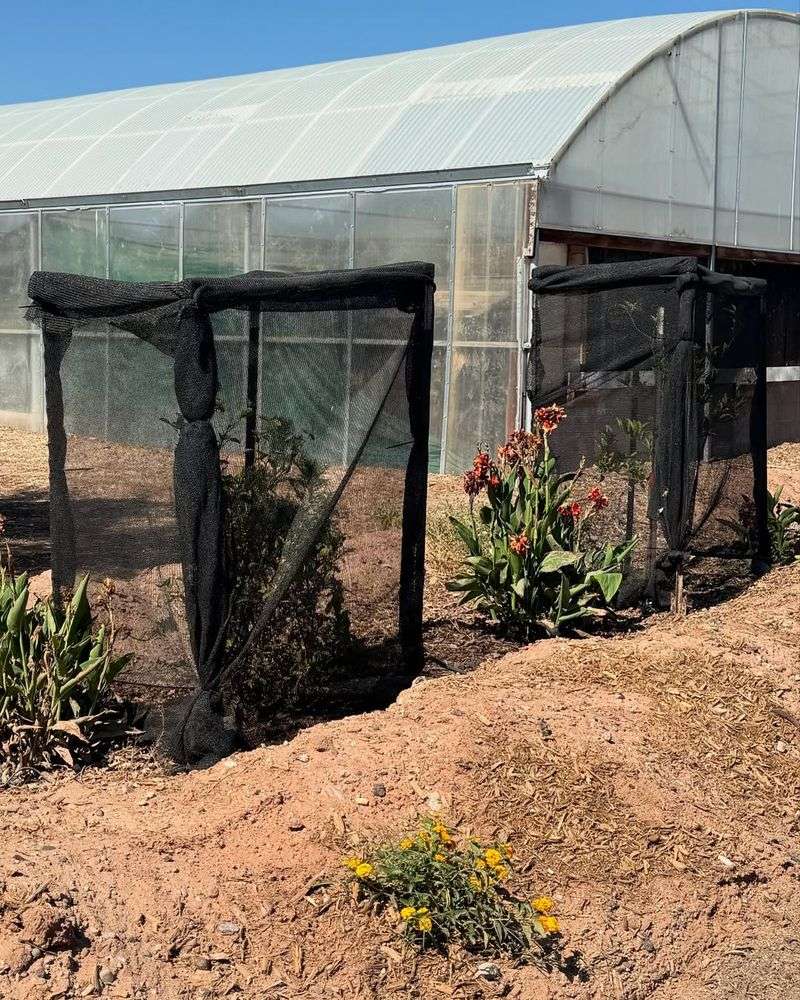
April sun in Arizona is not gentle. Plenty of gardeners underestimate how strong the UV intensity already is by mid-spring, well before the official start of summer.
Plants that handled full sun just fine in February can start showing signs of sunscald or leaf burn by late April, especially those with softer foliage like lettuce, basil, or young tomato transplants.
Positioning shade cloth over vulnerable plants before temperatures peak gives them a buffer during the adjustment period.
A 30 to 40 percent shade cloth is usually enough to take the edge off intense afternoon sun without cutting out so much light that growth slows down.
Shade cloth is reusable and relatively inexpensive, making it a practical investment for Arizona gardeners who grow vegetables through spring and into early summer.
Taller plants and structures can also provide natural shade for shorter, more heat-sensitive plants. Planting sunflowers, corn, or even trellised beans on the west side of sensitive crops can block some of the harshest late-afternoon sun.
Afternoon shade matters more than morning shade in Arizona because temperatures peak between roughly 2 and 5 p.m. Morning sun is generally well-tolerated by most plants.
Paying attention to where shadows fall in your garden during different parts of the day, and then arranging your plantings accordingly, is a low-cost strategy that experienced Arizona gardeners use to keep cool-season crops productive a few weeks longer than they otherwise would be as spring heat builds.
6. Containers Heat Up Faster Than Ground Soil
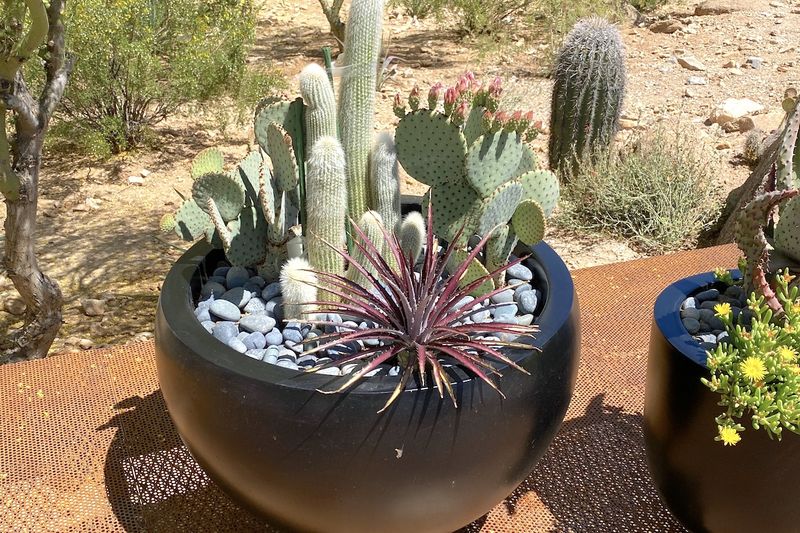
Container gardens on Arizona patios and balconies face a different challenge than in-ground beds. Pot walls absorb heat directly from the sun, and smaller containers especially can reach soil temperatures that stress roots within just a few hours on a warm spring afternoon.
Black or dark-colored pots are the worst offenders, since they absorb significantly more heat than light-colored ones.
Switching dark containers to lighter colors, or wrapping them with burlap or a reflective cover, can bring soil temperatures down noticeably. Moving containers to a spot that gets afternoon shade is another option, particularly for herbs like cilantro and parsley that bolt quickly in heat.
Ceramic and terracotta pots tend to stay cooler than thin plastic ones because the material itself provides some insulation, though terracotta also dries out faster due to its porous nature.
Watering containers more frequently than in-ground beds is unavoidable in Arizona spring and summer. A container that needs water every two days in March might need daily watering by late April.
Grouping containers together can create a small microclimate that reduces the drying effect of hot, dry air moving across individual pots.
Using a moisture-retaining potting mix rather than standard garden soil also helps slow down how fast containers dry out.
Gardeners in urban Arizona areas like Mesa, Scottsdale, and Chandler often rely heavily on container gardening due to limited yard space, so understanding how containers behave differently from ground beds is genuinely useful knowledge heading into the hotter months.
7. Early Preparation Supports Better Plant Performance
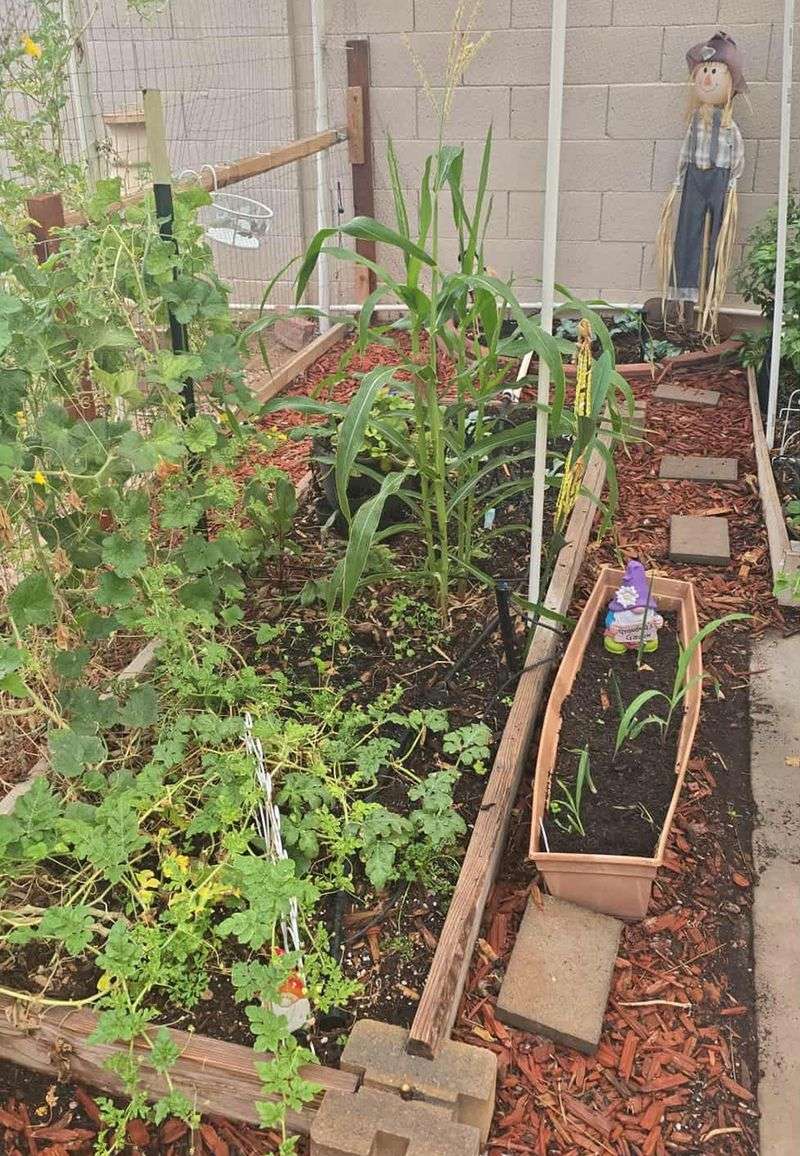
Getting your garden ready before the heat arrives is less about doing everything perfectly and more about not falling behind. Arizona’s spring window is genuinely short.
Conditions shift from comfortable to challenging in a matter of weeks, and plants that go into that transition stressed or underprepared tend to struggle more than those that had a solid start.
Fertilizing in early spring gives plants a nutritional boost during the period when they are actively growing and can actually use it.
Applying a balanced fertilizer before temperatures climb helps support strong growth without pushing plants to produce excessive tender new growth that heat can damage.
Avoid heavy fertilization once hot weather arrives, since plants under heat stress cannot process nutrients efficiently and excess fertilizer can sometimes make things worse.
Checking for pest pressure early is also worth doing before summer arrives. Aphids and whiteflies tend to build up on spring vegetables, and catching an infestation early is far easier than dealing with it once populations explode in warm weather.
A quick walk through your garden every few days to look at leaf undersides and new growth takes only a few minutes but gives you a much clearer picture of what is happening.
Arizona gardeners who spend a little extra time on preparation in February and March consistently report that their gardens hold up better through the brutal stretch from late May through July.
Small, consistent efforts made early tend to pay off more reliably than reactive fixes made once the heat is already in full force.