The Right Way To Prune Lantana In Arizona For Continuous Flowers
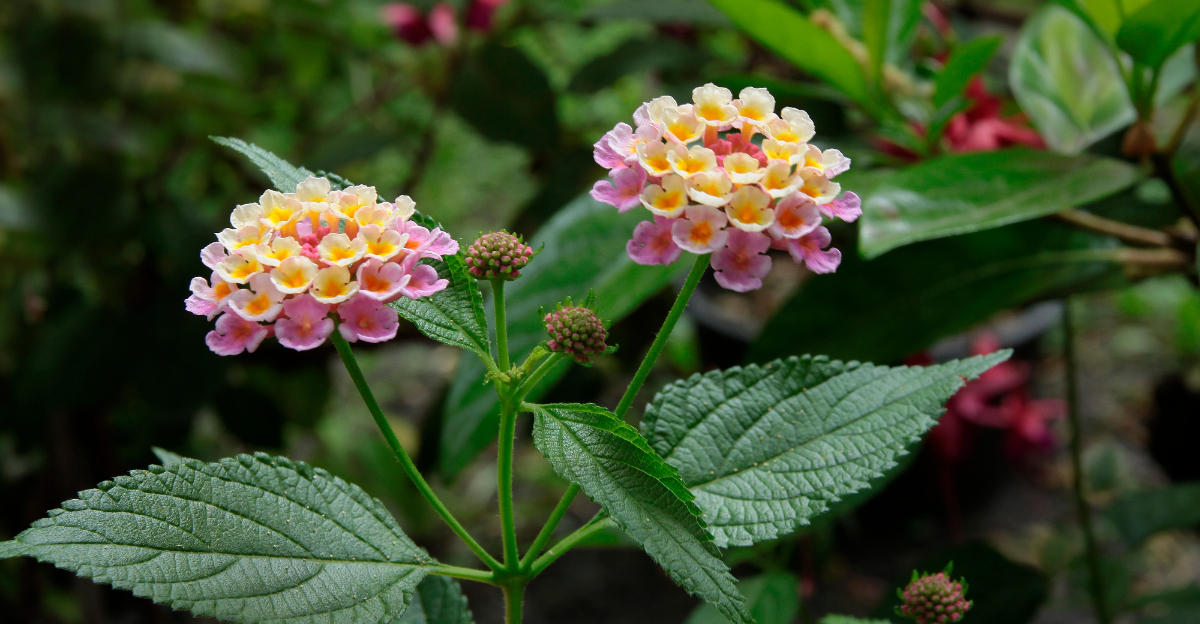
Lantana is one of those plants that seems perfectly suited for Arizona gardens. It handles intense sun, keeps blooming through long warm months, and quickly fills beds and containers with bright color that butterflies and bees cannot seem to resist.
But when lantana starts looking woody or uneven, many gardeners wonder if pruning will help or accidentally stop the flowers.
The truth is that lantana actually benefits from the right kind of pruning, especially as new growth begins to take off in Arizona. A careful trim can encourage fresh stems, fuller growth, and a much longer run of blooms through the season.
Cutting too much or pruning at the wrong moment, however, can slow things down and delay flowering.
With the right approach, pruning lantana is simple and can make a noticeable difference in how full and colorful the plant looks as the season moves forward.
1. Wait Until Frost Risk Has Passed In Arizona
Patience pays off when it comes to lantana in Arizona. One of the biggest mistakes gardeners make is reaching for their pruning shears too early in the year, before the last frost has come and gone.
Arizona winters can still surprise you with cold snaps, especially in higher elevation areas like Flagstaff, Prescott, and even parts of the Phoenix metro.
Most low-desert areas in Arizona, including Tucson and Phoenix, typically see their last frost sometime between late January and mid-February.
But if you live at a higher elevation, you may need to wait until late February or even early March before you can safely start cutting back your lantana.
Checking a local frost date calendar for your specific Arizona zip code is a smart move before you pick up any tools.
Lantana stems that look completely brown and lifeless after a cold spell are not necessarily gone for good. Many times, the roots are still healthy underground, and new growth will push up from the base once temperatures warm up.
If you prune too early and another frost hits, you are exposing fresh new growth to damage that could have been avoided.
A good rule of thumb is to wait until you see tiny green buds starting to appear on the lower stems before making any big cuts. That is your plant telling you it is ready.
In most parts of Arizona, that window falls right around late February through early March, making it the ideal time to begin your spring pruning routine.
2. Cut Back Lantana To Remove Winter Damage
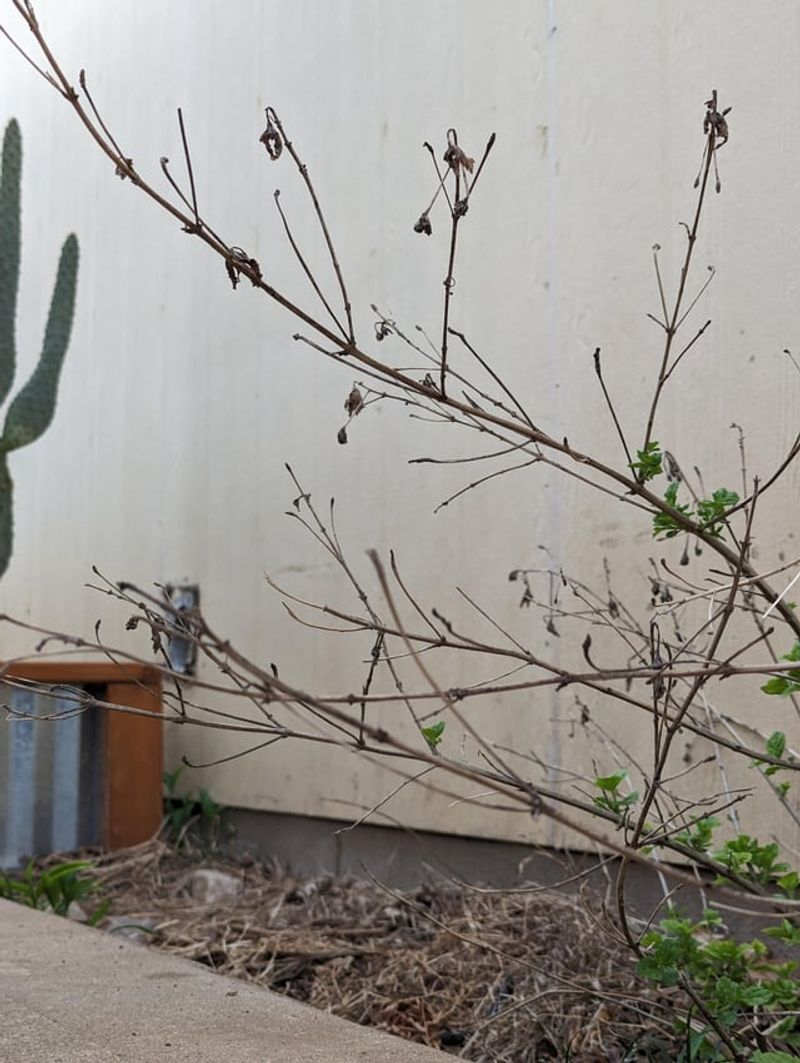
After a chilly Arizona winter, lantana plants often look rough.
Stems may appear brown, brittle, or completely dried out, and the whole plant can look like it has seen better days.
But do not let the appearance fool you because underneath all that dry-looking growth, the plant is usually very much alive and ready to bounce back.
Start by examining each stem carefully from the top down. Frost-damaged stems will be dry, hollow-feeling, and may crumble slightly when you bend them.
Healthy stems, on the other hand, will have a bit of flexibility and may show a faint green color when you scratch the surface with your fingernail.
Your Arizona Garden Changes Every Week. Your Plan Should Too.
Gardening in Arizona changes quickly throughout the season. Every Friday you’ll receive a simple weekly plan showing exactly what to plant, prune, fertilize, harvest, and protect so you never miss the right timing.
Using a pair of clean, sharp pruning shears, cut the damaged portions off just above the first sign of healthy green tissue.
If the entire stem appears damaged all the way down, go ahead and cut it back close to the base, leaving about six inches above the soil line.
This aggressive but necessary step gives the plant a clean slate and removes material that could potentially harbor pests or fungal issues.
You may be surprised at how fast new green shoots emerge after a good cleanup pruning in late winter.
After removing all the winter-damaged growth, step back and take a look at the overall shape of the plant before deciding if more trimming is needed.
A tidy, well-pruned lantana in an Arizona yard is a beautiful thing to watch come back to life in the spring sunshine.
3. Trim Weak Or Brittle Stems Near The Base
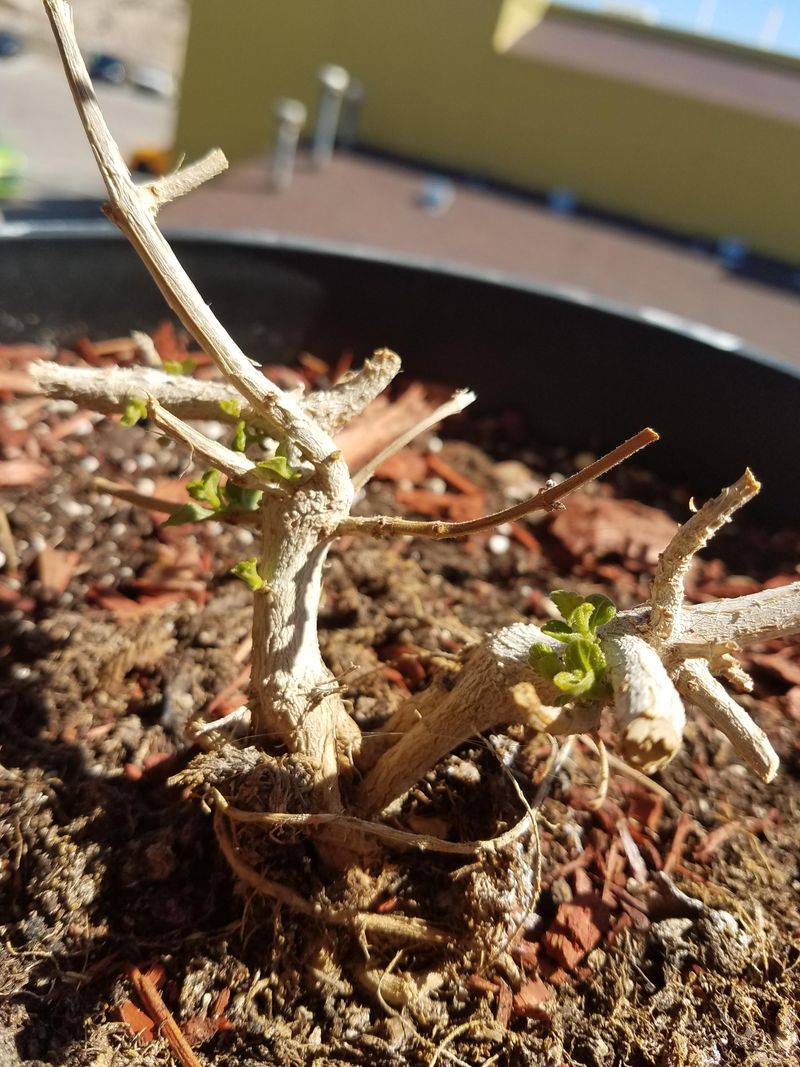
Not every stem on a lantana plant is worth keeping. Some stems, especially those that grew during the cooler months or were partially shaded by larger branches, end up thin, weak, and unable to support a full flower cluster.
Removing these underperformers is one of the most effective ways to direct the plant’s energy toward stronger, more productive growth.
Weak stems near the base are easy to spot once you know what to look for. They tend to be noticeably thinner than the main stems, feel brittle when you gently bend them, and often have very few leaves or buds attached.
In Arizona’s intense sun, these struggling stems rarely improve on their own and tend to just take up space without contributing much to the overall display of flowers.
When removing these stems, cut them as close to the base as possible without damaging the main woody structure of the plant. Using bypass pruning shears rather than anvil-style shears gives you a cleaner cut and reduces the chance of crushing the tissue.
Always sterilize your tools with 70 percent isopropyl alcohol before and after you work on your plants to prevent spreading any disease from one stem to another.
Removing weak stems also improves airflow through the center of the plant, which is especially important in humid monsoon conditions that Arizona experiences in the summer months. Good airflow helps reduce the chance of fungal issues taking hold.
Once those weak stems are cleared out, the remaining healthy growth has more room, more light, and more resources to push out those vibrant clusters of color lantana is famous for.
4. Reduce Old Woody Growth To Encourage Fresh Shoots
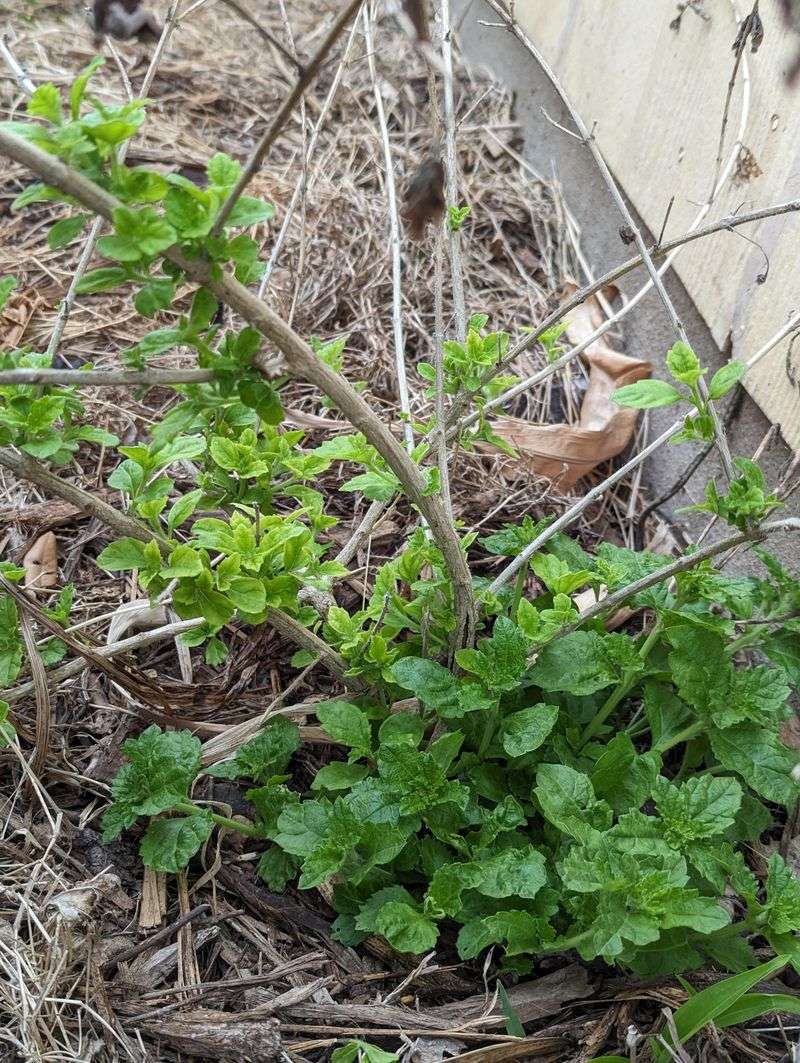
Lantana that has not been pruned in a few seasons develops thick, woody stems that look more like a small shrub than a flowering plant.
While lantana is technically a woody perennial in warm climates like Arizona, allowing too much old wood to build up can actually slow down flowering and make the plant look overgrown and messy.
Tackling that old woody growth is one of the most rewarding steps in the entire pruning process.
Old woody stems produce fewer flowers per inch compared to fresh new growth. That is because flowering happens at the tips of new shoots, and when a plant is dominated by thick old wood, there are fewer tips producing blooms.
By cutting back some of that older material, you are essentially creating more branching points and more tips where flowers can form throughout the growing season.
A good approach is to cut back the oldest and thickest stems by about one-third to one-half of their length during your late winter pruning session in Arizona. You do not need to remove all the old wood at once.
Spread the process over one or two seasons if the plant is very established, so you are not stressing it too much at one time.
After you make these cuts, look for small green buds forming along the remaining stems. Those buds are a sign that fresh shoots are on the way.
In Arizona’s warm spring temperatures, new growth can emerge within just a couple of weeks after pruning. Staying on top of woody growth renewal each year keeps lantana looking full, lush, and loaded with color from spring all the way through fall.
5. Shape The Plant To Keep It Compact
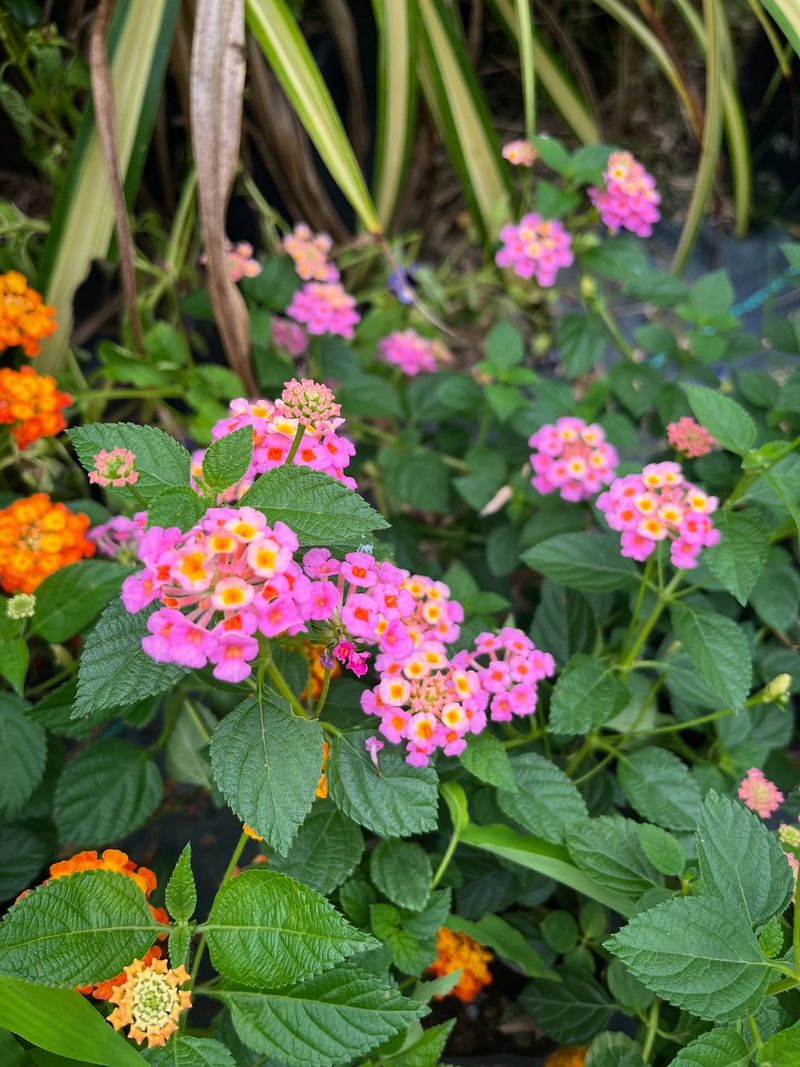
Left completely unchecked, lantana in Arizona can spread surprisingly wide and tall, sometimes reaching four to six feet in both directions.
While that kind of growth can look dramatic in a large open yard, most home gardeners want something a little more manageable in their flower beds or container gardens.
Shaping your lantana during pruning sessions keeps it tidy and actually encourages a denser, more flower-covered plant overall. Think of shaping lantana kind of like giving it a haircut.
You are not drastically changing the plant, just cleaning up the edges and encouraging a fuller, more rounded form.
The best time to do a shaping trim in Arizona is right after your main late winter pruning session, once you have already handled the damaged wood and weak stems.
Use your pruning shears to lightly trim back any stems that are sticking out beyond the general outline of the plant.
Aim for an even, rounded shape rather than a boxy or flat-topped look, since a natural rounded form tends to look more attractive and also sheds rain more effectively during monsoon season.
Avoid cutting back more than one-third of the total plant volume during any single shaping session. Mid-summer is another good time for a light shaping trim in Arizona, especially after the plant has finished its first big flush of blooms.
A quick shaping trim at that point tidies things up and sets the stage for a second wave of flowers in late summer and fall.
Consistent shaping over time produces a plant that looks intentional, well-cared-for, and absolutely full of color throughout the warm Arizona months.
6. Remove Spent Flower Clusters To Support More Blooms
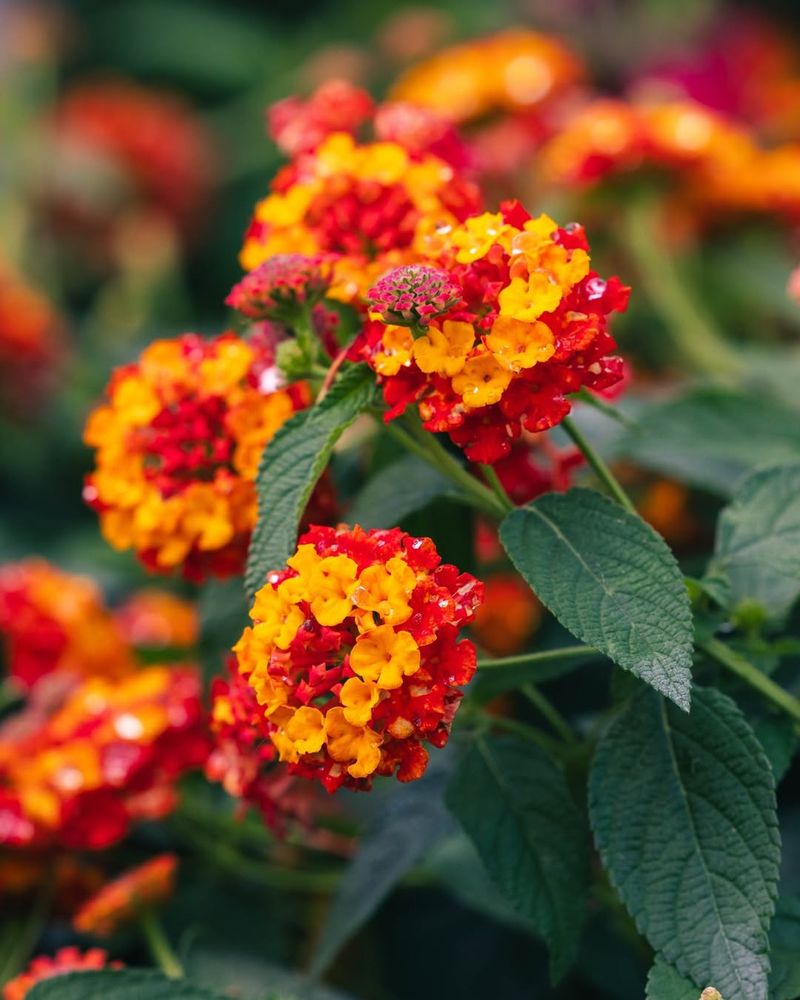
Here is a little gardening secret that makes a huge difference with lantana: removing faded flowers is one of the easiest and most effective ways to keep your plant blooming all season long.
When a flower cluster fades and starts turning into a small dark seed berry, the plant shifts its energy toward producing seeds rather than new flowers.
By removing those spent clusters before they fully mature, you redirect that energy back into making more blooms.
This practice is called deadheading, and it works especially well in Arizona where the growing season stretches from spring all the way into late fall.
You do not need any special tools for this task. Simply pinch off the spent flower heads with your fingers or use a small pair of hand snips for a cleaner cut.
Try to make deadheading a weekly habit during peak blooming season, which in Arizona typically runs from April through October.
A quick walk through your garden once a week to remove faded clusters takes only a few minutes and pays off with noticeably more flowers over time.
It also keeps the plant looking neat and well-maintained rather than cluttered with dried-up brown seed heads.
One thing to keep in mind is that lantana berries are toxic to people and pets, so removing them before they fully form is actually a smart safety step as well.
Regular deadheading is also a great excuse to spend a few quiet minutes in your Arizona garden each week, checking on your plants and enjoying the color that healthy, well-maintained lantana brings to the landscape.
7. Lightly Trim New Growth During Spring For Continuous Flowers
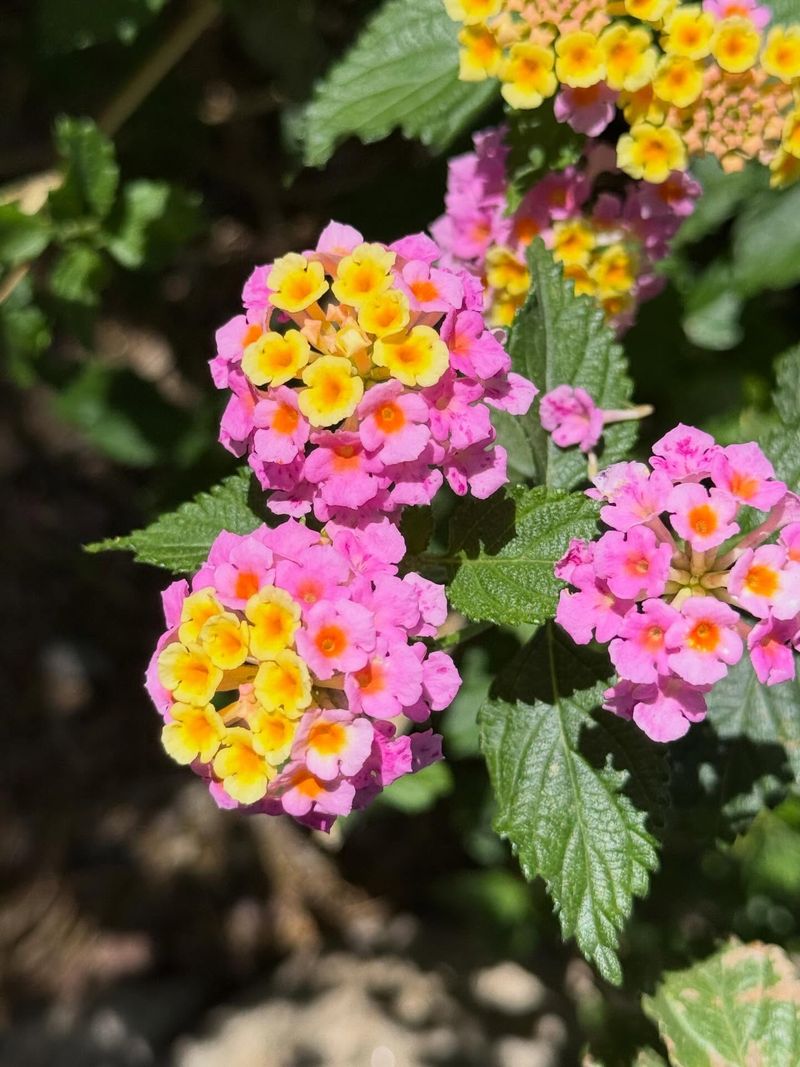
Once your lantana has pushed out a fresh flush of new growth in the spring, it might be tempting to just sit back and enjoy the show. And honestly, that is fair because watching lantana come back to life after an Arizona winter is genuinely exciting.
But giving those new shoots a very light trim early in the season can actually set you up for a much longer and more impressive bloom display throughout the year.
Lightly trimming new growth encourages the plant to branch out more. When you cut the tip of a growing stem, the plant responds by sending out two or more new shoots from just below the cut.
More shoots mean more stem tips, and more stem tips means more flower clusters forming at the same time.
The key word here is lightly. You are not cutting back hard during this step.
Just snip off the top inch or two of each new shoot using clean, sharp pruning shears.
Doing this once in early spring and again after the first summer bloom cycle gives lantana in Arizona the best possible chance of staying full and flowering well into October and November.
Avoid doing this type of light trimming during the hottest part of Arizona summers, particularly when nighttime temperatures are consistently above 85 degrees Fahrenheit.
Extreme heat makes it harder for the plant to recover from any kind of pruning.
Stick to trimming during the cooler parts of the day, such as early morning, and always water your lantana well after any pruning session to help it recover quickly and keep those continuous flowers coming strong.