8 Succulents That Handle Arizona Heat Without Frequent Watering
Arizona heat can be tough on many plants, but succulents are built for exactly these kinds of conditions. Their thick leaves and stems store water, allowing them to handle long stretches of sun and dry air much better than many other garden plants.
That is why they have become a favorite choice for Arizona landscapes and containers.
Even so, not every succulent handles extreme heat the same way. Some varieties thrive through the hottest months with very little attention, while others struggle once temperatures start climbing.
Choosing the right ones can make a big difference in how well a garden holds up through Arizona’s long, hot season.
The good news is that several succulents are especially well adapted to these conditions and can stay healthy with minimal watering once established.
1. Agave Handles Arizona Heat With Very Little Water
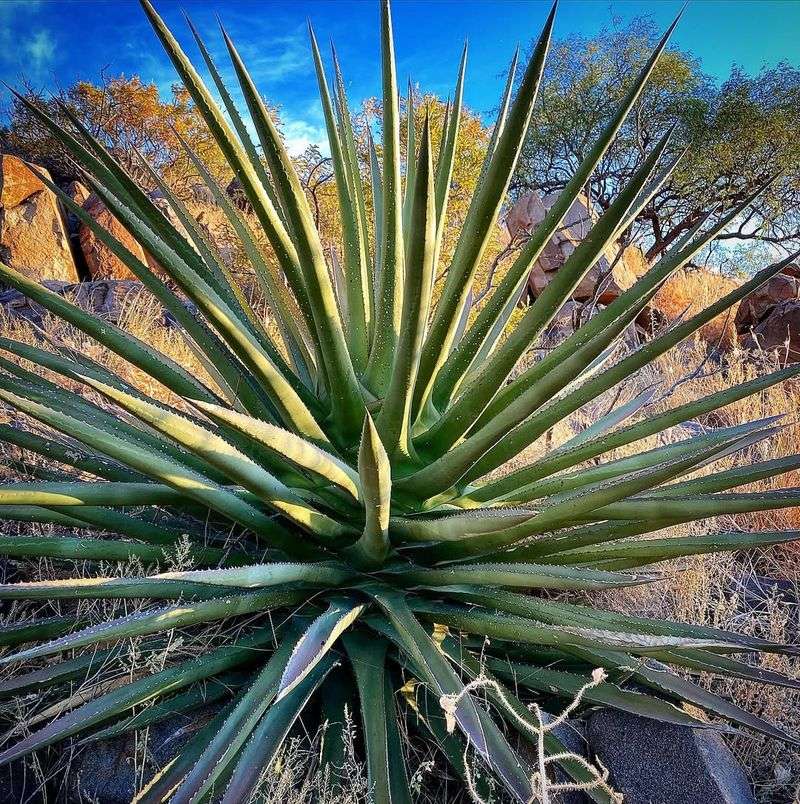
Few plants earn their place in an Arizona yard quite like agave. You can go weeks without touching it, and it just keeps doing its thing out there in the blazing sun.
That thick, waxy skin holds water like a tank, which is exactly what you need when summer temps push past 110 degrees in Phoenix or Tucson.
Agave rosettes come in a wide range of sizes. Some stay compact and fit neatly into a small corner bed.
Others grow massive and become a real centerpiece in the landscape. Either way, they do not need much from you to look sharp.
Planting agave is straightforward. Dig a hole in well-draining soil, drop it in, water it to help it settle, and then mostly leave it alone.
Rocky or sandy soil is actually ideal here in Arizona because standing water is the one thing that can cause problems.
Spring and fall are the best times to water more regularly. During the hottest summer months, watering once every two to three weeks is usually plenty.
Agave also handles frost better than most people expect, which makes it a solid choice for higher-elevation Arizona towns like Flagstaff.
Once established, an agave can thrive for years in Arizona landscapes with very little care while still giving the garden that bold desert look.
2. Golden Barrel Cactus Thrives In Intense Desert Sun
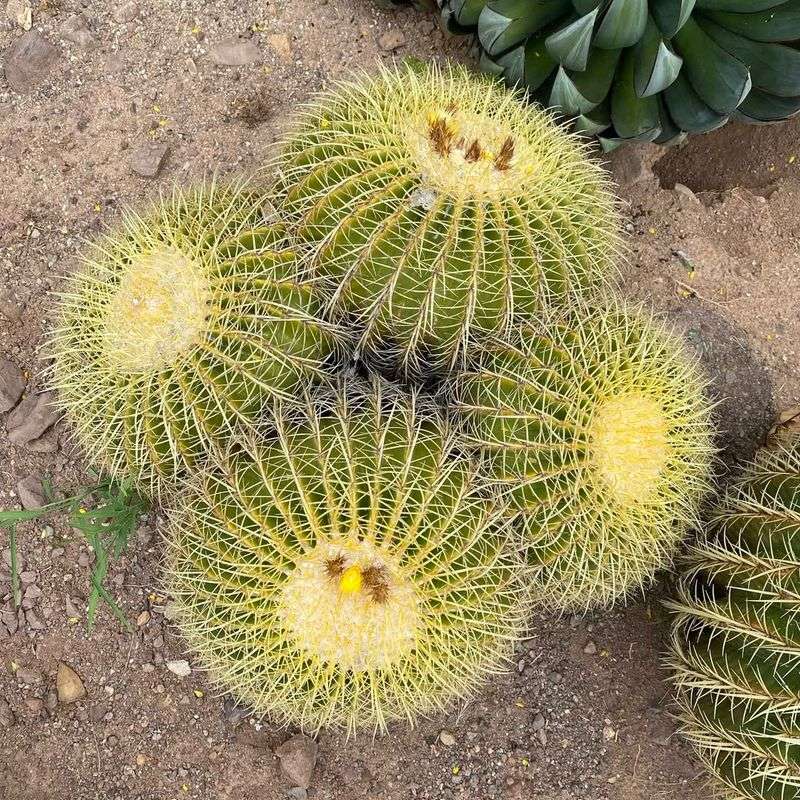
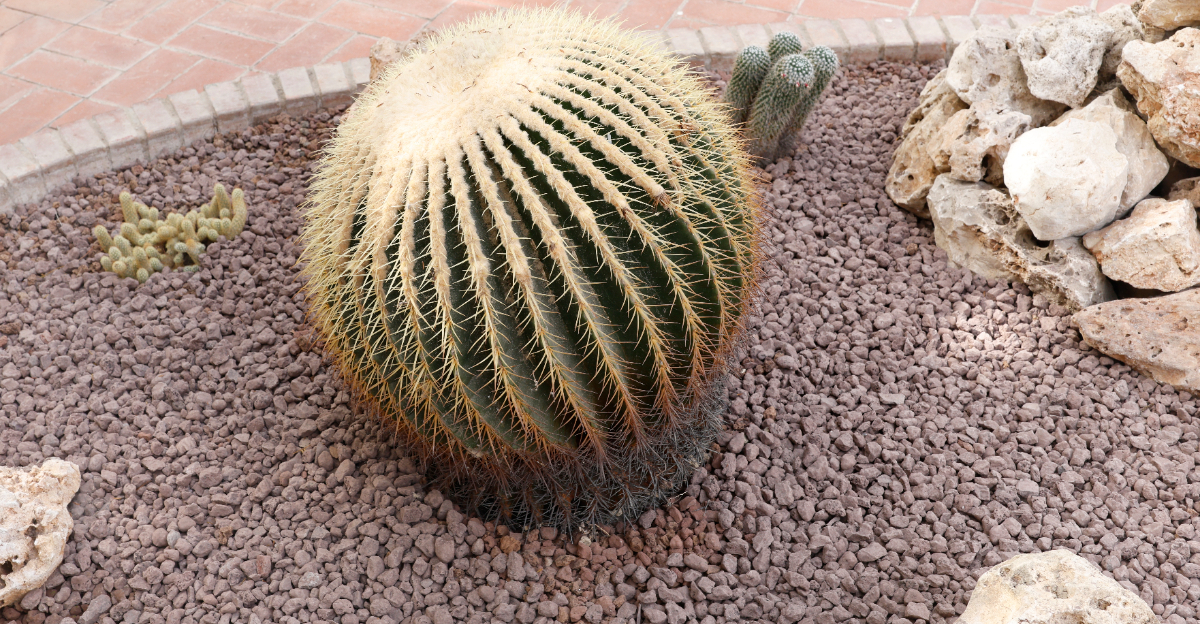
Walk through almost any Scottsdale or Chandler neighborhood and you will spot golden barrel cacti sitting proudly in front yards. That round, golden shape is unmistakable, and the bright yellow spines practically glow when the afternoon sun hits them just right.
What makes this plant special is how well it handles relentless Arizona heat. Full sun exposure does not bother it at all.
Actually, shading it too much can slow its growth and dull its color. Plant it somewhere it gets direct sun for most of the day and it will reward you with that signature golden glow.
Watering is minimal once the roots have taken hold. During Arizona summers, once every three to four weeks is enough.
In winter, you can stretch that out even further. The key is always making sure water drains away quickly because soggy roots are a real problem for this plant.
Your Arizona Garden Changes Every Week. Your Plan Should Too.
Gardening in Arizona changes quickly throughout the season. Every Friday you’ll receive a simple weekly plan showing exactly what to plant, prune, fertilize, harvest, and protect so you never miss the right timing.
Gravel mulch around the base helps keep moisture from pooling and also looks clean and tidy. Golden barrel cactus grows slowly, so do not expect dramatic size changes in the first year.
But over time it becomes a bold, sculptural feature that fits perfectly into any desert-style Arizona landscape without demanding much attention at all.
Many Arizona gardeners place them near walkways or entry areas where that striking round shape can really stand out against gravel and desert plants.
3. Aloe Vera Stores Moisture And Handles Dry Conditions
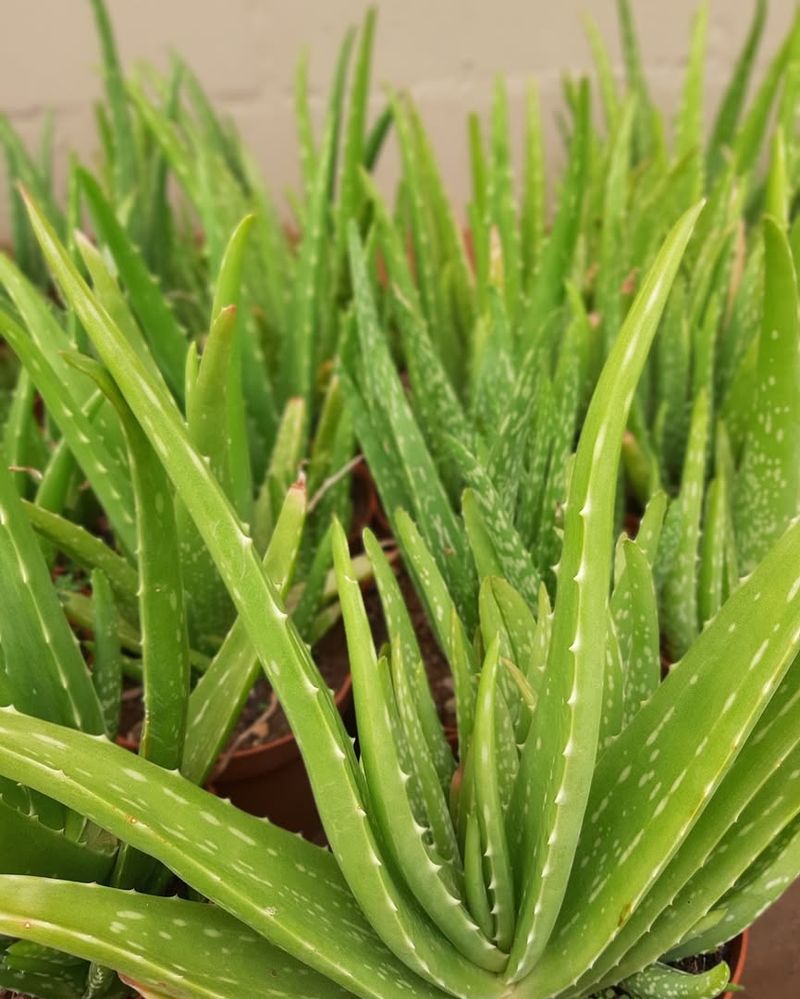
Aloe vera is one of those plants that practically takes care of itself once it finds a good spot. Most people know it for the gel inside its leaves, which is great for sunburns.
But out here in Arizona, it also earns its place in the yard by shrugging off heat that would flatten other plants.
Each thick leaf is basically a water storage unit. When rain is scarce and temperatures climb through summer, the plant taps into those reserves and keeps going without skipping a beat.
Watering it about once every three weeks during the hottest months is all it really needs.
In Arizona, placement matters. Aloe does best with morning sun and some afternoon shade, especially in the low desert regions around Mesa and Yuma where afternoon heat is particularly brutal.
A spot on the east side of a wall or fence works great.
Soil drainage is non-negotiable. If water sits around the base, the roots will suffer fast.
A sandy or gravelly mix works well, and adding a layer of small rocks around the base helps keep the roots from getting too wet after monsoon rains roll through.
Aloe also spreads by sending out offshoots, so over time one plant becomes a nice cluster without any extra effort on your part.
4. Red Yucca Handles Heat And Long Dry Periods Easily
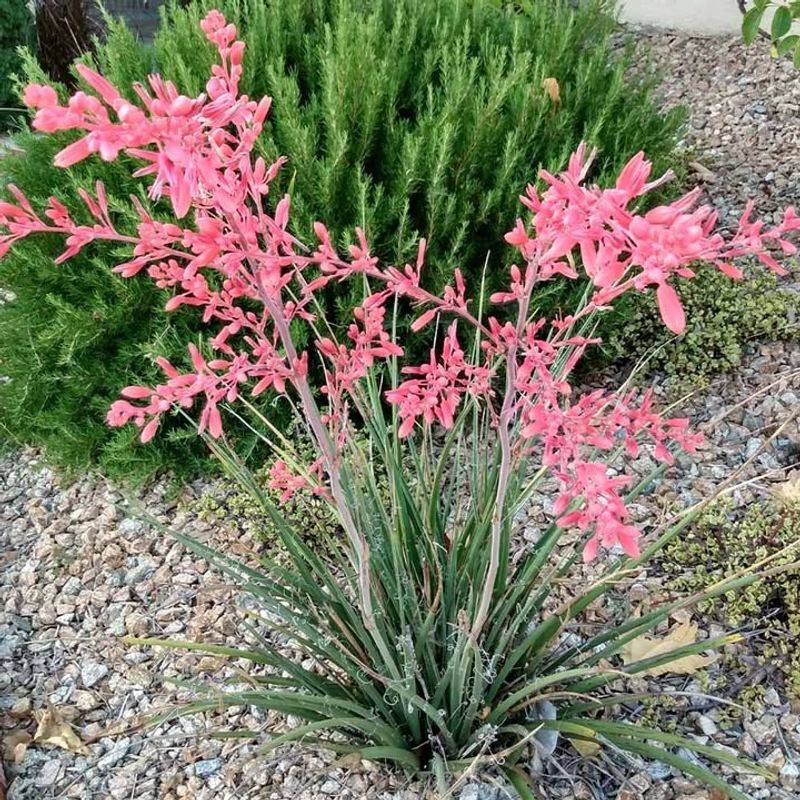
Red yucca is not actually a true yucca, but that name has stuck around because of how similar it looks. What it really is, is one of the toughest flowering plants you can put in an Arizona yard.
Long dry stretches do not faze it, and the heat of summer does not slow it down either.
Come late spring and early summer, tall arching stems shoot up from the base and bloom with tubular pinkish-red flowers. Hummingbirds absolutely go after those flowers, which makes red yucca a fun addition if you enjoy watching wildlife in the yard.
Few plants deliver that kind of visual interest with so little upkeep.
Watering once or twice a month during summer is usually enough. In cooler months, you can cut back even more.
Red yucca is well-suited to the alkaline soils common across Arizona, so you typically do not need to amend the soil much before planting.
It works well in both formal and naturalistic garden styles. Plant it along a fence line, in a raised bed, or mixed with other desert plants like agave or barrel cactus for a layered look.
Tucson gardeners especially love using it along driveways and pathways because those graceful arching leaves add soft texture without needing constant trimming or attention.
Once established, red yucca keeps its tidy, fountain-like shape year-round, making it one of the easiest ways to add color and movement to an Arizona landscape.
5. Pencil Cactus Tolerates Hot And Dry Arizona Climates
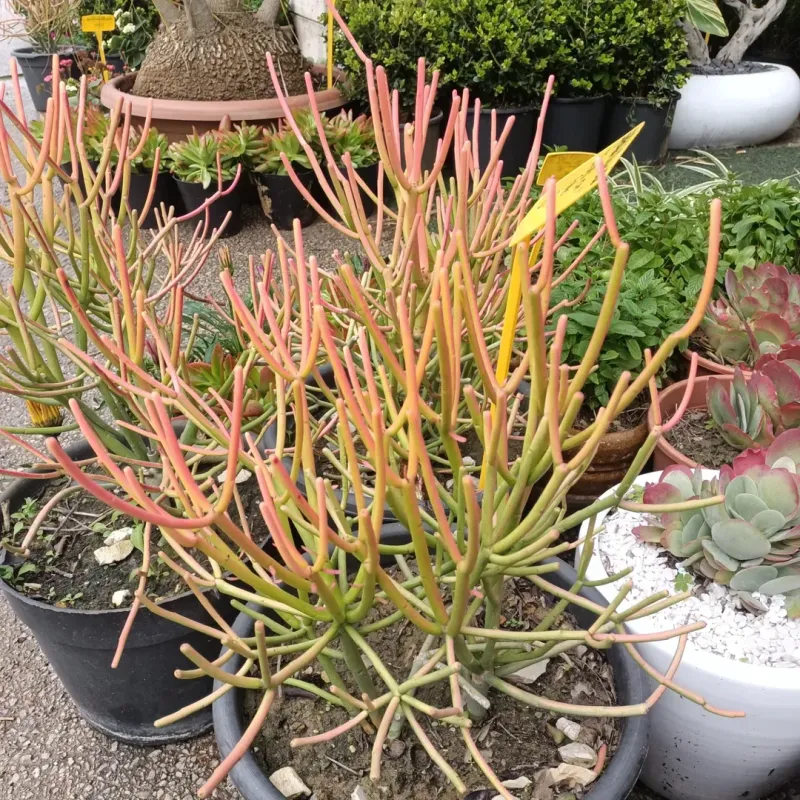
Pencil cactus gets its name from those thin, cylindrical branches that look almost exactly like green pencils stacked on top of each other. It is a striking, unusual-looking plant that stands out in any yard, and it handles Arizona heat without batting an eye.
Technically a member of the Euphorbia family rather than a true cactus, pencil cactus still behaves like one when it comes to water needs. It stores moisture in those slender branches and can go long stretches without a drop of irrigation.
During Arizona summers, watering every two to three weeks is plenty.
One important note for anyone planting this in a family yard: the milky white sap inside the branches is a skin irritant. Wear gloves if you are trimming it or handling broken stems.
That is just a standard heads-up, not a reason to skip this plant entirely.
Pencil cactus grows tall over time and can eventually reach ten to fifteen feet in the right conditions. It works well as a natural screen or backdrop plant in larger Arizona landscapes.
Full sun is ideal, and well-draining soil is a must. Avoid planting it in low spots where water collects after monsoon rains because that is the one condition it genuinely struggles with in the Arizona environment.
Over time, the upright branches create a bold, almost coral-like silhouette that gives Arizona landscapes a distinctive desert look without requiring constant care.
6. Blue Chalksticks Stay Strong In Full Sun And Dry Soil
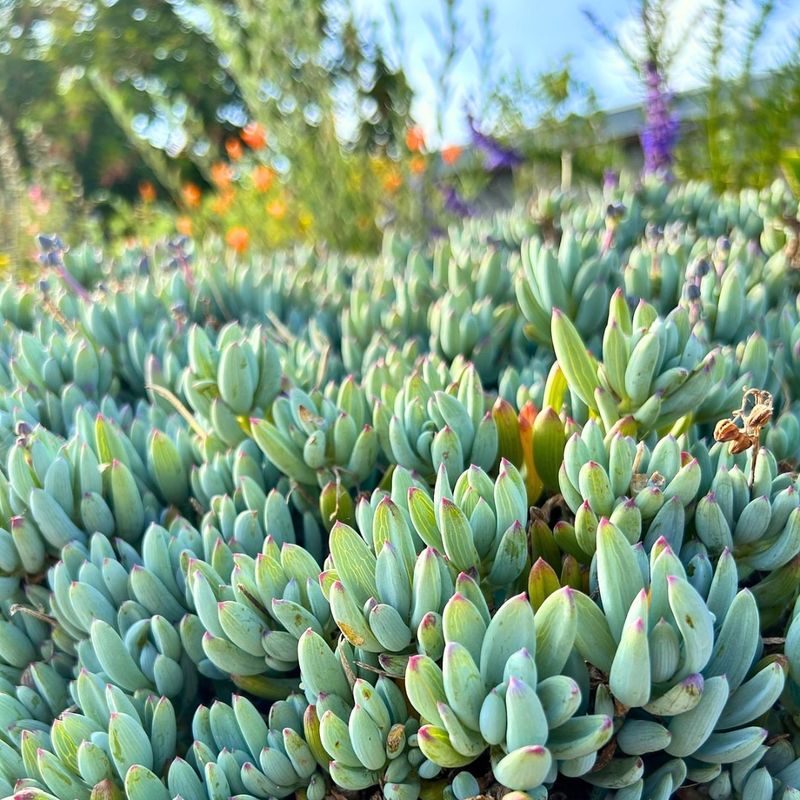
Blue chalksticks have a color that stops people in their tracks. Those pale, silvery-blue leaves look almost painted, and they hold that color even through the scorching Arizona summer months.
If you want something that adds a cool contrast to all the warm browns and greens in a desert yard, this is it.
Originally from South Africa, blue chalksticks adapted to conditions that feel a lot like Arizona: hot, dry, and sunny for most of the year. It handles full sun without much trouble and actually looks its best when it gets plenty of direct light.
Too much shade and the color starts to fade toward plain green.
Watering every two to three weeks during summer is usually the right rhythm. Let the soil dry out fully between waterings.
Overwatering is the most common mistake people make with this plant, especially during Arizona monsoon season when the humidity spikes and rain shows up unexpectedly.
Blue chalksticks spread as a ground cover and look great tumbling over the edges of raised beds or rocky slopes. In places like Scottsdale and Gilbert, it is popular for filling in gaps between boulders in xeriscape designs.
It pairs really well with red-toned rocks and orange-flowering plants, creating a striking contrast that holds up beautifully without needing much from the gardener throughout the year.
7. Ghost Plant Adapts Well To Dry Arizona Gardens
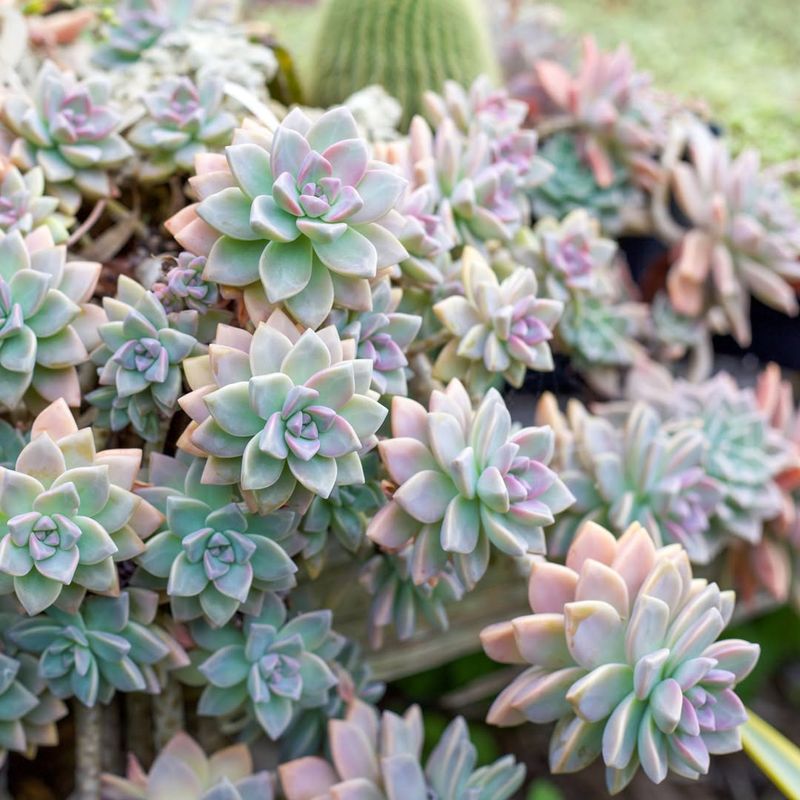
Ghost plant sounds mysterious, and honestly, the look matches the name. Those pale, dusty leaves shift between silvery gray, lavender, and soft pink depending on how much sun the plant gets.
It is one of those succulents that changes its appearance with the seasons, which keeps things interesting in the yard.
In Arizona, ghost plant handles intense heat surprisingly well. It does best in full sun but can manage with partial sun too.
The color actually gets more vibrant with more light exposure, so giving it a spot that gets at least six hours of direct sun each day brings out its best look.
Watering once every two to three weeks during summer is a good baseline. After monsoon rains, skip a watering cycle and let the soil dry out before adding more water.
Ghost plant is not picky about soil type as long as it drains well, which makes it easy to work into most Arizona garden beds without major prep work.
It works well in containers on patios and porches around Tempe, Mesa, and other Valley cities. The rosettes multiply over time and spill over the edges of pots in a way that looks intentional and polished.
Ghost plant is also a solid option for beginners because it bounces back from minor neglect without much fuss, making it a forgiving choice in any Arizona outdoor space.
8. Octopus Agave Thrives In Heat With Minimal Water
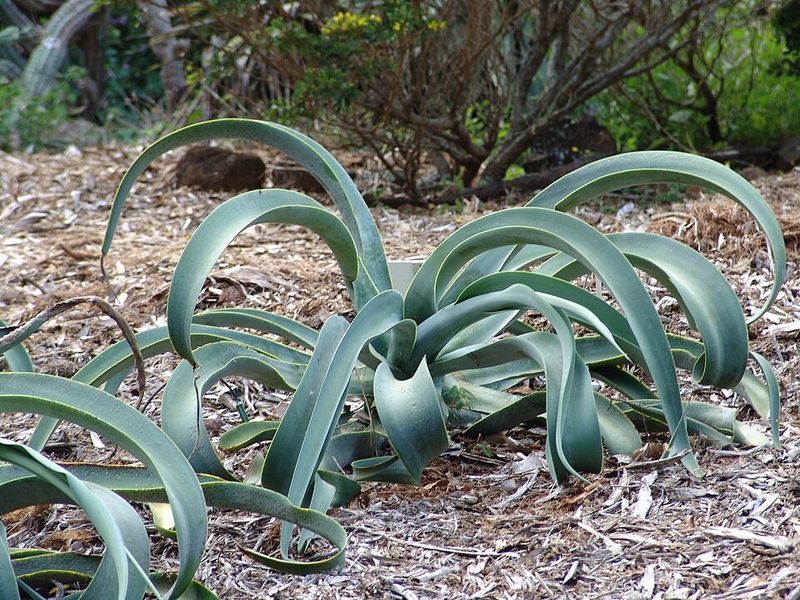
Octopus agave earns its name from those long, twisting leaves that curl and wave outward like tentacles. Up close, it has a wild, sculptural quality that looks almost too interesting to be real.
In an Arizona yard, it becomes an instant focal point without requiring any special treatment to keep it looking that way.
Heat is not a problem for this plant. Octopus agave handles the punishing summer sun across Arizona with ease, even in the low desert where shade is scarce and temperatures push past 110 degrees regularly.
Its leaves have a natural coating that reflects some of that intense solar radiation and helps the plant manage moisture internally.
Watering every three to four weeks during summer is usually enough. In winter, cutting back to once a month or even less is fine.
Well-draining soil is important, especially in areas that get significant monsoon rainfall between July and September, when standing water becomes a real risk for desert plants.
Octopus agave stays more compact than many other agave varieties, usually reaching about five to six feet wide at maturity. That size makes it easier to fit into smaller yards or courtyards in urban Arizona neighborhoods like those found in central Phoenix or Tempe.
Pair it with gravel mulch and low-growing desert plants for a clean, cohesive look that holds up through every season without extra effort.