Invasive Plants California Gardeners Should Remove Immediately
Some plants may look harmless, even pretty, when they first show up in the garden. A few interesting leaves here, a fast-growing vine there.
Before long, though, that innocent little plant starts spreading like it owns the place. Suddenly it’s climbing fences, crowding out your flowers, and popping up in spots where you definitely didn’t plant it.
That’s the tricky thing about invasive plants. They grow aggressively, spread quickly, and often push out the plants you actually want in your yard.
In California, where the climate lets many species grow year round, a few invasive plants can take over faster than most gardeners expect.
The sooner you spot them, the better. Pulling them early saves a lot of frustration later and helps protect nearby plants that don’t stand a chance in the competition.
If any of these plants appear in your garden, it’s best to act quickly before they decide to settle in permanently.
1. Pampas Grass
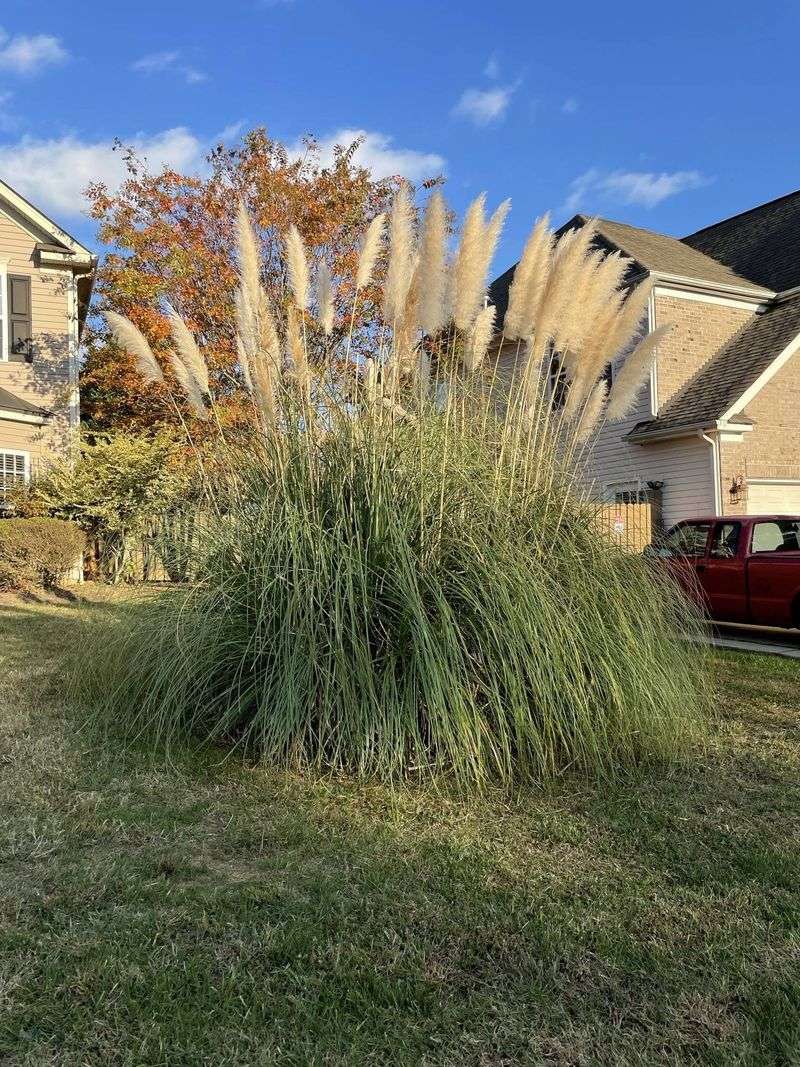
At first glance, pampas grass looks like a showstopper. Those tall, feathery white plumes swaying in the breeze seem almost magical.
But beneath that beauty is one of California’s most aggressive invaders.
Originally from South America, pampas grass spreads thousands of seeds every year. The seeds travel on the wind and take root fast, forming dense stands that crowd out native plants.
It grows so thickly that birds and small animals can no longer find the habitat they need.
In California, pampas grass is also a serious fire hazard. The dry blades build up quickly and burn hot and fast.
Fire-safe landscaping experts strongly recommend removing it before wildfire season.
Removing it takes real effort. Wear thick gloves because the leaf edges are razor sharp.
Cut the plant down as low as possible, then dig out the root crown completely. Young plants are much easier to pull than mature ones, so catch them early.
Replace pampas grass with native bunch grasses like purple needlegrass or deer grass. These plants support local wildlife, look beautiful, and stay much safer during fire season.
Your California garden will thank you for making the swap.
2. English Ivy
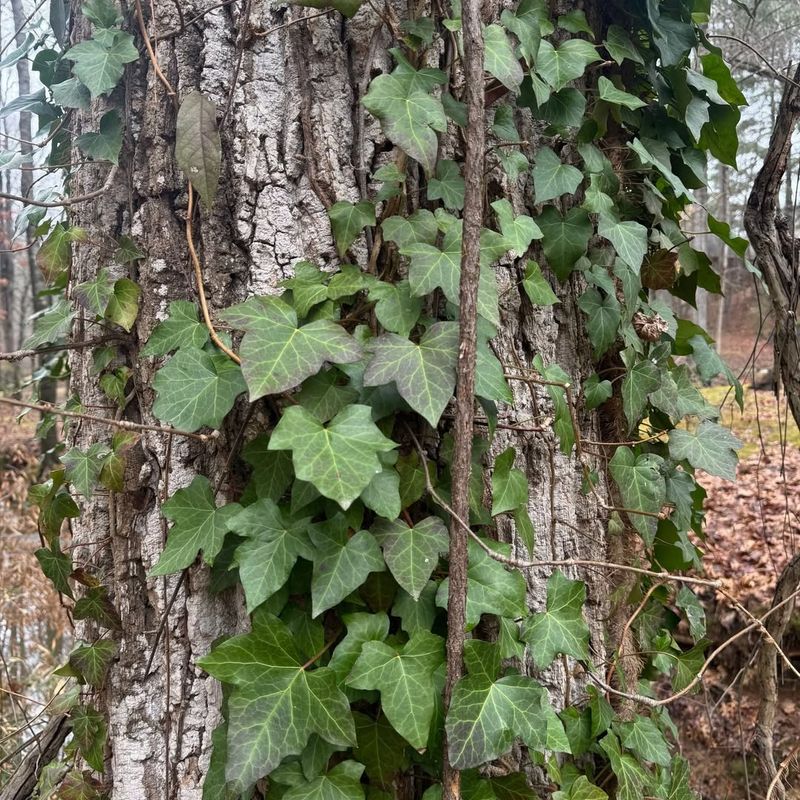
Walk through almost any older California neighborhood and you will spot it creeping along fences, climbing trees, and blanketing the ground. English ivy looks tidy and low-maintenance, but that reputation is completely misleading.
This fast-growing vine spreads both by seed and by stem contact with soil. Once it gets going, it forms a thick mat that blocks sunlight from reaching the ground.
Native seedlings underneath simply cannot compete and stop growing altogether.
When it climbs trees, the added weight can cause branches to snap, especially during storms. The dense foliage also traps moisture, which encourages fungal infections in the bark.
Over time, heavily covered trees weaken significantly.
Pulling English ivy by hand is the most effective removal method for most California gardeners. Start from the outer edges and work inward.
Cut the stems near the base of any trees and let the upper portions dry out before removing them completely.
Your California Garden Changes Every Week. Your Plan Should Too.
Gardening in California changes quickly throughout the season. Every Friday you’ll receive a simple weekly plan showing exactly what to plant, prune, fertilize, harvest, and protect so you never miss the right timing.
Bag all removed material carefully because stems left on the ground can re-root. Never compost it.
Replace ivy with native ground covers like creeping sage or wild ginger, which provide habitat for California’s native insects and look just as lush without the damage.
3. Periwinkle
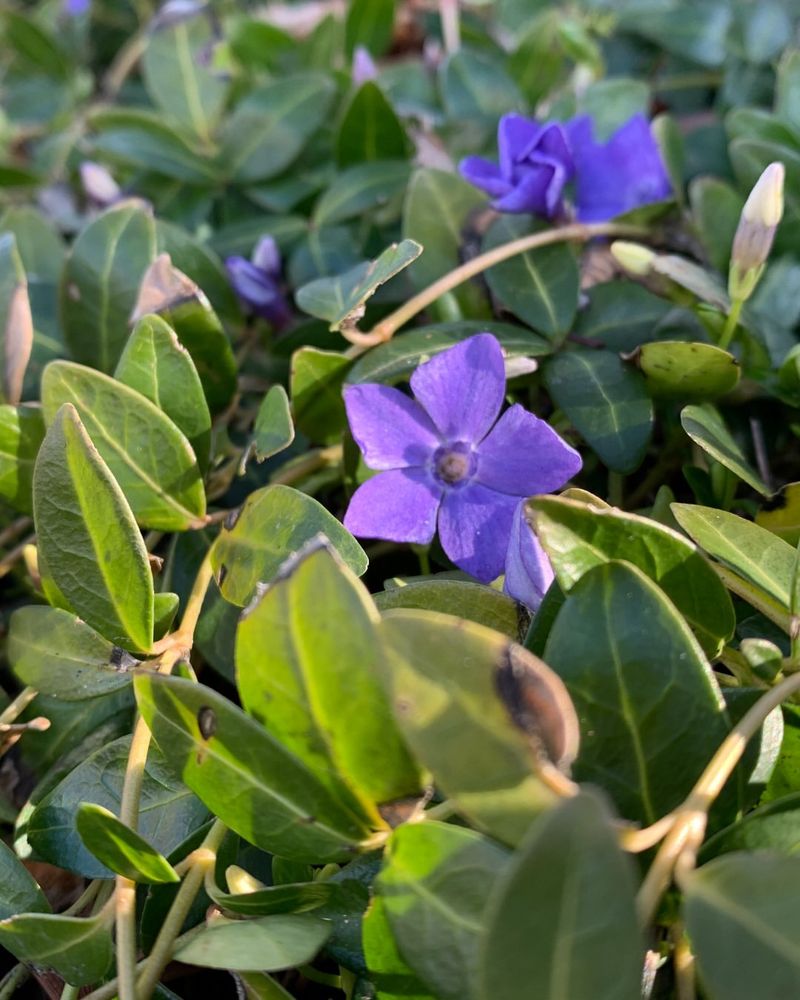
Periwinkle has been a garden favorite for decades, and it is easy to see why. The small purple-blue flowers are cheerful, the glossy leaves stay green year-round, and it fills bare spots quickly.
Unfortunately, that last quality is exactly the problem.
In California, periwinkle spreads aggressively into wild areas, riparian zones, and shaded hillsides. It forms dense mats that prevent native plants from germinating.
Woodland floors that once supported a rich mix of native wildflowers and ferns end up completely taken over.
Wildlife suffers too. Many native insects depend on specific native plants for food and reproduction.
When periwinkle replaces those plants, the food chain breaks down in ways that ripple outward.
Removing periwinkle requires patience. Hand-pulling works well when the soil is moist.
Grab the stems close to the ground and pull firmly to get as much of the root system as possible. Repeated follow-up visits are necessary because regrowth is common.
For shaded spots in your California garden, try replacing periwinkle with native alternatives like redwood sorrel or wild ginger. Both are beautiful, support local biodiversity, and will not escape into the surrounding landscape.
Switching out this one plant can have a surprisingly big positive impact.
4. Tree Of Heaven
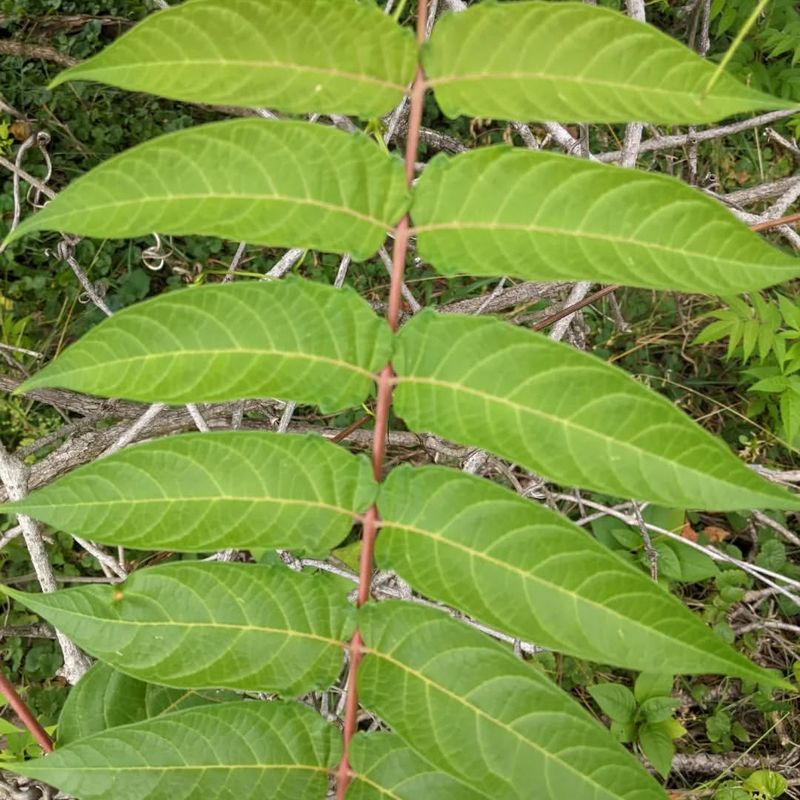
Few plants in California are as stubborn or as fast-growing as the tree of heaven. It can grow up to eight feet in a single year.
That kind of speed sounds impressive until you realize it is using that energy to take over your yard and your neighbors’ yards too.
Originally brought to California in the 1800s as an ornamental tree, it quickly showed its true colors. It releases chemicals into the soil that prevent other plants from growing nearby.
This strategy, called allelopathy, gives it an unfair advantage over native species.
The tree also produces enormous numbers of seeds, and they travel far on the wind. A single mature tree can release hundreds of thousands of seeds in one season.
Once established, cutting it down often makes things worse because it responds by sending up dozens of new sprouts from the roots.
For smaller trees, digging out the entire root system is the most reliable approach. For larger specimens, consult a professional or your local California cooperative extension office for safe and effective options.
Replacing it with a native tree like toyon or western redbud gives birds and pollinators a real food source while keeping your garden looking full and lush. Acting quickly makes removal much more manageable.
5. Giant Reed
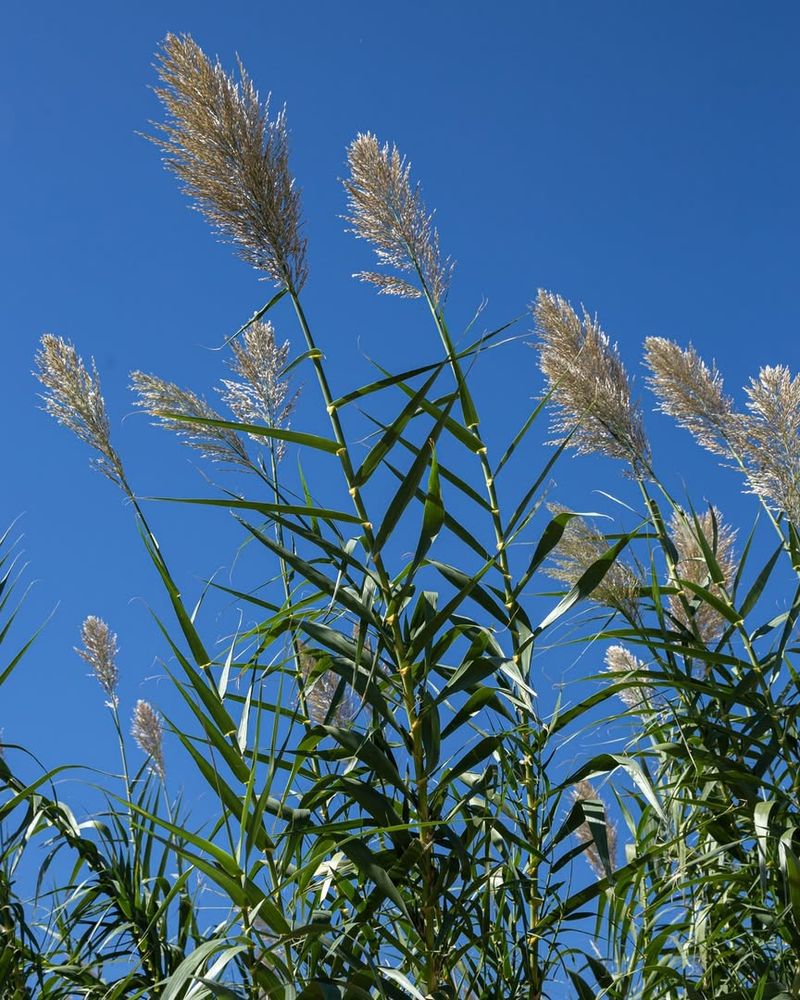
Standing up to thirty feet tall, giant reed is hard to miss. It looks dramatic growing along creeks and rivers across California, but that dramatic appearance comes at a steep cost to the surrounding environment.
Giant reed, also known as arundo donax, spreads rapidly along waterways. Its roots form thick mats that destabilize stream banks and reduce water availability for native riparian plants.
Native willows, cottonwoods, and other streamside species simply cannot compete with its aggressive growth.
It is also a major fire risk. The canes dry out in summer and burn intensely.
In areas near California homes, large stands of giant reed can turn a manageable fire into a fast-moving disaster.
Wildlife loses out too. Native birds and animals that depend on healthy riparian habitat find little food or shelter in a stand of giant reed.
The biodiversity that once existed along those waterways essentially disappears.
Removal is a big job. Cutting alone does not work because new shoots emerge quickly from the underground rhizomes.
Repeated cutting combined with digging out root masses gives the best results over time. Many California counties offer assistance programs for removing giant reed from private properties near waterways.
Replanting with native willows or sedges helps restore the stream corridor and brings wildlife back naturally.
6. French Broom
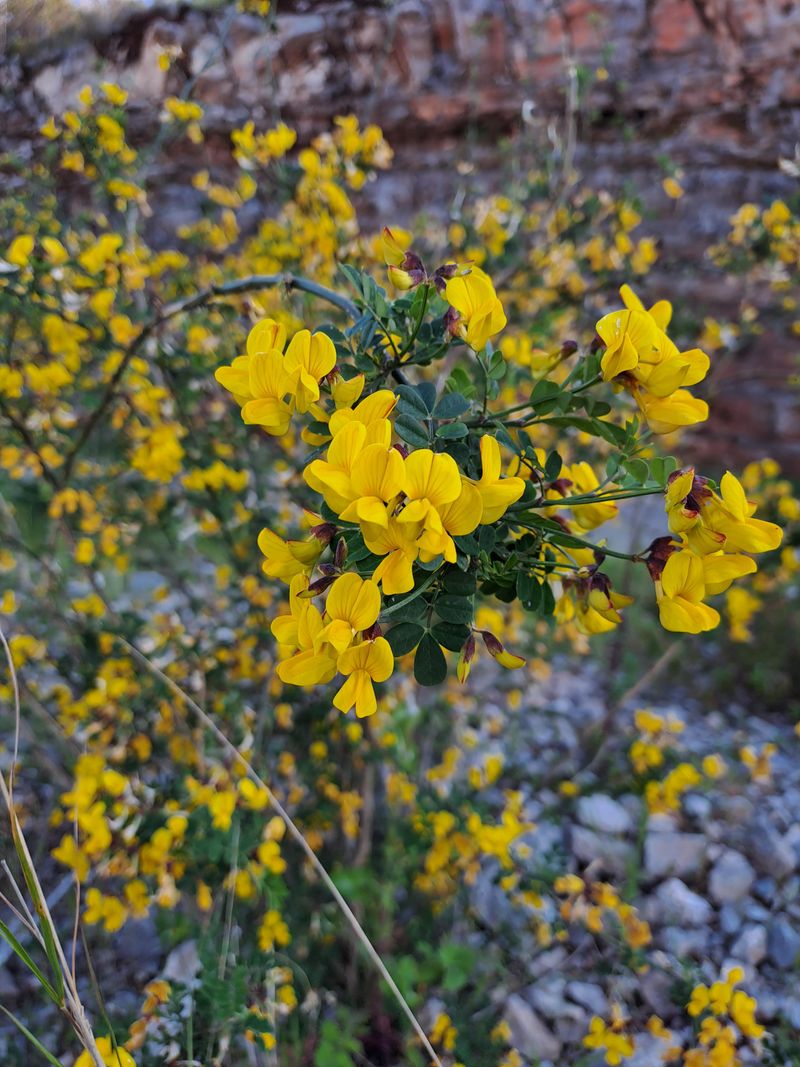
Bright yellow flowers covering a hillside might look like a postcard from the south of France, but in California, that scene signals a serious ecological problem. French broom is one of the state’s most widespread and damaging invasive shrubs.
It spreads through enormous seed production. A single mature plant can produce tens of thousands of seeds per year, and those seeds remain viable in the soil for decades.
Even after you remove the plant, seeds already in the ground can sprout for years afterward.
French broom also changes the chemistry of the soil. Like other members of the legume family, it fixes nitrogen in ways that favor its own growth and make the soil less suitable for California’s native plants, which are adapted to leaner soil conditions.
Fire danger is another serious concern. The oils in the stems and leaves make French broom extremely flammable.
Communities across Northern and Central California have lost significant natural areas to fires fueled by dense broom infestations.
Hand-pulling young plants before they set seed is the most effective strategy. Use a weed wrench tool for larger shrubs to get the roots out cleanly.
Dispose of all material in sealed bags rather than composting it.
Replacing French broom with native shrubs like coffeeberry or coyote brush supports local wildlife and keeps fire risk lower.
7. Yellow Star-Thistle
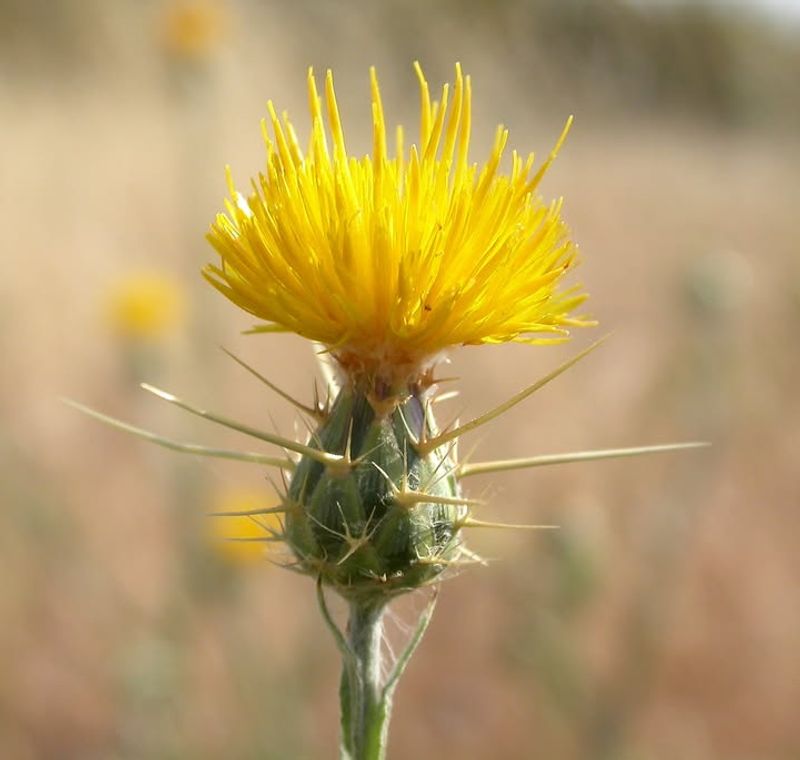
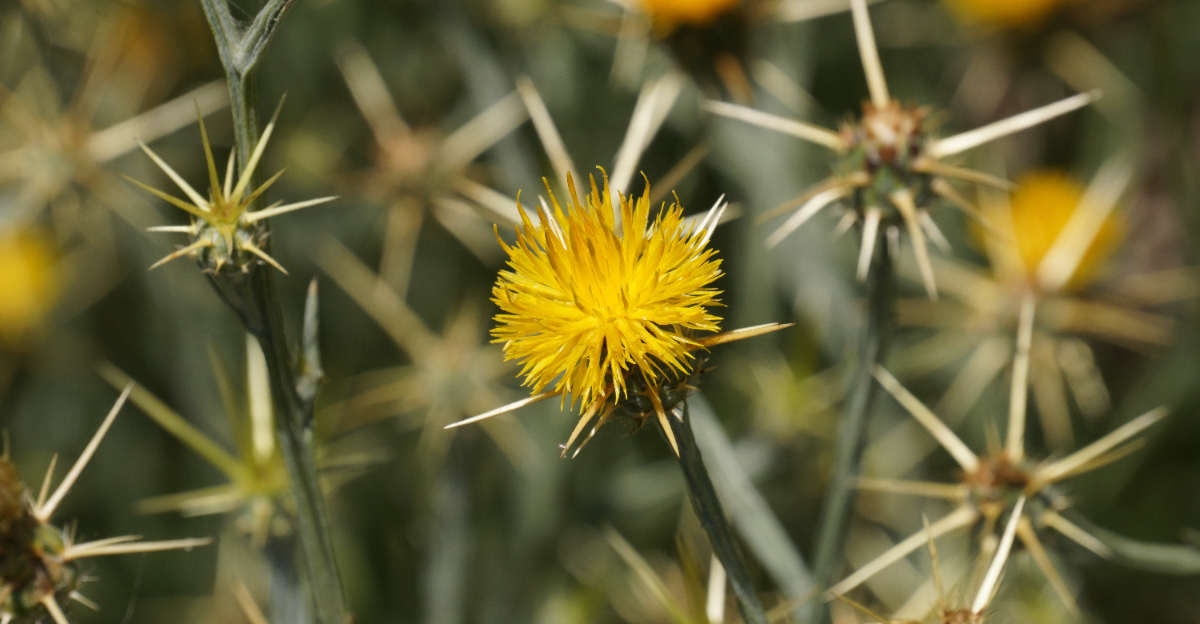
If you have ever tried walking through a field of yellow star-thistle in late summer, you already know how unpleasant this plant is. The sharp spines make it nearly impossible to move through, and that is not its only problem.
Yellow star-thistle has taken over millions of acres across California. It thrives in disturbed soils, roadsides, pastures, and open grasslands.
Once it establishes, it crowds out native grasses and wildflowers that entire food webs depend on.
The plant is a deep-rooted annual that uses up soil moisture early in the season, leaving little water for other plants. In California’s dry summers, that water competition is especially harmful to native species trying to survive.
For horses, yellow star-thistle is actually toxic, causing a neurological condition called chewing disease. Landowners with horses or livestock should treat removal as urgent and non-negotiable.
Pulling plants before they flower is the most important timing tip. Once those spiny yellow flower heads form and set seed, the problem multiplies fast.
Use thick gloves and long sleeves every time you work around this plant.
Repeated removal over two to three seasons can dramatically reduce populations. Replanting with native bunch grasses like blue wild rye helps close the gaps and prevent yellow star-thistle from coming back as aggressively.
8. Poison Hemlock
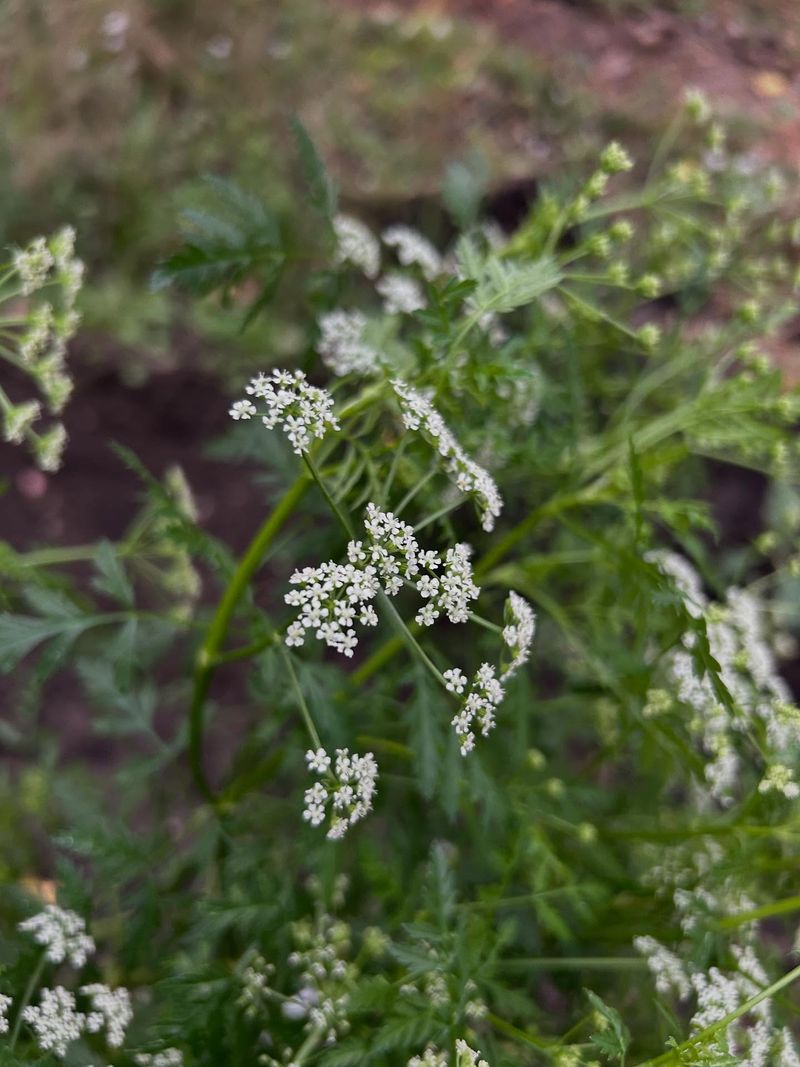
Poison hemlock is one of those plants that demands immediate attention the moment you spot it. It looks deceivingly harmless, almost like a wild carrot or parsley, but every single part of this plant is highly toxic to humans and animals.
It grows commonly along roadsides, creek banks, and disturbed areas throughout California. The hollow, purple-spotted stems and the strong musty smell when the leaves are crushed are the best identification clues.
Never handle this plant with bare hands.
Beyond the safety concern, poison hemlock outcompetes native streamside plants and reduces habitat quality for birds and beneficial insects. It spreads through prolific seed production and can colonize new areas quickly, especially after winter rains in California.
Removal must be done carefully. Wear gloves, long sleeves, and eye protection before touching any part of the plant.
Pull or dig out plants before they set seed, making sure to remove as much of the taproot as possible.
Wash all tools and clothing thoroughly after working around poison hemlock. Bag all plant material and dispose of it in the trash rather than composting, since seeds can survive the composting process.
Replacing it with native riparian plants like rushes, native sedges, or creek monkeyflower restores the habitat and reduces the chance of hemlock returning to the same spots.
9. Wild Fennel
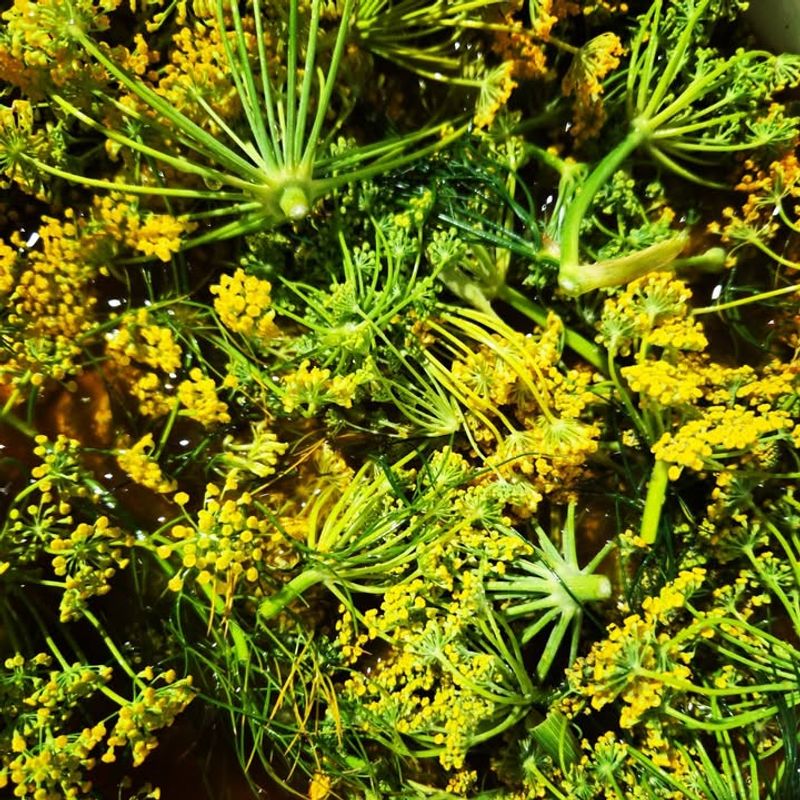
Wild fennel smells amazing. That sweet anise fragrance drifting through a California afternoon can make it feel almost like a welcome garden guest.
But do not let the pleasant scent fool you into keeping it around.
Originally from the Mediterranean, wild fennel has naturalized across much of California. It thrives in disturbed soils, coastal scrub, roadsides, and the edges of natural areas.
It grows tall and spreads aggressively, forming dense colonies that push out native plants.
One of the trickiest things about wild fennel is that it supports the anise swallowtail butterfly, which makes some gardeners hesitant to remove it.
However, the anise swallowtail also uses native plants like native carrots and lomatiums, which are far better for the overall ecosystem.
Pulling young plants by hand works well, especially after rain when the soil is soft. Mature plants have deep taproots, so use a garden fork to loosen the soil before pulling.
Cut flower heads off immediately if the plant has already started blooming.
Consistent removal over two to three seasons weakens established colonies significantly. In California coastal gardens, replacing wild fennel with native flowering plants like gumplant or buckwheat gives pollinators excellent food sources without the invasive spread.
10. Black Mustard
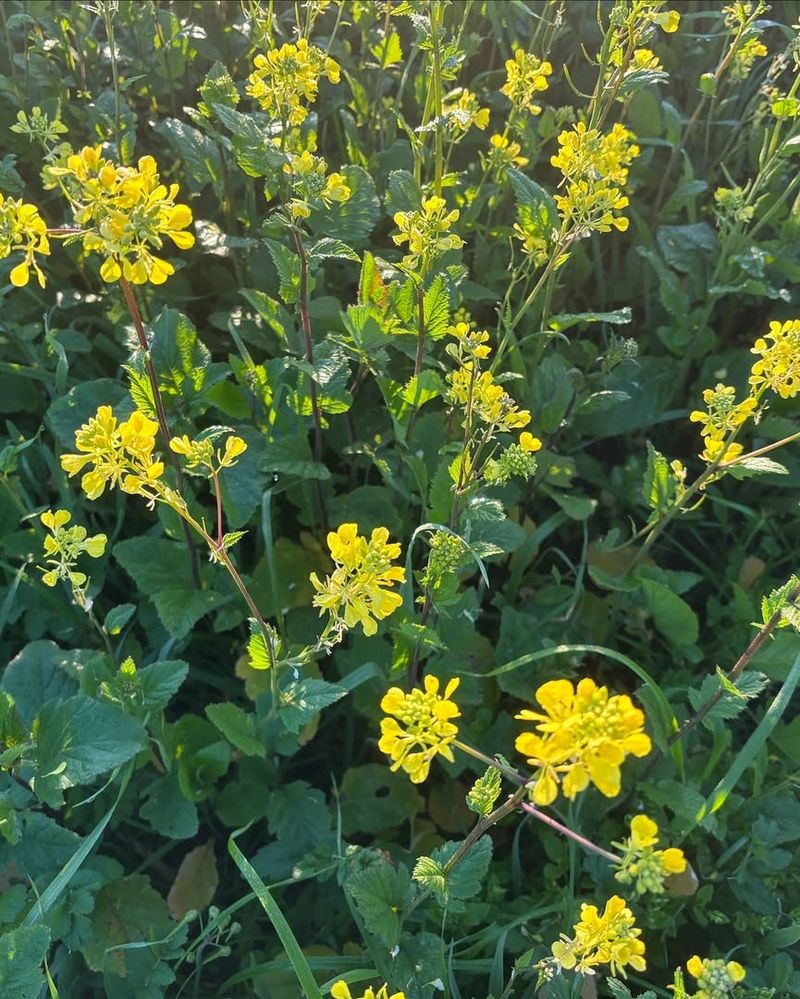
Every spring, California hillsides turn a vivid golden yellow, and many people assume that is a natural wildflower display. In reality, much of that yellow comes from black mustard, an invasive annual that has fundamentally changed the look and ecology of California’s open landscapes.
Black mustard was introduced by Spanish missionaries in the 1700s and has been spreading ever since. It grows fast, sets seed quickly, and creates a thick layer of dry stalks by summer that acts as kindling for wildfires.
Many fire researchers point to black mustard as a key factor in California’s increasingly intense fire seasons.
It also changes soil chemistry over time, making conditions less favorable for native wildflowers like poppies and lupines. The dense canopy it forms in spring shades out native seedlings before they can establish.
Pulling plants before they flower gives the best results. Black mustard has a shallow taproot that comes out easily in moist soil.
Timing matters a lot here because once the seed pods form, even a removed plant can still scatter seeds.
After clearing, scatter native wildflower seeds like California poppies, clarkia, or phacelia to fill the space quickly. A dense stand of native wildflowers leaves little room for black mustard to return.
Staying on top of it each spring makes a noticeable difference across California landscapes.