Should Michigan Gardeners Cut Back American Beautyberry Before Spring Arrives
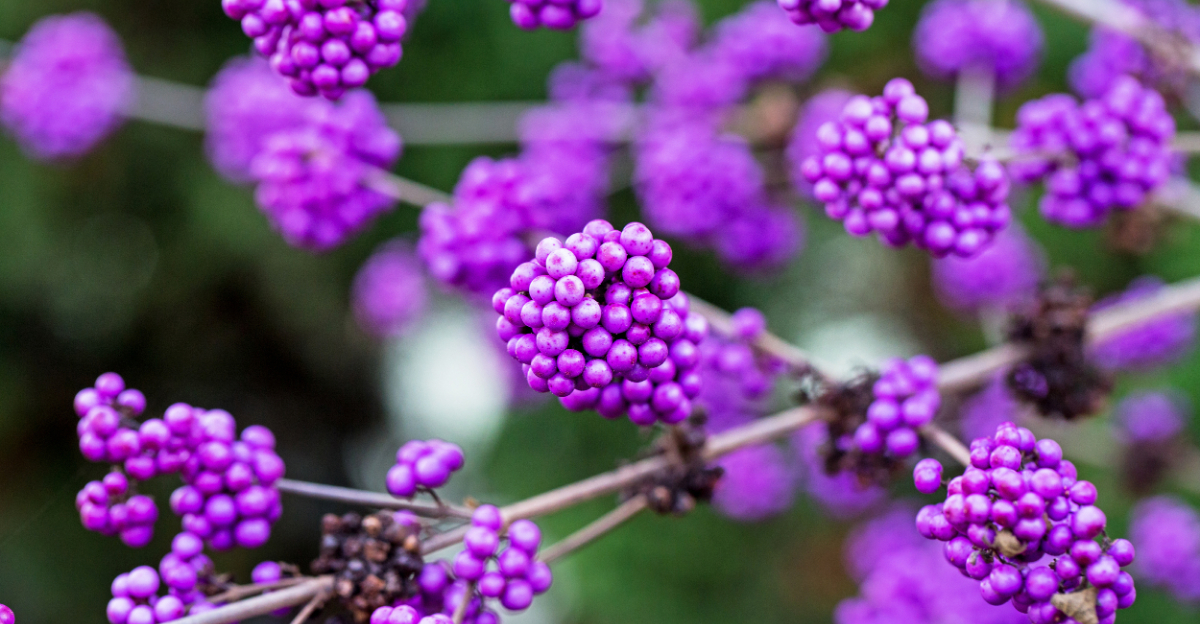
Late winter in Michigan often brings that familiar moment when gardeners start walking the yard again. The snow begins to melt, the air softens a little, and shrubs that looked quiet all winter suddenly come back into focus.
It’s usually around this time that many people stop in front of their American beautyberry and wonder what exactly they should be doing with it.
Beautyberry can look a bit rough after a long Midwest winter. The branches may seem bare, uneven, or even damaged from cold temperatures.
That can leave gardeners asking the same question every year. Should it be cut back now, or is it better to wait a little longer?
The timing of this decision can make a real difference in how the shrub grows once spring gets going.
Before the pruning shears come out, there are a few things Michigan gardeners usually take a closer look at first.
1. When Is The Best Time To Cut Back American Beautyberry In Michigan
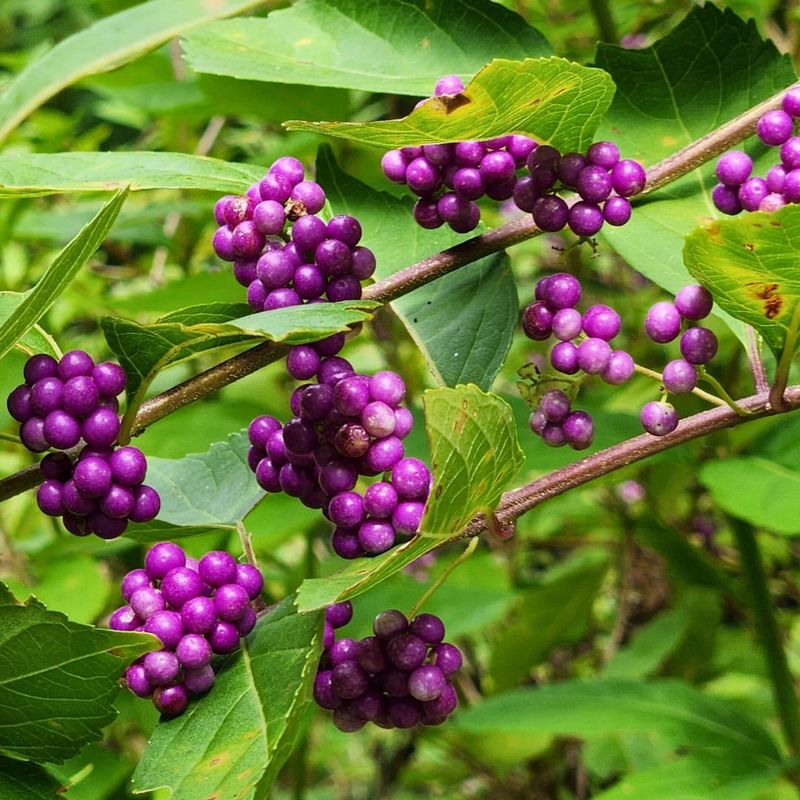
Late winter to very early spring is often a good time for cutting back American Beautyberry in Michigan, though exact timing can vary depending on local weather and when new growth begins. Most experienced Michigan gardeners aim to prune sometime between March and early April, right before the shrub starts pushing out fresh new buds.
Pruning too early, when the ground is still deeply frozen and harsh cold snaps are still rolling through, can stress the plant unnecessarily.
Michigan winters can be unpredictable, so watching the forecast carefully before grabbing your pruning shears is a smart move. The goal is to catch that window after the most brutal freezes have eased up but before the shrub wakes up and begins actively growing.
Getting this timing right means the plant can put all its energy into producing strong new stems, which are exactly where those gorgeous berry clusters will appear in fall.
American Beautyberry blooms and fruits on new wood, meaning the berries you enjoy each autumn grow on stems that sprouted that same year. That is why pruning before new growth begins is so valuable.
Skipping the prune or doing it too late in spring can reduce berry production and leave you with a leggy, unruly shrub by midsummer. In Michigan specifically, late March into early April tends to be the most reliable pruning window for most gardeners across the Lower Peninsula, giving plants enough time to recover and thrive before summer heat arrives.
2. How To Tell Whether Your Shrub Needs Pruning Before Spring
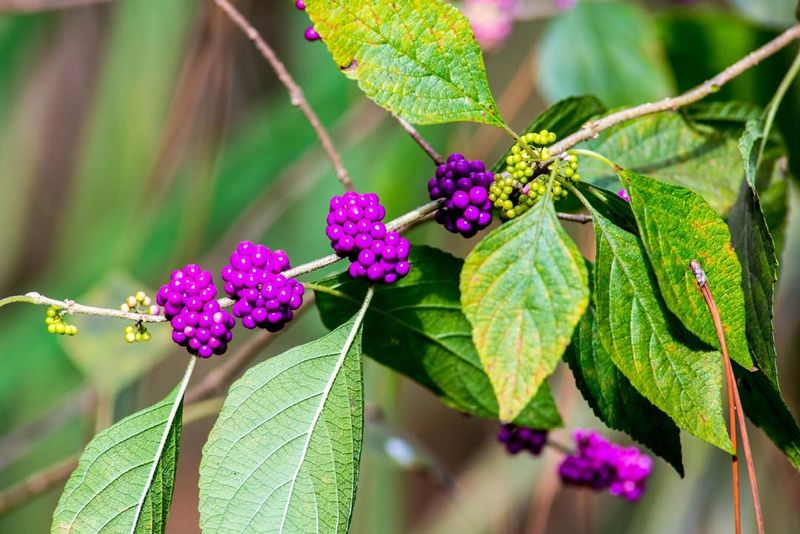
Not every American Beautyberry shrub looks the same heading into spring, and learning to read your plant before cutting is a skill worth developing. Start by stepping back and looking at the overall shape.
If the shrub looks sprawling, uneven, or has several thick woody stems crossing over each other, that is a clear sign a good prune will do it a world of good before the growing season begins.
Older stems that are more than a couple of years old tend to be thicker, grayer, and less productive when it comes to berry production. Running your fingers along the stems can help too.
Your Michigan Garden Changes Every Week. Your Plan Should Too.
Gardening in Michigan changes quickly throughout the season. Every Friday you’ll receive a simple weekly plan showing exactly what to plant, prune, fertilize, harvest, and protect so you never miss the right timing.
Younger stems feel smoother and are usually a lighter brown or greenish color, while older wood feels rougher and more bark-like. A shrub dominated by old, woody growth in your Michigan garden is practically asking to be cut back hard so it can start fresh.
You should also check for any stems that were damaged by Michigan’s harsh winter weather. Broken, split, or blackened tips are common after a tough winter and should absolutely be removed regardless of the season.
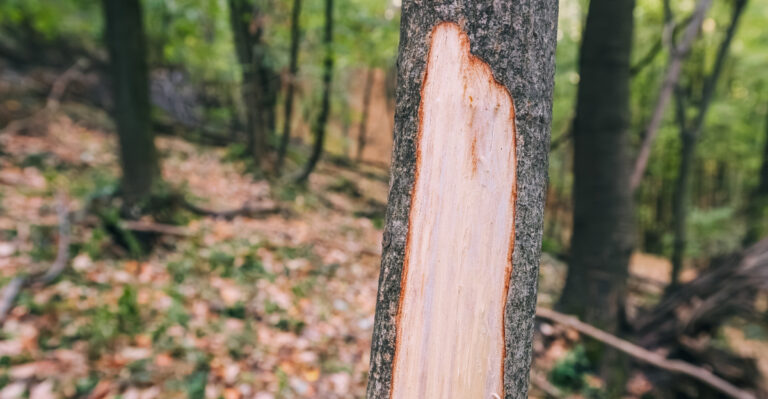
Scratching a stem lightly with your fingernail is a helpful trick too. If you see green underneath, the stem is still alive and worth keeping or trimming.
If the scratch reveals brown or dry tissue all the way through, that section has not survived the winter and needs to come off. Checking your shrub this way before pruning helps you make smarter cuts.
3. How To Cut Back American Beautyberry Without Removing Too Much
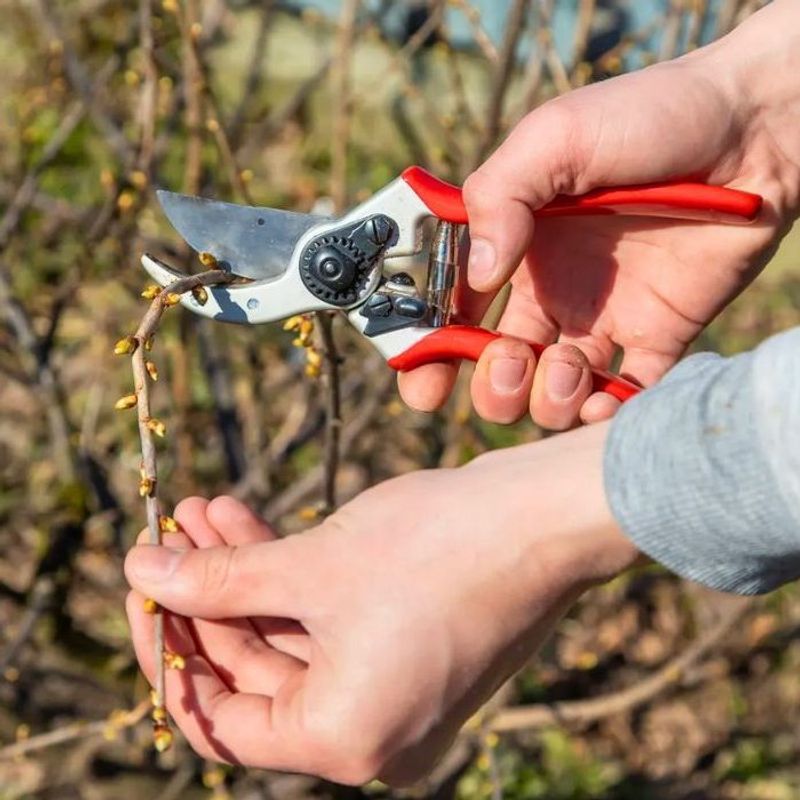
Sharp, clean tools are your best friends when pruning American Beautyberry, and starting with a quality pair of bypass pruning shears makes the whole job easier and safer for the plant. Dull blades can crush stems instead of cutting cleanly, which creates ragged wounds that take longer to heal and can invite problems.
Wiping your blades with rubbing alcohol before you start is a simple habit that helps keep things clean between cuts.
The most common approach for Michigan gardeners is a technique called hard pruning, where you cut the entire shrub back to about six to twelve inches above the ground. This might feel dramatic the first time you do it, but American Beautyberry handles this type of pruning extremely well and bounces back with impressive vigor.
The result is a more compact, bushy shape loaded with new stems that will carry next fall’s berry display.
If you are nervous about cutting the whole shrub down at once, a gentler approach works too. You can remove about one-third of the oldest, thickest stems at the base while trimming the remaining stems back by roughly half their length.
This method keeps some structure in the shrub while still encouraging plenty of fresh new growth. Either way, always cut just above a healthy bud or branching point rather than leaving long, bare stubs sticking up.
Taking your time and making thoughtful cuts rather than rushing through the job will give your Michigan garden shrub the best possible start heading into the growing season.
4. Wait Until The Worst Freezes Have Passed
Michigan gardeners know better than most that winter does not always pack up and leave quietly. Even when a warm spell rolls through in late February or early March and makes everything feel like spring is right around the corner, another round of hard freezes can easily follow.
Pruning your American Beautyberry too early, before those final cold snaps have passed, can expose freshly cut stems to damaging frost that sets the plant back.
Freshly pruned cuts are more vulnerable to cold damage than untouched stems because the protective layer at the cut site has not had time to form yet. If a hard freeze follows right after you prune, you may find yourself cutting back damaged sections all over again a few weeks later.
Waiting for a more stable stretch of mild temperatures protects your effort and gives the shrub a cleaner start into the growing season.
A helpful rule of thumb for Michigan is to keep an eye on the ten-day weather forecast before scheduling your pruning session. Look for a window where overnight lows are staying consistently above 28 degrees Fahrenheit and no major storms are on the horizon.
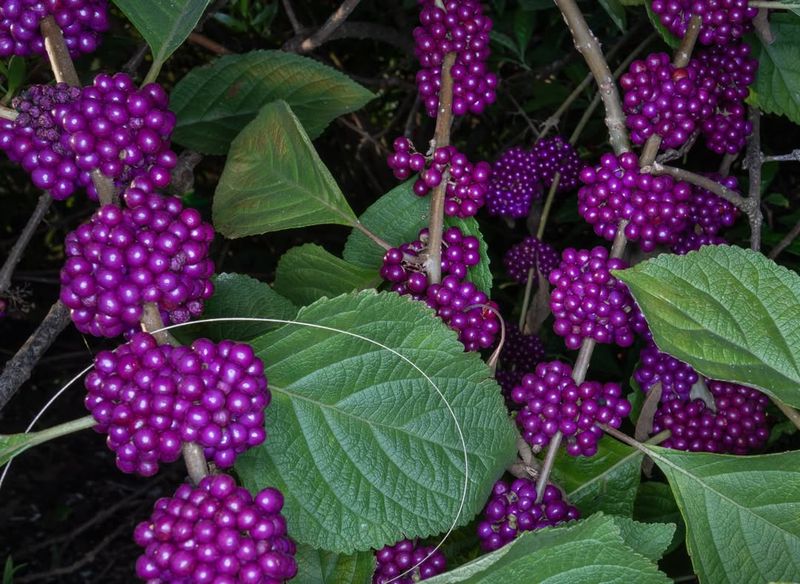
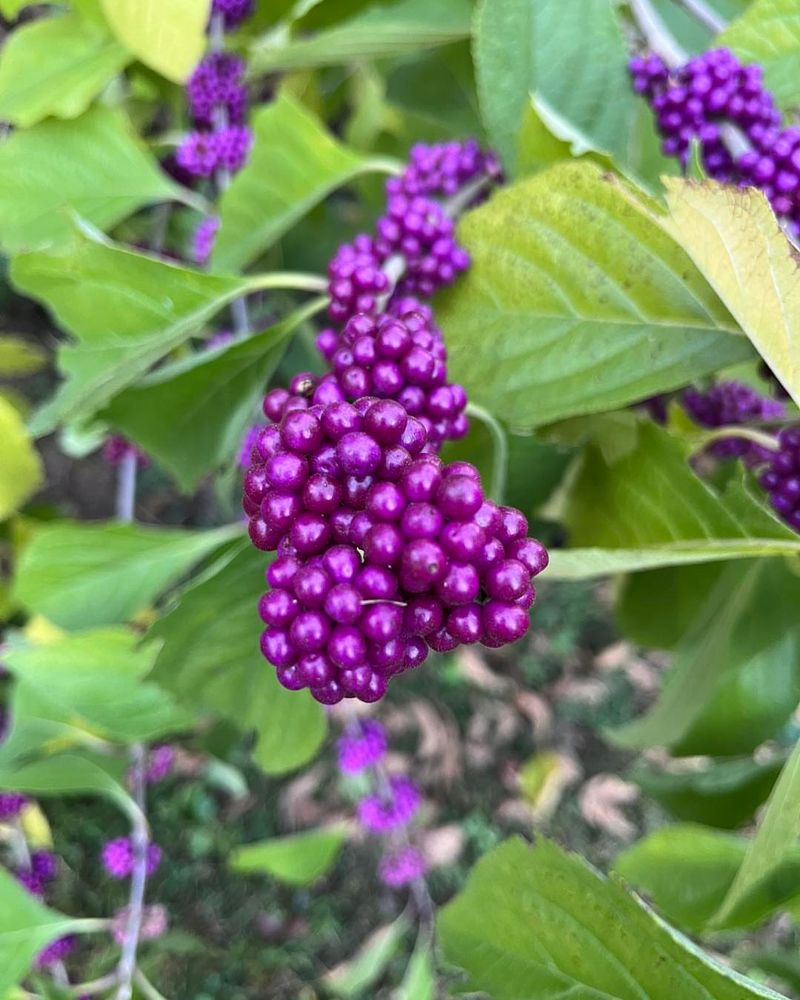
Regions in northern Michigan and the Upper Peninsula often need to wait a bit longer than gardeners in the southern Lower Peninsula, where spring arrives a little earlier. Patience during this waiting period pays off enormously, and your beautifully pruned shrub will reward you with a spectacular show of purple berries when fall finally comes back around.
5. How Far Back You Should Prune For Healthy New Growth
One of the most common questions Michigan gardeners ask about American Beautyberry is just how far back they should actually cut. The answer depends a little on the age and size of your shrub, but the general recommendation from horticulture experts is to prune down to somewhere between six and twelve inches above the ground for the best results.
That might sound like a lot, but this shrub is remarkably tough and responds to hard pruning with a burst of vigorous new growth.
Cutting the shrub back to that low height removes the old, less productive wood and essentially gives the plant a fresh start. New stems that emerge from the base after a hard prune are strong, flexible, and loaded with the growth points that will eventually hold those signature clusters of bright purple berries.
Shrubs that are pruned this way tend to have a fuller, more rounded shape by midsummer compared to plants that are only lightly trimmed at the tips.
For younger shrubs that have only been in your Michigan garden for a year or two, being a little more conservative makes sense. Cutting back to twelve inches rather than six gives a younger plant a bit more of a head start.
For established shrubs that have been growing for several years, do not be afraid to go lower. Applying a thin layer of compost or a balanced slow-release fertilizer around the base after pruning gives the plant an extra nutrient boost right when it needs it most to fuel that impressive spring and summer regrowth.
6. What Michigan Gardeners Should Check Before Pruning Starts
Before the pruning shears come out, a quick walk-through of your garden beds can save you a lot of headaches down the road. Start by checking the soil around the base of your American Beautyberry.
If the ground is still frozen solid or waterlogged from snowmelt, it is better to wait a few more days. Working around a shrub when the soil is saturated can compact the ground and damage the root zone, which slows the plant’s recovery after pruning.
Look closely at the base of the shrub for any signs of new bud activity. Tiny green or reddish buds beginning to swell along the lower stems are one of the best indicators that your Michigan beautyberry is ready for its annual trim.
Pruning right at this stage, just as growth is waking up but before leaves fully emerge, helps the plant channel energy directly into those new shoots rather than wasting resources on old wood.
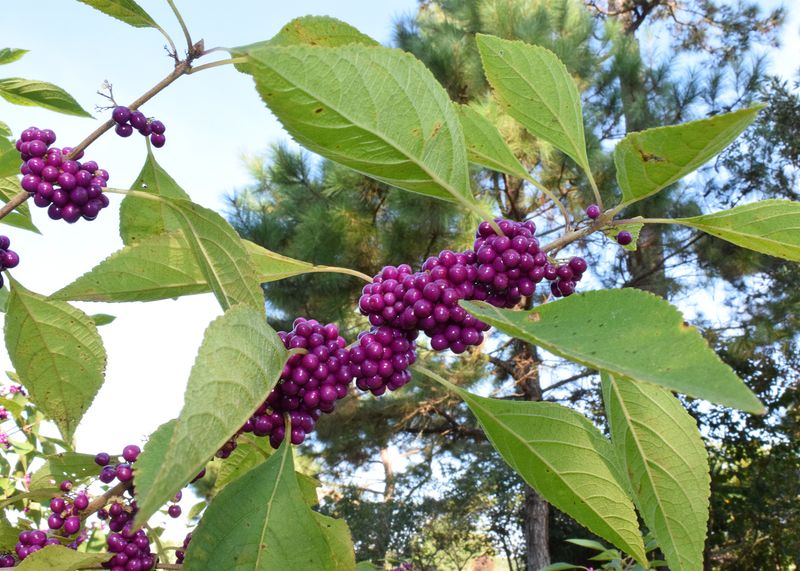
Also take a moment to assess whether any wildlife has been using the shrub over winter. Birds in Michigan love the berries of American Beautyberry, and some may still be visiting dried berry clusters on the stems.
If you notice birds actively feeding, waiting just a little longer before pruning is a kind and rewarding choice. Checking your tools one more time for sharpness, cleaning up any debris around the base of the plant, and having a plan for where you will dispose of the cut stems will make the whole pruning process smoother, faster, and far more satisfying from start to finish.