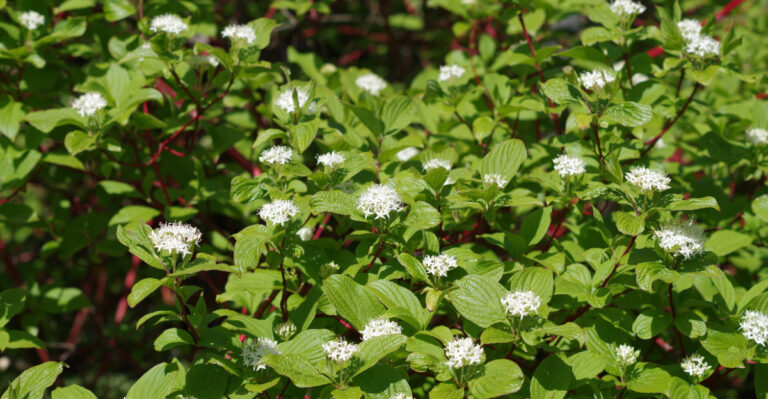
10 Flowers Ohio Gardeners Wish They Never Planted (And What To Grow Instead)
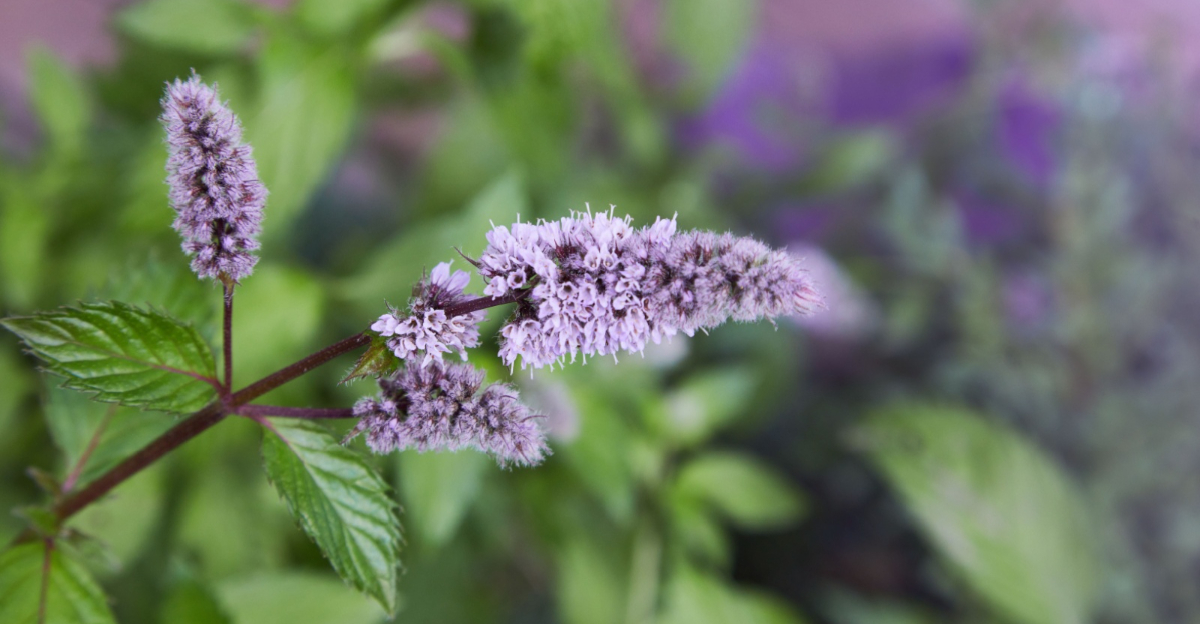
Every Ohio gardener remembers the moment a beautiful flower turns into a backyard regret. What starts as a charming bloom in spring can quickly spread across beds, choke nearby plants, or demand far more maintenance than expected.
The garden that once looked peaceful suddenly feels like a constant battle. Some flowers arrive with a reputation for beauty but hide aggressive growth, messy habits, or nonstop upkeep.
They creep through borders, reseed in every corner, and refuse to stay where they belong. Many gardeners plant them once and spend seasons trying to reclaim their space.
The good news? A better choice almost always exists.
For every frustrating flower that causes headaches, another plant offers the same color and charm without the trouble. Knowing the difference can save your Ohio garden from years of regret.
1. Mint That Quickly Takes Over Garden Beds
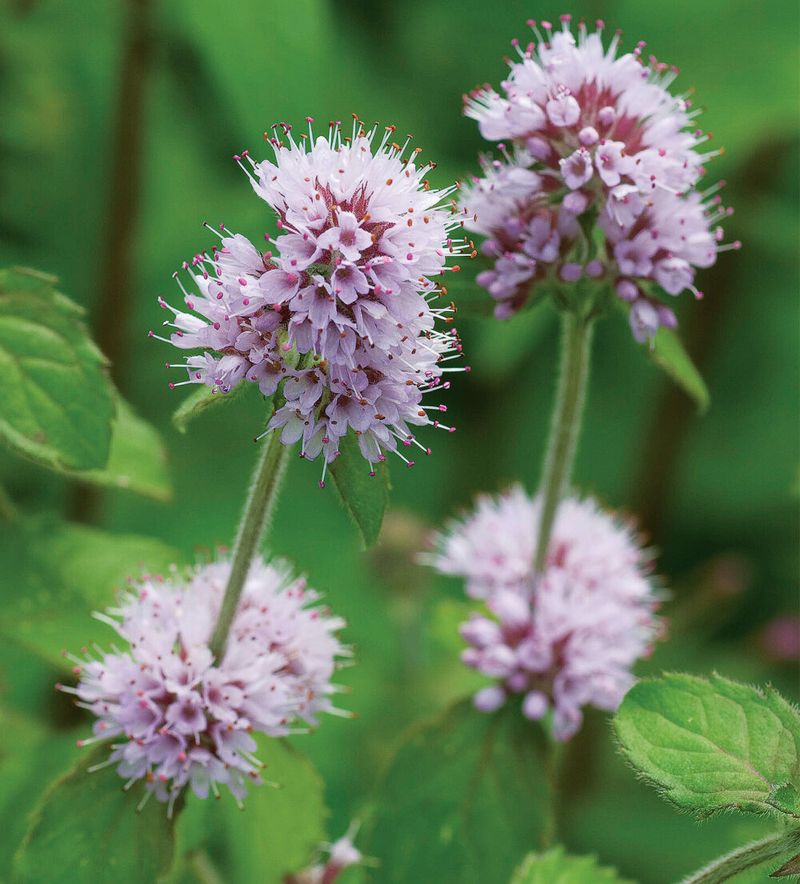
Few plants in the garden world move as boldly or as quickly as mint. What starts as one small pot tucked into a sunny Ohio bed can become an unstoppable green carpet within a single growing season.
Mint spreads through underground stems called runners, and those runners do not respect borders, edging, or the space you carefully set aside for other plants.
Once mint escapes into a mixed border, removing it becomes a serious chore. Each tiny piece of root left in the soil can sprout again, meaning you have to be extremely thorough to get it under control.
Many Ohio gardeners describe spending entire weekends pulling mint only to see it return the following spring without missing a beat.
The frustration is real, but the good news is that several fragrant, pollinator-friendly plants can fill the same role without the aggressive behavior. Wild bergamot (Monarda fistulosa) is a native Ohio perennial that brings soft lavender blooms and a light minty fragrance while forming manageable clumps instead of spreading aggressively through runners.
Anise hyssop and catmint are equally aromatic options that stay manageable in most garden settings, bloom beautifully through summer, and provide real value to pollinators without sneaking into every corner of your yard.
2. Lily Of The Valley That Spreads Far Beyond Its Space
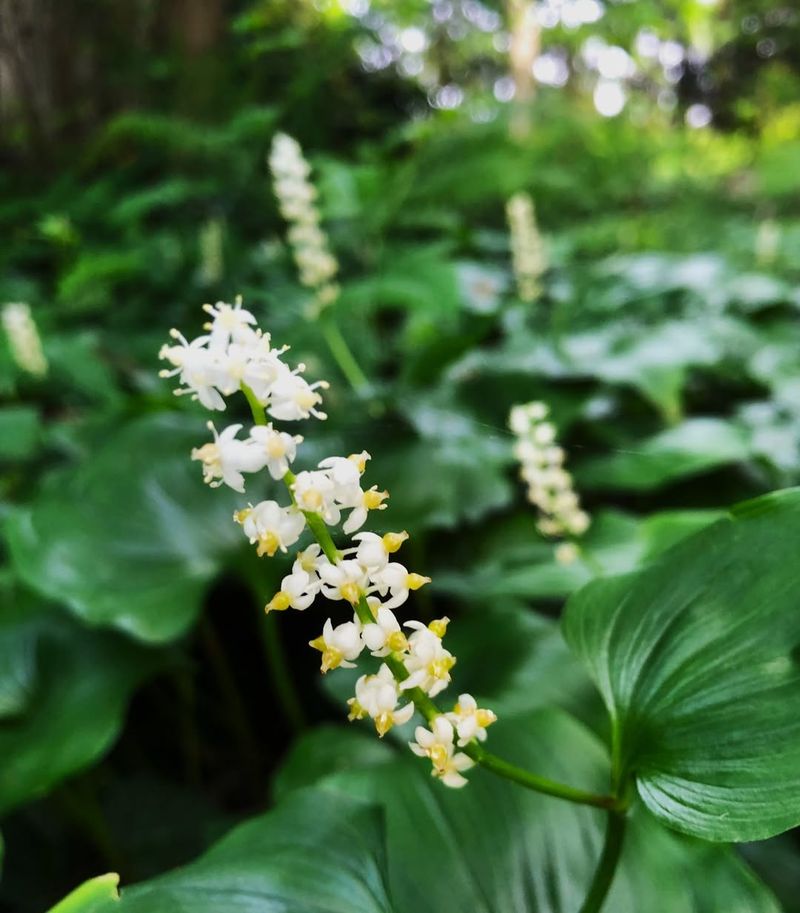
There is something undeniably charming about lily of the valley. Those tiny white bell-shaped flowers carry a sweet fragrance that has made this plant a classic choice for shaded Ohio gardens for generations.
The trouble is that charm fades quickly once the plant starts claiming territory it was never meant to have.
Lily of the valley spreads through underground rhizomes and forms dense colonies that can be remarkably difficult to remove once established. In shaded Ohio gardens, where competition from other plants is already limited, it can take over large sections of a bed within just a few years.
Trying to dig it out often feels like a losing battle because even small root fragments left behind will regenerate.
Gardeners who love the look of delicate blooms in a shaded space have excellent alternatives to choose from. Foamflower is a native Ohio woodland plant that produces frothy white or pink flower spikes in spring and stays much better behaved in garden settings.
Your Ohio Garden Changes Every Week. Your Plan Should Too.
Gardening in Ohio changes quickly throughout the season. Every Friday you’ll receive a simple weekly plan showing exactly what to plant, prune, fertilize, harvest, and protect so you never miss the right timing.
Woodland phlox brings soft lavender blooms that light up shady spots without spreading aggressively. Virginia bluebells offer stunning blue and pink flowers in early spring and naturally fade back after blooming, leaving room for other plants to thrive without the territorial behavior that makes lily of the valley such a regret for so many gardeners.
3. Purple Loosestrife That Creates Problems In Ohio Landscapes
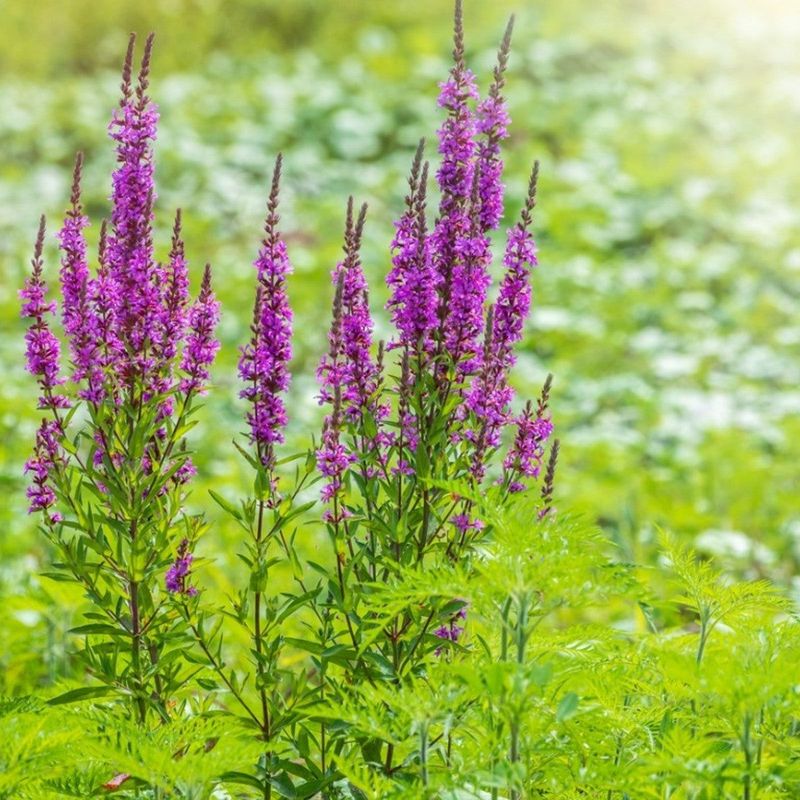
At first glance, purple loosestrife looks like something you would want in every garden. Its tall spikes of vivid magenta-purple flowers are genuinely eye-catching, and it thrives in the moist soils found throughout much of Ohio.
Unfortunately, that adaptability is exactly what makes it so problematic.
Purple loosestrife is classified as an invasive plant in Ohio, and the Ohio Department of Natural Resources has long flagged it as a serious ecological concern. Near wetlands, ponds, and stream banks, it spreads so aggressively that it can crowd out native vegetation entirely, disrupting the habitats that native wildlife depend on.
A single mature plant can produce over two million seeds in one season, making it extraordinarily difficult to manage once it gets established in a landscape.
Gardeners who love tall, colorful blooms in moist areas have much better options that support Ohio ecosystems rather than threatening them. Blue vervain is a native plant with slender purple flower spikes that thrives in wet to moist conditions and supports a wide range of native bees.
Blazing star offers bold vertical color and is beloved by monarch butterflies and other pollinators.
4. Dame’s Rocket That Crowds Out Other Garden Flowers
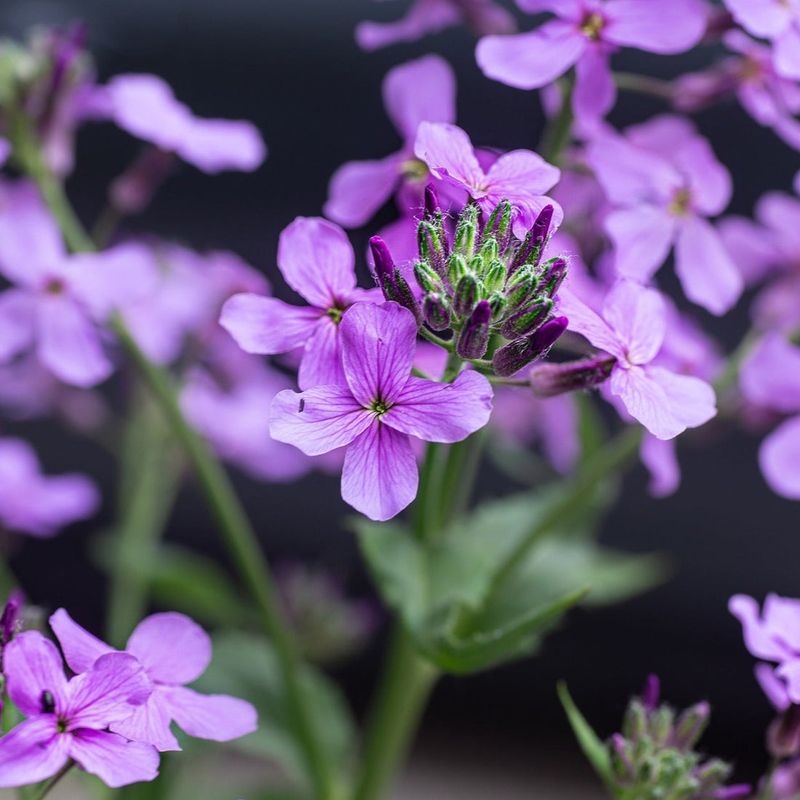
Walk past a roadside in Ohio during late spring and you will almost certainly spot dame’s rocket in bloom. Its clusters of pink, white, and purple flowers look so much like garden phlox that many gardeners bring it home thinking they have found a bargain wildflower.
That mix-up is one of the most common regrets in Ohio gardens.
Dame’s rocket is a biennial that self-seeds with impressive enthusiasm. Once it gets going in a garden bed, it can produce so many seedlings that it effectively crowds out other flowers you planted on purpose.
OSU Extension and other horticulture programs note that dame’s rocket has naturalized widely across Ohio and can spread from gardens into natural areas, where it competes with native wildflowers for space and resources.
The easiest way to tell dame’s rocket apart from true phlox is to count the petals. Dame’s rocket has four petals while garden phlox has five, a small detail that makes a big difference in what you bring home from the nursery.
Garden phlox itself is a wonderful, showy alternative that blooms in midsummer with large fragrant flower heads and stays where you plant it. Woodland phlox works beautifully in partly shaded spots, and Ohio spiderwort (Tradescantia ohiensis), a native prairie perennial, produces clusters of blue-violet flowers in late spring and stays well behaved in mixed garden beds.
5. Yellow Flag Iris That Becomes Hard To Control
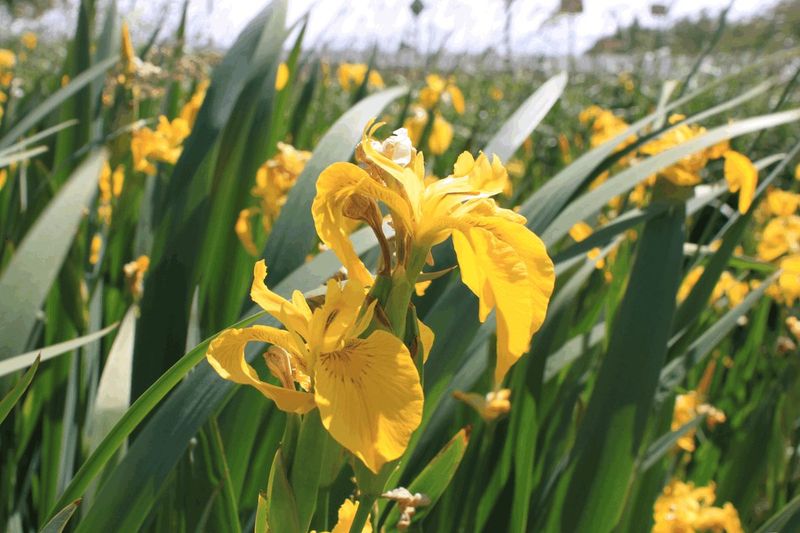
Water gardens in Ohio can be magical spaces, and the bright yellow blooms of yellow flag iris seem like a perfect fit for a pond edge or rain garden. Many gardeners plant just a few rhizomes expecting a manageable, elegant display, only to find themselves dealing with a plant that has completely taken over the wet zones of their property within a couple of seasons.
Yellow flag iris spreads aggressively through both rhizomes and seeds, and it performs particularly well in the moist to wet conditions common along Ohio waterways and in low-lying garden areas. Because of this, it has escaped cultivation in many parts of Ohio and is considered a problematic species in natural wetland areas, where it can displace native aquatic and semi-aquatic vegetation that local wildlife depends on.
Fortunately, Ohio gardeners do not have to give up on irises altogether. Blue flag iris is a stunning native alternative that produces beautiful violet-blue blooms and thrives in wet to moist Ohio soils without the aggressive spreading habit of its yellow cousin.
Northern blue iris is another excellent native option for slightly drier conditions. Siberian iris, while not native, is considered a well-behaved garden perennial that delivers graceful blooms and an upright form without causing the control problems that make yellow flag iris such a regret for water gardeners.
6. Butterfly Bush That Doesn’t Always Perform As Expected
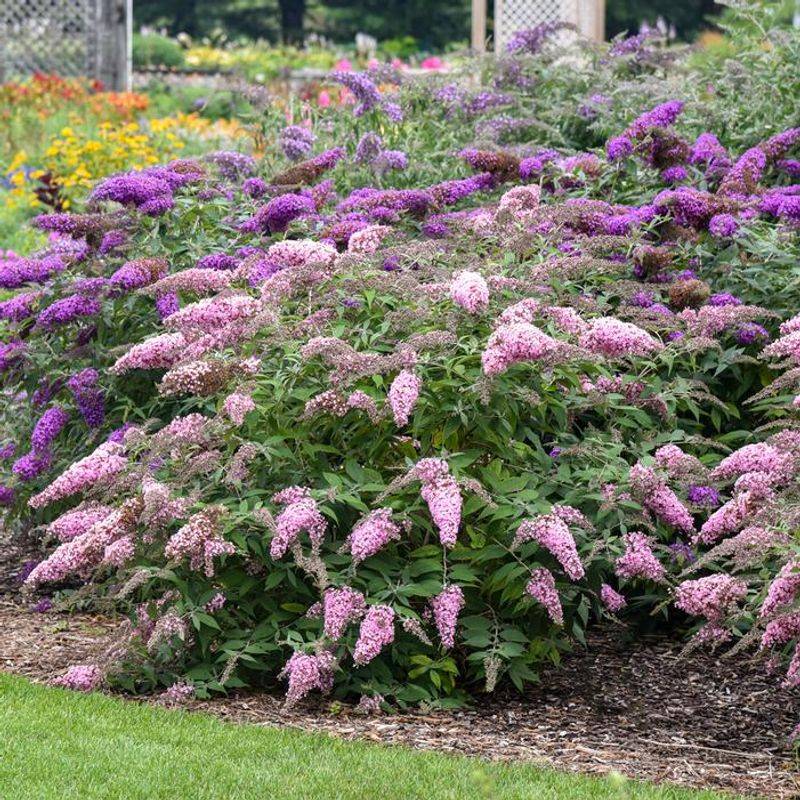
Butterfly bush gets sold with a lot of promise. The images on the tag show long arching flower spikes covered in butterflies, and the plant does deliver on that visual during a good summer.
The reality for many Ohio gardeners, though, turns out to be more complicated than the nursery tag suggests.
Ohio winters can be harsh enough to cause significant dieback on butterfly bush, especially in northern parts of the state. Gardeners often find themselves cutting plants nearly to the ground each spring and waiting to see how much recovery happens.
Beyond the winter performance issue, butterfly bush has drawn criticism from ecologists and native plant advocates because while it does attract adult butterflies, it does not serve as a host plant for any native butterfly species, meaning it feeds adults without supporting the full life cycle that truly benefits pollinator populations.
Self-seeding can also be a concern in some Ohio regions, with plants spreading beyond garden borders into natural areas. Native alternatives offer a much more complete ecological package.
Butterfly weed, a native milkweed species, supports monarch butterflies at every life stage and thrives in Ohio’s climate with almost no fuss. Joe Pye weed brings tall, rosy-purple blooms beloved by swallowtails and bumblebees.
New England aster (Symphyotrichum novae-angliae) is an outstanding native alternative, producing masses of purple flowers in late summer that support migrating monarchs and many native pollinators.
7. Obedient Plant That Slowly Takes Over Flower Beds
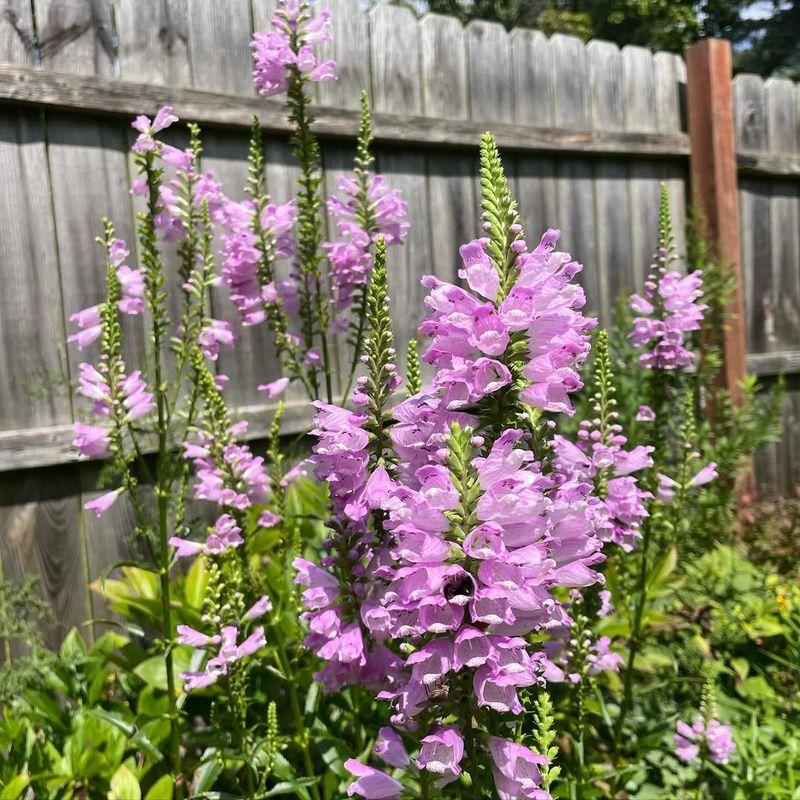
The name obedient plant is one of gardening’s great jokes. The individual flowers earned the name because they stay in position when moved along the spike, but the plant itself is anything but cooperative when it comes to staying in its assigned spot.
Many Ohio gardeners discover this the hard way after planting it in a mixed border.
Obedient plant spreads steadily through underground rhizomes and can quietly expand its footprint year after year until it starts crowding out neighboring perennials. In smaller Ohio garden beds, this behavior becomes a real problem because the plant does not give obvious warning signs before it has already taken over a significant section of the border.
By the time you notice, there is often a lot of digging ahead of you.
That said, the upright form and late-season pink blooms that make obedient plant appealing are qualities you can find in much better-behaved alternatives. Blazing star, also known as liatris, is a native Ohio prairie plant that sends up bold purple flower spikes in midsummer and stays exactly where you plant it.
Blue vervain (Verbena hastata), a native Ohio wildflower, produces tall spikes of violet flowers in mid to late summer while remaining well behaved in perennial borders. Foxglove beardtongue (Penstemon digitalis), a native Ohio perennial, offers tubular white flowers that attract hummingbirds and pollinators while staying well behaved in garden borders.
8. Periwinkle That Spreads Faster Than Most Gardeners Expect
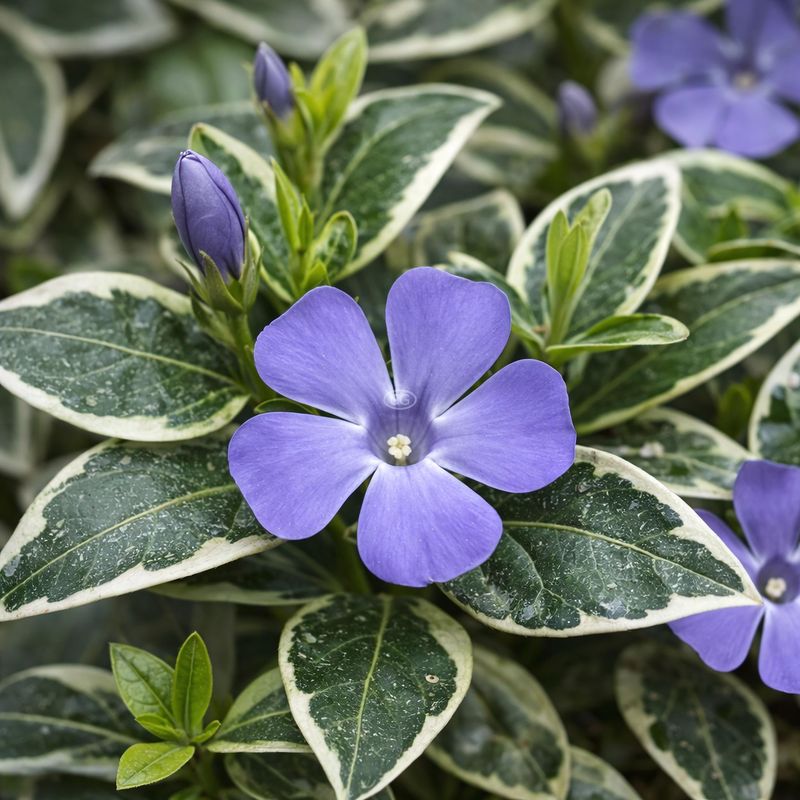
Shaded areas in Ohio gardens can be genuinely tricky to fill, and periwinkle seems like a dream solution when you first plant it. It covers the ground quickly, stays green through winter, and produces cheerful little blue-purple flowers in spring.
What the plant does not advertise is how eagerly it keeps expanding well beyond the space you had in mind.
Periwinkle forms dense mats that can eventually escape garden edges and move into natural areas, including Ohio woodlands where it competes with native wildflowers. Some conservation organizations and university extension programs have flagged it as a plant of concern because of its tendency to naturalize and spread in shaded environments, particularly in the more temperate parts of Ohio where winters are mild enough to keep it growing vigorously.
Gardeners looking for attractive, well-behaved groundcovers for shade have some excellent native options that provide similar coverage without the spreading concerns. Wild ginger is a beautiful, slow-growing native groundcover with large, heart-shaped leaves that create an elegant carpet in shaded Ohio spaces.
Foamflower doubles as both a groundcover and a spring bloomer, offering real ornamental value. Pennsylvania sedge is a low-maintenance native grass-like plant that forms tidy, evergreen clumps in shaded areas and handles Ohio’s climate with impressive resilience, making it a reliable and ecologically friendly alternative.
9. Gooseneck Loosestrife That Quickly Dominates A Border
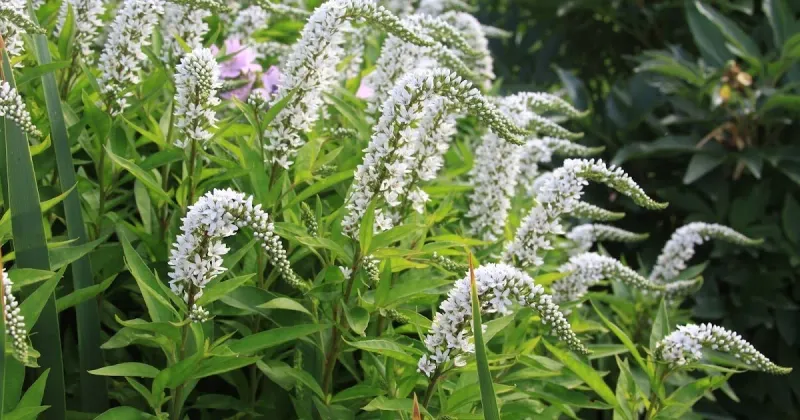
Gooseneck loosestrife has one of the most distinctive flower shapes in the perennial world. Those arching white spikes that curve at the tips like a goose’s neck look elegant and unusual in a summer border, and that novelty is what draws many Ohio gardeners to plant it.
The enthusiasm tends to wear off once the plant reveals its true ambitions.
This perennial spreads through underground rhizomes and can expand its territory surprisingly fast in Ohio’s growing conditions. What starts as a single clump can become a large colony within a few seasons, pushing out neighboring perennials that cannot compete with its aggressive root system.
Gardeners who plant it in mixed borders often describe it as a slow takeover that they did not notice until it was already well underway.
Removing it requires patience and persistence because any root fragments left in the soil will resprout. For gardeners who love the tall, elegant look of gooseneck loosestrife but want something that behaves better, Culver’s root is a spectacular native alternative.
Its tall white flower spikes have a refined, architectural quality that looks stunning in a summer border, and it spreads at a much more reasonable pace. Culver’s root (Veronicastrum virginicum) and tall meadow rue (Thalictrum dasycarpum), both native to Ohio, provide elegant vertical structure without the aggressive rhizome spread.
10. Creeping Jenny That Takes Over Beds And Walkways
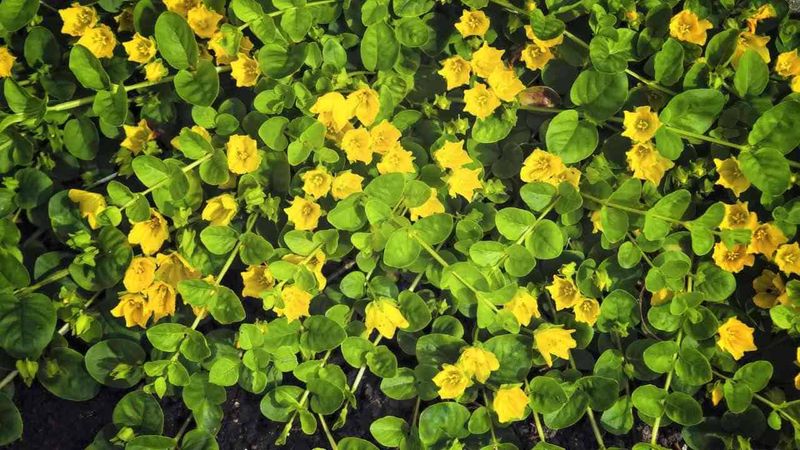
Bright chartreuse leaves that cascade over pot edges or spill across garden beds make creeping Jenny one of the most visually appealing groundcovers at any Ohio garden center. It photographs beautifully in containers and looks lush and cheerful in early spring.
The problem starts when gardeners plant it in the ground and step back to watch what happens next.
Creeping Jenny moves fast in moist soil, which is exactly the kind of soil found in many Ohio gardens, especially in lower-lying areas or beds that stay consistently damp. It spreads along the ground, rooting as it goes, and can quickly flow across pathways, into lawn areas, and through neighboring plants before most gardeners realize how much ground it has covered.
Getting it back under control often means pulling up large sections of rooted stems from places it was never intended to be.
For gardeners who want low-growing color and coverage without the aggressive spreading habit, wild ginger (Asarum canadense) is an excellent choice. It’s a native woodland groundcover, forms a dense carpet of heart-shaped leaves that stays contained and thrives in shady Ohio gardens.
Creeping phlox delivers a spectacular carpet of spring blooms in sunny areas and stays well-behaved over time. Low-growing sedum varieties are excellent for sunny, dry edges and walkways, providing year-round texture and seasonal color without ever trying to sneak into places they do not belong.