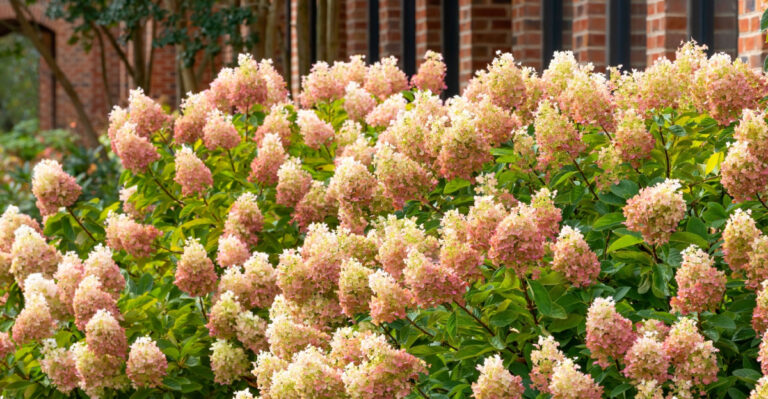
These Are The Best Ohio Flowers For Every Pot Size
Pot size is the variable most Ohio gardeners completely underestimate. You find a flower you love, you buy it, you plant it, and three weeks later something feels off.
Too crowded, too sparse, out of proportion, or just not thriving the way the plant tag promised. The container wasn’t wrong and the flower wasn’t wrong; the match was.
Ohio’s growing season is short and specific enough that a mismatch between plant and pot size costs you more than just aesthetics. It costs you the whole season.
The good news is that once you understand which flowers are built for small containers, which ones need room to truly perform, and which ones anchor a large statement pot without swallowing everything around them, the guesswork disappears completely.
From windowsill planters to oversized patio urns, Ohio has a flower for every pot size and every level of sun, and the combinations are far more interesting than most people expect.
1. 4-Inch Pots Are Perfect For Pansies And Violas
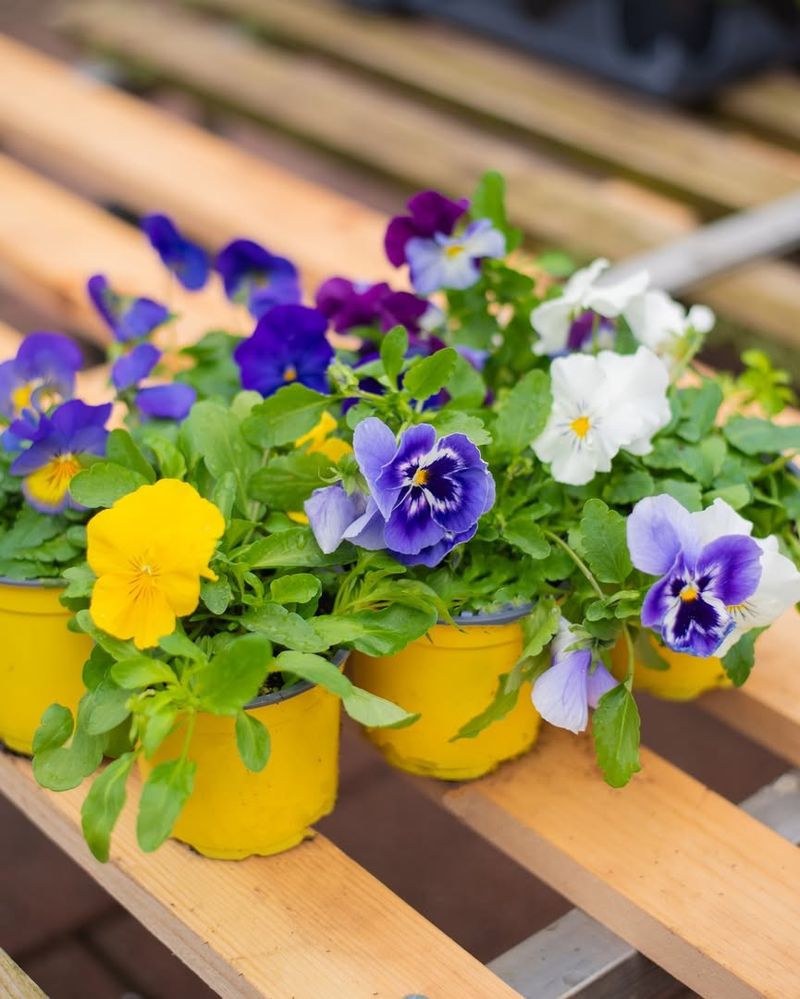
Walk into any Ohio garden center in late March or early April, and you will find flats of pansies and violas practically begging to go home with you. These small cool-season flowers are one of the few blooms that actually enjoy chilly Ohio spring mornings.
In northern Ohio and Lake Erie areas, where spring can drag its feet well into May, pansies and violas are reliable early-color workhorses that keep performing when other flowers would sulk.
A 4-inch pot suits a single pansy or viola plant for a short-term accent rather than a full-season display. The small soil volume dries out fast, especially on windy porches or sunny windowsills, so daily watering checks are a good habit.
Group several 4-inch pots together on a step or railing for a cheerful cluster effect without committing to a large planter.
Pansies prefer soil temperatures between 45 and 65 degrees Fahrenheit, which makes them a natural fit for Ohio’s shoulder seasons. Once summer heat settles in, they tend to stretch, fade, and slow their bloom.
Swap them out for warm-season annuals when daytime temperatures consistently push past 80 degrees, and your containers will stay looking fresh all season long.
2. 6-Inch Pots Give Sweet Alyssum Room To Spill
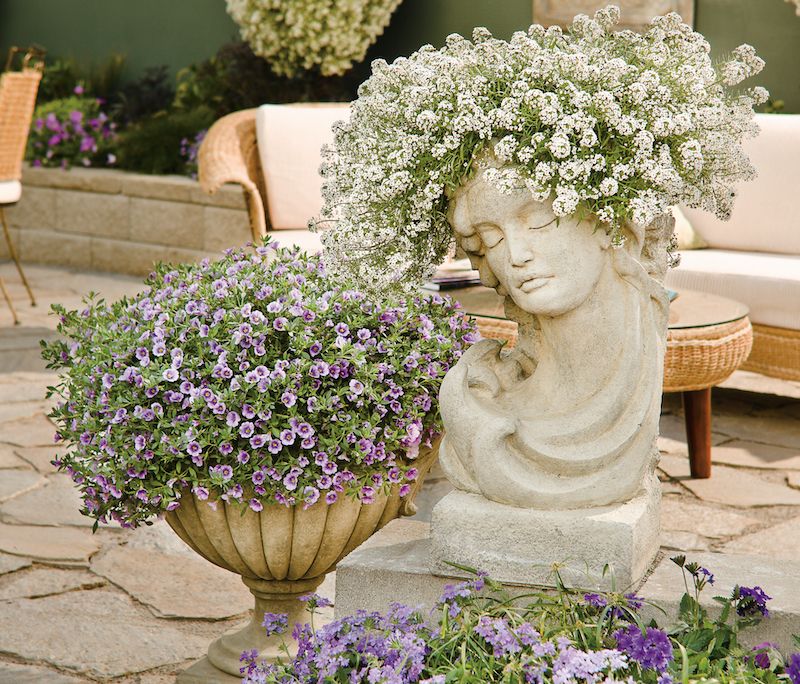
Few flowers pack as much fragrance into such a small package as sweet alyssum. The honey-like scent drifting off a pot of alyssum near a doorway or cafe table is one of those small garden pleasures that stops people mid-step.
A 6-inch pot gives this compact, trailing flower just enough root room to settle in and spill gracefully over the edge without demanding a large planter or a lot of space.
Sweet alyssum prefers cooler temperatures and actually performs best during Ohio’s spring and early fall seasons.
During the hottest weeks of July and August, blooming may slow or pause, but a light trim and consistent watering often encourage a fresh flush of flowers once temperatures ease.
Central Ohio gardeners should watch late-spring frost forecasts and protect small alyssum pots on cold nights.
Your Ohio Garden Changes Every Week. Your Plan Should Too.
Gardening in Ohio changes quickly throughout the season. Every Friday you’ll receive a simple weekly plan showing exactly what to plant, prune, fertilize, harvest, and protect so you never miss the right timing.
Because 6-inch pots hold less soil than larger containers, drainage becomes a priority. Use a quality potting mix with good drainage rather than dense garden soil, which can compact and suffocate roots in small pots.
Place sweet alyssum on steps, grouped on a porch, or at the edge of a larger mixed planter where its trailing habit and sweet scent can shine without competing for center stage.
3. 8-Inch Pots Let Calibrachoa Fill Out Fast
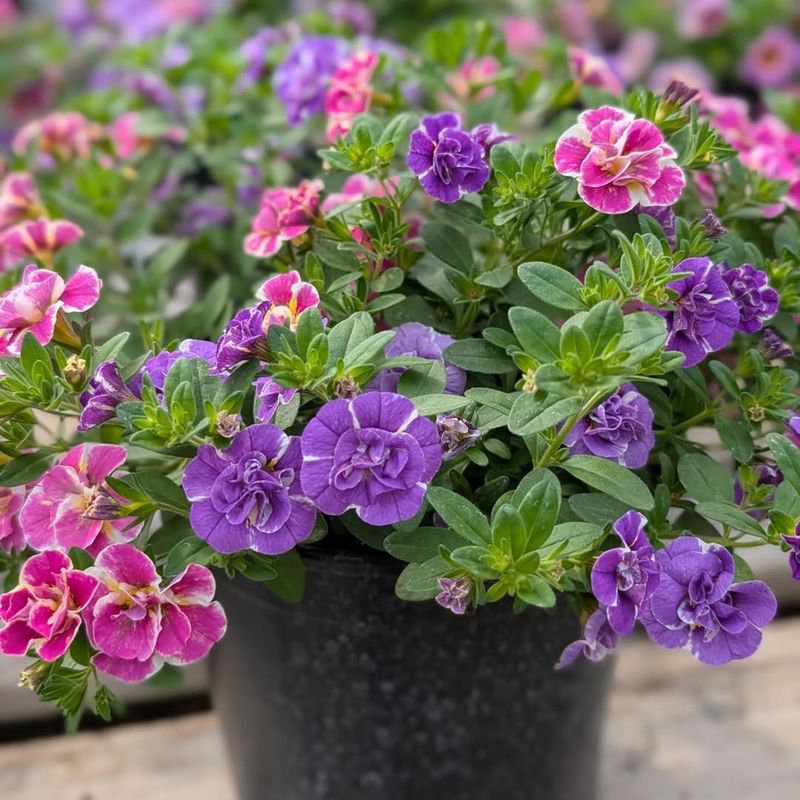
Calibrachoa earns its nickname million bells because a single plant can produce an almost unbelievable number of small, petunia-like blooms all summer long.
An 8-inch pot gives calibrachoa enough root space to mound and spill without requiring the square footage of a large porch planter.
For Ohio gardeners working with limited balcony or step space, that balance between size and performance is genuinely useful.
Calibrachoa needs full sun to really perform, and it rewards consistent moisture with nonstop color from late spring through the first fall frost. The tricky part is drainage.
Wet, heavy soil sitting around the roots can slow growth and reduce blooming fast. A lightweight, well-draining potting mix and a pot with drainage holes are non-negotiable for keeping calibrachoa happy through Ohio’s sometimes rainy early summers.
Southern Ohio gardeners can often get calibrachoa into containers a bit earlier than gardeners farther north, since the Cincinnati and Dayton areas tend to warm up sooner. In Cleveland or Toledo, waiting until mid-May is a safer bet.
Feed calibrachoa with a diluted liquid fertilizer every week or two because the small soil volume in an 8-inch pot gets depleted faster than larger containers. Regular feeding keeps the color saturated and the growth vigorous.
4. 10-Inch Pots Bring Out The Best In Petunias
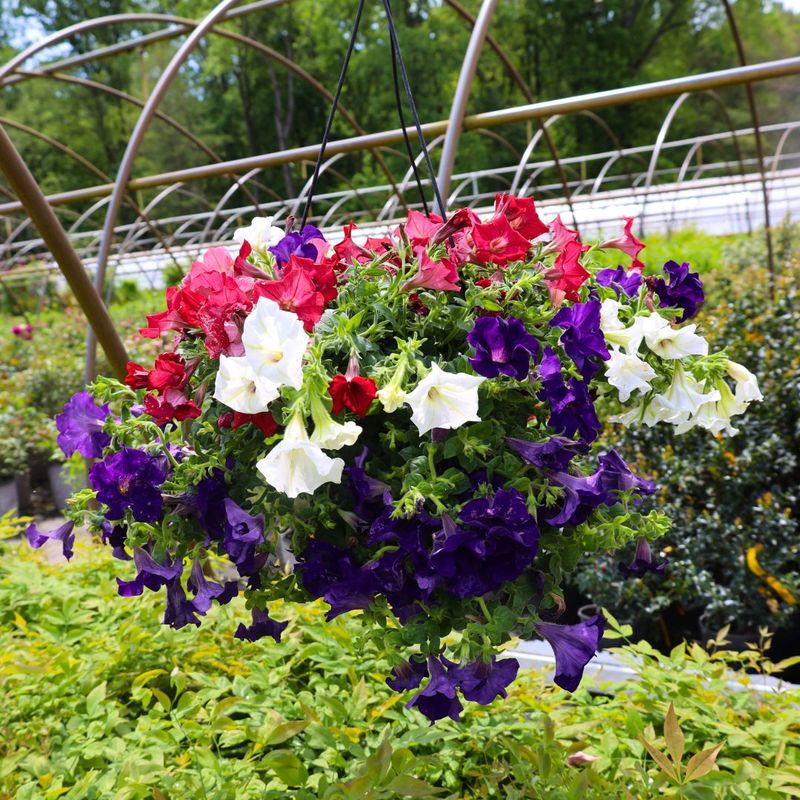
Petunias have been a staple of Ohio container gardens for generations, and for good reason. They bloom heavily, come in almost every color imaginable, and handle Ohio’s warm summers with minimal fuss as long as they get enough sun and water.
Stuffing petunias into a tiny nursery pot limits their potential, but a 10-inch container gives their root system real room to expand and their stems space to trail and fill out.
Compact or mounding petunia varieties are better choices for 10-inch pots than the large spreading types, which can get leggy and unruly in a confined space.
Wave petunias and similar spreading types are better suited to larger containers or hanging baskets where they have room to cascade dramatically.
For a neat, full look in a 10-inch pot, one or two compact plants is usually enough.
Petunias are thirsty flowers, and a 10-inch pot in full Ohio summer sun can dry out quickly, especially during heat waves or on exposed urban patios and windy balconies. Check soil moisture daily during hot spells and water deeply until it drains from the bottom.
Deadheading spent blooms or giving leggy stems a light trim in midsummer encourages a second wave of flowering that keeps pots looking great into September.
5. 12-Inch Pots Suit Geraniums, Begonias, And Marigolds
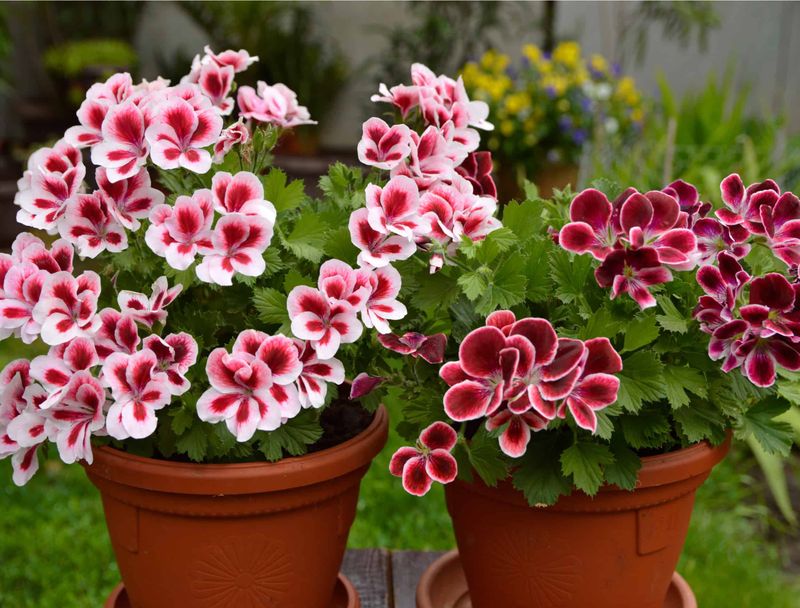
A 12-inch pot hits a sweet spot that many Ohio gardeners return to season after season. It is large enough to support a single bold statement plant or a small two-plant combination, yet easy enough to move around a patio, deck, or front stoop without needing a hand truck.
Geraniums, begonias, and marigolds can all work well at this size, though each one has very different ideas about where it wants to live.
Geraniums love full sun and are classic Ohio porch plants that bloom reliably from late spring through fall. Marigolds share that sunny preference and add a spicy fragrance that many gardeners find cheerful and others find polarizing.
Begonias, on the other hand, prefer part shade to full shade, making them the go-to choice for north-facing porches, covered patios, or spots under a tree canopy where sun lovers would struggle.
Mixing a sun lover and a shade lover in the same 12-inch pot is a common mistake that sets both plants up to underperform. Match the plant to the actual light conditions of the spot before buying.
Ohio State University Extension notes that understanding a site’s light exposure before planting is one of the most practical steps a container gardener can take toward a successful season.
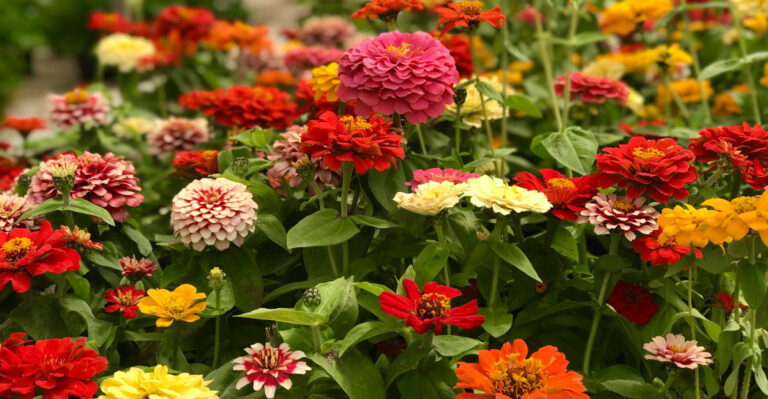
6. 14-Inch Pots Give Zinnias Space To Shine
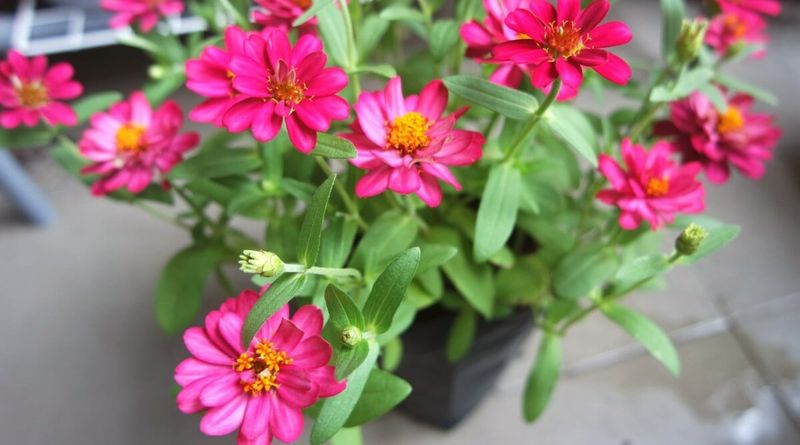
Zinnias are one of the most cheerful warm-season annuals an Ohio gardener can grow, and they are surprisingly easy to start from seed directly in a container once the weather warms up.
The catch is that zinnias planted in small pots often become top-heavy, dry out unevenly, and are more susceptible to powdery mildew when airflow is restricted.
A 14-inch pot solves most of those problems by giving roots room to spread and stems a stable base.
Compact zinnia varieties such as Thumbelina, Profusion, or Zahara types are far better choices for container growing than tall cutting varieties that can reach three feet or more. Taller types need staking and tend to look awkward in pots.
Compact types stay tidy, branch well, and produce blooms consistently from midsummer until the first Ohio frost shuts them down.
Zinnias thrive in Ohio’s warm, sunny summers and actually prefer dry conditions over soggy soil. Water deeply but allow the top inch of potting mix to dry before watering again.
Good drainage is essential since standing water around zinnia roots encourages rot.
Southern Ohio gardeners can usually get zinnias going earlier in the season, while northern Ohio growers should wait until late May or early June when nighttime temperatures stay reliably above 50 degrees Fahrenheit.
7. 16-Inch Pots Make Room For Lantana And Salvia
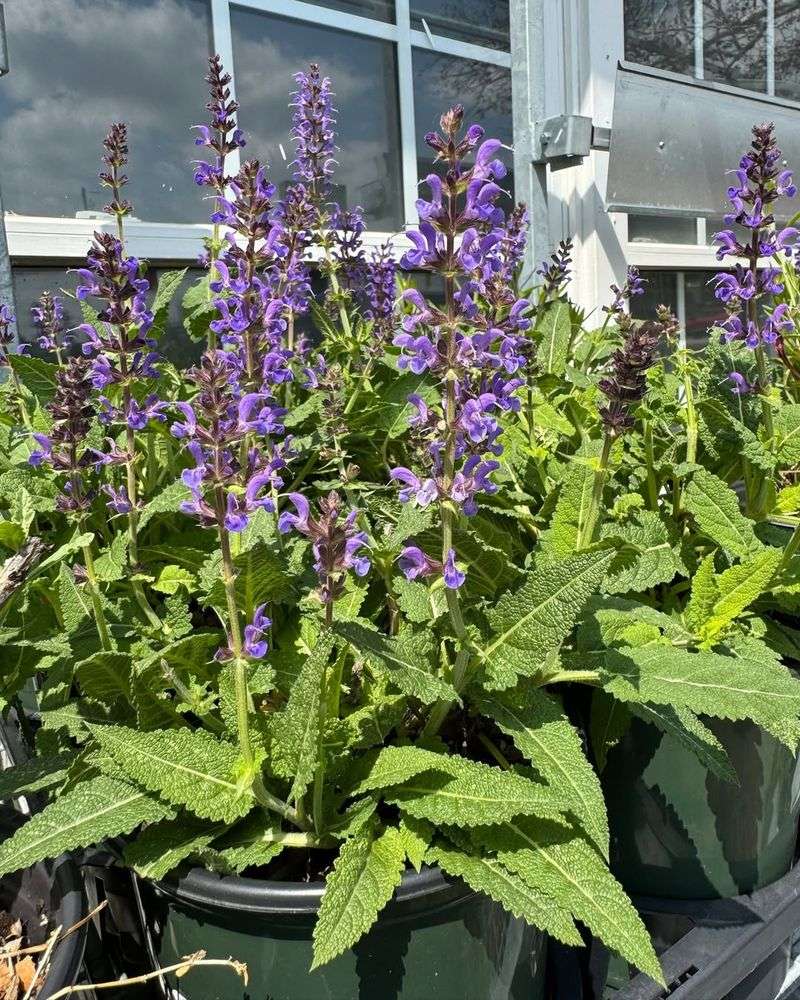
Once Ohio’s frost danger has passed and summer heat starts to build, lantana and salvia become two of the most reliable performers a container gardener can reach for.
Both plants love full sun, handle heat without complaint, and attract a steady stream of butterflies, bees, and hummingbirds.
On a sunny Ohio patio in July, a 16-inch pot filled with lantana and salvia becomes something close to a pollinator magnet.
Lantana is treated as an annual in Ohio since it cannot survive the state’s winters outdoors. Salvia varieties such as Victoria Blue, Mystic Spires, or annual red salvia also work as warm-season annuals in Ohio containers.
A 16-inch pot gives both plants enough room to establish strong root systems that support vigorous top growth and heavy blooming through the entire summer season.
Urban gardeners with exposed rooftop patios or windy balconies will find that lantana handles those tough conditions better than many other summer annuals.
The soil in a 16-inch pot can still dry out surprisingly fast in full sun and wind, so checking moisture every day or two is smart practice.
Wait until mid-May in central Ohio or late May in northern Ohio before moving these heat lovers outdoors, and they will reward the patience with months of bold color.
8. 18-Inch Pots Can Handle Coneflowers And Black-Eyed Susans
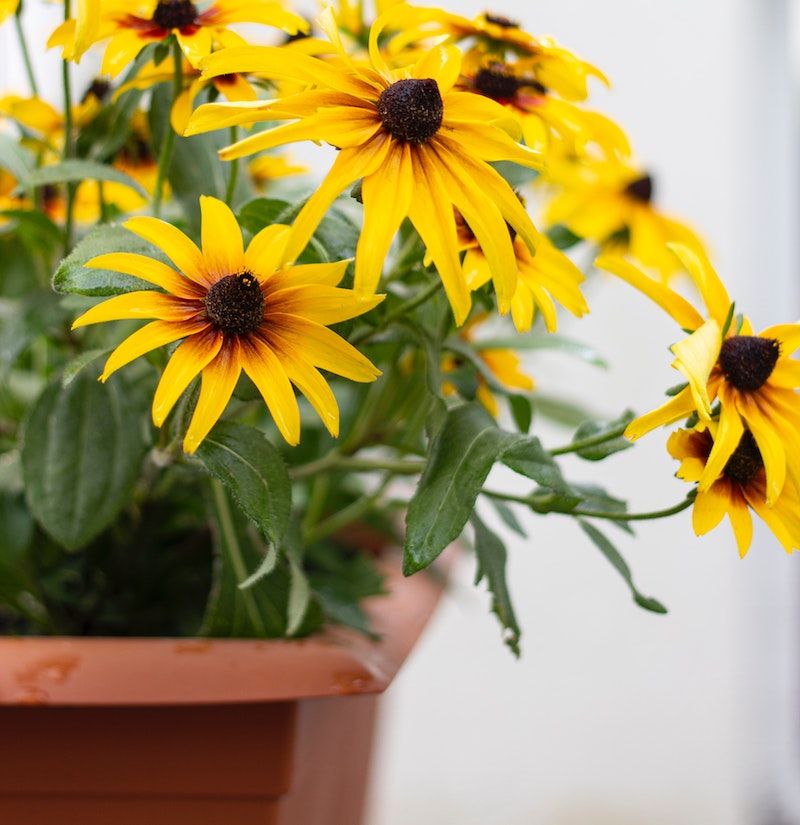
Not every container garden has to be filled with annuals that get tossed at the end of the season.
Many coneflowers and black-eyed Susans are Ohio-native or Ohio-friendly perennials that bring a wild, meadow-like beauty to container gardens while also feeding native bees and butterflies throughout the growing season.
Both plants need more root depth and soil volume than small annuals, which is exactly why an 18-inch pot is a better starting point than anything smaller.
The deeper and sturdier the pot, the better for these perennials. Coneflowers, known botanically as Echinacea, develop a taproot that needs vertical space to grow properly.
Black-eyed Susans spread by clump and can fill a pot quickly, so dividing them every couple of years keeps the planting healthy and prevents overcrowding.
Both plants are drought-tolerant once established but appreciate consistent moisture during their first season in a new container.
Overwintering perennials in containers is genuinely harder than growing them in the ground. Ohio winters expose container roots to freeze-thaw cycles that in-ground plants mostly avoid.
Moving 18-inch pots to an unheated garage or sheltered porch during the coldest months gives the roots better protection.
Ohio State University Extension notes that container perennials are more vulnerable to cold damage than the same plants grown in garden beds, so insulating or sheltering pots is a smart seasonal step.
9. 20-Inch Pots Turn Dahlias Into Patio Showpieces
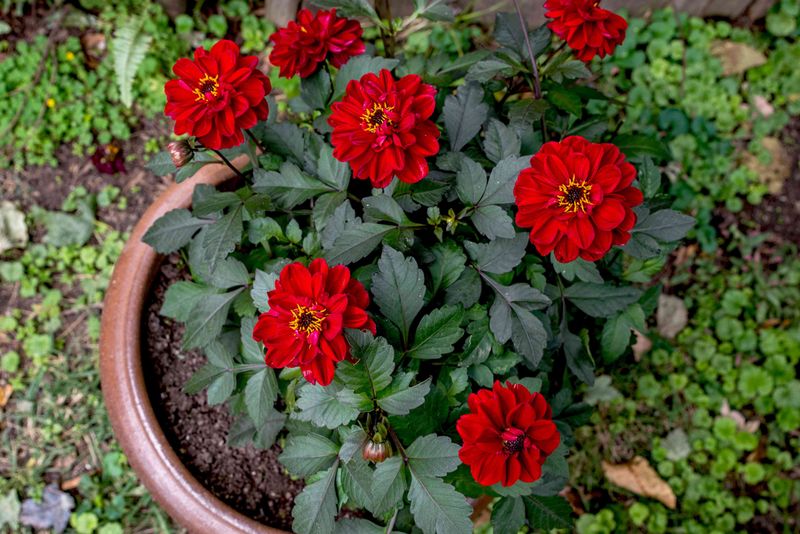
Few flowers command attention on a patio the way a dinner-plate dahlia does. The blooms can reach the size of a salad plate, come in nearly every color except true blue, and keep producing from midsummer until frost shuts them down.
Growing dahlias in a 20-inch pot gives the tuber enough soil volume to develop properly and gives tall stems a stable, weighted base that reduces the risk of tipping in wind.
Dahlias need rich, well-draining potting mix, consistent moisture, and regular feeding with a low-nitrogen fertilizer once buds begin to form.
Taller varieties also need a sturdy stake placed at planting time rather than after the plant has grown, since adding a stake later risks piercing the tuber.
Compact or patio dahlia varieties work well in 20-inch containers and skip the staking requirement entirely.
Dahlias are tender in Ohio and should not be relied on to survive winters in outdoor containers.
Gardeners who want to save their tubers need to lift them after the first fall frost blackens the foliage, allow them to cure in a dry space, and store them in a cool, frost-free location until spring.
Northern Ohio gardeners should plan to store tubers by mid-October, while southern Ohio growers may have a few extra weeks before cold becomes a serious concern.
10. 24-Inch Pots Are Made For Big Mixed Flower Displays
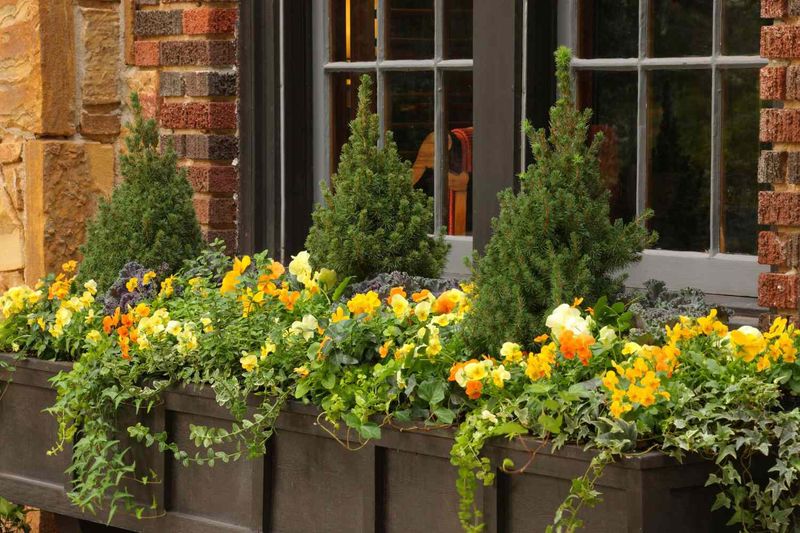
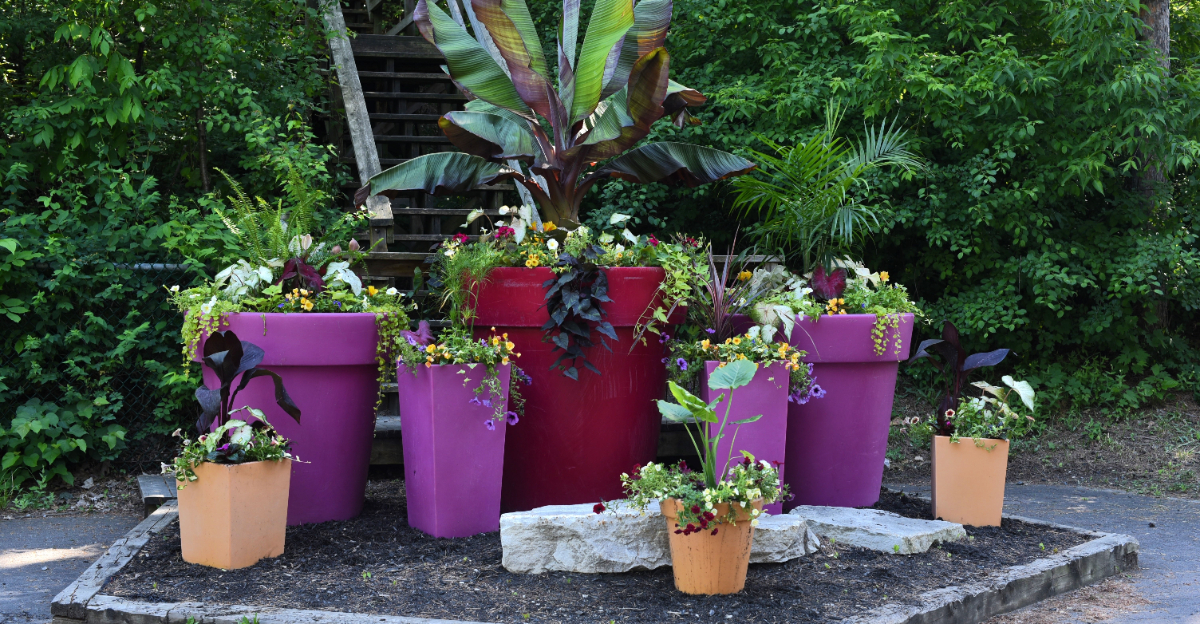
A 24-inch pot sitting on a patio or at the end of a driveway makes a statement before a single flower even opens. The real advantage of going this large is not just visual impact but the flexibility to combine several compatible flowers into one dynamic display.
The classic thriller-filler-spiller approach works beautifully at this scale, with a tall focal plant in the center, mounding plants filling the middle layer, and trailing plants cascading over the edge.
Good sunny combinations for Ohio include purple salvia as the thriller, geraniums or compact marigolds as fillers, and calibrachoa or sweet alyssum as the spillers. For shadier spots, upright begonias paired with coleus and trailing bacopa create a lush, layered look.
The key is matching every plant in the pot to the same light and water requirements so no single plant suffers while its neighbors thrive.
Overcrowding is the most common mistake with large containers. A 24-inch pot looks spacious at the nursery, but plants need room to grow into their mature spread.
Cramming too many plants together leads to competition for water and nutrients, poor airflow, and a messy look by midsummer.
Ohio gardeners should also remember that even large pots need regular watering during hot, dry summer stretches, especially on exposed patios where the sun beats down all afternoon.