9 Easy Flowers To Start This March In Your Oregon Garden
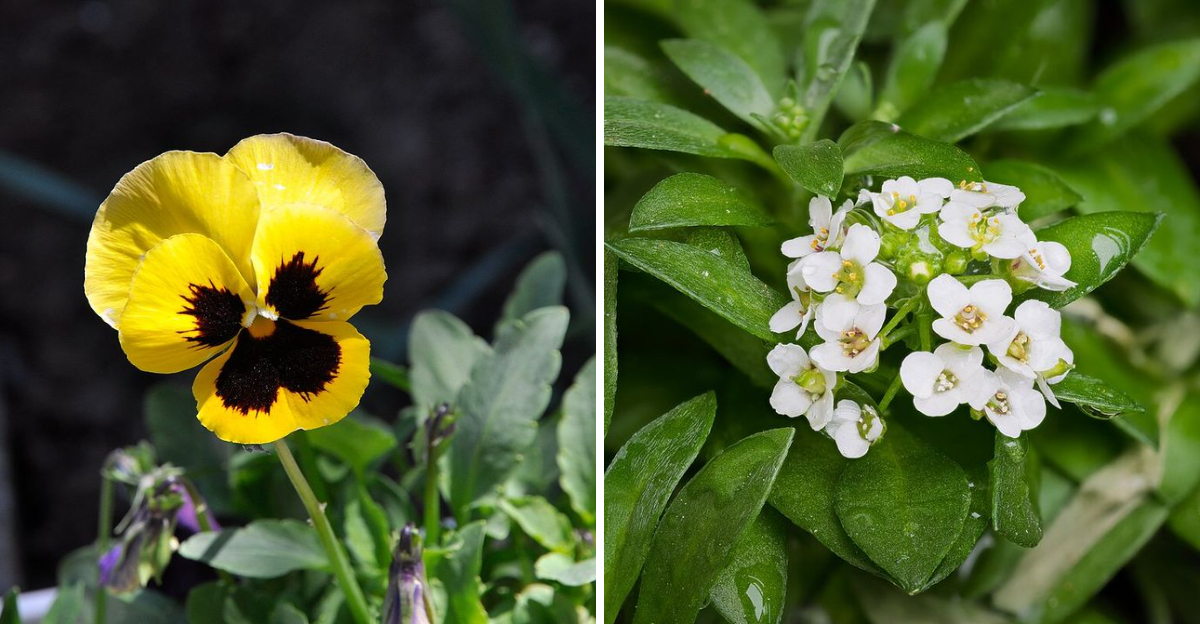
Ditch the wait for sunshine – your Oregon garden doesn’t need a heatwave to wake up.
While the gray skies and damp soil might make it feel like planting season is miles away, March is actually the secret weapon for a vibrant landscape.
You don’t have to wait for true summer to banish the winter gloom; in fact, some of the most resilient flowers are just waiting for a chance to thrive in our brisk Pacific Northwest mornings.
Whether you’re tucked into the Willamette Valley, bracing for coastal breezes, or gardening in the high foothills, there is a whole palette of color ready to go into the ground right now.
By focusing on hardy perennials and cool-season bloomers that actually prefer these chilly, damp conditions, you can transform your beds, borders, and containers long before the first heat of summer hits.
Skip the seeds and grab a few established nursery starts – your garden is ready to turn the page on winter.
1. Pansies Bring Early Color To Cool Oregon Gardens
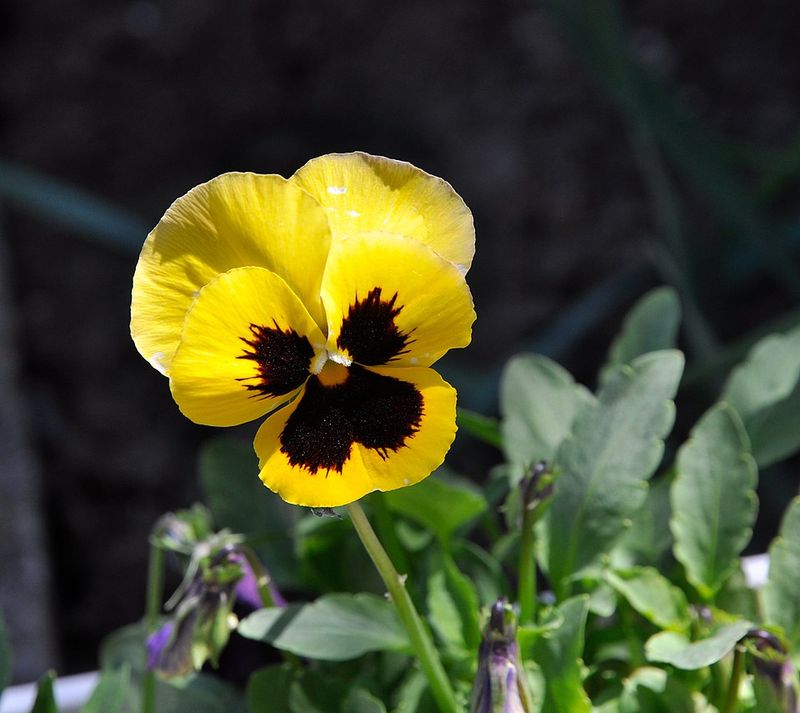
Few flowers handle Oregon’s unpredictable March weather with as much cheerfulness as pansies do.
While other plants are still waiting for warmer days, pansies push out their round, velvety blooms in shades of purple, yellow, orange, white, and deep burgundy without complaint.
They are one of the most cold-tolerant flowering plants available to home gardeners, able to handle light frost without much trouble.
In Oregon, pansies can be planted outdoors as early as late February in milder areas and through all of March across most of the state. They do well in full sun or partial shade, which makes them flexible for different yard setups.
Well-drained soil with some added compost helps them settle in quickly and bloom more generously throughout the season.
Pansies work beautifully in raised beds, garden borders, window boxes, and containers on a covered porch. They tend to bloom most heavily during cool weather, so Oregon’s spring climate is genuinely suited to keeping them happy for weeks.
Water them regularly but avoid letting roots sit in soggy soil, especially during rainy stretches.
Deadheading spent blooms encourages new flowers to form and keeps the plant looking tidy. If temperatures warm up quickly in late spring, pansies may slow their bloom, but they often bounce back when cooler weather returns.
For early-season color with minimal fuss, pansies are one of the most dependable choices an Oregon gardener can make in March.
2. Violas Keep The Spring Color Going
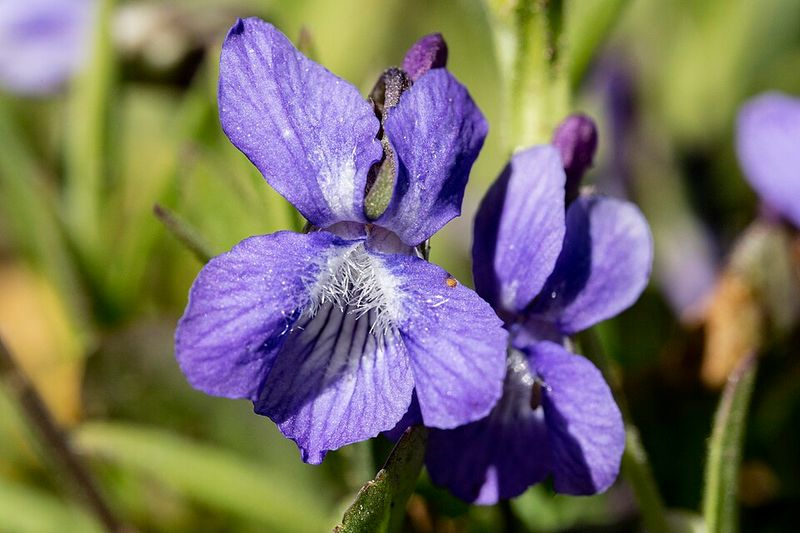
Closely related to pansies but a bit more compact and surprisingly tough, violas bring a charming, cottage-garden feel to Oregon spring beds.
Their smaller blooms come in rich purples, soft lavenders, buttery yellows, and bicolor combinations that look lovely spilling over the edges of containers or tucked into the front of a mixed border.
What sets violas apart is their ability to self-seed, meaning they often return on their own the following year in unexpected and delightful spots.
Your Oregon Garden Changes Every Week. Your Plan Should Too.
Gardening in Oregon changes quickly throughout the season. Every Friday you’ll receive a simple weekly plan showing exactly what to plant, prune, fertilize, harvest, and protect so you never miss the right timing.
March is a solid time to plant violas outdoors in most Oregon regions. They tolerate cool soil and light frost well, and they tend to establish quickly once in the ground.
Like pansies, they prefer a spot with morning sun and some afternoon shade, especially in warmer interior valleys where spring temperatures can rise faster.
Violas are low-maintenance plants that ask for little beyond regular moisture and decent drainage.
They fit naturally into rock gardens, along pathways, and in mixed container arrangements where their trailing habit adds texture and movement.
Oregon’s rainy March weather usually provides enough moisture to get them started without much supplemental watering.
One thing many gardeners appreciate about violas is how long they continue blooming. With cool Oregon springs, it is not unusual to see violas flowering from March well into June.
They are a reliable, easygoing option for anyone who wants continuous color without a complicated care routine.
3. Primroses Light Up Shady Spring Spaces
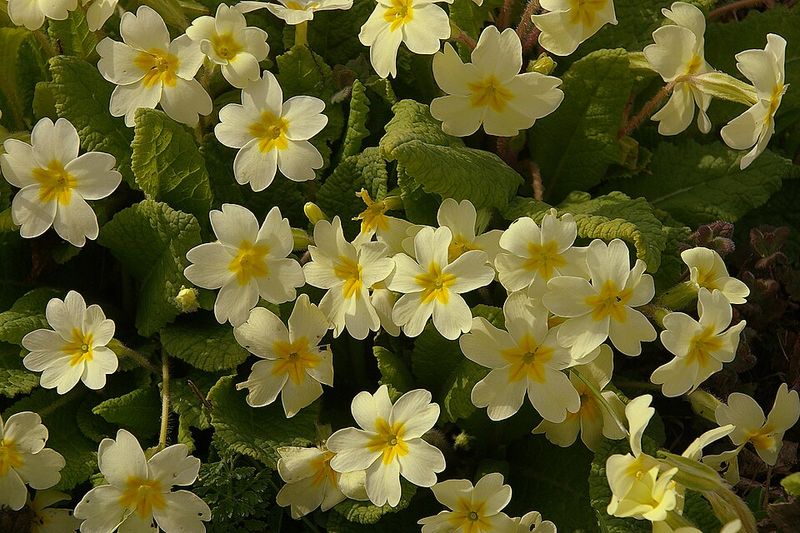
Walk through almost any Oregon nursery in March and you will find primroses front and center, and for good reason.
These compact, cheerful plants produce clusters of vivid blooms in nearly every color imaginable, from rich reds and deep purples to soft pinks and bright yellows.
They are one of the few early-season flowers that genuinely thrive in low-light conditions, making them a go-to choice for shaded corners, north-facing beds, and spots under deciduous trees.
Oregon’s mild, moist springs create conditions that primroses enjoy. They prefer cool temperatures and consistent moisture, both of which March in the Pacific Northwest delivers naturally.
Plant them in rich, moisture-retentive soil that drains reasonably well, and they will reward you with weeks of reliable color.
Primroses work well in containers, woodland-style garden beds, and along shaded pathways where other spring flowers might struggle.
They pair nicely with ferns, hellebores, and early-blooming bulbs to create a layered, textured spring display.
In Oregon’s wetter regions, raised beds can help prevent waterlogging around the roots during heavy rain periods.
One lesser-known fact about primroses is that many varieties are technically short-lived perennials, meaning they may return the following year if conditions stay cool and moist enough.
In Oregon’s milder coastal and valley climates, this sometimes happens with minimal effort.
For shaded spaces that feel bare after winter, primroses offer a fast and satisfying solution that brightens the garden almost immediately after planting.
4. Snapdragons Add Height Before Summer Arrives
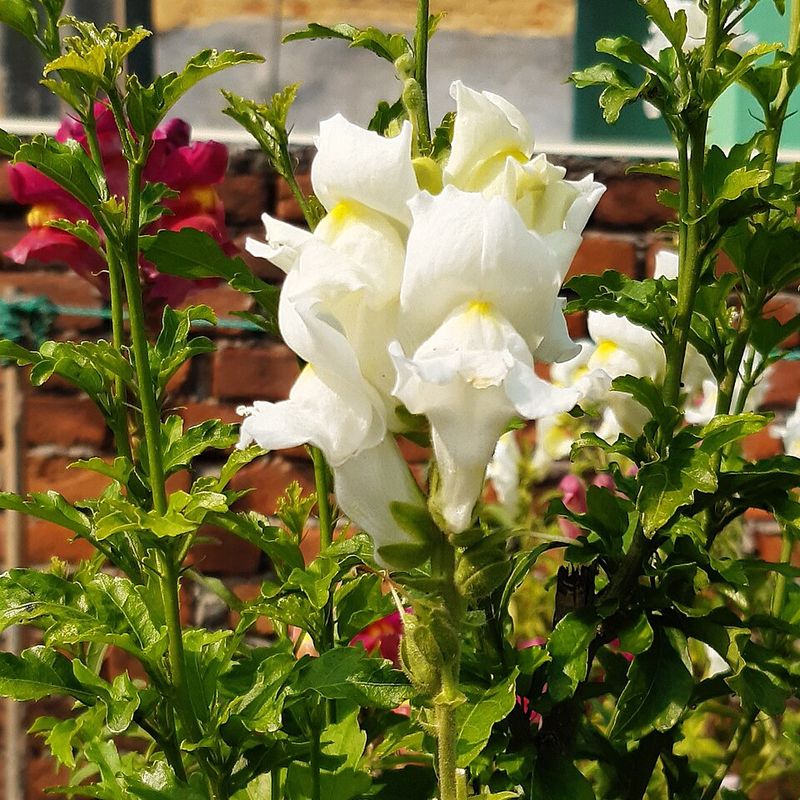
Starting snapdragons in March gives Oregon gardeners a real advantage, since these cool-season bloomers need time to develop before warmer weather nudges them into their best performance.
Snapdragons produce tall, elegant spikes covered in ruffled blooms that range from soft pastels to bold, saturated reds and oranges.
They add vertical interest to spring beds at a time when most other plants are still low to the ground.
In Oregon, snapdragons can be started from seed indoors in early March and transplanted outside after the risk of hard frost has passed.
They are more cold-tolerant than many gardeners expect, and established transplants can handle light spring frosts without significant damage.
Full sun and well-drained soil give them the best start, though they appreciate afternoon shade in warmer inland areas of the state.
Snapdragons do well in raised beds, traditional garden borders, and large containers. They are also excellent cut flowers, bringing long-lasting color and a pleasant light fragrance to arrangements indoors.
Cutting stems regularly encourages the plant to produce new flower spikes and extends the blooming season considerably.
One helpful tip for Oregon growers is to pinch the growing tip when transplants are young. This encourages bushier growth and more flower spikes rather than a single tall stem.
Snapdragons tend to slow down during the hottest summer weeks but often rebound in fall when temperatures drop again, giving Oregon gardeners two rounds of color from a single planting.
5. Sweet Alyssum Fills Beds With Soft Blooms
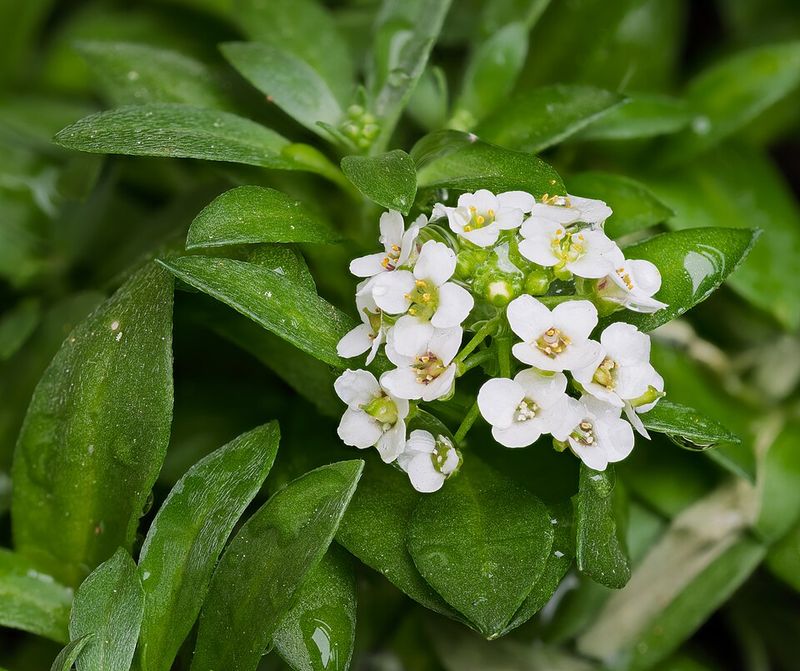
There is something quietly satisfying about sweet alyssum.
It does not demand attention the way taller, showier flowers do, but once it gets going, it fills the garden with a soft honey-like fragrance and a carpet of tiny, delicate blooms that make any bed or border look intentional and full.
White is the most common color, but sweet alyssum also comes in soft lavender, rose, and pale purple, giving gardeners options for mixing and matching with other spring plants.
March is a fine time to direct-sow sweet alyssum in Oregon. The seeds are tiny and need only to be pressed lightly onto the soil surface since they need light to sprout.
Oregon’s cool, moist spring conditions support germination nicely, and seedlings establish quickly once they emerge. Full sun to partial shade suits this plant well, and it is not fussy about soil as long as drainage is reasonable.
Sweet alyssum works beautifully as a ground-level filler between taller plants, along the edges of raised beds, and spilling from containers.
It is also known to attract beneficial insects, including pollinators and predatory wasps that help manage garden pests naturally.
This makes it not just pretty but genuinely useful in an Oregon spring garden.
During dry spells, regular watering keeps sweet alyssum blooming steadily. If plants start to look leggy or sparse in midsummer, a light shearing encourages fresh growth and a second flush of flowers as Oregon’s cooler fall weather returns.
6. Candytuft Creates A Bright Spring Carpet
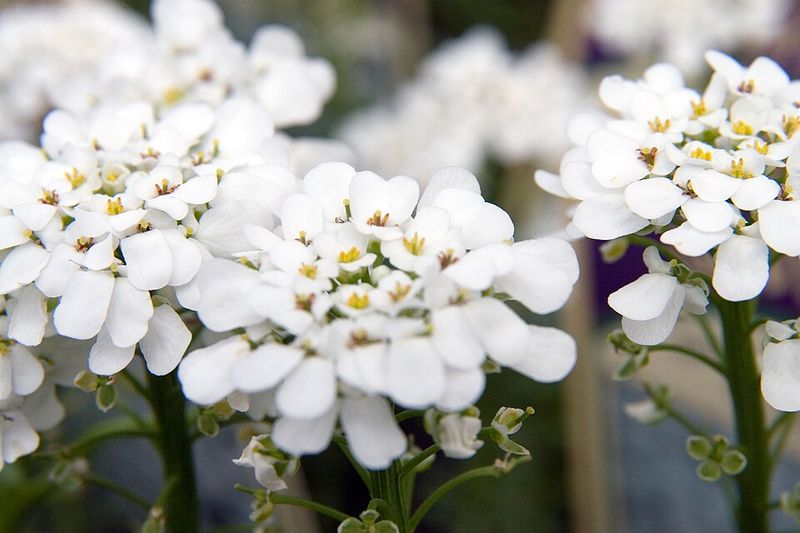
Candytuft earns its place in Oregon spring gardens by showing up reliably, spreading steadily, and producing an eye-catching display of bright white blooms that practically glow against dark soil or green foliage.
This low-growing perennial is one of those plants that rewards patience, as it fills in more generously each year and requires very little maintenance once established.
For Oregon gardeners looking for a plant that comes back season after season without much fuss, candytuft is a strong contender.
March is a good time to plant candytuft transplants in Oregon, especially when nurseries are already offering strong early-spring plants in bloom.
It prefers full sun and well-drained soil, making it especially well-suited to rock gardens, sloped areas, and sunny borders where water does not tend to pool.
Oregon’s coastal and valley gardens with decent drainage are well-matched to what this plant needs.
The blooms appear in dense, flat-topped clusters that create a carpet-like effect across the plant. This spreading habit makes candytuft useful for covering bare ground, softening the edges of stone walls, and filling in gaps between larger perennials.
After blooming, a light trim helps the plant stay compact and encourages a tidier appearance through summer.
Candytuft is also reasonably drought-tolerant once it has settled in, which is helpful during Oregon’s drier summer months.
Its evergreen foliage stays attractive even when the plant is not in bloom, adding year-round structure to garden edges and borders that might otherwise look bare between seasons.
7. Rock Cress Brings Color To Edges And Slopes
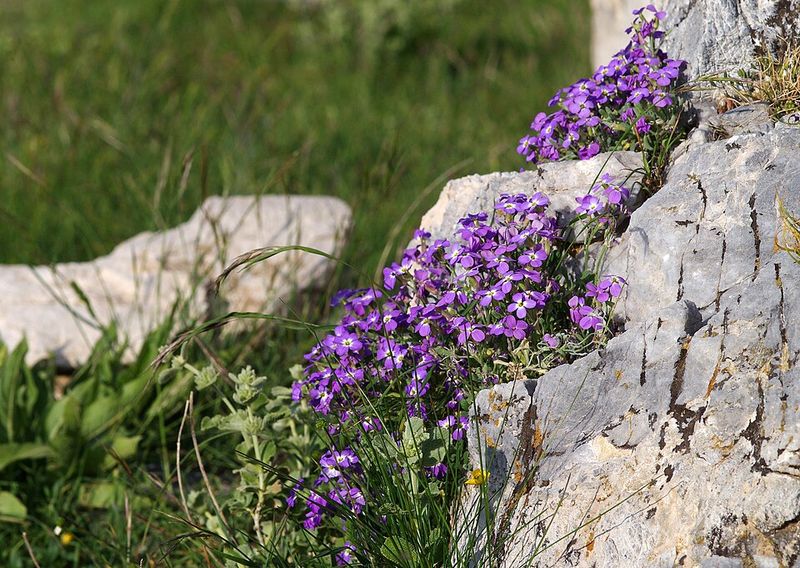
Slopes, stone walls, and rocky garden edges can be tricky spots to fill with color, but rock cress handles these challenging areas with ease.
This low-growing perennial produces a generous flush of small four-petaled flowers in shades of purple, pink, rose, and white during early spring.
In Oregon, it often begins blooming in late winter or very early March, making it one of the first real splashes of color the garden sees after a long, gray winter.
Rock cress thrives in full sun and well-drained, even lean soil. It does not need rich conditions to perform well, which is part of what makes it so useful in spots where other plants struggle.
Oregon’s rocky hillsides, raised garden terraces, and dry stone walls provide exactly the kind of environment where rock cress feels at home.
Planting rock cress transplants in March gives it time to establish before the heat of summer. Once settled, it spreads gradually to form a dense, weed-suppressing mat that looks attractive even when not in bloom.
The semi-evergreen foliage stays tidy through most of Oregon’s mild winters, which means the plant provides year-round visual interest rather than disappearing entirely between seasons.
After the spring bloom cycle ends, cutting the plant back by about one-third encourages compact regrowth and often a modest second flowering in fall.
Rock cress pairs well with creeping phlox, candytuft, and early-blooming bulbs for a layered spring display along garden edges and sunny borders throughout Oregon.
8. Creeping Phlox Covers The Ground With Spring Flowers
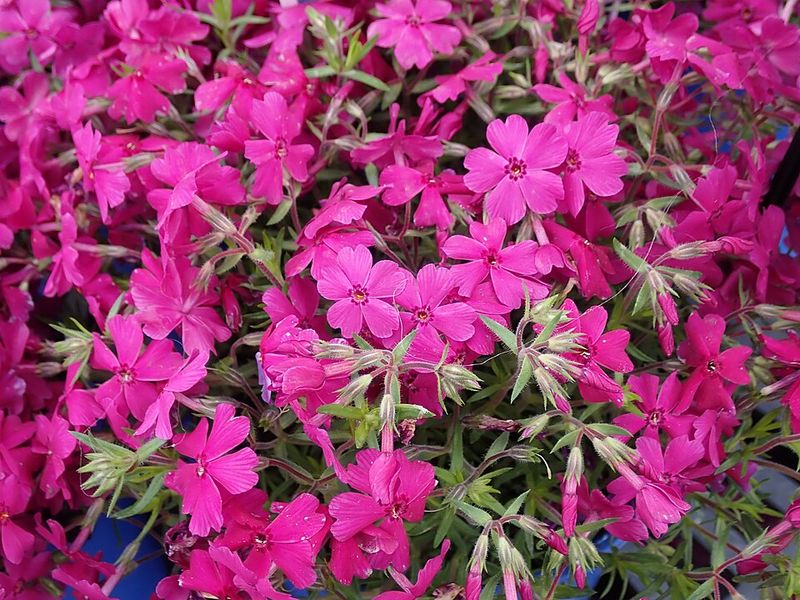
When creeping phlox blooms in spring, it looks like someone draped a colorful quilt over the ground.
This low-spreading perennial produces such a dense flush of flowers in pink, lavender, white, and magenta that the foliage beneath is almost completely hidden.
For Oregon gardeners who want to fill a slope, cover a sunny bank, or soften the base of a rock wall, creeping phlox delivers a spectacular early-season show with very little ongoing effort.
March is a good time to plant creeping phlox in Oregon from nursery transplants or rooted divisions shared by other gardeners. It prefers full sun and well-drained soil, and it handles Oregon’s variable spring temperatures without much trouble.
Sandy or gravelly soil suits it particularly well, and it performs reliably on slopes where excess moisture drains away naturally.
Once established, creeping phlox is fairly drought-tolerant and does not need regular feeding to stay healthy.
Its evergreen foliage remains attractive through the cooler months, providing a low green carpet that transitions seamlessly into a flowering display as spring arrives.
This makes it a practical choice for high-visibility spots in Oregon gardens where year-round appearance matters.
After blooming, a light trim with garden shears keeps the plant tidy and encourages fresh, dense growth for the following season.
Creeping phlox also pairs naturally with spring-blooming bulbs, since its spreading foliage helps conceal fading bulb leaves as the season progresses.
It is a genuinely hardworking plant for Oregon’s early spring landscape.
9. Sweet Peas Love Oregon’s Cool Spring Start
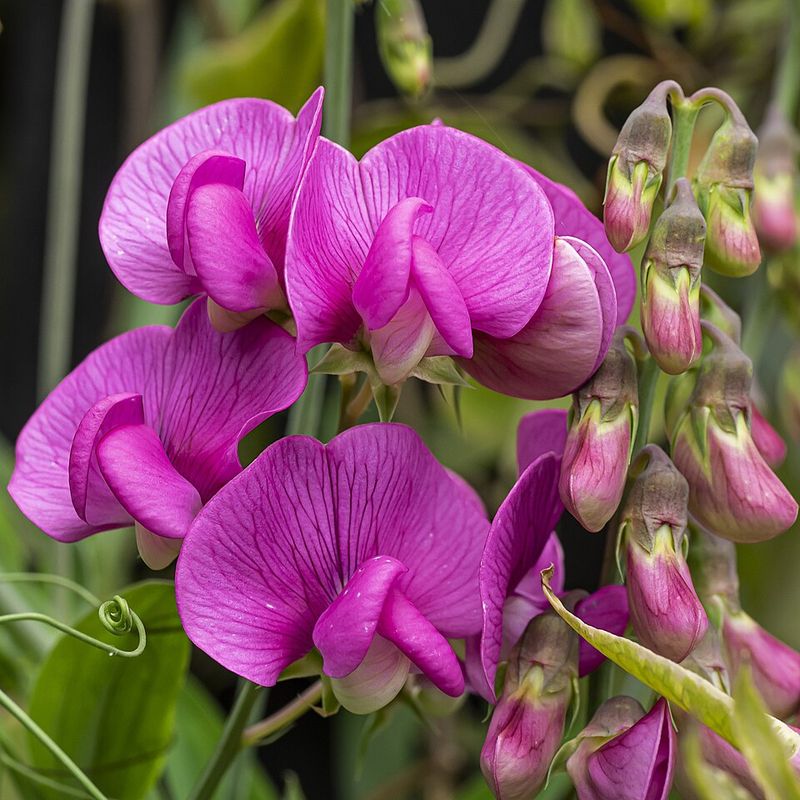
Oregon’s cool, damp March weather is practically tailor-made for sweet peas, which are one of those flowers that gardeners tend to fall in love with the moment they catch their fragrance.
These climbing annuals produce delicate, ruffled blooms in shades of pink, purple, white, red, and bicolor combinations, and their scent is genuinely one of the most pleasant things a spring garden can offer.
Getting them started in March gives them the cool root run they prefer before summer warmth arrives.
Sweet peas can be sown directly in the ground in early spring in Western Oregon, with later planting in colder higher-elevation areas east of the Cascades.
They germinate best in cool conditions and do not appreciate heat, so early planting is genuinely beneficial rather than just optional.
Soak seeds overnight before planting to speed up germination, and sow them about an inch deep in fertile, well-drained soil.
These vines need support to climb, so set up a trellis, wire fence, or bamboo frame before planting. They reach four to six feet or taller in good conditions, making them useful for adding vertical interest to spring and early summer borders.
Full sun with some shelter from strong Oregon coastal winds gives them the most consistent performance.
Cutting sweet pea blooms regularly is one of the most important things you can do to keep the plant producing flowers.
The more you harvest, the more blooms the plant generates, making sweet peas one of the most rewarding cutting flowers an Oregon spring garden can grow.