7 Downsides To Growing Zucchini Plants That Ohio Gardeners Should Be Aware Of
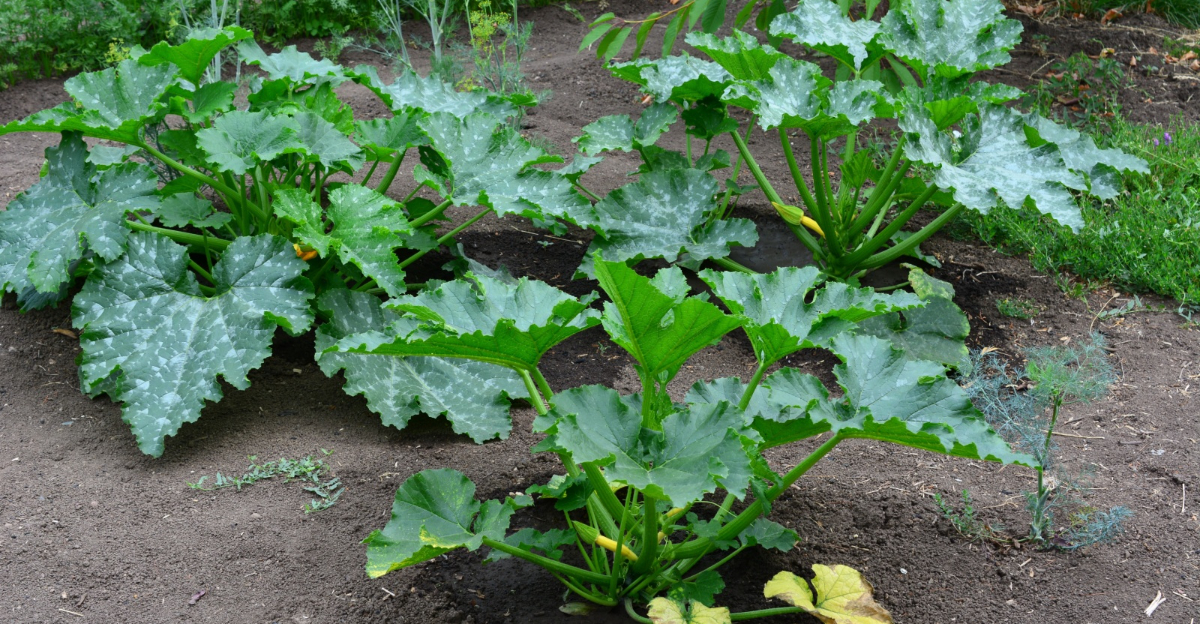
Zucchini has a reputation that makes it sound almost too good to pass up. One plant, a little sun, and suddenly your Ohio garden should produce more squash than you know what to do with.
At least, that is the promise many gardeners hear before planting their first seed. Then the season unfolds and the story starts to change.
What looks like a simple, rewarding crop can bring a few unexpected surprises that many Ohio gardeners wish they had known earlier. The excitement of planting sometimes turns into a lesson learned the hard way.
Before you add zucchini to your garden beds this year, there are a few important things worth understanding first.
1. Fast Growing Plants That Quickly Take Over Garden Space
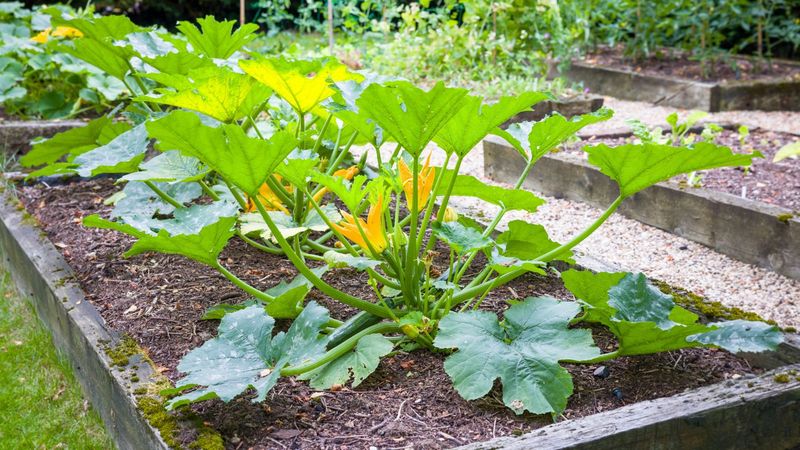
Few vegetables grow as fast and as aggressively as zucchini, and Ohio gardeners often discover this the hard way after just a few weeks in the ground. What starts as a small, manageable transplant can balloon into a sprawling mass of thick vines and enormous leaves before you have had a chance to plan around it.
In Ohio’s warm summer months, zucchini can add several inches of new growth in a single day under ideal conditions.
The rapid spread becomes a real problem in smaller backyard gardens where every square foot counts. Neighboring vegetables like tomatoes, peppers, and beans can get pushed aside or shaded out as zucchini vines crawl outward in every direction.
OSU Extension recommends giving each zucchini plant at least three to four feet of space on all sides, but even that can feel tight once the plant hits its peak growth phase in July.
One smart strategy is to train the vines in a specific direction by gently redirecting them every few days, keeping pathways clear and other plants protected. Bush-type zucchini varieties tend to stay more compact than vining types and work better in smaller Ohio gardens.
Vertical growing using a sturdy trellis is another option that works surprisingly well, especially in raised beds. Regular pruning of older, outer leaves can also help manage the plant’s footprint without reducing fruit production.
Planning ahead and choosing your planting location carefully is the single most effective way to keep zucchini from taking over your entire garden space.
2. Powdery Mildew That Spreads In Humid Ohio Summers
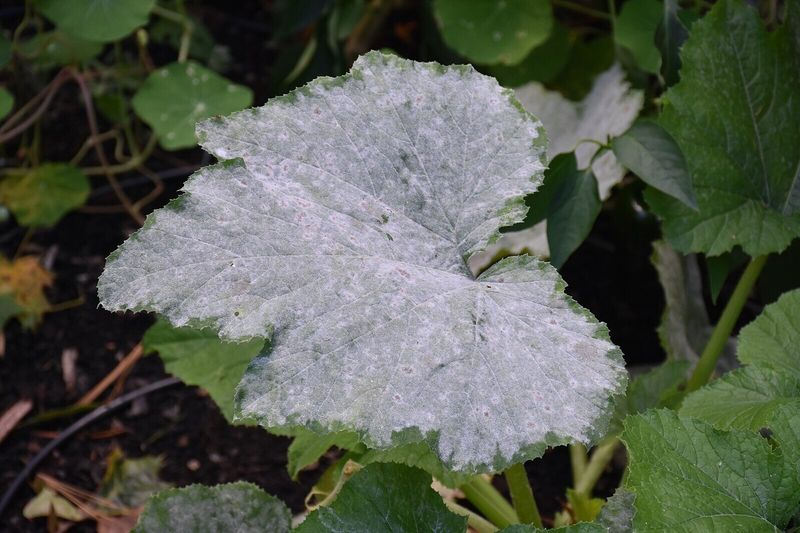
Walk through almost any Ohio vegetable garden in late July or August and you are likely to spot it: a chalky white coating creeping across zucchini leaves like someone dusted them with flour. Powdery mildew is one of the most common fungal diseases affecting zucchini in the Midwest, and Ohio’s notoriously humid summers create near-perfect conditions for it to thrive.
The fungus spreads through airborne spores and can move quickly from plant to plant once it gets started.
Early symptoms include small white or gray circular patches on the upper surface of leaves. As the disease progresses, those patches merge and spread until entire leaves turn yellow and begin to lose function.
While powdery mildew rarely stops production completely, it weakens the plant over time and can significantly reduce your harvest in the second half of the season.
Your Ohio Garden Changes Every Week. Your Plan Should Too.
Gardening in Ohio changes quickly throughout the season. Every Friday you’ll receive a simple weekly plan showing exactly what to plant, prune, fertilize, harvest, and protect so you never miss the right timing.
Improving air circulation around your plants is one of the best defenses. Avoid overhead watering, which adds moisture to leaf surfaces and encourages fungal growth.
Watering at the base of the plant in the morning gives any splashed water time to evaporate before nightfall. Spacing plants properly is critical, as crowded plants trap humid air and stay damp longer.
OSU Extension suggests removing heavily infected leaves as soon as you spot them to slow the spread. Applying a diluted baking soda solution or a neem oil spray early in the season can also help suppress the fungus before it gets out of hand.
Choosing mildew-resistant zucchini varieties is another practical step worth taking when selecting seeds.
3. Squash Vine Borers That Damage Healthy Plants
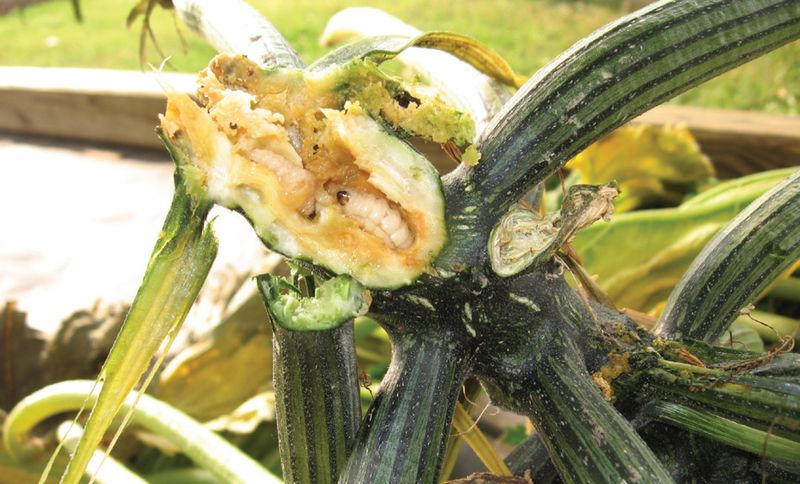
One morning your zucchini looks perfectly healthy, and by afternoon the entire plant has wilted and collapsed. If you have ever experienced this in an Ohio garden, squash vine borers were almost certainly the culprit.
These destructive insects are one of the most frustrating pests Midwest gardeners deal with, and Ohio’s warm summers give them plenty of opportunity to cause serious damage each season.
The adult squash vine borer is actually a moth that resembles a wasp, with bright orange and black markings. It lays tiny reddish-brown eggs at the base of zucchini stems in late June and early July.
Once the eggs hatch, the larvae burrow directly into the stem and feed from the inside out, cutting off the plant’s ability to move water and nutrients. By the time you notice the damage, the larvae may already be deep inside the stem.
Look for small entry holes surrounded by a sawdust-like material called frass as an early warning sign.
Prevention is far more effective than treatment once borers are established. Covering young plants with row covers until flowering begins can block adult moths from laying eggs.
Checking stems regularly in late June and early July gives you a chance to catch eggs before they hatch. Some Ohio gardeners have success using yellow sticky traps to monitor adult moth activity.
If you do find larvae inside a stem, carefully slitting the stem lengthwise, removing the larva, and mounding soil over the wound can sometimes save the plant. Planting a second crop of zucchini in late June can also help you get a harvest after early plants are affected.
4. Huge Leaves That Shade Nearby Vegetables
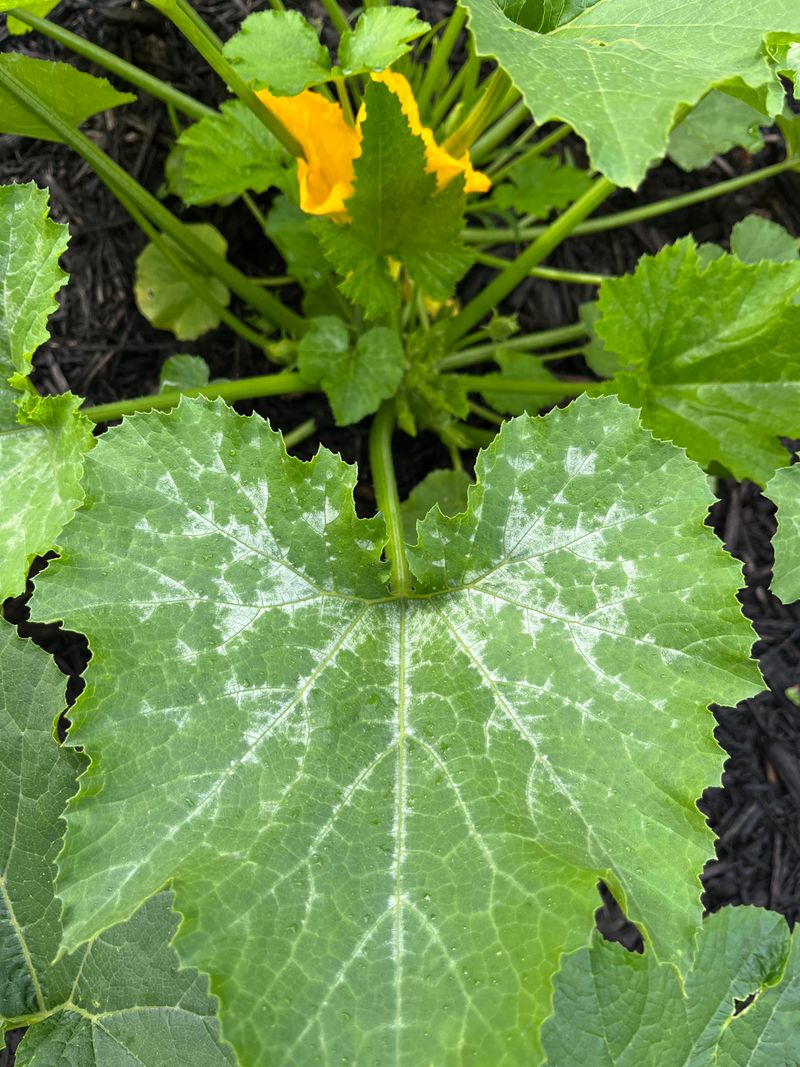
Gardeners who have grown zucchini next to lettuce, spinach, or young herbs often find those neighboring plants struggling or barely surviving by midsummer. The reason is simple: zucchini produces some of the largest leaves of any common vegetable, and those leaves act like a canopy that blocks sunlight from reaching anything growing nearby.
In Ohio’s growing season, when plants need all the solar energy they can get to produce well, this shading effect can seriously reduce yields from plants that share space with zucchini.
A single mature zucchini leaf can span twelve inches or more across, and a fully grown plant may carry a dozen or more of these oversized leaves at once. When multiple plants are grown close together, their leaf canopies overlap and create dense shade that covers the soil and surrounding plants for most of the day.
Sun-loving vegetables like peppers and basil planted nearby can become leggy, pale, and unproductive as a result.
Planning your garden layout before planting season is one of the most effective ways to avoid this problem. Place zucchini plants on the north or west side of your garden so their shadow falls away from other sun-loving vegetables during peak daylight hours.
Shade-tolerant plants like certain lettuce varieties or parsley can sometimes handle being near zucchini if positioned thoughtfully. Removing the oldest and largest outer leaves periodically also helps open up light without reducing the plant’s ability to photosynthesize and produce fruit.
Ohio State University Extension recommends sketching your garden layout in advance to account for the mature size of every plant you plan to grow.
5. More Zucchini Harvest Than Most Gardeners Expect
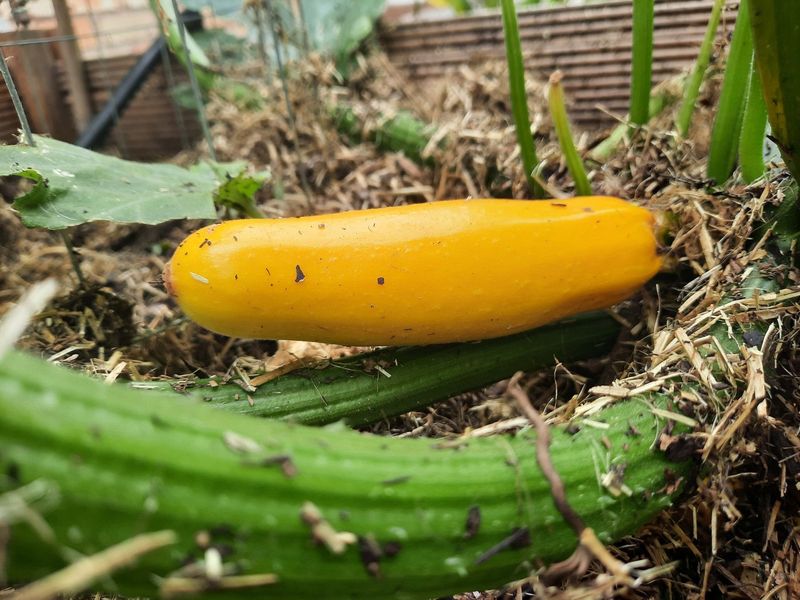
Ask any experienced Ohio gardener about their zucchini harvest and you will likely get a laugh and a story about finding a baseball bat-sized squash hiding under a leaf. Zucchini is famously productive, and even a single healthy plant can produce fruit faster than most families can eat it.
During peak season in July and August, it is not unusual for one plant to produce several zucchini every few days, which adds up quickly.
The abundance sounds wonderful at first, but it becomes a real challenge when your kitchen counter is overflowing and your neighbors have started closing their doors when they see you coming with a bag of squash. Fruit left on the vine too long grows enormous and becomes tough and seedy, which means gardeners need to harvest almost daily to keep quality high and production going.
Once a zucchini reaches baseball bat size, it signals the plant to slow down fruit production, so regular picking actually encourages more yield.
Having a plan for your harvest before the season starts makes a big difference. Freezing is one of the easiest preservation methods: simply shred or slice the zucchini, blanch it briefly, and store it in freezer bags for use in soups, breads, and casseroles all winter long.
Donating to local food pantries, community gardens, and neighbors is another great option that Ohio gardeners frequently use during peak harvest. Pickling and making zucchini relish are also popular in the Midwest.
Planting just one or two zucchini plants rather than four or five is often enough for a household, so resist the urge to over-plant at the start of the season.
6. Pollination Problems That Reduce Fruit Production
Nothing is more confusing to a new zucchini grower than watching beautiful yellow flowers appear on the plant and then drop off without producing any fruit. Pollination problems are surprisingly common in Ohio gardens, and they are one of the top reasons gardeners end up with plenty of flowers but very few actual zucchini.
Understanding how zucchini pollination works is the first step toward fixing the problem.
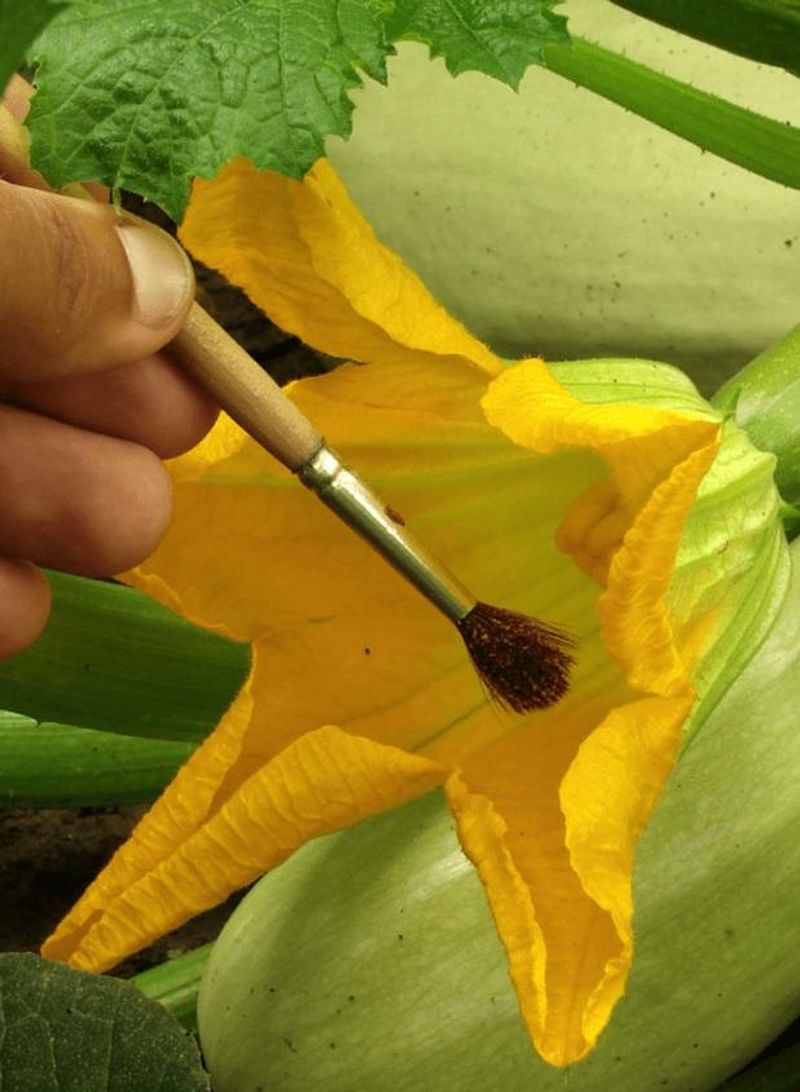
Zucchini plants produce two distinct types of flowers: male flowers, which appear first and produce pollen, and female flowers, which have a tiny immature fruit at their base. For fruit to develop, pollen from a male flower must be transferred to a female flower, typically by bees or other pollinators.
In Ohio, cool and rainy early summer weather can reduce bee activity significantly, leaving flowers unpollinated even when both types are open at the same time.
Declining bee populations across the Midwest have made this issue more common in recent years, particularly in suburban and urban Ohio gardens surrounded by limited natural habitat. Planting pollinator-friendly flowers like marigolds, borage, and lavender near your zucchini can attract more bees and improve pollination rates noticeably.
Avoiding pesticide applications during the morning hours when bees are most active also helps protect the pollinators your garden depends on. If bee activity is consistently low in your area, hand pollination is a reliable backup method.
Use a small clean paintbrush or a cotton swab to transfer pollen from a male flower directly into the center of a female flower, ideally in the morning when flowers are fully open and fresh.
7. Heavy Feeding Plants That Deplete Garden Soil
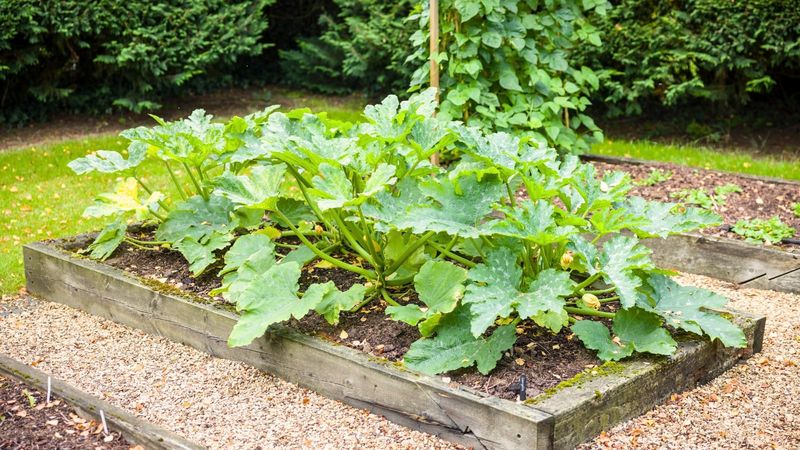
Producing those massive leaves, long vines, and pound after pound of fruit takes an enormous amount of energy, and zucchini pulls that energy directly from your soil. Classified as heavy feeders by horticulturists, zucchini plants consume large quantities of nitrogen, phosphorus, and potassium throughout the growing season.
In Ohio gardens where soil has not been amended recently, a single season of zucchini can leave the ground noticeably depleted for the following year.
Gardeners who skip soil preparation often notice the signs mid-season: leaves turning pale yellow, stunted new growth, and fruit that stays small or develops poorly. A soil test, which OSU Extension offers at a reasonable cost, is the best way to know exactly what your garden needs before planting.
Ohio soils vary widely across the state, from the clay-heavy soils of central Ohio to the sandier soils found in some lake-influenced areas near Lake Erie, and each type responds differently to fertilization.
Working several inches of compost into the bed before planting gives zucchini a strong nutritional foundation to start the season. A balanced vegetable fertilizer applied every three to four weeks during the growing season helps maintain consistent nutrient levels as the plant matures and produces fruit.
Organic options like fish emulsion or composted manure are popular among Ohio gardeners who prefer to avoid synthetic inputs. Rotating your crops each year is also essential: avoid planting zucchini or any other squash family member in the same spot two years in a row, as this helps soil recover and reduces the buildup of pests and disease organisms in the planting area.