Just One Bee Can Make A Big Difference In Your Ohio Garden (And Here’s How To Attract More)
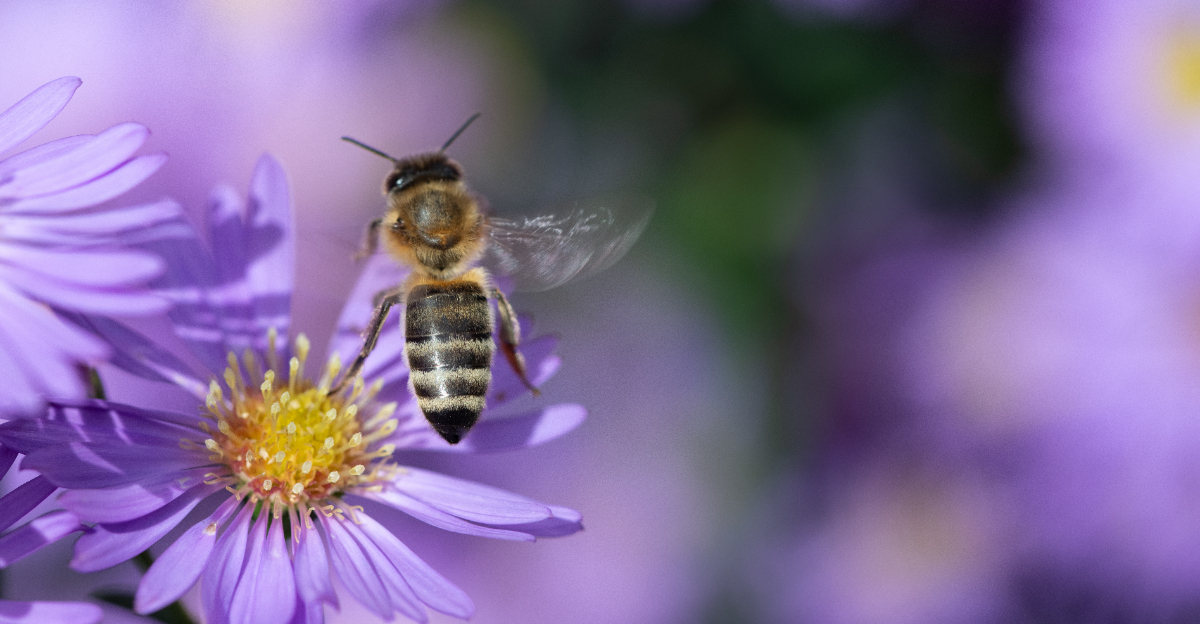
Most Ohio gardeners blame bad soil or inconsistent rain when their harvests underperform. The real culprit is usually buzzing right past their yard without stopping.
Pollination drives much of what a vegetable and flower garden produces. Tomatoes that set poorly, squash flowers that never become fruit, cucumber vines that run six feet and deliver almost nothing.
These are pollination problems, not soil problems. The failure is quiet, easy to misread, and far more common across Ohio yards than most gardeners realize.
Ohio has lost an enormous amount of native bee habitat over the past two decades. Manicured lawns pushed out wildflower patches.
Pesticide use climbed steadily. Neighborhoods that once supported thriving pollinator populations now offer very little worth stopping for.
The turnaround doesn’t require a major yard overhaul.
A few bee-friendly moves can turn a quiet yard into a garden that buzzes, blooms, and produces.
1. Let One Bee Turn Flowers Into Food
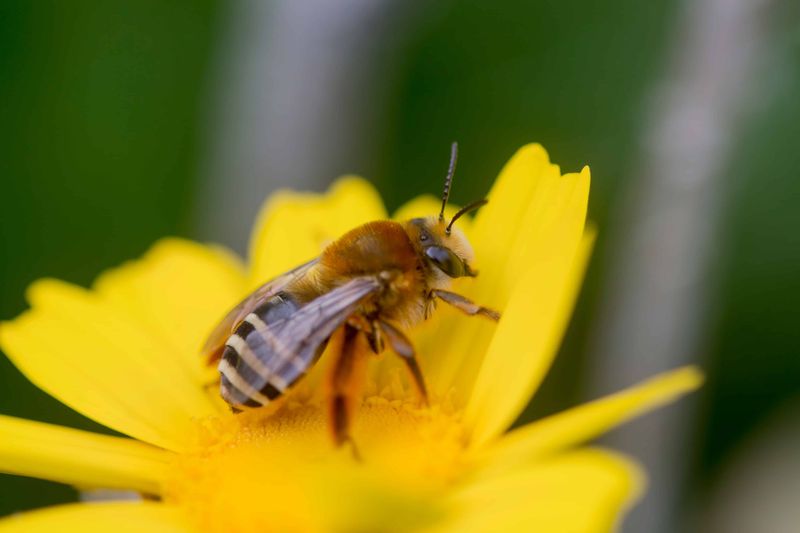
Picture a fuzzy bee landing on a squash blossom in your backyard on a July afternoon. As it moves around collecting nectar, pollen grains stick to its body and transfer to the next flower it visits.
That simple act can be the difference between a flower that drops off and one that grows into a full-sized squash sitting on your kitchen counter.
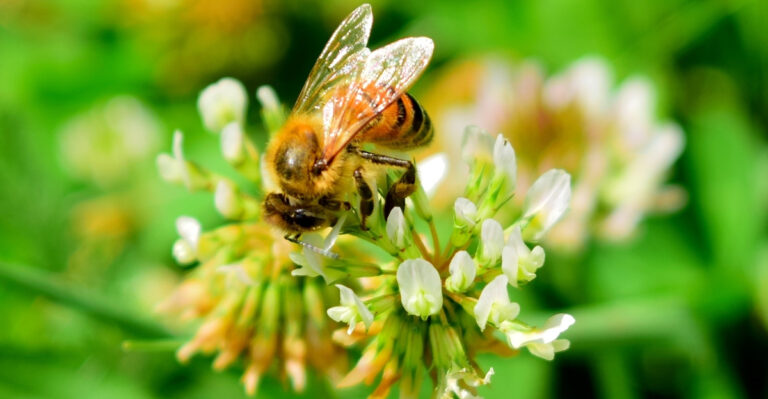
Different crops depend on bees in different ways. Cucumbers, melons, squash, pumpkins, and many berries really benefit from bee visits to set fruit well.
Apples and pears rely heavily on cross-pollination, which bees support naturally. Peppers can self-pollinate but may set better with vibration or insect activity nearby, while beans usually produce well without bee visits.
Tomatoes are a special case. They respond mostly to vibration, which bumblebees are especially good at providing through a behavior called buzz pollination.
One bee visiting one flower matters for that individual plant. A steady flow of bees visiting your whole garden supports a stronger, more reliable harvest across the season.
Seed heads on herbs and flowers also benefit from bee activity, which helps you save seeds or let plants self-sow naturally. Keeping realistic expectations is helpful here.
One bee is a great start, but building a welcoming garden encourages more bees to find you over time.
2. Plant Native Blooms That Ohio Bees Recognize
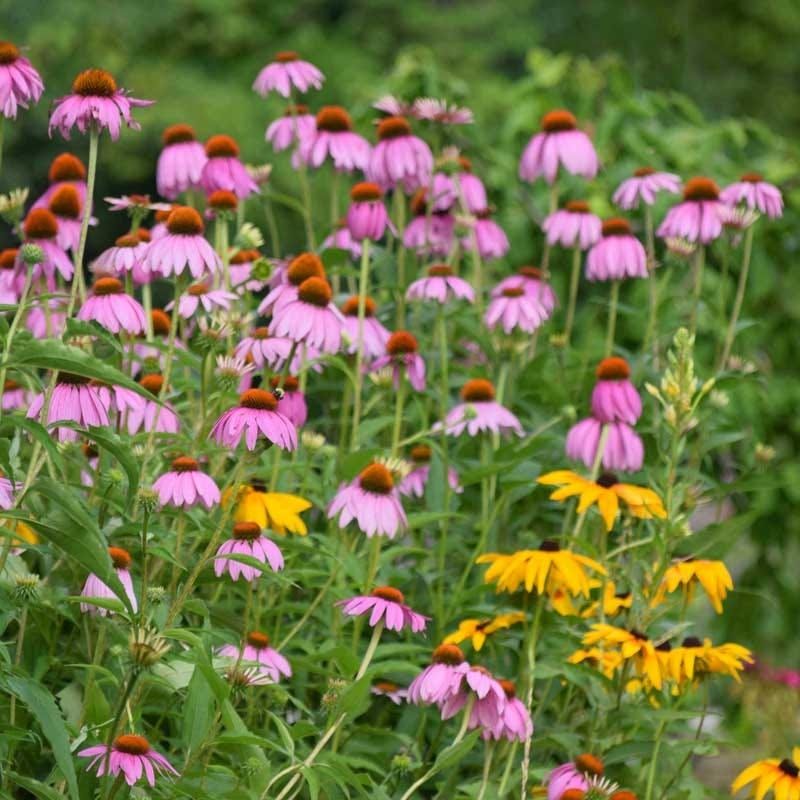
By late summer, a healthy central Ohio meadow is often busy with bees moving from bloom to bloom. They are not there by accident – they are drawn to plants that have grown alongside them for thousands of years.
Native and native-region plants tend to fit local bees, local weather, and soils in ways that many ornamental plants simply do not match.
Purple coneflower, black-eyed Susan, wild bergamot, mountain mint, goldenrod, asters, milkweed, penstemon, and native phlox are all strong choices for pollinator gardens.
These plants offer pollen and nectar that local bees can access efficiently, and many bloom reliably without heavy watering or fertilizing once they settle in.
Mountain mint in particular is known to attract an impressive variety of bee species in a single afternoon.
Your Ohio Garden Changes Every Week. Your Plan Should Too.
Gardening in Ohio changes quickly throughout the season. Every Friday you’ll receive a simple weekly plan showing exactly what to plant, prune, fertilize, harvest, and protect so you never miss the right timing.
Mixing flower shapes and heights matters too. Bumblebees work larger, open flowers well.
Smaller native bees, like sweat bees or mining bees, often prefer low-growing clusters of tiny blooms. Including a range of plant heights, from ground-level herbs to mid-height perennials to taller flowering stems, gives more bee species a reason to visit.
Check resources like Ohio State University Extension or the Ohio Department of Natural Resources for plant lists that fit your specific county or region before purchasing.
3. Keep Flowers Coming From Spring Through Fall
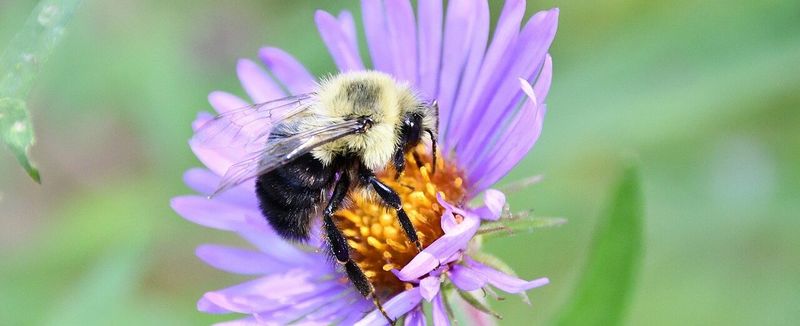
Early April here can still feel cold, but native bees are already out searching for food after a long winter. If your garden only blooms in July and August, you are missing a big window when bees need support most.
Spreading bloom times across the whole growing season keeps your garden relevant to bees from the first warm weeks through the last warm days of October.
For spring, serviceberry, redbud, and woodland phlox offer early food when few other plants are open. Penstemon and wild columbine carry blooms into late spring.
Midsummer brings milkweed, bee balm, coneflower, and mountain mint into peak performance. As summer fades, goldenrod and asters step in as some of the most valuable late-season sources of pollen and nectar available.
A quick note worth making: goldenrod gets blamed for hay fever, but ragweed, which blooms at the same time, is the real culprit. Goldenrod pollen is heavy and sticky, carried by bees rather than wind.
It is a great plant for your garden and for pollinators.
A yard with only a short bloom window might attract bees briefly.
On the other hand, a yard with staggered blooms from April through October gives bees a reason to stay close and return regularly throughout the season.
4. Choose Bee Friendly Colors And Shapes
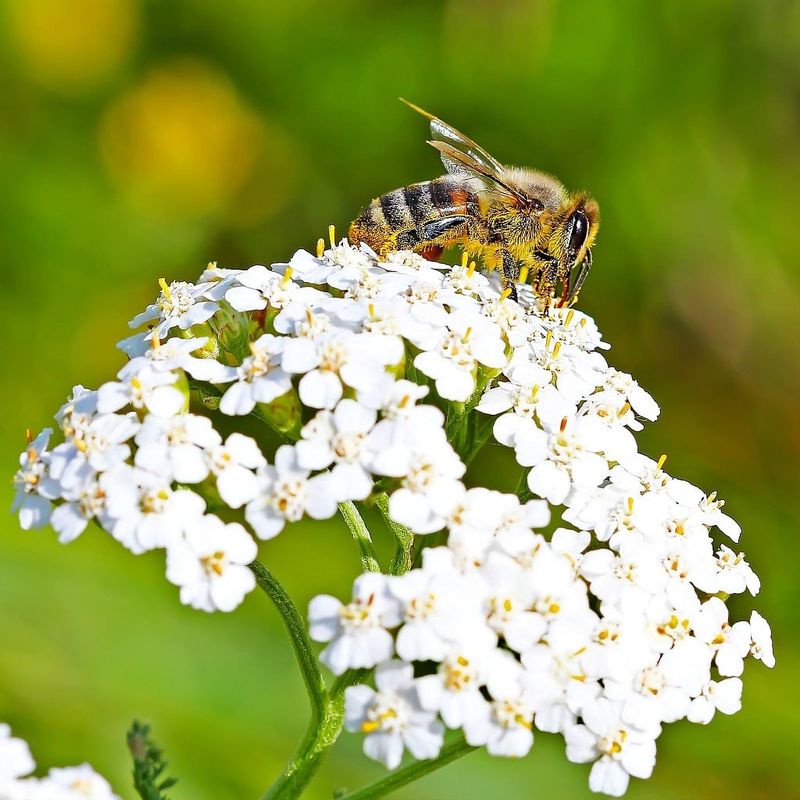
Color matters more than most gardeners expect when planting for bees. Research suggests bees tend to notice blue, purple, yellow, and white flowers particularly well, though individual species vary in what they seek out.
Planting a mix of these colors gives your garden broad appeal to different types of bees visiting throughout the season.
Shape plays just as important a role as color. Open, flat-topped flowers like yarrow and mountain mint act as easy landing platforms where smaller bees can feed without struggling.
Tubular flowers like penstemon and salvia suit bumblebees and longer-tongued bees that can reach nectar deep inside the bloom. Clusters of small flowers, like those on dill or cilantro gone to seed, attract tiny native bees that might overlook larger blooms entirely.
Heavily doubled flowers, the kind bred to look lush and full with layers of packed petals, often make it harder for bees to reach nectar and pollen. Roses with dense, ball-shaped blooms, for example, offer far less to foraging bees than open-centered single roses.
Choosing single or semi-single flower forms does not mean giving up beauty.
Many of the most attractive garden plants happen to also be the most accessible to bees, so this is a case where what looks good and what helps bees often go hand in hand.
5. Leave Bare Soil For Ground Nesting Bees
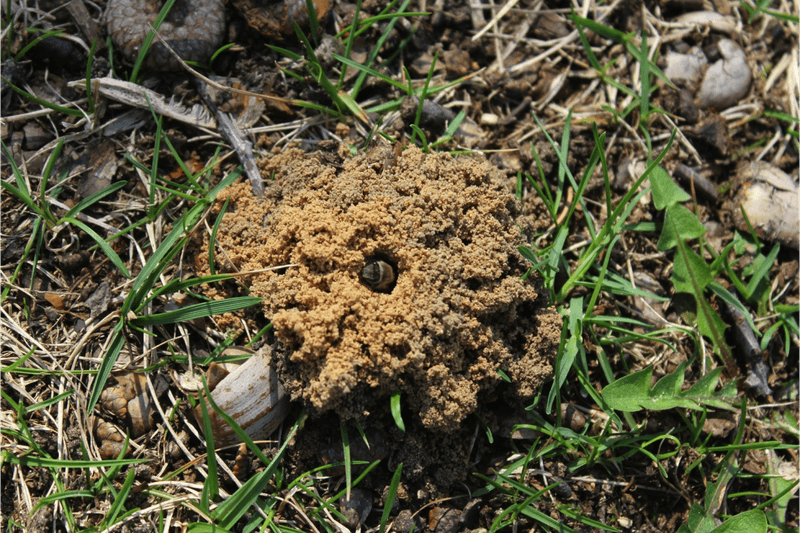
Most people picture bees living in hives, but the majority of native bee species actually nest in the ground. Mining bees, sweat bees, and digger bees tunnel into bare, loose, well-drained soil to lay their eggs and raise their young.
If your entire yard is covered with mulch, dense grass, or pavement, these bees have nowhere to set up home near your garden.
Leaving a few small patches of bare soil in sunny, low-traffic spots can make a real difference. A south-facing slope, a dry edge along a garden path, or a quiet corner near a flower bed are all good candidates.
The soil does not need to be large – even a patch a foot or two across can support several nesting bees. Avoid disturbing these areas once you notice bees using them.
Solitary ground-nesting bees are not aggressive. They do not have a hive to protect, and they rarely sting unless physically handled.
Most gardeners who share their yard with ground-nesters never even notice them going about their work. Keeping a light hand on mulch in naturalized areas, rather than spreading thick layers everywhere, is a practical first step.
Your flower beds can stay tidy while a quiet corner of the yard stays open and welcoming to hardworking native ground nesters.
6. Skip Sprays When Flowers Are In Bloom
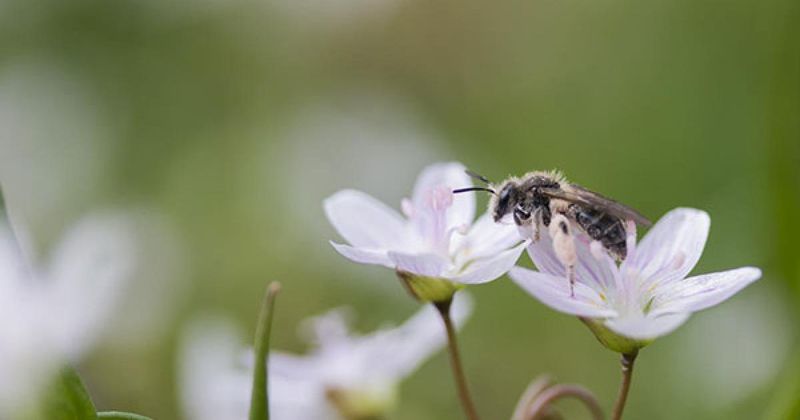
Spraying a garden when flowers are open and bees are foraging is one of the fastest ways to undo all the good work you have done to attract pollinators.
Bees pick up residues directly from treated blooms, carry them back to their nests, and expose themselves and their young in the process.
Timing and target matter more than most people realize.
Before reaching for any spray, try nonchemical approaches first. Hand-picking pests, using row covers, improving soil health, and choosing resistant plant varieties can handle many common garden problems without any spray at all.
If treatment becomes necessary, identify the pest accurately before choosing a product.
Many insects in a garden are actually beneficial or neutral, and broad spraying can affect far more than the target pest.
If you do need to apply something, read the label fully and follow it carefully.
If the label allows use, apply after sunset when bees are not foraging, avoid treating blooming plants, prevent drift onto nearby flowers or weeds. And of course, treat only the affected plants rather than the whole garden.
Organic products are not automatically safe for pollinators – neem oil, pyrethrin, and spinosad can all affect bees if applied incorrectly. A plant with a few chewed leaves is still a healthy, productive plant.
Tolerating minor cosmetic damage is a reasonable trade when the result is a garden that bees keep coming back to visit.
7. Let Herbs Flower For Bonus Bee Food
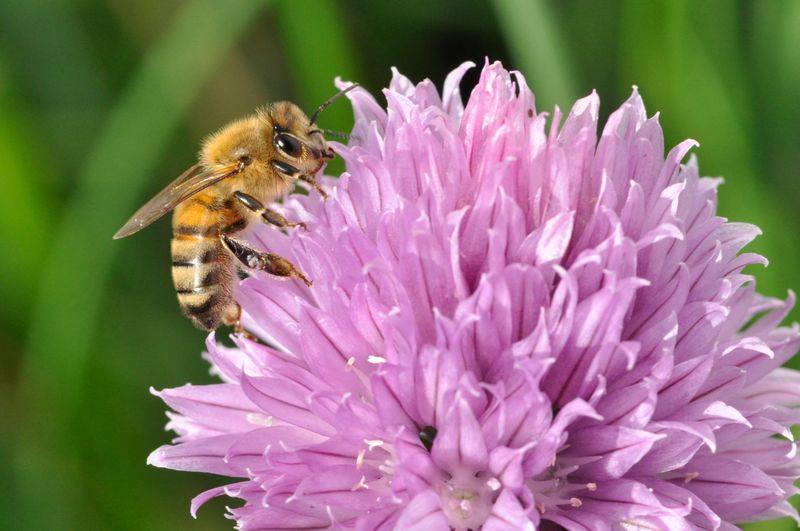
Most herb gardeners trim off flowers the moment they appear, trying to keep plants producing leaves.
That habit makes sense for flavor, but letting a few herbs go to bloom adds a surprisingly useful layer of bee food to your garden.
Chive blossoms are among the earliest herb flowers to open in spring and draw bees quickly. Thyme, oregano, and marjoram produce tiny blooms that small native bees find very appealing.
Dill and cilantro that have bolted into flower become covered in beneficial insects within days. Basil flowers attract bees steadily through the warmest months, and lavender – where winters allow it to survive – is practically a beacon for foragers all summer long.
Parsley that overwinters and blooms in its second year adds another spring food source before many other plants catch up. Mint is worth growing, but keep it in a container because it spreads aggressively in garden beds and can take over quickly if left unchecked.
Letting some herbs flower does not mean abandoning your kitchen supply. Harvest what you need for cooking, then let a few stems continue blooming nearby.
A raised bed, a patio pot collection, or a small herb patch near your vegetable garden can all serve double duty as both a kitchen resource and a reliable bee-friendly food source.
8. Create Shelter With Stems Leaves And Quiet Corners
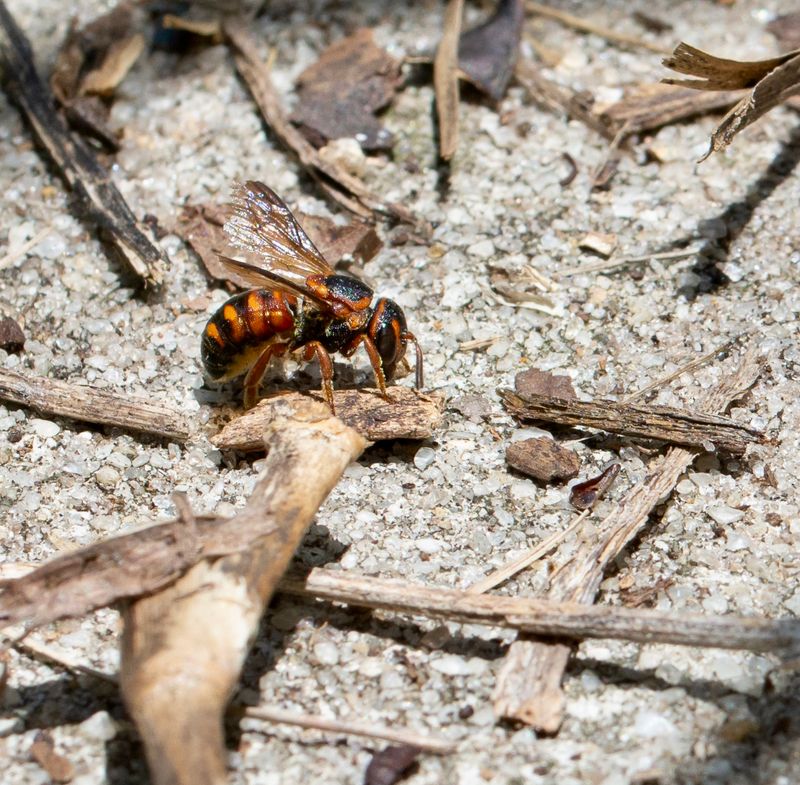
A garden that gets tidied up completely every fall might look neat, but it removes a lot of what native bees need to make it through to the next season. Some bees overwinter inside hollow or pithy stems.
Others tuck into leaf litter, brush piles, or undisturbed soil. Removing all of that in one big autumn cleanup can quietly reduce the number of bees that return to your garden the following spring.
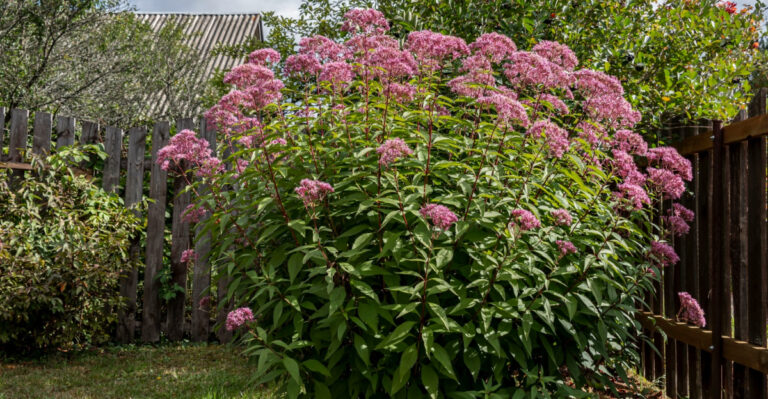
Leaving stems standing through winter is one of the easiest habitat steps you can take. Coneflower, Joe Pye weed, black-eyed Susan, and native grasses all provide potential nesting material and shelter when left in place.
Wait until temperatures have warmed consistently in spring – around late April or early May in most of Ohio – before cutting back last year’s growth. That timing gives any bees using the stems a chance to emerge on their own schedule.
A light layer of leaves under shrubs or in a naturalized bed mimics the forest floor conditions that many ground-nesting and leaf-nesting bees prefer.
Front yard beds can stay as tidy as the neighborhood expects while a back corner or side yard stays a little wilder and more welcoming.
Keeping shelter areas away from heavy foot traffic reduces disturbance and gives bees the quiet they need. Small habitat additions like these cost almost nothing but can meaningfully support the bees that already visit your garden.