This Is How To Protect Tulip Bulbs From Squirrels In Ohio Gardens
You plant your tulip bulbs in fall with a clear picture in mind. Spring arrives, snow melts, and bright rows of color should burst from the soil.
Then one morning you walk outside and stop in your tracks. The garden bed looks like it survived a tiny overnight excavation.
Small holes scatter everywhere. Soil sits piled in messy clumps.
And those carefully planted tulip bulbs? Gone.
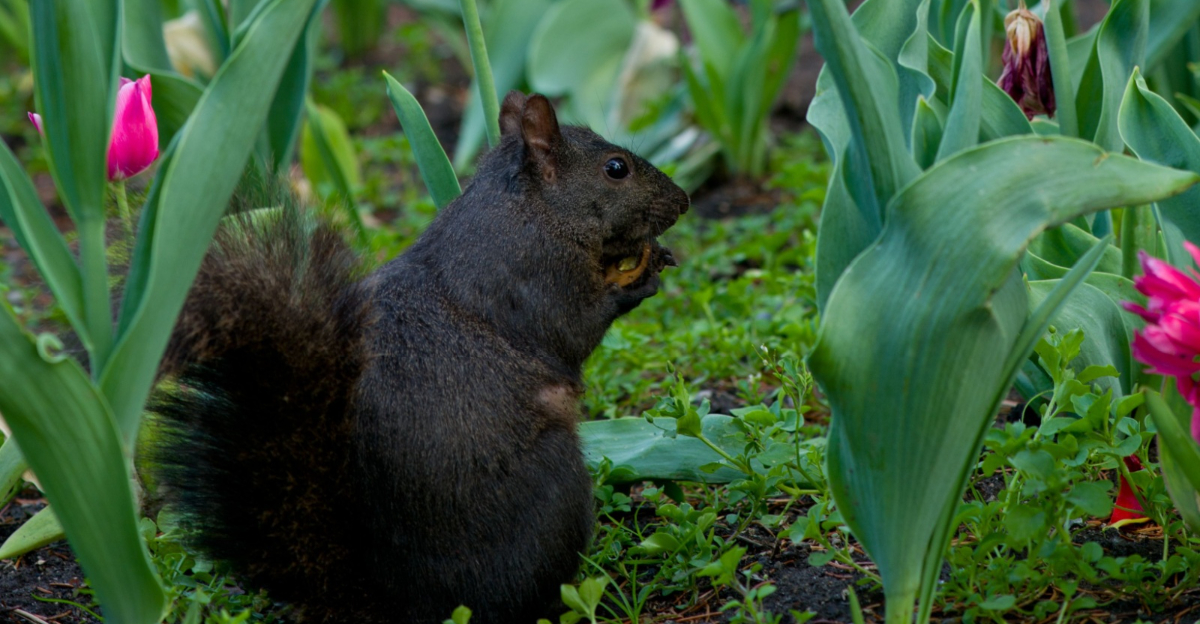
Ohio gardeners know this moment well. Squirrels seem to appear the second bulbs go into the ground, as though they watched the whole planting process and waited for the perfect time to strike.
It can feel like an impossible battle. Yet many gardeners have discovered ways to stay one step ahead and keep their tulips safe until spring finally arrives.
1. Plant Tulip Bulbs Deeper So Squirrels Cannot Easily Reach Them
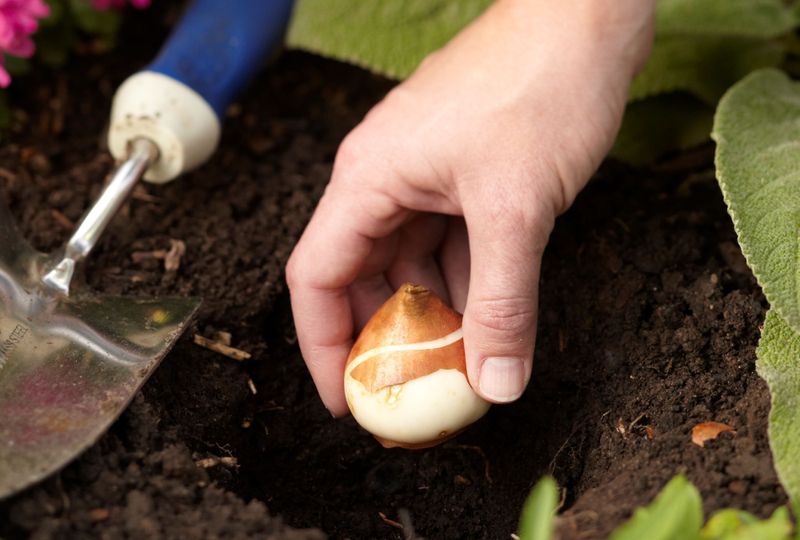
Most gardeners plant tulip bulbs about six inches deep, but going a bit deeper can make all the difference when squirrels are active in your neighborhood. Planting bulbs eight to ten inches down puts them well beyond the typical digging depth that squirrels prefer.
Squirrels usually scratch around in the top few inches of soil looking for easy finds, so deeper planting naturally protects your investment.
When you plant deeper in Ohio gardens, you’re working with the natural behavior of these animals. They simply don’t want to expend the energy digging that far down when easier food sources are available nearby.
Make sure to loosen the soil at the bottom of each hole so roots can spread easily once spring arrives.
Use a bulb planter or trowel to create uniform holes at the proper depth. Place each bulb with the pointed end facing up, then backfill with soil and water thoroughly.
Deeper planting also provides extra insulation during harsh Ohio winters, which helps bulbs survive freezing temperatures. Just remember that deeper bulbs may bloom a few days later than shallow-planted ones, but the wait is worth it when your tulips emerge intact and undisturbed.
2. Cover Planting Areas With Wire Mesh To Stop Digging
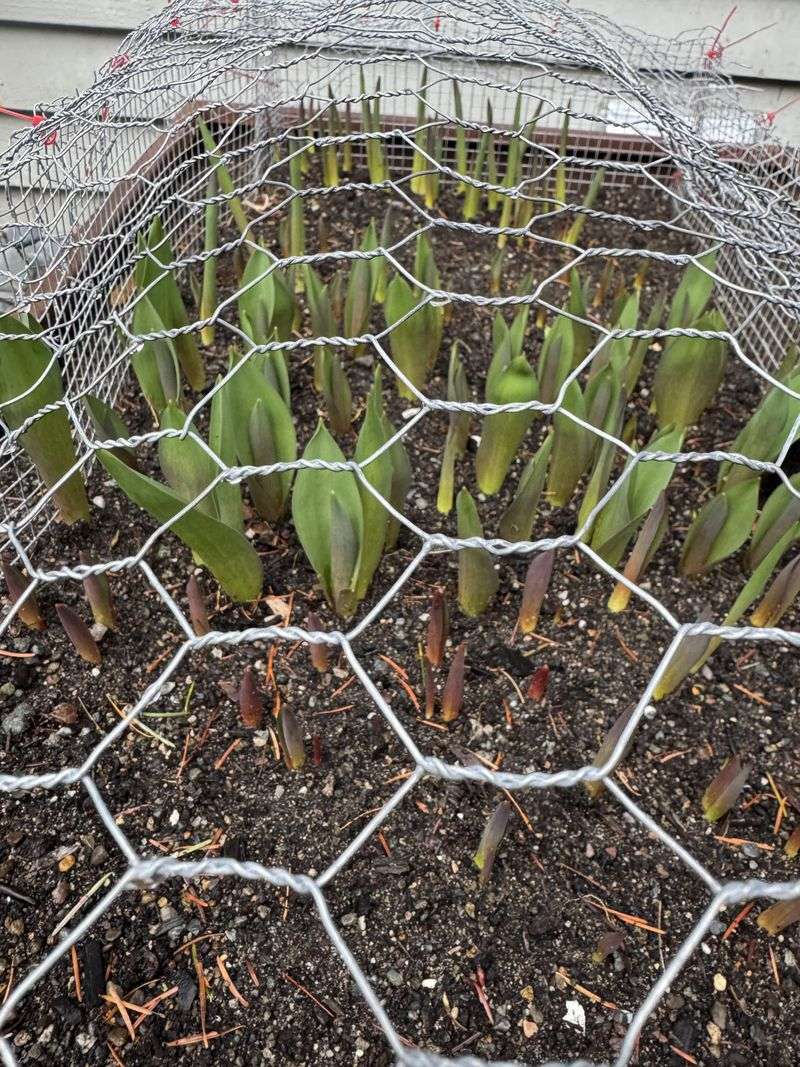
Hardware cloth or chicken wire creates a physical barrier that squirrels simply cannot penetrate. After planting your tulip bulbs, lay a piece of wire mesh directly over the entire planting area.
The mesh should have openings small enough to prevent squirrels from reaching through but large enough to allow tulip shoots to grow up in spring.
Quarter-inch or half-inch hardware cloth works perfectly for this purpose. Cut the mesh to fit your planting bed, then secure it firmly to the ground using landscape staples, rocks, or bricks around the edges.
Squirrels will try to dig but quickly give up when they hit the barrier.
Many Ohio gardeners leave the mesh in place all winter, removing it only when green shoots appear in early spring. The wire doesn’t interfere with growth since tulip stems easily push through the openings.
You can also cover the mesh with a thin layer of mulch to make it less visible in your garden beds.
Your Ohio Garden Changes Every Week. Your Plan Should Too.
Gardening in Ohio changes quickly throughout the season. Every Friday you’ll receive a simple weekly plan showing exactly what to plant, prune, fertilize, harvest, and protect so you never miss the right timing.
This method is especially effective in backyard gardens where squirrels are particularly bold. The barrier approach requires minimal maintenance once installed and provides reliable protection throughout the vulnerable fall and winter months when squirrels are most active.
3. Add Mulch Or Pinecones To Make Digging Difficult
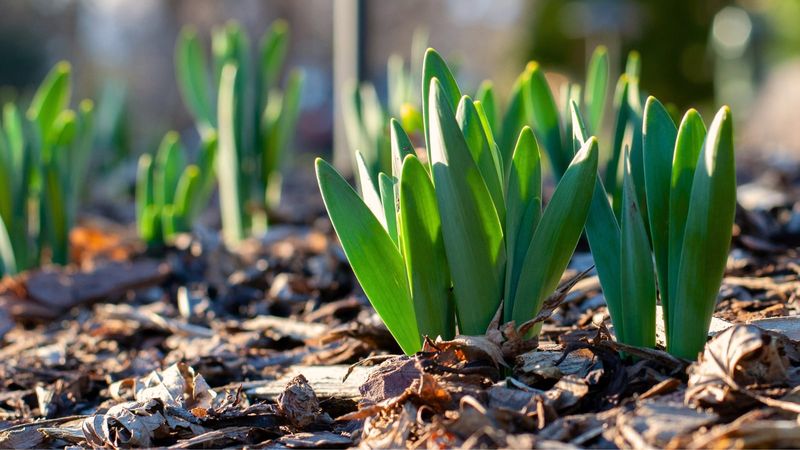
Squirrels prefer digging in loose, easy-to-move soil, so covering your planting area with rough materials discourages their efforts. A thick layer of mulch, pinecones, or even sharp-edged gravel makes the digging process uncomfortable and frustrating for persistent squirrels.
They’ll often move on to easier targets rather than work through these obstacles.
Apply at least two to three inches of your chosen material immediately after planting tulip bulbs. Pinecones work especially well because their irregular shape and prickly texture are unpleasant for squirrels to navigate.
Shredded bark mulch or wood chips also create a barrier that hides the scent of freshly disturbed soil.
In Ohio gardens, fall leaves can serve a similar purpose when layered thickly over bulb beds. The added benefit of organic mulch is that it breaks down over time, enriching your soil while protecting your bulbs.
Just make sure the mulch layer isn’t so thick that it prevents tulip shoots from emerging in spring.
Reapply mulch if heavy rains wash it away or if you notice squirrels have scattered it. This simple, inexpensive method works well when combined with other protective strategies for maximum effectiveness throughout the planting season.
4. Use Natural Repellents That Discourage Curious Squirrels
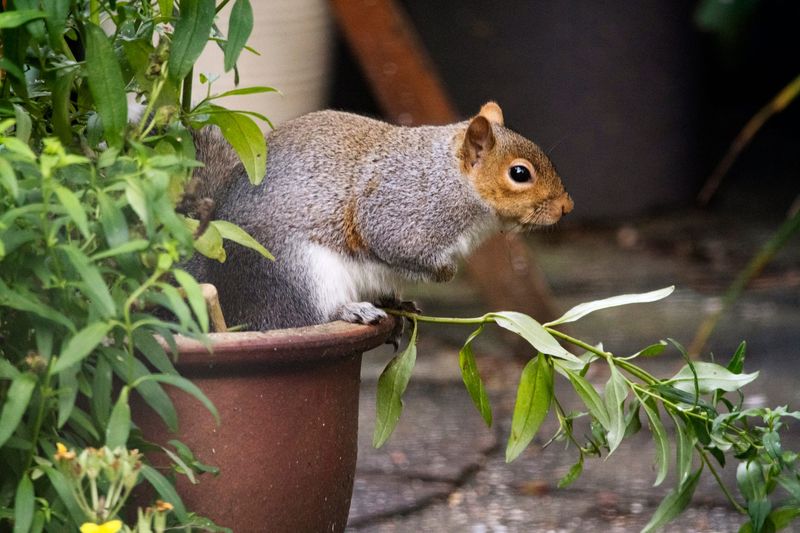
Squirrels rely heavily on their sense of smell to locate food, so strong scents can effectively keep them away from your tulip beds. Cayenne pepper, red pepper flakes, and ground black pepper all work as natural deterrents because squirrels find these spicy scents irritating.
Sprinkle these spices generously over the soil surface right after planting your bulbs.
Coffee grounds offer another excellent option that many Ohio gardeners already have on hand. The strong aroma masks the scent of tulip bulbs while adding beneficial nutrients to your soil as the grounds decompose.
Scatter used coffee grounds thickly across planting areas and reapply after heavy rains wash them away.
Garlic spray provides a liquid alternative that you can make at home. Blend several garlic cloves with water, strain the mixture, and spray it around your tulip beds.
The pungent smell lingers and creates an invisible barrier that squirrels prefer to avoid.
Remember that natural repellents need regular reapplication, especially after rainfall or watering. These methods work best when applied consistently throughout fall and early winter.
Combining scent deterrents with physical barriers creates multiple layers of protection that significantly reduce squirrel damage in your garden beds.
5. Plant Tulips Near Daffodils That Squirrels Avoid

Daffodils contain toxic compounds that squirrels instinctively avoid, making them excellent companion plants for tulips. When you interplant daffodil bulbs among your tulips, squirrels tend to stay away from the entire area rather than risk digging near the unpleasant bulbs.
This natural deterrent strategy has been used successfully by gardeners for generations.
Plan your bulb layout so daffodils surround or intermingle with tulip plantings. You can create alternating rows or scatter daffodils throughout your tulip bed.
Alliums and grape hyacinths also repel squirrels and add beautiful variety to your spring display.
The bonus of companion planting is that you’ll enjoy a longer blooming season with different colors and flower shapes. Daffodils typically bloom slightly earlier than tulips in Ohio gardens, extending your spring color from early March through late April.
Squirrels learn quickly which areas to avoid, so once they encounter daffodils, they’re less likely to return.
Choose daffodil varieties that complement your tulip colors for the most attractive garden design. This method requires no maintenance after planting and provides protection year after year as bulbs naturalize and multiply.
It’s one of the most elegant and effective solutions for keeping squirrels away from your prized tulip bulbs.
6. Water The Soil After Planting To Hide Fresh Digging
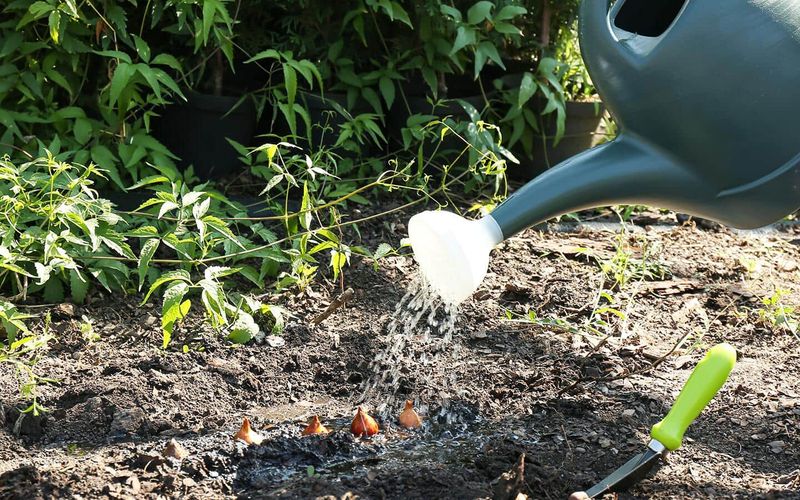
Freshly dug soil has a distinct scent that attracts squirrels like a beacon, signaling that something interesting has been buried. Watering your planting area thoroughly immediately after you finish planting helps settle the soil and wash away the telltale scent of disturbance.
This simple step can significantly reduce squirrel interest in your tulip beds.
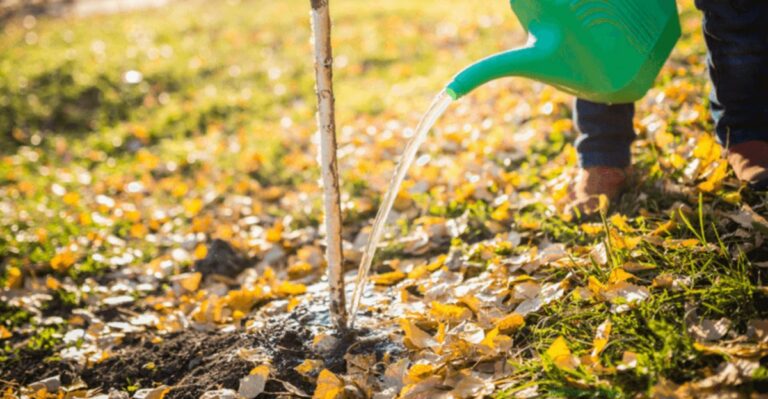
Use a gentle spray or watering can to saturate the entire planting area without creating muddy conditions. The water helps compact the soil slightly, making it less obvious that digging has recently occurred.
It also begins the process of establishing good soil contact around the bulbs, which promotes healthy root development.
In Ohio’s fall climate, natural rainfall may help with this process, but don’t rely solely on rain. A thorough watering right after planting is crucial for masking your activities from curious squirrels.
The settled soil also becomes slightly harder to dig through, adding another small obstacle for persistent animals.
Continue watering your bulb beds regularly if fall weather is dry. Consistent moisture helps bulbs establish roots before winter arrives and keeps the soil from looking freshly disturbed.
This technique works best when combined with other protective methods like mulching or covering with wire mesh for comprehensive protection.
7. Use Bulb Cages To Protect Tulips Underground
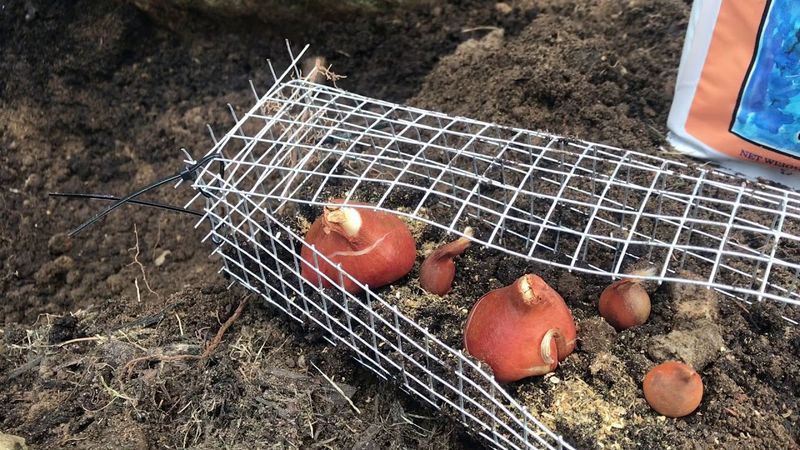
Bulb cages are specially designed wire baskets that surround individual bulbs or small groups of bulbs underground. These protective containers allow roots to grow freely through the mesh while preventing squirrels from reaching the bulbs themselves.
Many Ohio gardeners consider bulb cages the most reliable long-term solution for valuable or expensive tulip varieties.
You can purchase ready-made bulb cages or create your own using hardware cloth formed into basket shapes. Place several bulbs inside each cage, then plant the entire unit at the proper depth.
The wire mesh should have openings small enough to exclude squirrels but large enough for roots and shoots to pass through easily.
Bulb cages remain effective year after year, protecting not only the original bulbs but also any offsets that develop naturally. They’re particularly useful in gardens where squirrel populations are high and other deterrent methods haven’t been successful.
The cages are invisible once planted and don’t interfere with the natural growth cycle.
Mark the location of your caged bulbs so you can find them easily when dividing or transplanting in future seasons. While bulb cages require more initial effort and expense than some other methods, they provide virtually foolproof protection that lasts for many years without maintenance or replacement.
8. Choose Less Attractive Bulb Varieties For Squirrel Prone Gardens
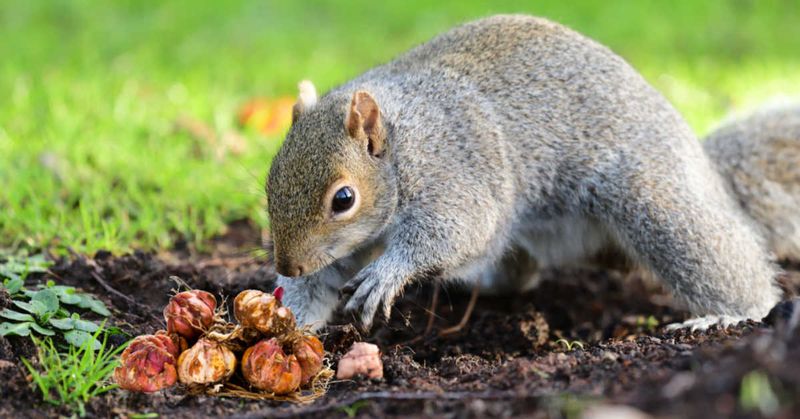
Not all bulbs are equally appealing to squirrels, and selecting varieties they tend to ignore can save you considerable frustration. While standard tulip bulbs are among their favorites, certain tulip species and other spring bulbs are naturally less attractive to these persistent diggers.
Species tulips, which are smaller and closer to wild tulip varieties, often escape squirrel attention more successfully than large hybrid tulips.
Fritillaria bulbs have a distinctive musky scent that squirrels find unappealing, making them excellent choices for problem areas. Snowdrops, scilla, and muscari also tend to be ignored by squirrels while providing beautiful early spring color.
Alliums, with their onion-like scent, are another excellent option that adds dramatic height and texture to garden beds.
Consider creating a mixed bulb planting that includes both your desired tulips and these less appealing varieties. The presence of squirrel-resistant bulbs may help protect nearby tulips by association.
You’ll still get the spring color you want while reducing the risk of losing your entire planting.
Ohio gardeners with persistent squirrel problems might focus primarily on these alternative bulbs and use just a few carefully protected tulips as accent plants. The variety of available spring bulbs means you can create stunning displays without relying heavily on squirrel-favorite varieties.