What Ohio Gardeners Should Mulch In April And What To Leave Alone
Ever find yourself out in the yard in April, mulch bag in hand, thinking, am I doing this right or just going through the motions? It feels like a no-brainer.
You spread a fresh layer, everything instantly looks neat as a pin, and it seems like you are giving your plants a head start. But in Ohio, April can be a bit of a mixed bag.
One week feels like spring is in full swing, the next reminds you winter has not quite packed its bags. That is where things can go sideways.
Mulch too early or in the wrong spots, and you might end up slowing things down instead of helping. Cold soil stays cold, growth drags, and some plants just sit there spinning their wheels.
A lot of gardeners learn this the hard way. The trick is knowing what actually benefits from mulching in April and what is better left alone for now.
Get that right, and everything else starts to fall into place.
1. Mulch Trees And Shrubs But Keep It Away From Trunks
Walking around your yard in April, you might notice bare soil around your trees and shrubs looking dry and exposed. That is actually a good sign that your trees could benefit from a fresh layer of mulch right now, as long as you apply it correctly.
Trees and shrubs are generally ready for mulching earlier in April than most other plants because their roots are already established and not as sensitive to temperature swings.
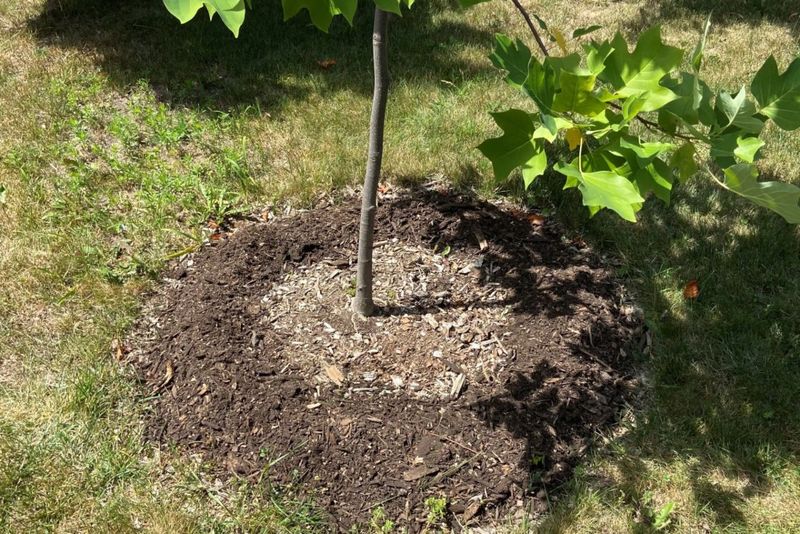
The standard advice from Ohio State University Extension is to apply a two to three inch layer of organic mulch, such as shredded hardwood or wood chips, in a wide ring around the base of each tree or shrub.
Think of it like making a donut shape around the plant, with the hole of the donut being the clear space right next to the trunk.
That gap between the mulch and the trunk should be at least two to three inches wide.
Pushing mulch directly against the trunk creates a moist environment where bark can soften and rot over time, and it also invites insects and rodents to set up camp.
Gardeners sometimes call the mistake of piling mulch high against a trunk a “mulch volcano,” and it is one of the most common errors seen in Ohio yards every spring.
Spreading the mulch out wider rather than piling it deeper is always the better approach. A wide, shallow ring does far more good for root moisture retention than a tall pile crammed against the base of a tree.
2. Mulch Perennial Beds Once Soil Warms Slightly
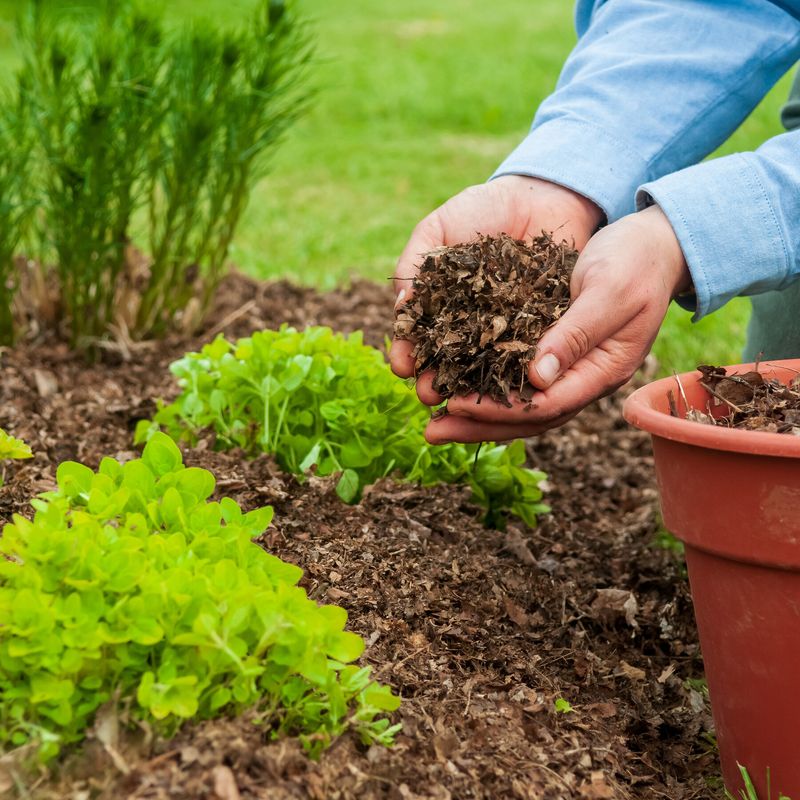
Perennial beds can be a little confusing in April because the plants look like they are barely doing anything above ground, but underneath the surface, roots are waking up fast.
Rushing to cover those beds with mulch before the soil has had a chance to warm can actually slow that underground activity down.
Cold, wet mulch acts like a blanket that locks in the chill rather than protecting the plants from it.
Your Ohio Garden Changes Every Week. Your Plan Should Too.
Gardening in Ohio changes quickly throughout the season. Every Friday you’ll receive a simple weekly plan showing exactly what to plant, prune, fertilize, harvest, and protect so you never miss the right timing.
In northern Ohio, soil temperatures in early April can still hover near 40 degrees Fahrenheit, which is too cold to mulch perennial beds effectively.
Gardeners in central and southern Ohio tend to see soil temperatures climb a bit faster, sometimes reaching the 50 degree range by mid-April, which is a more reasonable time to add mulch.
Checking soil temperature with an inexpensive probe thermometer is a reliable way to make this call rather than guessing by the date.
Once you do see small shoots actively pushing up and the soil feels noticeably warmer to the touch, a light one to two inch layer of compost or shredded leaves works well for perennial beds.
Avoid applying a thick layer all at once, since emerging perennials need air circulation and access to warming sunlight.
A thinner mulch layer also breaks down faster and adds organic matter to the soil over the growing season. Patience in mid-April pays off with stronger, healthier perennial growth through the rest of spring and into summer.
3. Mulch Roses After New Growth Begins
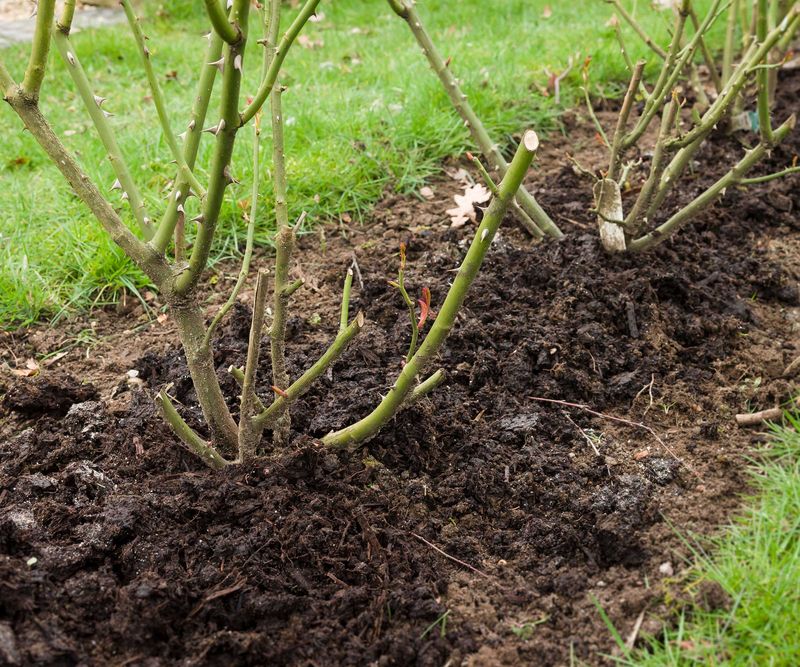
Roses are a little dramatic about timing, and honestly, that reputation is earned. Apply mulch too early in April and you risk trapping cold, wet soil right at the crown of the plant, which is the point where the canes meet the roots.
That crown area is particularly vulnerable in early spring, and keeping it in cold, soggy conditions longer than necessary can set your roses back weeks.
The better approach is to wait until you can clearly see new growth pushing out from the canes. In Ohio, this typically happens somewhere between mid and late April depending on your location and the variety of rose you are growing.
Shrub roses and old garden varieties tend to leaf out a bit earlier than hybrid teas, so watch your specific plants rather than following a fixed date.
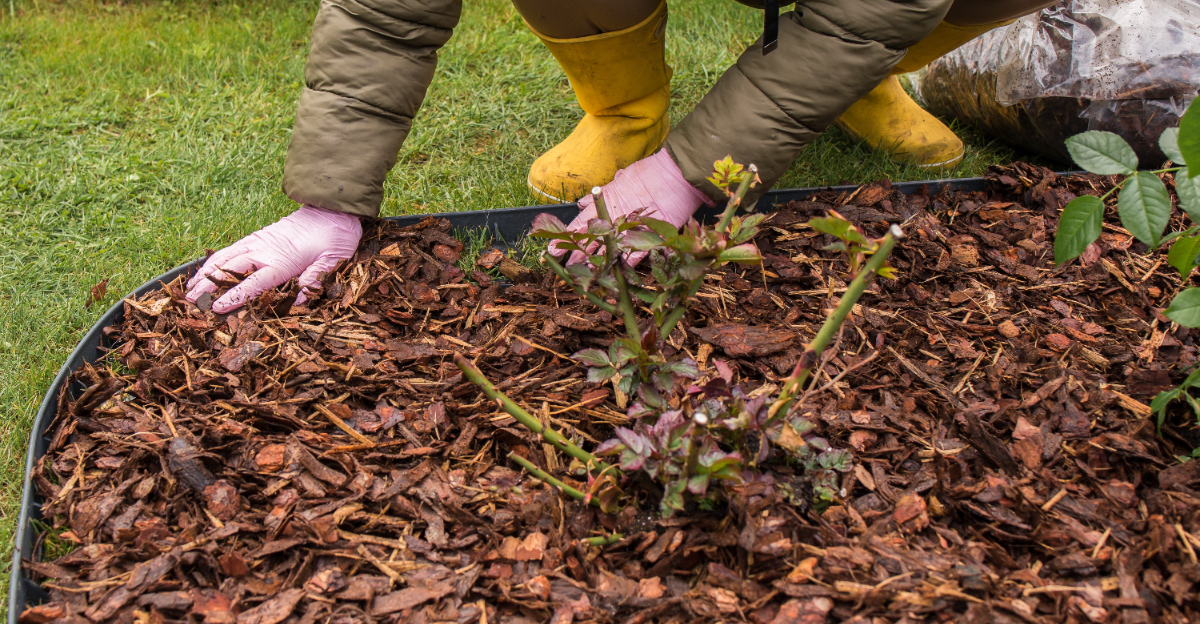
Once that new growth is visible and a few inches long, applying a two to three inch layer of shredded wood mulch around each plant delivers real benefits.
Moisture retention becomes especially important as May approaches and temperatures climb, and a good mulch layer can reduce how often you need to water by a noticeable amount.
Keeping the mulch a few inches away from the crown prevents moisture buildup right at the base. Weed suppression is another bonus, since rose beds can get overrun quickly once spring weeds get going.
A well-timed mulch application in late April sets your roses up for a strong and productive blooming season ahead.
4. Mulch Cool Season Vegetables To Hold Moisture
Cool season crops like lettuce, spinach, kale, and peas are some of the first edibles Ohio gardeners get into the ground, often as early as late March or early April.
Because these crops prefer cooler soil and air temperatures, they are actually a great candidate for light mulching earlier in the month than most other garden plants.
The goal is not to warm the soil but to keep moisture consistent and prevent the surface from drying out between waterings.
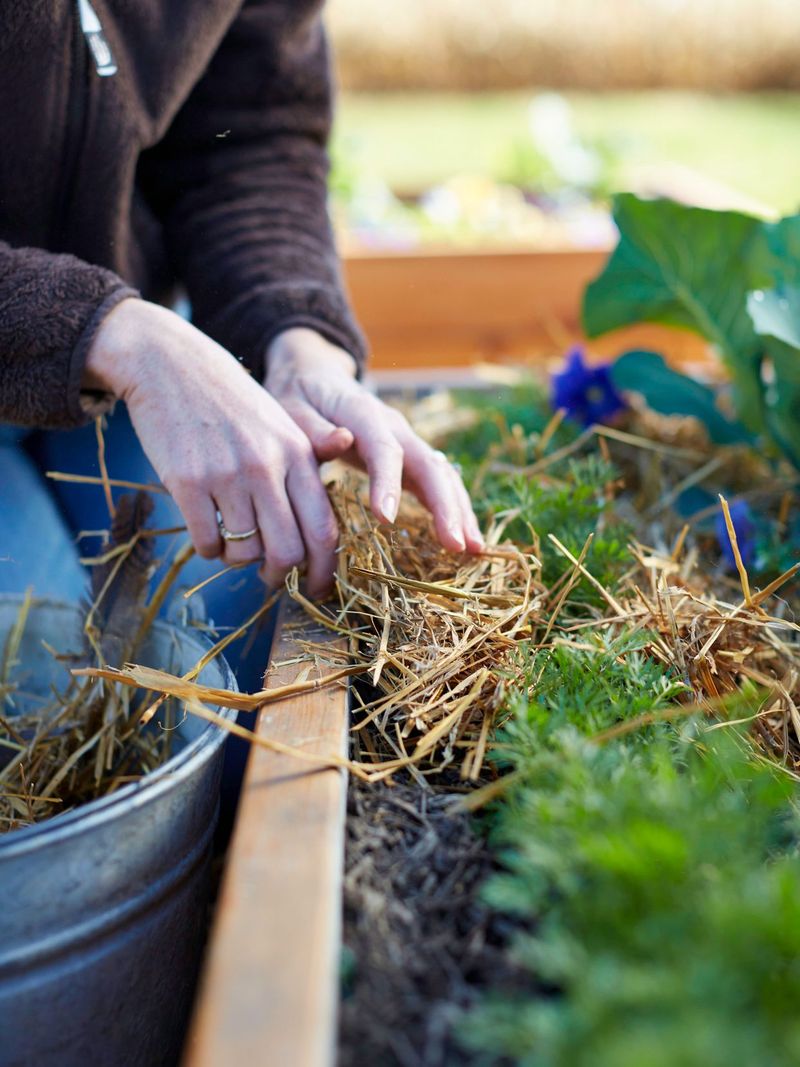
A thin layer of straw, shredded leaves, or even finely chopped grass clippings works well between rows of cool season vegetables. Keep the layer light, around one inch thick, so air can still circulate and seeds that may still be germinating have room to push through.
Heavier mulch can block small seedlings from emerging properly, which is a frustrating setback when you are eager to see your garden come to life.
One practical tip from experienced Ohio vegetable gardeners is to mulch between the rows first and then carefully tuck a little mulch around established seedlings once they are a few inches tall. This approach protects the soil without smothering young plants.
Consistent soil moisture is especially important for lettuce, which tends to bolt and turn bitter when it goes through repeated dry and wet cycles. Mulching your cool season beds in April helps even out those swings and keeps your harvest window open longer.
It is a small step that pays off with noticeably better flavor and yield.
5. Mulch Spring Bulbs After Bloom Not Before
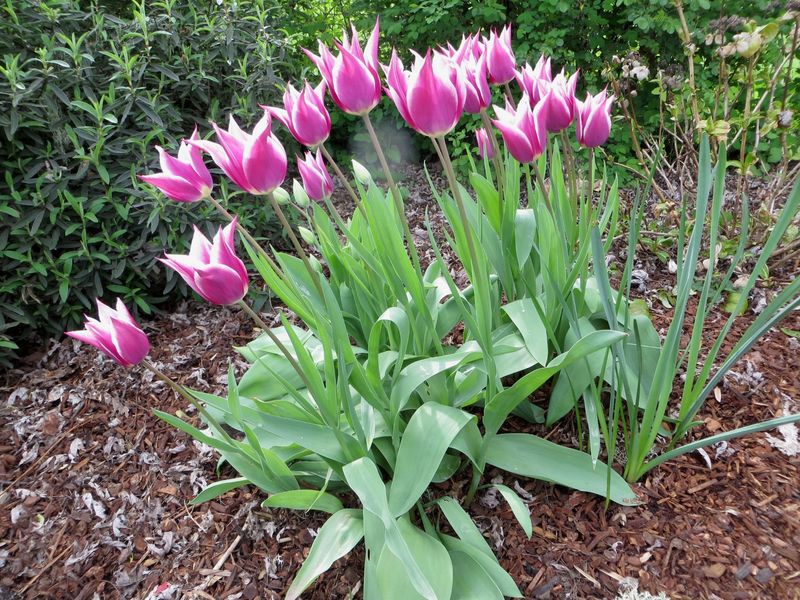
Spring bulbs like tulips, daffodils, and hyacinths are one of the most exciting parts of an Ohio April garden, but they require a specific approach when it comes to mulching.
Covering bulb areas with mulch before the shoots have fully emerged is a common mistake that can slow or distort the emergence process.
Bulbs push through the soil with surprising force, but a thick mulch layer can redirect that energy and cause bent or uneven stems.
The right time to mulch around spring bulbs is after they have bloomed and the flowers begin to fade. At that point, the foliage still needs to stay intact and green so the bulb can absorb energy for next year.
A light layer of mulch around the base of the fading foliage helps keep the soil moist and suppresses weeds that would otherwise compete with the bulbs during this important recharging phase.
One thing worth understanding is that spring bulbs actually benefit from the soil warming up naturally and quickly in early April. That warmth signals the bulb to send up its shoot and flower on schedule.
Applying mulch too early can insulate the soil and delay that warming signal, which pushes back your bloom time. Waiting until after the peak bloom, usually sometime in late April or even early May for late-blooming varieties, is the smarter move.
Your bulbs will thank you with stronger returns next spring when they have had the chance to properly store energy through their natural cycle.
6. Skip Mulch On Cold Wet Soil Early In April
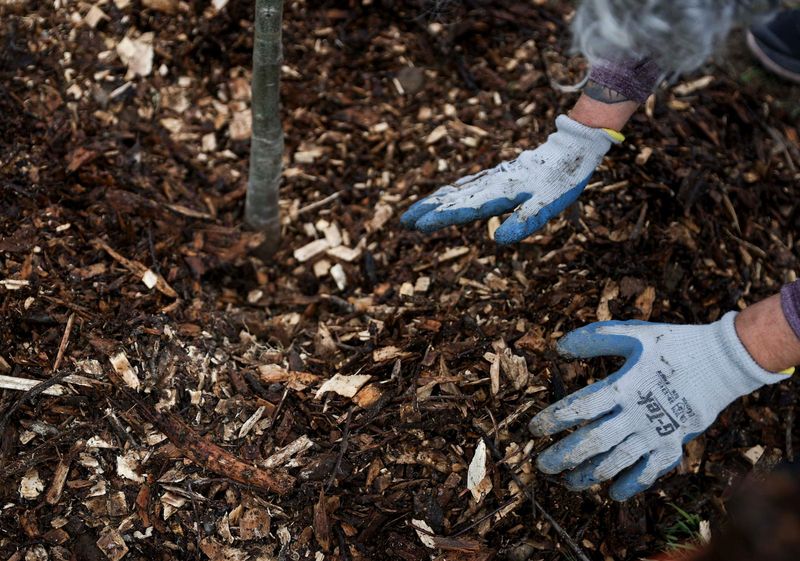
Early April in Ohio can feel like spring and look like spring, but the soil tells a different story. After winter, ground moisture levels stay high, and soil temperatures often lag well behind the air temperature.
Laying down mulch on top of soil that is still cold and wet creates a situation where the mulch acts as an insulator, locking that cold moisture in place rather than letting the sun and air do their warming work.
Ohio State University Extension has pointed out that one of the most common early season mulching mistakes is applying mulch before the soil is ready. When you seal cold, wet soil under a layer of organic material, you are essentially telling it to stay cold longer.
Root growth slows down when soil temperatures drop below 50 degrees Fahrenheit, and many plants will simply sit and wait rather than putting on new growth. That waiting period can translate to a noticeably delayed start for your garden.
A simple test is to grab a handful of soil and squeeze it. If it forms a tight ball and water drips out, it is too wet to mulch.
If it crumbles apart easily, the soil is in better shape for mulching. Early April in northern Ohio is particularly prone to cold, wet soil conditions that make mulching more harmful than helpful.
Giving the soil a few extra weeks to breathe and warm up before applying mulch is one of the smartest and most cost-effective decisions an Ohio gardener can make in spring.
7. Leave Self Seeding Areas Uncovered For Now

Some of the most rewarding plants in an Ohio garden are the ones that do the work themselves. Black-eyed Susans, coneflowers, larkspur, and annual poppies are just a few examples of plants that drop seeds in fall and germinate naturally in spring.
These self-seeding plants fill in garden gaps, attract pollinators, and reduce the amount of replanting you have to do each year. The catch is that mulching over these areas in April can prevent those seeds from ever getting started.
Seeds need contact with the soil surface, warmth, and light to germinate successfully. A layer of mulch, even a thin one, can block that light and prevent the small seeds from pushing through to the surface.
Once those germination windows close, you simply lose that season’s volunteers, and bare spots can appear in areas that would have filled in beautifully on their own.
The practical approach is to hold off on mulching self-seeding areas until you can clearly see what is coming up. Give it until mid to late April before making any decisions about those spots.
Once seedlings are a few inches tall and clearly established, you can carefully add a very thin layer of mulch around them without smothering the plants.
Marking these areas with small flags or stakes in fall, right after you notice seed heads dropping, is a helpful trick for remembering where to leave bare soil in spring.
A little patience in April leads to a much fuller and more vibrant garden by summer.
8. Hold Off Around Native Plant Seedlings
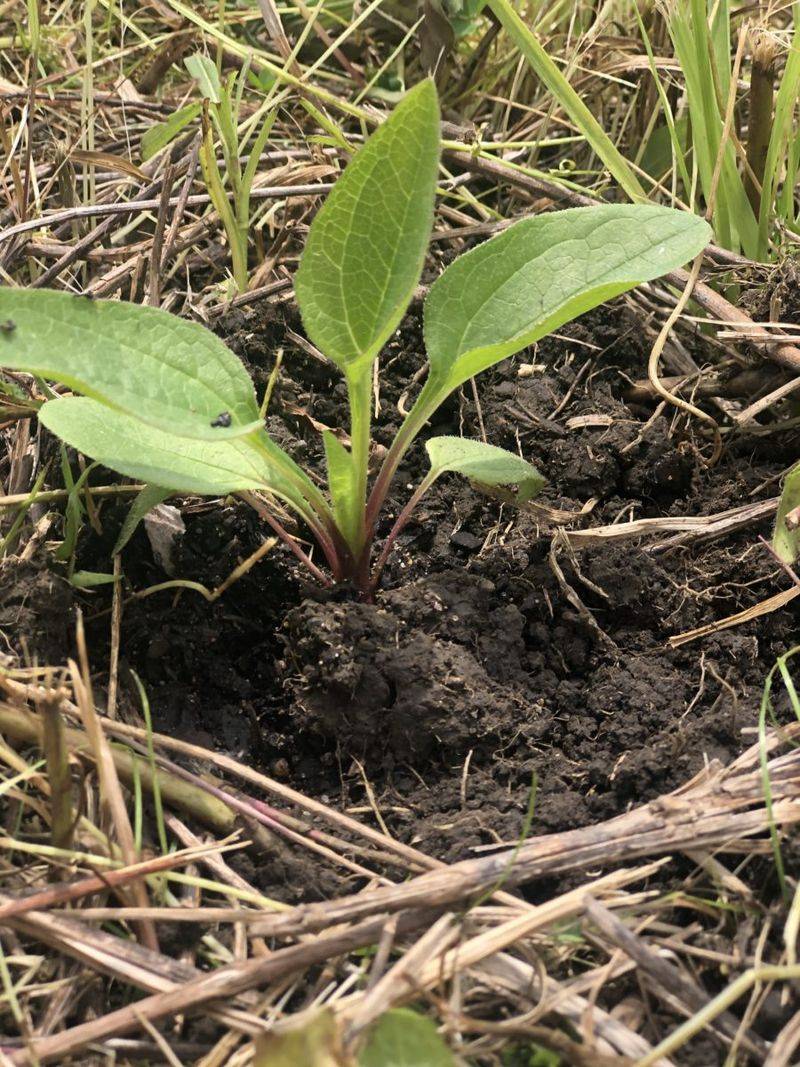
Native plants have made a real comeback in Ohio gardens over the past decade, and for good reason. They support local insects, birds, and pollinators in ways that non-native ornamentals simply cannot match.
But native plant seedlings are often small, easy to overlook, and surprisingly vulnerable to early season mulching.
Many native species produce tiny seedlings that emerge right at the soil surface in April, and covering them too soon can smother them before they ever get a fair start.
Wild columbine, prairie dropseed, wild ginger, and Ohio spiderwort are examples of native plants that self-seed and emerge as delicate little seedlings in early to mid-April. These plants are adapted to bare or leaf-litter-covered soil, not a thick layer of wood chip mulch.
Applying mulch in these areas before you have done a careful inspection can wipe out an entire season of natural regeneration without you even realizing it.
Getting down close to the soil surface and looking carefully before you mulch is one of the most valuable habits a native plant gardener can develop.
Many of these seedlings look like tiny weeds at first, so learning to identify them early takes some practice but is absolutely worth the effort.
Once native seedlings reach three to four inches in height and are clearly established, a very light mulch application around them is fine.
Leaving these zones open through most of April protects biodiversity and supports the natural cycles that make native plant gardens so ecologically valuable and visually rewarding over time.
9. Avoid Mulching Over Emerging Perennials Too Soon
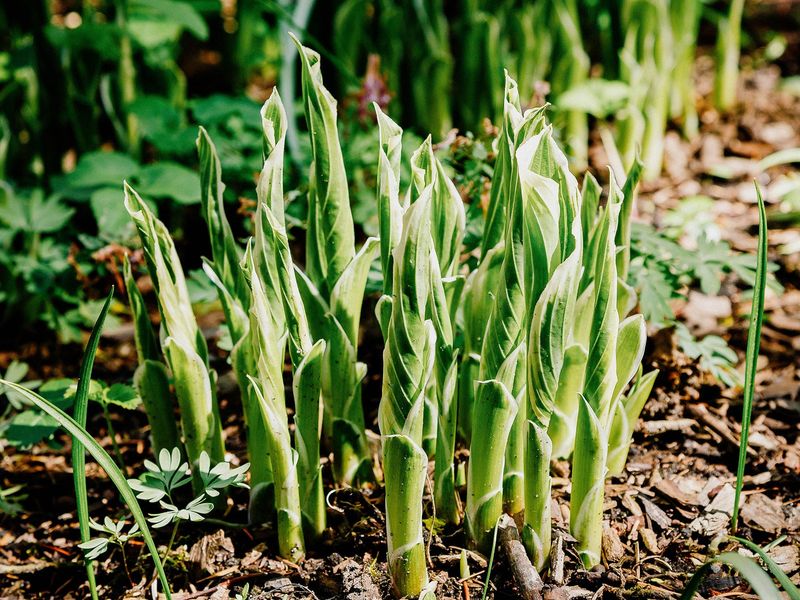
Hostas, daylilies, coreopsis, and ornamental grasses all share one thing in common in April: they send up new growth that is tender, soft, and easy to damage.
Covering those emerging shoots with mulch before they have had a chance to stand up and strengthen is a mistake that can slow development or cause the new growth to grow sideways as it tries to find its way to the light.
You might not notice the problem right away, but the plant will show the stress in the weeks that follow.
Early April is particularly risky because the soil is often still cold and perennial shoots can be just barely visible above the surface.
A two inch layer of mulch placed directly over those tiny emerging tips can trap them in darkness and reduce their access to the warmth they need to grow.
The result is often weaker, leggier growth that takes longer to fill out and may never quite reach the size or fullness you would expect from a healthy plant.
Waiting until perennial shoots are at least three to four inches tall before applying any mulch gives the plants enough room and light to establish properly.
Mid to late April is typically the right window for most perennial beds in central and southern Ohio, while northern Ohio gardeners may want to wait until early May.
Once the plants are clearly up and growing with good color and structure, a two inch layer of shredded mulch applied carefully around but not over the crowns delivers all the moisture and weed control benefits without any of the drawbacks.