5 Fruit Trees Georgia Gardeners Can Trim In March And 3 To Skip For Now
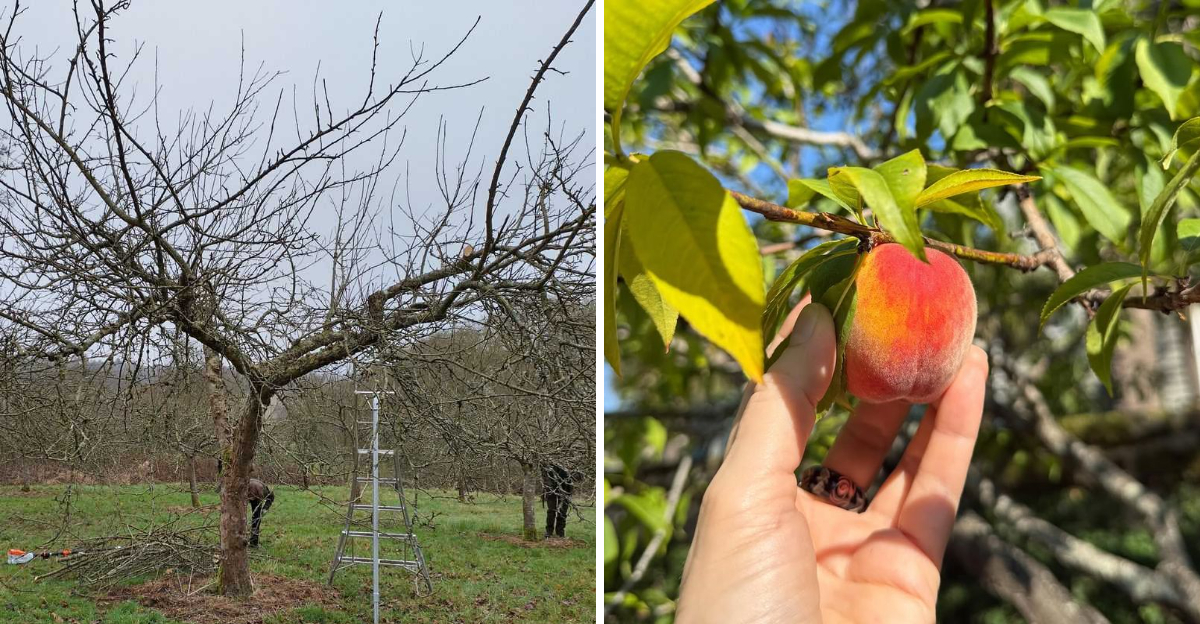
Some fruit trees in Georgia still respond well to pruning in March, while others are better left alone for now. As temperatures begin to warm and buds start swelling, the timing of those cuts matters more than many gardeners realize.
Pruning the right trees this month can help improve airflow, shape the canopy, and encourage stronger growth as the season moves forward. But cutting at the wrong time can reduce fruit production or leave trees more vulnerable to disease.
That is why knowing which fruit trees are safe to trim right now and which ones should wait a little longer can make a big difference in how they perform later in the year.
A few well-timed cuts can set certain trees up for a healthier growing season, while patience with others helps protect the blooms and fruit that are just beginning to form in Georgia gardens.
1. Apple Trees Are Usually Trimmed In Late Winter Before Strong Spring Growth
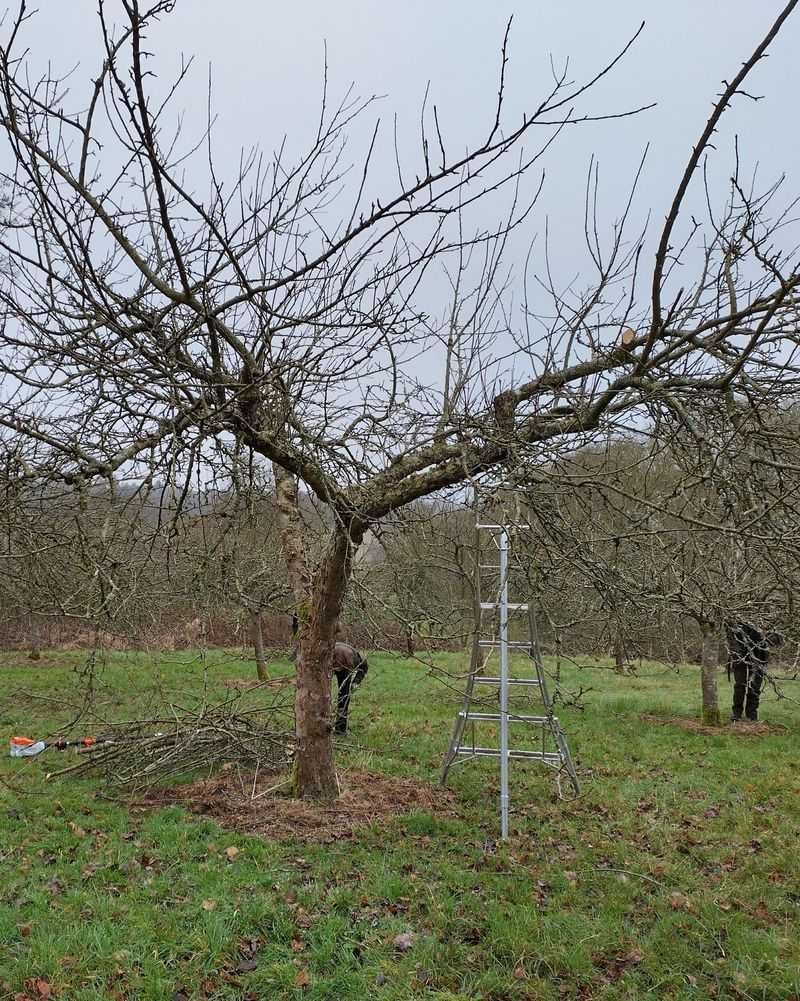
Apple trees in Georgia are some of the most forgiving when it comes to late-winter pruning, but that window does not stay open forever. Right now in March, you can still get in there and clean things up before the tree puts serious energy into new growth.
If you wait too long, you risk redirecting resources the tree is already sending to new buds.
Start by removing anything that looks damaged, broken, or rubbing against another branch. Crossing branches are a real problem inside an apple canopy because they trap moisture and block airflow, which invites fungal trouble later in the season.
Work your way from the bottom of the tree upward and keep stepping back to look at the shape as you go.
Aim for an open center or a modified central leader structure, depending on the variety you are growing. Varieties like Fuji and Gala do well in Georgia and respond nicely to annual pruning.
Sharp, clean tools matter a lot here. Dull blades tear bark instead of cutting cleanly, and rough wounds heal slower.
A dry day is the best time to prune in Georgia because wet conditions can spread fire blight fast. Keep cuts angled slightly so water runs off rather than pooling on the wound.
This simple step now helps the tree put its energy into stronger branches, better airflow, and a healthier crop once the growing season fully begins in Georgia.
2. Pear Trees Respond Well To Late Winter Pruning Before Buds Open
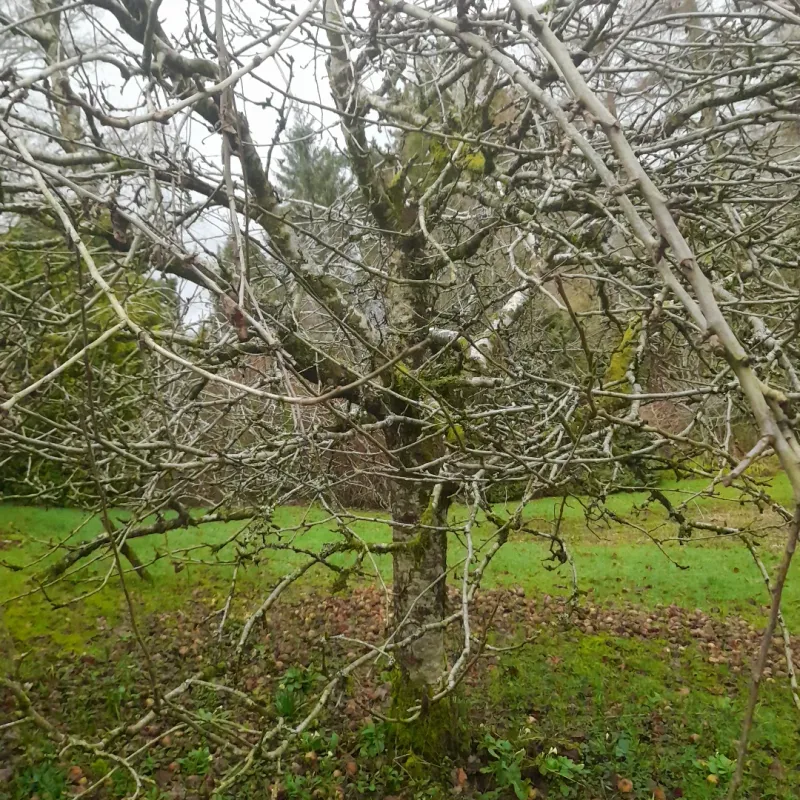
Pear trees have a bit of a reputation in Georgia for being stubborn about fire blight, and honestly, the way you prune them either helps or hurts that situation a lot. Getting your cuts in before the buds fully open is the smart move.
Once bloom starts, any wound you make becomes a potential entry point for that disease.
Bartlett and Kieffer pears both grow well across Georgia, but Kieffer tends to handle the heat and humidity a bit better.
Whichever variety you have, the pruning goal is pretty similar: open up the canopy so sunlight can reach inner branches and air can move through freely.
Your Georgia Garden Changes Every Week. Your Plan Should Too.
Gardening in Georgia changes quickly throughout the season. Every Friday you’ll receive a simple weekly plan showing exactly what to plant, prune, fertilize, harvest, and protect so you never miss the right timing.
Dense canopies are basically an invitation for problems.
Remove any water sprouts shooting straight up from main branches. Those vertical shoots waste the tree’s energy and almost never produce fruit worth keeping.
Thin out crowded areas and take off any branches growing back toward the trunk. When you make cuts, wipe your pruning blades with a diluted bleach solution between trees, especially if fire blight was an issue last year.
Sterilizing your tools takes maybe thirty extra seconds and can save your whole tree. Georgia gardeners who skip this step sometimes regret it by June when they notice the telltale shepherd’s crook on new growth.
Also avoid heavy pruning in one session, because removing too much growth at once can stress pear trees and make them even more vulnerable to disease in Georgia’s warm, humid climate.
Choose a dry day for pruning whenever possible, since wet conditions make it easier for fire blight bacteria to spread through fresh cuts and infect nearby branches.
3. Fig Trees Can Be Lightly Trimmed In Early Spring To Shape Growth
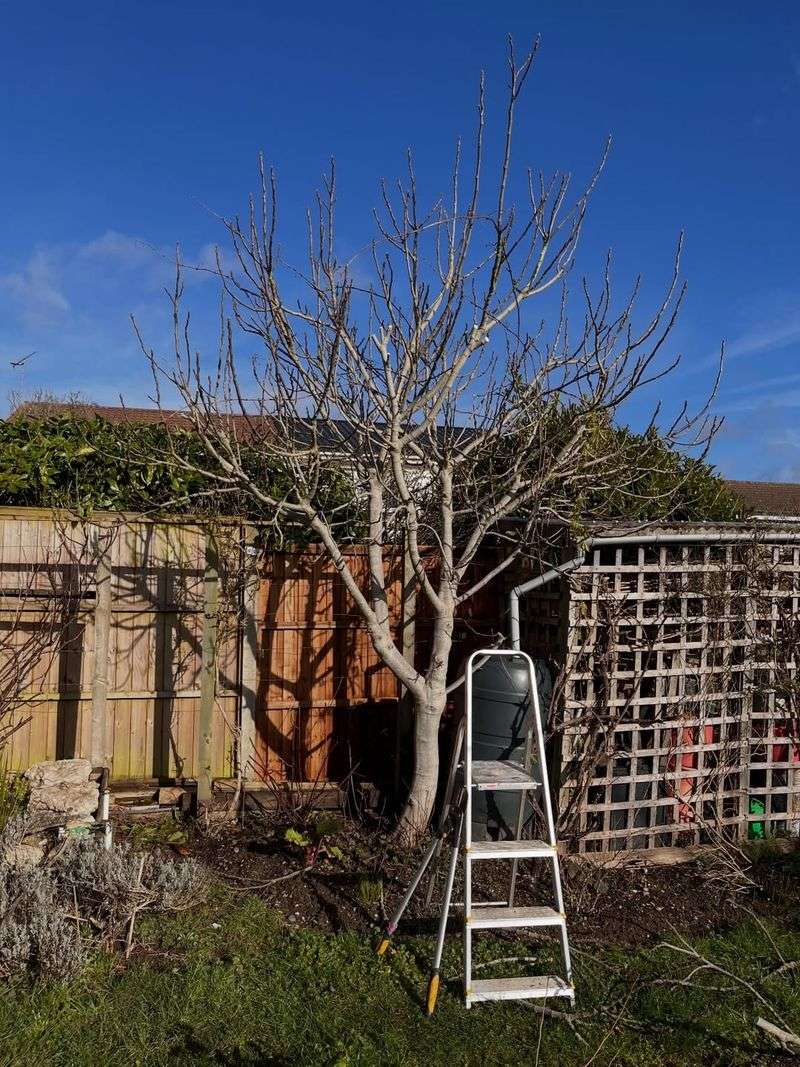
Figs are tough. Walk around almost any older Georgia neighborhood and you will find a fig tree growing in someone’s side yard that has been ignored for years and still produces a solid crop every summer.
That said, a little shaping in early spring keeps things manageable and can actually improve your harvest.
March is a reasonable time to trim a fig in Georgia because the tree is still mostly dormant but starting to wake up. You can see the structure clearly without leaves in the way, which makes it easier to decide what to remove.
Light is the key word here. Figs do not need heavy annual pruning the way apples or pears do.
Focus on removing any branches that got damaged over winter, anything crossing through the center of the tree, and any suckers coming up from the base. Suckers pull energy away from the main trunk and rarely produce well.
If your fig is getting too tall to harvest comfortably, this is also a good time to head back the tallest branches to a manageable height.
Brown Turkey and Celeste are the two most popular varieties in Georgia, and both handle light spring trimming without skipping a beat.
Just avoid cutting into old wood too aggressively because figs fruit on the previous season’s wood.
4. Persimmon Trees Handle Late Winter Pruning Before New Leaves Appear
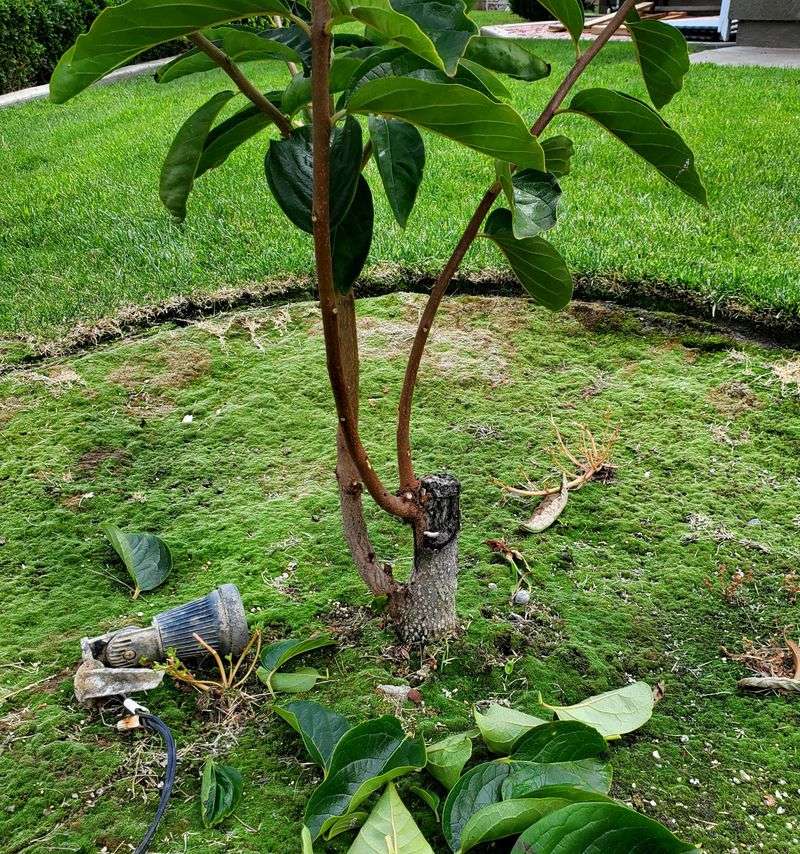
Persimmons are wildly underrated in Georgia gardens. Fuyu and Hachiya both produce reliably in the Georgia climate, and the trees are honestly pretty low-drama once they get going.
But even easygoing trees benefit from some attention before spring kicks off.
Late winter is the right time to prune persimmons here in Georgia, and March still qualifies as long as the buds have not started pushing out new leaves yet.
The tree structure is completely visible this time of year, which makes it easier to identify what actually needs to come off.
Persimmons tend to grow in a naturally good shape, so you are mostly editing rather than overhauling.
Persimmons do not need heavy thinning every year, but clearing out congested areas every couple of seasons keeps fruit size up and reduces the chance of disease moving in.
One thing to watch for is alternate bearing, where the tree produces heavily one year and lightly the next.
Thinning some of the fruiting wood during pruning can help even that out over time. Use clean, sharp tools and avoid leaving stubs, which can become entry points for pests.
In Georgia’s warm, humid summers, small wounds left open invite trouble quickly.
5. Pomegranate Trees Can Be Shaped In Late Winter Or Early Spring
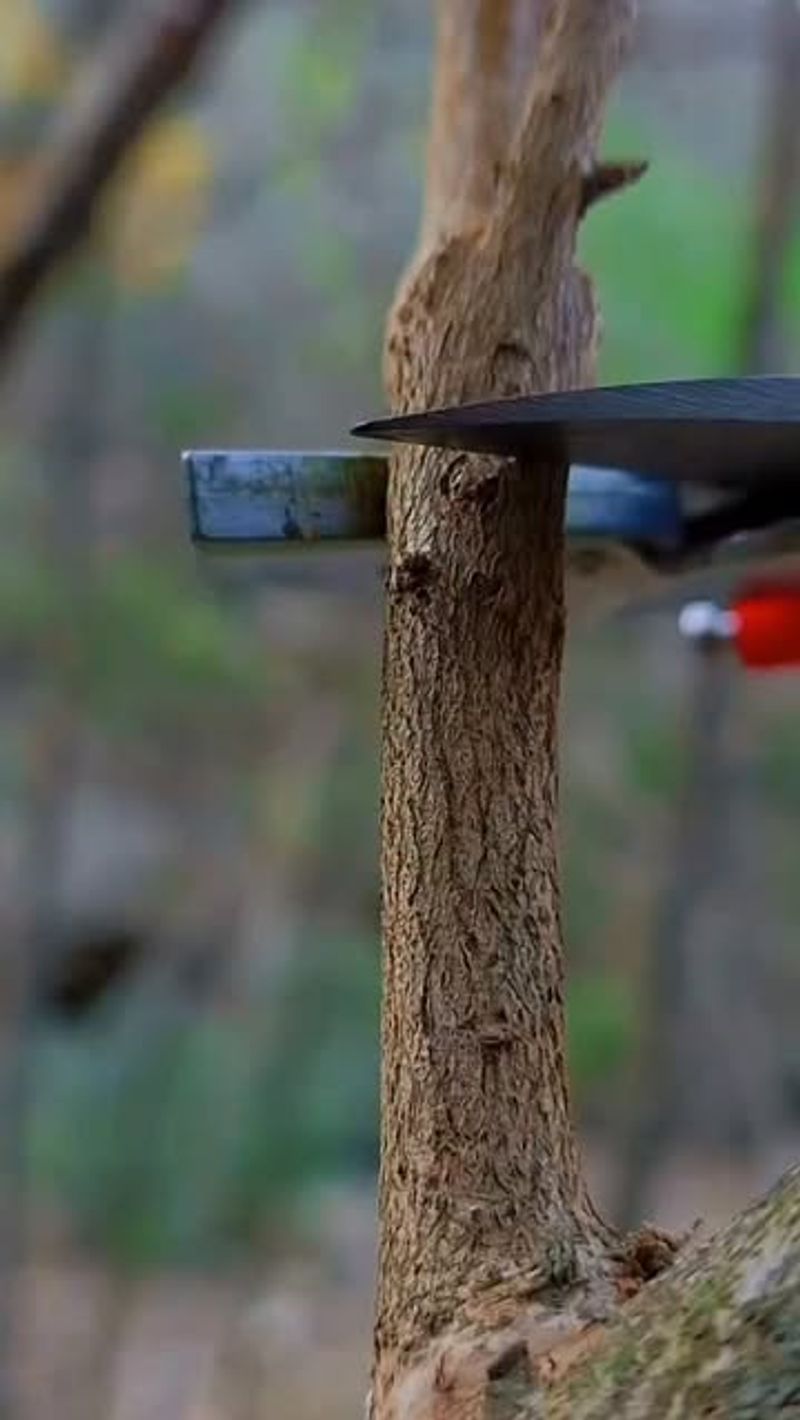
Pomegranates thrive in Georgia’s long, hot summers, and they have become a favorite in home gardens across the state. If you have one in your yard, late winter to early spring is the right window to clean it up and set it up for a productive season.
Right now in March, you have got a solid opportunity before new growth takes off.
Pomegranates can grow as a multi-stem shrub or be trained into a single-trunk tree. Either way, the pruning approach is similar: remove suckers from the base, thin out crowded stems, and cut back any branches that got frost damage over winter.
Georgia winters are usually mild, but occasional cold snaps can still tip damage some of the outer growth on pomegranates.
Shaping is mostly about keeping the plant at a height you can manage and making sure sunlight gets into the interior. Pomegranates fruit on new growth, so removing older, unproductive wood encourages fresh shoots that will carry fruit this season.
Do not go overboard though. Removing more than about a third of the plant at once stresses it and can reduce flowering.
Wonderful is one of the most popular pomegranate varieties planted in Georgia, and it responds well to annual light shaping. Keep your cuts clean and your tools sharp for best results.
6. Peach Trees Are Best Trimmed Earlier In Late Winter Before Buds Swell
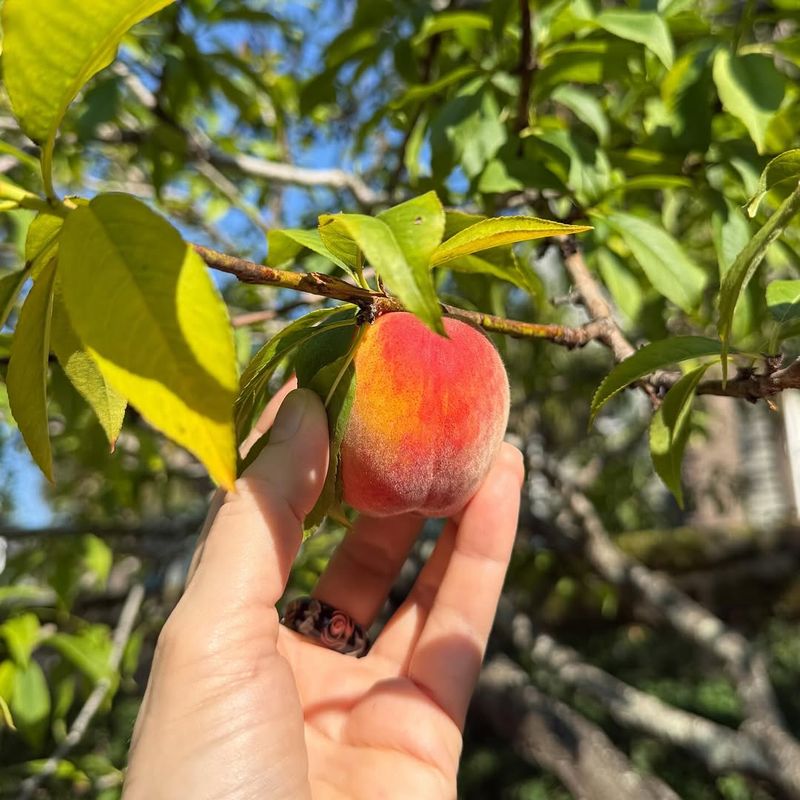
Peaches are Georgia’s most iconic fruit tree, but here is the honest truth: if you are just now thinking about pruning your peach tree in March, you are probably already a little late. Peach trees in Georgia want to be pruned in late January or February, before the buds start swelling.
Once you see pink, the clock is ticking.
Pruning too late in the season pushes the tree to heal wounds while it is also trying to push out flowers and new leaves, which splits its energy at a critical moment.
Late pruning can also leave wounds open longer during warm, wet spring weather, which is exactly when fungal diseases like brown rot and bacterial spot are most active in Georgia.
If your peach buds are already starting to show color, hold off on any major cuts.
Mark your calendar for late January and plan to get out there before Valentine’s Day if possible. Georgia gardeners who nail the timing on peach pruning consistently get better fruit size and fewer disease problems through the season.
Varieties like Elberta and Contender are popular here, and both reward early pruning with a noticeably stronger crop come summer.
7. Cherry Trees Are Often Pruned After Harvest Or In Summer
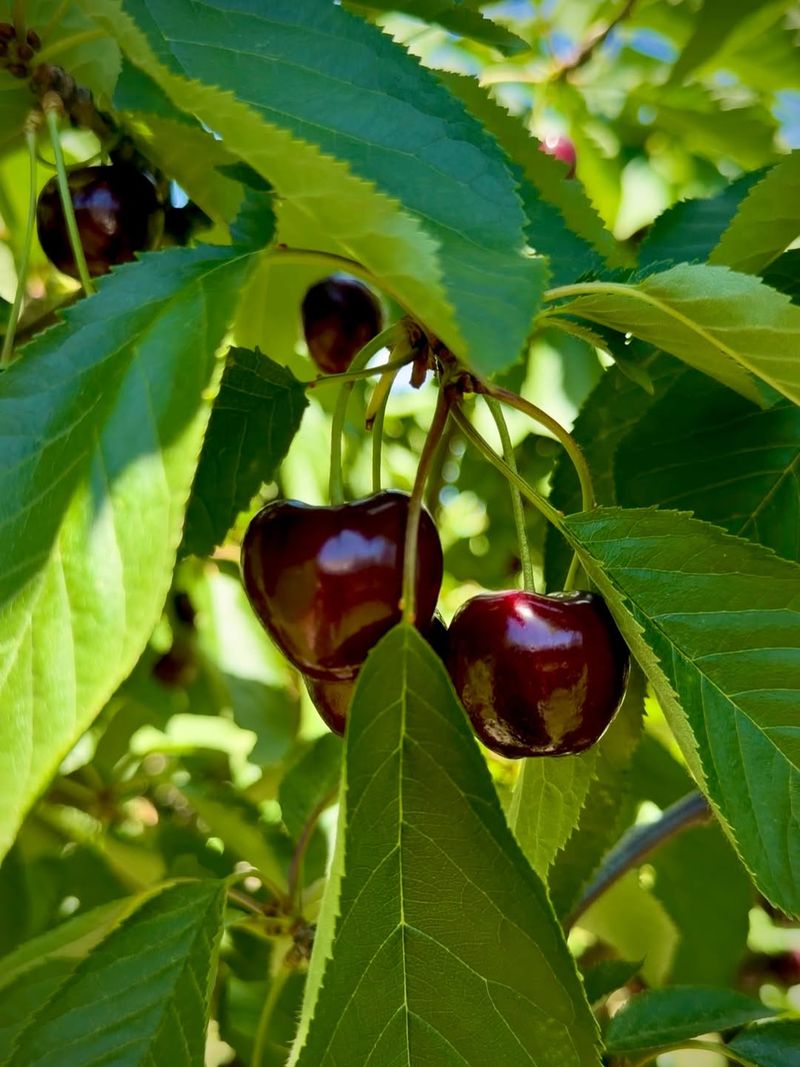
Cherry trees are a bit of a special case in Georgia. Sweet cherries struggle in most parts of the state because they need more winter chill hours than Georgia typically delivers.
Sour cherries and certain low-chill varieties like Minnie Royal and Royal Lee are better suited to Georgia conditions, but even those need to be handled carefully when it comes to pruning timing.
Skipping cherry pruning in March is the right call. Stone fruit trees, which include cherries, are more vulnerable to fungal diseases like silver leaf when cuts are made during cool, wet spring weather.
Open wounds heal much more slowly in early spring than they do in summer when the tree is actively growing and its defenses are fully engaged.
Wait until after harvest, which usually happens in late spring or early summer in Georgia, and then do your shaping. Summer pruning on cherries is actually a well-established practice among experienced growers because the wounds callus over faster and disease pressure is lower.
Keep the canopy open so air circulates well, remove any damaged or crossing branches, and avoid taking off more than about a quarter of the tree at once.
If your cherry tree has any signs of disease going into spring, mark those branches now so you know exactly what to address once the timing is right.
8. Plum Trees Are Commonly Trimmed After Flowering Or Later In The Season
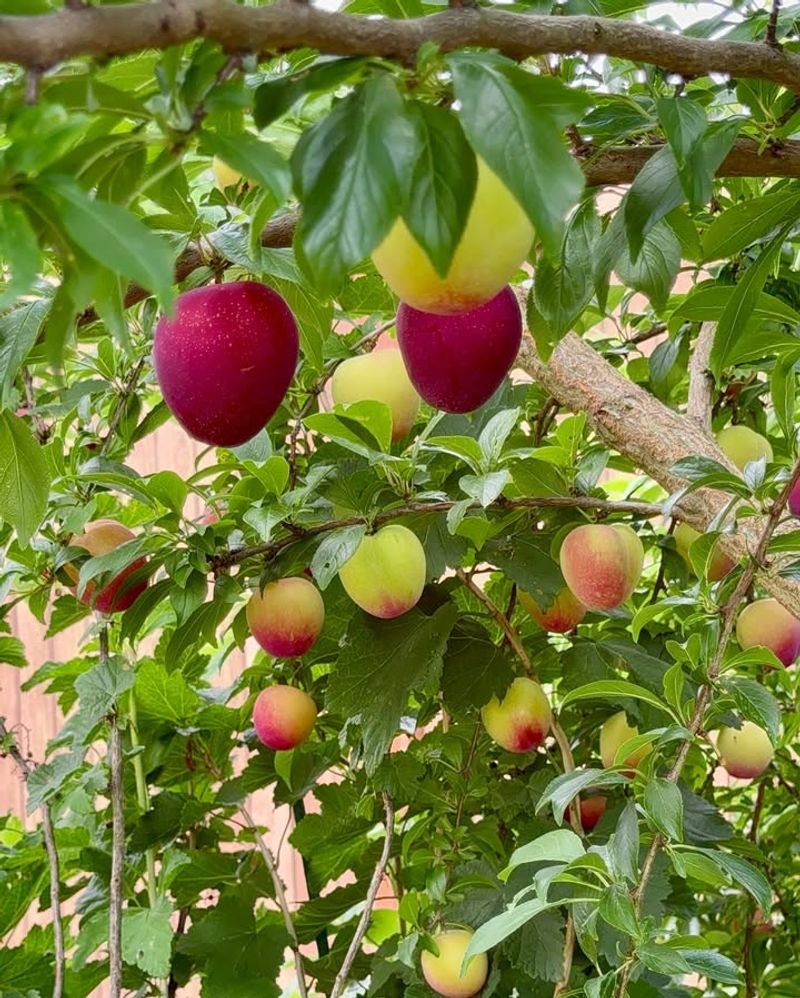
Plum trees bloom early and fast in Georgia, sometimes as early as late February, which means by the time March arrives the flowers are often already open or past their peak.
Pruning while a plum tree is in bloom is not ideal because you end up cutting off potential fruit before it even has a chance to set.
Beyond the bloom timing issue, plums face the same disease vulnerability as other stone fruits when pruned in cool, damp spring conditions.
Silver leaf fungus and bacterial canker are both more likely to take hold through fresh wounds made during wet weather, and Georgia’s spring can be pretty unpredictable with rain.
Waiting until after flowering and fruit set is the safer approach.
Once the fruit has set and the tree moves into its active growing phase, you can go in and do light shaping without much risk. Remove any branches that are crowded, crossing, or pointing back into the center of the tree.
Plums fruit on both one-year-old wood and older spurs, so avoid removing too much of last year’s growth. Japanese plum varieties like Methley and Bruce do well across Georgia and tend to be more forgiving than European types in the heat.
Save the heavy structural work for late summer or fall after the tree has finished fruiting for the season.