What To Do With Dormant Plants In Early Spring In North Carolina
After months of chilly mornings and quiet gardens, there’s a certain satisfaction in spotting the first hints of life pushing through the soil. For many North Carolina gardeners, early spring is a gentle reminder that the growing season is about to kick into gear.
It’s the time when dormant plants are quietly waiting, and a little attention now can pay off in full blooms and robust growth later.
Dormant plants may not look like much yet, but they hold all the potential for a lively garden.
Knowing which shrubs to prune, which perennials to divide, and how to protect tender roots from late cold snaps can make the difference between a slow start and a garden that bursts with color.
Getting it right now sets the stage for weeks of flowers, foliage, and fresh growth. Simple steps taken today will have your garden thriving when warmer days arrive.
1. Assess Dormant Plant Health In Early Spring
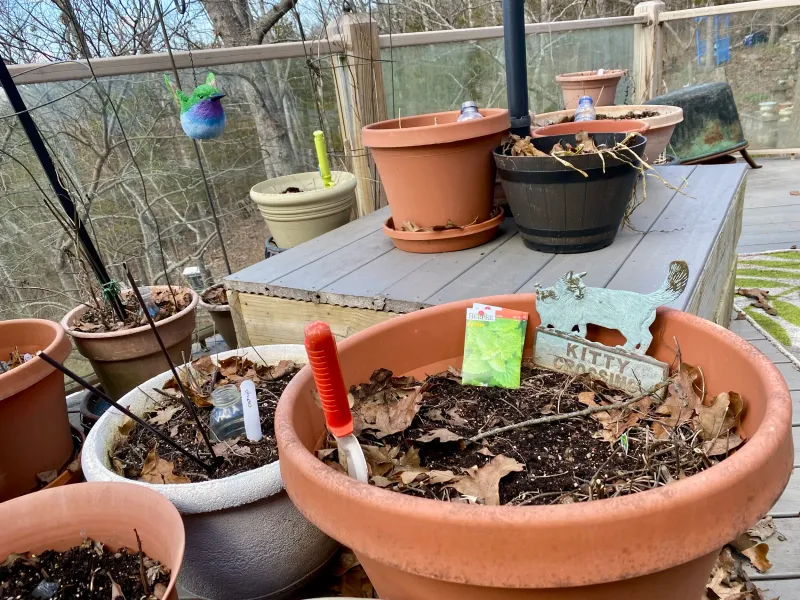
Walking through your garden in early spring can feel like a treasure hunt. You never quite know what survived the winter until you get up close and start looking.
In North Carolina, late winter can bring unpredictable cold snaps, so checking on your dormant plants before they fully wake up is one of the smartest moves you can make.
Start by gently scratching the bark on a branch with your fingernail. If the layer underneath is green and moist, that branch is alive and well.
A brown or dry layer beneath the bark means that part of the plant may not bounce back, and you will want to note which areas need attention before new growth kicks in.
Look for signs of pest damage, fungal issues, or physical injuries like broken branches from winter storms. North Carolina winters can be rough on plants, especially in the Piedmont and mountain regions where temperatures drop more severely.
Catching problems early gives you the best chance to address them before they spread.
Check the soil around your plants too. If the ground is waterlogged or poorly draining, roots may have suffered during the cold months.
Compacted soil can slow down spring growth, so loosening it gently around the base of plants can help. Take notes as you go through your garden.
Keeping a simple record of which plants look healthy and which need extra care helps you plan your spring gardening tasks more efficiently and keeps your North Carolina garden thriving season after season.
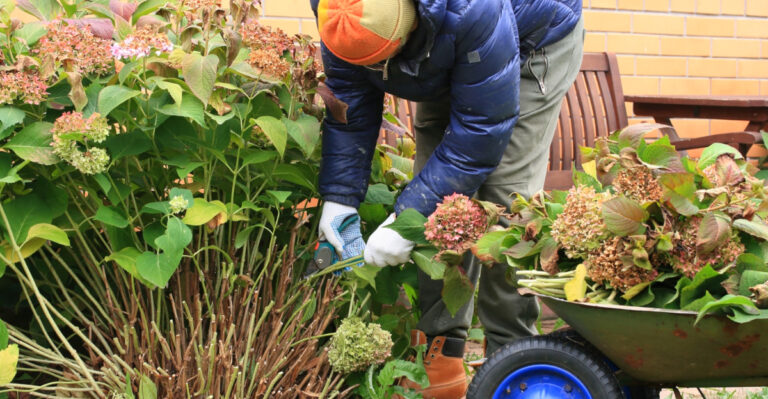
2. Prune Dormant Trees And Shrubs For Stronger Spring Growth

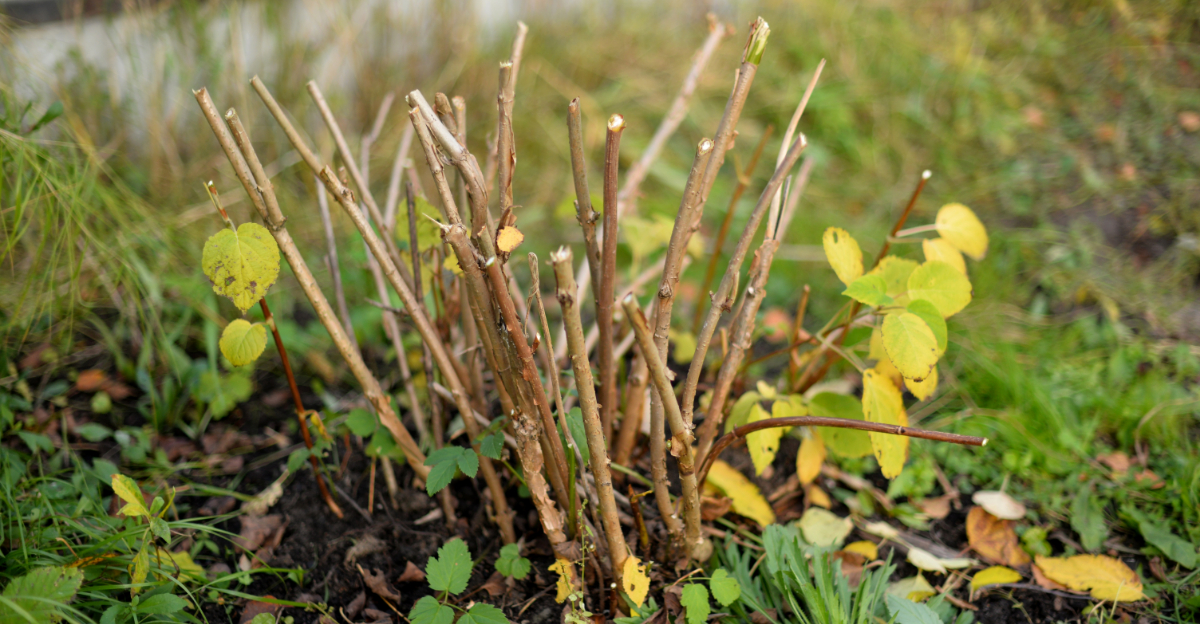
Timing really is everything when it comes to pruning. Late winter through early spring is widely considered the sweet spot for cutting back many trees and shrubs in North Carolina.
Plants are still dormant, which means less stress on them and a much clearer view of the branch structure since leaves have not yet appeared.
Pruning at this time allows you to remove damaged or crossing branches before the plant puts energy into new growth. When you clean up a tree or shrub before it leafs out, you are essentially redirecting its energy toward healthy, productive branches.
Your North Carolina Garden Changes Every Week. Your Plan Should Too.
Gardening in North Carolina changes quickly throughout the season. Every Friday you’ll receive a simple weekly plan showing exactly what to plant, prune, fertilize, harvest, and protect so you never miss the right timing.
The result is stronger growth, better shape, and improved airflow through the canopy, which helps reduce fungal issues down the line.
North Carolina cooperative extension experts recommend waiting until the coldest part of winter has passed before making your cuts. For most of the state, that window falls somewhere between late February and mid-March, depending on your region.
Coastal areas may be ready a little earlier, while mountain gardeners might need to wait a bit longer.
Always use clean, sharp tools when pruning. Dull blades can crush stems instead of cutting cleanly, which makes it harder for the plant to heal.
Wipe your blades with rubbing alcohol between plants to avoid spreading any diseases. Focus your cuts just above a healthy bud or branch junction, and avoid leaving long stubs.
A little careful pruning now can completely transform how your trees and shrubs look and perform throughout the rest of the growing season in North Carolina.
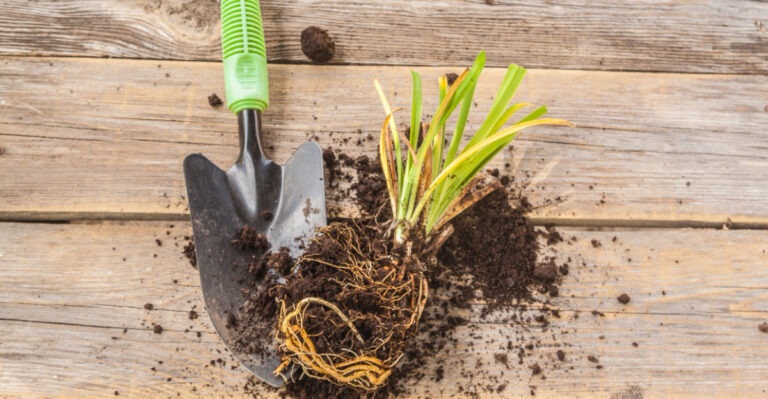
3. Divide And Replant Overcrowded Perennials

Some plants just love to spread out, and after a few seasons, your once-tidy garden bed can start looking more like a tangle than a garden. Early spring is the perfect time to tackle overcrowded perennials before they put on new leaves.
Dividing them now gives each section room to breathe, grow, and really show off once the season gets going.
To divide a perennial, start by loosening the soil around the plant with a garden fork. Lift the entire clump out of the ground and set it on a flat surface.
Depending on the plant, you can pull sections apart by hand, use a sharp spade, or cut through the root mass with a clean blade. Each division should have a healthy set of roots and at least a few growth points on top.
Replant your divisions right away so the roots do not dry out. Water them in well and add a thin layer of mulch to help hold moisture while they settle in.
North Carolina perennials like hostas, black-eyed Susans, daylilies, and ornamental grasses all respond beautifully to early spring division. You can also share extra divisions with neighbors or plant them in other spots around your yard.
Beyond giving plants more space, division actually encourages more vigorous blooming. Older, crowded clumps tend to flower less over time.
Breaking them up and replanting rejuvenates the root system and often leads to more blooms by summer. It is one of those simple tasks that pays off in a big, colorful way across North Carolina gardens.
4. Mulch Around Dormant Plants To Protect Roots
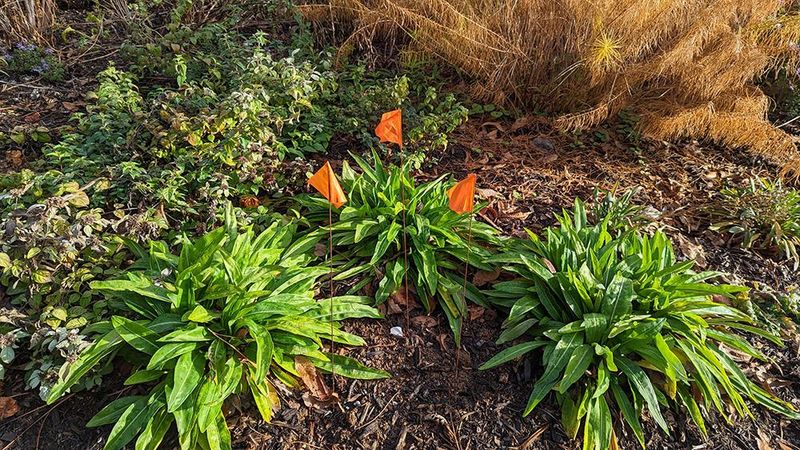
Mulch might be the most underrated tool in a gardener’s toolkit. A good layer of mulch around your dormant plants does so much more than make your garden beds look tidy.
It helps regulate soil temperature, holds in moisture, and keeps weeds from taking over before your plants have a chance to establish themselves in spring.
In North Carolina, early spring temperatures can swing wildly from warm afternoons to frosty nights. That kind of fluctuation can stress plant roots, especially on plants that are just starting to wake up.
A two to three inch layer of mulch acts as a buffer, keeping the soil temperature more consistent and giving roots a stable environment to grow into.
Wait until the soil has warmed up slightly before applying fresh mulch. Putting it down too early when the ground is still cold can actually trap cold temperatures in the soil and slow down root activity.
A good rule of thumb is to wait until daytime temperatures are consistently reaching the mid-50s Fahrenheit before mulching heavily.
Organic mulches like shredded hardwood, pine straw, or compost work especially well in North Carolina gardens. Pine straw is a regional favorite and works beautifully around acid-loving plants like azaleas, camellias, and blueberries.
Avoid piling mulch directly against plant stems or tree trunks, which can trap moisture and lead to rot. Pull it back a few inches from the base of each plant.
Done right, mulching is one of the easiest and most effective things you can do for dormant plants in early spring.
5. Leave Some Stems Standing To Support Pollinators And Wildlife

Not everything in your garden needs to be cut back the moment spring arrives. Leaving some stems standing through early spring is actually one of the most beneficial things you can do for your local ecosystem.
Native bees, beetles, and other beneficial insects often spend the winter tucked inside hollow or pithy stems, so cutting some stems too early may reduce available shelter for these garden allies.
North Carolina is home to hundreds of native bee species, many of which are solitary and nest in plant material rather than hives. Stems from plants like Joe Pye weed, black-eyed Susans, and native grasses provide ideal overwintering spots for these insects.
When you leave those stems in place until temperatures are consistently warm, you give those beneficial creatures a chance to emerge on their own schedule.
Birds can benefit from standing plant material in early spring, as seed heads from coneflowers, sunflowers, and ornamental grasses offer a supplemental food source before other food becomes more abundant. Watching birds feed in your garden is a bonus reward for practicing this more relaxed approach to spring cleanup.
A tidy garden is wonderful, but a garden that supports wildlife is even better. You do not have to leave everything standing.
Pick a few spots or specific plant species to leave alone, and cut back the rest. This balanced approach keeps your North Carolina garden looking intentional while still offering real support to the pollinators and wildlife that make your outdoor space come alive each spring season.
6. Plant Bare-Root Trees And Shrubs While Dormant
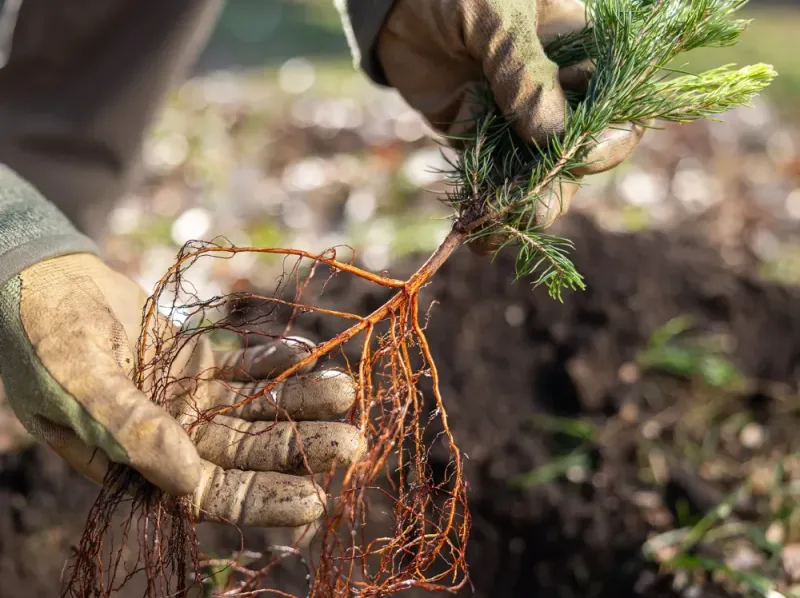
Bare-root planting is one of those old-school gardening techniques that still delivers fantastic results. Early spring, while trees and shrubs are still dormant, is one of the best times to plant bare-root stock in North Carolina.
The plants have no leaves yet, which means they are not losing moisture through their foliage while their roots are getting established in new soil.
Bare-root trees and shrubs are sold without soil around their roots, usually wrapped in moist material or packed in sawdust. They often cost less than container-grown plants, and research indicates that, when planted at the right time, bare-root stock can establish as well as container-grown plants.
You can find bare-root fruit trees, roses, berry bushes, and ornamental shrubs at many local nurseries and garden centers across North Carolina in late winter and early spring.
When you are ready to plant, soak the roots in a bucket of water for several hours before putting them in the ground. Dig a hole wide enough to spread the roots out naturally without bending or crowding them.
Set the plant so the graft union, the small knobby bump near the base of the stem, sits just above the soil line. Backfill with the original soil and water deeply.
Keep newly planted bare-root stock consistently moist through the first growing season. Mulching around the base helps retain moisture and keeps competing weeds at bay.
North Carolina gardeners who plant bare-root trees in early spring can see steady growth by summer, making it a valuable seasonal gardening task before the busy growing season begins.