Why May Is The Only Month North Carolina Gardeners Should Plant Butterfly Weed
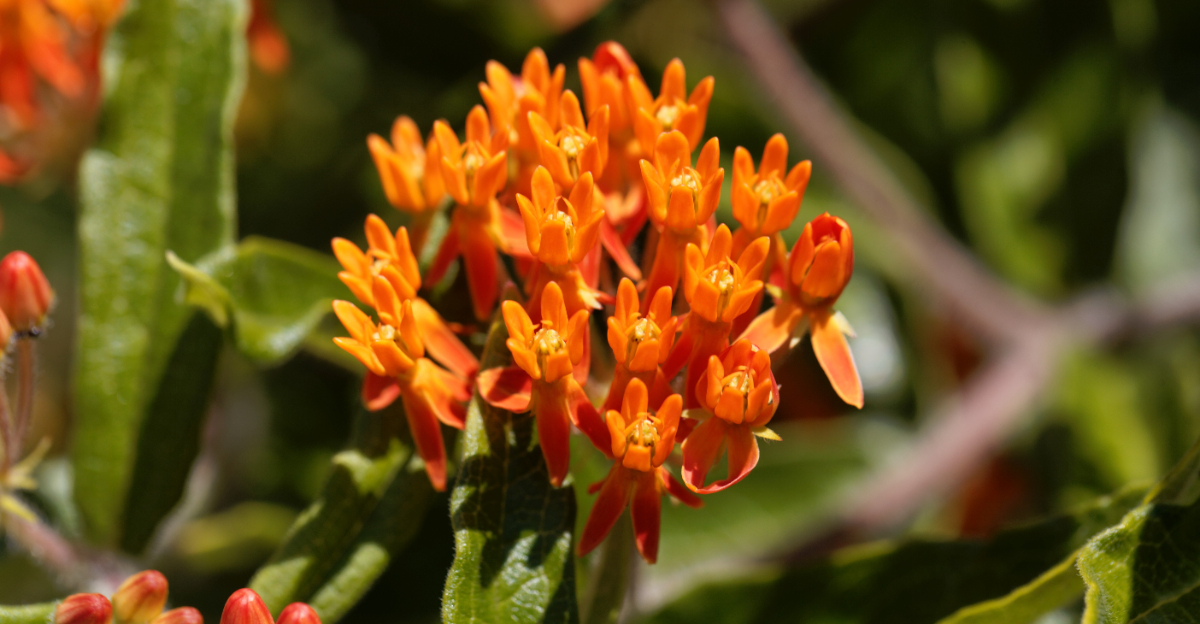
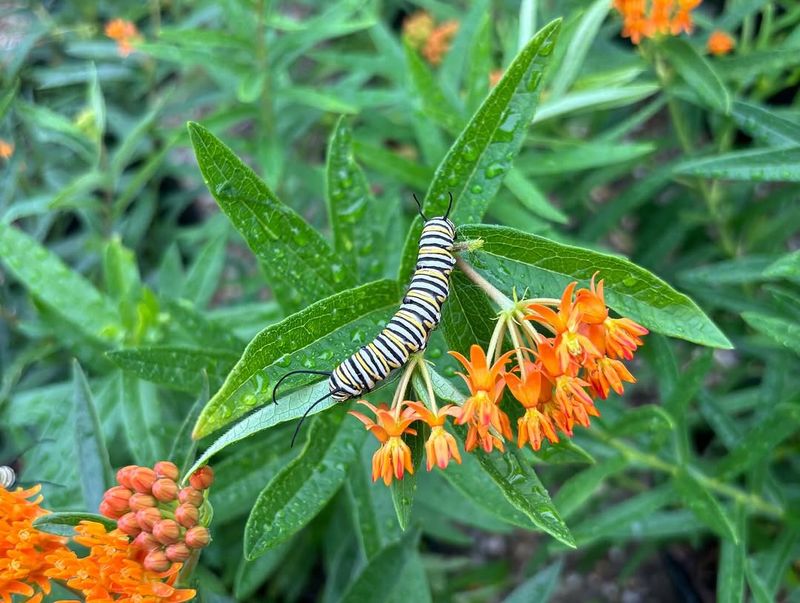
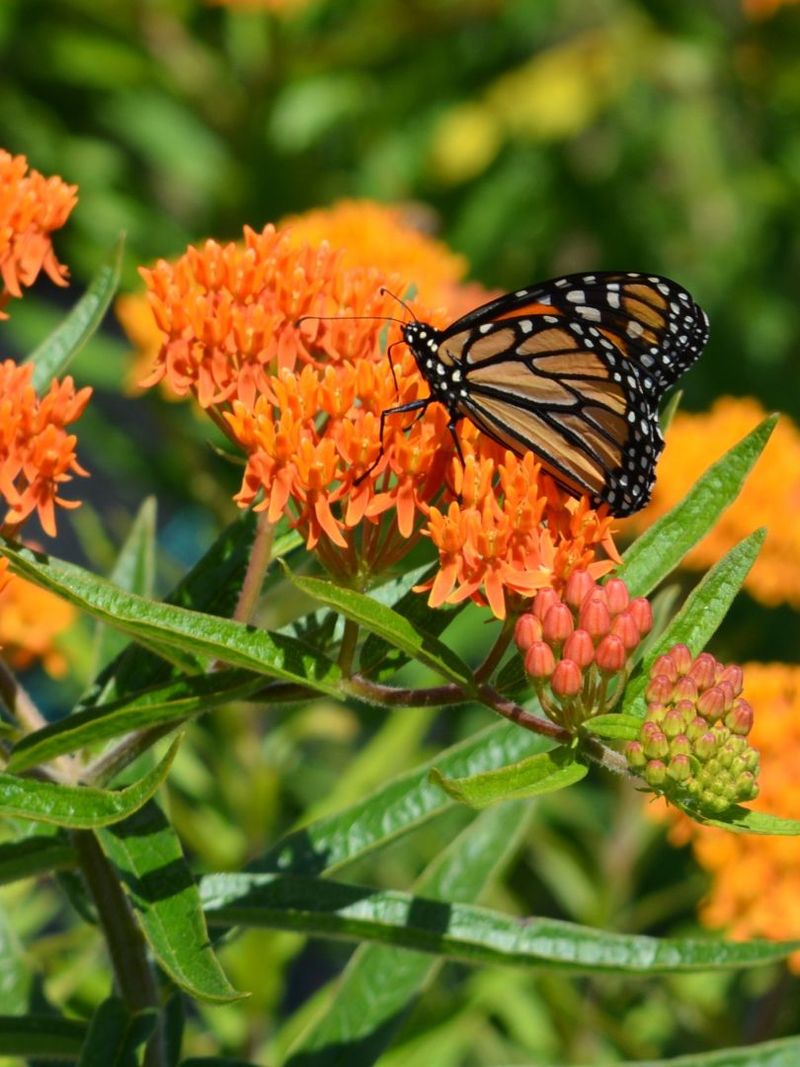
Butterfly weed gets talked about constantly in native plant circles, and for good reason. It is one of the most valuable plants a North Carolina gardener can put in the ground, feeding monarch butterflies, supporting native bees, and producing clusters of vivid orange flowers that look striking from across the yard.
What gets talked about far less is how particular this plant is about when it goes in the ground. North Carolina gardeners who have struggled with butterfly weed or watched it fail to establish almost always planted at the wrong time.
May stands apart from every other month on the calendar for this specific plant, and the reasons come down to soil temperature, root development, and the way butterfly weed responds to the transition between spring and summer in this climate.
Plant it in a different month and the odds shift against you in ways that are hard to reverse.
Get it in the ground during May and you give it exactly the window it needs to take hold and become one of the most reliable plants in your garden.
1. Butterfly Weed Needs Warm Soil To Establish Well
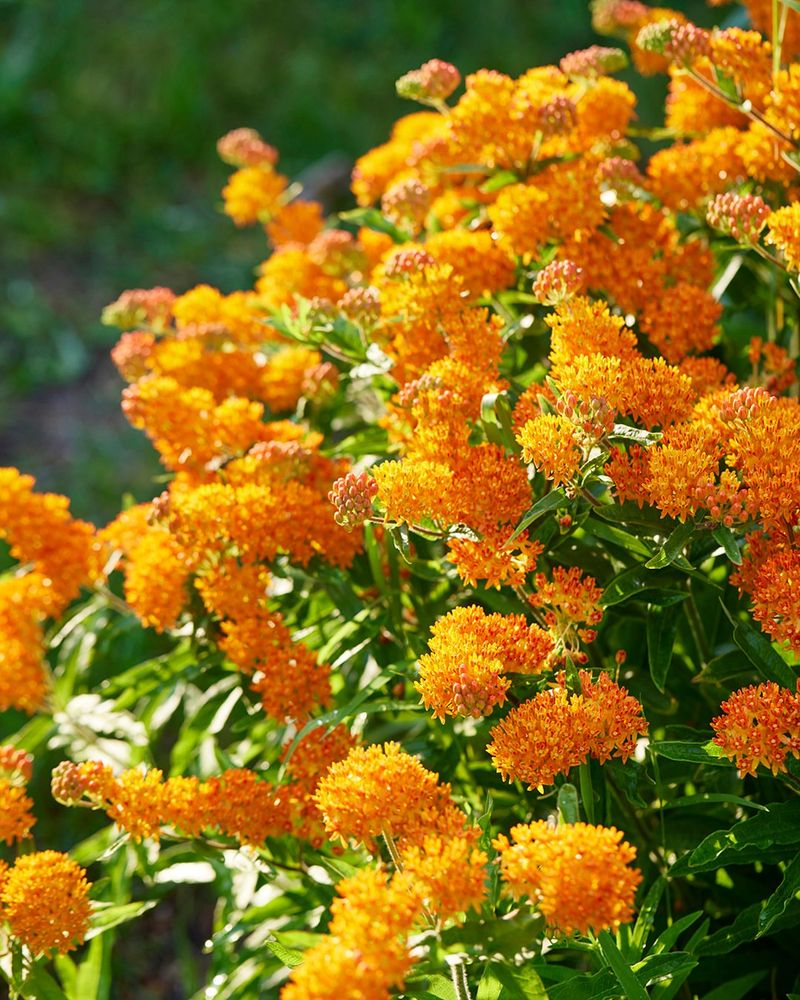
Soil temperature is something a lot of gardeners forget to think about, but butterfly weed pays close attention to it. Asclepias tuberosa is a native wildflower that evolved in the sandy, sun-baked soils of the American Southeast, including right here in North Carolina.
Its roots are built to respond to warmth, and when soil temps consistently hit 60 to 65 degrees Fahrenheit, the plant kicks into serious growth mode.
May is exactly when North Carolina soils reach that sweet range across most of the state. In the Piedmont and coastal plain, soils warm up reliably by early May.
Even the foothills start catching up by mid-month. That timing gives butterfly weed the warmth it craves right from the start, so roots can push deep quickly instead of sitting cold and stagnant in the ground.
Planting in March or early April might feel productive, but cool soil actually slows root activity and leaves transplants vulnerable. Warm soil in May signals the plant to establish fast, anchor itself firmly, and build the energy reserves it needs for a long, healthy life.
North Carolina gardeners who wait for May consistently report stronger first-year plants with better survival rates heading into their first summer season.
2. Late Frost Risk Is Mostly Gone By May
North Carolina gardeners know the frustration of a late frost sneaking in after you have already put plants in the ground. It happens more often than people expect, especially in the Piedmont and mountain regions where cold air can linger well into April.
Butterfly weed sends up tender new shoots in spring, and those young stems are surprisingly sensitive to hard freezes.
By May, the risk of a damaging frost drops dramatically across nearly all of North Carolina. The coastal plain sees its last frost dates in late March, while the Piedmont averages around mid-April.
Mountain communities can push into late April, but even there, May brings much more stable overnight temperatures. Waiting until May gives you a real safety net that earlier months simply cannot offer.
Your North Carolina Garden Changes Every Week. Your Plan Should Too.
Gardening in North Carolina changes quickly throughout the season. Every Friday you’ll receive a simple weekly plan showing exactly what to plant, prune, fertilize, harvest, and protect so you never miss the right timing.
A frost-damaged transplant does not always recover quickly. The plant burns energy trying to regrow damaged tissue instead of putting that energy into root development, which is the most important job in year one.
Protecting your investment by planting after frost season ends just makes good practical sense.
North Carolina gardeners who plant in May skip that whole gamble entirely and give their butterfly weed the cleanest, safest possible start in the garden without worrying about a sudden cold snap wiping out all their hard work overnight.
3. Spring Rainfall Supports Early Root Development
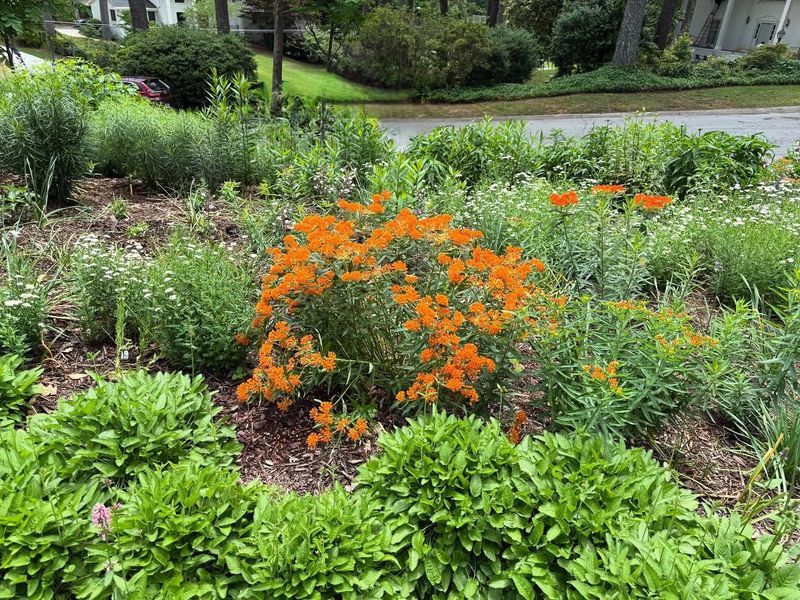
Water is everything when a plant is just getting its roots established, and May in North Carolina tends to deliver it at just the right time.
Statewide rainfall averages in May sit comfortably between four and five inches across most regions, which is enough to keep newly planted butterfly weed consistently moist without waterlogging the soil.
That balance is exactly what young roots need to spread and anchor. Midsummer planting comes with a very different challenge. July and August in North Carolina can be brutally dry, and supplemental watering becomes a constant chore.
Young butterfly weed transplants struggle badly under heat and drought stress, especially when their root systems have not had time to reach deep into the soil profile.
May planting sidesteps all of that pressure by giving roots weeks to establish before the real summer heat arrives.
Here is a fun fact worth knowing: butterfly weed is drought-tolerant once established, but it absolutely needs reliable moisture during its first few weeks in the ground.
May rainfall in North Carolina provides that window naturally, reducing how much you need to babysit the garden with a hose.
Gardeners in the Piedmont especially benefit from May showers that keep new transplants hydrated while temperatures stay manageable and comfortable for both plants and the people tending them.
4. The Taproot Gets A Full Season To Grow Deep

One of the most fascinating things about butterfly weed is what happens underground. Unlike many garden plants that spread through fibrous roots or runners, butterfly weed grows a single, thick taproot that pushes straight down into the soil.
That taproot is the plant’s lifeline, storing water and nutrients that fuel growth year after year. The deeper it goes, the more resilient the plant becomes.
Planting in May gives that taproot the longest possible growing season before North Carolina winters arrive. From May through October, the plant has roughly five to six months of active growth to push its root deep into the soil.
That is a significant head start compared to a late summer or fall planting, where the root barely has time to get going before cooler temperatures slow everything down.
Here is why this matters so much: butterfly weed strongly dislikes being moved or disturbed once it is established. A deep, well-anchored taproot is what makes it a long-lived perennial that comes back bigger and better every single year.
Gardeners in North Carolina who plant in May are essentially setting the plant up for a decade or more of reliable performance.
Give the taproot the full growing season it needs, and butterfly weed will reward you with stunning orange blooms for many summers to come.
5. Summer Heat Makes Transplanting Much Harder
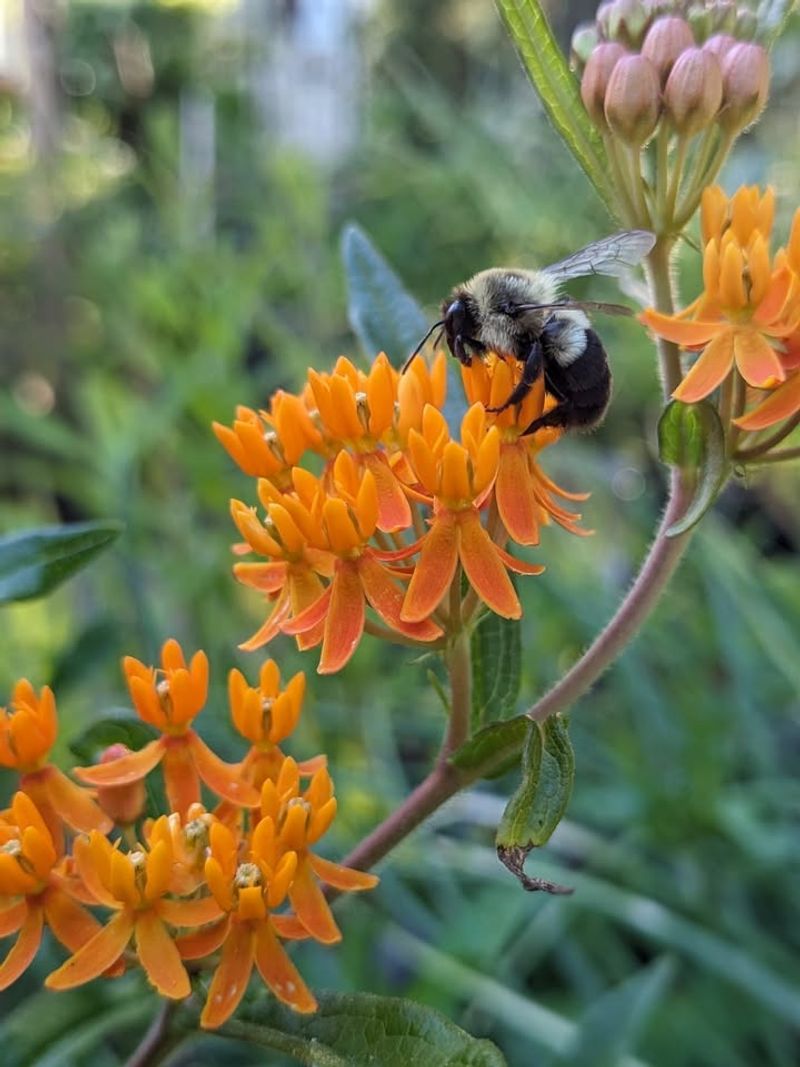
Planting anything in a North Carolina July is a test of patience and persistence. Temperatures regularly climb into the low 90s, humidity hangs heavy, and the soil dries out fast between rain events.
Established plants handle these conditions well, but newly transplanted butterfly weed is in a completely different situation. Its root system is still small, its water uptake is limited, and the heat puts enormous stress on every part of the plant.
Summer-planted butterfly weed often looks rough for weeks after going in the ground. Leaves curl, stems droop, and flowering gets delayed or skipped entirely in the first season.
Even with diligent watering, the plant is spending most of its energy just surviving rather than growing. That kind of stress in year one can weaken the plant for years afterward, reducing how well it performs down the road.
May planting completely avoids this problem. By the time the serious heat of summer arrives in North Carolina, a May-planted butterfly weed already has weeks of root growth behind it.
The taproot has pushed deep enough to access moisture below the dry surface layer, and the plant has built enough energy reserves to handle the heat confidently.
Choosing May over July is simply working smarter, not harder, and your butterfly weed will absolutely show the difference come midsummer bloom time.
6. Fall Planting Is Risky In Colder Parts Of North Carolina
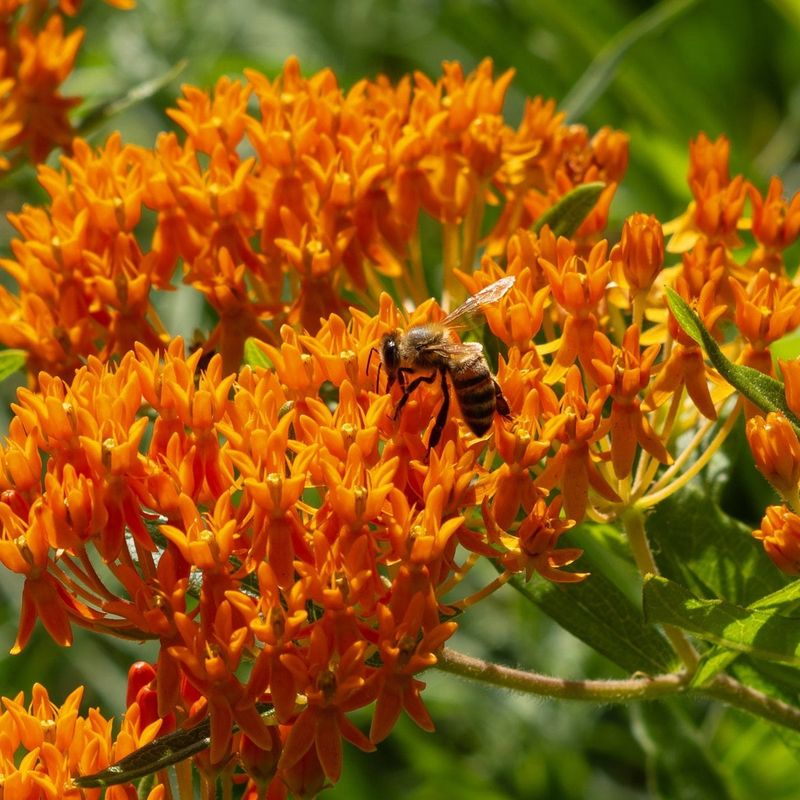
North Carolina is not just one climate. The coastal plain, the Piedmont, and the mountain regions all behave very differently when fall arrives, and that variation matters a lot for butterfly weed planting success.
In the western mountains, temperatures can drop sharply as early as September, leaving very little time for a fall-planted transplant to build the root system it needs to survive the cold months ahead.
Butterfly weed goes dormant in winter, but that does not mean it can handle being planted right before dormancy sets in. The plant needs active growing time to establish its taproot firmly before cold soil slows root activity to a crawl.
A transplant put in the ground in October in Asheville or Boone may simply not have enough time to anchor itself, making it far more likely to struggle or fail to return the following spring.
Even in the Piedmont and coastal regions, fall planting carries more uncertainty than May planting does. Soil temperatures drop, rain patterns shift, and the shorter days reduce the plant’s ability to photosynthesize and build energy.
May planting in North Carolina eliminates all of these concerns by giving butterfly weed ideal conditions from day one.
Starting in spring means you are working with the season rather than racing against it, which always produces stronger, healthier results in the garden.
7. Full Sun And Lean Soil Matter More Than Fertilizer
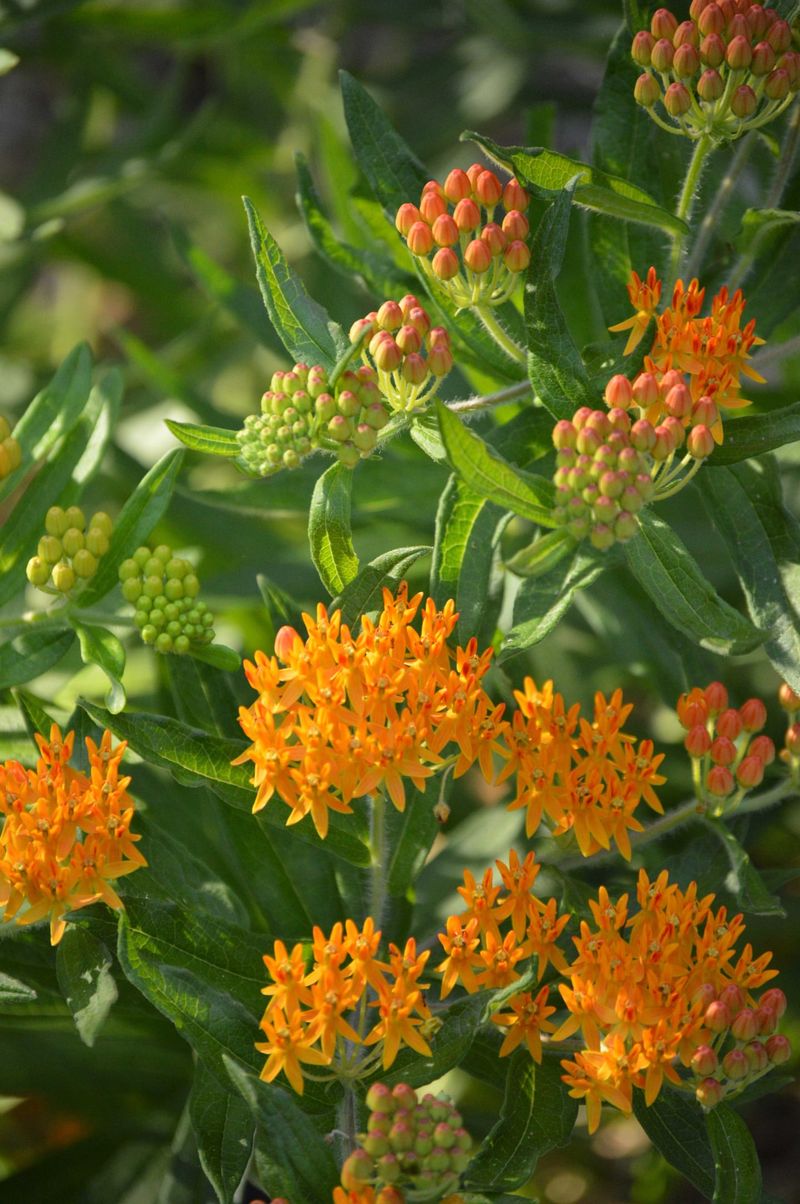
Butterfly weed has a reputation for being low-maintenance, and that reputation is well-earned, but only when you plant it in the right conditions. Full sun is non-negotiable.
This plant evolved in open meadows, roadsides, and dry prairies where sunlight is constant and intense. Give it less than six hours of direct sun per day, and the plant gets leggy, blooms poorly, and becomes much more vulnerable to problems over time.
Soil fertility is a different story than most gardeners expect. Rich, heavily amended soil actually works against butterfly weed.
When the soil is too fertile, the plant puts its energy into leafy, soft growth instead of flowers, and that lush growth tends to be weaker and more prone to flopping over.
North Carolina gardeners often make the mistake of treating butterfly weed like a vegetable garden plant, adding compost and fertilizer before planting, but the plant genuinely performs better in lean, gritty, well-drained conditions.
Sandy loam, rocky hillsides, and even gravelly spots that other plants avoid are where butterfly weed truly shines.
May planting pairs beautifully with these site conditions because the warming soil in lean ground heats up faster than heavy clay, giving roots an even quicker start.
Skip the fertilizer bag, pick the sunniest, leanest spot in your North Carolina yard, and plant in May for the most rewarding results possible.
8. Poor Drainage Can Ruin Even A Perfectly Timed Planting
Timing your planting perfectly in May is a great move, but it will not save butterfly weed from the one condition it absolutely cannot tolerate: soggy soil.
North Carolina has plenty of heavy clay soils, especially across the Piedmont, and those soils hold water long after a rain event.
Butterfly weed roots sitting in waterlogged ground will rot, and no amount of sunshine or good timing can fix a drainage problem that was never addressed before planting.
The good news is that solving drainage issues before your May planting date is very doable. Raised beds are a simple and effective solution that North Carolina gardeners use all the time.
Even a six-inch raised planting area filled with sandy, gritty soil makes a huge difference for butterfly weed. You can also choose naturally elevated spots in the yard where water drains away quickly after rain rather than pooling at the surface.
Winter wet is actually the biggest drainage concern for butterfly weed. The plant can handle summer dry spells beautifully once established, but sitting in cold, wet soil through a North Carolina winter is a recipe for root problems.
Amending your planting site in April, before your May planting day arrives, gives the soil time to settle and ensures drainage is working properly. A little preparation now means your butterfly weed will thrive for many seasons ahead.