8 Common Mistakes Michigan Gardeners Make With Citrus Trees
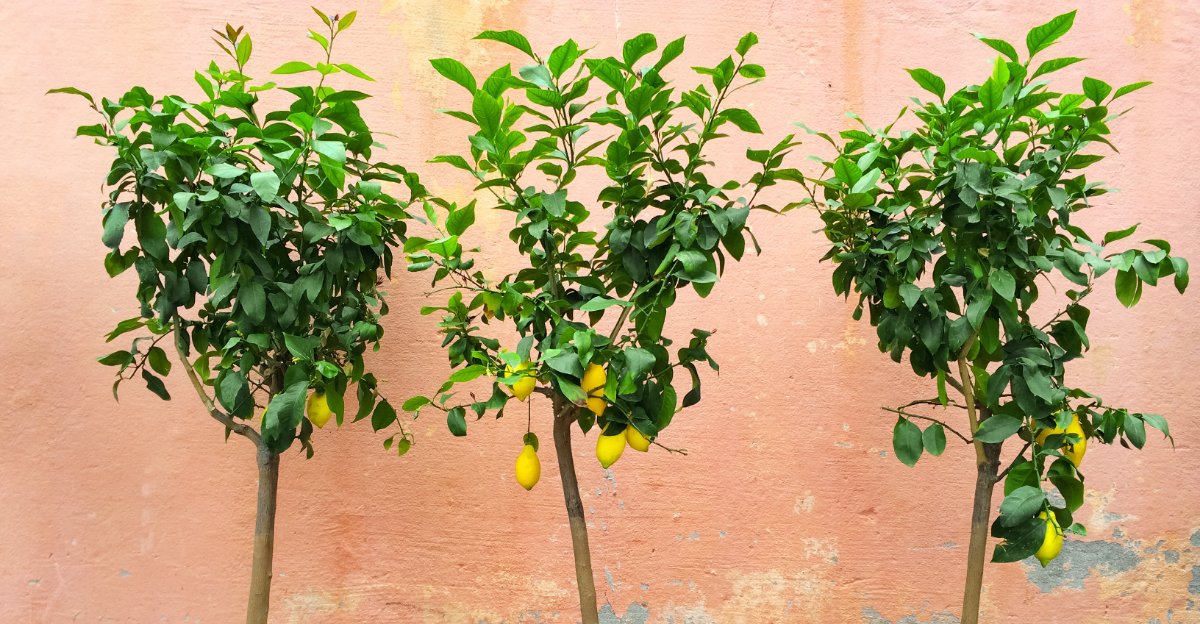
Citrus trees may seem exotic in Michigan gardens, but for many enthusiasts, they are a joyful challenge tucked into sunrooms, patios, and greenhouses.
There’s nothing quite like the scent of fresh citrus leaves or the promise of homegrown fruit during long winters, but these trees demand a bit more attention than traditional houseplants.
Even seasoned gardeners sometimes misstep, whether it’s overwatering, planting too early outdoors, or missing critical nutrient needs. A small oversight can lead to stunted growth, weak branches, or fewer fruits than expected.
Understanding how to care for citrus in colder climates ensures that your trees stay vigorous and productive throughout the season.
By identifying and correcting these common errors, gardeners can enjoy lush foliage, healthy blooms, and bountiful fruit.
Once you know the right approach, your citrus trees can thrive indoors and outdoors, making your home feel warmer and greener all year long.
1. Overlooking Winter Protection Needs In Cold Climates
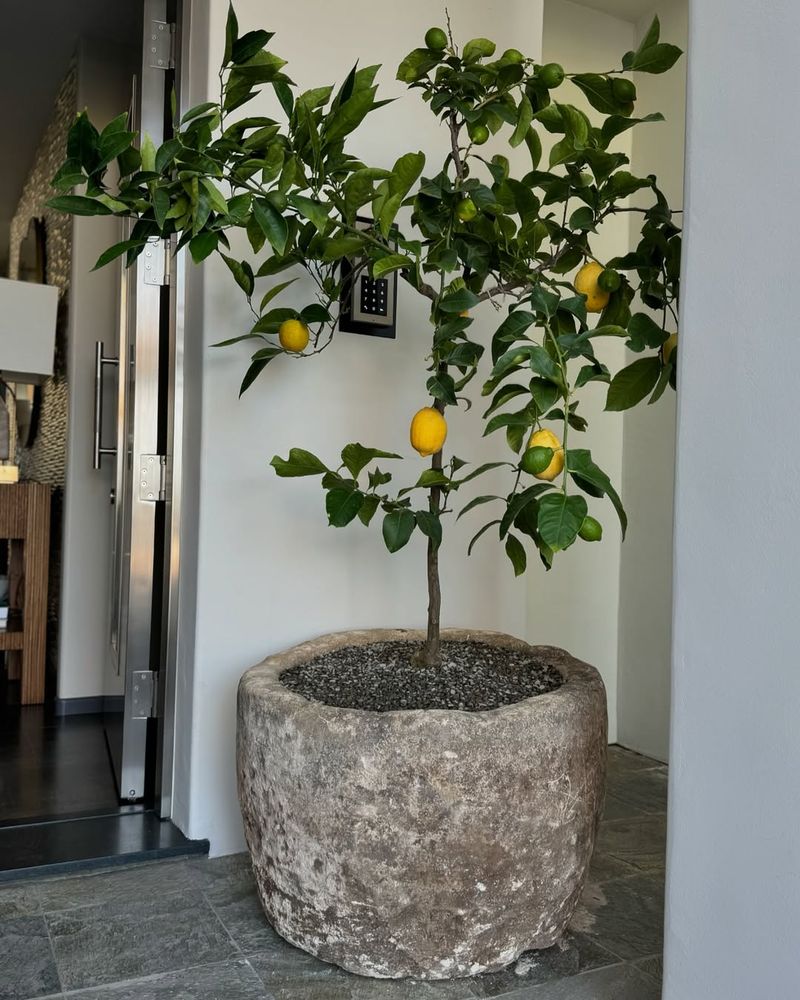
Michigan winters can be brutally cold, and citrus trees are simply not built for freezing temperatures. Most citrus varieties begin to suffer when temps drop below 32°F, and in Michigan, that kind of cold is practically a seasonal guarantee.
Gardeners who do not plan ahead often watch their trees decline once the first frost rolls in.
One of the biggest oversights is leaving potted citrus trees near drafty doors or windows during the colder months. Cold air seeping through gaps in window frames or doorways can cause leaf drop and stress the tree significantly.
Moving your citrus to a warmer, more sheltered spot inside your home is one of the smartest moves you can make before November arrives in Michigan.
Wrapping the base of the pot with insulating material or placing it on a heat mat can also help maintain stable root temperatures. Roots are especially sensitive to cold, and chilly floors in Michigan basements or garages can cause serious problems.
Using a thermometer near your plant to monitor the microclimate helps you stay one step ahead.
During winter, citrus trees also need less water since growth slows considerably. Overwatering a stressed, cold tree can lead to root rot very quickly.
Adjusting your care routine to match the season is important in Michigan to help your citrus remain healthy and productive during the cold months.
2. Planting Citrus Trees Outdoors Too Early And Stressing Roots

Optimism is a wonderful thing in gardening, but in Michigan, moving your citrus tree outdoors too early in the season is a gamble that rarely pays off. Many gardeners get excited when March or April brings a few warm days, and they rush to move their trees outside before the weather has truly settled.
A surprise frost after that early warmth can seriously set back even a healthy, well-established tree.
Michigan’s last frost date varies by region but typically falls somewhere between late April and mid-May, depending on where you live in the state. Waiting until nighttime temperatures stay consistently above 50°F before moving your citrus outside is the safest approach.
Your Michigan Garden Changes Every Week. Your Plan Should Too.
Gardening in Michigan changes quickly throughout the season. Every Friday you’ll receive a simple weekly plan showing exactly what to plant, prune, fertilize, harvest, and protect so you never miss the right timing.
A single cold night in the low 40s may lead to leaf curl, yellowing, or flower drop on a citrus tree that is just starting to bloom.
When you do move your tree outdoors, do it gradually. Start by placing it in a sheltered, partially shaded spot for a few days before exposing it to full sun.
This process, called hardening off, lets the tree adjust without going into shock from sudden environmental changes.
Also keep an eye on the weather forecast throughout the summer and into fall. Michigan weather can shift quickly, and an unexpected cold snap in September can catch gardeners off guard.
Bringing your tree back inside before temperatures drop below 50°F at night will protect your progress and keep the tree strong heading into the next growing season.
3. Ignoring Proper Pot Size And Root Space
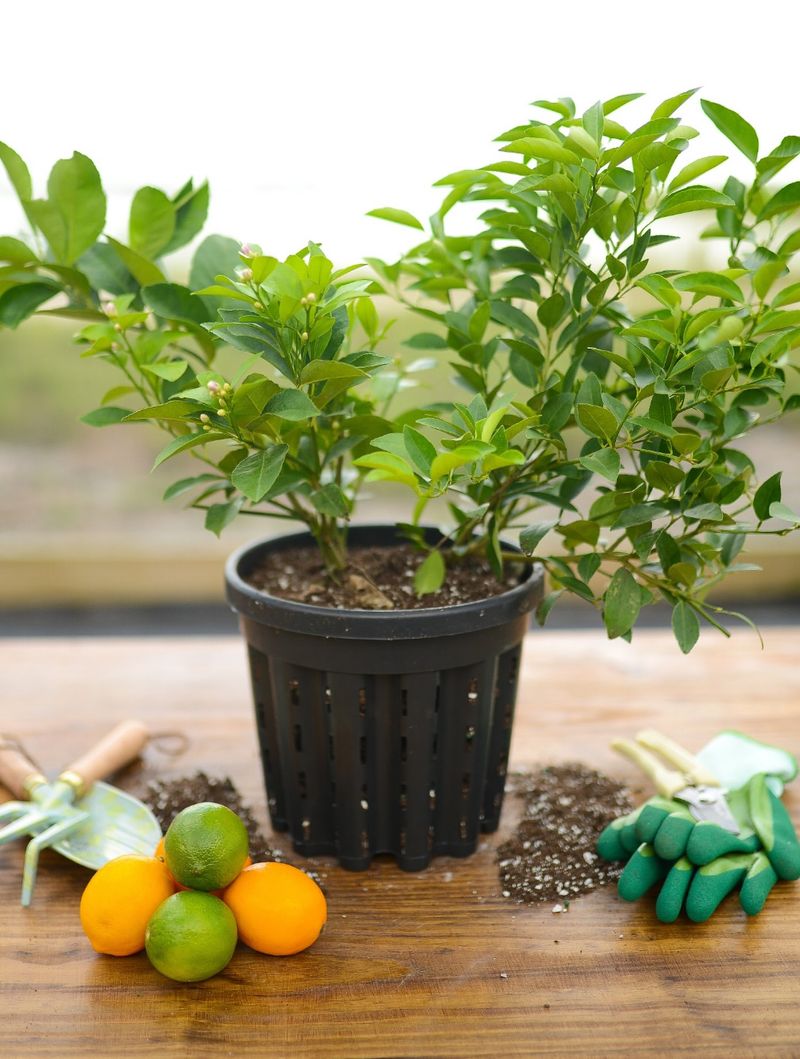
Pot size might not be the first thing that comes to mind when you think about citrus care, but it plays a huge role in how well your tree grows. A pot that is too small restricts root growth, which limits the tree’s ability to absorb water and nutrients.
Over time, a root-bound citrus tree can appear stunted, drop leaves, and produce fewer fruits even if watering and feeding are carefully managed.
On the flip side, a pot that is way too large can also cause problems. Too much soil around the roots holds excess moisture, which increases the risk of root rot, especially in Michigan’s cooler indoor environments during winter.
The sweet spot is choosing a pot that is about one to two inches wider in diameter than the tree’s current root ball.
Repotting every two to three years is a good general rule for citrus trees grown in containers. When you repot, take a moment to inspect the roots.
If they are tightly wound in circles or growing out of the drainage holes, it is definitely time to move up to a bigger container. Always use a pot with good drainage holes to prevent water from sitting at the bottom.
For Michigan gardeners who keep their trees inside most of the year, choosing a lightweight but sturdy pot makes moving the tree much easier. Heavy ceramic pots look beautiful but can be tough to manage when you need to bring the tree indoors before a cold Michigan night hits unexpectedly.
4. Watering Inconsistently Or Too Frequently
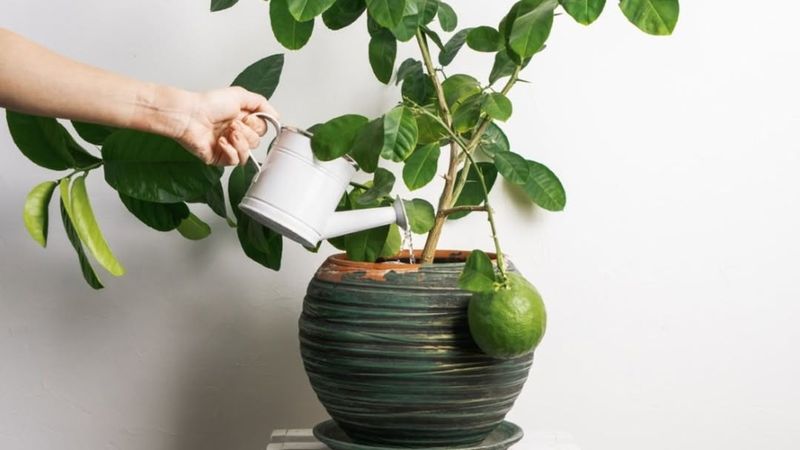
Watering might seem like the easiest part of caring for a citrus tree, but inconsistent watering is one of the top reasons trees struggle in Michigan homes. Citrus trees do not like to be soaking wet all the time, but they also do not respond well to long dry spells.
Finding that balance is key, and it takes a little practice to get it right.
The most reliable method is to check the soil before you water. Stick your finger about two to three inches into the soil, and if it feels dry at that depth, go ahead and water thoroughly.
If the soil still feels moist, hold off for another day or two. This simple habit can prevent most overwatering problems and keep roots healthy.
During Michigan winters, when indoor heating systems run constantly, the air inside homes becomes very dry. This can make the soil surface look dry even when the deeper layers still hold moisture.
Using a moisture meter is a smart investment for any Michigan citrus grower because it takes the guesswork out of watering decisions entirely.
When you do water, do it slowly and thoroughly, allowing water to drain freely from the bottom of the pot. Never let your citrus tree sit in a saucer full of standing water for more than an hour.
That pooled water encourages root rot, which is one of the hardest problems to come back from. Consistent, careful watering can help support the long-term health of your citrus tree.
5. Using Incorrect Soil Mix For Citrus
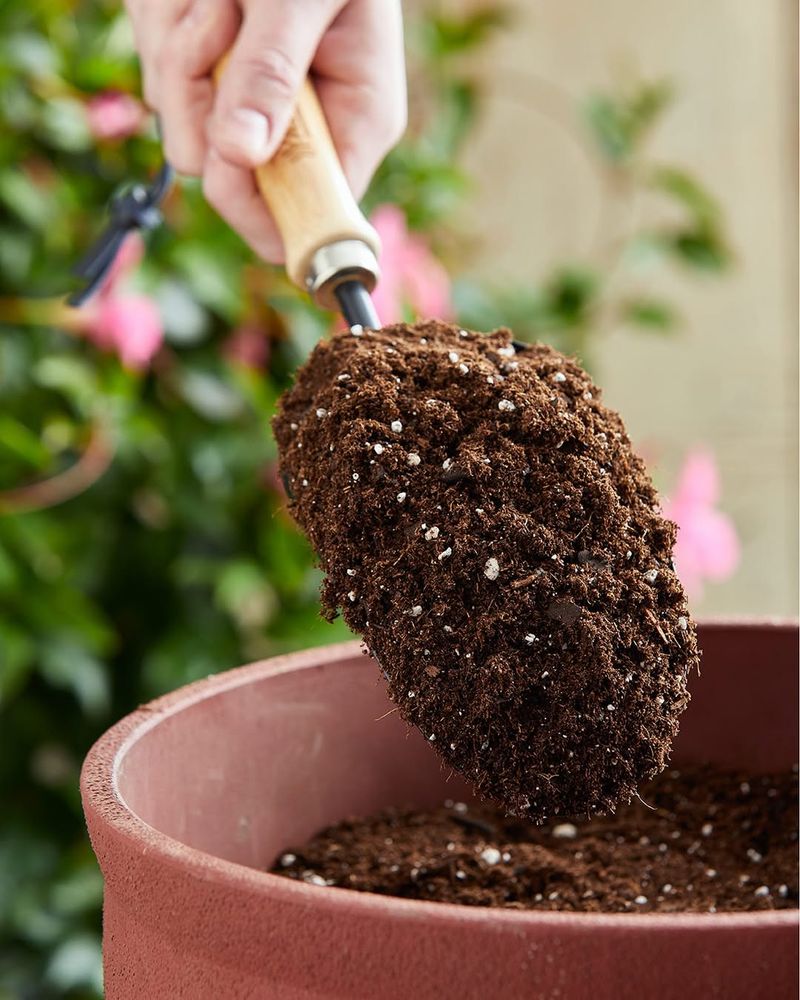
Not all potting soil is created equal, and using the wrong mix for your citrus tree is a mistake that quietly causes big problems over time. Regular potting soil tends to hold too much moisture and can become compacted, which cuts off the oxygen flow that citrus roots desperately need.
When roots cannot breathe, the tree struggles to take up nutrients and water properly, no matter how attentive you are.
Citrus trees thrive in a fast-draining, slightly acidic mix. A popular choice among Michigan citrus growers is a blend of cactus soil and perlite, mixed in roughly a two-to-one ratio.
The perlite adds airiness to the mix and prevents it from clumping together after repeated watering. Some gardeners also add a small amount of coarse sand or bark chips to improve drainage further.
Avoid using soil taken directly from your Michigan garden beds. Outdoor soil can carry pests, fungal spores, and pathogens that thrive in the controlled environment of your home.
It is also much heavier than a quality potting mix and tends to compact quickly in containers, making it a poor choice for potted citrus trees.
Checking the pH of your soil mix every now and then is also a smart habit. Citrus trees prefer a pH between 5.5 and 6.5.
If the soil becomes too alkaline, the tree may struggle to absorb iron and other micronutrients, leading to yellowing leaves. Garden centers across Michigan typically carry pH testing kits that are easy to use and very affordable.
6. Failing To Provide Adequate Light Indoors
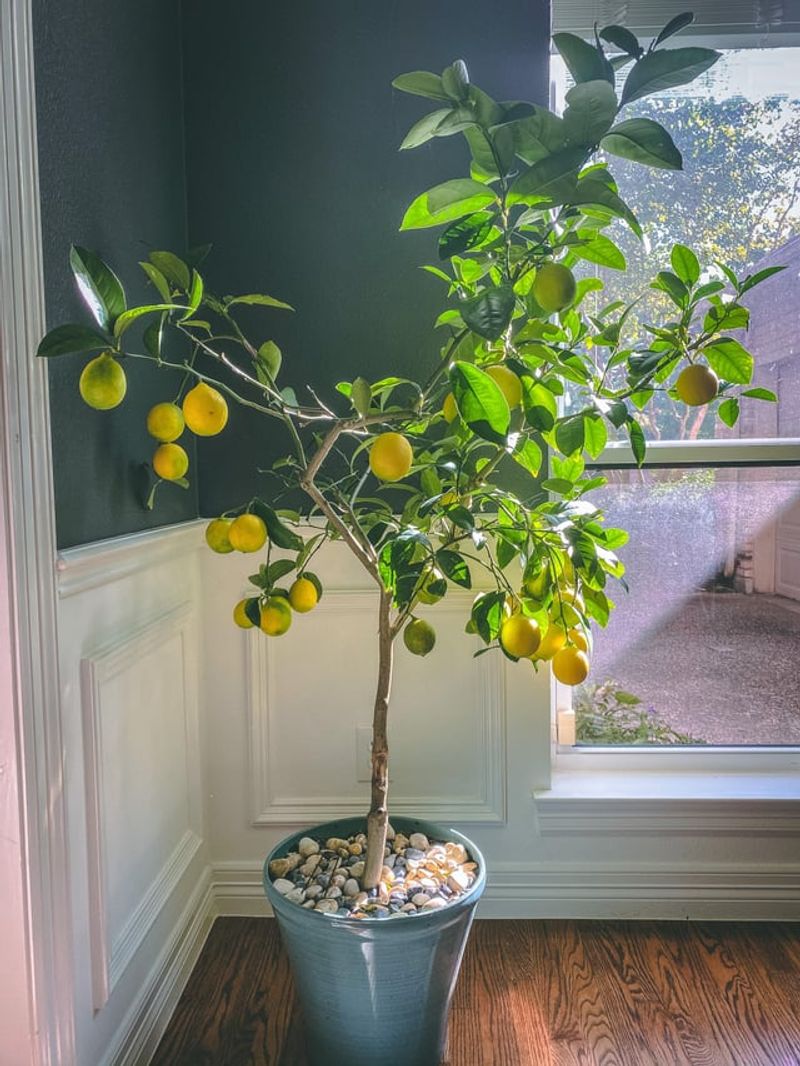
Light is everything for a citrus tree, and Michigan’s winters make getting enough of it a serious challenge. From November through February, the days are short and overcast, so supplemental lighting is often necessary for a plant that thrives with six to eight hours of direct light.
Gardeners who rely only on windowsill light during these months often notice slow growth, leaf drop, and a complete lack of flowering.
South-facing windows are your best friend when it comes to indoor citrus growing in Michigan. They receive the most direct sunlight throughout the day and give your tree the best shot at getting natural light.
East or west-facing windows can work as supplemental positions, but they typically do not deliver the intensity that a citrus tree needs to truly flourish during the dark winter months.
Investing in a full-spectrum LED grow light is one of the best decisions a Michigan citrus grower can make. Running the light for ten to fourteen hours a day during winter months mimics the longer, sunnier days of summer and keeps your tree actively growing.
Place the light about twelve to eighteen inches above the canopy for the best results without overheating the foliage.
Come late spring and summer, take advantage of Michigan’s longer sunny days by moving your citrus tree outside to a sunny patio or deck. The natural sunlight will energize the tree, encourage new growth, and often trigger a burst of blooming that indoor light just cannot replicate.
With proper care and sunlight, your tree can show improved health after a few weeks outdoors.
7. Neglecting Nutrient Requirements And Feeding
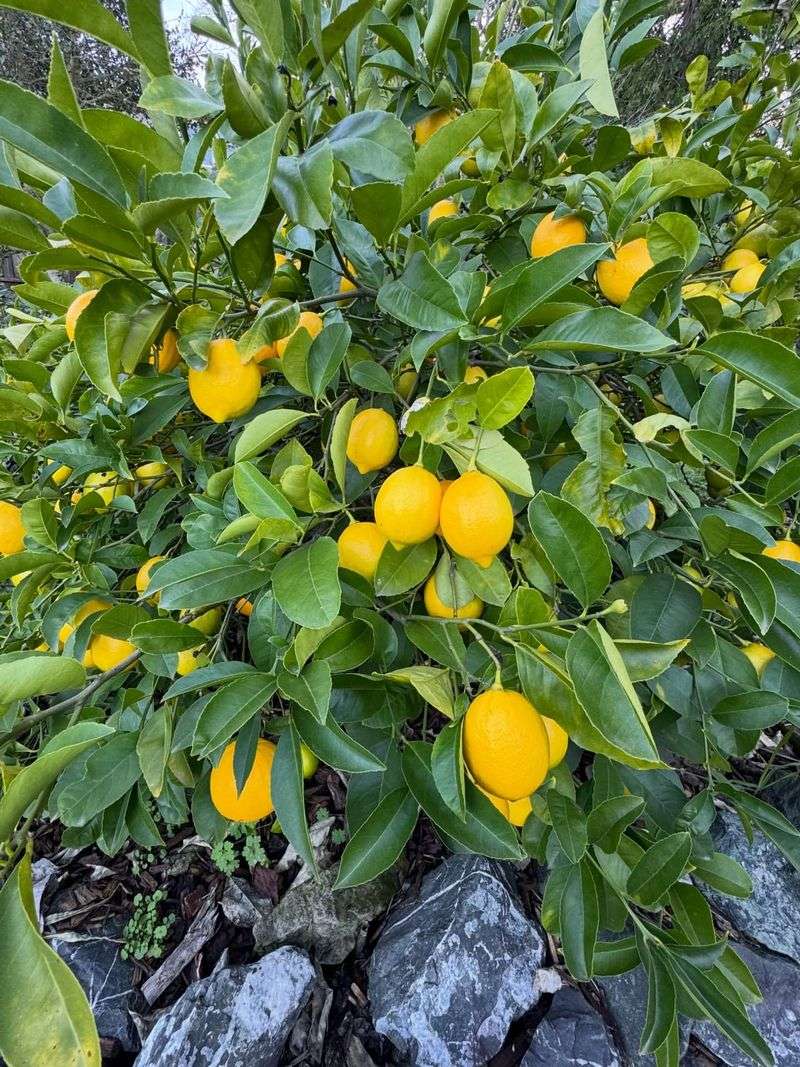
Citrus trees are hungry plants, plain and simple. They need a steady supply of nutrients to produce lush foliage, fragrant blooms, and juicy fruit.
Many Michigan gardeners assume that a good potting mix alone will provide everything the tree needs, but over time, nutrients in the soil get used up or washed away with repeated watering. Without regular feeding, your tree will start showing signs of deficiency fairly quickly.
Yellowing leaves are often the first sign that a citrus tree is not getting enough of what it needs. Pale yellow leaves with green veins typically point to an iron or magnesium deficiency, while overall yellowing across older leaves usually signals a nitrogen shortage.
Using a fertilizer specifically formulated for citrus trees is the most effective way to address these issues because it contains the right balance of macro and micronutrients in one product.
During the active growing season, which runs from spring through early fall, feeding your citrus tree once a month is a solid routine to follow. As Michigan’s winter sets in and growth naturally slows, you can cut back to feeding every six to eight weeks.
Avoid fertilizing a dry tree, as applying fertilizer to dry roots can cause burning and further stress the plant.
Slow-release granular fertilizers are popular among Michigan citrus growers because they provide a steady stream of nutrients over several months without requiring constant attention. Liquid fertilizers work faster and are great for addressing deficiencies quickly.
Rotating between the two types throughout the year can give your tree a well-rounded nutritional program that supports healthy, consistent growth.
8. Ignoring Early Signs Of Pests And Diseases
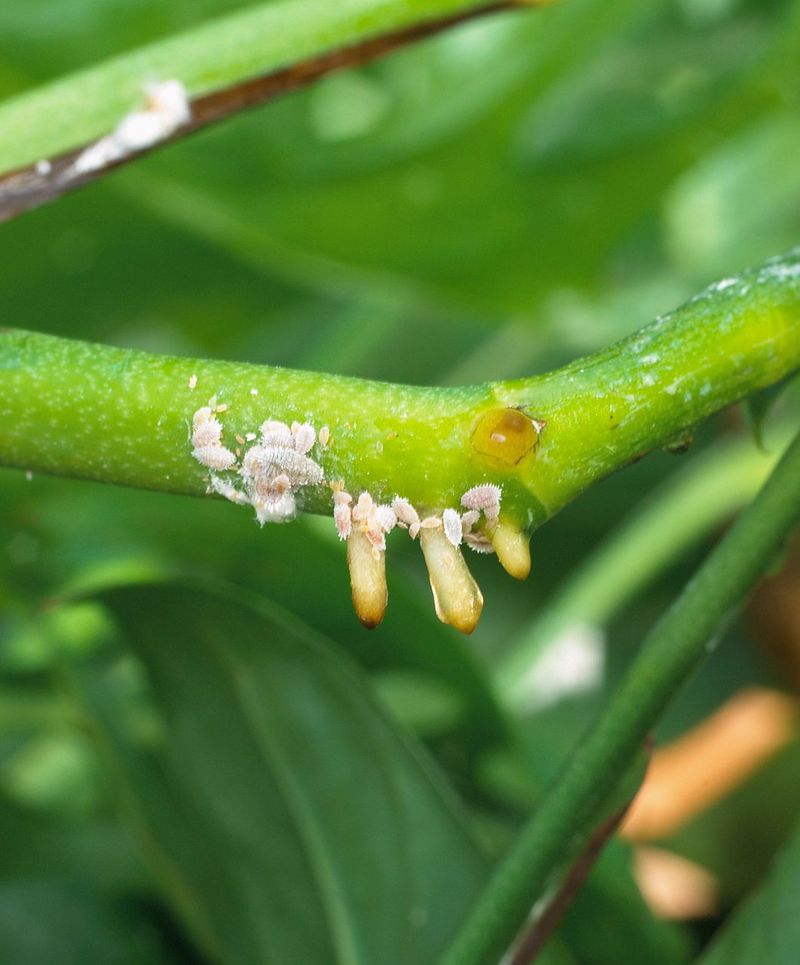
Pests on a citrus tree can go from a minor annoyance to a major problem surprisingly fast, especially when the tree is living indoors during Michigan’s long winters. The warm, dry conditions inside most Michigan homes create a perfect environment for common citrus pests like spider mites, mealybugs, scale insects, and aphids.
These tiny invaders often hide on the undersides of leaves, making them easy to miss until the infestation is already well established.
Getting into the habit of inspecting your citrus tree weekly is one of the most effective ways to catch problems early. Flip leaves over and look for tiny moving dots, white cottony clusters, or sticky residue on the foliage.
That sticky substance, known as honeydew, is a telltale sign of sap-sucking pests and should never be ignored. Catching an infestation early means you have many more treatment options available.
Neem oil is a widely trusted organic treatment that Michigan gardeners use to manage a broad range of citrus pests. Mix it with water and a few drops of dish soap, then spray the entire tree, including the undersides of leaves, every seven to ten days until the pests are gone.
Insecticidal soap spray is another gentle but effective option that works well against soft-bodied insects without harming the tree.
When you bring a new citrus tree home or move your existing tree back indoors from your Michigan patio in the fall, always quarantine it for a week or two before placing it near other houseplants. Pests can hitch a ride indoors on foliage and quickly spread to nearby plants if you are not careful.
A little caution at the start saves a lot of headaches later on.