These 9 Herbs Will Not Grow Well In Michigan Unless You Trim Them
Some herbs look easygoing at first, but in Michigan, a few of them can get floppy, thin, and unproductive fast if you do not trim them often. With cool springs, warm summers, and a shorter growing season, these plants need a little help staying full and focused.
Regular trimming does more than make herbs look neat. It encourages bushier growth, keeps stems from getting too woody, and helps the plant put energy into fresh leaves instead of stretching out too far.
Without that care, some herbs stop producing the tender growth most gardeners want. That can mean fewer harvests and weaker plants right when the season should be picking up.
The good news is that a simple snip here and there can make a huge difference. These herbs may seem low effort, but they grow much better in Michigan when trimming becomes part of the routine.
1. Basil (Ocimum basilicum)
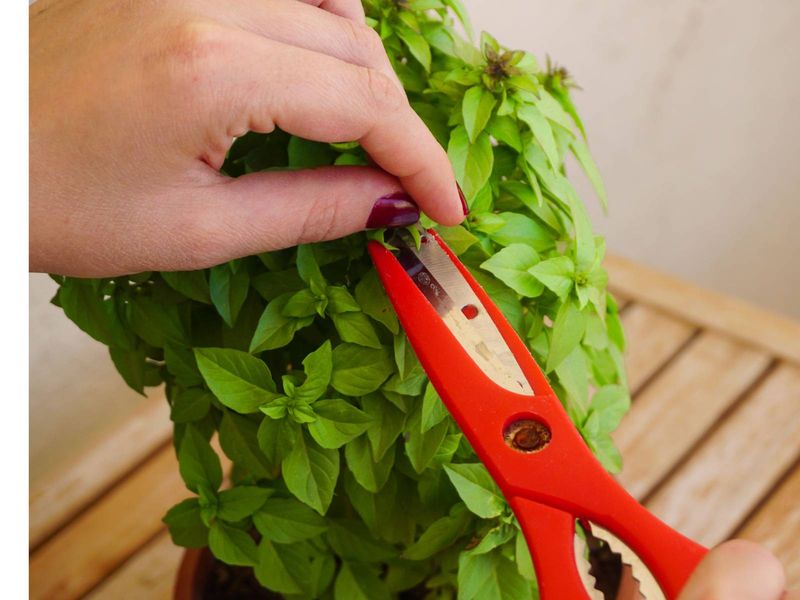
Pinching basil is one of the most satisfying things you can do in a Michigan herb garden. Every time you snip off the top set of leaves, the plant responds by pushing out two new branches right below the cut.
That simple habit transforms a single skinny stem into a full, bushy plant packed with tender, flavorful leaves.
Basil’s biggest enemy is flowering, called bolting. Once a basil plant sends up a flower stalk, it shifts almost all of its energy away from producing leaves and toward making seeds.
The leaves that remain often turn smaller and slightly bitter, which is the opposite of what you want for cooking. In Michigan’s warm summer months, basil can bolt surprisingly fast, so staying on top of trimming really matters.
The best approach is to pinch the top two sets of leaves once the plant reaches about six inches tall. After that, check your plants every week and remove any new flower buds the moment you spot them.
Morning is the best time to harvest because the oils in the leaves are most concentrated before the afternoon heat kicks in.
Growing basil in a raised bed in Michigan gives it the warm, well-drained soil it loves, and regular pinching keeps it producing from early summer all the way through the first cool nights of fall.
2. Parsley (Petroselinum crispum)
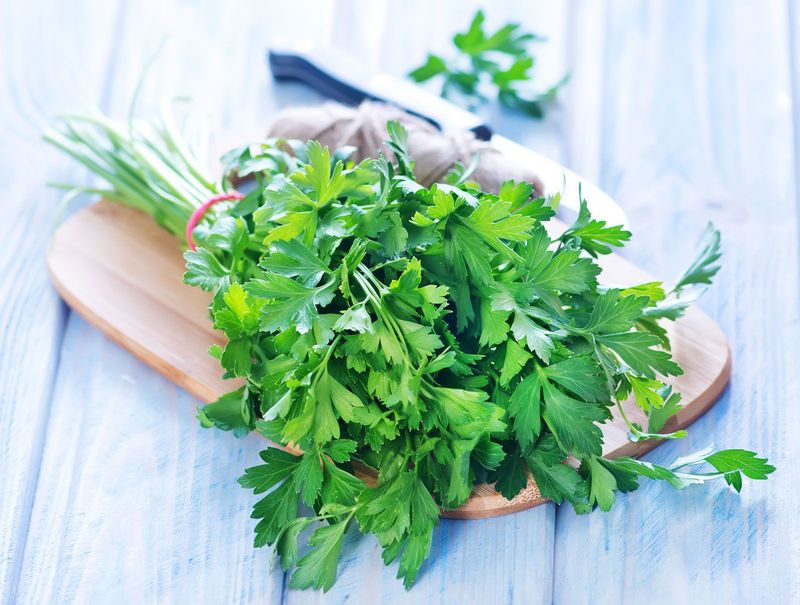
Parsley is one of those herbs that quietly rewards patience and a steady hand. Most gardeners make the mistake of snipping leaves from the top, but the right move is always to cut entire outer stems from the base of the plant.
Harvesting this way encourages strong new growth from the center and keeps the plant productive for a much longer stretch of the season.
Michigan’s cooler spring temperatures actually suit parsley really well, since it prefers growing in conditions that are not too hot. However, once summer heats up, parsley can start to look tired and overgrown if you ignore it.
Removing the older, darker outer stems regularly keeps the plant focused on pushing out bright, tender new growth from the middle, which is where the best flavor lives.
Your Michigan Garden Changes Every Week. Your Plan Should Too.
Gardening in Michigan changes quickly throughout the season. Every Friday you’ll receive a simple weekly plan showing exactly what to plant, prune, fertilize, harvest, and protect so you never miss the right timing.
One fun fact about parsley is that it is a biennial, meaning it completes its life cycle over two years. In its second year, it will quickly send up a tall flower stalk and go to seed, so most Michigan gardeners treat it as an annual and replant each spring.
Keeping up with regular harvesting throughout the first season gives you the most flavorful leaves possible. Cut from the base, water consistently, and parsley will keep your kitchen stocked with fresh flavor from late spring well into the cooler days of Michigan autumn.
3. Chives (Allium schoenoprasum)
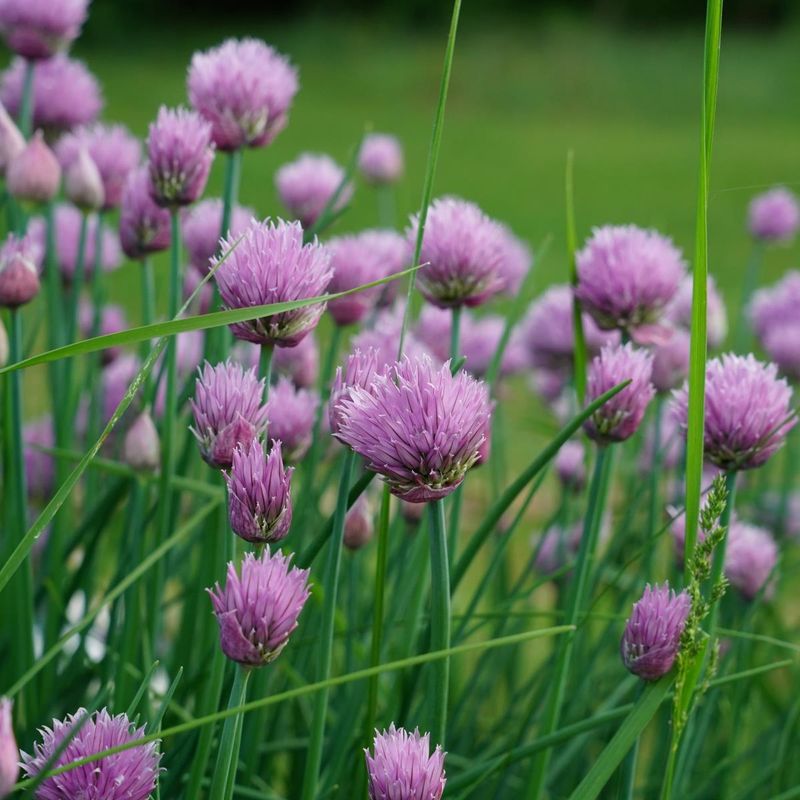
Chives are one of the easiest herbs to grow in Michigan, but they have a sneaky habit of becoming less productive if you stop paying attention to them.
Regular snipping from the base of the clump keeps new blades coming in fresh, tender, and full of that mild onion flavor that makes them so useful in the kitchen.
Skip the trimming for too long, and the older blades turn tough and hollow, losing much of their appeal.
One thing chive growers in Michigan quickly learn is to watch for the pretty purple flower heads. Those flowers are actually edible and taste mildly oniony, which makes them a fun addition to salads and garnishes.
However, once flowering is finished, the plant puts energy into seed production rather than fresh leaf growth. Snipping off the spent flower stalks at the base keeps the clump focused on what you actually want, which is a steady supply of fresh green blades.
Chives are perennial in Michigan, which means they come back every spring without replanting. After the first hard frost each fall, you can cut the entire clump down close to the ground.
Come spring, the plant bounces back with fresh, bright green growth. Dividing the clump every few years also helps keep it vigorous and prevents overcrowding.
With just a little regular attention, chives become one of the most reliable and generous herbs in any Michigan garden.
4. Oregano (Origanum vulgare)
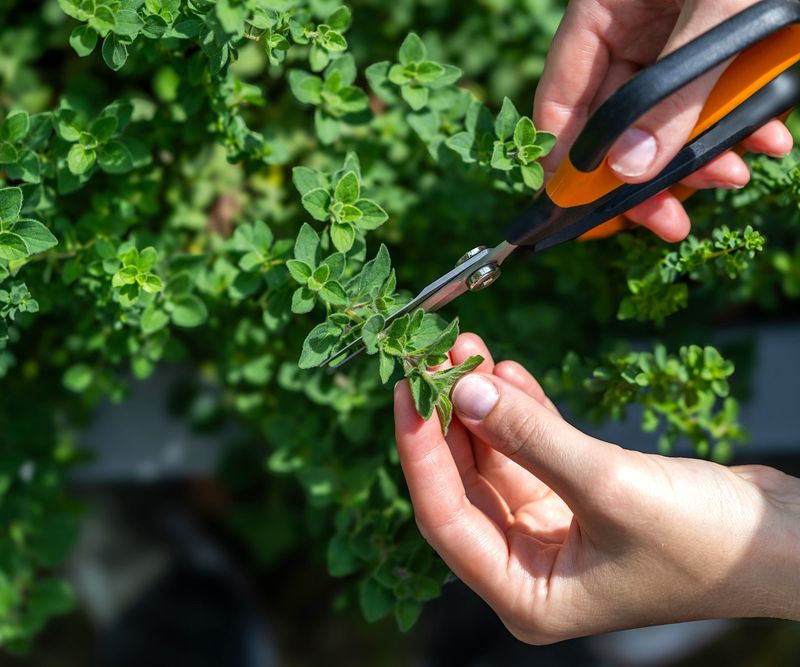
Oregano has a reputation for being tough, and it absolutely is, but toughness does not mean it takes care of itself.
Left untrimmed through Michigan’s growing season, oregano quickly becomes a sprawling, woody tangle with fewer of the tender, flavorful leaves that make it worth growing in the first place.
A few well-timed trims each season completely change how productive and attractive the plant stays.
The best time to give oregano its first big trim in Michigan is just before it starts flowering in midsummer. Cut the stems back by about one third, and the plant responds with a flush of fresh, tender growth.
That new growth tends to have a stronger, more concentrated flavor than older stems, which is exactly what you want for cooking. If you let oregano flower and go to seed, the leaves on the remaining stems often lose some of their punchy, aromatic intensity.
Oregano is a perennial in many parts of Michigan, though harsh winters in the northern part of the state can sometimes push its limits. Cutting the plant back in late fall and giving it a light mulch helps protect the roots through cold Michigan winters.
In spring, trim away any old woody stems right down to where fresh green growth is emerging.
Keeping oregano neat and regularly harvested means you will have a productive, fragrant plant that keeps delivering bold flavor year after year from your Michigan raised bed or container garden.
5. Thyme (Thymus vulgaris)
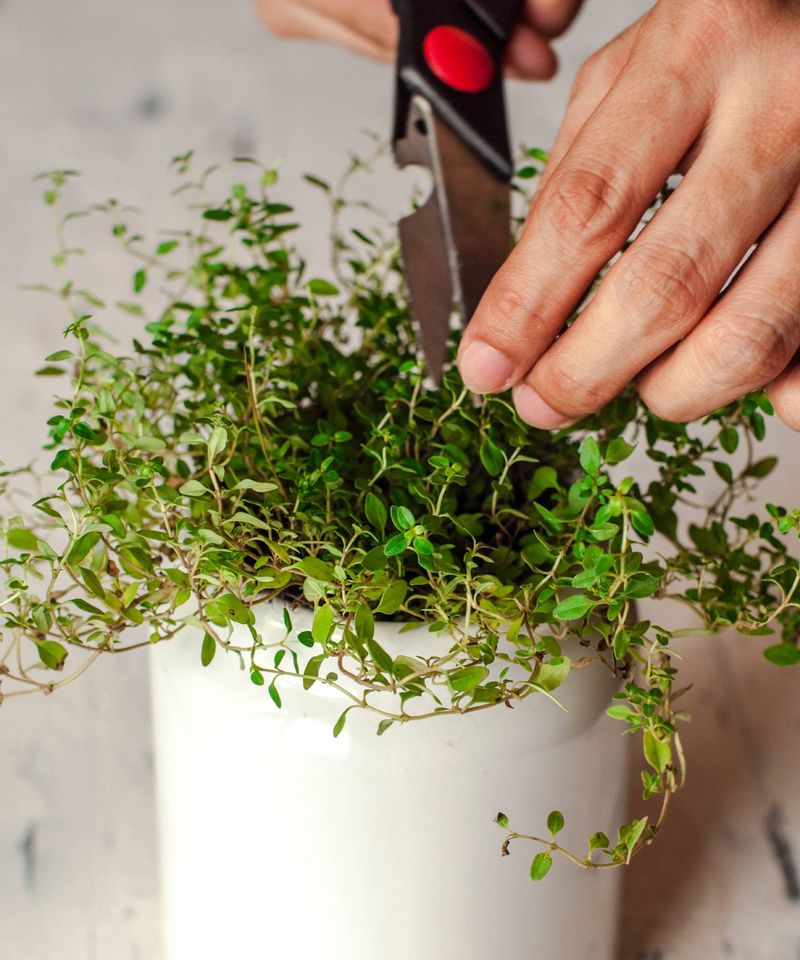
Thyme is a small plant with a big personality, and keeping it compact through regular trimming is the key to getting the most out of it in Michigan.
Without consistent light trims, thyme develops long, woody stems at its base while the leafy growth moves further and further toward the tips. That pattern leaves you with a plant that looks sparse and is harder to harvest cleanly.
Trimming thyme is straightforward. After the plant finishes flowering, usually in early to midsummer in Michigan, cut the stems back by about one third.
Avoid cutting back into the hard, brown woody sections at the base since thyme does not regenerate well from old wood. Staying in the green, leafy portion of the stems when you trim keeps the plant healthy and encourages fresh, fragrant new growth to fill in quickly.
Thyme thrives in well-drained, slightly sandy or gravelly soil, which means it actually does quite well in Michigan gardens with good drainage.
It handles Michigan’s dry summer stretches better than most herbs and does not need a lot of extra watering once established.
A light trim every few weeks through the growing season keeps it looking tidy and producing tender leaves perfect for seasoning roasted vegetables, meats, and soups. Come fall, leave the plant mostly intact to help it survive Michigan’s cold winters, and trim back any damaged growth in early spring.
6. Sage (Salvia officinalis)
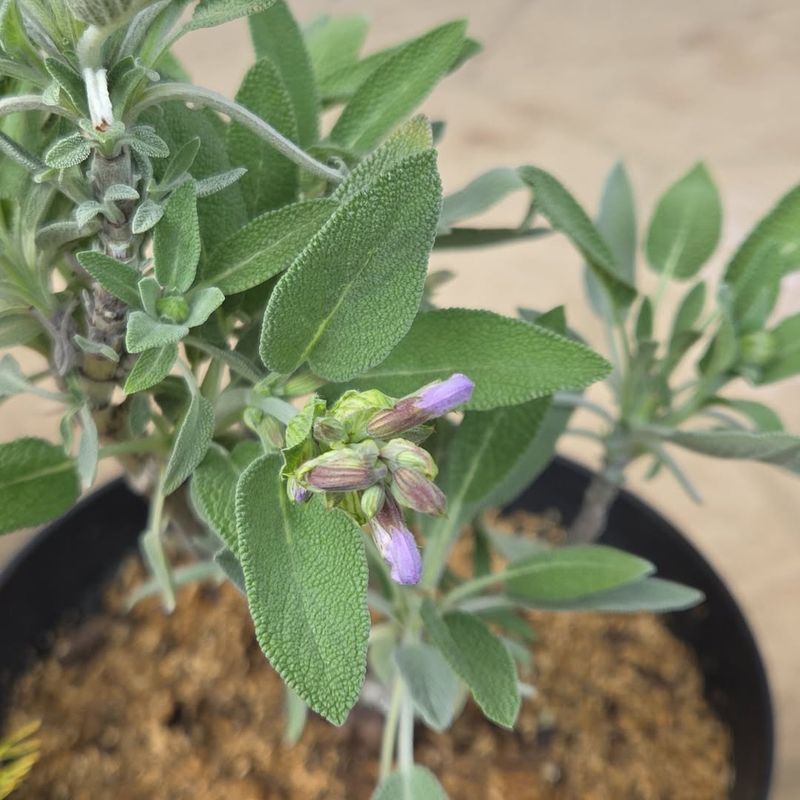
Sage has a wonderfully earthy, slightly peppery flavor that makes it a favorite in Michigan kitchens, especially during the fall cooking season.
Growing it well, though, requires a commitment to regular pruning because sage has a strong tendency to turn woody and sparse if you leave it alone for too long.
A plant that looks full and healthy one season can become a tangle of bare, stiff stems the next if trimming gets skipped.
Early spring is the most important time to prune sage in Michigan. Once you see fresh green growth emerging from the base and lower stems, trim away the older, woodier growth from the previous year.
This opens up the plant, lets in more light, and encourages a strong flush of soft, flavorful new leaves. Throughout the summer, light harvesting of the stem tips keeps the plant bushy and prevents it from stretching out too much in the warm Michigan sun.
Sage is generally a reliable perennial in Michigan, but it does appreciate a little protection during harsh winters, especially in northern parts of the state. A layer of mulch around the base after the ground freezes helps insulate the roots.
Avoid cutting sage back hard in fall since that can leave it vulnerable to cold damage before winter sets in. Keep your trims to the growing season, stay consistent, and sage will reward you with beautiful, fragrant foliage and a rich harvest season after season in your Michigan garden.
7. Rosemary (Salvia rosmarinus)
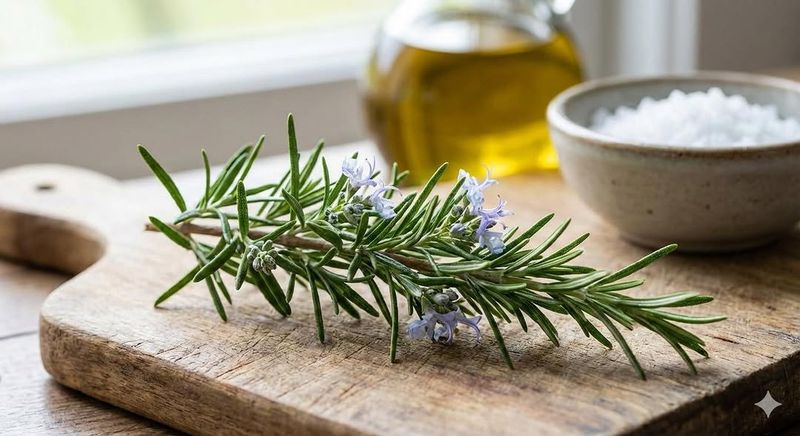
Rosemary is one of those herbs that smells like a summer afternoon and tastes like pure comfort, but growing it in Michigan comes with a catch.
It is not reliably cold-hardy in most parts of the state, which means most Michigan gardeners grow it in containers that can come indoors before the first frost.
That container life makes regular trimming even more important because a rosemary plant in a pot can quickly outgrow its space and become lopsided if left to its own devices.
Trimming rosemary regularly through the growing season keeps it full, shapely, and productive. After the plant finishes its spring bloom, cut back the flowered stems by about one third to encourage a fresh round of leafy growth.
Throughout summer, light harvesting of the stem tips keeps the plant looking neat and prevents it from getting too rangy. Rosemary does not bounce back well from severe cuts into old wood, so always keep your trims in the green, leafy portion of the stems.
When bringing rosemary inside for Michigan’s winter, place it in the brightest spot you can find, near a south-facing window, and trim it lightly to reduce the stress of the transition. Indoors, growth slows down significantly, so ease up on trimming until spring.
Once warm weather returns and you move the pot back outside, resume regular light trims to encourage new growth. Consistent attention to shaping keeps rosemary thriving across many seasons, even in Michigan’s challenging climate.
8. Mint (Mentha spp.)
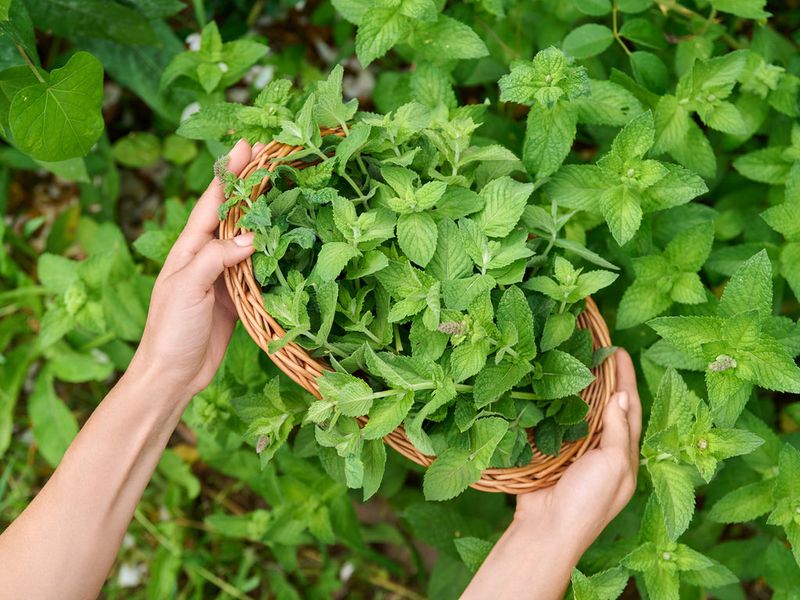
Mint is the overachiever of the herb garden, growing so fast and so eagerly that it can completely take over a Michigan garden bed if you are not careful.
Most experienced Michigan gardeners plant mint in containers or use buried barriers to keep its spreading roots under control.
Regular trimming is just as important as containment, because a mint plant that is allowed to grow tall and leggy quickly loses the tender, flavorful leaves you actually want to use.
Cutting mint back by about half once or twice through the growing season keeps it dense, bushy, and packed with fresh new growth. The best time for a big trim is just before the plant starts flowering in midsummer.
Those flowers are pretty, but once mint blooms, the leaves can take on a slightly coarser texture and a less vibrant flavor. Snipping off the flower buds as soon as they appear, or trimming the whole plant back before they develop, keeps the harvest at its best quality.
Michigan’s warm summers give mint everything it needs to grow vigorously, and the plant handles the state’s occasional summer rain spells very well. Mint prefers slightly moist soil and partial shade, which makes it a great choice for spots in your garden that do not get full sun all day.
After the growing season ends and frost arrives, mint will naturally die back to the roots and return fresh in spring. A quick trim of the old growth in early spring tidies things up and gives the new shoots room to take off.
9. Sweet Marjoram (Origanum majorana)
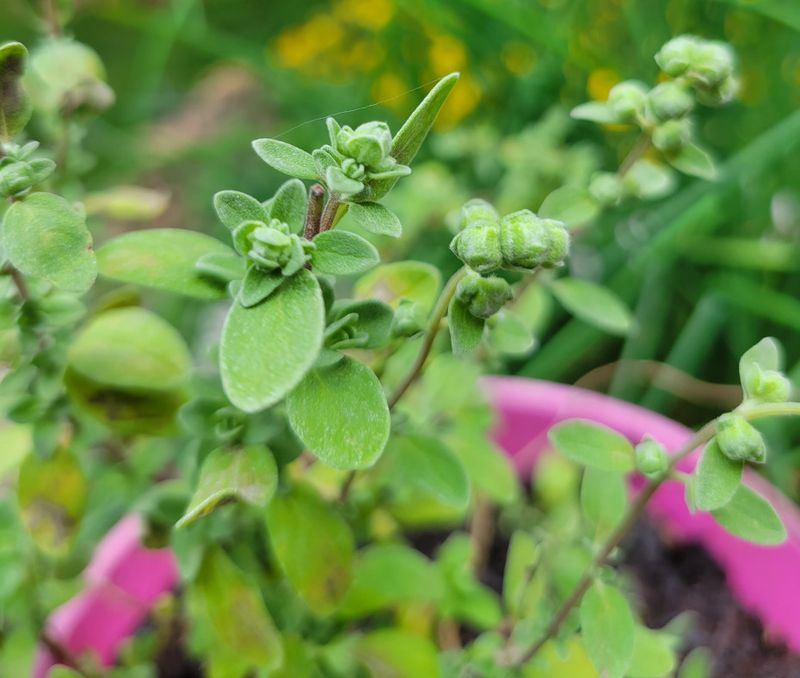
Sweet marjoram is the quieter, more delicate cousin of oregano, with a softer, sweeter flavor that works beautifully in Mediterranean cooking. It is less well-known than many other herbs, but Michigan gardeners who discover it quickly become loyal fans.
The one thing marjoram needs to stay at its best is consistent trimming, because without it, the plant stretches out into a loose, floppy shape that is much harder to harvest and much less productive overall.
Start pinching sweet marjoram back once the plant reaches about four to six inches tall. Removing the growing tips regularly encourages the plant to branch out and fill in rather than shoot straight up.
In Michigan’s warm summer months, marjoram grows quickly, so checking it every week or two and pinching off the tips keeps it compact and rounded. Just like oregano and basil, sweet marjoram will flower if left alone, and once it does, the leaves lose some of their signature sweetness and become slightly more pungent.
Sweet marjoram is a tender perennial that Michigan gardeners typically grow as an annual since it cannot survive the state’s cold winters outdoors. Starting seeds indoors about six weeks before the last frost date gives plants a strong head start.
Once transplanted outside after frost danger passes, marjoram loves a sunny, well-drained spot in a raised bed or container. Keep up with regular pinching all season long, and you will enjoy a steady, generous supply of fragrant, sweet-flavored leaves right up until Michigan’s first autumn frost arrives.