9 Smart Ways To Grow An Edible Garden In Florida On A Budget
Fresh herbs within reach of the kitchen door, sun warmed tomatoes picked minutes before dinner, crisp greens harvested straight from the backyard. In Florida, an edible garden can produce nearly year round, yet many people assume it takes a big budget to make it happen.
The truth is far more exciting. Florida’s long growing season, intense sunshine, and mild winters create prime conditions for productive harvests.
Success depends less on spending and more on strategy. Simple raised beds built from affordable materials, seeds chosen for heat tolerance, and clever watering methods can stretch every dollar while boosting results.
A thriving edible garden does not require a full backyard makeover or expensive supplies. With smart planning and a few creative shortcuts, even a small space can deliver impressive yields.
These practical ideas prove that flavorful harvests, vibrant plants, and serious savings can grow side by side in Florida soil.
1. Start With Florida-Friendly Crops
Florida’s climate does not play by the same rules as the rest of the country, and choosing the wrong crops at the wrong time is one of the fastest ways to waste money. The good news is that Florida has two productive growing seasons: a warm season from roughly March through May, and a cooler season from October through February.
Knowing which season suits which crop makes all the difference.
According to UF/IFAS Extension, warm-season favorites like okra, southern peas, eggplant, and sweet potatoes thrive in Florida’s summer heat. Tomatoes and peppers perform best when planted in late winter or early fall, avoiding the brutal midsummer peak.
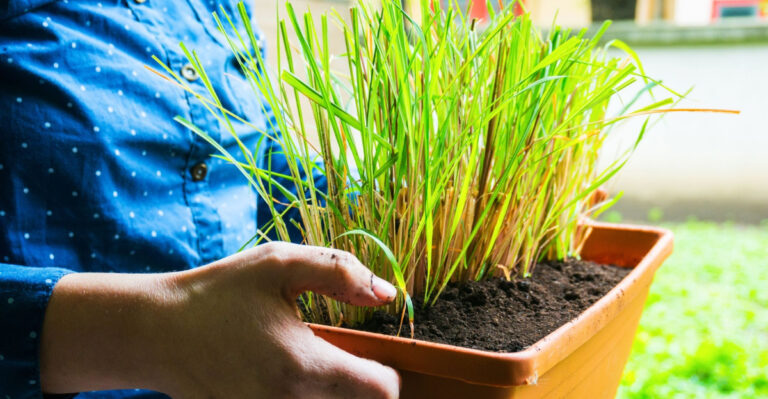
Herbs like basil, rosemary, and oregano grow beautifully in Florida and can even survive mild winters in South Florida.
Using the UF/IFAS seasonal planting calendars, which are free online and organized by Florida region, you can plan exactly when to plant each crop. This prevents you from spending money on plants that simply won’t survive out of season.
Matching your crops to Florida’s natural rhythms means healthier plants, better harvests, and far less money wasted on failed attempts.
2. Grow From Seed Instead Of Buying Transplants
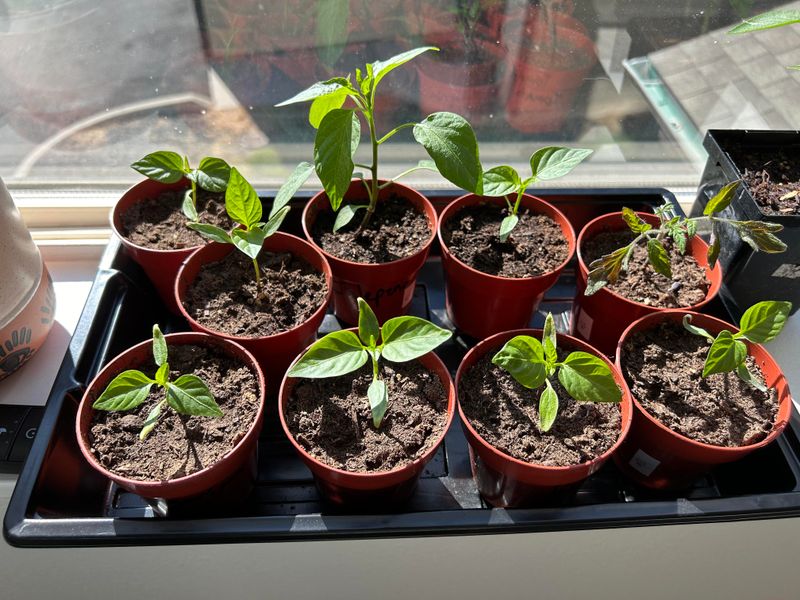
A single packet of vegetable seeds can cost anywhere from one to four dollars and may contain dozens or even hundreds of seeds. Compare that to buying nursery transplants, which often run two to five dollars per plant, and the savings add up fast.
For a Florida gardener on a budget, starting from seed is one of the most impactful changes you can make.
Warm-season crops like beans, squash, cucumbers, and southern peas do best when direct-sown straight into the garden soil. These plants dislike having their roots disturbed, so skipping the transplant stage actually improves your results.
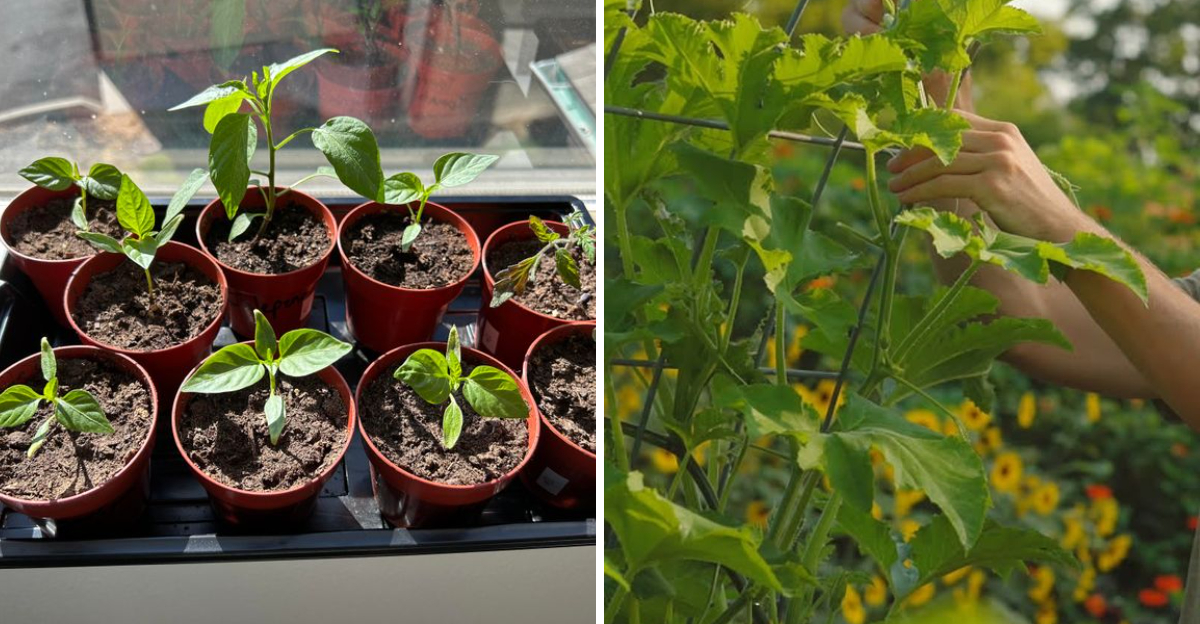
For crops like tomatoes and peppers, start seeds indoors six to eight weeks before your planting window using recycled containers such as yogurt cups, egg cartons, or paper towel rolls.
Fill your containers with a simple seed-starting mix, keep them moist, and place them somewhere warm and bright. A sunny Florida windowsill works perfectly.
Your Florida Garden Changes Every Week. Your Plan Should Too.
Gardening in Florida changes quickly throughout the season. Every Friday you’ll receive a simple weekly plan showing exactly what to plant, prune, fertilize, harvest, and protect so you never miss the right timing.
Once seedlings have two to three sets of true leaves, they are ready to move outside. Saving seeds from your best-performing plants each season is another smart step that can eventually bring your seed costs down to nearly nothing.
3. Build Simple Raised Beds With Affordable Materials
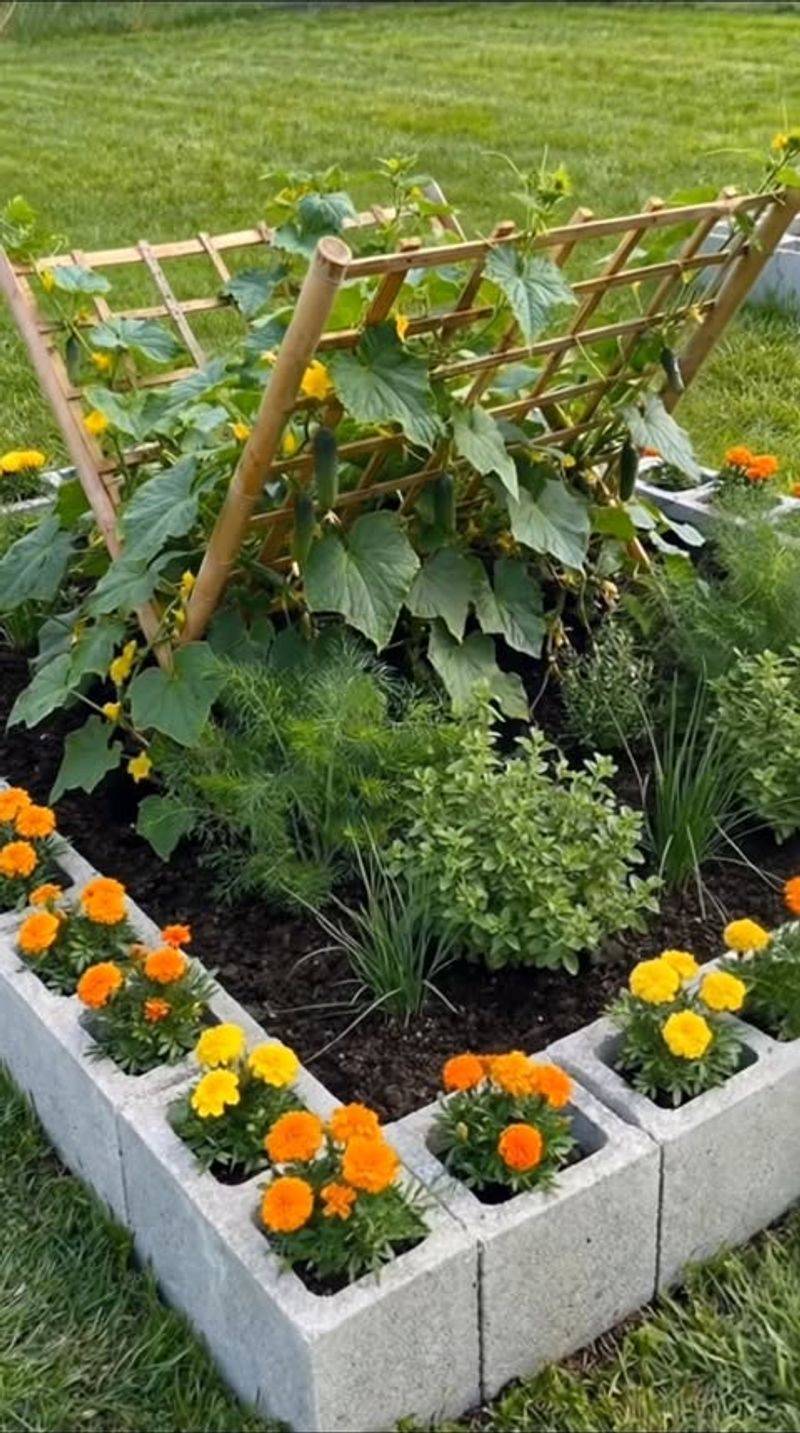
Florida’s native soil is notoriously sandy, meaning it drains fast, holds very few nutrients, and makes growing vegetables directly in the ground a real challenge. Raised beds solve this problem by giving you complete control over your growing environment without requiring a massive investment.
You can build a basic raised bed for well under fifty dollars using materials that are easy to find locally.
Untreated lumber, concrete blocks, or even repurposed wood pallets can all be used to frame a raised bed. Avoid pressure-treated wood in vegetable gardens, as older formulations contained chemicals you don’t want near food crops.
A raised bed that is eight inches to twelve inches deep gives most vegetable roots plenty of room to grow and thrive.
Raised beds protect your plants from Florida’s heavy summer rains, which can saturate flat garden beds and wash away nutrients in minutes. Good drainage means roots stay healthy and plants stay productive longer.
Filling your raised bed with a mix of compost, topsoil, and a small amount of perlite gives you a growing medium far superior to anything Florida’s sandy ground naturally provides. Over time, your raised bed soil only gets better as you continue adding compost each season.
4. Improve Soil With Homemade Compost
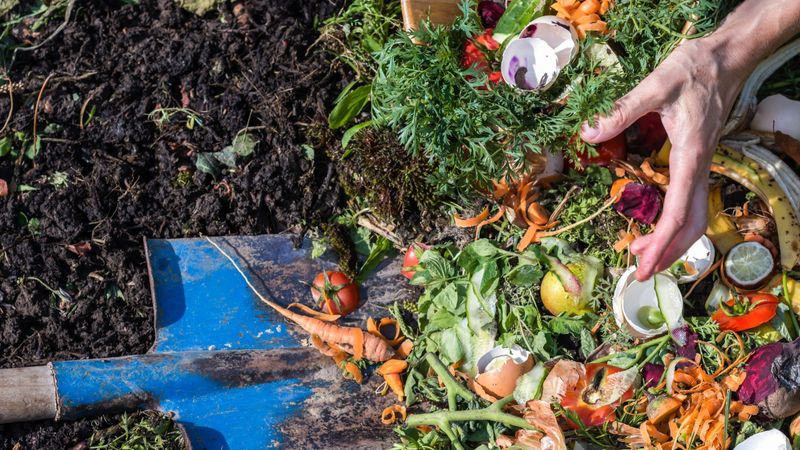
Sandy Florida soil drains so quickly that nutrients barely have time to reach plant roots before washing away. Adding organic matter is the most effective and affordable fix, and homemade compost is the best organic matter you can get.
Best of all, it costs almost nothing to make because the raw materials are things you already throw away every day.
Kitchen scraps like vegetable peels, coffee grounds, crushed eggshells, and fruit cores are all excellent compost ingredients. Layer these with yard waste such as dried leaves, grass clippings, and small twigs.
According to UF/IFAS Extension, incorporating organic matter into Florida’s sandy soil dramatically improves its ability to hold both moisture and nutrients, giving plant roots a much more supportive environment.
A simple compost system doesn’t need to be fancy. A wooden pallet bin, a wire cylinder, or even an open pile in a shaded corner of your yard will work.
Turn the pile every week or two to speed up decomposition, and keep it slightly moist. Within two to three months, you will have dark, crumbly compost ready to mix into your garden beds.
Replacing store-bought fertilizers with homemade compost can save you a significant amount of money every single season.
5. Mulch To Reduce Watering Costs
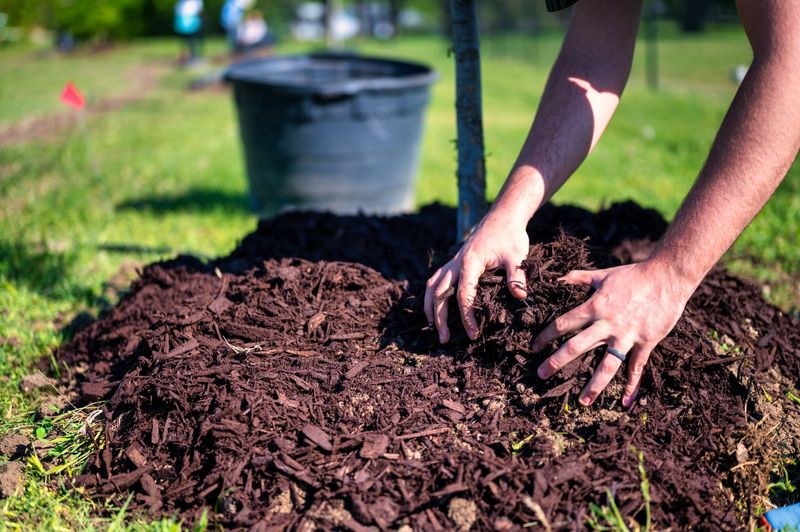
Florida summers are brutally hot, and garden soil can dry out surprisingly fast even after a heavy afternoon rainstorm. Watering your garden by hand every day takes time, raises your water bill, and still may not be enough to keep plants consistently hydrated.
A simple layer of mulch changes everything by locking moisture into the soil where roots actually need it.
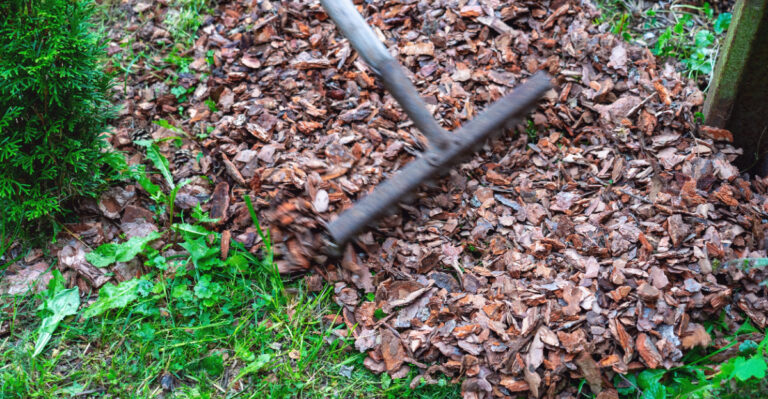
Pine bark, straw, dried leaves, and even shredded newspaper all make effective and inexpensive mulch options. Apply a layer two to four inches thick around your plants, keeping the mulch a few inches away from plant stems to prevent rot.
This layer acts like a protective blanket, slowing evaporation dramatically during Florida’s intense heat and reducing how often you need to water.
Mulch also suppresses weeds, which compete with your vegetables for water and nutrients. Fewer weeds mean less time pulling them and more time enjoying your garden.
As organic mulches like straw and leaves break down over time, they also add a small but steady stream of nutrients back into the soil. In a climate as demanding as Florida’s, mulching is one of the simplest, cheapest, and most effective habits a budget-conscious gardener can develop.
6. Install Simple Drip Irrigation Or Soaker Hoses
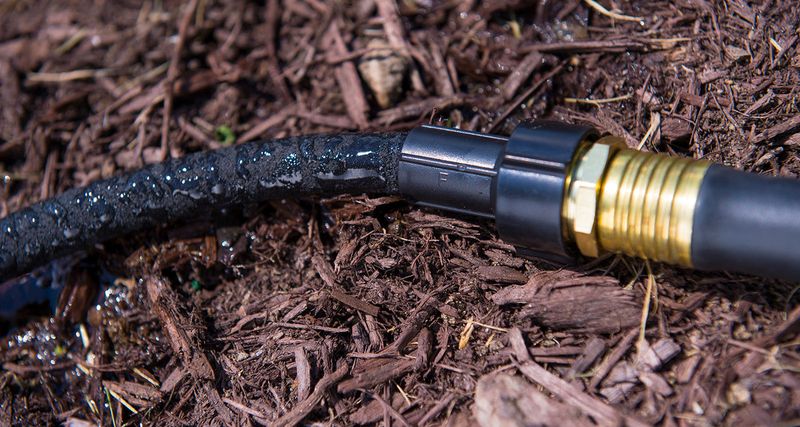
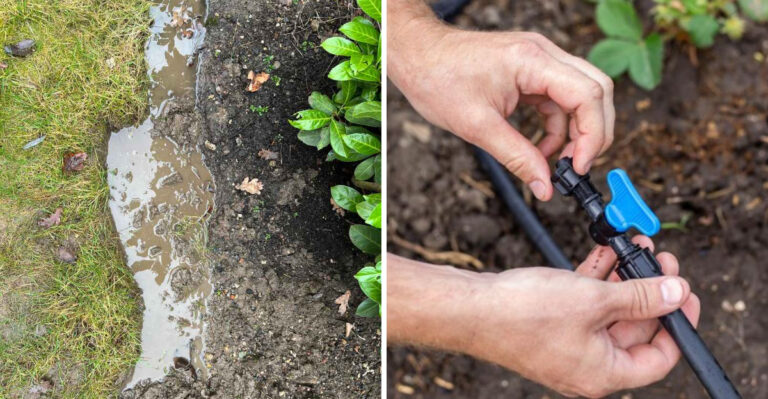
Hand watering a garden sounds simple, but in Florida’s heat it can become exhausting and surprisingly wasteful. Overhead watering with a hose or sprinkler soaks leaves instead of roots, which wastes water and creates the wet foliage conditions that fungal diseases love in Florida’s humid climate.
Switching to drip irrigation or soaker hoses solves both problems at once.
Soaker hoses are inexpensive, widely available at hardware stores, and incredibly easy to set up. You simply lay them along your garden rows, connect them to a standard outdoor faucet, and let water slowly seep directly into the soil at root level.
Drip irrigation systems are slightly more involved to install but offer even more precise water delivery and can be put on a timer for completely hands-free watering.
Both systems use significantly less water than hand watering or sprinklers, which matters in Florida where water restrictions are common in many counties during dry seasons. Healthier root development is another major benefit, since roots grow deeper when they learn to seek out moisture rather than relying on surface watering.
An entry-level soaker hose setup for a small garden can cost as little as fifteen to twenty dollars, making it one of the best low-cost investments a Florida gardener can make.
7. Plant Perennial Edibles For Long-Term Savings
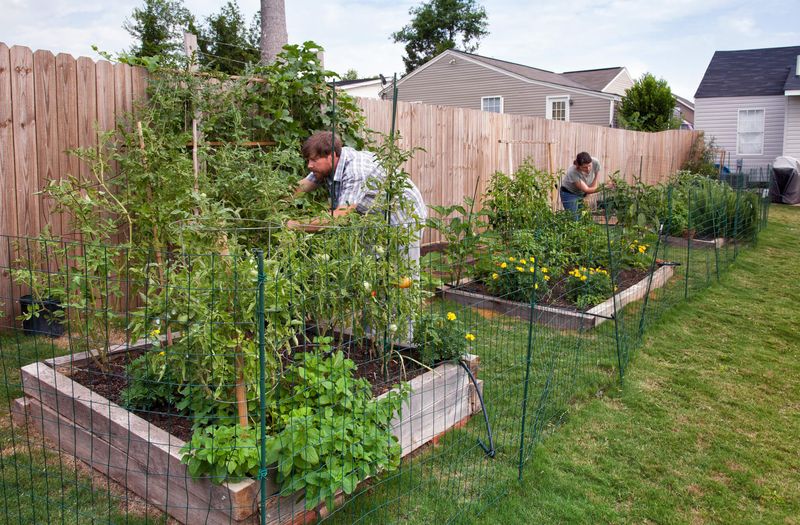
Most vegetables are annuals, meaning you plant them, harvest them, and then start the whole process over again next season. Every replanting cycle costs money and effort.
Perennial edibles break that cycle by coming back year after year from the same root system, delivering harvests season after season without requiring you to buy new plants or seeds.
Florida is an excellent state for perennial edibles because the mild climate allows many plants to survive winters that would finish them off further north. Rosemary grows into a large, productive shrub in Florida and can live for many years with almost no attention.
Chives, longevity spinach, and Seminole pumpkin are other reliable perennial options well suited to Florida growing zones. Certain fruit trees, including figs, loquats, and Caribbean papayas, also thrive across much of the state and produce abundantly once established.
The upfront cost of establishing perennial plants is slightly higher than buying annual seedlings, but the long-term math strongly favors perennials. A single rosemary plant purchased for a few dollars can produce fresh herbs for five years or more.
Mixing perennial edibles throughout your garden creates a living, low-maintenance food system that keeps delivering harvests while your annual planting costs continue to shrink each year.
8. Swap Seeds And Seedlings Locally
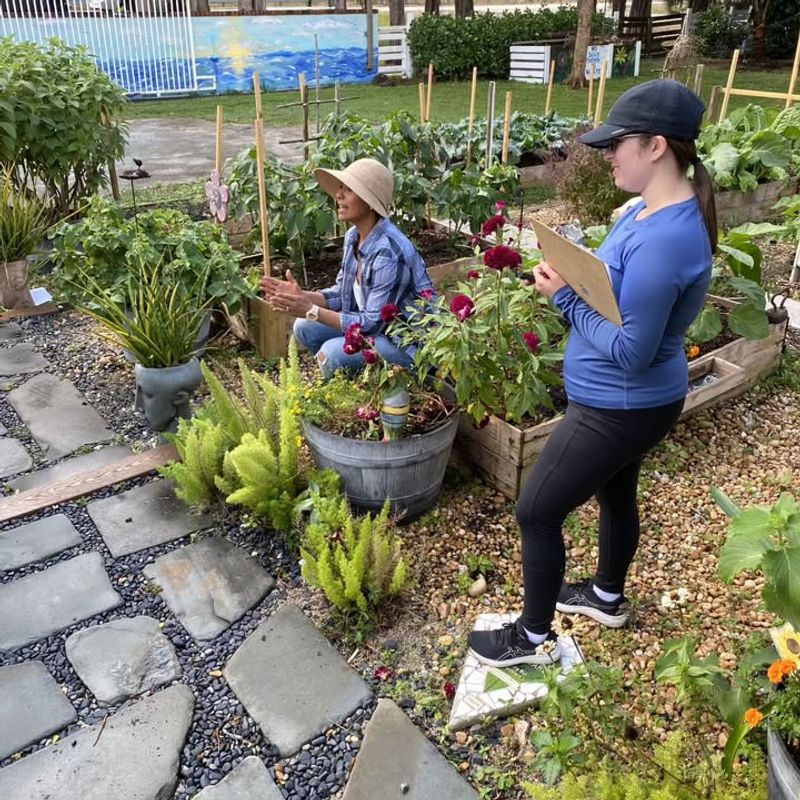
Florida has a surprisingly active community of home gardeners, and many of them are eager to share what they grow. Seed swaps, plant exchanges, and community garden networks exist in cities and towns across the state, from Pensacola to Miami.
Tapping into these networks is one of the most underrated ways to build a diverse, thriving garden without spending much money at all.
Seeds and seedlings traded within a local community have a hidden advantage beyond just being free. Plants grown and selected by Florida gardeners in your specific area have already adapted to your local microclimate, soil conditions, and pest pressures.
A tomato variety that has been saved and replanted in your county for several generations will often outperform a generic variety bought from a national chain store with no connection to your region.
Facebook groups, local master gardener programs, community center bulletin boards, and UF/IFAS Extension events are all great places to find seed swaps and plant giveaways near you. Beyond the free plants, these connections introduce you to experienced local gardeners who can share knowledge specific to your growing conditions.
The combination of free plants and practical local wisdom is genuinely priceless for anyone trying to grow more food on a tight budget in Florida.
9. Grow Vertically To Maximize Small Spaces
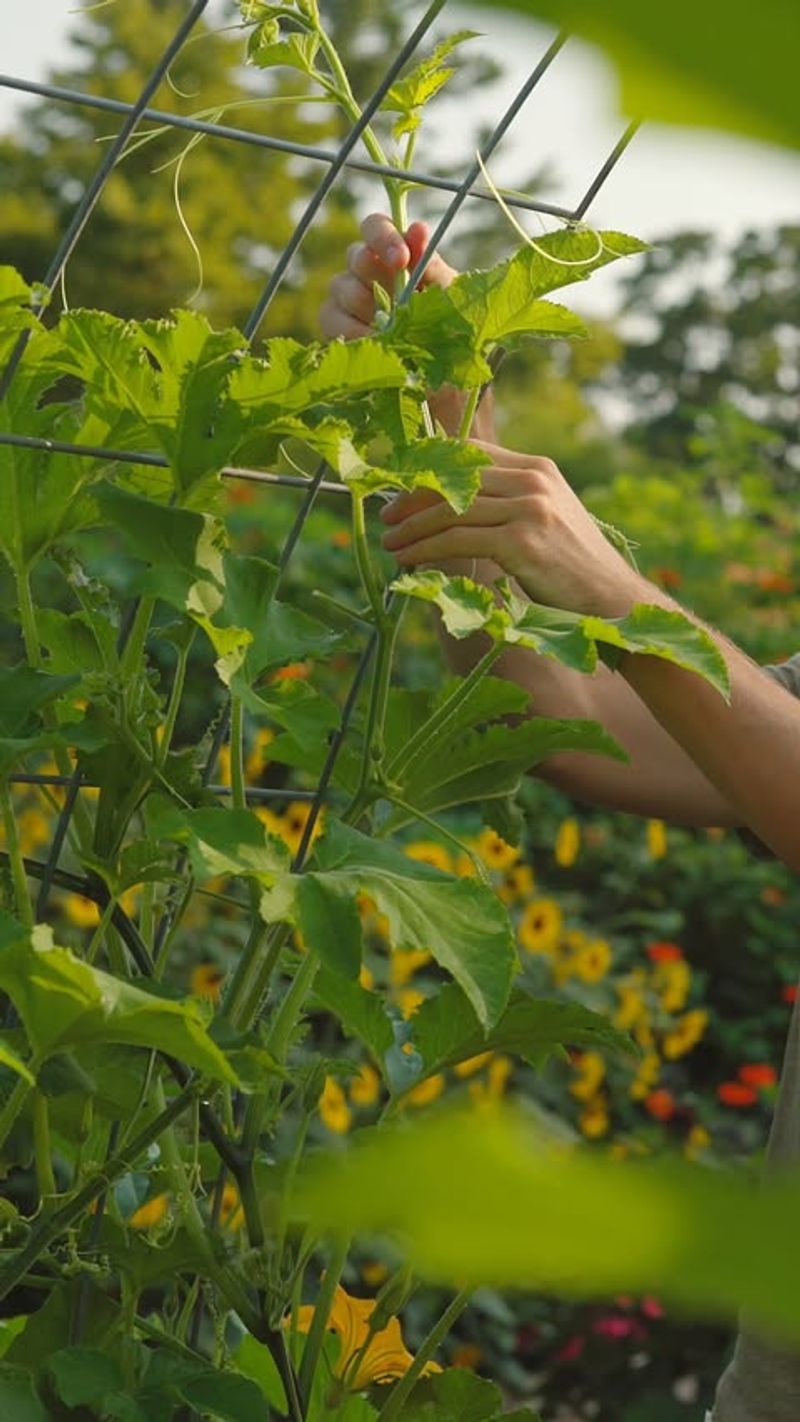
Not every Florida home comes with a sprawling backyard, and even those that do can run out of usable garden space quickly. Growing vertically is a practical and creative solution that dramatically increases your garden’s productivity without requiring a single extra square foot of ground space.
Vines and climbing plants are natural candidates for vertical growing and happen to include some of the most productive edibles you can grow in Florida.
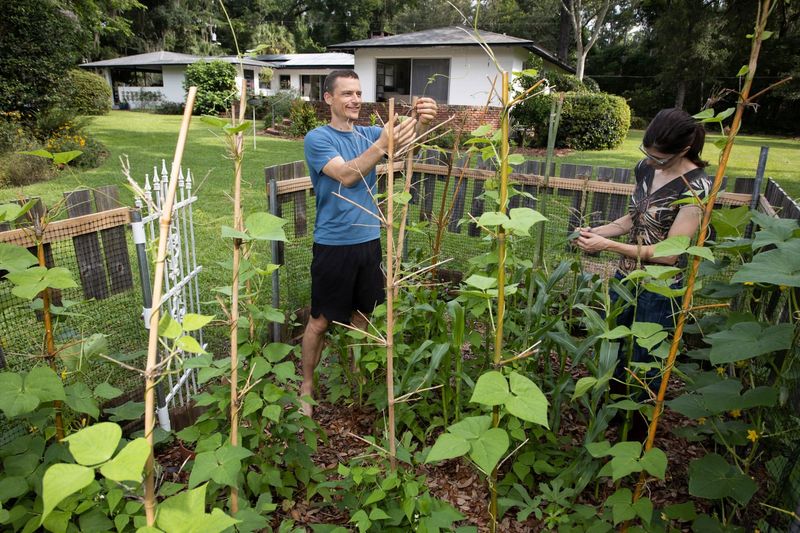
Cucumbers, pole beans, small melons, and trellised tomato varieties all climb readily with a little support. A simple trellis made from wooden stakes and twine, a wire mesh panel attached to a fence, or even a repurposed metal ladder can serve as a vertical growing structure for very little money.
These structures can be built for under ten dollars using materials from any hardware store or salvaged from around your property.
Vertical growing offers an important additional benefit in Florida’s famously humid climate. When plants are trained upward instead of sprawling along the ground, air circulates more freely around leaves and stems.
Better airflow means foliage dries faster after rain or morning dew, which significantly reduces the risk of fungal diseases that thrive in Florida’s warm, moist conditions. More yield, less disease pressure, and no extra ground space required makes vertical gardening a genuinely smart strategy for Florida gardeners everywhere.