Why Ants Suddenly Appear In Oregon Garden Beds In March
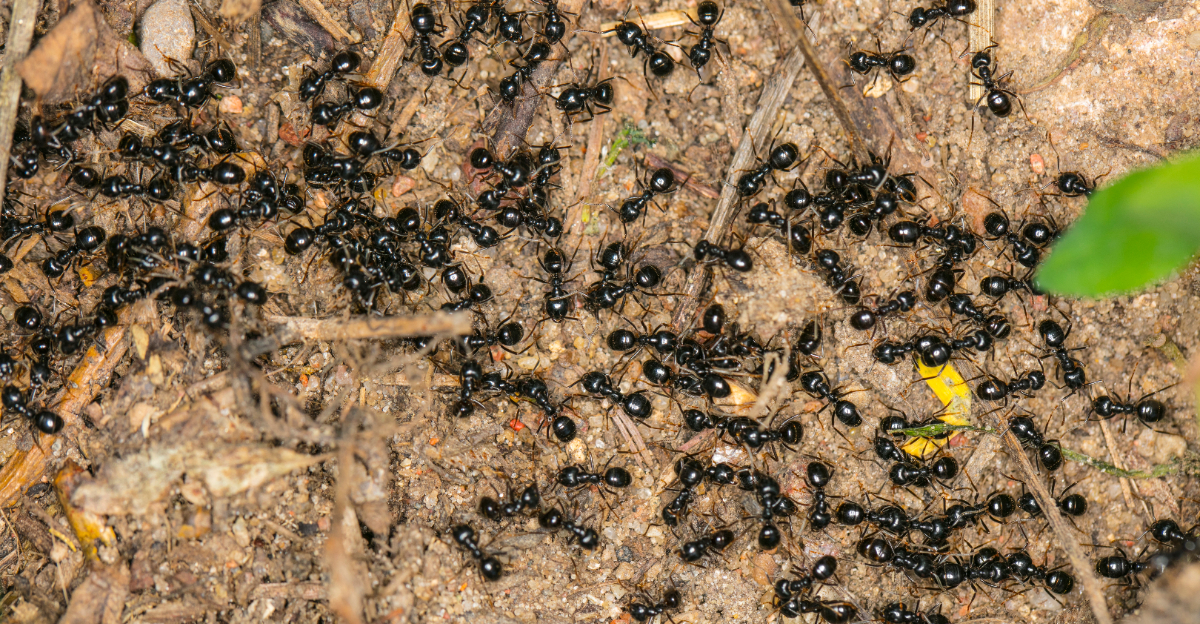
Just when your garden beds start waking up in early spring, something else seems to show up too. Ants.
One week the soil looks quiet, and the next you notice tiny trails moving through the beds like a miniature highway system. It can feel a little sudden, especially if you didn’t see many of them during the winter months.
March is often when ants become more active as the soil warms and moisture levels shift. Gardens offer everything they’re looking for, including loose soil for tunnels, shelter under mulch, and plenty of food sources hiding among new plant growth.
Most of the time, a few ants in the garden aren’t a big problem. In fact, they can even help with soil aeration.
Still, large numbers can raise questions, especially when they start building mounds around your plants.
Understanding why ants appear now can help you figure out when they’re harmless and when it might be time to step in.
1. Warming Soil Wakes Ant Colonies
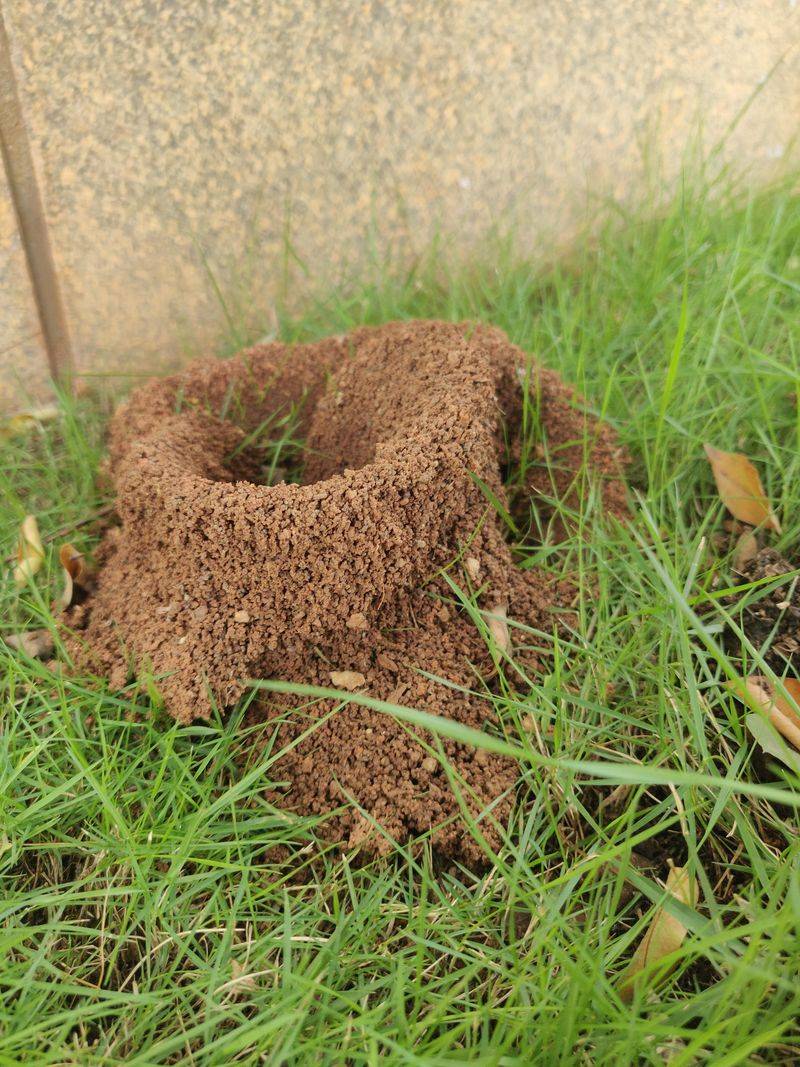
Right around the time Oregon gardeners start planning their spring planting, something stirs beneath the surface. As soil temperatures creep above 50 degrees Fahrenheit in March, ant colonies receive a natural signal that winter is over.
That warmth acts like an alarm clock buried deep in the ground.
Ants are cold-blooded insects, which means their body temperature changes with their environment.
During the cold Oregon winter months, colonies slow way down and cluster together to stay warm.
Workers become sluggish, queens stop laying eggs, and the whole colony enters a kind of quiet waiting period.
Once March arrives and the Pacific Northwest sun starts warming the topsoil, everything changes fast. Workers begin moving again, foraging for food and checking out the world above ground.
In the Portland-Metro area and across the Willamette Valley, odorous house ants are among the first species to become noticeably active. You might spot them along garden edges, near mulch, or around the base of early-season plants.
Their sudden appearance can feel surprising, but it is completely natural. The warming soil in Oregon garden beds is simply doing what it always does in spring, waking up the underground world that has been waiting patiently all winter long for this exact moment.
2. March Rain Softens The Ground
Oregon is famous for its rainy springs, and March is no exception. All that rainfall does more than water your plants.
It also changes the soil in ways that directly affect ant behavior, making garden beds much easier to navigate and nest in.
When dry, compacted soil gets soaked with rain, it becomes softer and easier to tunnel through. Ants are natural excavators, and they take full advantage of this.
Soft, moist soil requires far less energy to dig through than hard, dry earth. So right after a good March rain, ant activity in Oregon garden beds tends to spike noticeably.
There is another reason rain matters here. Heavy rain can flood underground ant tunnels, forcing entire colonies to relocate quickly.
Your Oregon Garden Changes Every Week. Your Plan Should Too.
Gardening in Oregon changes quickly throughout the season. Every Friday you’ll receive a simple weekly plan showing exactly what to plant, prune, fertilize, harvest, and protect so you never miss the right timing.
When their original nest gets waterlogged, ants move upward and outward in search of drier, more stable ground. Garden beds with loose, well-draining soil become prime real estate almost overnight.
Raised beds are especially popular relocation spots because the soil drains faster and stays workable even after heavy downpours. If you notice a surge of ants after a big rainstorm in your Oregon yard, there is a good chance a nearby colony just got displaced and is scouting for a new home.
The rain did not create more ants. It simply pushed them into a new location right in your garden.
3. Garden Beds Make Ideal Nests
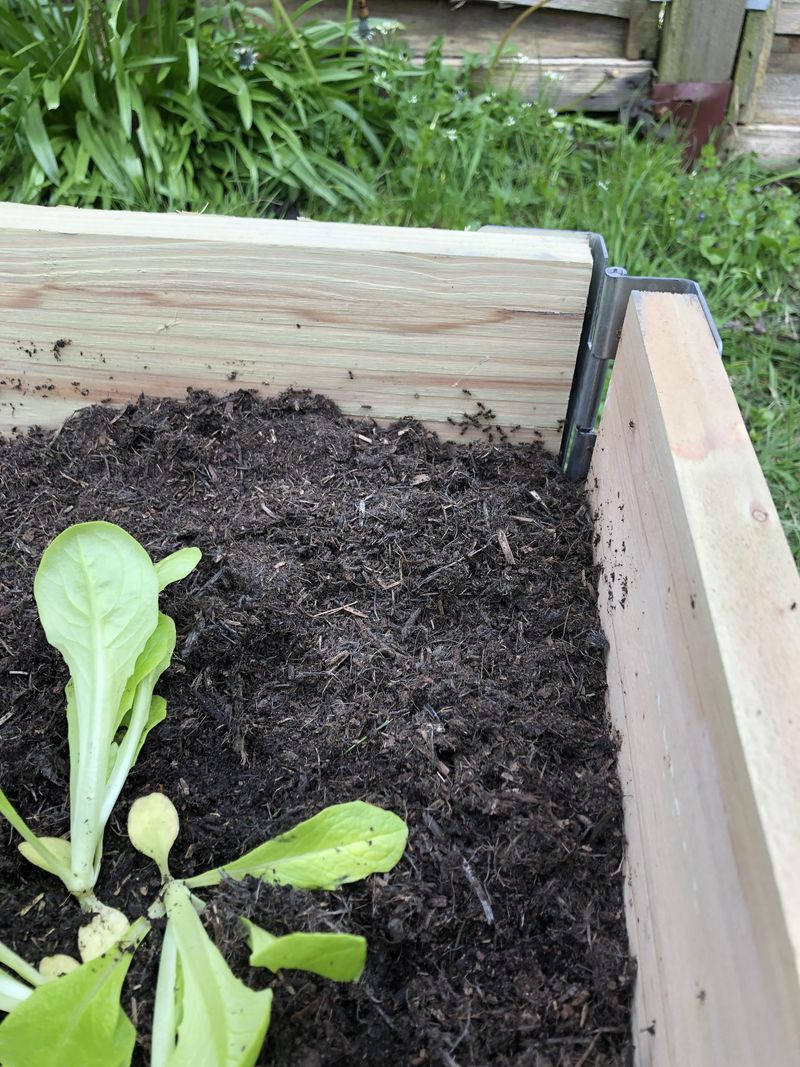
Not all soil is created equal in the eyes of an ant. Garden beds, especially raised ones found across Oregon backyards, offer a combination of features that ants find nearly irresistible when choosing a place to build a colony.
Think about what makes a great garden bed: loose, aerated soil that drains well, organic matter like compost mixed in, mulch on top for insulation, and plenty of plant roots creating natural pathways underground.
From an ant’s perspective, that description sounds like a luxury apartment complex.
The loose soil is easy to tunnel through, the organic material provides food and moisture, and the mulch layer above acts as a temperature buffer that keeps the nest comfortable even when outdoor temperatures swing wildly, as they often do in Oregon in early spring.
Compost-rich beds are especially attractive because decomposing organic matter creates warmth through microbial activity. That extra warmth can make a garden bed several degrees warmer than the surrounding yard soil, giving ant colonies a head start on the season.
Gardeners in Eugene, Bend, and Salem often notice ants concentrated in their most fertile, well-amended beds first. It is not random.
Ants are smart about location. They scout areas thoroughly before committing to a nest site, and a well-prepared Oregon garden bed checks nearly every box on their list of requirements for a thriving, productive colony home.
4. Early Aphids Attract Ants
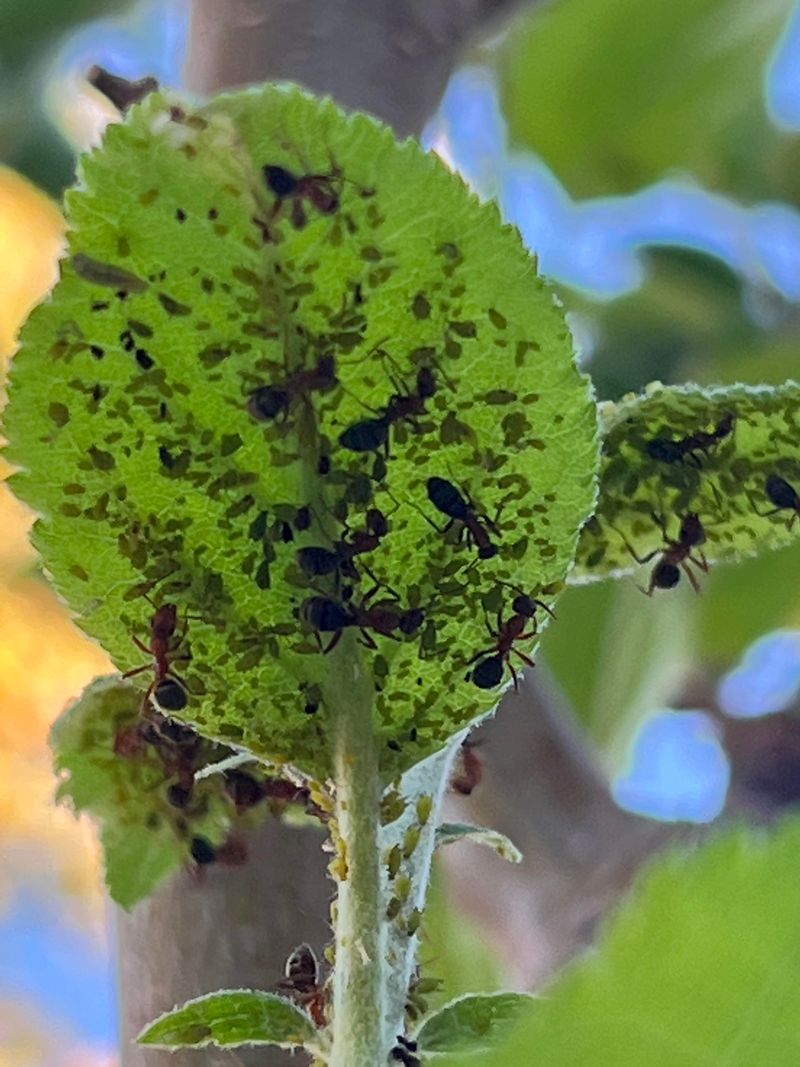
One of the most fascinating and frustrating relationships in the garden world is the partnership between ants and aphids.
If aphids show up early in your Oregon garden beds in March, ants will follow almost immediately, and understanding why can change how you manage both pests.
Aphids are tiny sap-sucking insects that attack soft new plant growth. As they feed, they produce a sticky, sugar-rich liquid called honeydew.
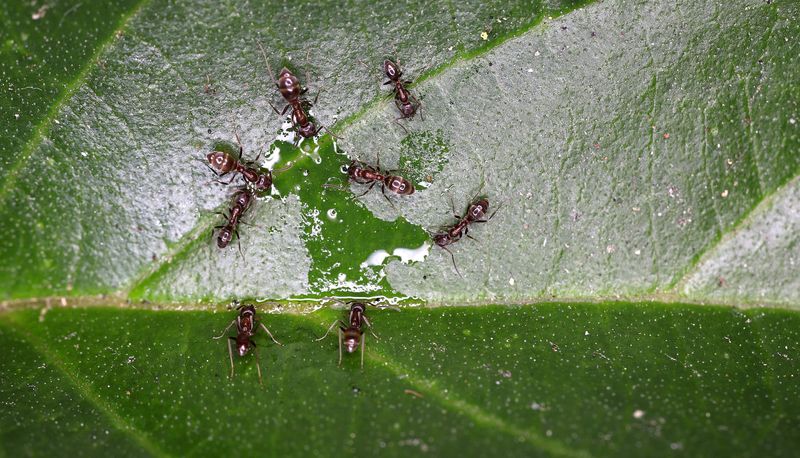
Ants absolutely love honeydew. In fact, some ant species actually farm aphids the same way humans keep livestock, moving them to fresh plants, protecting them from predators like ladybugs, and even carrying aphid eggs into their underground nests for safekeeping during cold nights.
In Oregon, mild March days can bring out early aphid populations on plants like roses, fruit trees, and overwintered vegetables. Once ants detect those honeydew trails, they show up in large numbers fast.
You might notice ants climbing your plants and wonder what they are doing. They are farming.
This relationship can seriously hurt your garden because ants actively chase away the beneficial insects that would normally control aphid populations.
Spotting ants on your plants in early spring is often a sign that aphids are already present, sometimes hidden on the undersides of leaves.
Check carefully before assuming the ants themselves are the main problem in your Oregon garden.
5. Spring Food Sources Return
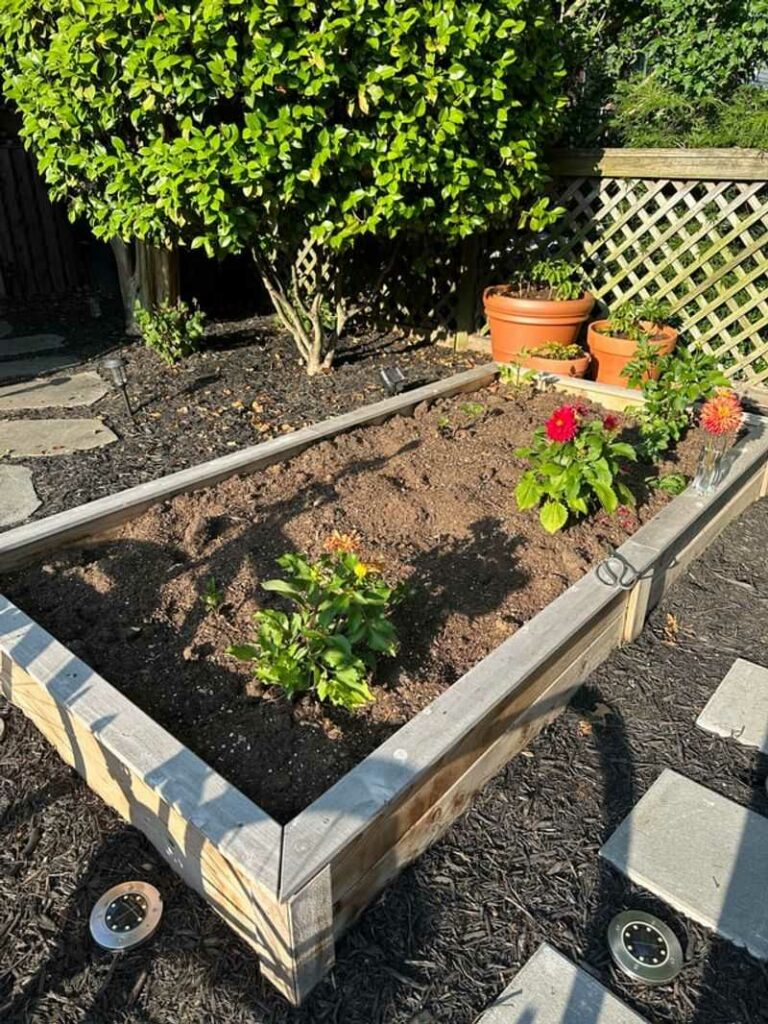
Winter is a lean time for ant colonies. Food becomes scarce, and most colonies survive by burning through stored reserves and dramatically slowing their activity.
By the time March rolls around in Oregon, many colonies are hungry and ready to forage aggressively.
Spring brings a rush of new food sources that ants eagerly exploit. Seeds scattered across garden beds from fall plantings or bird feeders become easy targets.
Decomposing leaves and organic matter that built up over winter offer fungi and bacteria that some ant species actively seek out. Early-blooming plants produce nectar that certain ants feed on directly.
Even small insects and worms that become active in the warming soil are fair game for foraging workers.
Oregon gardens tend to hold onto moisture well into spring, which supports a rich ecosystem of tiny organisms just below the surface. That underground buffet draws ants out of their winter clusters and into your garden beds with surprising speed.
Worker ants leave chemical trails called pheromones to guide their nestmates toward reliable food sources. Once one ant finds something good, dozens or hundreds can follow within hours.
This is why ant activity in Oregon garden beds in March can seem to explode overnight. The food was always going to come back with spring, and the ants have been patiently waiting all winter for exactly this moment to arrive.
6. Colonies Expand After Winter
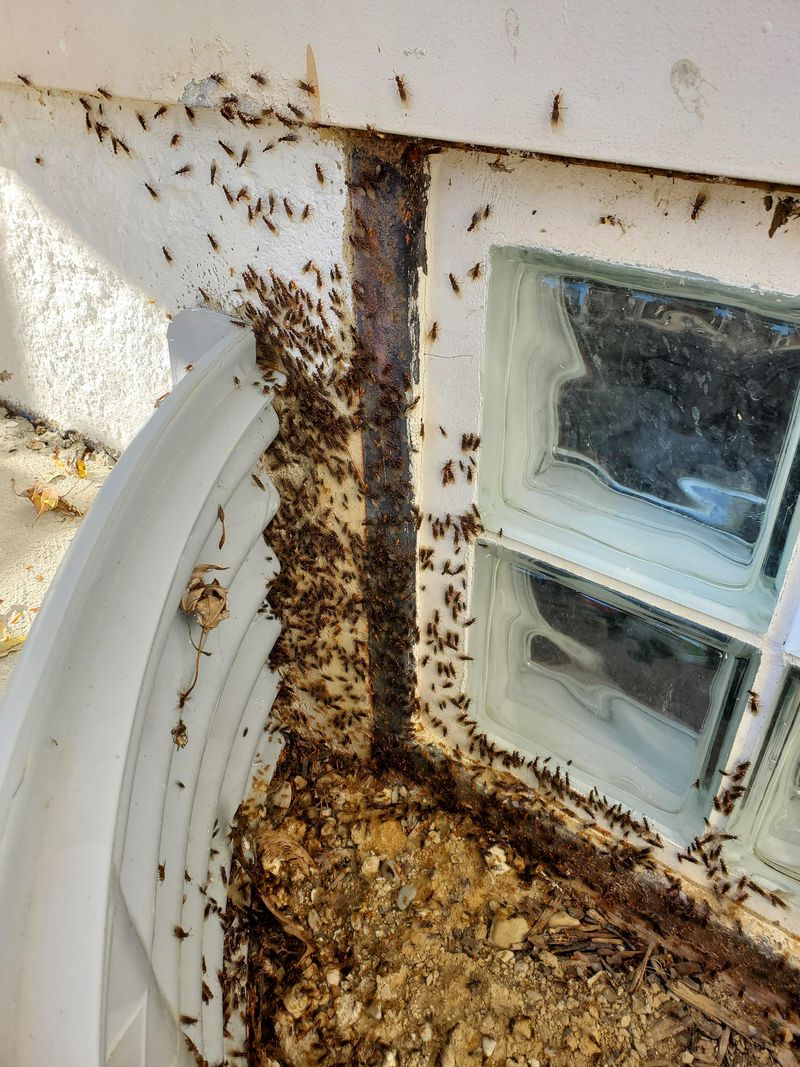
After months of reduced activity, ant colonies in Oregon enter March with one major goal: growth. Winter survival mode switches off, and the colony shifts into full expansion mode as temperatures rise and food becomes available again.
Queen ants, who were largely inactive during the cold months, begin laying eggs again as soon as conditions improve. Worker populations that shrank over winter start rebounding quickly.
In some species, March also marks the beginning of preparations for producing winged reproductive ants, called alates, that will eventually leave to start new colonies elsewhere.
All of this internal colony activity means more ants are moving around, both underground and above the surface.
A colony that had just a few hundred active workers in January might have several thousand workers moving through your Oregon garden beds by late March. More workers mean more foraging, more tunnel building, and more visible activity on the surface.
Gardeners who did not notice ants at all in February are sometimes shocked by how quickly the population seems to explode in early spring. The truth is the colony was always there.
It was just quiet. In Oregon, where winters are mild compared to many other states, ant colonies rarely shrink as dramatically as they do in colder climates, which means spring expansion can happen even faster and more noticeably in your local garden beds.
7. Loose Soil Makes Digging Easy
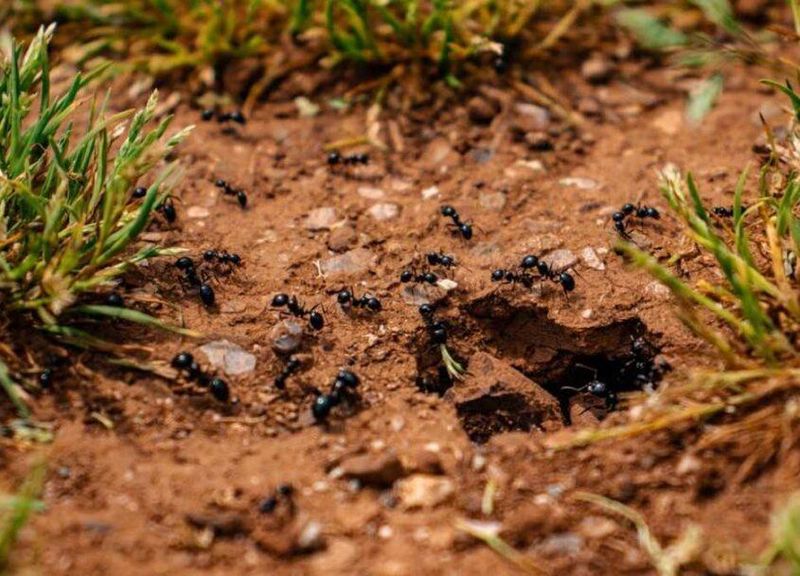
There is a reason ants seem to love freshly prepared garden beds more than almost any other spot in the yard.
Loose, recently turned soil is dramatically easier for ants to excavate than hard-packed ground, and Oregon gardeners who prep their beds in late winter are practically rolling out the welcome mat.
When you amend your garden bed with compost, till the soil, or break up winter-compacted ground in preparation for spring planting, you are creating exactly the kind of environment ant colonies love. Loose soil requires far less effort to tunnel through.
Ants can build elaborate underground networks of chambers and corridors much faster in aerated soil than in dense clay.
Oregon soils, especially in the Willamette Valley, can be heavy with clay content, which makes garden beds with added organic matter even more appealing by comparison.
Here is something worth knowing though: ant tunneling in your garden is not all bad news. As ants dig through your soil, they naturally aerate it, improving drainage and helping oxygen reach plant roots more effectively.
Some research suggests ant activity can improve soil structure in ways similar to earthworms.
So while a large ant colony in your garden might feel like a problem, smaller populations are actually doing quiet, helpful work beneath the surface of your Oregon garden beds every single spring, improving the very soil your plants depend on to grow strong.
8. How To Manage Ants In Oregon Garden Beds
Knowing why ants appear in March is useful, but most gardeners also want to know what to do about them. The good news is that managing ants in Oregon garden beds does not have to be complicated or harsh on your garden ecosystem.
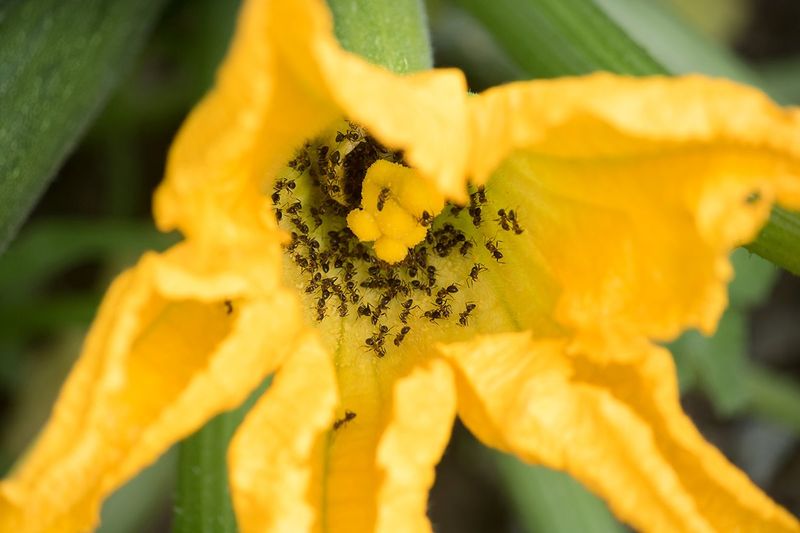
Start by addressing the root causes. If aphids are present, treat them first with a strong stream of water or insecticidal soap.
Remove aphids and you remove one of the biggest reasons ants want to be in your garden in the first place. Check the undersides of leaves on roses, vegetables, and fruit trees regularly throughout March and April.
Catching aphid populations early makes a big difference in controlling ant activity too.
For ants nesting directly in garden beds, try sprinkling food-grade diatomaceous earth around the affected areas. It is safe for plants and beneficial insects when used carefully and works by disrupting the outer coating of insects that crawl through it.
Cinnamon, peppermint oil, and citrus peels are popular natural deterrents that many Oregon gardeners swear by for keeping ants away from specific plants. Avoid disturbing beneficial ground beetles and other predatory insects that naturally keep ant populations in check.
Keeping a balanced, healthy garden ecosystem is truly the most effective long-term strategy for managing ants in Oregon garden beds throughout the entire spring season.