How To Water Your Vegetable Garden In Arizona The Right Way
Watering a vegetable garden in Arizona is very different from watering one in milder climates. The intense sun, dry air, and fast-draining soil can pull moisture away from plants much quicker than many gardeners expect.
One day the soil may look fine, and the next it can feel completely dry. Because of this, watering habits play a huge role in how well vegetables grow in Arizona gardens.
Too little water can stress plants and slow their growth, while watering too often can cause shallow roots or other problems. Finding the right balance is what helps vegetables stay strong through the desert heat.
Many Arizona gardeners get the best results by paying close attention to soil moisture, watering deeply, and adjusting their routine as temperatures rise.
With the right approach, vegetable plants can stay healthy, productive, and far better prepared for Arizona’s demanding growing conditions.
1. Water Deeply Instead Of Watering Lightly Every Day
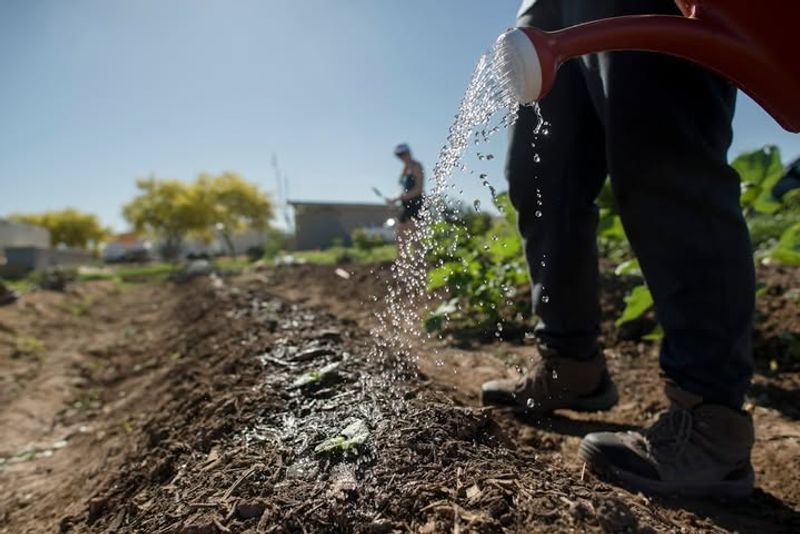
Shallow watering is one of the most common mistakes Arizona vegetable gardeners make, and it quietly works against your plants without you realizing it. When you only wet the top inch or two of soil, roots have no reason to grow downward.
They stay near the surface, where heat and evaporation hit hardest.
Deep watering means soaking the soil down to at least 12 to 18 inches. At that depth, moisture sticks around longer, and roots follow it down where temperatures stay cooler and more stable.
A plant with deep roots handles Arizona heat far better than one with shallow roots scrambling near the surface.
Aim to water less often but for a longer duration each time. Instead of running your hose for five minutes every day, try watering for 20 to 30 minutes every two to three days, depending on the time of year.
During peak summer heat in places like Phoenix or Yuma, you may need to water more frequently, but still deeply each time.
Push a screwdriver or a long stick into the soil after watering to check how far down the moisture reached. If it stops at four or five inches, you need to water longer.
Keep going until that moisture is consistently reaching a foot or more below the surface.
Deep watering also trains your plants to be more self-sufficient. Roots that reach down into cooler, moister soil are stronger and more capable of supporting healthy fruit production throughout the season.
2. Water Early In The Morning Before Temperatures Rise
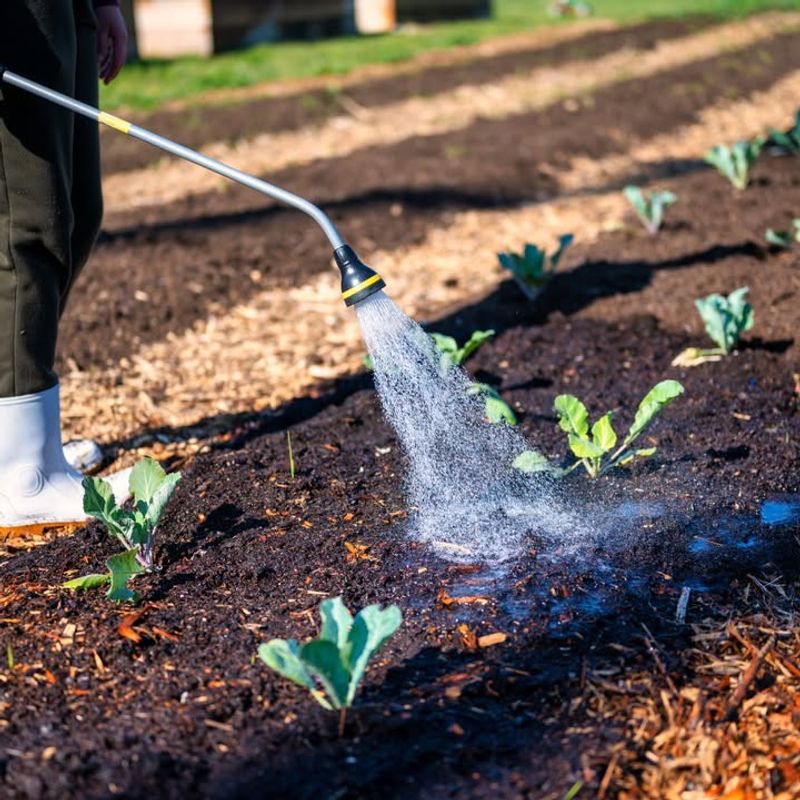
Right around sunrise is the best time to water your vegetable garden in Arizona, and there is solid reasoning behind it.
Soil is still cool from the night before, which means water soaks in slowly and evenly rather than evaporating off the surface before it ever reaches the roots.
Watering in the middle of the day in Arizona is almost wasteful. Temperatures in the Sonoran Desert can push past 110 degrees Fahrenheit during summer, and water applied to hot soil can evaporate within minutes.
Your plants may look like they received water, but the roots never actually benefit from it.
Your Arizona Garden Changes Every Week. Your Plan Should Too.
Gardening in Arizona changes quickly throughout the season. Every Friday you’ll receive a simple weekly plan showing exactly what to plant, prune, fertilize, harvest, and protect so you never miss the right timing.
Evening watering might seem like a good alternative, but it comes with its own problems. Wet leaves sitting overnight create conditions where fungal issues can take hold.
Powdery mildew and other moisture-related problems spread much faster in gardens that stay damp through the night hours.
Morning watering gives leaves time to dry out naturally as the day warms up. Moisture that lands on foliage burns off quickly once the sun gets going, reducing the chance of leaf-related problems.
At the same time, roots get a steady supply of water before the heat peaks.
Setting up an automatic timer for your irrigation system to run between 5 a.m. and 7 a.m. is a smart move for Arizona gardeners. You do not have to wake up early every day, and your garden still gets water at the most effective time possible.
3. Focus Water At The Base Of Plants Instead Of The Leaves
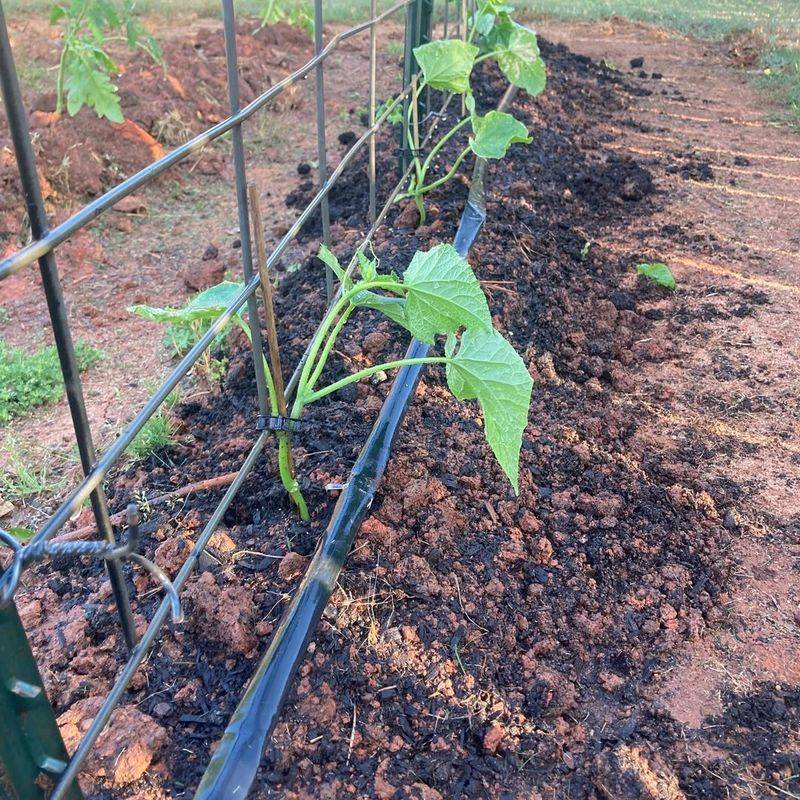
Spraying water all over your plants might feel thorough, but most of that water never does what you want it to do. Leaves cannot absorb water the way roots can, so wetting the foliage is mostly just a waste of effort and moisture in Arizona’s already dry conditions.
Roots are where water needs to go. Keeping your watering focused at the base of each plant, right around the root zone, means every drop you use actually works for you.
Directing water to the soil around the stem rather than above the plant is one of the easiest habits to build and one of the most impactful.
Wet leaves under Arizona’s intense sun can also lead to scorch marks. Water droplets on leaf surfaces act like tiny magnifying glasses, and when sunlight hits them directly, they can cause burn spots on the leaves.
While this does not destroy the plant, it does add unnecessary stress during already demanding growing conditions.
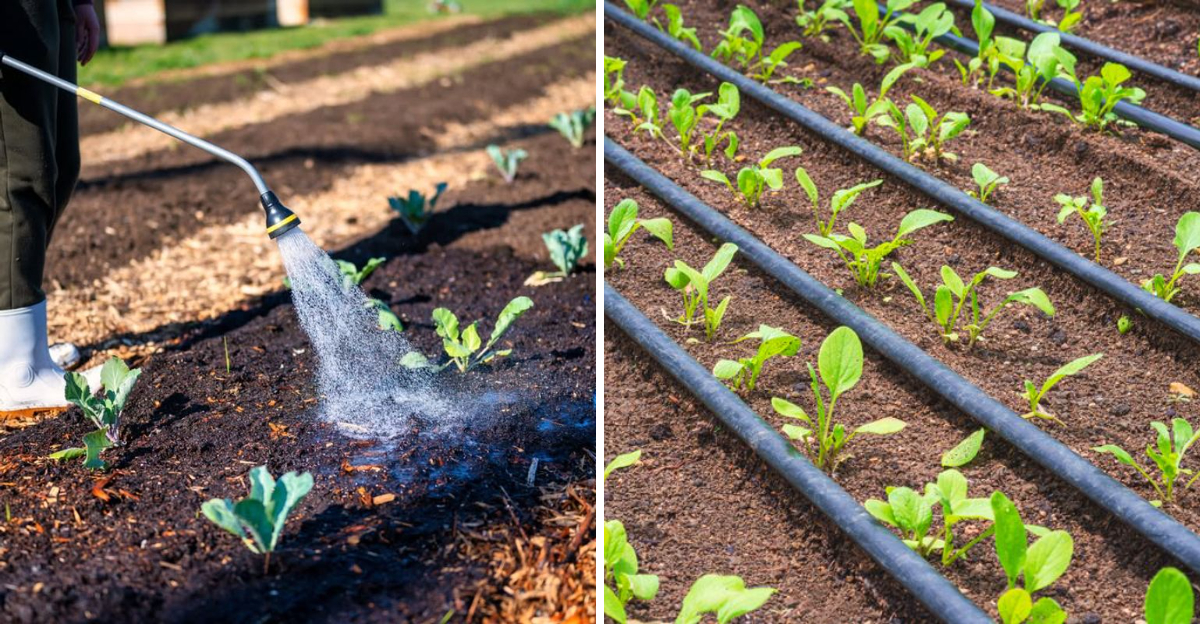
Soaker hoses and drip lines are excellent tools for targeting the base of plants consistently. You can lay them along your garden rows and let them do the work without any guesswork.
Many Arizona gardeners swear by this approach because it keeps moisture exactly where it belongs.
Hand watering with a wand or a gentle hose attachment also works well if you take a moment to aim low. Get in the habit of pointing water at the soil rather than the plant, and your vegetables will respond with stronger, more vigorous growth over time.
4. Use Mulch To Help Soil Hold Moisture Longer
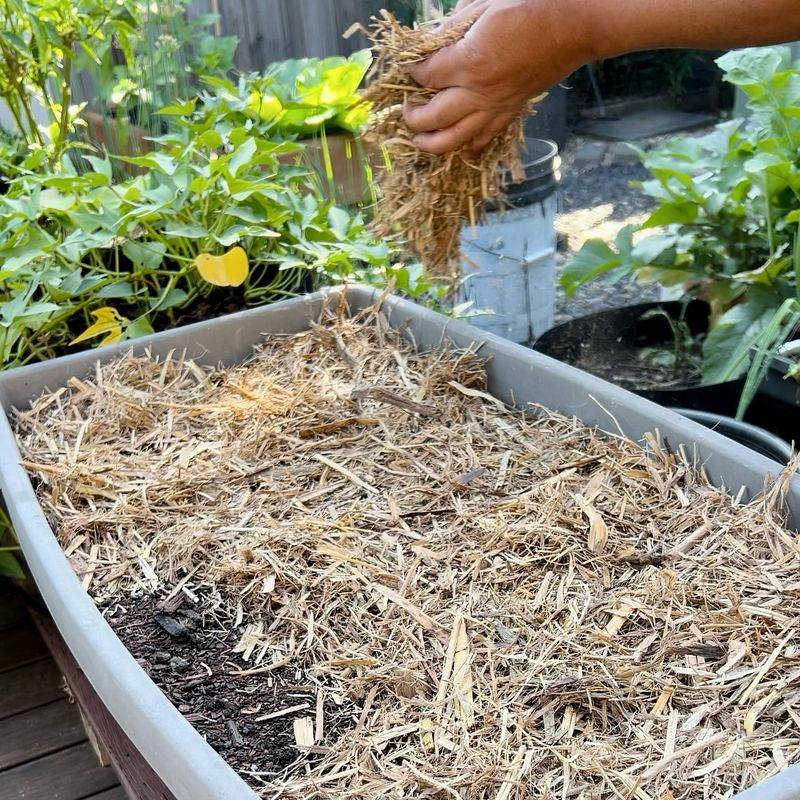
Bare soil in an Arizona garden is basically an open invitation for moisture to disappear. Without any cover, the sun bakes the top layer of soil dry within hours of watering, and everything beneath it starts to dry out faster than your roots can keep up with.
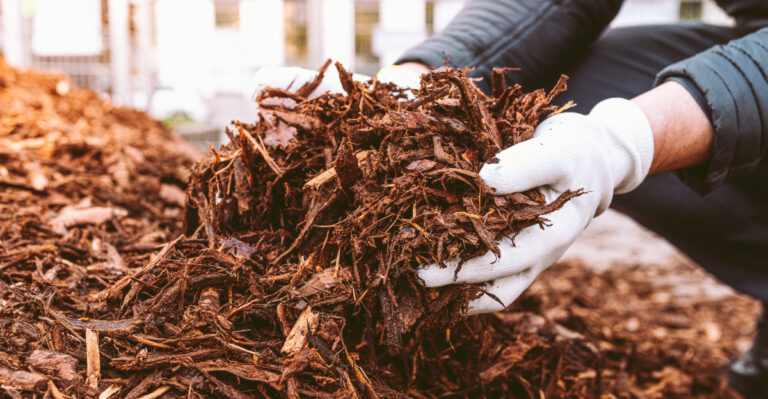
Mulch changes that equation completely. Spreading a three to four inch layer of organic material around your plants creates a barrier between the soil and the sun.
Straw, wood chips, shredded leaves, and even grass clippings all work well in Arizona gardens. That layer holds moisture in the ground much longer, which means you water less often without your plants going thirsty.
Soil temperature is another big factor in Arizona vegetable gardening. Unprotected ground can reach scorching temperatures during summer, which stresses roots and slows growth.
Mulch keeps the soil noticeably cooler, sometimes by 10 to 15 degrees, which makes a real difference when outdoor temps are already brutal.
As organic mulch breaks down over time, it also adds nutrients back into the soil. It is a slow process, but it gradually improves your soil structure, which matters a lot in the sandy, nutrient-poor soils common across much of Arizona.
Weed suppression is another benefit that saves you time and water. Weeds compete with your vegetables for moisture, and in a desert climate like Arizona, that competition is one you cannot afford.
A solid layer of mulch makes it much harder for weeds to establish themselves in the first place.
5. Adjust Watering As Temperatures Begin To Rise
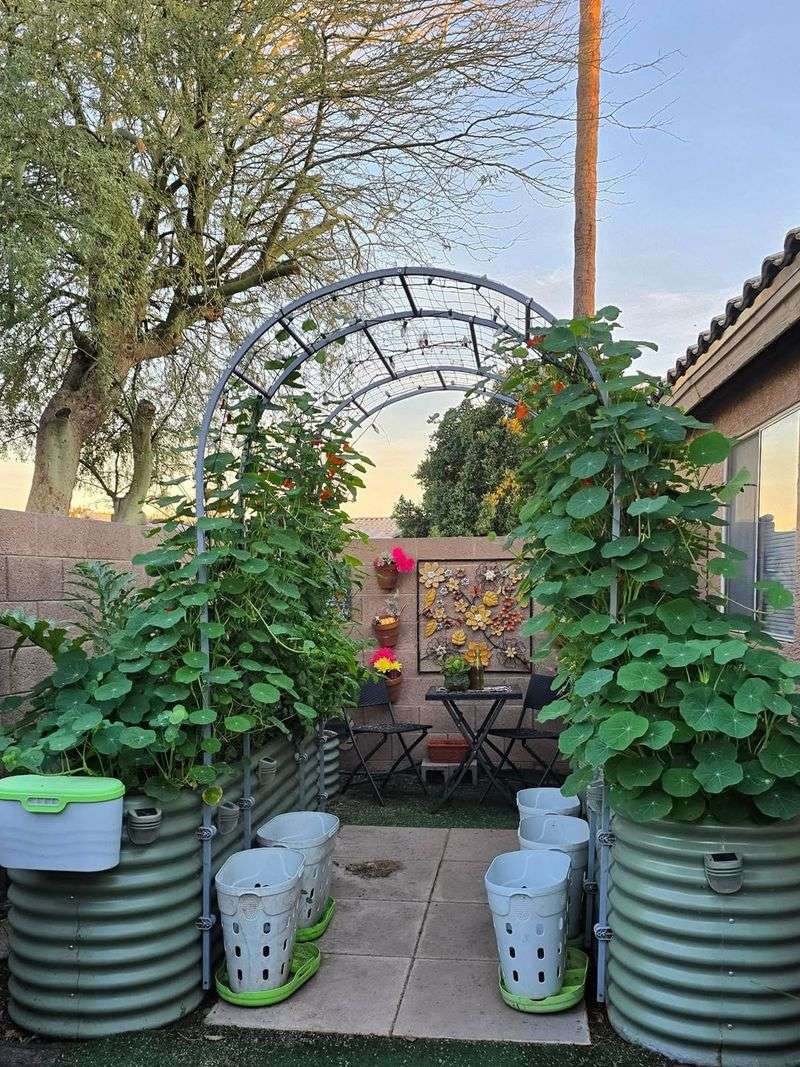
Arizona does not have just one season of heat. Temperatures climb gradually from spring into summer, and then they keep climbing.
What worked for your garden in March will not be enough by June, and what worked in June will definitely not cut it come July and August.
Paying attention to the forecast and adjusting your watering schedule as temperatures shift is one of the most practical habits you can develop as an Arizona gardener.
A good rule of thumb is to add one additional watering session per week for every 10 degree increase in average high temperatures from your baseline spring schedule.
Cool season crops like lettuce, spinach, and broccoli need more frequent water as spring heats up because they are already under stress from rising temperatures.
Warm season crops like peppers, squash, and melons can handle heat better but still need consistent moisture to produce well during Arizona’s intense summers.
Monsoon season, which usually arrives in July and August across southern Arizona, can temporarily reduce how much supplemental watering you need to do. Natural rainfall during this period can be significant, but it is unpredictable.
Do not rely on it completely or skip irrigation altogether during a monsoon stretch.
Keeping a simple watering log helps you track what your garden actually needed week by week. Over time, patterns emerge and you get a feel for exactly when to bump up or scale back your irrigation.
Local experience is genuinely the best teacher when it comes to Arizona gardening.
6. Check Soil Moisture Before Watering Again
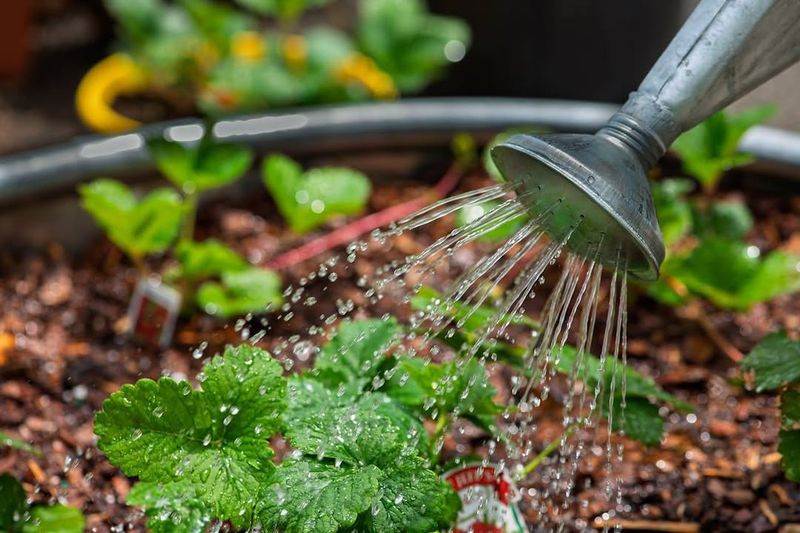
Overwatering is just as problematic as underwatering, and it catches a lot of Arizona gardeners off guard. Because the air is so dry and the sun is so intense, it is easy to assume the soil must be dry too.
But below the surface, the situation can be completely different from what you expect.
Before reaching for the hose, stick your finger two to three inches into the soil near the base of your plants. If it still feels damp at that depth, hold off on watering.
Only when the soil feels dry at that level should you go ahead and water again. It is a simple check that takes five seconds and can prevent a lot of root problems.
Soil moisture meters are inexpensive tools that take the guesswork out of this entirely. You push the probe into the ground and get a reading right away.
For Arizona gardeners managing multiple raised beds or a large plot, a moisture meter is genuinely worth the small investment.
Root rot is a real concern in vegetable gardens that get watered too frequently. Roots sitting in saturated soil for extended periods start to break down, and the plant above ground shows signs of wilting even though the soil is wet.
It is a confusing symptom that leads some gardeners to water even more, making the problem worse.
Building a consistent habit of checking before watering keeps your garden balanced. Plants get what they need without being overwhelmed, and your water usage stays efficient, which matters a lot in a state like Arizona where water conservation is always a priority.
7. Use Drip Irrigation For More Consistent Watering
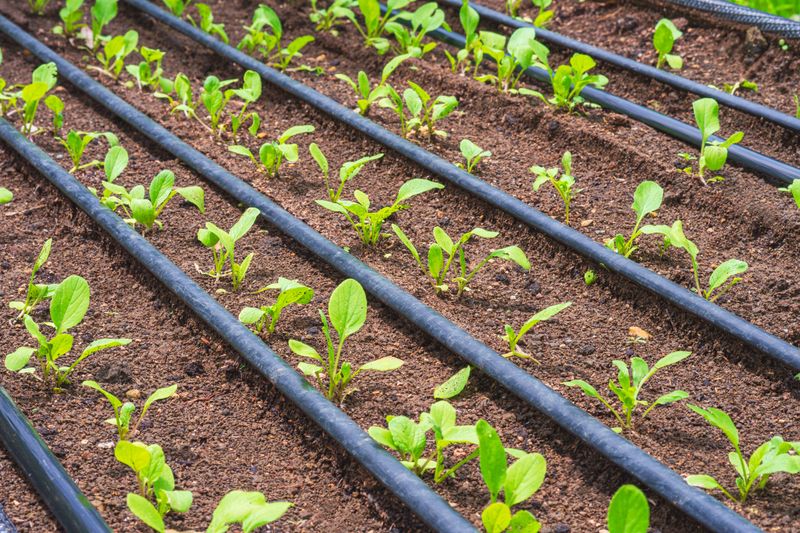
Ask almost any experienced Arizona vegetable gardener what single upgrade made the biggest difference in their garden, and drip irrigation comes up again and again. It is not a complicated system to set up, and the results show up fast once it is running.
Drip systems deliver water slowly and directly to the root zone of each plant. There is no overspray, no runoff, and no moisture wasted on bare soil between rows.
In a state where water costs money and conservation matters, that kind of efficiency adds up over an entire growing season.
Consistency is another major advantage. Vegetable plants, especially fruiting crops like tomatoes and cucumbers, produce much better when soil moisture stays relatively steady.
Wild swings between very wet and very dry stress the plant and lead to problems like blossom drop, cracked fruit, and uneven ripening.
Setting up a drip system in Arizona does not have to be expensive. Basic kits with tubing, emitters, and connectors are available at most hardware stores across the state.
You can start small with a single garden bed and expand the system as your garden grows.
Pairing your drip system with an automatic timer is where things really come together. You program it once, set it to run during early morning hours, and your garden gets watered on schedule without you having to think about it every day.
For busy gardeners in Phoenix, Mesa, Tucson, or anywhere else in Arizona, that kind of reliability is hard to beat.