Trimming Vs Pruning In North Carolina Gardens And How To Know The Difference
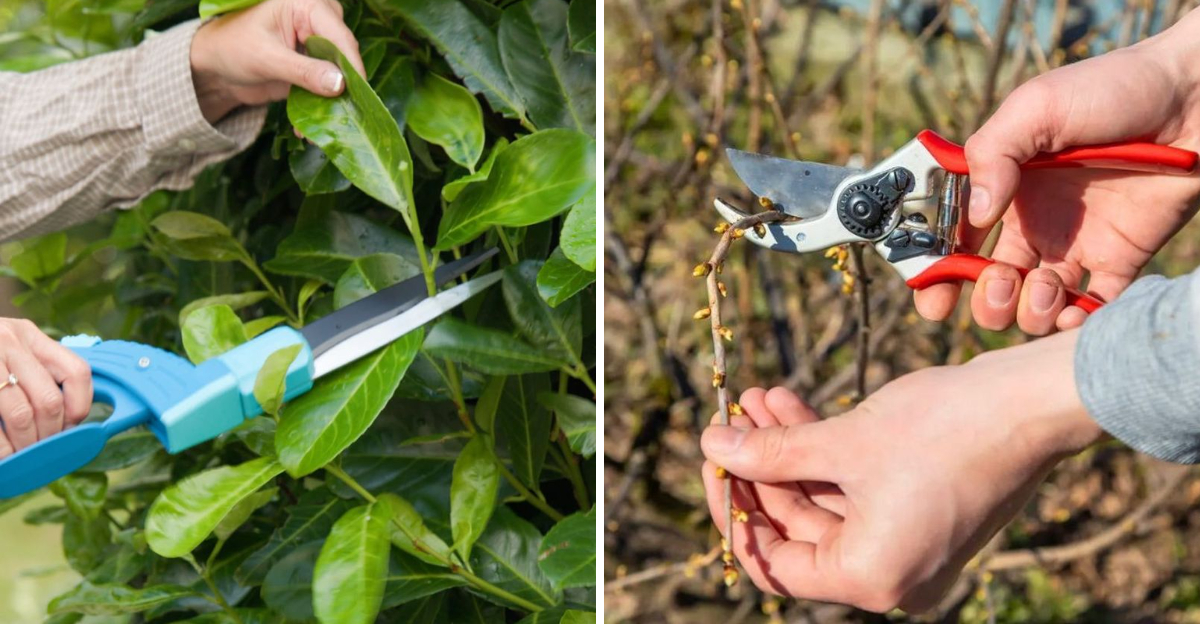
Many North Carolina gardeners step outside, look at an overgrown shrub or tree, and wonder which tool to grab first. Should you reach for the hedge shears or bring out the pruning saw?
It may seem like a small choice, but using the wrong approach can affect how a plant grows for the rest of the season. Across the Coastal Plain, Piedmont, and Mountain regions, trimming and pruning are often used as if they mean the same thing.
In reality, they serve very different purposes in the garden. One focuses on shaping plants and keeping them tidy, while the other helps improve structure, health, and long term growth.
Understanding the difference between trimming and pruning can completely change how your landscape performs.
Once you know when to use each method, caring for trees, shrubs, and hedges in your North Carolina garden becomes much easier and far more effective.
1. Trimming Focuses On Appearance
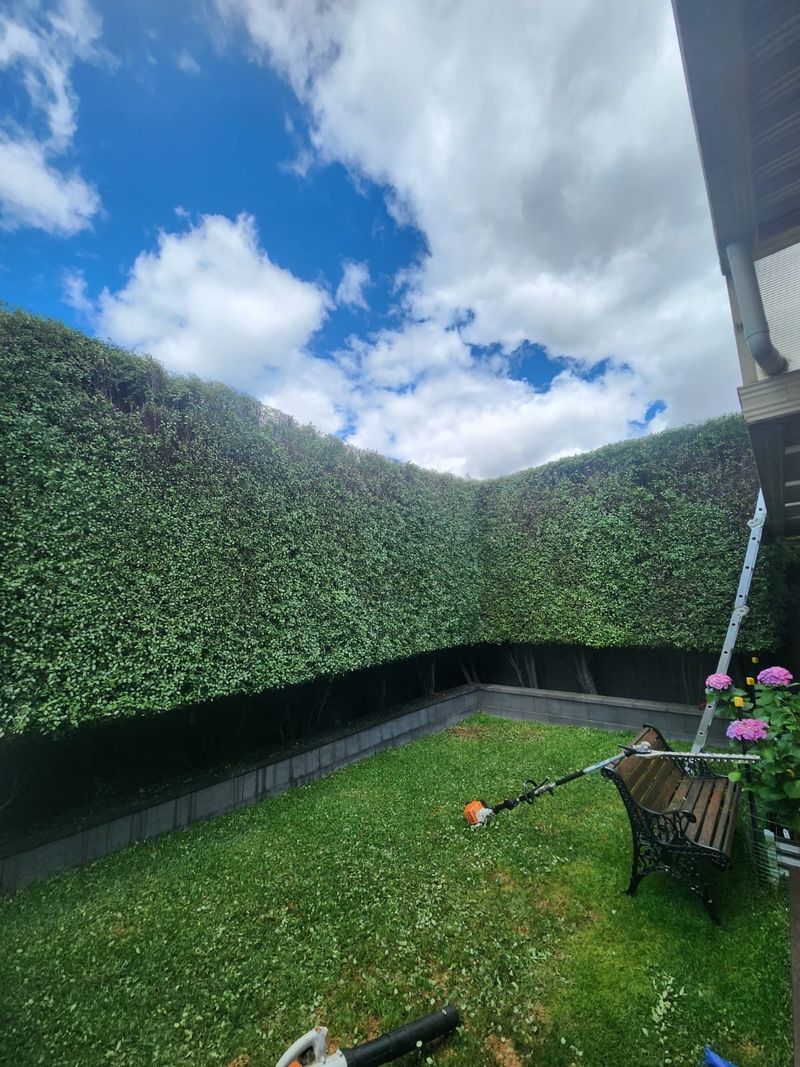
Walk through almost any neighborhood in North Carolina and you will notice how some yards look perfectly polished while others feel a little wild. That clean, manicured look usually comes from regular trimming.
Trimming means lightly cutting back the outer growth of shrubs and hedges to keep them looking neat and evenly shaped.
Plants like boxwood, privet, and formal hedges are trimmed often in North Carolina landscapes. The goal is simple: keep the lines clean, the edges straight, and the overall shape attractive.
Trimming removes small amounts of growth along the surface without going deep into the plant’s structure.
Think of it like a haircut for your shrubs. You are not changing how the plant grows from the inside, just tidying up what everyone sees on the outside.
Most homeowners in North Carolina use hedge shears or electric trimmers to get this job done quickly and efficiently. It is a straightforward task that makes a huge visual difference in any yard.
Regular trimming keeps landscapes looking intentional, cared for, and well-maintained throughout the entire growing season.
2. Pruning Focuses On Plant Health
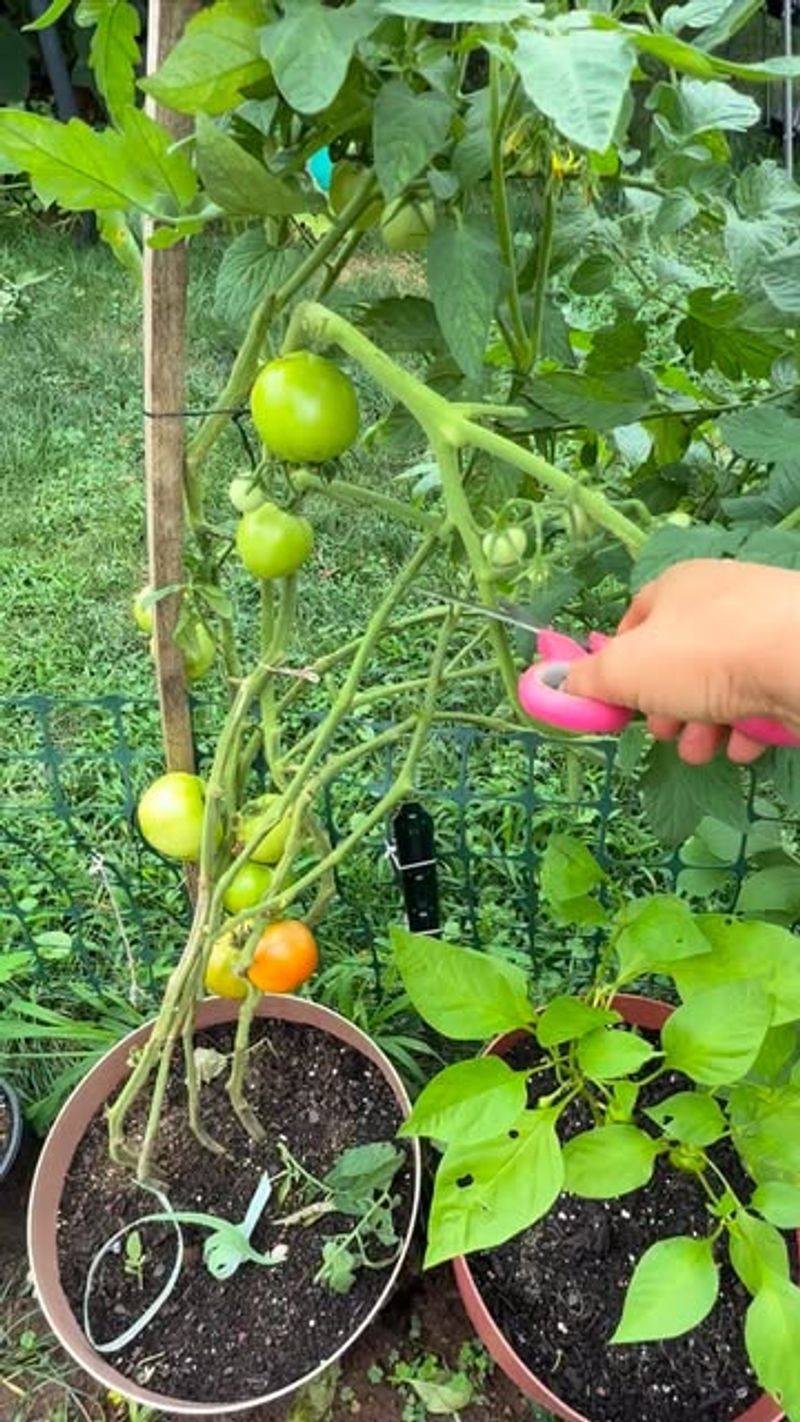
Pruning is about more than looks. It is one of the most powerful things you can do to keep your trees and shrubs thriving in a North Carolina garden.
Rather than just skimming the surface, pruning goes deeper, targeting specific branches that are crowded, weak, or no longer serving the plant well.
When you remove older wood or crossing branches, you open up space inside the plant for better airflow and more sunlight. That improved circulation actually helps prevent fungal issues and encourages stronger new growth from the inside out.
Pruning also helps a plant direct its energy toward the branches that will produce the best flowers or fruit.
North Carolina gardeners who prune correctly often notice their shrubs and trees respond with noticeably more vigorous growth the following season.
The process requires more thought than trimming because you are making choices about the plant’s long-term structure.
You need to look at where branches originate, how they are spaced, and which ones are pulling energy away from the healthiest parts of the plant. Pruning with purpose leads to healthier, more beautiful plants year after year.
Your North Carolina Garden Changes Every Week. Your Plan Should Too.
Gardening in North Carolina changes quickly throughout the season. Every Friday you’ll receive a simple weekly plan showing exactly what to plant, prune, fertilize, harvest, and protect so you never miss the right timing.
3. Trimming Usually Involves Small Cuts
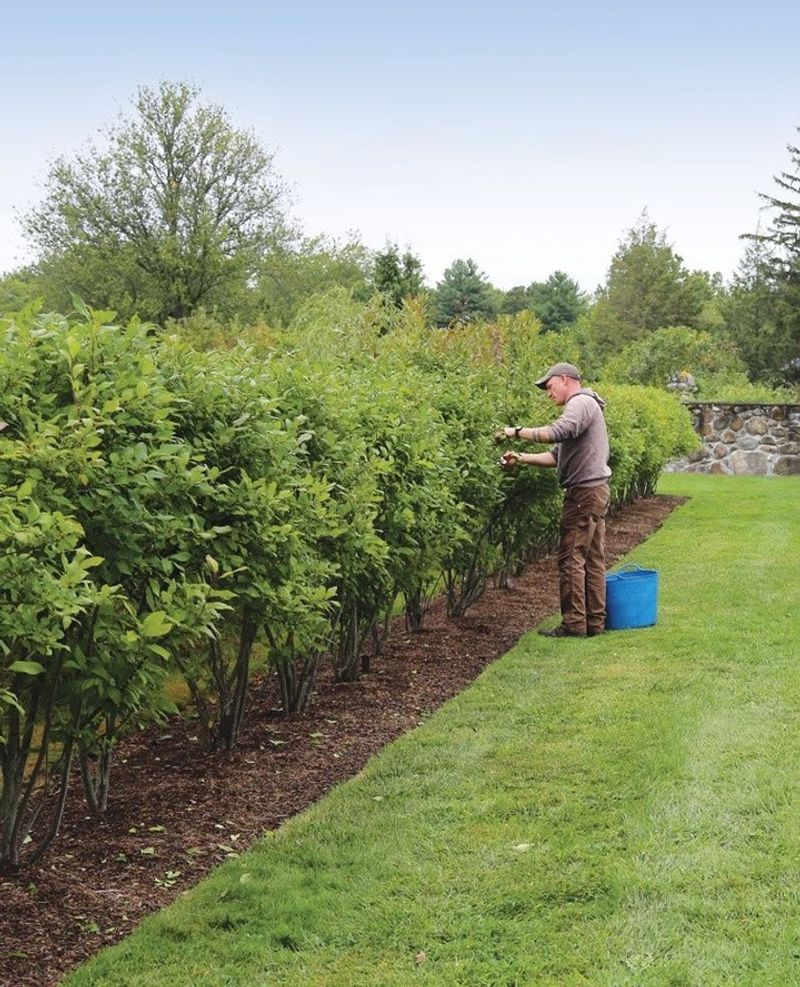
One of the easiest ways to tell trimming apart from pruning is by looking at the size and depth of the cuts being made. Trimming almost always involves light, surface-level snips along the outer edges of a plant.
You are not cutting deep into the structure, just cleaning up what sticks out beyond the desired shape.
Hedge shears and small hand clippers are the go-to tools for this kind of work. They move quickly along the surface and create a uniform, even appearance without disturbing the plant’s inner framework.
Most of the growth being removed during trimming is soft, new material that grew out beyond the plant’s shape during the season.
Because the cuts are small and shallow, trimming rarely causes stress to healthy shrubs. North Carolina gardeners can trim hedges and shrubs several times a year without worrying about harming them.
The plant does not need to spend much energy recovering from light surface cuts, which means it can keep growing and looking great at the same time.
Consistent trimming keeps plants uniform and makes the whole landscape feel polished and well cared for throughout every month of the growing season.
4. Pruning Requires More Careful Decisions
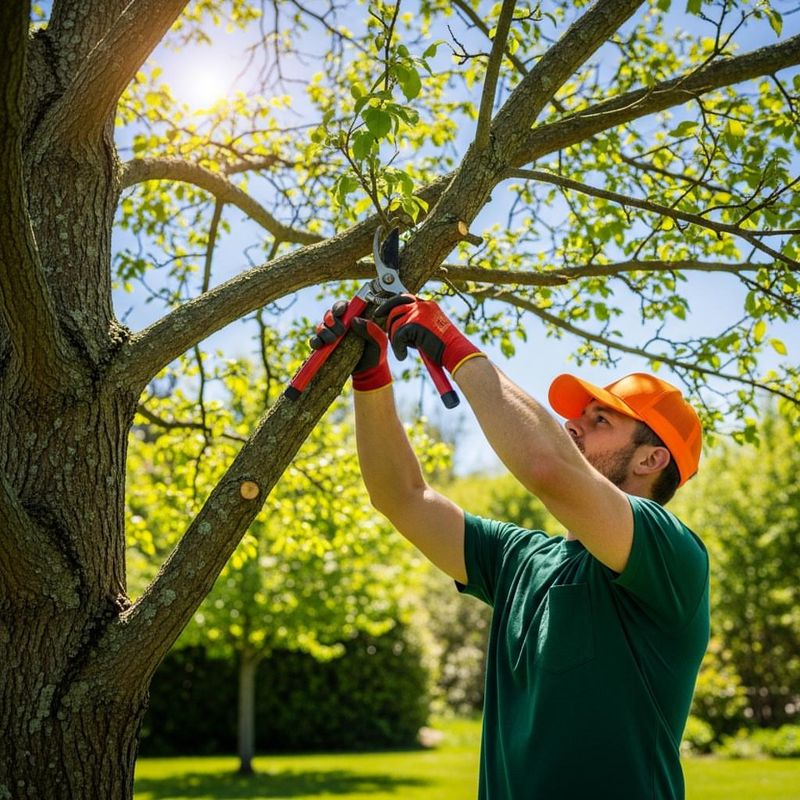
Grab a pair of loppers and walk up to a large shrub, and you quickly realize that pruning is not something you want to rush. Every cut matters.
Unlike trimming, pruning involves choosing exactly which branches to remove and where to make the cut, which means you need to understand a little about how that specific plant grows.
Proper pruning cuts are made just above a bud, node, or branch junction. Cutting in the right spot encourages the plant to heal cleanly and send new growth in the direction you want.
Cutting in the wrong place can leave stubs that struggle to heal or send growth in awkward directions that create more problems later.
North Carolina is home to a wide variety of shrubs and trees, each with its own growth pattern and pruning needs. Before you start cutting, take a moment to study the plant’s structure.
Look for branches that cross each other, ones that grow toward the center of the plant, and any stems that appear noticeably weaker than the others.
Making thoughtful decisions before each cut leads to a plant that grows stronger, looks better, and requires less corrective work down the road. Good pruning truly rewards patient gardeners.
5. Trimming Is Often Done More Frequently
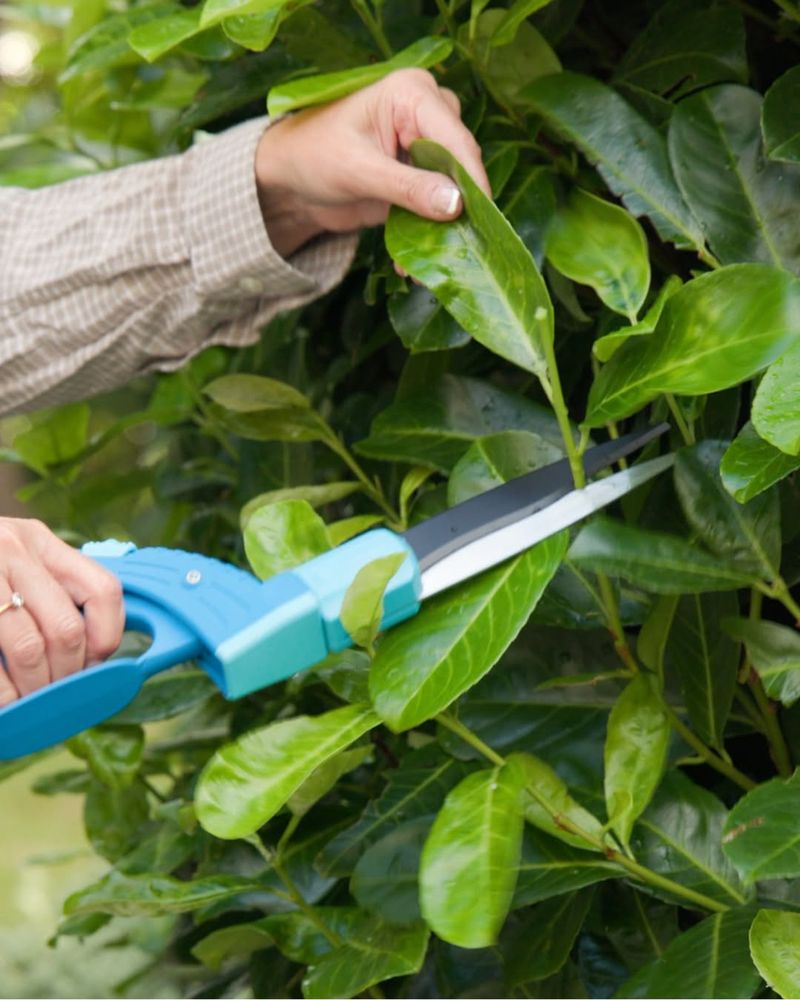
Some plants just grow fast, especially during North Carolina’s warm, humid summers. When shrubs and hedges are actively pushing out new growth every few weeks, trimming becomes a regular part of keeping the yard looking sharp.
Unlike pruning, which happens once or maybe twice a year, trimming can be done several times throughout the growing season.
Fast-growing hedges like Leyland cypress, privet, or holly can quickly lose their shape if left untrimmed for too long. Many North Carolina homeowners trim these plants every four to six weeks during peak growing months to keep them looking tidy.
The more consistently you trim, the easier each session becomes because you are only removing a small amount of new growth each time.
Frequent trimming also helps train plants to hold a specific shape over time. When you trim regularly, the plant adapts to the shape you are maintaining and tends to fill in more evenly.
Skipping too many trimmings in a row means you will eventually need to make larger cuts to get back to the desired shape, which can be harder on the plant.
Staying on a regular trimming schedule through the growing season is one of the simplest ways to keep a North Carolina landscape looking consistently great.
6. Pruning Usually Happens At Specific Times Of Year
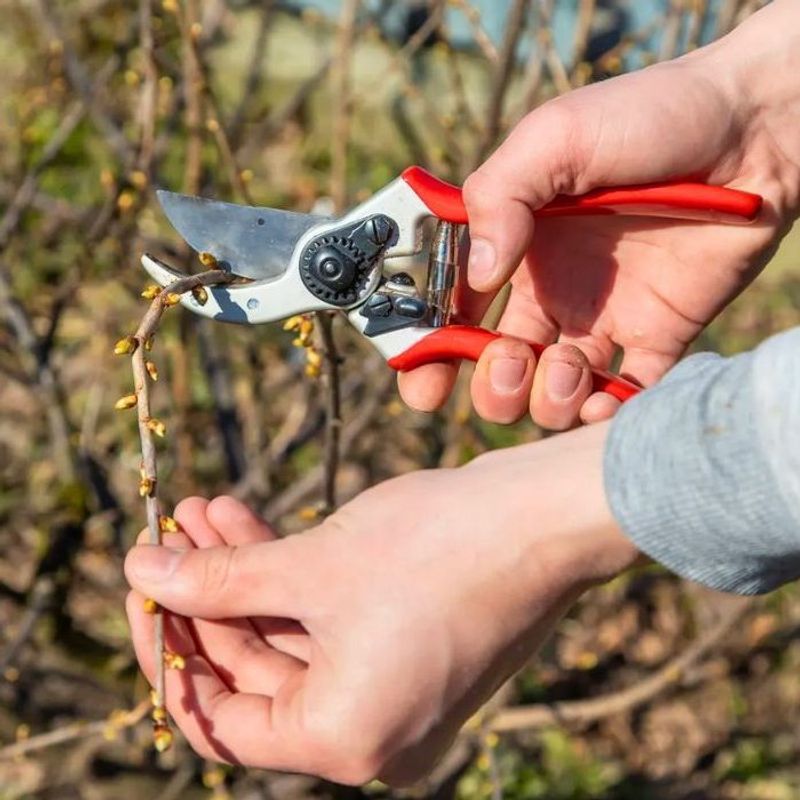
Timing is everything when it comes to pruning, and getting it right can make a real difference in how well your plants perform the following season.
Most shrubs and trees in North Carolina are pruned either in late winter before new growth begins or immediately after they finish flowering. The right window depends entirely on when that particular plant forms its flower buds.
Spring-blooming shrubs like azaleas, forsythia, and mountain laurel form their flower buds the previous summer. If you prune them in late winter, you will cut off all those buds and lose the spring flower show.
For these plants, the best time to prune is right after they finish blooming, giving them the rest of the season to set new buds for next year.
Summer-blooming plants like butterfly bush or crape myrtle form buds on new growth, so pruning them in late winter or early spring actually encourages more vigorous flowering.
Paying attention to each plant’s blooming schedule helps you prune at exactly the right moment.
North Carolina gardeners who follow proper timing consistently get stronger growth, better flowers, and healthier plants season after season. A little planning goes a long way when it comes to pruning schedules.
7. Trimming Does Not Usually Affect Flower Production
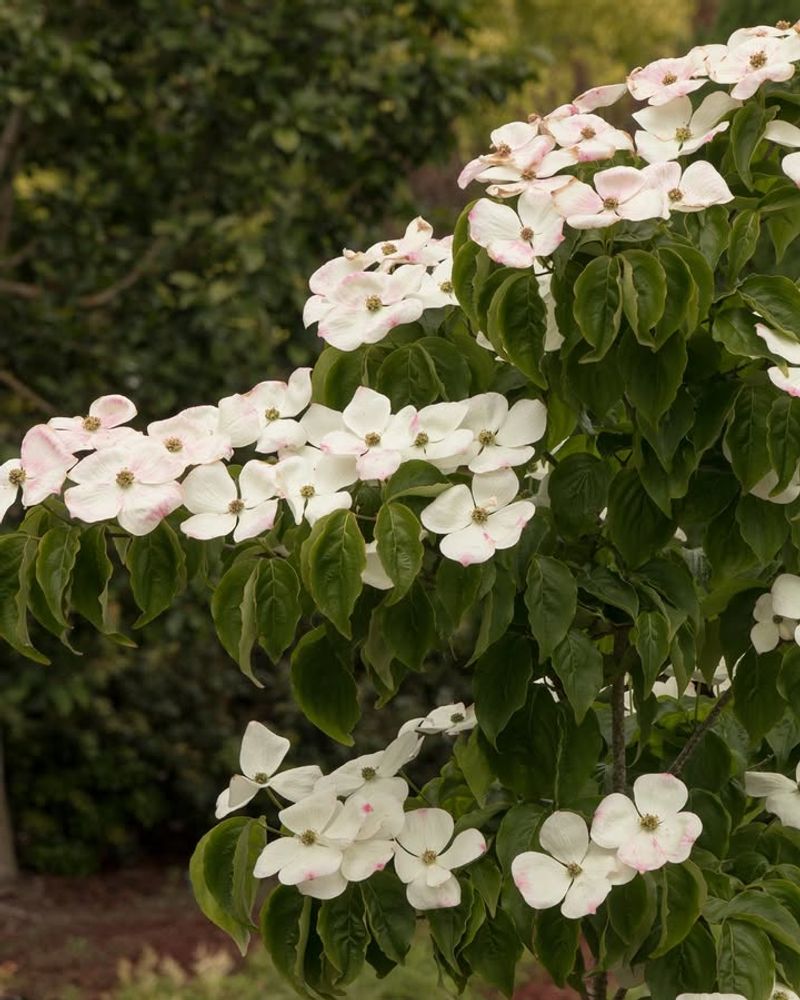
Here is something many gardeners find reassuring about trimming: when done correctly, it almost never gets in the way of a plant’s ability to flower.
Because trimming only removes small amounts of outer growth, it leaves the plant’s internal structure and bud-producing wood completely intact. The blooms keep coming, and the plant stays tidy at the same time.
Lightly shaping a hedge or shrub along its outer surface does not reach the growth points where flower buds develop. As long as you are not cutting deeply into the plant or removing large portions of growth, the flowering cycle stays on track.
This is one reason why trimming is considered a low-risk task for most North Carolina landscapes.
The key is keeping those cuts light and surface-level. If you start shearing deeply into a shrub right before it is about to bloom, you risk removing some of the buds that were already forming.
But with careful, consistent light trimming, you get the best of both worlds: a neat, attractive shape and a full, beautiful flower display. North Carolina gardeners who trim regularly and thoughtfully rarely have to sacrifice one for the other.
Keeping the cuts shallow is the simple secret behind maintaining both appearance and blooming performance all season long.
8. Pruning Can Improve Flowering And Growth
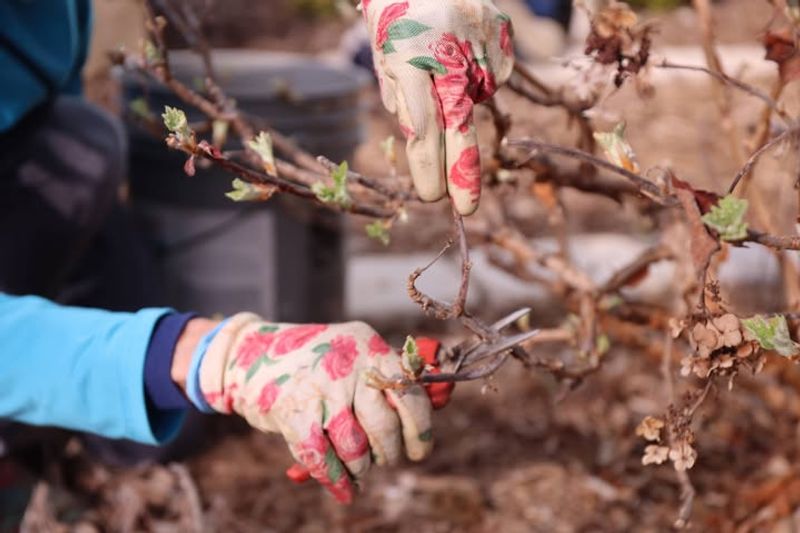
Few things are more satisfying than watching a shrub explode with blooms after a well-timed pruning session.
Proper pruning does something trimming simply cannot: it actually changes the way a plant grows from the inside, directing energy toward the strongest, most productive branches and encouraging vigorous new growth.
When you remove crowded or crossing branches, you open up the plant’s canopy so sunlight and air can reach deeper into the structure. Better airflow reduces the chance of fungal problems, which are especially common in North Carolina’s humid summers.
More sunlight reaching the inner branches means more energy for the plant to produce healthy stems and flower buds.
Many North Carolina gardeners are surprised by how dramatically their plants respond after a proper pruning.
Roses, crape myrtles, and butterfly bushes are just a few examples of plants that produce noticeably stronger stems and more abundant flowers when pruned correctly each year.
The improvement is not just cosmetic; the plant is genuinely healthier and better structured. Pruning with the right tools and at the right time gives plants in North Carolina gardens the kind of reset they need to perform at their absolute best.
It is one of the most rewarding skills any gardener can develop over time.
9. Both Practices Help Maintain Healthy Landscapes

Trimming and pruning might be different in technique and purpose, but they work best when used together as part of a complete garden care routine. North Carolina landscapes thrive when both practices are applied at the right time and in the right way.
Skipping either one for too long usually shows up as overgrown shapes, weak stems, or reduced flowering.
Think of trimming as the regular maintenance that keeps your yard looking sharp week to week, while pruning is the deeper seasonal care that keeps your plants structurally strong and healthy year to year.
Together they create a balance between beauty and vitality that is hard to achieve with just one approach alone.
North Carolina’s long growing season and humid climate mean plants grow quickly and need consistent attention. Staying on top of both trimming and pruning throughout the year keeps shrubs, hedges, and trees looking their best from spring through fall.
Whether you are managing a formal hedge along the front of your home or a relaxed cottage garden in the backyard, knowing when to trim and when to prune puts you in control of your landscape’s health and appearance.
The right tool at the right time truly makes all the difference in creating a yard you are proud of every single season.