Why North Carolina Gardeners Are Planting Jasmine Near Their Front Doors
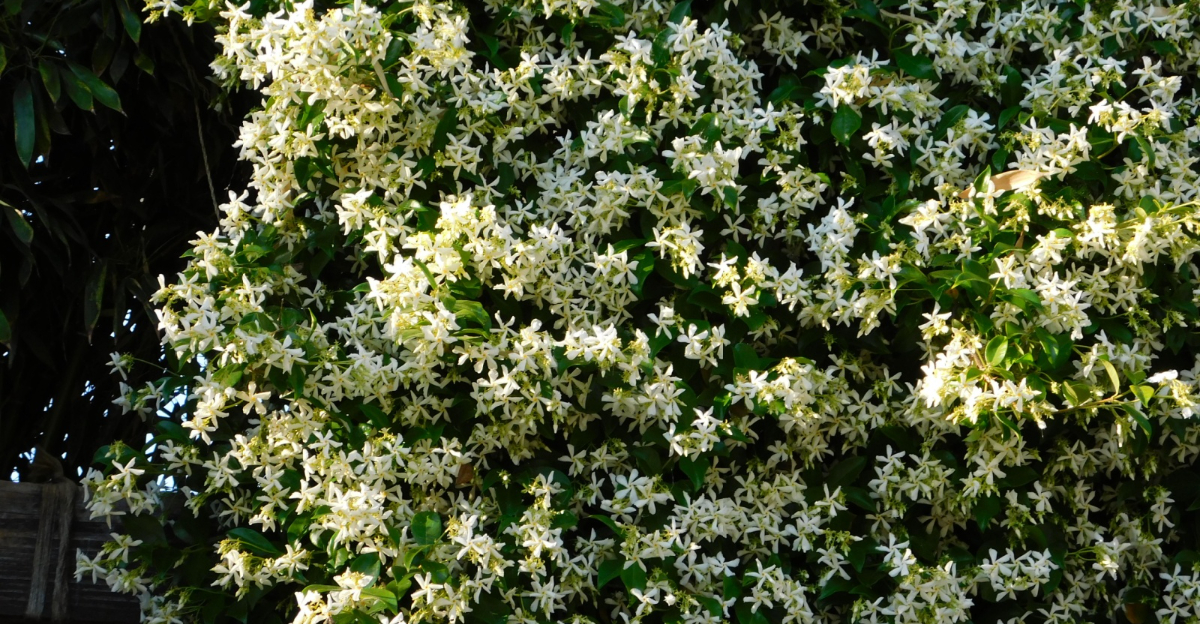
Step up to more front doors across North Carolina, and you might catch a soft, sweet scent before you even knock.
Jasmine is becoming a favorite for entryways, adding both visual charm and a welcoming fragrance right where guests arrive.
The state’s warm summers, humid air, and generally mild winters in many areas create conditions where jasmine and similar plants can thrive.
From the Piedmont to the coast and into the foothills, gardeners are finding ways to tuck it into porches, trellises, and containers, turning everyday entrances into spaces that feel a little more inviting.
1. Warm Climate Supports Reliable Growth Across Much Of North Carolina
Summers in North Carolina can be long, hot, and sticky – and jasmine handles that combination surprisingly well.
Much of the state falls within USDA hardiness zones 6b through 8b, which covers a wide range of conditions from the mountains to the coast.
That range means gardeners need to choose their jasmine variety carefully, but it also means there’s something suitable for nearly every yard.
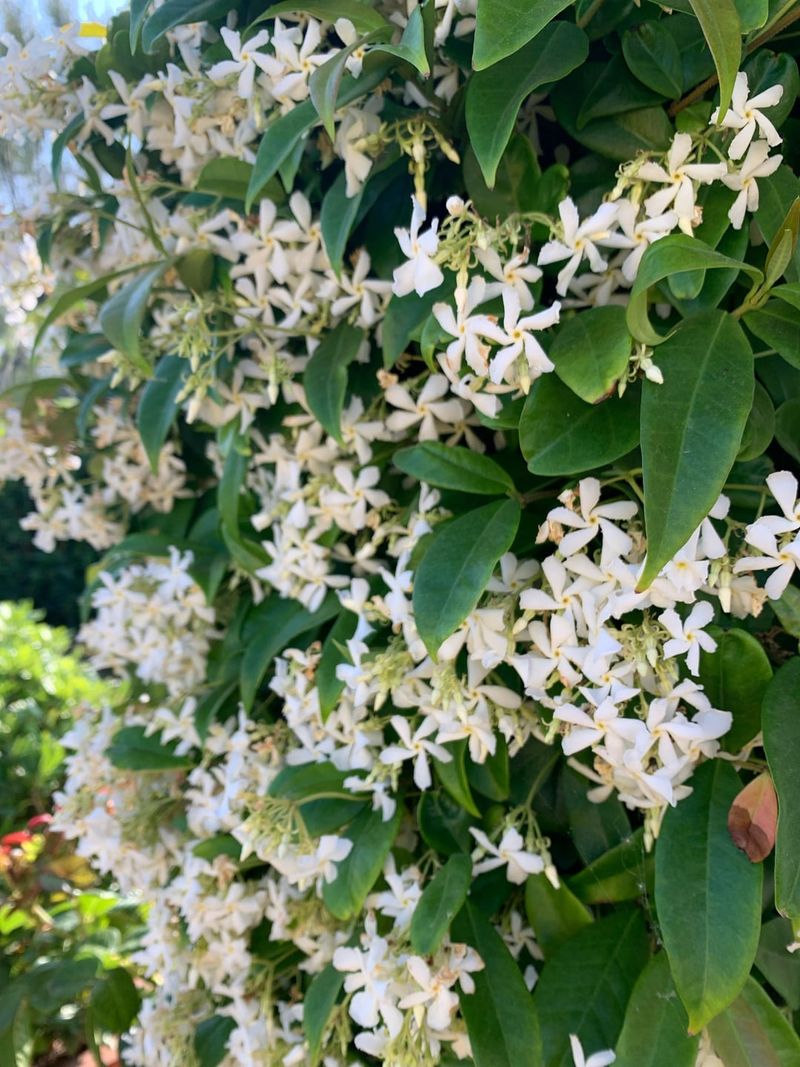
Star jasmine, also called Confederate jasmine (Trachelospermum jasminoides), is one of the most dependable performers in central and eastern North Carolina.
It tolerates heat and humidity without much fuss and tends to bounce back after mild cold snaps.
In the warmer coastal and Piedmont regions, it can grow vigorously with minimal intervention once established.
True jasmines like Jasminum sambac can be grown in containers and brought indoors during colder months, making them workable even in cooler inland areas.
The key is matching the variety to your specific location within the state. A plant that thrives near Wilmington may struggle near Boone without extra protection.
North Carolina gardeners who take the time to understand their local zone tend to get much better results and fewer disappointments with these fragrant plants near their entryways.
2. Fragrant Blooms Add A Noticeable Scent Near Entryways
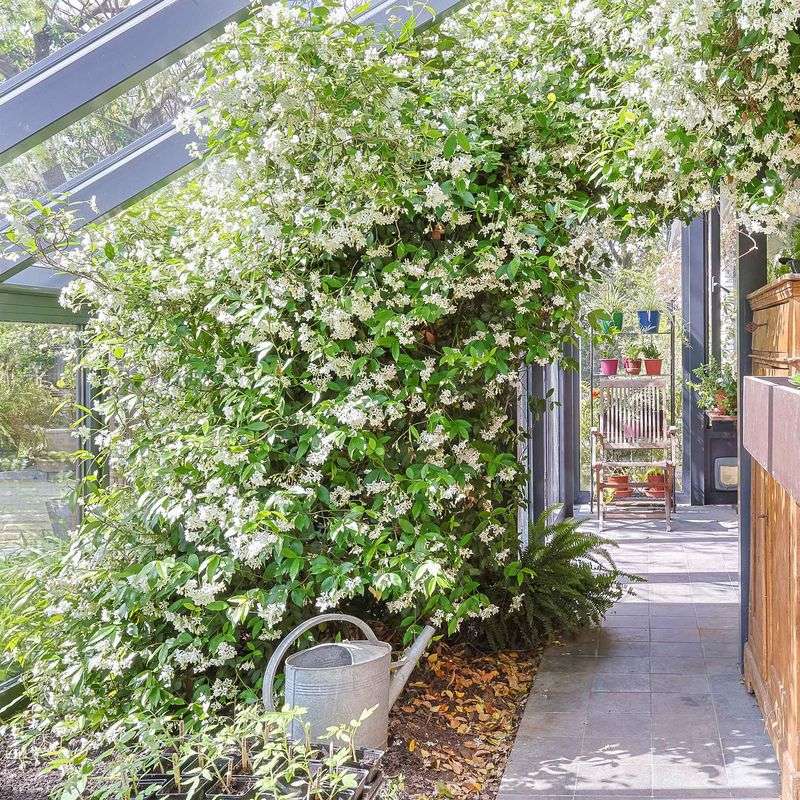
There’s a particular kind of welcome that only a scented plant can offer, and jasmine delivers it in a way few other garden plants can match.
Walking up to a front door lined with blooming jasmine puts people at ease before they’ve even knocked.
The scent is sweet but not overpowering, which makes it a popular choice for high-traffic spots like porches and walkways.
Star jasmine blooms most heavily in spring, typically from April through June in much of North Carolina, filling the air around entryways with a clean, sweet fragrance.
Some varieties continue to produce scattered blooms into summer, extending the sensory experience well beyond the initial spring flush.
Planting jasmine within a few feet of the front door maximizes the scent without requiring visitors to go searching for it.
Placement matters quite a bit when it comes to fragrance. A jasmine vine trained along a porch railing or climbing a trellis positioned beside the door puts the blooms right at nose level, which is where the scent makes the biggest impression.
North Carolina’s warm spring evenings tend to intensify floral fragrance, so the blooms often smell strongest right around the time families are arriving home or sitting outside after dinner.
Your North Carolina Garden Changes Every Week. Your Plan Should Too.
Gardening in North Carolina changes quickly throughout the season. Every Friday you’ll receive a simple weekly plan showing exactly what to plant, prune, fertilize, harvest, and protect so you never miss the right timing.
That timing makes the whole front yard feel more alive and welcoming.
3. Many Jasmine Types Handle Heat And Humidity Well
Humidity is something North Carolina gardeners learn to work with rather than against, and the right jasmine variety turns that challenge into an advantage.
High humidity levels, especially in the coastal plain and Piedmont, can actually support faster growth and lusher foliage in heat-tolerant jasmine types.
The trick is avoiding varieties that are prone to fungal issues in wet conditions. Star jasmine tends to hold up well in humid summers as long as it has decent air circulation and isn’t planted in a spot where water pools at its roots.
Good drainage is more important than rich soil for most jasmine varieties. Raised beds, sloped ground near a front walkway, or containers with drainage holes all work well in North Carolina’s sometimes soggy spring and summer weather.
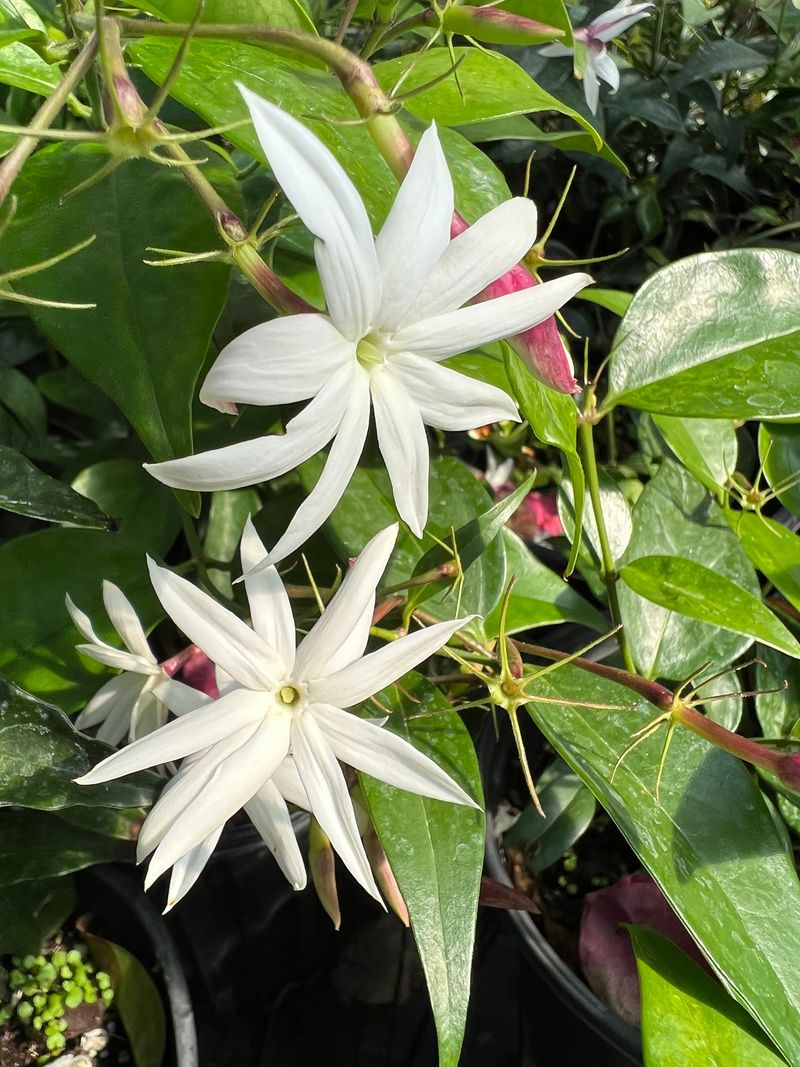
Jasminum nitidum, sometimes called angelwing jasmine, is another option that handles warmth and moisture reasonably well in the southern portions of the state.
It produces pinwheel-shaped white flowers with a mild, pleasant scent and grows at a moderate pace.
For gardeners in North Carolina’s hotter, lower-elevation areas, heat-tolerant varieties like these reduce the guesswork and the risk of losing a plant mid-season.
Choosing a variety known to perform in the Southeast makes the whole growing experience more satisfying from the start.
4. Vining Varieties Work Well On Porches, Trellises, And Railings
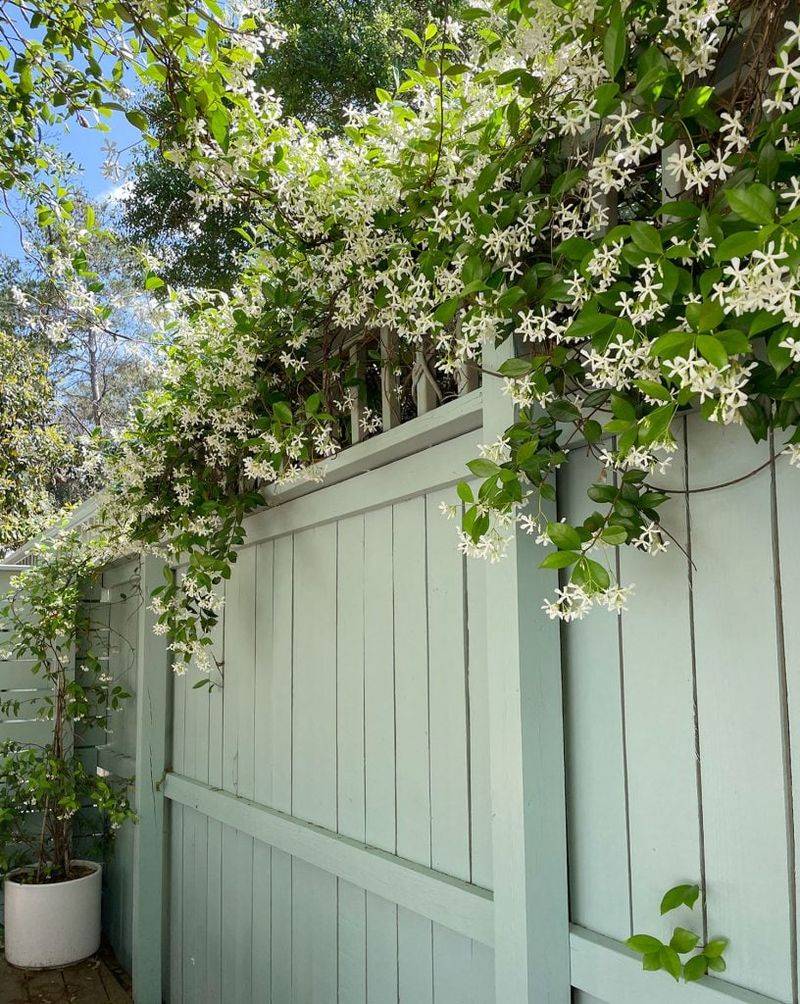
Covered front porches are a big part of outdoor life in North Carolina, and vining jasmine fits right into that culture.
A vine trained along a porch railing or up a simple wooden trellis beside the front steps creates a lush, layered look that’s hard to achieve with shrubs or annuals alone.
It also softens hard edges like fence posts, pillars, and railings in a way that feels natural rather than forced.
Star jasmine is one of the most commonly used vining types for this purpose across North Carolina.
Its twining stems attach readily to wire, lattice, and wooden supports, and the glossy evergreen leaves look attractive even when the plant isn’t in bloom.
With a little guidance in the first season, it fills in a trellis or railing section quickly and neatly. For narrow porches or compact entryways, a small fan trellis anchored near the door gives the vine a clear direction to grow without taking over the space.
Regular light pruning after the spring bloom keeps the plant tidy and prevents it from sprawling into foot traffic areas.
North Carolina homeowners who invest a small amount of time in training their jasmine vines early tend to end up with a polished, well-behaved plant that enhances the front of the home for years without becoming a maintenance burden.
5. Evergreen Or Semi-Evergreen Foliage Adds Year-Round Interest In Milder Areas
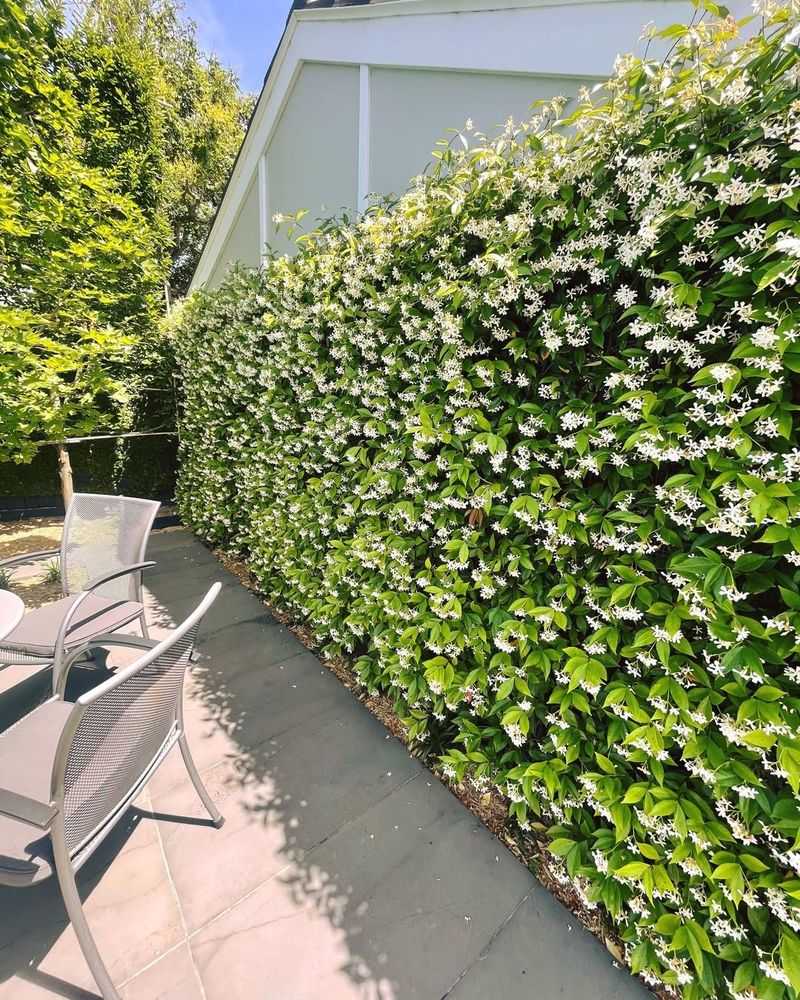
One of the most practical reasons North Carolina gardeners reach for star jasmine is its foliage.
In zones 7b and 8, which cover much of the Piedmont and coastal regions, star jasmine holds its leaves through winter and stays green even when most other plants have gone dormant.
That consistent greenery keeps an entryway looking cared-for and intentional during the quieter months of the year.
In colder parts of the state, particularly in zone 6b areas of the western Piedmont and foothills, star jasmine may drop some or all of its leaves after a hard freeze. Even in those cases, the plant often leafs back out in spring and resumes normal growth.
Gardeners in those areas sometimes treat it as a semi-evergreen and plan their planting schemes accordingly, pairing it with cold-hardy companions that carry the visual interest through winter.
The glossy, deep green leaves of star jasmine also provide a rich backdrop for seasonal door decorations and potted plants on the porch.
A wreath or holiday planter looks more polished against a wall of evergreen foliage than against bare stems.
North Carolina homeowners who want their front entry to look good in January as well as in May often find that evergreen vining plants like star jasmine are among their most reliable landscaping choices year after year.
6. Compact Growth Options Fit Small Entry Spaces And Containers
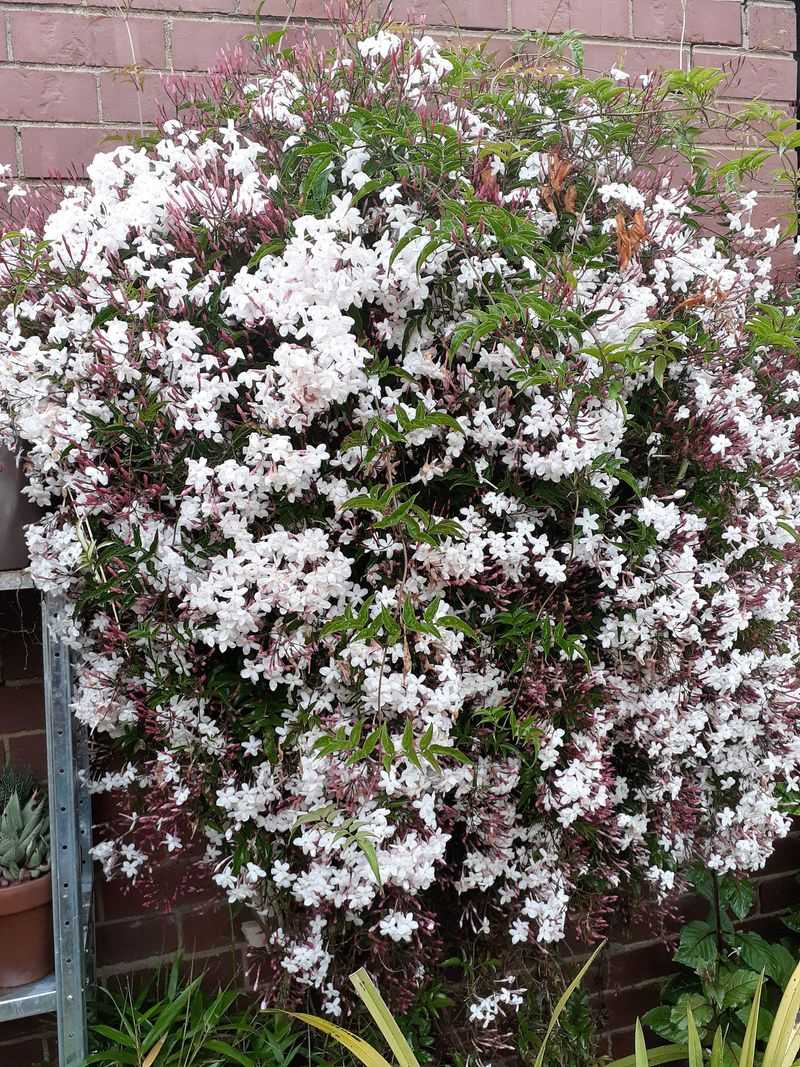
Not every North Carolina home has a sprawling front porch or a wide garden bed near the entry.
Townhomes, condos, and smaller bungalows often have limited outdoor space, and that’s where compact jasmine varieties and container growing really earn their place.
A single well-grown jasmine in a large pot beside the front door can have just as much visual and aromatic impact as a full garden bed.
Jasminum sambac, commonly called Arabian jasmine, is a compact grower that does well in containers.
It prefers warmth and full sun, making it a solid choice for south or west-facing entries in North Carolina’s warmer regions.
Container-grown plants can be moved indoors during winter cold snaps, which extends their lifespan in areas where temperatures dip below freezing regularly.
When growing jasmine in containers, drainage is the most important factor. A pot with multiple drainage holes and a well-draining potting mix prevents root rot, which is the most common reason container jasmines fail.
Regular watering during the heat of a North Carolina summer is necessary since containers dry out faster than ground soil.
Feeding with a balanced fertilizer in spring and early summer supports healthy bloom production.
Even in the smallest entry spaces, a container jasmine adds fragrance and a touch of lush greenery that makes a strong first impression on anyone approaching the door.
7. Evening Fragrance Can Enhance Outdoor Seating Areas
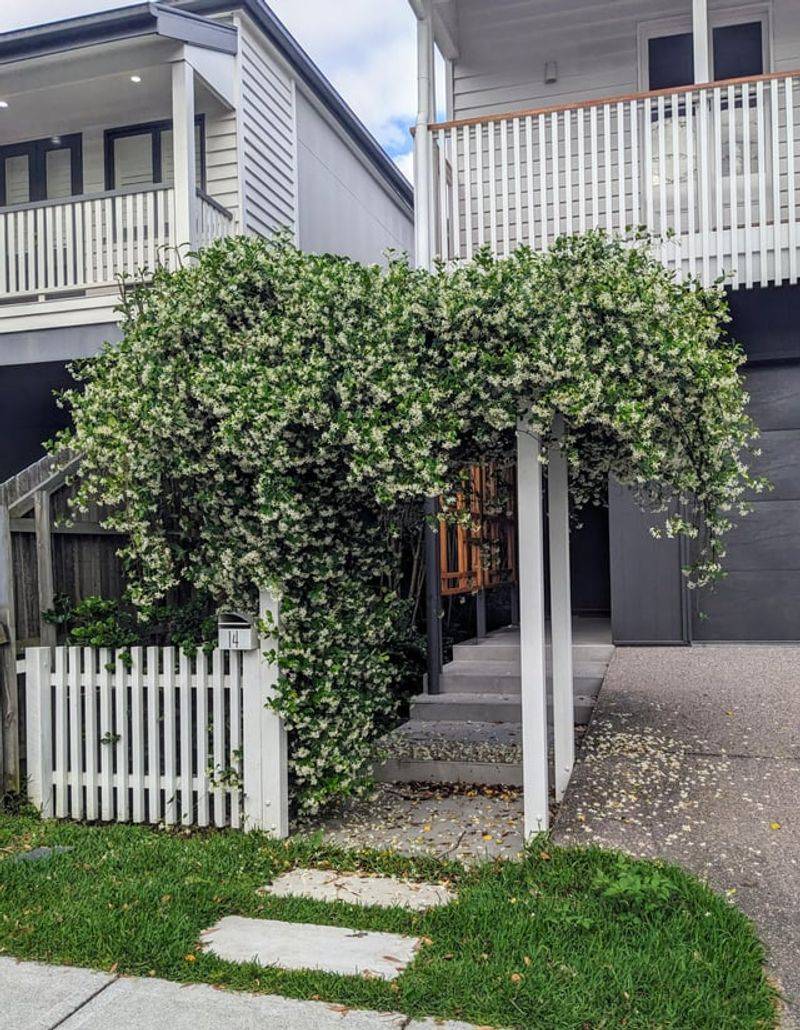
Porch sitting is practically a tradition in North Carolina, and jasmine has a way of making those evening hours feel even more enjoyable.
Many jasmine varieties release their fragrance most strongly after sunset, which lines up perfectly with the time of day when families tend to gather outside.
A vine positioned near a seating area or trained along the edge of a covered porch can fill the space with scent just as the temperature drops to a comfortable level.
Star jasmine blooms in the daytime but carries its scent into the evening, especially on warm nights when the air is calm and humid.
Jasminum sambac, sometimes called pikake in Hawaiian culture, is particularly known for its intense evening fragrance and has been used in traditional perfumery for centuries.
Placing a container of it near porch chairs or a front step bench brings that experience right to a North Carolina home.
Pairing jasmine with outdoor seating also encourages people to spend more time in the front yard, which can strengthen the sense of neighborhood connection that many communities value.
A welcoming front porch with a pleasant scent invites conversation and slows things down in a way that feels genuinely restorative.
North Carolina’s long, warm evenings from late spring through early fall give homeowners plenty of time to enjoy that sensory combination before the cooler months arrive.
8. Pollinator-Friendly Flowers Support Bees And Other Beneficial Insects
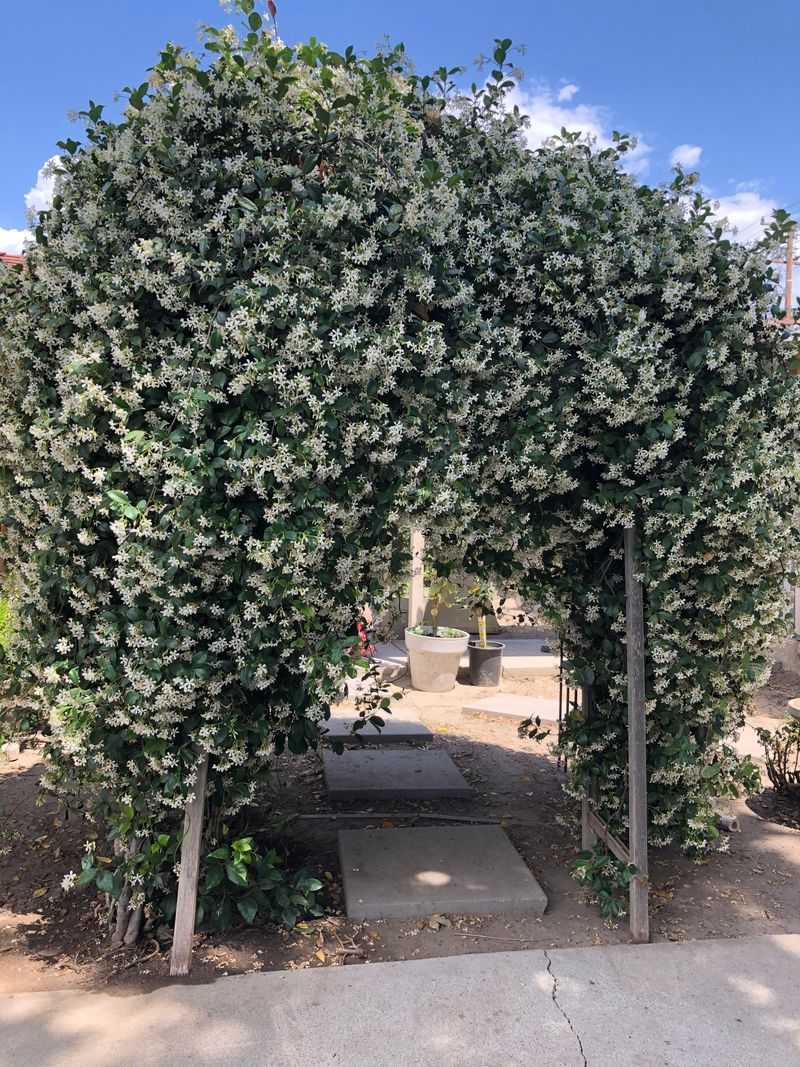
Beyond fragrance and aesthetics, jasmine offers something that environmentally minded North Carolina gardeners genuinely appreciate – it feeds pollinators.
The small, tubular, or star-shaped flowers of most jasmine varieties attract bees, butterflies, and other beneficial insects during the blooming season.
Planting jasmine near a front entry creates a small but meaningful habitat in a high-visibility spot. Star jasmine is particularly attractive to bees during its spring bloom period.
Bumblebees and smaller native bee species visit the flowers regularly when they’re open, making the plant a quiet but active part of the local ecosystem.
Gardeners who are also growing vegetables or fruit trees nearby may notice improved pollination rates when flowering plants like jasmine are present in the landscape.
North Carolina is home to hundreds of native bee species, many of which are in decline due to habitat loss and reduced food sources.
Adding flowering plants to front yards and entry gardens – even in small amounts – helps provide nectar and pollen sources during critical parts of the growing season.
Jasmine’s bloom period in spring coincides with a time when many pollinators are actively building their colonies after winter.
Choosing plants that serve double duty, looking attractive while supporting wildlife, is a growing priority for North Carolina homeowners who want their gardens to contribute something meaningful beyond curb appeal.