When It Is Actually Safe To Plant Tomatoes In North Carolina

Few garden moments are more satisfying than picking a ripe tomato straight from the vine, and North Carolina’s climate gives gardeners a great chance to make that happen.
With warm summers and a long growing season, tomatoes can grow vigorously and produce impressive harvests across much of the state.
But timing plays a huge role in how successful your plants will be. Across the Coastal Plain, Piedmont, and Mountain regions, spring weather can change quickly.
Soil may still be cold even when the air feels warm, and a surprise frost can slow young plants just as they begin to grow. Planting tomatoes at the right moment gives them the strong start they need.
When gardeners understand the safest planting windows for North Carolina, their plants develop stronger roots, healthier growth, and a much better chance of producing heavy harvests throughout the season.
1. Tomatoes Need Warm Soil To Grow Well
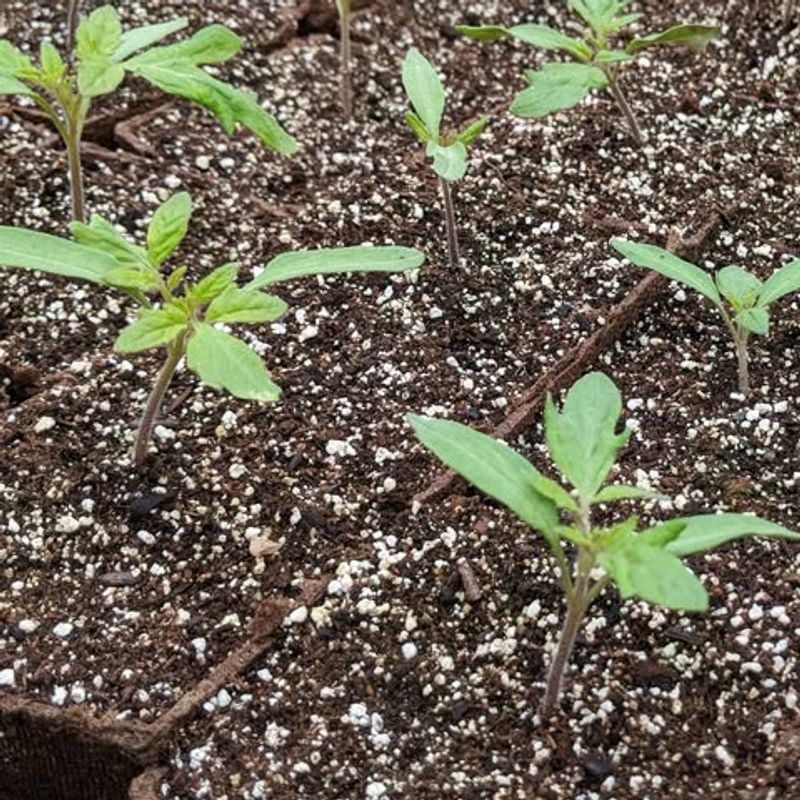
Stick your hand in the ground on a chilly April morning in North Carolina, and you will quickly understand why soil temperature matters so much for tomatoes.
These warm-season vegetables, known scientifically as Solanum lycopersicum, are very particular about the conditions they grow in. Cold soil is one of the biggest reasons tomato plants struggle early in the season.
Tomatoes grow best when soil temperatures reach at least 60°F consistently. Below that threshold, roots have a hard time absorbing water and nutrients, which slows the entire plant down.
Even if your tomato plant looks fine on the surface, poor root activity in cold soil will delay flowering and fruit production for weeks.
Gardeners across North Carolina should invest in a simple soil thermometer, which you can find at most garden centers for just a few dollars. Push it about two inches into the ground in the morning for the most accurate reading.
Mornings tend to show the coolest soil temperatures of the day, so if your reading is already at 60°F or above, you are in great shape.
Waiting for warm soil might feel frustrating when the weather looks sunny and nice outside. But rushing the process almost always leads to slower, weaker plants.
Patience pays off in a big way when tomato season finally arrives in your North Carolina garden.
2. Plant After The Last Expected Frost
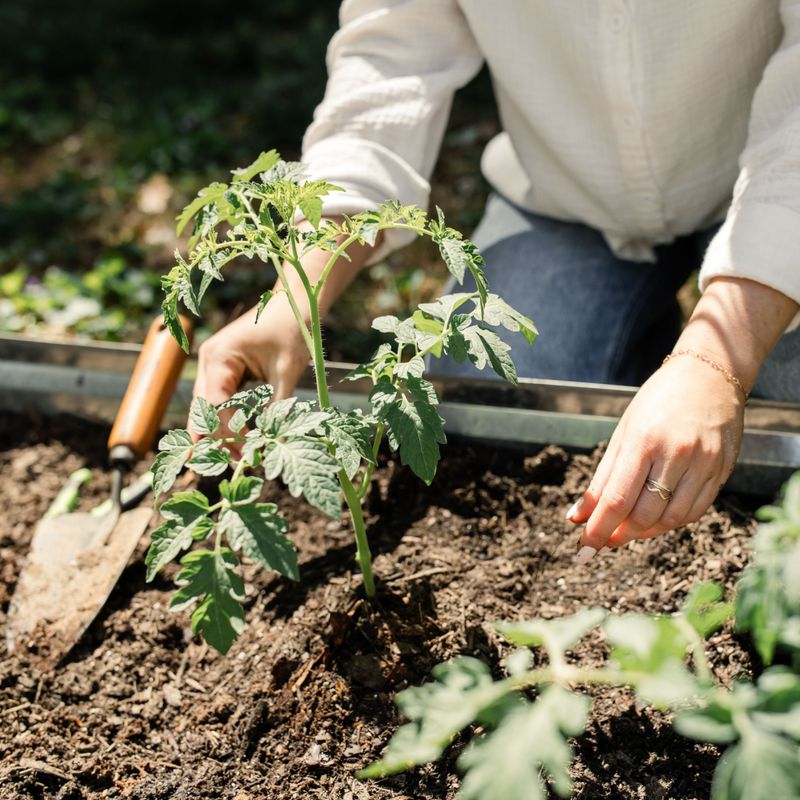
Frost is the enemy of every tomato gardener in North Carolina, and understanding your last frost date is one of the most practical pieces of knowledge you can have.
Tomatoes are tropical plants by nature, and even a light frost can damage young leaves, stunt growth, and set your harvest back significantly.
The good news is that frost dates in North Carolina are well documented and easy to look up.
In the Coastal Plain region, the last frost typically falls between March 15 and April 1, which means tomato planting season arrives earlier there than almost anywhere else in the state.
The Piedmont area, which includes cities like Raleigh and Greensboro, usually sees its last frost between April 1 and April 15. Mountain communities in western North Carolina often wait until late April or even mid-May before conditions become reliably safe.
Your North Carolina Garden Changes Every Week. Your Plan Should Too.
Gardening in North Carolina changes quickly throughout the season. Every Friday you’ll receive a simple weekly plan showing exactly what to plant, prune, fertilize, harvest, and protect so you never miss the right timing.
Knowing your specific last frost date gives you a clear target to work toward. Most experienced gardeners in North Carolina wait at least one to two weeks after that date before putting tomatoes in the ground.
That extra buffer protects against surprise cold nights that occasionally show up even after the calendar says spring has arrived.
Your local North Carolina Cooperative Extension office is a fantastic resource for pinpointing frost dates in your specific county.
A quick phone call or website visit can save you from planting too early and losing your hard-grown seedlings to an unexpected cold snap.
3. Last Frost Dates Vary Across North Carolina

North Carolina is a surprisingly diverse state when it comes to climate, and that diversity has a huge impact on when it is safe to plant tomatoes.
The state stretches from sea-level coastal communities all the way to mountain peaks above 6,000 feet, and the temperature differences between those regions are dramatic. What works perfectly on the coast can be weeks too early up in the mountains.
Along the Outer Banks and coastal plain, gardeners enjoy some of the earliest planting windows in the entire state. Frost risk fades quickly in those areas, and soil warms up fast thanks to the moderating influence of the Atlantic Ocean nearby.
Piedmont gardeners in cities like Charlotte, Durham, and Winston-Salem generally follow about two weeks behind the coast, with safe planting typically beginning in mid-April.
In the Blue Ridge and Smoky Mountain communities of western North Carolina, the story is quite different. Elevations are high, nights stay cold longer, and late frosts are a real possibility well into May.
Gardeners in Asheville and surrounding areas often wait until Mother’s Day weekend as a general rule of thumb before putting tomatoes in the ground.
Checking your specific zip code or county through the NC State Extension service will give you the most accurate guidance.
Planting according to your local region rather than a general statewide calendar is one of the smartest moves any North Carolina tomato gardener can make this spring.
4. Night Temperatures Should Stay Above 50°F
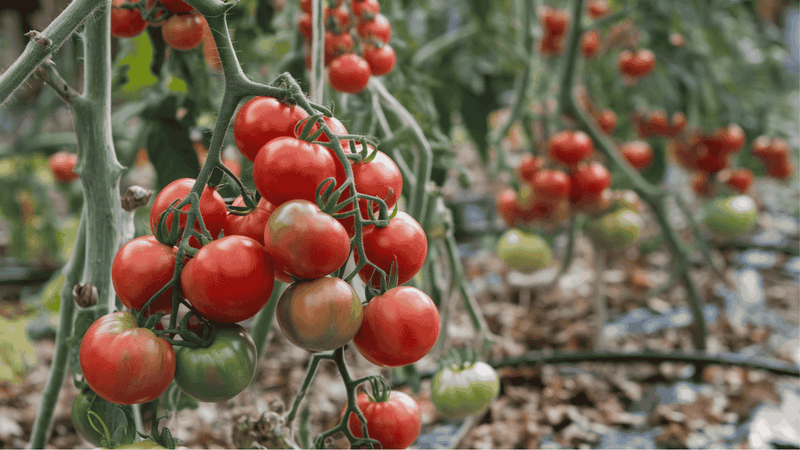
Most gardeners pay close attention to daytime temperatures when deciding when to plant tomatoes, but nighttime lows are actually just as important.
Tomatoes slow way down when the temperature drops below 50°F after sunset, even if your days are warm and sunny.
Cool nights interfere with how efficiently the plant moves nutrients from roots to leaves and developing fruit.
When nighttime temperatures consistently stay above 50°F, tomato plants can focus their energy on growing strong stems, setting flowers, and eventually producing that fruit you are waiting for all season.
Below that mark, the plant essentially hits the brakes and growth becomes sluggish. Extended periods of cool nights can also affect fruit set, meaning flowers may drop without forming tomatoes at all.
In most parts of North Carolina, nighttime temperatures stabilize above 50°F sometime in April, though the exact timing depends on your region.
Coastal and Piedmont areas typically reach that threshold earlier, while mountain communities may not see consistent warm nights until late April or May.
Checking a 10-day weather forecast before planting is a smart habit that many experienced gardeners swear by.
A cheap outdoor thermometer placed near your garden bed will help you track overnight lows more accurately than a general weather app.
Once you see several consecutive nights above 50°F with no cold snap in the forecast, your North Carolina garden is almost certainly ready for tomato transplants to go in the ground.
5. Transplants Are Usually More Reliable Than Seeds Outdoors
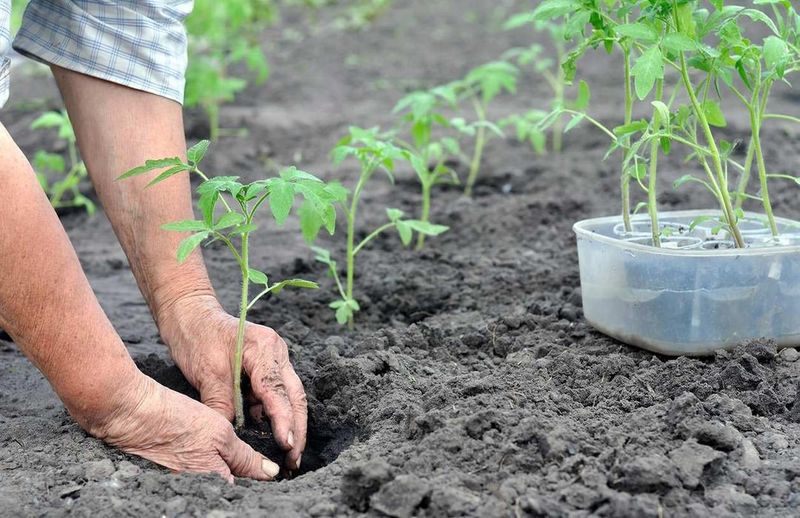
Walk through any garden center in North Carolina in April and you will see shelves lined with young tomato transplants ready to go home with you.
There is a very good reason why most gardeners here choose transplants over direct seeding outdoors, and it comes down to timing and reliability.
Starting tomatoes from seed directly in the garden is tricky in North Carolina because the outdoor growing window is limited before summer heat peaks.
Transplants that were started indoors six to eight weeks before the last frost date already have a solid head start. By the time you put them in the ground, they have developed root systems, sturdy stems, and a few sets of true leaves.
That early development means they can adapt to garden conditions faster and begin producing fruit sooner than seeds planted directly outside would.
Purchasing transplants from a reputable local nursery is also a great option if you do not want to manage indoor seed starting.
Many North Carolina garden centers carry varieties specifically suited to the state’s climate, including heat-tolerant types that perform well through long, humid summers.
Look for stocky, dark green plants rather than tall, spindly ones, as those tend to establish much more successfully after planting.
Whether you grow your own transplants or buy them, the key is making sure they are ready to go into warm, frost-free soil at the right time for your specific part of North Carolina. That combination of the right plant and the right timing makes all the difference.
6. Harden Off Plants Before Planting Outdoors
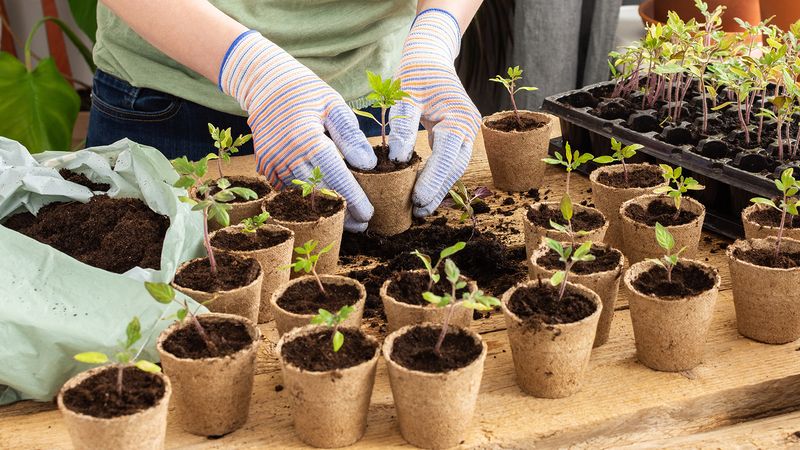
Imagine spending your entire life indoors and then suddenly being dropped outside on a windy, sunny afternoon.
That is essentially what happens to tomato seedlings that go straight from a cozy greenhouse or indoor shelf into an outdoor garden without any preparation.
The adjustment can be a real shock, causing wilted leaves, sunburn, and slowed growth right when you want your plants to take off.
Hardening off is the process of gradually introducing your seedlings to outdoor conditions over about seven to ten days before planting them permanently. Start by setting your transplants outside in a shaded, sheltered spot for just a couple of hours each day.
Over the following days, slowly increase the time they spend outside and the amount of direct sunlight they receive, working up to a full day outdoors by the end of the week.
During this process, bring the plants back inside if temperatures drop unexpectedly or if strong winds are forecast. North Carolina springs can be unpredictable, and protecting your seedlings during this transition period is worth the extra effort.
By the final day or two of hardening off, your plants should be able to handle a full day of outdoor sun and wind without any signs of stress.
Gardeners who skip this step often notice their transplants sitting still for a week or more after planting, which is the plant recovering rather than growing.
A properly hardened tomato plant will settle into your North Carolina garden bed quickly and start growing almost immediately after transplanting.
7. Warm Sunny Locations Produce The Best Tomatoes
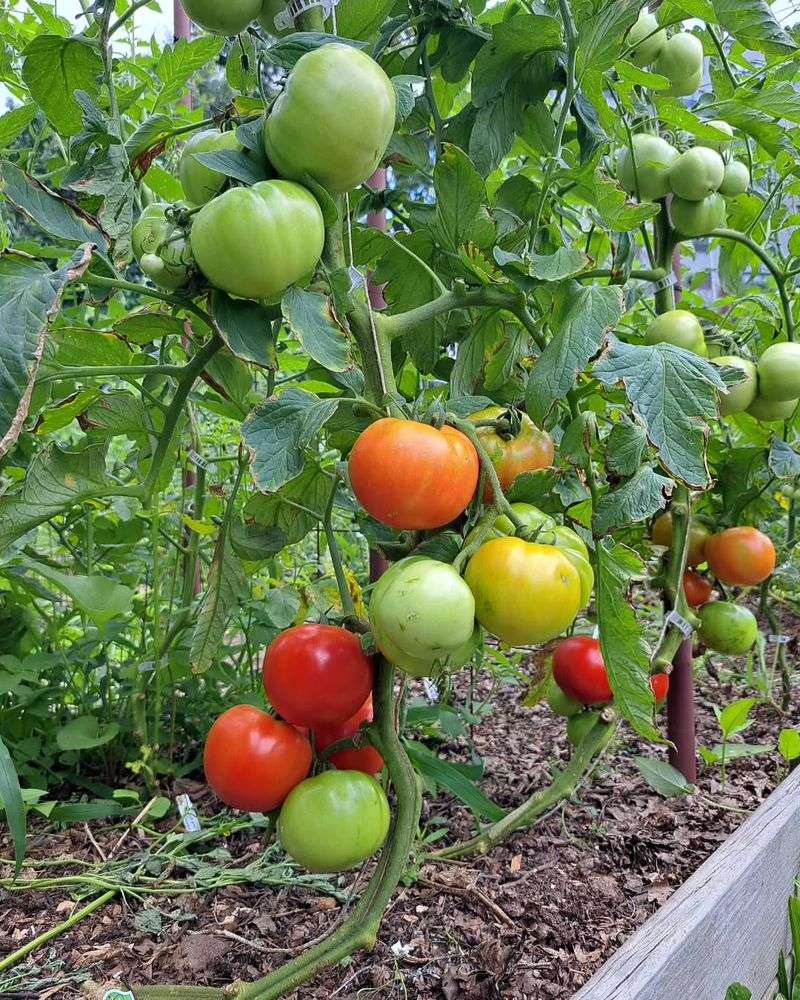
Tomatoes are sun-lovers through and through, and where you plant them in your yard matters just as much as when you plant them.
A spot that receives full sun for at least six to eight hours each day gives your plants the energy they need to grow vigorously, set flowers, and ripen fruit consistently.
North Carolina’s long summer growing season is a huge advantage, but only if your plants are positioned to make the most of all that sunshine.
Shaded areas under trees or next to tall fences might seem protected, but they actually work against tomato production.
Plants growing in too much shade tend to stretch tall and thin as they reach for light, which weakens stems and reduces the number of fruits they produce. You will get far more tomatoes from a compact, sun-drenched plant than from a tall, shaded one.
When choosing your planting location in North Carolina, look for a spot with southern or western exposure if possible. These orientations typically receive the most direct sunlight throughout the day.
Also make sure the soil in that area drains well after rain, since waterlogged roots are just as problematic for tomatoes as cold temperatures are.
Adding organic matter like compost to your planting site improves both drainage and fertility at the same time.
A sunny, well-prepared garden bed in North Carolina is basically the ideal setup for growing tomatoes that are flavorful, productive, and healthy from the first warm days of summer straight through to fall.
8. Late Cold Snaps Can Still Happen In Spring
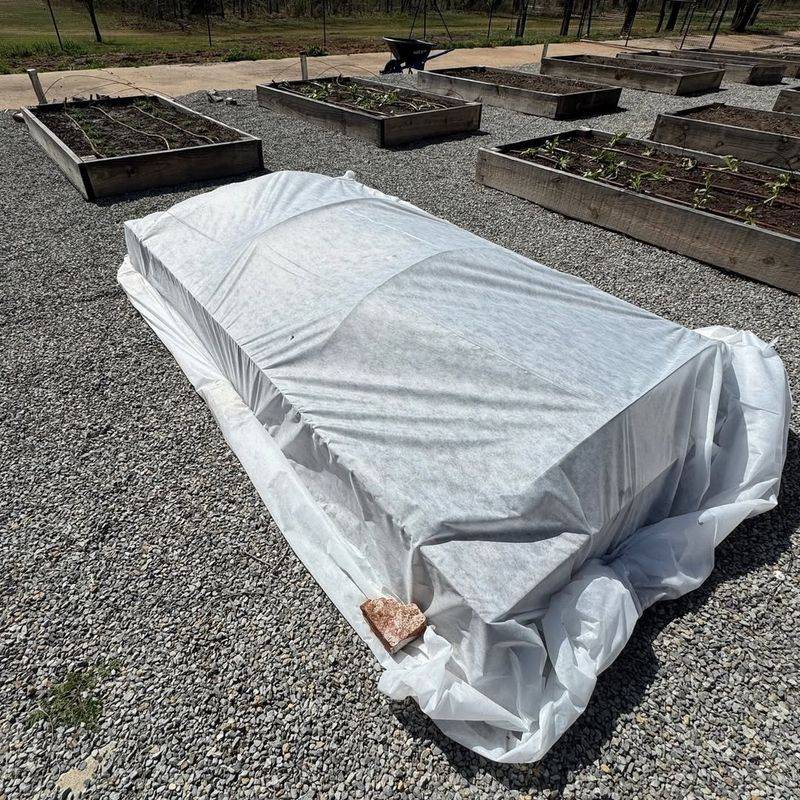
Just when you think spring has fully arrived in North Carolina, the weather can throw a curveball. Even after the average last frost date has passed, a surprise cold snap can roll through and send temperatures dropping into the 30s overnight.
It happens more often than most new gardeners expect, and being prepared for it can mean the difference between thriving plants and a frustrating setback.
Experienced North Carolina gardeners always keep frost cloth, row covers, or even old bed sheets nearby during the first few weeks after transplanting.
These materials can be draped loosely over young tomato plants in the evening when a cold night is forecast and removed the next morning once temperatures rise.
They trap warmth from the soil and protect tender leaves from cold air without suffocating the plants underneath.
Plastic containers, milk jugs with the bottoms removed, or commercial plant caps called Wall-O-Waters are also popular options for protecting individual tomato plants during a cold snap.
Wall-O-Waters in particular are a favorite among gardeners in the mountain regions of North Carolina, where cold nights can linger well into May.
Filling them with water creates a thermal barrier that keeps plants surprisingly warm even on frosty evenings.
Checking your local North Carolina weather forecast regularly during the first month after planting is a simple habit that protects your investment.
A three-day forecast showing overnight lows dipping below 45°F is a clear signal to get your covers ready and shield those young tomato plants before sunset arrives.