These Are The First Plants Michigan Gardeners Should Fertilize In March
March in Michigan often feels like the garden is slowly waking from a long winter. Snow begins to melt, the soil starts to soften, and the first hints of green appear in yards across the Upper and Lower Peninsulas.
While it may still feel early, this quiet moment is actually one of the most useful times for gardeners to prepare their plants for the season ahead. Many plants are just beginning to shift from winter rest into active growth.
Giving them the right nutrients now can help strengthen roots, support fresh leaves, and encourage healthier growth once warmer weather settles in. Even houseplants on a sunny windowsill often respond quickly to a small boost this time of year.
Knowing which plants benefit from early feeding can make a noticeable difference. With the right start in March, Michigan gardens often grow fuller, stronger, and far more vibrant as spring unfolds.
1. Houseplants Beginning Active Spring Growth
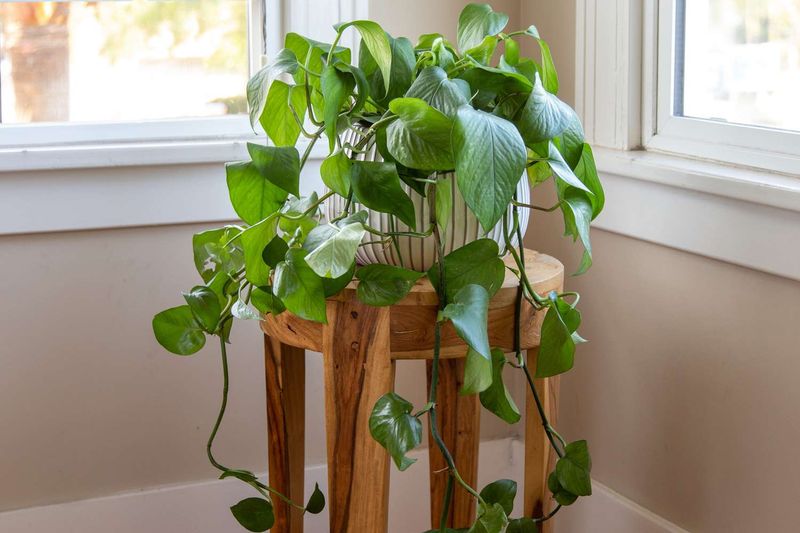
Something quietly exciting happens to your indoor plants every March. As the days grow longer and sunlight strengthens, houseplants like pothos, philodendron, spider plants, and peace lilies wake up from their slow winter pace and start pushing out fresh new leaves.
You can almost see the energy shift. This is the ideal moment to give them a light feeding with a balanced liquid houseplant fertilizer.
A diluted mix, roughly half the recommended strength, is all it takes to support that burst of new spring growth without overwhelming the roots. Feeding too heavily at this stage can actually stress the plant rather than help it.
Michigan homes tend to have dry indoor air during winter, so plants are already working hard just to stay healthy. Adding a small nutrient boost in March helps them build stronger stems and brighter foliage as the season turns.
Look for a fertilizer labeled with equal N-P-K numbers, like 10-10-10, for a well-rounded feed. Water your plants thoroughly before applying the fertilizer so the roots are moist and ready to absorb nutrients efficiently.
Starting this simple routine in early March means your houseplants will be thriving and full of color well before spring truly arrives outside your Michigan window.
2. Indoor Citrus Trees
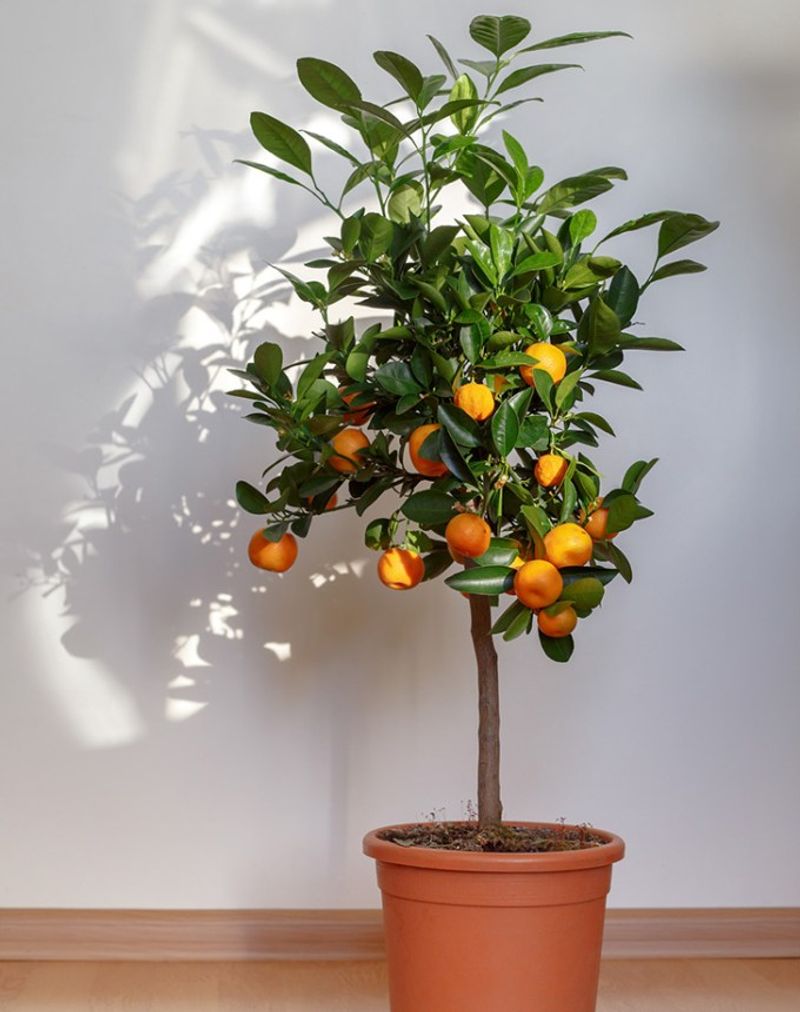
Growing citrus trees indoors in Michigan is one of those rewarding gardening adventures that surprises people every single time.
By March, your container lemon, lime, or orange tree has made it through the darkest winter months and is now ready to kick back into gear as daylight hours increase. That renewed energy is your cue to start fertilizing.
Citrus trees have specific nutritional needs that a general houseplant fertilizer simply cannot meet.
Look for a fertilizer formulated specifically for citrus and other acid-loving plants, as these blends include the right balance of nitrogen, potassium, and trace minerals like iron and manganese.
These nutrients support deep green foliage and strong fruit development throughout the growing season.
Place your tree in the brightest spot available, ideally a south-facing window where it can soak up as much natural light as possible.
Your Michigan Garden Changes Every Week. Your Plan Should Too.
Gardening in Michigan changes quickly throughout the season. Every Friday you’ll receive a simple weekly plan showing exactly what to plant, prune, fertilize, harvest, and protect so you never miss the right timing.
Michigan winters can leave citrus trees looking a little tired, so the combination of more sunlight and a fresh fertilizer application in March works wonders.
Follow the product directions carefully and avoid over-fertilizing, since too many nutrients at once can cause leaf drop.
Feed every four weeks through the spring and summer growing season, and you will likely be rewarded with fragrant blossoms and maybe even homegrown citrus fruit right there in your Michigan kitchen or sunroom.
3. Seedlings Started Indoors
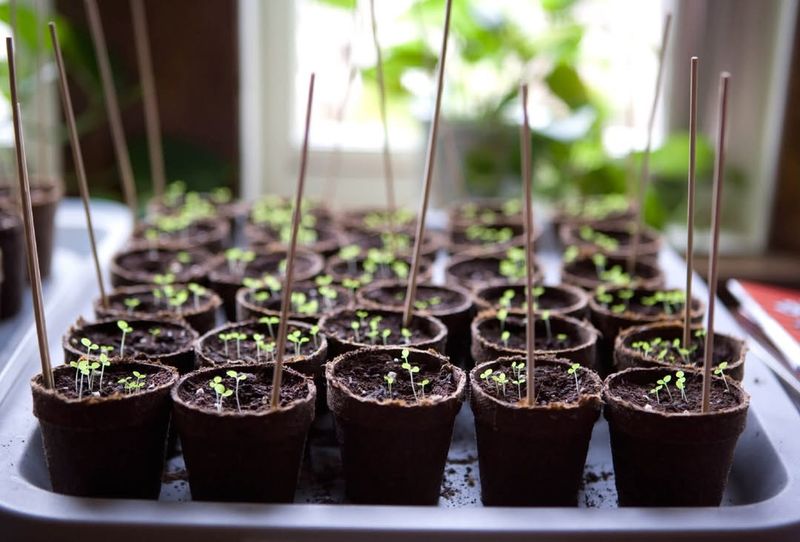
Starting seeds indoors is one of the most hopeful rituals in a Michigan gardener’s year. By late February or early March, many gardeners already have tiny tomato, pepper, or flower seedlings sprouting under grow lights.
But once those first true leaves appear, the seedlings are ready for something more than just water and light.
At that point, a diluted liquid fertilizer can make a real difference. Mix it to about one-quarter of the recommended strength and apply it gently every week or two.
Young seedlings have delicate root systems, and too much fertilizer at once can burn or stunt them rather than encourage steady growth. Patience and consistency are the keys here.
The goal during this indoor growing phase is to build stocky, strong plants that can handle transplanting into the Michigan garden later in spring.
A seedling that gets the right amount of nutrients early on develops better roots, thicker stems, and more resilient foliage overall.
Look for a fertilizer with slightly higher nitrogen content to support leafy green growth at this stage. Liquid kelp or fish emulsion fertilizers are popular choices among Michigan gardeners because they are gentle and effective.
Keeping a simple feeding schedule now means you will have robust, healthy transplants ready when the last frost date finally passes.
4. Overwintered Geraniums
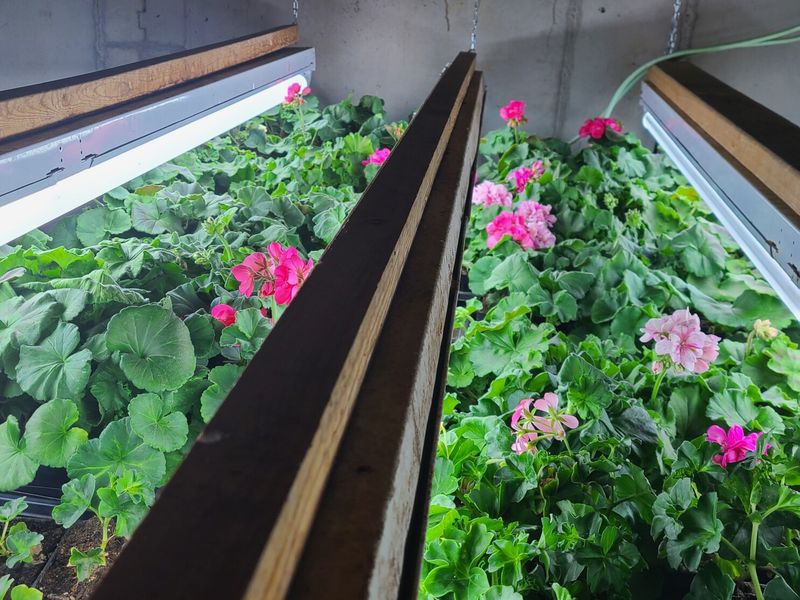
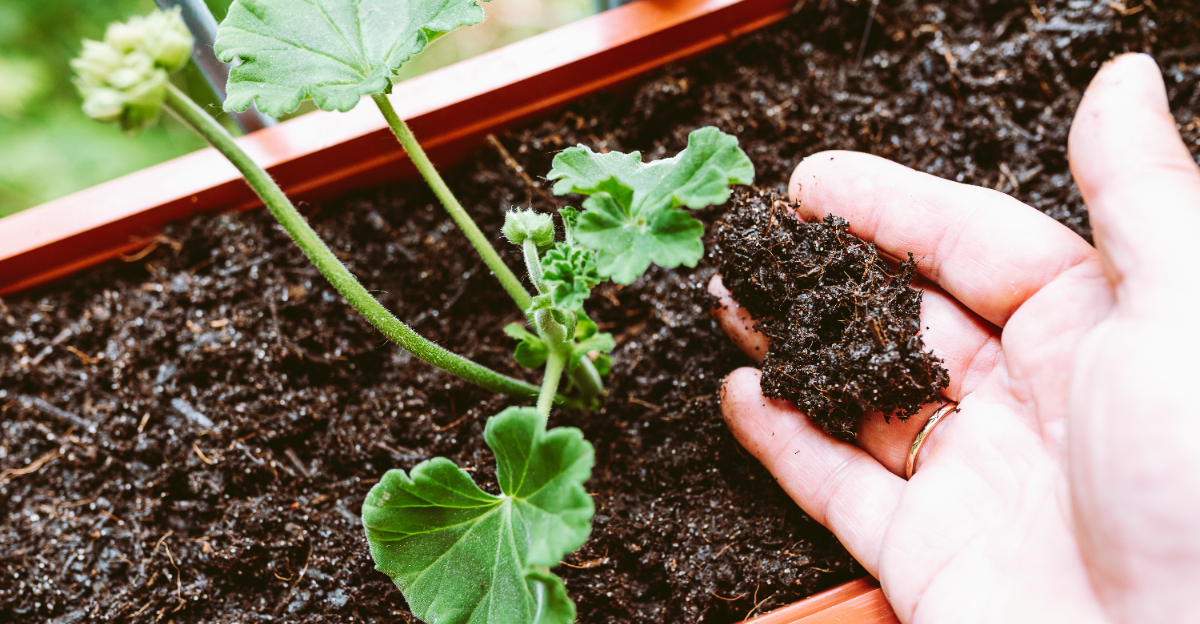
Geraniums are tougher than they look. Many Michigan gardeners pull their Pelargonium plants inside before the first frost and tuck them away in a basement or cool room for the winter.
By March, those same plants often start showing fresh green growth, almost like they know spring is just around the corner.
That new growth is your signal to act. A light feeding with a balanced fertilizer at this stage helps the plant build energy for the season ahead.
Choose a fertilizer with a moderate nitrogen level to encourage leafy growth without pushing the plant too fast before it heads back outside. Watering the plant well before fertilizing is always a smart move.
One fun fact about overwintered geraniums is that they often bloom more freely in their second season compared to brand-new plants.
The root system is already established, so once you add nutrients and increase light exposure in March, growth tends to take off quickly.
Place them near a bright south-facing window to maximize daylight hours. Michigan gardeners typically wait until late May or early June to move geraniums back outdoors after the last frost risk has passed.
Using March to feed and refresh these plants gives them plenty of time to build up strong stems and plenty of flower buds before they return to the porch or garden bed.
5. Overwintered Rosemary Plants
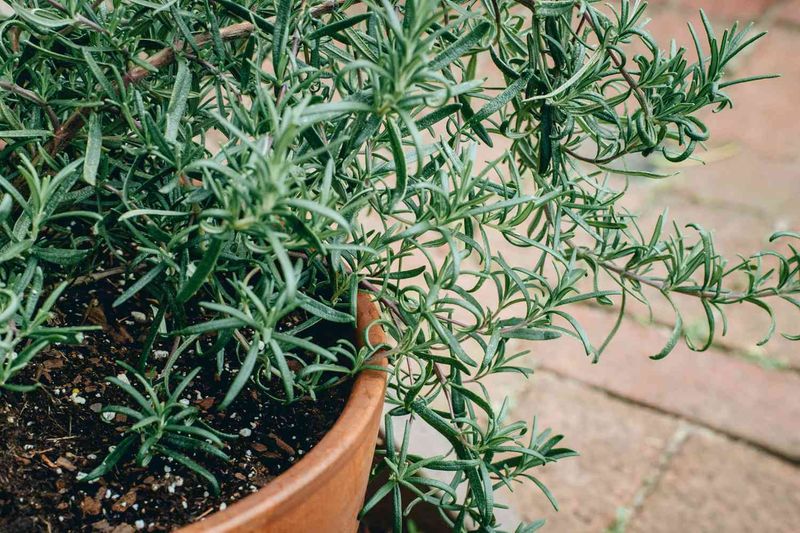
Rosemary and Michigan winters do not exactly get along outdoors, which is why so many gardeners bring their rosemary pots inside when temperatures drop. Surviving the winter is already an achievement for this Mediterranean herb, but by March, something shifts.
The lengthening days trigger new growth at the tips, and that is your green light to start feeding.
A light application of balanced fertilizer in early March supports healthy foliage development without pushing the plant faster than it can handle.
Rosemary prefers a fertilizer that is not too heavy on nitrogen, since overly lush, soft growth can actually make the herb more vulnerable to pests and moisture issues.
A balanced 10-10-10 formula diluted to half strength works well for most container rosemary plants.
Good drainage is just as important as fertilizer for rosemary. Make sure the pot has drainage holes and that you are not overwatering, since rosemary roots do not like sitting in soggy soil.
Placing the plant in the sunniest window in your Michigan home, ideally south-facing, helps it stay strong and flavorful. Once outdoor temperatures warm up consistently in late spring, you can gradually transition the rosemary back outside.
The plants that get this early March feeding tend to green up faster and produce more aromatic foliage throughout the growing season, making all that indoor care absolutely worth it.
6. Spring Bulbs As They Emerge

Few sights in a Michigan garden are as exciting as the first green tips of daffodils or tulips poking through the soil in late March.
In the southern parts of the state, where the ground thaws a bit earlier, these early bulbs can begin emerging while patches of snow still linger nearby. It is a small miracle that never gets old.
When those shoots are just a few inches tall, a light application of bulb fertilizer around the base of the emerging plants can support stronger, more vibrant flowering.
Look for a fertilizer with a higher phosphorus number, like a 5-10-5 blend, since phosphorus is the nutrient most responsible for healthy root development and flower production.
Sprinkle it lightly around the shoots and water it in gently so it reaches the root zone.
Avoid piling fertilizer directly on top of the emerging shoots, since concentrated nutrients can burn tender new growth. Instead, scatter it in a wide ring around the area where the bulbs are planted.
Timing matters here too. Fertilizing while the foliage is still actively growing gives the bulbs energy to bloom fully this season and store nutrients for next year.
Michigan gardeners who skip this step often notice smaller blooms over time. A small effort in March keeps your spring bulb display looking full and colorful for many seasons to come.
7. Rhubarb Plants In Early Spring
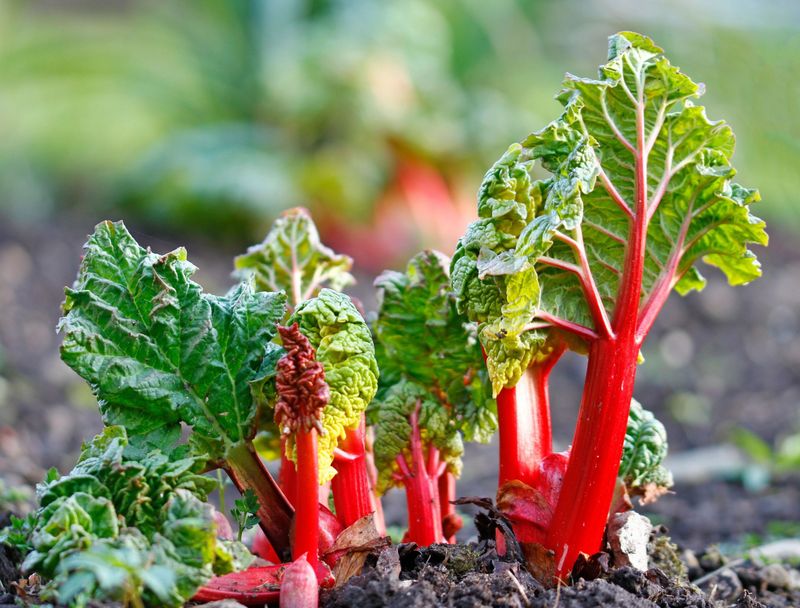
Rhubarb is one of the earliest vegetables to wake up in a Michigan garden, and it does so with impressive determination.
Even when the air is still chilly and the ground barely thawed, those thick reddish-pink shoots push upward like they have somewhere important to be.
Rhubarb truly earns its reputation as one of the most low-maintenance perennials in the Midwest.
Early March is a great time to work compost or a balanced granular fertilizer into the soil around the rhubarb crown. Rhubarb is a heavy feeder and benefits from rich, nutrient-dense soil to produce those thick, flavorful stalks everyone looks forward to.
Spread a few inches of finished compost around the crown without burying the emerging shoots, and work it lightly into the surface of the soil.
If you prefer a commercial fertilizer, a balanced 10-10-10 formula applied according to package directions works well for established rhubarb beds. Avoid high-nitrogen fertilizers alone, since rhubarb needs phosphorus and potassium too for strong stalk production.
Michigan gardeners should also make sure rhubarb gets plenty of water during early spring growth, especially if March brings dry spells between snow events.
A well-fed rhubarb plant can produce generous harvests for decades, making it one of the best long-term investments in any Michigan kitchen garden. Feed it right in March, and it will reward you all spring long.
8. Asparagus Beds
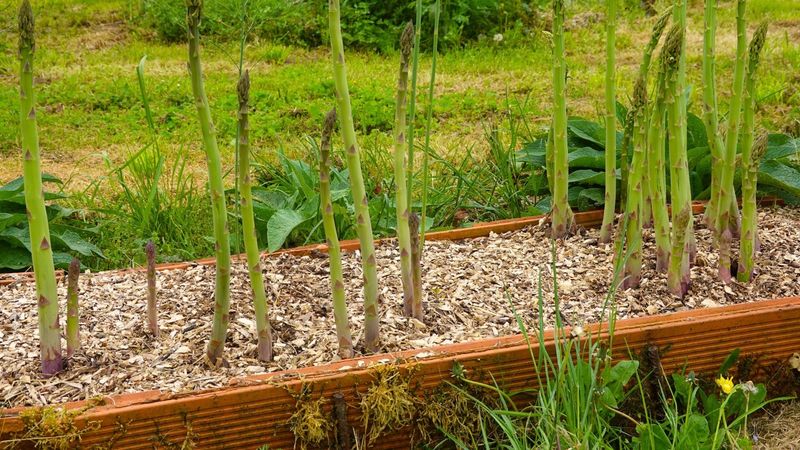
Asparagus is a garden investment that pays dividends for twenty years or more, but only if you treat it right. In Michigan, asparagus beds begin preparing for their growing season underground well before the first spears become visible above the soil.
That makes early spring fertilization one of the most important steps you can take for a strong harvest.
Many experienced Michigan gardeners apply compost or a balanced fertilizer to their asparagus beds in March or early April, just before spear emergence.
Working a two-to-three-inch layer of finished compost into the top few inches of soil around the crowns gives the plants a slow, steady nutrient source as temperatures warm.
If you prefer a granular fertilizer, a balanced blend like 10-10-10 applied at the recommended rate works well for established beds.
Asparagus is particularly responsive to phosphorus and potassium, which support strong root systems and healthy spear development. Avoid high-nitrogen fertilizers at this stage, since too much nitrogen can push leafy fern growth at the expense of the edible spears.
After fertilizing, water the bed thoroughly to help nutrients move down toward the root zone. Michigan gardeners who take care of their asparagus beds every spring consistently report thicker, more productive spears throughout the harvest season.
A little work in March sets the stage for weeks of fresh asparagus from your own backyard, which is hard to beat.
9. Blueberry Bushes
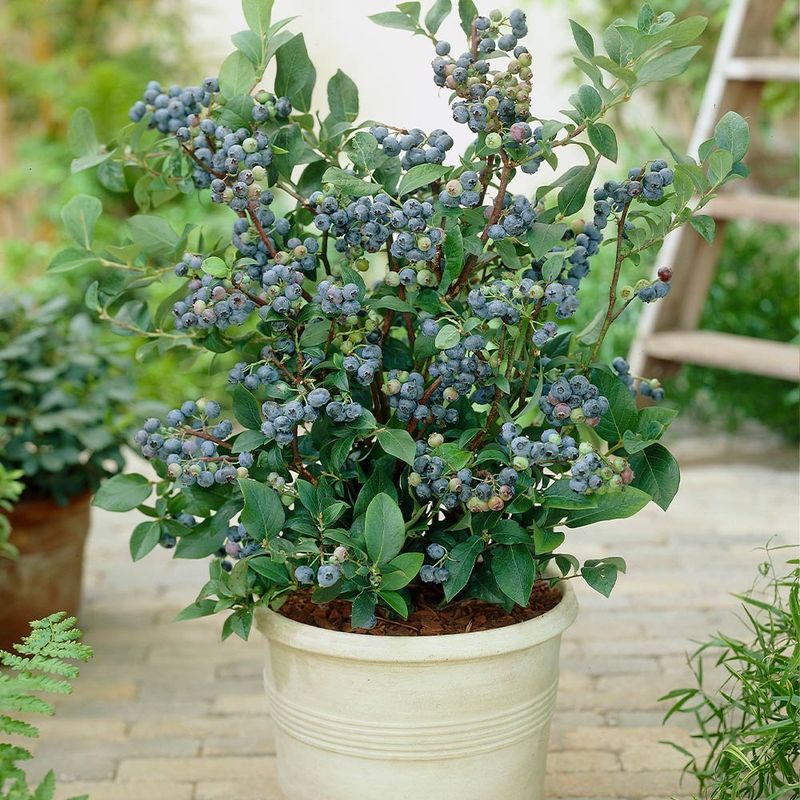
Michigan is one of the top blueberry-producing states in the entire country, so it only makes sense that backyard blueberry bushes thrive here too. These plants are finicky about one thing above all else: soil acidity.
Blueberries need a soil pH between 4.5 and 5.5 to absorb nutrients properly, which makes choosing the right fertilizer absolutely essential.
Once the ground thaws in late March, applying a fertilizer formulated specifically for acid-loving plants gives blueberry bushes a strong nutritional foundation for the season ahead.
Products labeled for azaleas, rhododendrons, and blueberries typically contain the right balance of nitrogen, sulfur, and micronutrients to support healthy growth in acidic soil.
Sprinkle the fertilizer evenly around the drip line of each bush, then water it in well. Avoid using lime or any product that raises soil pH near your blueberry bushes, since even a small pH shift can reduce nutrient absorption significantly.
Michigan gardeners who grow blueberries in raised beds or containers have the advantage of controlling the soil mix more easily.
Adding a layer of pine bark mulch around the base of each bush also helps maintain soil acidity over time while retaining moisture during dry spring spells.
Blueberry bushes that get this early March care tend to leaf out faster, bloom more reliably, and produce heavier fruit crops. Starting the season right makes all the difference for these beloved Michigan berries.
10. Indoor Herb Gardens
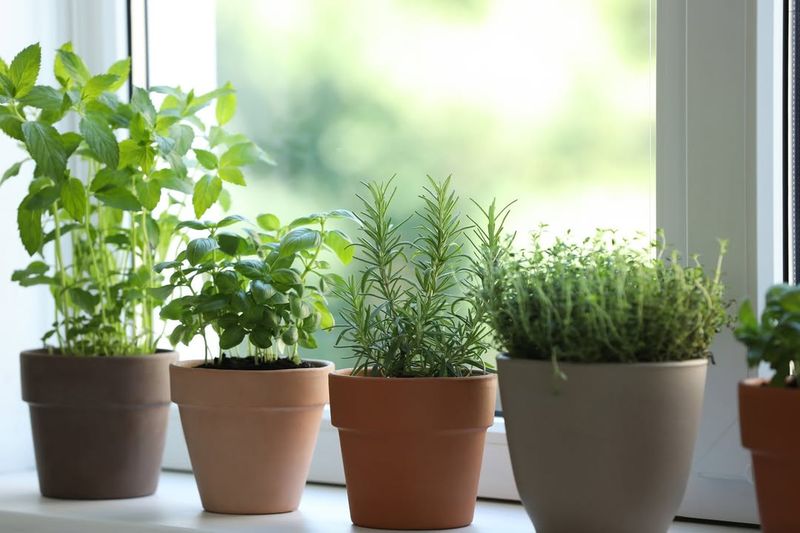
There is something genuinely cheerful about a kitchen windowsill full of fresh herbs in the middle of a Michigan March.
While the outdoor garden is still weeks away from waking up, indoor herbs like basil, parsley, chives, and thyme can be growing strong and ready to snip right into your cooking.
As daylight increases through the month, these plants respond with noticeably more vigorous growth.
A light fertilizer application in early March helps indoor herbs maintain healthy, flavorful foliage during this transitional period. Use a balanced liquid fertilizer diluted to half strength, and apply it every two to three weeks rather than all at once.
Herbs do not need heavy feeding, and too much fertilizer can actually reduce the concentration of essential oils that give fresh herbs their flavor and fragrance.
Bright light is just as important as nutrients for indoor herb gardens. A south-facing window is ideal, but supplemental grow lights work well in Michigan homes where natural light is still limited in early March.
Keep the soil evenly moist but never waterlogged, since most herbs are sensitive to overwatering. Chives and parsley are especially good performers in cooler indoor conditions, while basil prefers warmth and will grow more slowly until temperatures rise.
Giving your indoor herb garden a small boost of fertilizer this month means you will have fresh, flavorful herbs to harvest long before anything is ready outside in the Michigan garden.