Easy DIY Cucumber Trellis Ideas That Help Michigan Gardeners Make The Most Of A Short Season
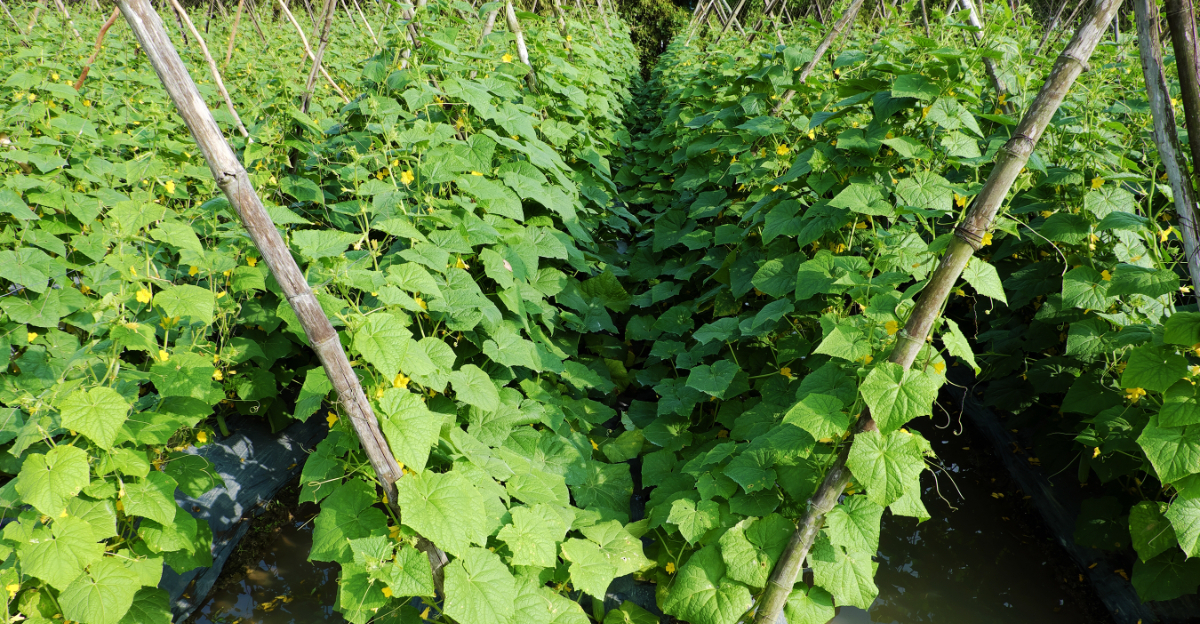
Cucumbers are one of those vegetables that take up a lot of ground space without ever really needing to. Give them something to climb and everything changes.
The plants stay healthier, the fruit is easier to spot and pick, and you suddenly have room in your garden that was not there before.
For Michigan gardeners working with a season that has a firm deadline, that kind of efficiency is not just a nice bonus, it actually affects your harvest.
Cucumbers grown vertically get better airflow around their leaves, which cuts down on the fungal issues that tend to show up during Michigan’s humid summer stretches. They also produce more consistently when fruit is not sitting on damp soil.
The best part is that building a cucumber trellis does not require any special skills or expensive materials. Some of the most effective setups cost next to nothing and can be put together in an afternoon.
These ideas are practical, easy to build, and genuinely suited for the way Michigan summers work.
1. Cattle Panel Arch Trellis
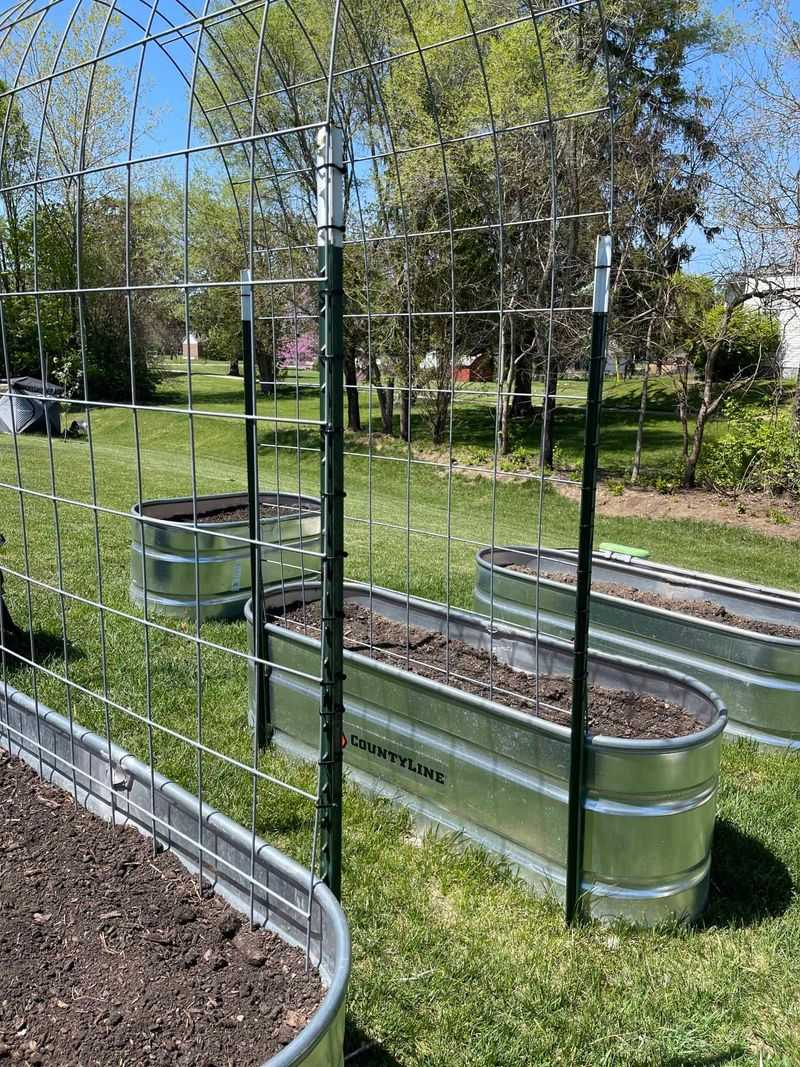
Few garden structures are as satisfying to build as a cattle panel arch, and once you see cucumber vines covering it in full summer growth, you will understand why so many Michigan gardeners swear by it.
Cattle panels are rigid livestock fencing panels, usually 16 feet long and made from thick galvanized wire.
You bend them into a graceful arch and anchor each end into the ground with rebar or sturdy stakes, creating a tunnel-shaped trellis that is remarkably strong.
One of the biggest advantages in Michigan is airflow. The open wire design lets breezes move through the vines freely, which helps reduce the risk of fungal diseases like powdery mildew that thrive in humid conditions.
Better airflow means healthier plants, and healthier plants produce more cucumbers before the first frost arrives.
Cucumbers hang straight down through the arch, making harvesting incredibly easy. You just walk through the tunnel and pick without bending or digging through leaves.
The arch also creates a shaded space underneath, which is great for growing lettuce or spinach during hot spells.
A cattle panel arch typically lasts for many seasons with minimal maintenance, making it one of the best long-term investments a Michigan gardener can make for the vegetable garden.
2. A-Frame Wood Trellis
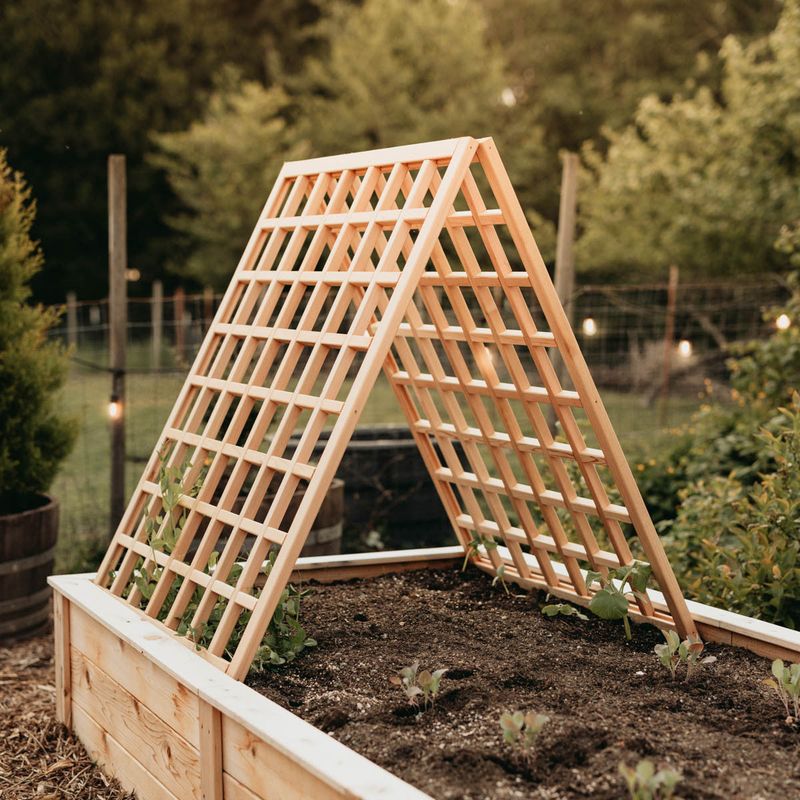
Picture two wooden frames leaning together at the top like an open book, connected by a simple hinge or tied securely, with wire or garden netting stretched across each side.
That is an A-frame trellis, and it is one of the most beginner-friendly structures you can build for your Michigan garden. A basic version requires just a few pieces of lumber, some screws, and a roll of wire fencing or netting.
What makes this design especially useful in Michigan is how quickly the wooden frame absorbs warmth from the sun. On cool spring mornings, that extra warmth radiates onto the plants, helping them grow faster during the early weeks of the season.
Since Michigan summers can feel both hot and humid, the slanted sides of the A-frame also encourage better air circulation compared to flat vertical trellises.
Your Michigan Garden Changes Every Week. Your Plan Should Too.
Gardening in Michigan changes quickly throughout the season. Every Friday you’ll receive a simple weekly plan showing exactly what to plant, prune, fertilize, harvest, and protect so you never miss the right timing.
You can plant cucumbers on both sides of the frame, which effectively doubles your growing space without using more ground area. This is a real advantage in smaller Michigan backyards or raised beds where every square foot counts.
When the season wraps up, an A-frame trellis folds flat for easy storage in a shed or garage, ready for next year. With a fresh coat of exterior paint or sealant, a well-built A-frame can last five years or more.
3. T-Post And Garden Netting Trellis
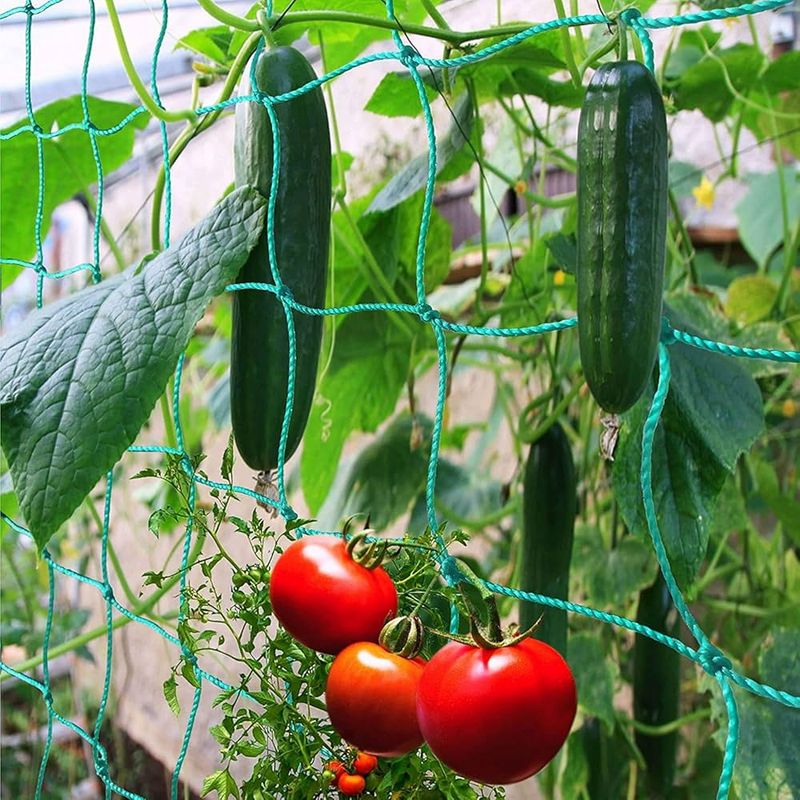
Sometimes the simplest setup is the one that works best, and a T-post and garden netting trellis is proof of that. Metal T-posts are the same kind used for fencing on farms across Michigan, and you can find them at most hardware or farm supply stores.
Drive them firmly into the ground every four to six feet along your cucumber row, then stretch durable garden netting between them and secure it tightly.
The whole setup takes less than an hour to put together, which is a huge bonus when Michigan spring arrives late and you want to get planting fast.
Once the netting is up, cucumber vines grab onto it naturally with their tendrils and climb upward without much help from you.
Keeping vines off the ground dramatically reduces rot, slug damage, and soil-borne disease, all of which can shorten your harvest window.
Sunlight reaches every part of the plant more evenly when vines grow vertically, which boosts fruit production during the limited warm weeks Michigan offers.
The cucumbers also hang freely as they grow, so they develop straighter and are easier to spot when it is time to harvest.
At the end of the season, you simply roll up the netting, pull the T-posts, and store everything compactly until next spring. It is reliable, affordable, and built for real garden work.
4. Wooden Ladder Trellis
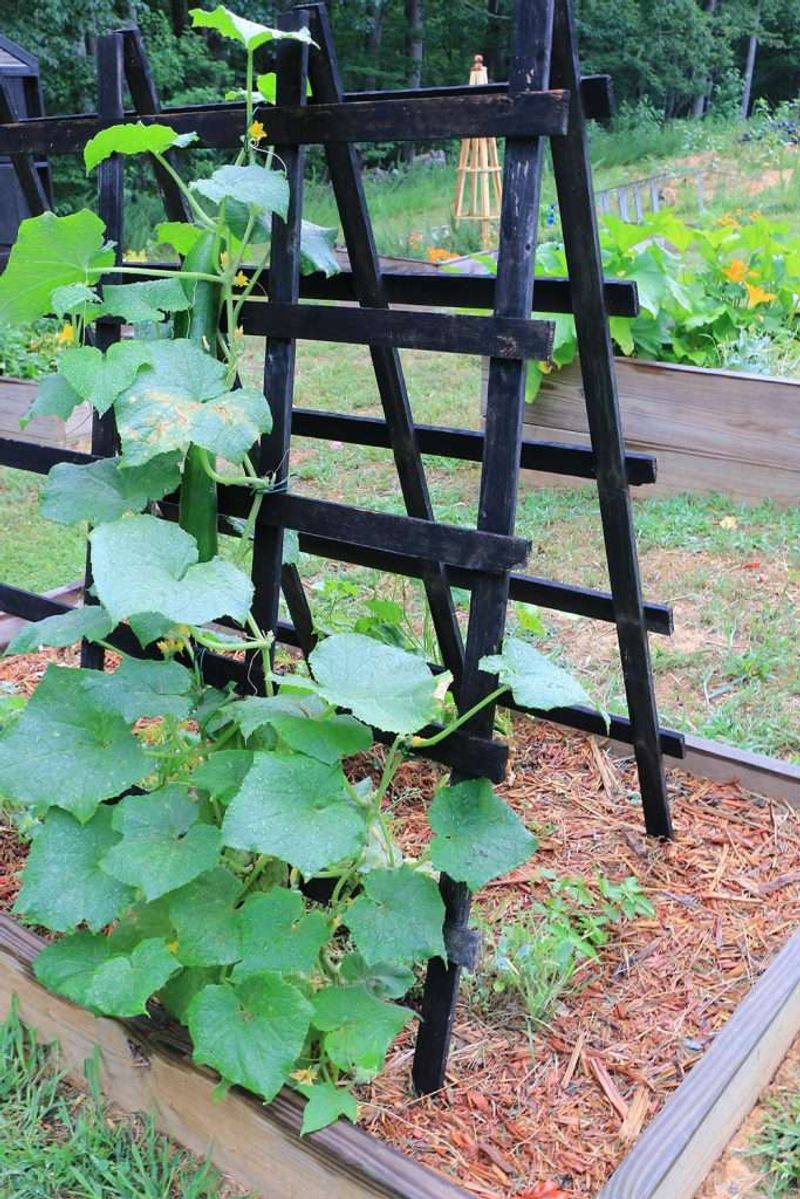
Got an old wooden ladder sitting unused in the garage? Before you haul it off, consider turning it into one of the most charming and functional cucumber trellises your Michigan backyard has ever seen.
An old ladder leaned against a fence, anchored to a raised bed frame, or supported with a few ground stakes creates an instant vertical growing surface that looks rustic and works beautifully.
The rungs of the ladder act as natural support bars, giving cucumber vines plenty of places to grab hold and climb. You can weave twine between the rungs to add extra grip for the vines, or simply let them wind their way up naturally.
For smaller Michigan gardens where space is tight, a ladder trellis fits neatly into a corner or along a wall without taking up much room at all.
Keep in mind that lighter cucumber varieties work best here. Heavy-producing types can put a lot of weight on the structure, so stick to slicing cucumbers or compact bush varieties to avoid any wobbling.
Painting or sealing the wood before the season starts will help it hold up through Michigan rain and humidity.
The best part about a ladder trellis is the cost, since many gardeners already have one on hand. It is a creative, budget-friendly way to grow more food in less space this season.
5. String Trellis On A Frame
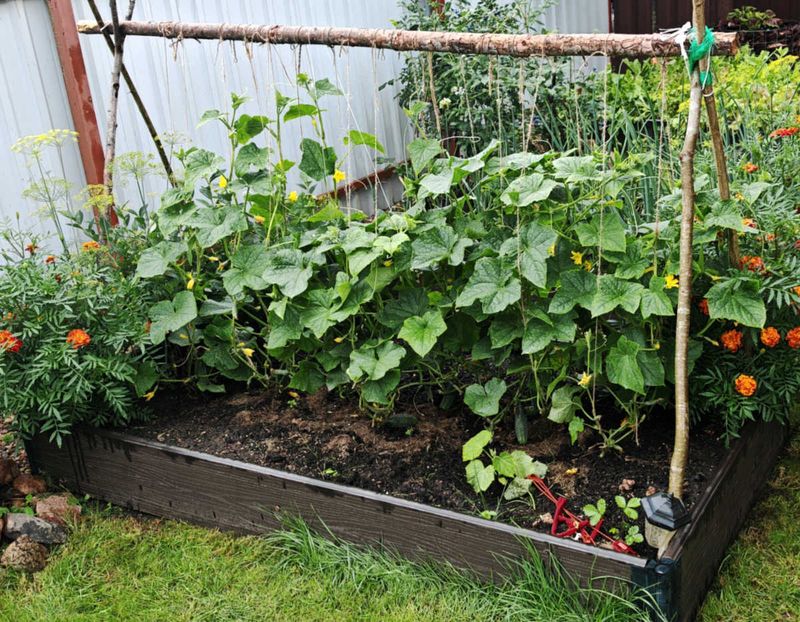
Walk into any commercial greenhouse and you will likely see rows of plants growing up vertical strings, because this method works incredibly well.
For Michigan home gardeners, a string trellis on a simple wooden or metal frame brings that same professional technique right into the backyard or raised bed.
You build or repurpose a horizontal top bar, anchor it securely above your planting row, then tie individual strings down to stakes or anchors in the soil below.
Each cucumber plant gets its own string to climb, which keeps the vines separated and prevents them from tangling together.
Better spacing means more sunlight reaches each plant, and in Michigan where summer days are precious and somewhat limited, maximizing sun exposure can make a real difference in how many cucumbers you harvest before fall arrives.
The strings also make it easy to train vines as they grow, gently wrapping new growth around the string every few days.
The cost to build this type of trellis is very low. A few pieces of lumber or conduit, some garden twine, and a handful of small stakes are all you need.
It works especially well in raised beds, where the frame can attach directly to the bed walls for extra stability. One thing to plan for is checking the strings weekly, since Michigan wind can sometimes loosen them. A little attention goes a long way with this setup.
6. Wire Fence Panel Trellis
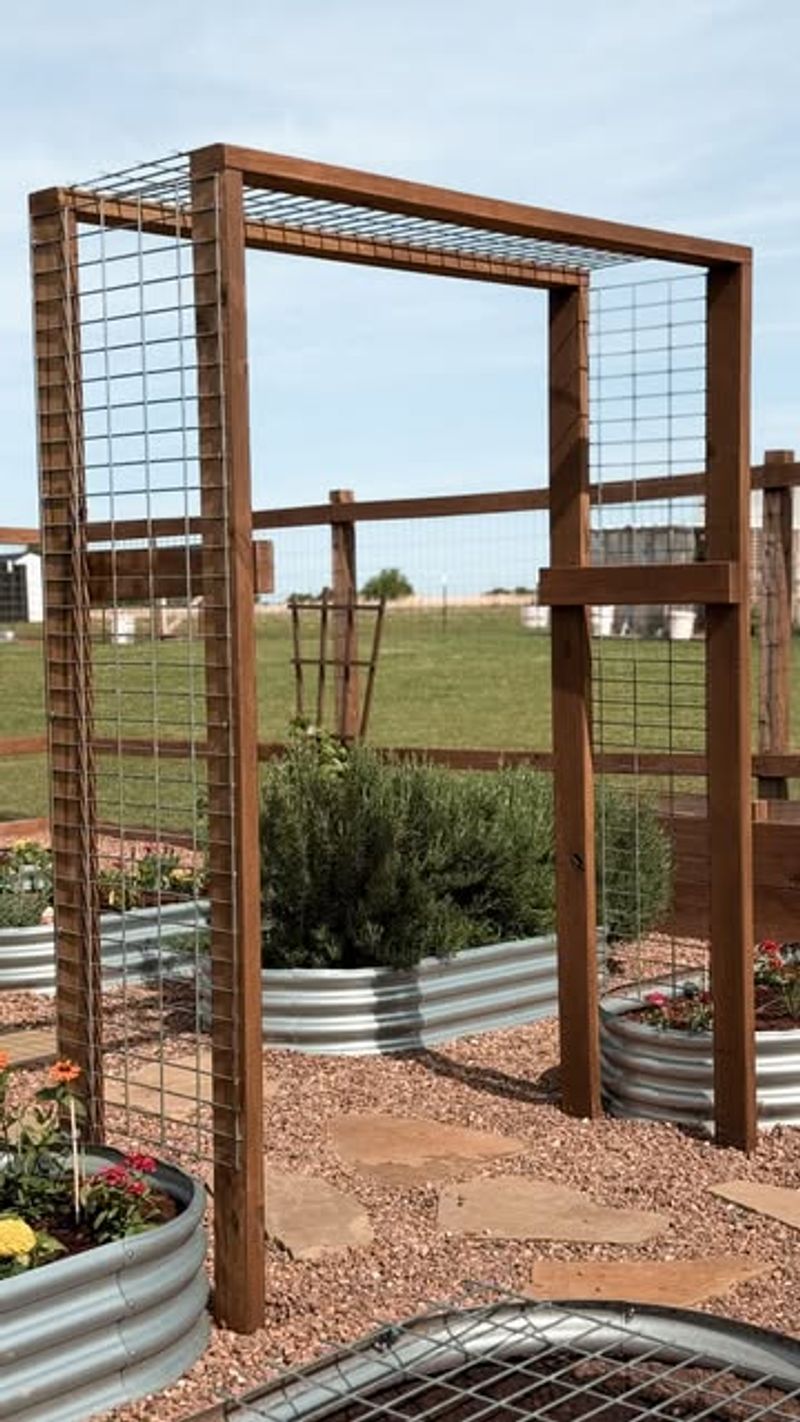
Wire fence panels are one of the most underrated trellis materials available, and Michigan gardeners who discover them rarely go back to anything else.
A single section of welded wire fencing attached to a pair of wooden stakes or a simple frame creates a strong, stable, and long-lasting cucumber trellis for very little money. You can find these panels at any farm supply or home improvement store across the state.
The grid pattern of the wire gives cucumber vines natural handholds at every few inches, so the plants climb easily without needing much guidance.
As cucumbers form and grow, they hang straight down through the open grid, developing evenly shaped fruit that is easy to spot and simple to pick.
Harvesting becomes almost effortless compared to digging through ground-level vines, which is a welcome relief on busy summer days.
Wire fence panels hold up well through Michigan wind, rain, and the occasional summer storm that rolls in off the Great Lakes. Unlike lighter materials, they do not sag or shift when loaded with heavy vines and fruit.
You can stake them vertically in a straight row, angle them slightly for better sun exposure, or even curve them into a gentle arc for added structure.
After the season ends, these panels store flat and last for many growing seasons without rusting or warping, making them a genuinely smart long-term choice for any Michigan vegetable garden.
7. PVC Pipe Trellis Frame
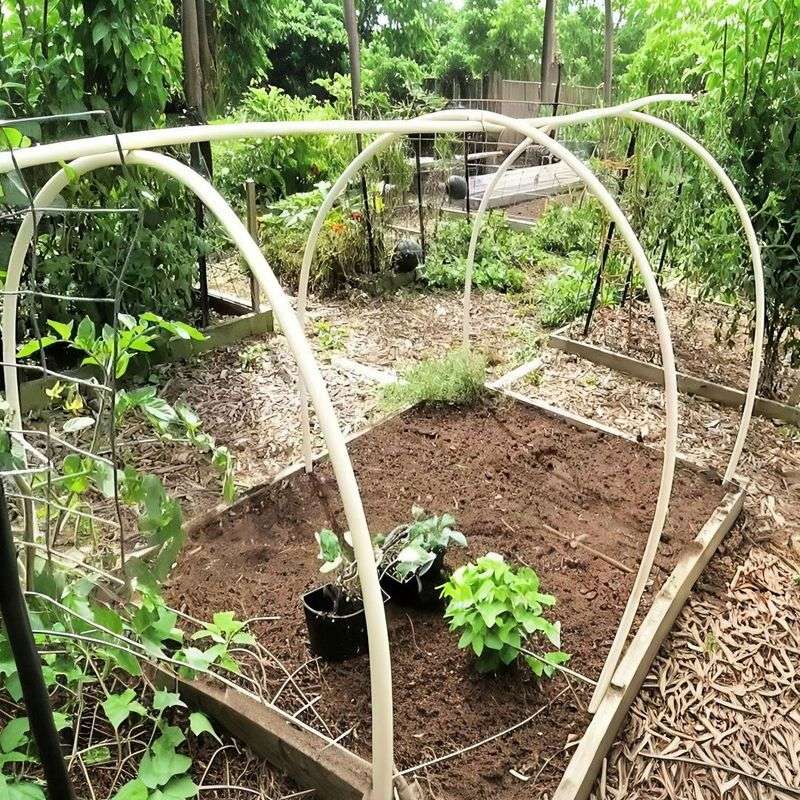
Lightweight, easy to cut, and surprisingly versatile, PVC pipe is a material that makes building a cucumber trellis feel almost effortless. You can find PVC pipes and connectors at any hardware store in Michigan, and the pieces snap or glue together without any special tools.
A basic frame uses four upright pipes connected by horizontal cross pieces at the top and middle, creating a sturdy rectangle that you can drape with netting or weave with garden twine.
One of the best things about a PVC trellis is how easy it is to move. Michigan gardeners who practice crop rotation can simply lift the whole frame and place it in a new spot each season.
Since cucumbers should not grow in the same soil two years in a row to avoid disease buildup, having a portable trellis makes following a rotation schedule much more practical and convenient.
Because PVC is lighter than wood or metal, it works best in sheltered spots like along a fence line or beside a garage wall where wind is less of a factor.
Open and exposed garden areas in Michigan can experience some strong gusts, so anchoring the base pipes with ground stakes adds helpful stability.
Covering PVC with a dark spray paint also helps it absorb a little extra warmth on cool Michigan mornings, giving your cucumber plants a slight boost during the shorter growing window the state provides.