9 Plants That Need Protection Before First Real Heat Wave In Florida
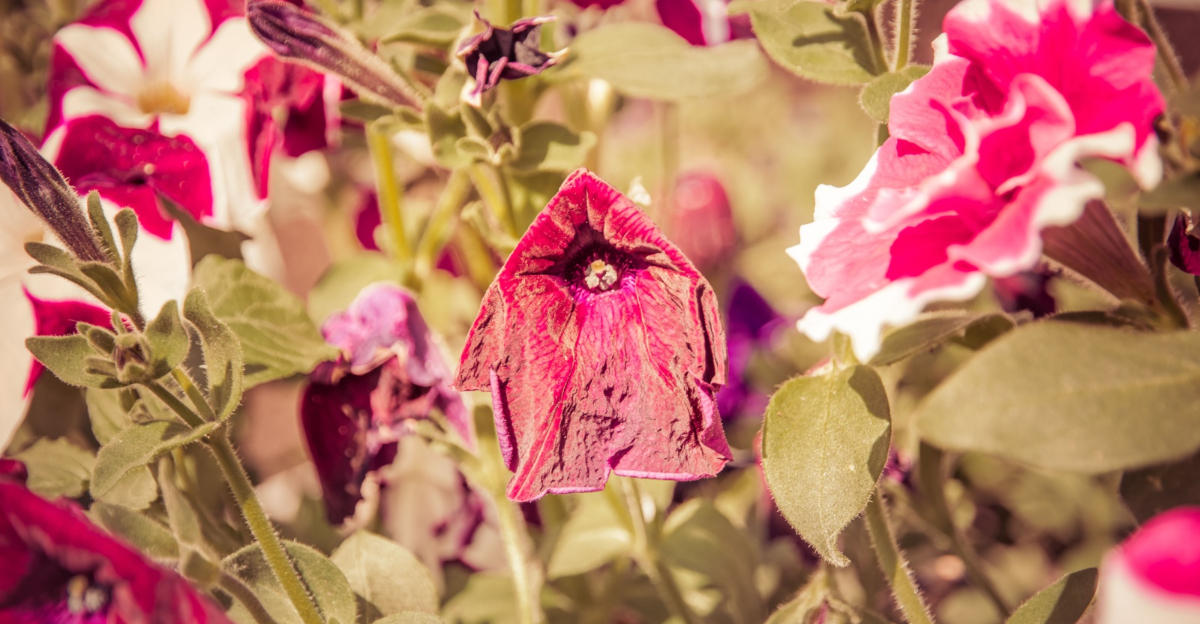
Florida gardeners know the feeling well. One week the yard looks lush and colorful, and then the heat cranks up fast, and suddenly some of your favorite plants are looking stressed, faded, or just plain worn out.
The first real heat wave of the year can sneak up on you, especially when spring seemed so mild just days before. Knowing which plants are most vulnerable before that wall of heat arrives gives you a real head start on keeping your garden looking its best all season long.
Some of the most popular plants in Florida yards are actually cool-season performers that simply were not built for the intense heat and humidity that comes with a Florida summer.
Others are moisture-sensitive, shallow-rooted, or recently planted, which makes them especially fragile when temperatures climb fast.
The good news is that a little preparation goes a long way. Whether you are growing flowers in containers on a sunny porch or managing a full landscape bed, these nine plants need your attention right now, before the heat really hits.
A few smart moves today can save a lot of frustration later.
1. Pansies Fade Fast Once Florida Heat Sets In
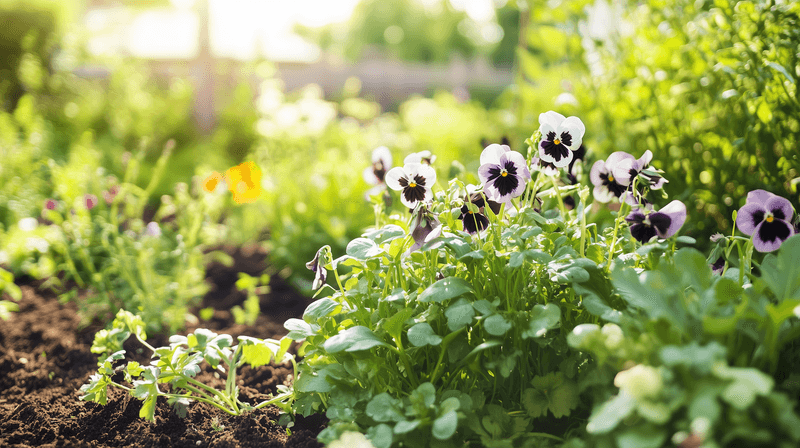
Few plants put on a better cool-season show in Florida than pansies. Their cheerful faces line garden beds and containers from late fall through early spring, but they were never meant to handle the heat that arrives as Florida rolls toward summer.
Once daytime temperatures consistently push past 80 degrees Fahrenheit, pansies begin to struggle noticeably.
The first signs of stress usually show up as stretched, leggy stems and fewer blooms. Leaves may start to yellow at the edges, and the plant loses the compact, full look that made it so appealing in the first place.
Pansies planted in full sun or in dark-colored containers absorb extra heat, which speeds up their decline even faster.
UF/IFAS notes that pansies are best suited for Florida’s cooler months, typically October through April, and gardeners should plan accordingly. To stretch their performance a little longer, move container pansies to a spot with morning sun and afternoon shade.
Water consistently at the base and avoid overhead watering during peak heat. Applying a thin layer of mulch around in-ground plants helps keep roots cooler.
If blooms have nearly stopped, it is time to pull them and plan for summer annuals instead.
2. Petunias Struggle When Spring Turns Steamy In Florida
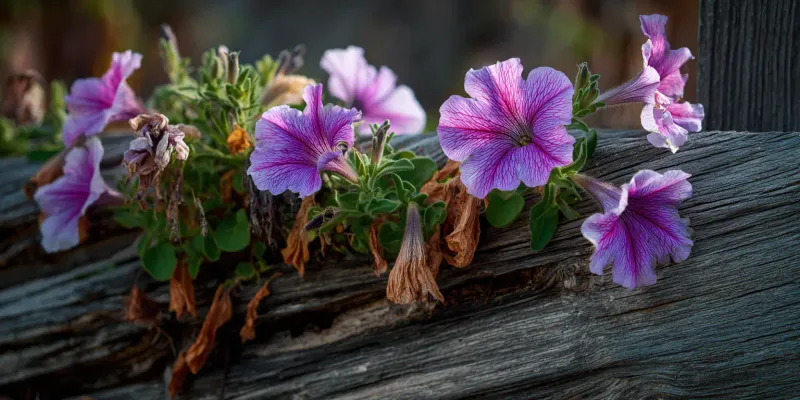
Petunias are one of the most popular flowering annuals across the country, and Florida gardeners love them for their big, bold color. But as spring shifts toward summer in Florida, rising humidity and stronger sun start taking a toll on these plants faster than most people expect.
High nighttime temperatures are one of the biggest problems. Petunias need cooler nights to recover from daytime heat, and Florida’s warm evenings give them very little relief.
Blooms start to look washed out, stems get stringy, and the plant can begin to look more tired than thriving. Petunias in hanging baskets or south-facing beds with reflected heat from walls or pavement are especially at risk.
Your Florida Garden Changes Every Week. Your Plan Should Too.
Gardening in Florida changes quickly throughout the season. Every Friday you’ll receive a simple weekly plan showing exactly what to plant, prune, fertilize, harvest, and protect so you never miss the right timing.
According to UF/IFAS, petunias perform best during Florida’s mild seasons and tend to decline as summer humidity builds. Before the first serious heat wave hits, give petunias a light trim to encourage new growth and improve airflow.
Water them deeply in the early morning so foliage dries before midday. If they are in containers, shifting them to a spot with afternoon shade can add several more weeks of color.
Consistent moisture is key since petunias in dry soil stress out quickly under intense Florida sun.
3. Snapdragons Slip Once The First Real Heat Wave Arrives
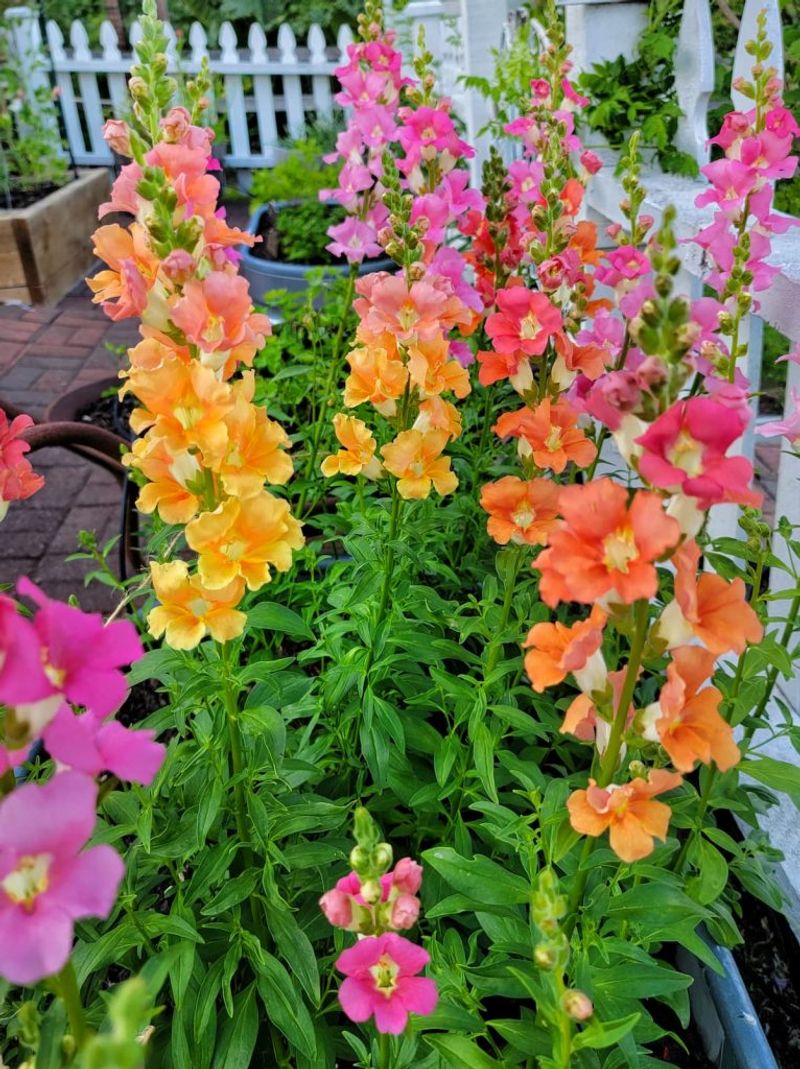
Snapdragons are cool-season showstoppers that bring tall, dramatic color to Florida gardens from fall through early spring. Their tolerance for mild frost and their love of cool air makes them a Florida winter favorite, but that same quality means they are completely unprepared for the state’s summer-like heat waves.
Once temperatures climb consistently above 85 degrees Fahrenheit, snapdragons begin to lose their structure fast. Flower spikes stop producing new blooms, lower leaves may yellow and drop, and the whole plant can look collapsed within just a few days of intense heat.
Snapdragons in exposed south or west-facing beds with little shade coverage are hit first and hardest.
UF/IFAS classifies snapdragons as cool-season annuals in Florida, typically planted between September and February. If your snapdragons are still going as the first heat wave approaches, move any container plants to a shaded morning-sun location right away.
For in-ground plants, add a two-inch layer of mulch to keep roots cooler and retain soil moisture. Deadhead spent blooms to reduce plant stress.
Realistically, once summer heat arrives in full force in Florida, snapdragons are best replaced with heat-tolerant summer annuals like vinca or pentas.
4. Dianthus Loses Its Fresh Look In Rising Florida Heat
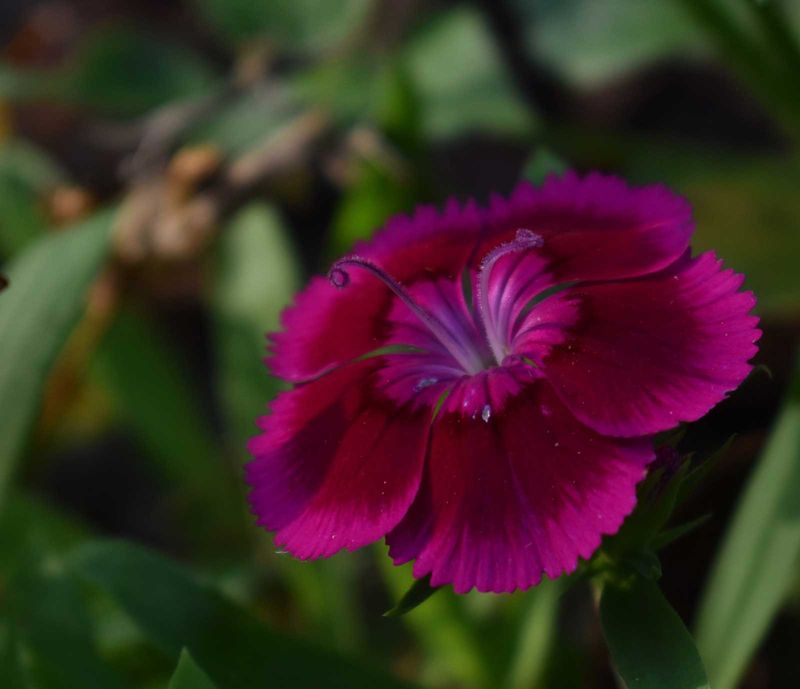
Dianthus, sometimes called pinks or carnations, brings a sweet, spicy fragrance and cheerful blooms to Florida gardens during the cooler months. Gardeners often plant it in October or November, and it rewards them with color well into spring.
The problem is that once Florida’s heat starts building, dianthus loses its fresh, vibrant look surprisingly quickly.
Heat causes the flower petals to fade and the foliage to look dull and tired. Unlike some plants that simply slow down, dianthus under heat stress can start to look genuinely worn out, with sparse blooms and a flattened appearance.
Plants growing in full sun with no afternoon relief are the most vulnerable, especially in central and south Florida where the heat builds earlier in the season.
UF/IFAS recommends dianthus as a cool-season annual for Florida landscapes, best planted in fall or early spring. Before the heat intensifies, shift any container dianthus to a location with filtered afternoon light.
For in-ground plants, a fresh layer of mulch around the base helps regulate soil temperature. Water at the soil level rather than overhead to reduce humidity around the foliage.
If the plant still looks healthy, deadheading spent flowers can encourage a few more blooms before the heat fully takes over.
5. Sweet Alyssum Fades When Hot Weather Takes Over
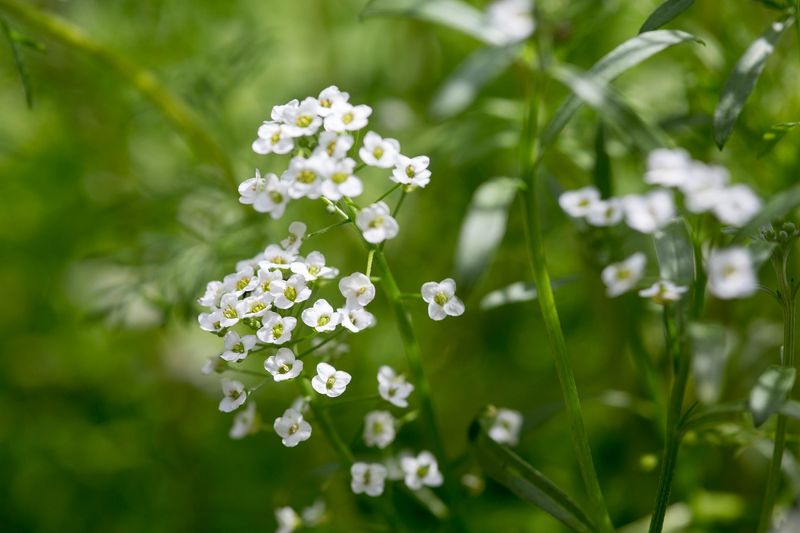
Sweet alyssum is one of those low-growing, honey-scented plants that looks effortlessly beautiful edging a garden bed or spilling out of a container. Florida gardeners count on it for cool-season ground-level color, and it blooms generously in mild weather.
But sweet alyssum is genuinely delicate when it comes to heat, and it fades faster than almost any other popular cool-season annual.
Warm nights are the real problem. Sweet alyssum needs temperatures to stay relatively cool to keep blooming well, and Florida’s rising nighttime temperatures in late spring trigger a rapid slowdown.
Blooms become sparse, the foliage may yellow, and the plant takes on a thin, wispy look. Placement matters enormously since plants tucked near heat-absorbing walls, dark mulch, or in full afternoon sun decline much faster than those with some shade relief.
A practical tip you can use right now: if your sweet alyssum is still looking decent, move any container plants to a spot that gets morning sun and afternoon shade, and water consistently at the base every day during dry stretches. For in-ground plants, a light shearing back combined with fresh mulch can sometimes encourage a brief second flush before the heat fully takes hold.
In Florida, sweet alyssum is best treated as a cool-season annual rather than a year-round fixture.
6. Hydrangeas Wilt Quickly In Harsh Florida Sun
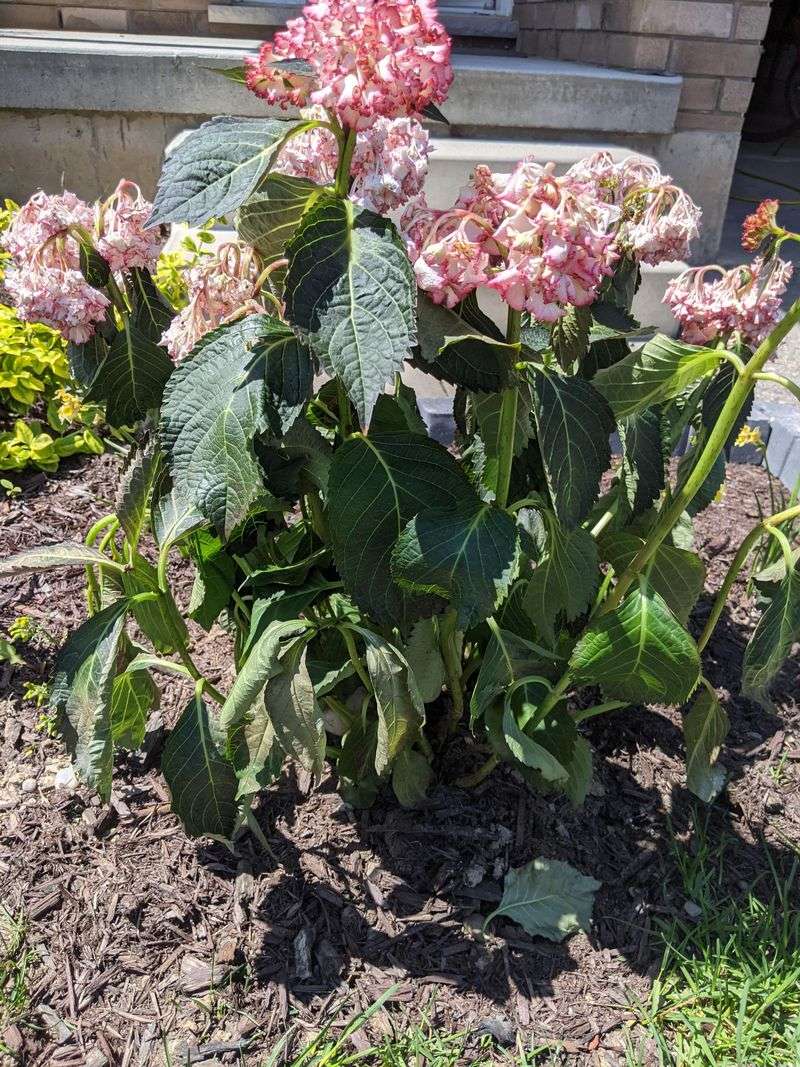
Hydrangeas are beloved for their big, dramatic flower heads, and Florida gardeners who grow them understand that keeping them happy takes real attention. Unlike many tropical plants that thrive in Florida’s heat, hydrangeas are moisture-dependent and can wilt dramatically when temperatures spike, especially in full sun locations.
The biggest risk comes from afternoon sun exposure combined with dry soil. Hydrangea roots are not particularly deep, and when the soil dries out quickly under intense heat, the plant responds fast with drooping leaves and floppy blooms.
South and west-facing beds, areas with reflected heat from driveways or walls, and containers without consistent moisture are where hydrangeas suffer most in Florida.
UF/IFAS recommends planting hydrangeas where they receive morning sun and afternoon shade in Florida, which significantly reduces heat stress. Before the first serious heat wave arrives, check that your hydrangeas have a generous layer of organic mulch, at least three inches, around the root zone to hold moisture and moderate soil temperature.
Water deeply two to three times per week during dry stretches rather than giving light, frequent sprinkles. If you have a hydrangea in a container, consider relocating it to a sheltered east-facing spot before extreme heat sets in.
Consistent soil moisture is the single most important thing you can do for them.
7. Azaleas Stress Out When Heat And Dry Spells Hit Hard
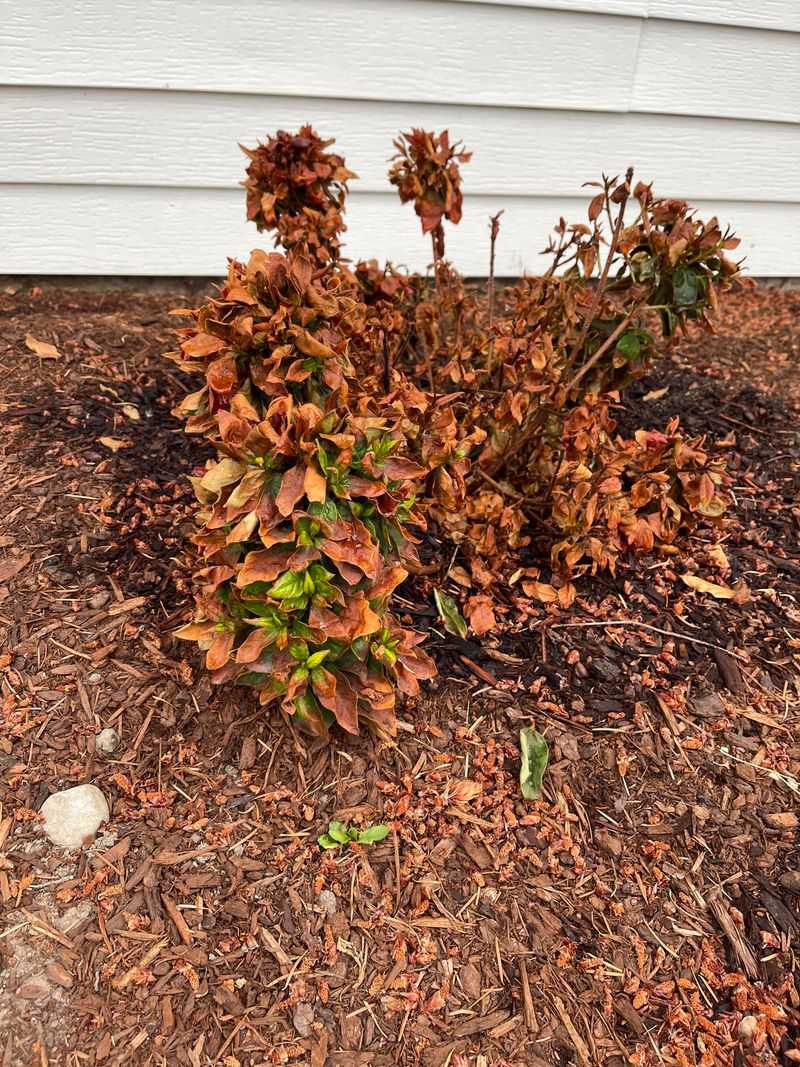
Azaleas are one of the most iconic flowering shrubs in Florida landscapes, putting on a breathtaking display of color in late winter and early spring. But once their bloom season ends and Florida’s heat starts building, azaleas can run into real trouble if they are not properly supported through the transition.
Shallow root systems are the core vulnerability. Azalea roots sit close to the surface, which means they dry out faster than deeper-rooted plants when heat and dry conditions combine.
Stress shows up as leaf scorch, browning at the tips, and a general dull appearance that stands out against healthier nearby plants. Azaleas in full sun or growing in sandy Florida soils face the greatest challenge since both conditions accelerate moisture loss.
UF/IFAS guidance on azalea care in Florida emphasizes consistent moisture and mulching as the top protective steps. Right now, before extreme heat arrives, apply a fresh three-inch layer of pine bark or pine needle mulch around your azaleas, keeping it pulled back slightly from the trunk.
Water deeply once or twice a week rather than daily shallow watering to encourage roots to reach deeper into the soil profile. Avoid fertilizing right before a heat wave since fresh fertilizer can push tender new growth that burns easily under intense Florida sun.
8. Boston Ferns Dry Out Fast In Hot Florida Weather
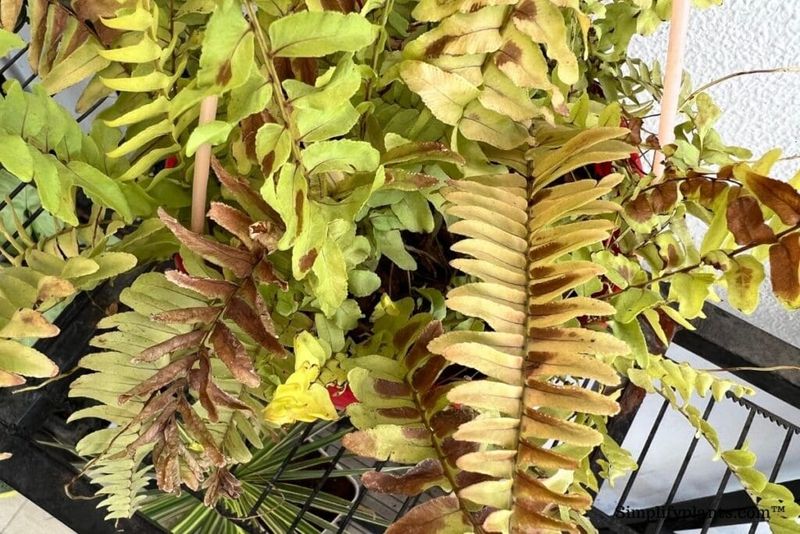
Boston ferns are a porch staple across Florida, and for good reason. Their full, arching fronds bring a lush, tropical feel to covered outdoor spaces.
But these ferns have a reputation among Florida gardeners for being surprisingly fussy the moment heat and dryness ramp up, and they can go from full and green to brown and crispy faster than you might think.
Hanging baskets are the highest-risk situation. They dry out much faster than in-ground plants because air circulates all around the root ball, and the combination of heat, wind, and limited soil volume means moisture disappears quickly.
Fronds begin to turn yellow, then brown at the tips, and eventually the whole plant takes on a scorched look if watering does not keep up with the heat.
The most useful thing you can do right now is check your fern’s moisture level daily once temperatures start climbing. Boston ferns in Florida may need watering every single day during a heat wave, and sometimes twice a day for smaller baskets in exposed spots.
Move hanging baskets to a location with bright filtered light rather than direct sun. Misting the fronds in the early morning adds helpful humidity.
Avoid placing ferns where hot, dry afternoon wind hits them directly, as wind speeds up moisture loss just as fast as direct sun does.
9. Newly Planted Trees And Shrubs Need Extra Help Before Extreme Heat
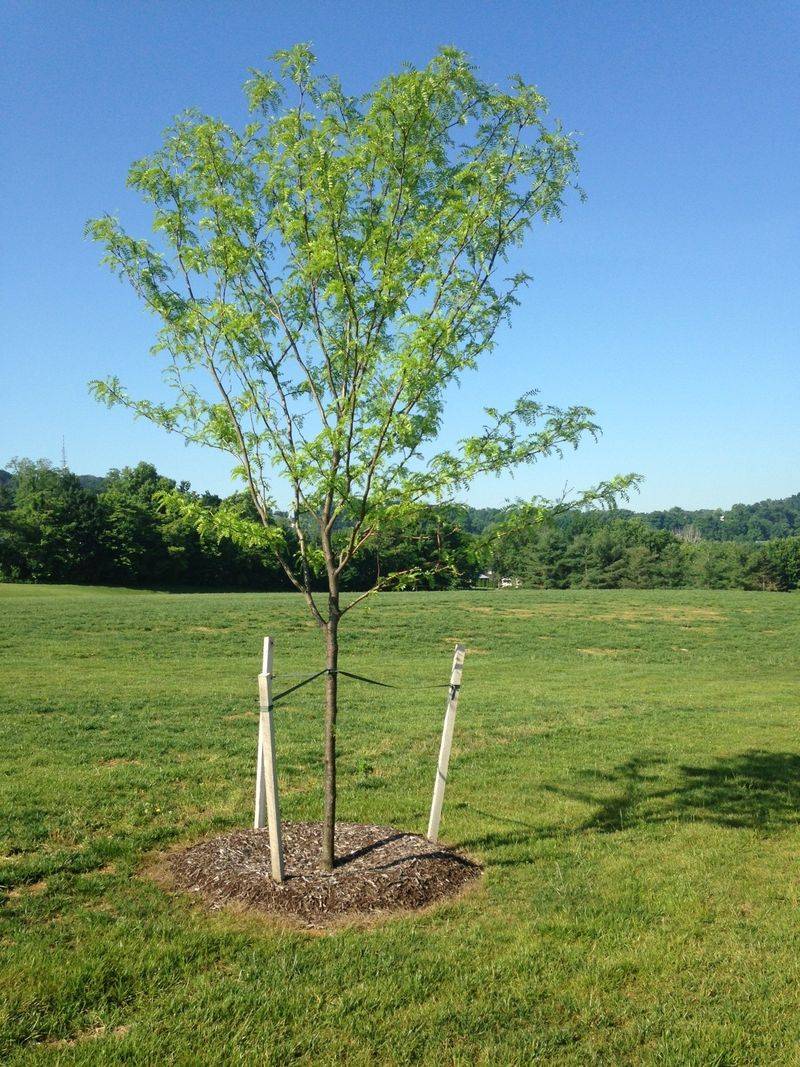
Planting something new in the yard feels exciting, but timing matters enormously in Florida. Trees and shrubs put in the ground within the last few months have not had enough time to develop a strong root system, and when the first serious heat wave rolls through, those shallow, limited roots cannot keep up with the plant’s water demand.
Establishment stress is the technical term, but gardeners know it simply as watching a new plant struggle when everything else in the yard seems fine. Leaves may curl, wilt in the afternoon, or develop brown edges.
New growth that pushed out after planting is especially tender and burns easily. Containerized plants moved into full-sun beds are particularly vulnerable because they have not adjusted to the intensity of direct Florida sun yet.
UF/IFAS recommends watering newly planted trees and shrubs two to three times per week for the first few months in Florida, increasing frequency during heat waves. Right now, before temperatures spike, build a proper mulch ring extending out to the drip line of the canopy, about three to four inches deep, to keep roots cool and moist.
Avoid fertilizing new plants before or during a heat wave. If you can rig up a temporary shade cloth over a newly planted shrub during the worst heat days, that simple step can make a meaningful difference in how well it comes through.