The Best Way To Stop Crabgrass Before It Starts In California
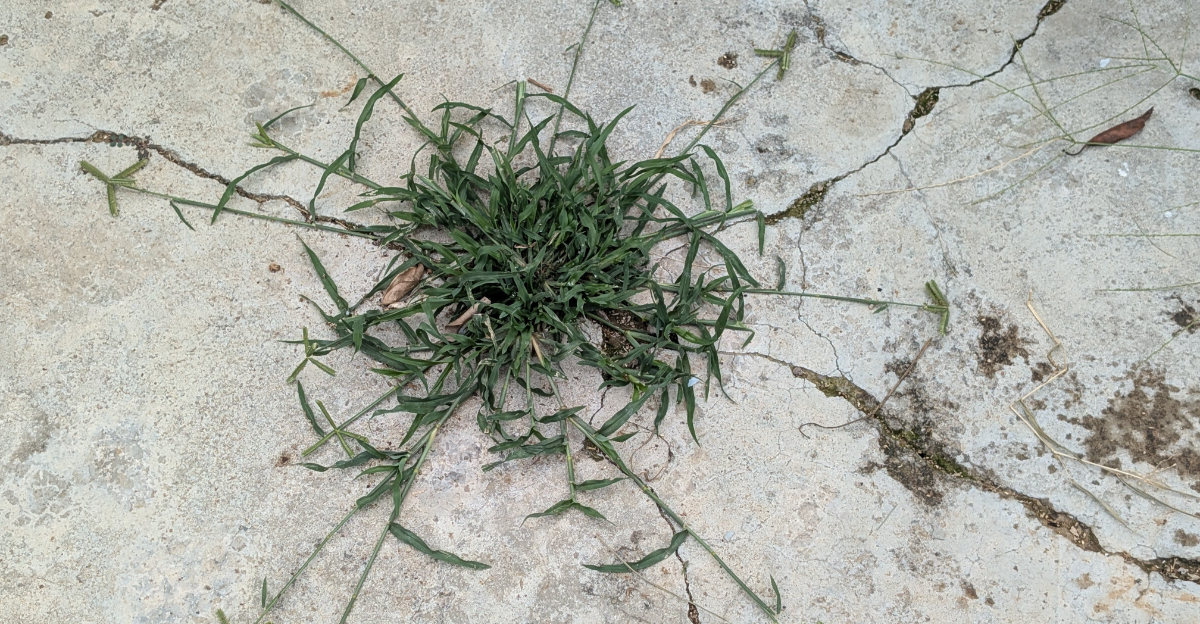
Crabgrass has a way of sneaking into California lawns like it was invited. One minute your grass looks fine, and the next you’re spotting those low, spreading clumps popping up in all the wrong places.
By the time it’s obvious, it’s already made itself comfortable. The tricky part is that crabgrass doesn’t wait for an official start to the season.
It begins germinating as soon as soil temperatures warm up, which means action needs to happen earlier than most people expect.
If you wait until you see it, you’re already playing catch up. The good news is that stopping crabgrass before it starts is much easier than dealing with it later. A little early effort can save a lot of frustration once your lawn is in full growth mode.
With the right timing and a few simple steps, you can keep your lawn looking thick, healthy, and far less welcoming to unwanted guests.
1. Why Crabgrass Appears
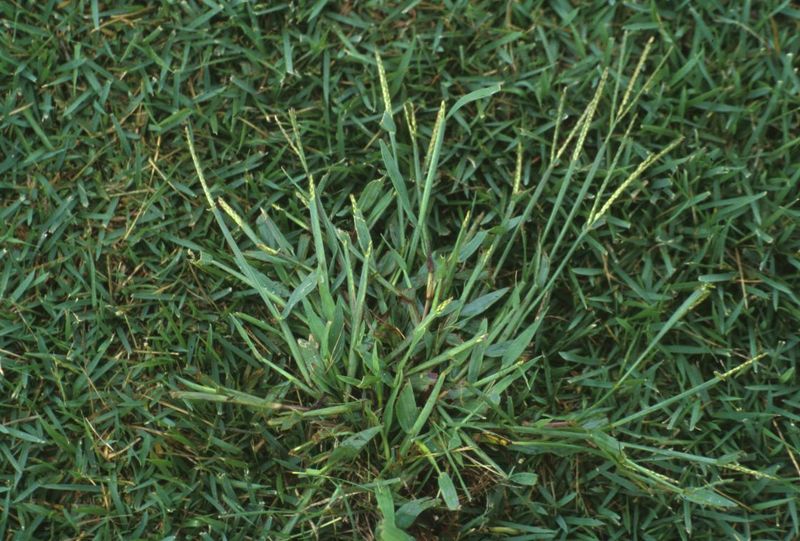
Crabgrass does not show up by accident. It is an opportunistic weed that loves bare spots, thin turf, and warm soil.
In California, the climate gives crabgrass almost perfect conditions to thrive, especially in areas with long, hot summers and mild winters.
Each crabgrass plant can produce up to 150,000 seeds in a single season. Those seeds sit in the soil over winter and wait for the right moment to sprout.
Once soil temperatures warm up and there is enough moisture, they get going fast.
Lawns that are mowed too short, watered too often, or lacking nutrients tend to be more vulnerable. Weak grass cannot compete with crabgrass, so the weed takes over the open spaces.
Compacted soil also makes things worse by limiting root depth for your good grass.
Understanding why crabgrass appears is the first step toward stopping it. In California, both Southern and Northern regions face this challenge every year.
A healthy, thick lawn is your best natural defense. When your turf is strong and dense, crabgrass simply has less room to grow and fewer chances to take hold.
2. Stop Seeds Before They Sprout
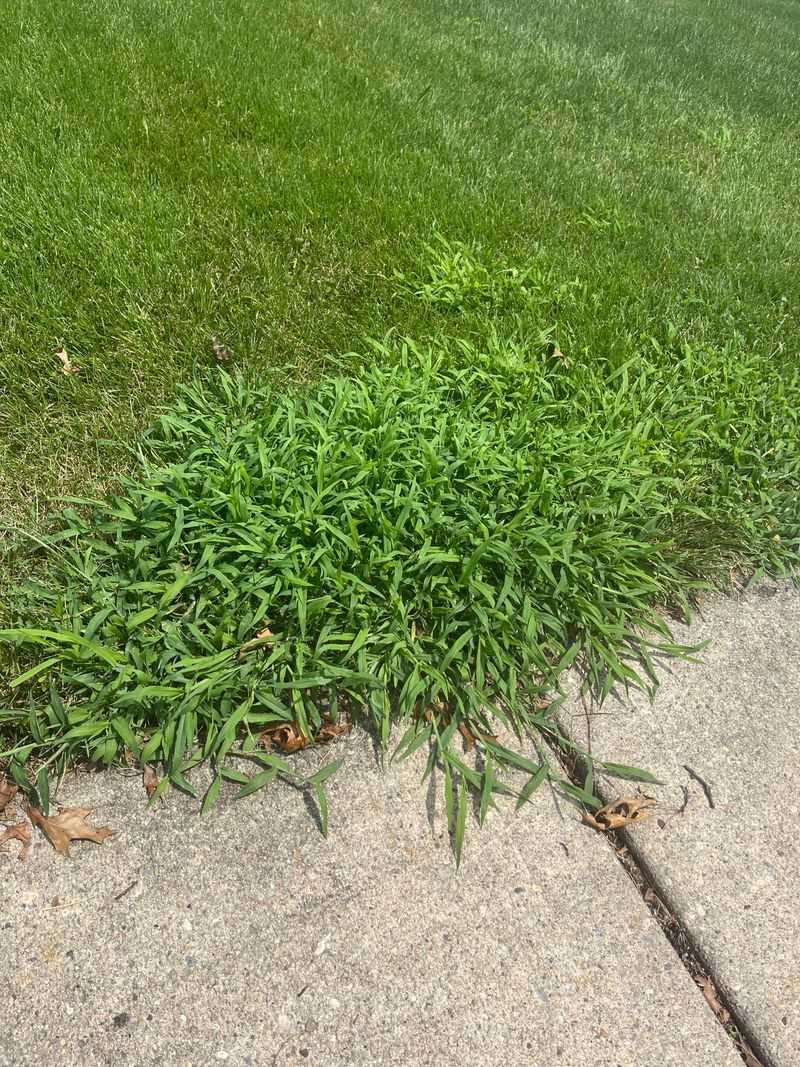
The smartest move you can make against crabgrass is stopping it before it ever breaks through the soil. Once crabgrass sprouts and starts growing, it becomes much harder to manage.
Preventing germination is far easier than trying to remove an established plant later in the season.
Pre-emergent herbicides work by creating a chemical barrier in the top layer of soil. This barrier stops crabgrass seeds from completing their germination process.
It does not affect seeds that are already dormant, but it blocks new ones from sprouting once conditions get warm.
In California, timing is everything. Southern California homeowners should aim to apply before March 1, and in some years, mid-February works even better for thin lawns.
Northern California lawns typically need treatment before mid-March to stay ahead of germination.
Choosing the right product also matters. Look for pre-emergent herbicides labeled specifically for crabgrass control.
Common active ingredients include pendimethalin and dithiopyr. Always read the label carefully before applying.
Your California Garden Changes Every Week. Your Plan Should Too.
Gardening in California changes quickly throughout the season. Every Friday you’ll receive a simple weekly plan showing exactly what to plant, prune, fertilize, harvest, and protect so you never miss the right timing.
Getting this step right sets up the rest of your prevention strategy for success across your entire California lawn.
3. Apply A Pre-Emergent
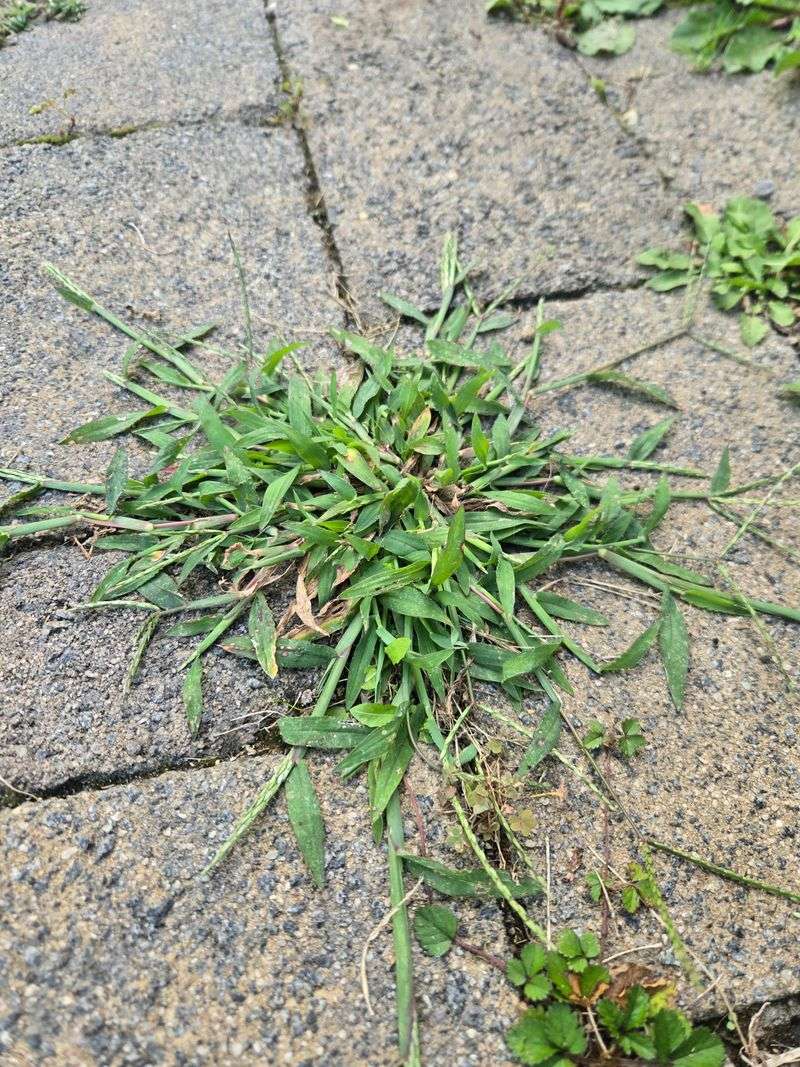
Timing your pre-emergent application correctly is probably the most critical part of the whole process. Apply too late and the crabgrass seeds have already started sprouting.
Apply too early and the product may break down before seeds even begin to germinate.
In Southern California, the window opens earlier because of the warmer climate. Mid-February to late February is the sweet spot for most areas south of Los Angeles.
In Northern California, mid-March is usually the target, though it can shift depending on how warm the winter has been.
A useful rule of thumb is to apply your pre-emergent when forsythia bushes are blooming or when soil temperatures have held at 55 degrees Fahrenheit for a few days in a row. Both of these are reliable signs that crabgrass seeds are about to wake up.
Do not rush the application, but do not delay either. Missing the window by even a week or two can mean crabgrass is already on its way.
Set a reminder on your phone in January so you are ready to act when the time comes. Staying proactive is what separates a clean California lawn from a weedy one.
4. Watch Soil Temperatures
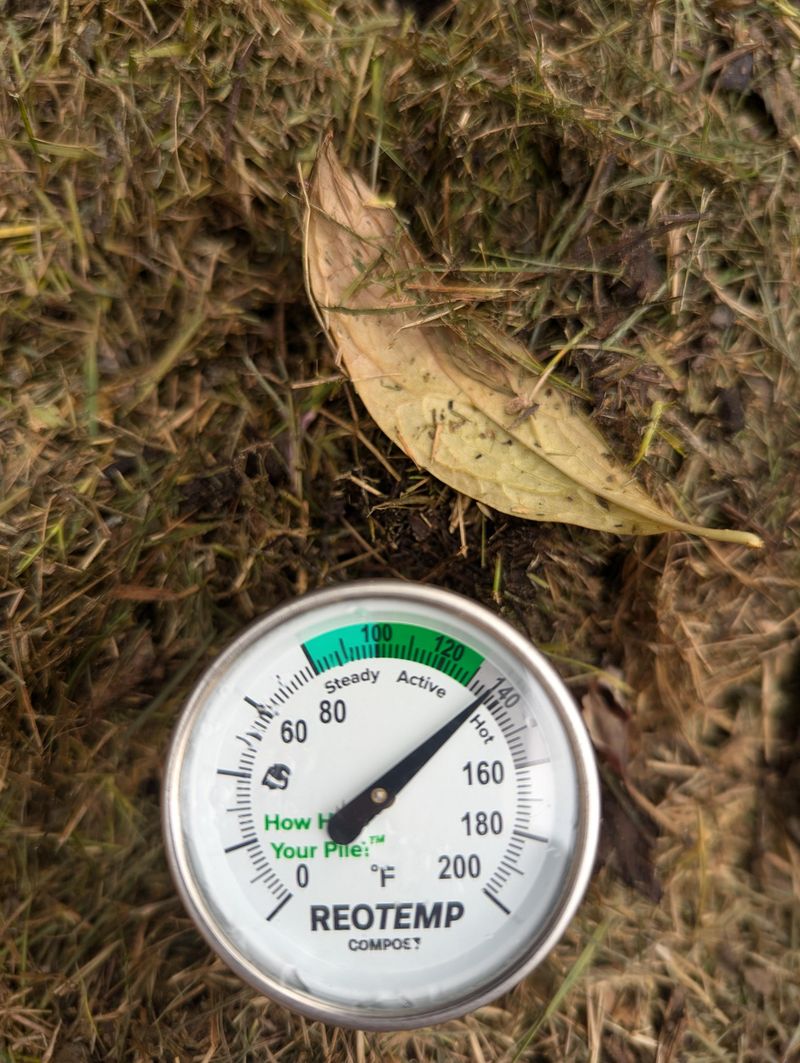
Soil temperature is the real trigger for crabgrass germination, not the date on the calendar. A warm February in California can push seeds to sprout earlier than expected.
A cooler March can delay things. Watching soil temps closely gives you an accurate picture of what is actually happening underground.
Crabgrass seeds typically begin germinating when soil temperatures reach 55 degrees Fahrenheit at a depth of about two inches. Once temps hit that mark for several consecutive days, the seeds start to activate.
That is your signal to have your pre-emergent already down and watered in.
You can buy a simple soil thermometer at most garden centers or hardware stores in California. They are inexpensive and easy to use.
Check the temperature in the morning for the most accurate reading, since soil tends to be coolest then.
Several California cooperative extension services and university programs also publish local soil temperature data online. Checking those resources in January and February keeps you informed without guessing.
Knowing the actual soil temperature in your area, whether you are in the Central Valley, the Bay Area, or San Diego, helps you act at exactly the right moment.
5. Water It In For Best Results
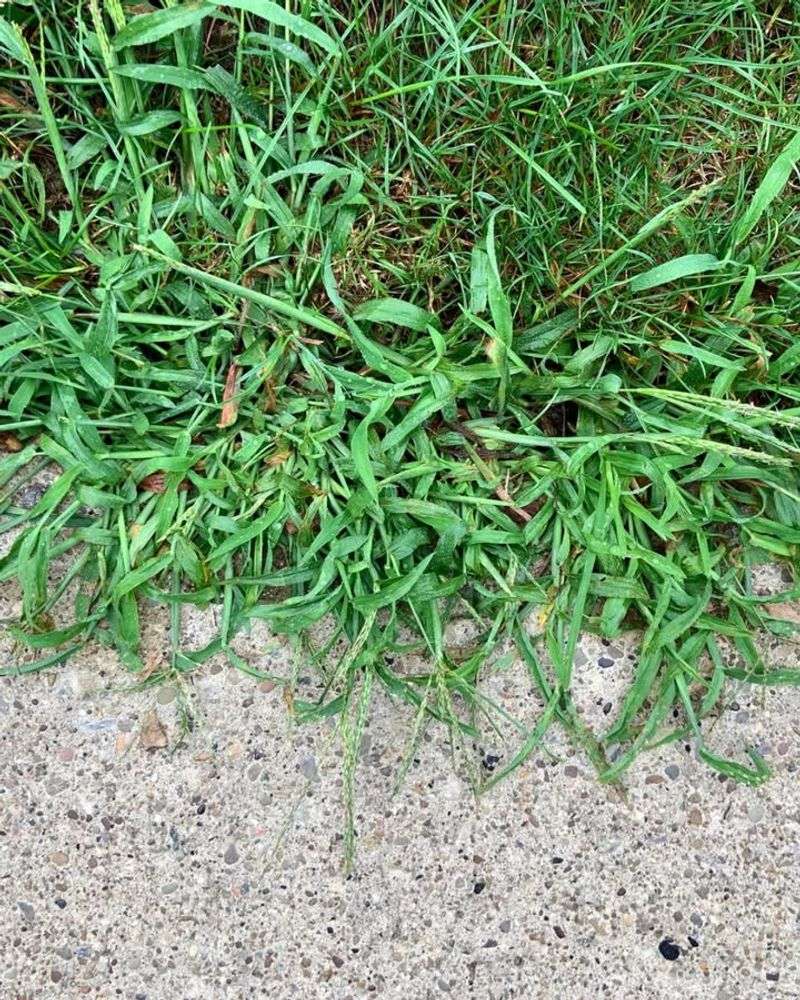
Applying a pre-emergent herbicide is only half the job. Getting it to work properly requires water.
Most granular pre-emergent products need to be watered into the soil within 24 to 72 hours of application. Without moisture, the product just sits on top of the grass and does not form the protective barrier it needs to.
About a quarter to a half inch of water is usually enough to activate the herbicide and move it into the soil where crabgrass seeds live. You can use your irrigation system or let a forecasted rain do the work for you.
Either way, do not skip this step.
In many parts of California, spring rains can be unpredictable. Southern California especially tends to be dry in February and March.
If rain is not in the forecast, plan to water your lawn manually after applying the product. This is one of the most common mistakes homeowners make, and it leads to disappointing results.
Liquid pre-emergent formulas absorb into the soil faster than granules and sometimes do not require a separate watering step. Always check the product label to confirm.
Proper watering after application is what makes the barrier effective and keeps crabgrass from breaking through your California lawn.
6. Don’t Disturb The Soil Barrier
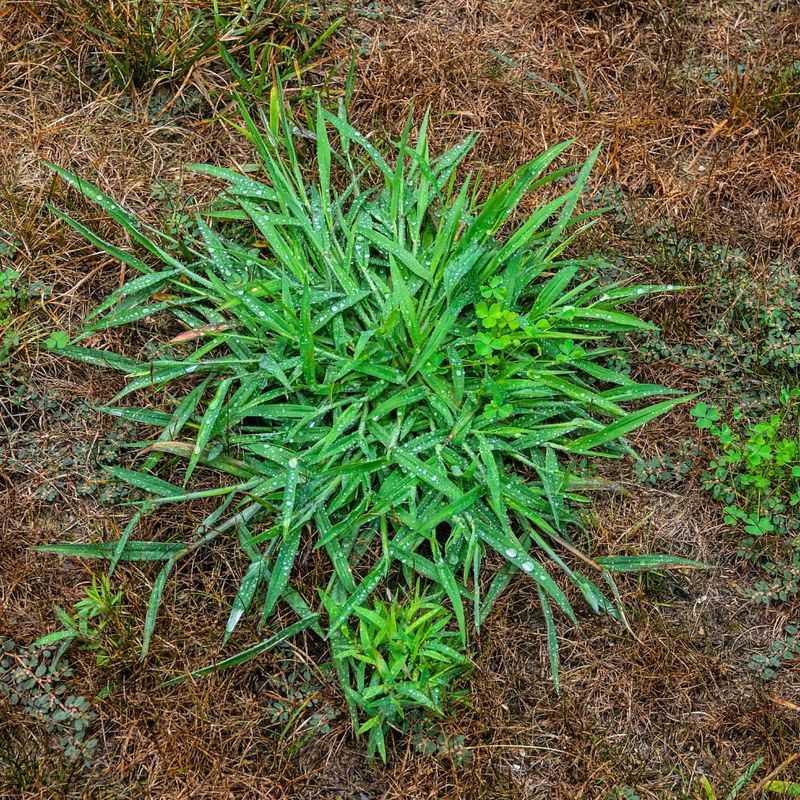
Once your pre-emergent is down and watered in, the soil barrier starts doing its job quietly beneath the surface. The problem is that this barrier is fragile.
Digging, aerating, or raking aggressively after application can break it up and leave gaps where crabgrass seeds can sneak through.
Lawn aeration is a great practice for overall turf health, but the timing matters. If you plan to aerate, do it before applying your pre-emergent, not after.
Aerating after the product is down punches holes in the barrier and reduces its effectiveness significantly. Many California homeowners make this mistake without realizing it.
Avoid heavy foot traffic on freshly treated areas if possible. Also skip any deep raking or soil turning for at least six to eight weeks after application.
Light surface raking to remove debris is usually fine, but be careful not to dig into the soil layer where the herbicide is working.
Pets and kids playing on the lawn are generally not a problem once the product has dried and been watered in. Just be mindful of any projects that involve breaking ground.
Keeping the barrier intact through the germination season is what gives you the clean, crabgrass-free California lawn you are working toward.
7. Repeat Treatment If Needed
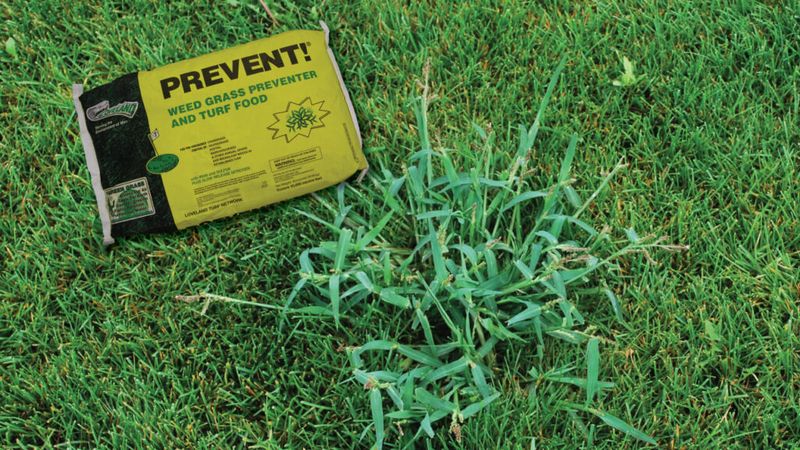
One application of pre-emergent herbicide does not always last the entire crabgrass season. Most products provide protection for six to eight weeks, depending on the brand, rainfall, and how much you water.
In California, where the warm season stretches long, a second application may be necessary to keep crabgrass from breaking through later in the year.
If your first application was in February, consider a follow-up treatment in late April or early May. This is especially useful in Southern California, where warm temperatures extend well into fall and crabgrass can keep germinating for months.
Northern California lawns may get by with just one treatment if the timing was right.
Split applications are actually a strategy recommended by many turf professionals. Instead of applying a full dose once, you apply half the recommended rate twice, spaced about six to eight weeks apart.
This approach can give you more consistent protection throughout the season without overdoing the product.
Always check the label for reapplication guidelines. Some products have limits on how many times you can apply in a single season.
Sticking to those instructions keeps your lawn safe and healthy. Staying on top of repeat treatments is one of the most reliable ways to keep crabgrass out of your California lawn all season long.