How To Keep Hibiscus Blooming For Nonstop Flowers In California
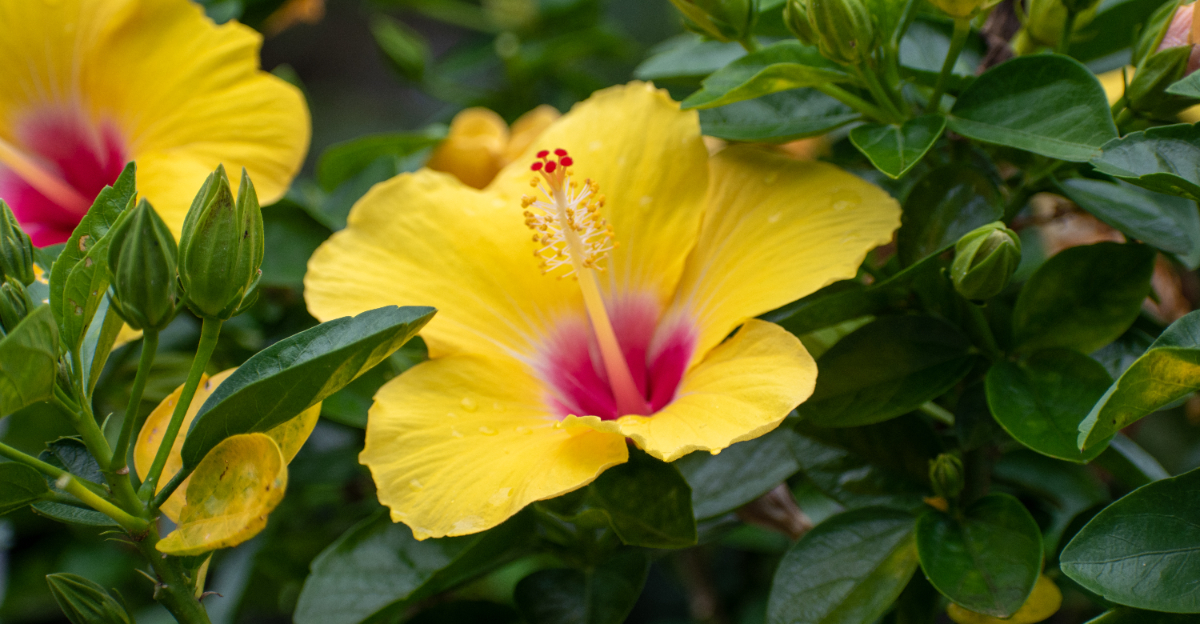
Hibiscus does not do “background plant.” It shows up with giant tropical blooms, glossy leaves, and the kind of color that makes a California patio feel like it got upgraded overnight.
But those nonstop flowers do not happen by accident. Hibiscus likes attention, and honestly, with blooms that dramatic, it has earned a little fuss.
The secret to keeping the show going is steady care that supports new buds all season. Think bright sun, consistent watering, regular feeding, and a little cleanup when spent flowers start looking tired.
Nothing too complicated, just the garden version of keeping the snacks, sunscreen, and good vibes coming.
In California, hibiscus can bloom beautifully for months when it is not stressed by dry soil, poor nutrition, or too much shade.
Give it the right rhythm, and it will keep tossing out flowers like it is trying to win a patio talent show.
1. Give Hibiscus The Sun It Craves
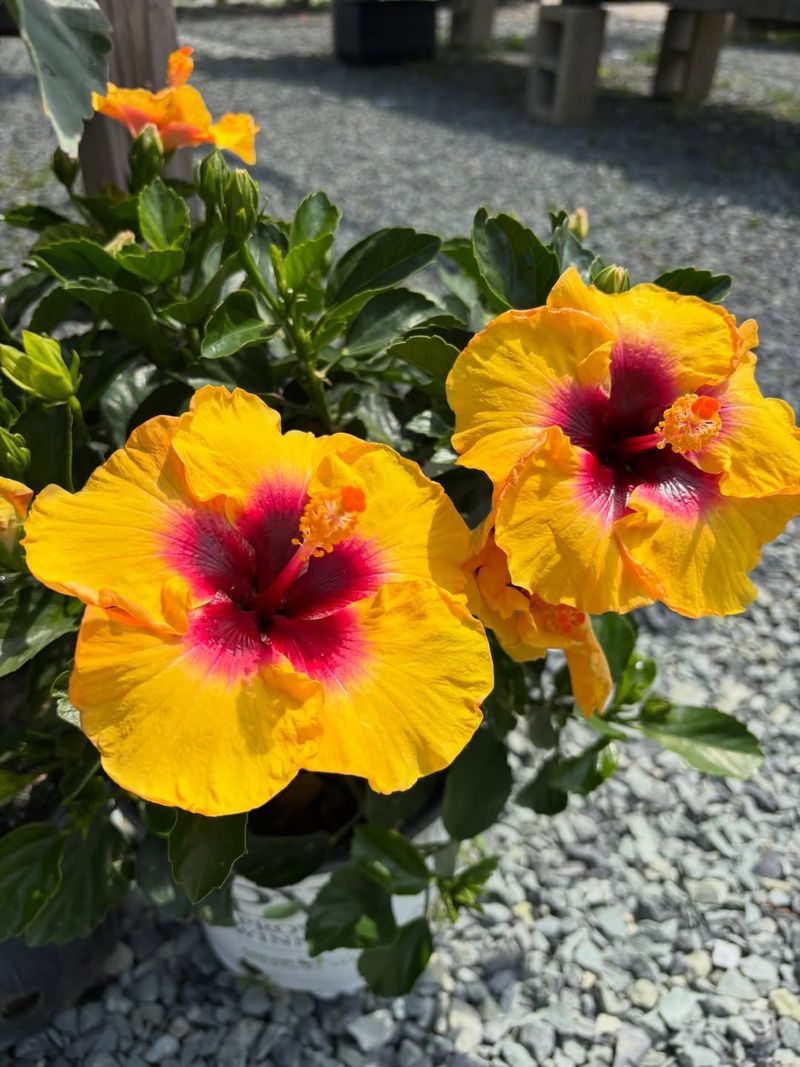
Sunlight is the number one reason hibiscus either thrives or struggles. These plants are sun lovers through and through, and in California, that works out perfectly.
For the best blooms, hibiscus needs at least six to eight hours of direct sunlight every day. Less than that, and the plant will put energy into growing leaves instead of flowers.
If you are growing hibiscus in Southern California, you are in luck. Cities like Riverside, Fresno, and San Bernardino get plenty of hot, sunny days from spring through fall.
That kind of consistent sun is exactly what hibiscus craves. Even in the Bay Area, placing your plant in the sunniest spot in your yard makes a big difference.
Morning sun is great, but afternoon sun is what really pushes blooming. If your hibiscus is sitting in shade for most of the day, consider moving it to a brighter spot.
Container plants make this easy since you can roll or carry them to wherever the light is best. Watch how the light moves across your yard throughout the day.
Then place your hibiscus where it catches the longest stretch of direct sunshine. That single change can turn a non-blooming plant into a flower machine almost overnight.
2. Water Deeply, Not Randomly
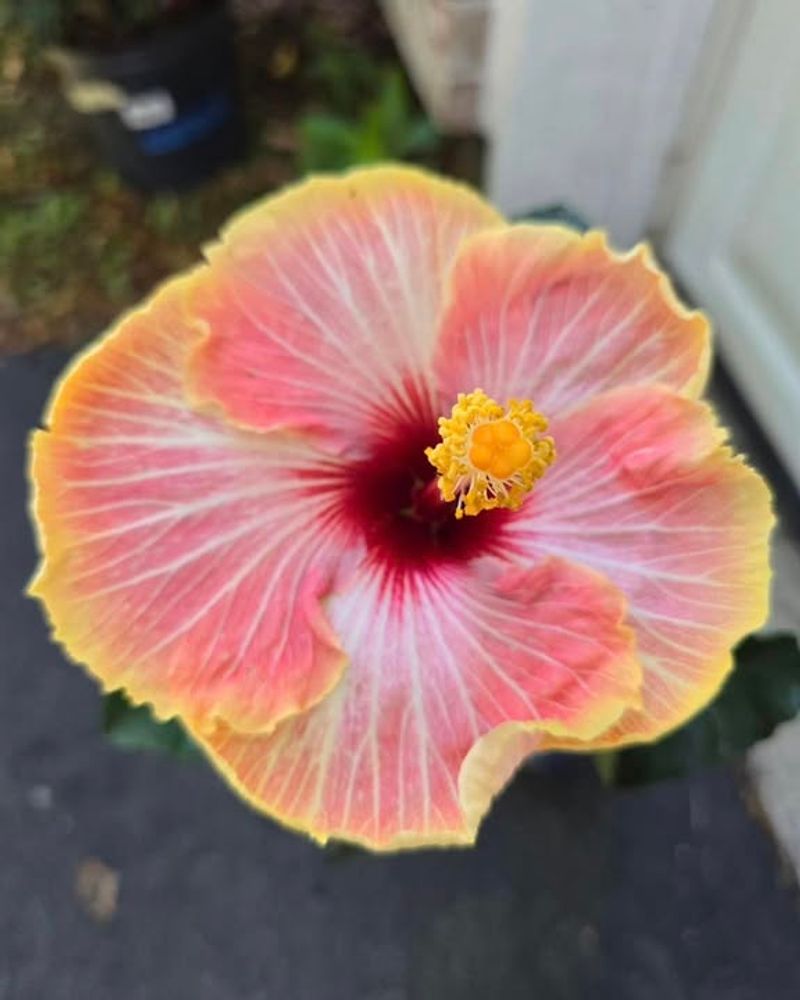
Watering hibiscus might seem straightforward, but there is a right way and a wrong way to do it. Shallow, frequent watering actually hurts the plant because it keeps roots near the surface where they dry out fast.
Deep watering encourages roots to grow down into the soil, which makes the plant stronger and more drought-resistant over time.
In California, summer heat can dry out soil quickly, especially in inland areas like the Central Valley or the Inland Empire. During hot months, hibiscus may need watering every one to two days.
During cooler periods, once or twice a week is usually enough. The key is to check the soil before watering.
Stick your finger about an inch into the soil near the base. If it feels dry, it is time to water.
Overwatering is just as harmful as underwatering. Soggy soil leads to root problems that can stop blooming fast.
Your California Garden Changes Every Week. Your Plan Should Too.
Gardening in California changes quickly throughout the season. Every Friday you’ll receive a simple weekly plan showing exactly what to plant, prune, fertilize, harvest, and protect so you never miss the right timing.
Always make sure your planting area or pot has good drainage. Water slowly and deeply, letting moisture soak down to where the roots actually are.
Drip irrigation systems work really well for hibiscus in California because they deliver water directly to the roots without wetting the leaves, which can sometimes lead to fungal issues.
3. Feed For Flowers, Not Just Leaves
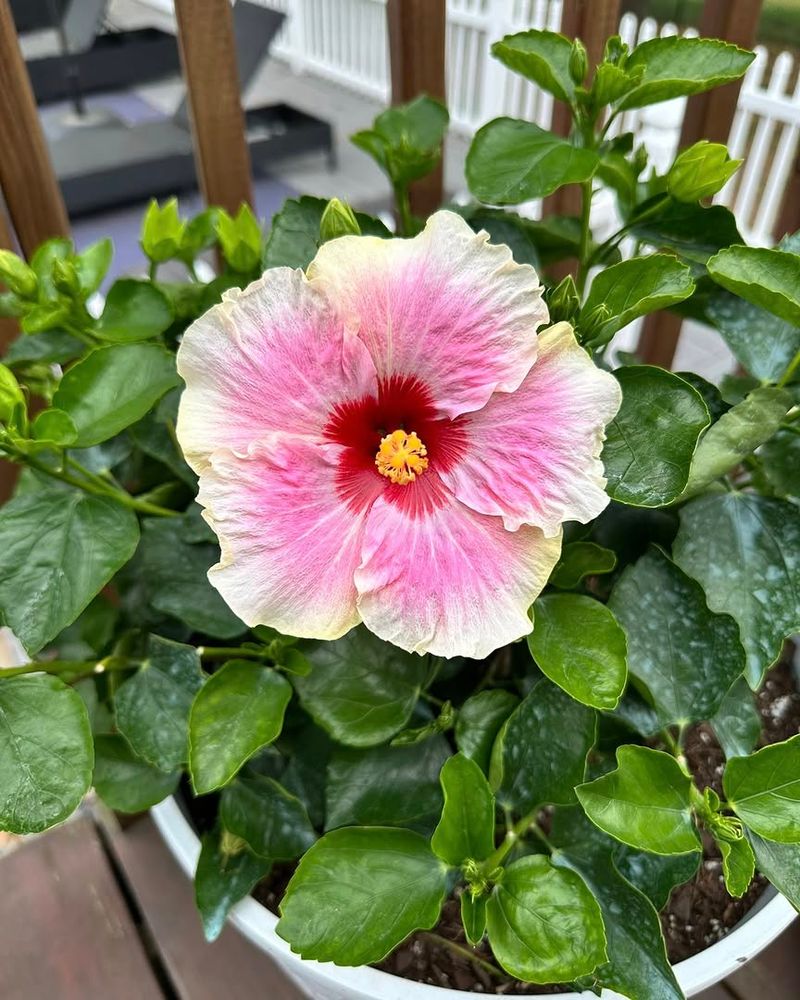
Fertilizing hibiscus is where a lot of gardeners go wrong. Using the wrong type of fertilizer can give you a big, leafy plant with almost no flowers.
Hibiscus needs a fertilizer that is higher in potassium and lower in phosphorus to push blooming. Look for a formula labeled specifically for hibiscus or tropical flowering plants.
Nitrogen is important too, but too much of it sends the plant into leaf-growing mode. A balanced approach works best.
Many California gardeners swear by a liquid fertilizer applied every two to three weeks during the growing season. This gives the plant a steady stream of nutrients without overloading it all at once.
Slow-release granular fertilizers are another solid option if you prefer a lower-maintenance routine.
Start feeding in early spring when new growth begins. Keep it up through summer and into early fall.
Once temperatures start dropping in late fall, ease off on feeding since the plant slows down naturally. If your hibiscus is in a container, it needs feeding more often because nutrients wash out with each watering.
A well-fed hibiscus in California can produce dozens of flowers each week during peak season. That kind of reward makes the small effort of fertilizing very much worth it.
4. Pinch And Prune For More Buds
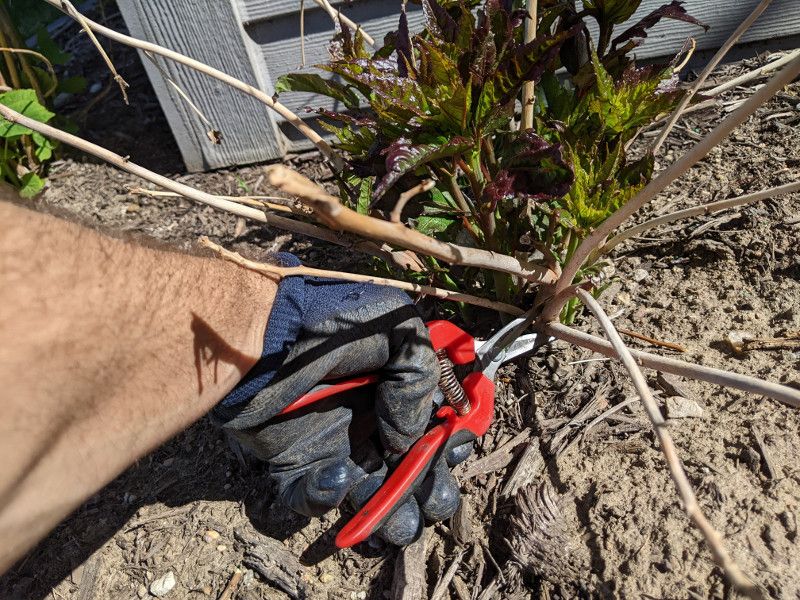
Pruning might feel a little scary at first, especially when your plant looks healthy. But cutting back hibiscus actually encourages it to branch out and produce way more flower buds.
Each cut stem sends out multiple new shoots, and each of those shoots can carry new blooms. So a little trimming now means a lot more flowers later.
The best time to prune hibiscus in California is in late winter or very early spring, just before new growth kicks in. You can also do light pinching throughout the growing season to keep the plant bushy and full.
Pinching means simply snapping off the soft tip of a new stem with your fingers. This signals the plant to branch instead of grow tall and leggy.
Do not be afraid to cut back up to one-third of the plant if it has gotten too large or sparse. Use clean, sharp pruning shears to avoid tearing the stems.
After pruning, give the plant a good watering and a dose of fertilizer to help it recover quickly. Within a few weeks, you will notice fresh new growth with plenty of buds forming at the tips.
Regular pruning keeps hibiscus looking tidy and blooming generously all the way through California’s long warm season.
5. Shield Plants From Heat And Frost
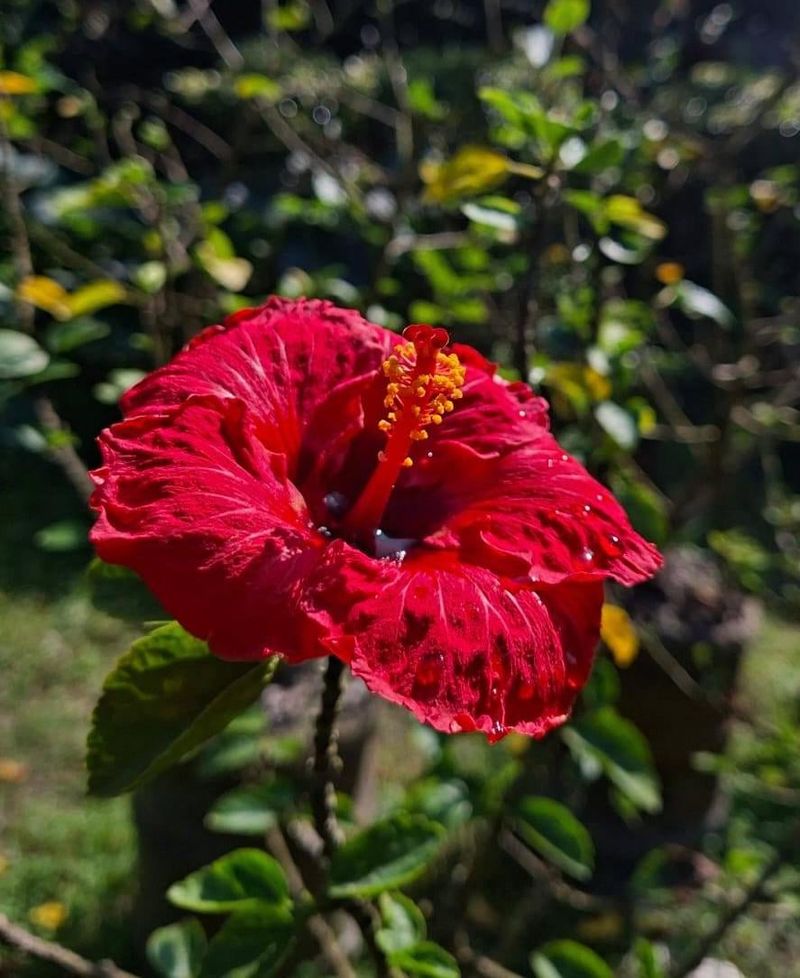
California weather sounds perfect for hibiscus, and most of the time it really is. But the state has some tricky weather patterns that can stress your plant and slow down blooming.
Extreme summer heat, especially in places like Palm Springs or the Central Valley, can cause buds to drop before they even open. And in Northern California or higher elevation areas, unexpected frost can damage tender growth in winter.
During heat waves, provide some afternoon shade using a shade cloth or by moving containers under a patio cover. This does not mean the plant needs full shade, just a break from the most intense heat of the day.
Keeping the soil moist during heat spikes also helps the plant manage stress without shutting down bud production.
When frost is in the forecast, cover your hibiscus with a light frost cloth or even an old bedsheet overnight. Remove the covering in the morning so the plant can get sunlight.
Container plants can simply be moved indoors or into a garage for the night. Tropical hibiscus varieties are especially sensitive to cold, so watch the forecast closely from November through February.
Protecting your plant during these brief cold snaps keeps it healthy and ready to bloom again as soon as warmer weather returns to California.
6. Stop Pests Before Buds Drop
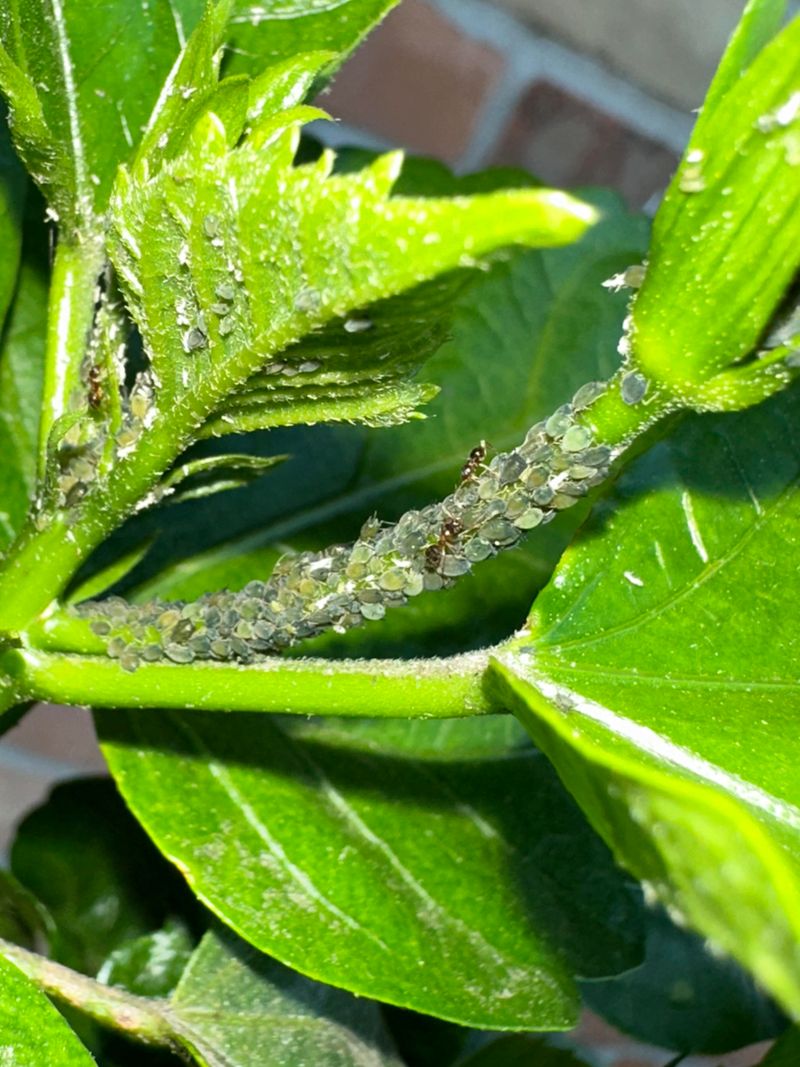
Pests are one of the sneakiest reasons hibiscus stops blooming. Aphids, whiteflies, and spider mites are the most common troublemakers for hibiscus growers in California.
These tiny insects feed on the plant’s sap, which weakens it and causes buds to fall off before they even get a chance to open. Catching them early makes a huge difference.
Check the undersides of leaves regularly since that is where most pests like to hide and lay eggs. If you spot small clusters of bugs, a strong spray of water from the hose can knock many of them off.
For heavier infestations, neem oil spray is a popular and effective organic option that works well without harming helpful insects like bees.
Whiteflies are especially common in warm Southern California regions. They spread fast, so do not wait to act if you see clouds of tiny white insects flying up when you touch the leaves.
Yellow sticky traps hung near the plant can help monitor and reduce whitefly populations. Keeping your hibiscus healthy overall is also a great defense since strong, well-fed plants are much less attractive to pests.
Consistent care, good airflow around the plant, and regular inspections will go a long way toward keeping your hibiscus blooming beautifully all season long.
7. Keep Roots Happy In Pots Or Soil
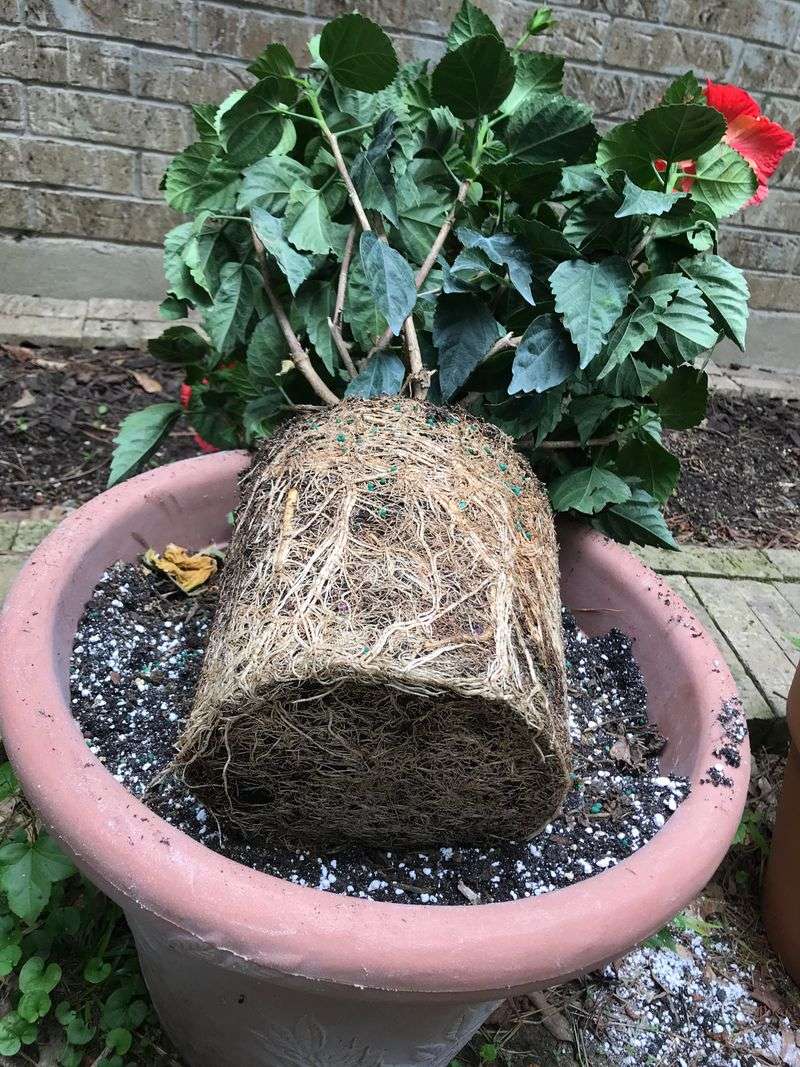
Whether your hibiscus is planted in the ground or growing in a container, root health is everything. Roots that are cramped, waterlogged, or sitting in poor soil simply cannot support steady blooming.
Giving your plant the right foundation from the start saves you a lot of trouble down the road.
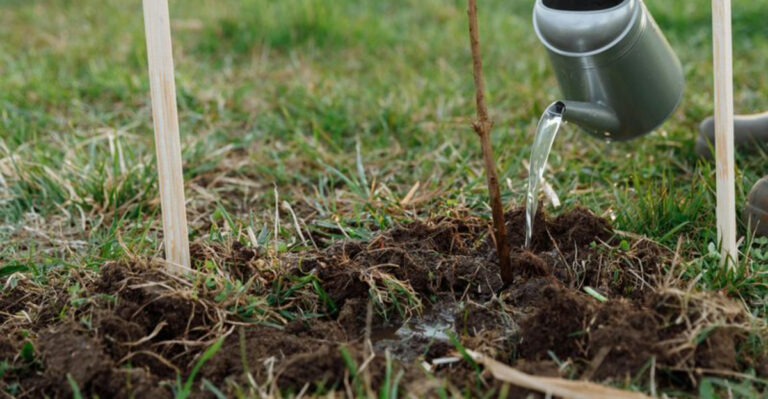
For in-ground planting in California, choose a spot with well-draining soil. If your soil is heavy clay, mix in compost or a sandy amendment to improve drainage.
Hibiscus roots need oxygen as much as they need water, so good drainage is non-negotiable. Adding a layer of mulch around the base helps keep moisture in while also keeping soil temperature stable during hot California summers.
Container-grown hibiscus does really well in California since pots give you full control over soil quality and placement. Use a high-quality potting mix designed for tropical plants.
Make sure the pot has drainage holes at the bottom. Repot every one to two years when the roots start circling the inside of the container.
A slightly root-bound plant actually blooms better than one with too much extra space, so do not rush to move up to a giant pot. Healthy, happy roots are the foundation for nonstop flowers all season long.