Best Shrubs To Plant In Late March In Central Florida Gardens
Spring in Central Florida often arrives with warmth that feels sudden if you’ve spent months in cooler weather. By late March, many gardeners are already itching to add life to their yards, remembering the sun-filled weekends spent tending flower beds or trimming familiar shrubs.
Planting at the right moment matters. Shrubs that thrive in Florida’s sandy soil and bright sun can transform your garden from plain greenery into a colorful, inviting space.
But picking the right ones now ensures strong growth and blooms later in the season, saving you from frustration and extra work during the hot months ahead.
If you’ve ever wondered which shrubs will handle the late March planting window with ease, the next guide opens that door.
From vibrant flowers to sturdy evergreens, each option offers something to lift your garden immediately, while setting the stage for a season of flourishing greenery.
1. Firebush And Its Vibrant Red Flowers
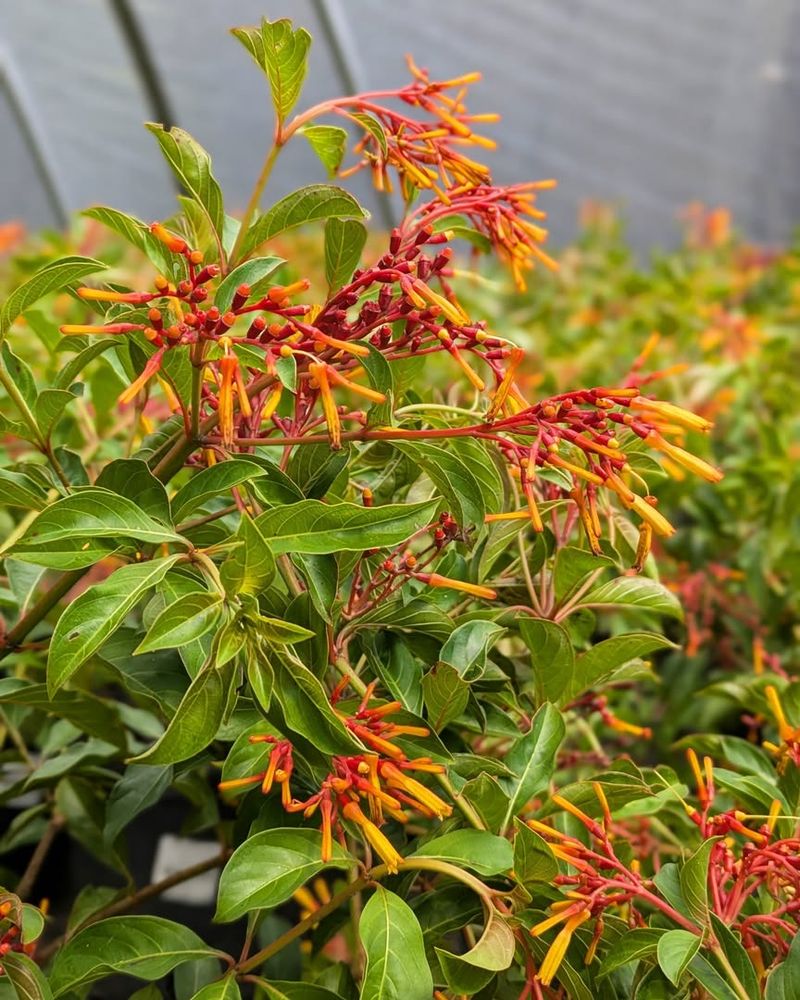
If you want a shrub that practically glows in your garden, Firebush is the one to reach for. Known scientifically as Hamelia patens, this native Florida favorite puts on a show with its brilliant red-orange tubular flowers that seem to light up any yard.
Hummingbirds and butterflies absolutely love it, which means planting one is like rolling out the welcome mat for some of nature’s most beautiful visitors.
Firebush is a fantastic choice for Central Florida gardeners because it handles the region’s heat and humidity like a champ. Once it is established in your garden, it becomes highly drought-tolerant, which is a huge bonus during those dry stretches that Central Florida often sees in spring.
It grows best in full sun to light shade, so most garden spots will work just fine.
When planting in late March, dig a hole twice as wide as the root ball and mix in a little compost to give it a strong start. Water it regularly for the first few weeks while the roots are settling in.
Firebush can grow anywhere from three to eight feet tall depending on how much sun it receives, so give it room to spread out. Pruning it back occasionally will encourage bushier, fuller growth and even more flowers.
This shrub is also a great low-maintenance option for busy homeowners who want beauty without a lot of fuss.
2. Ixora With Endless Tropical Blooms
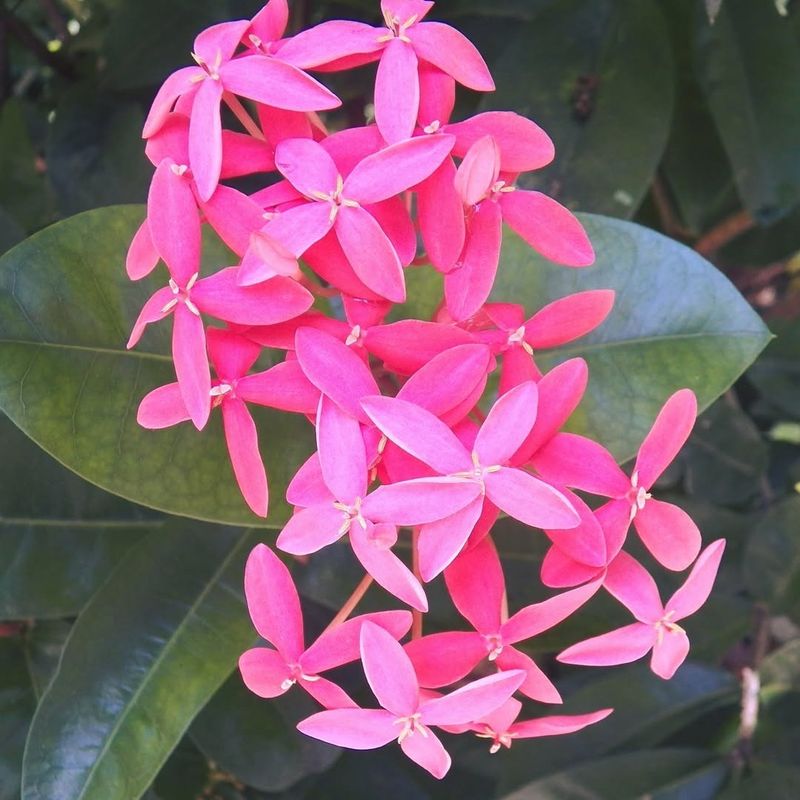
Walk through almost any neighborhood in Central Florida and you are likely to spot the cheerful clusters of Ixora blooming along fences and driveways. This tropical shrub is practically a symbol of Florida landscaping, and for good reason.
Its dense, rounded flower heads come in shades of red, orange, yellow, and pink, making it one of the most colorful shrubs you can add to your yard in late March.
Ixora thrives in the warm, humid conditions that Central Florida delivers in abundance. It prefers full sun and slightly acidic soil, which is common in many parts of the region.
If your soil leans more alkaline, mixing in some sulfur or using an acidic fertilizer can help keep the leaves green and the flowers blooming strong. Yellowing leaves are usually a sign that the soil pH needs a little adjustment.
Your Florida Garden Changes Every Week. Your Plan Should Too.
Gardening in Florida changes quickly throughout the season. Every Friday you’ll receive a simple weekly plan showing exactly what to plant, prune, fertilize, harvest, and protect so you never miss the right timing.
Late March planting gives Ixora time to establish its roots before the intense heat of summer kicks in. Water it consistently during the first month, then back off slightly once it shows signs of new growth.
Ixora is also a great choice for hedges or borders because it responds well to shaping. Trim it lightly after each bloom cycle to encourage fresh flowers.
It attracts butterflies and adds a lush, tropical feel that makes Central Florida gardens look like something straight out of a travel magazine. Plant it where it gets at least six hours of direct sunlight each day for the best results.
3. Simpson’s Stopper Dominating The Landscape
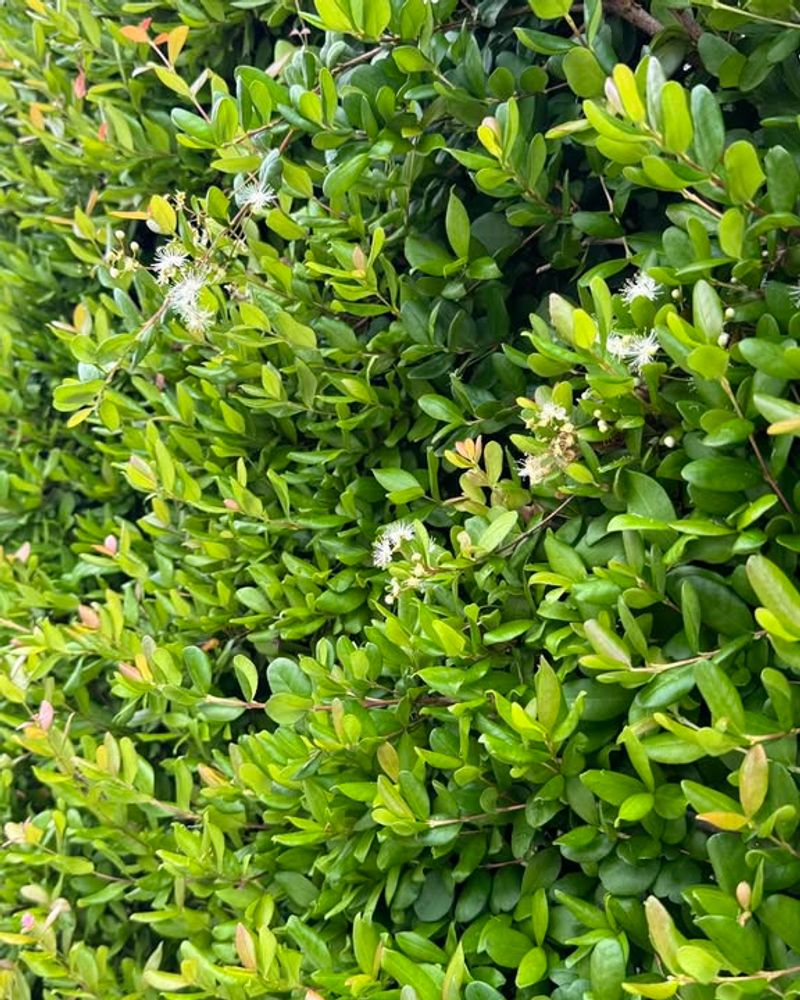
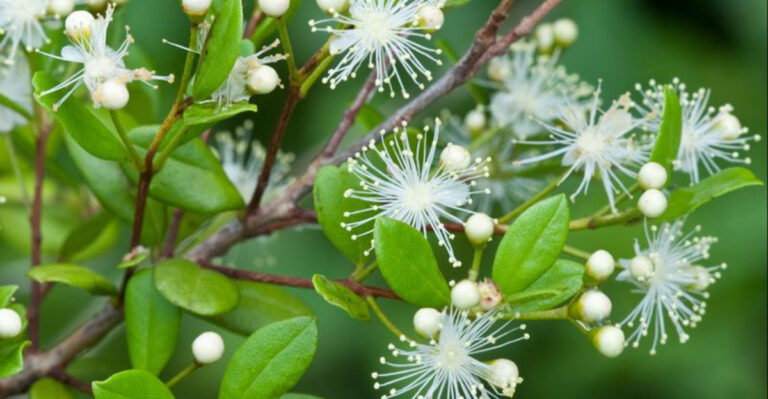
Not every great shrub announces itself with giant blooms. Simpson’s Stopper, known scientifically as Myrcianthes fragrans, is one of those quietly spectacular plants that earns your admiration over time.
Its small, white, fragrant flowers appear in spring and are followed by glossy red berries that birds simply cannot resist. If you love watching wildlife in your backyard, this shrub will keep the action going all season long in your Central Florida garden.
One of the best things about Simpson’s Stopper is how adaptable it is. It handles a range of soil types, from sandy to loamy, and it is even salt-tolerant, making it a solid choice for Central Florida gardeners who live closer to the coasts or deal with salt spray.
It grows well in both full sun and partial shade, so you have some flexibility when deciding where to place it.
As an evergreen shrub, it keeps its glossy green leaves year-round, which means your garden stays looking tidy even during the cooler months. In late March, planting it while temperatures are still mild gives the roots plenty of time to anchor before summer heat arrives.
It can grow up to fifteen feet tall if left unpruned, but it responds beautifully to regular trimming and can be shaped into a neat hedge or privacy screen. Add a layer of mulch around the base after planting to help retain moisture and keep the roots cool during warmer months ahead.
4. Beautyberry And Its Striking Purple Berries
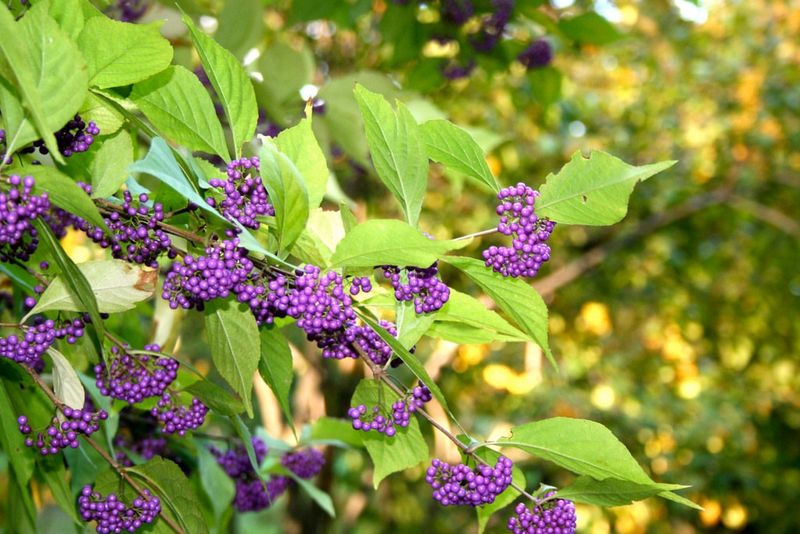
Few plants in the plant world can pull off what Beautyberry does. American Beautyberry, or Callicarpa americana, produces the most eye-catching clusters of vivid purple berries you will ever see on a native shrub.
They line the branches in tight bundles that look almost too perfect to be real. Birds and other wildlife flock to them, making Beautyberry one of the most wildlife-friendly additions you can make to a Central Florida garden.
Planting Beautyberry in late March gives it a long growing season to develop strong branches and get ready for its spectacular berry display in late summer and fall. It prefers well-drained soil and does best in full sun to partial shade.
Sandy soils common in Central Florida work just fine, especially if you mix in some compost at planting time to boost nutrients and water retention.
Beautyberry is also surprisingly low-maintenance. It grows at a moderate pace, reaching about three to six feet in height and spread.
Cutting it back hard in late winter or early spring actually encourages more vigorous growth and a better berry display, so do not be afraid to prune it. The flowers are small and light pink, appearing in summer before the berries develop, so the plant offers interest across multiple seasons.
Some people even use crushed Beautyberry leaves as a traditional natural insect repellent, though results may vary and research is limited.
5. Azalea Bursting With Colorful Petals
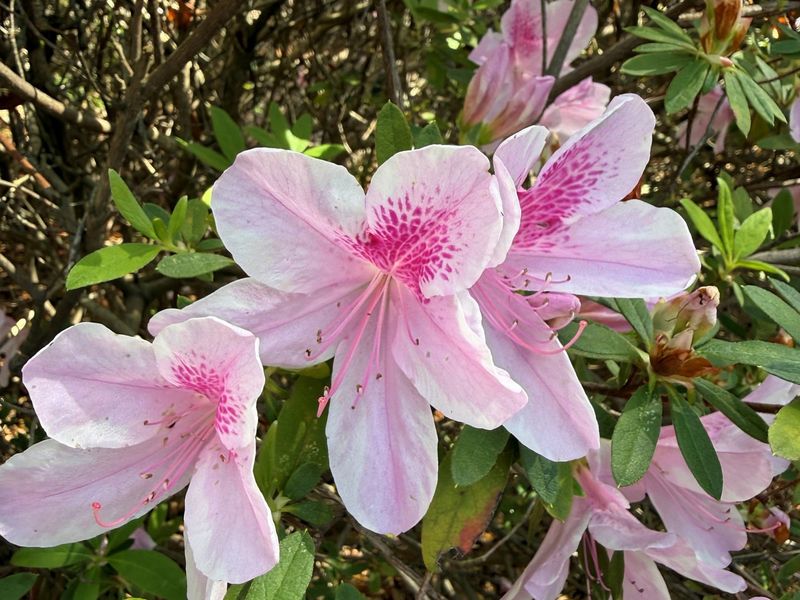
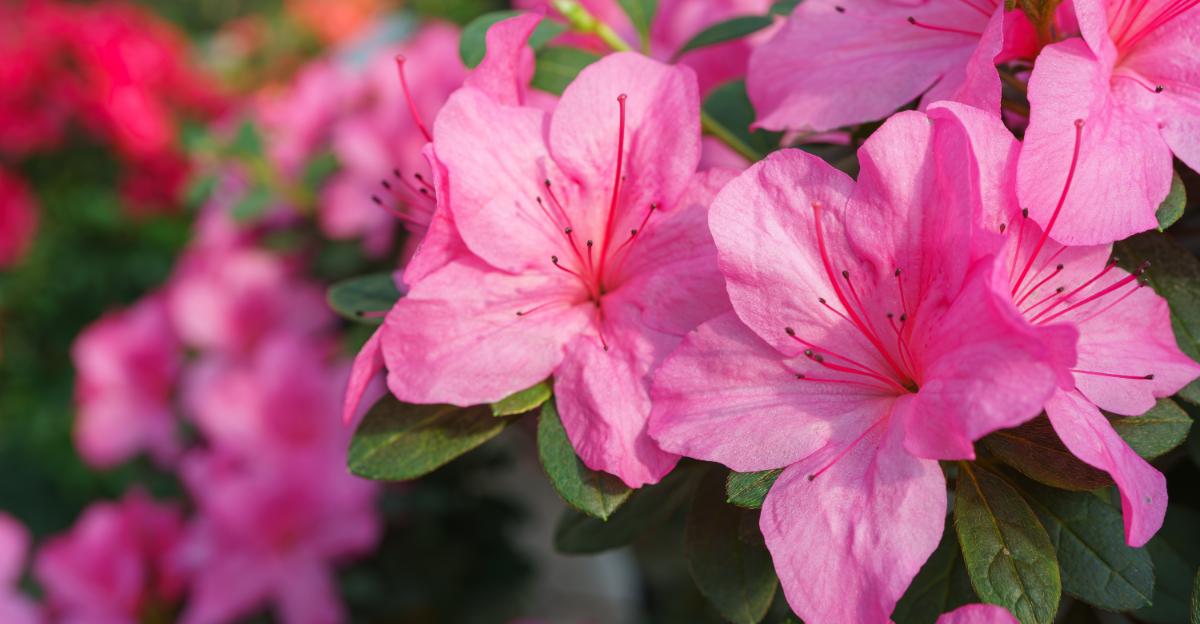
Spring in the South would not feel complete without Azaleas. These classic flowering shrubs have been gracing Central Florida gardens for generations, and their explosion of pink, red, white, or purple blossoms in late winter to spring is one of the most celebrated sights in the region.
Late March is actually a great time to plant Azaleas because the blooms are winding down, which means the plant can put its energy into building strong roots for the seasons ahead.
Azaleas prefer slightly acidic, well-drained soil and do best in partial shade, especially in Central Florida where afternoon sun can be intense. Planting them under the filtered shade of tall pine trees is a classic combination that works beautifully.
Adding pine straw mulch around the base helps maintain soil acidity and keeps moisture levels steady, which Azaleas appreciate greatly.
There are many varieties suited to Central Florida, including the Southern Indica and Encore Azalea series. Encore Azaleas are especially popular because they bloom multiple times throughout the year, giving you more color for your effort.
Water newly planted Azaleas regularly during the first growing season and avoid overhead watering, which can lead to fungal problems on the leaves. Fertilize in early spring and again after the main bloom period with a fertilizer designed for acid-loving plants.
With a little care, Azaleas reward you with decades of stunning floral displays that make every Central Florida garden feel like a special place.
6. Golden Dewdrop And Its Cascading Yellow Blossoms
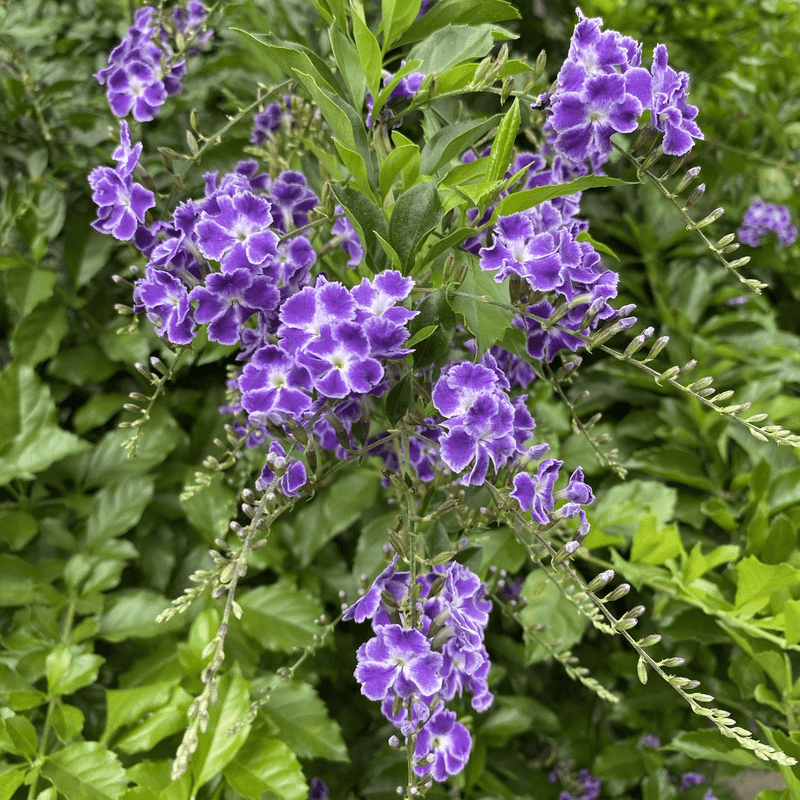
Golden Dewdrop, known by its scientific name Duranta erecta, is a showstopper that brings both flowers and fruit to your Central Florida garden at the same time. The small, lavender-blue flowers grow in cascading clusters, and they are quickly followed by strings of golden-yellow berries that dangle like tiny ornaments.
Butterflies are especially drawn to the flowers, and birds go after the berries, so this shrub creates a lively, busy corner in any garden.
It is a fast-growing shrub that loves full sun and the warm climate of Central Florida. Once established, Golden Dewdrop is fairly drought-tolerant, though it grows more vigorously with regular watering during dry periods.
It can reach heights of up to ten feet or more if left unpruned, so plan your spacing accordingly or commit to regular trimming to keep it at a manageable size.
One important note for families with pets or small children: the berries and leaves of Golden Dewdrop are considered toxic if eaten, so plant it in a spot where curious little hands and paws are less likely to reach it. Late March planting in Central Florida gives this shrub a warm, welcoming start to the growing season.
It works wonderfully as a backdrop plant or informal hedge. The combination of flowers and berries appearing at the same time makes it genuinely one of the most visually interesting shrubs you can grow in Central Florida throughout the spring and summer months.
7. Coral Bean With Bold Red Flowers
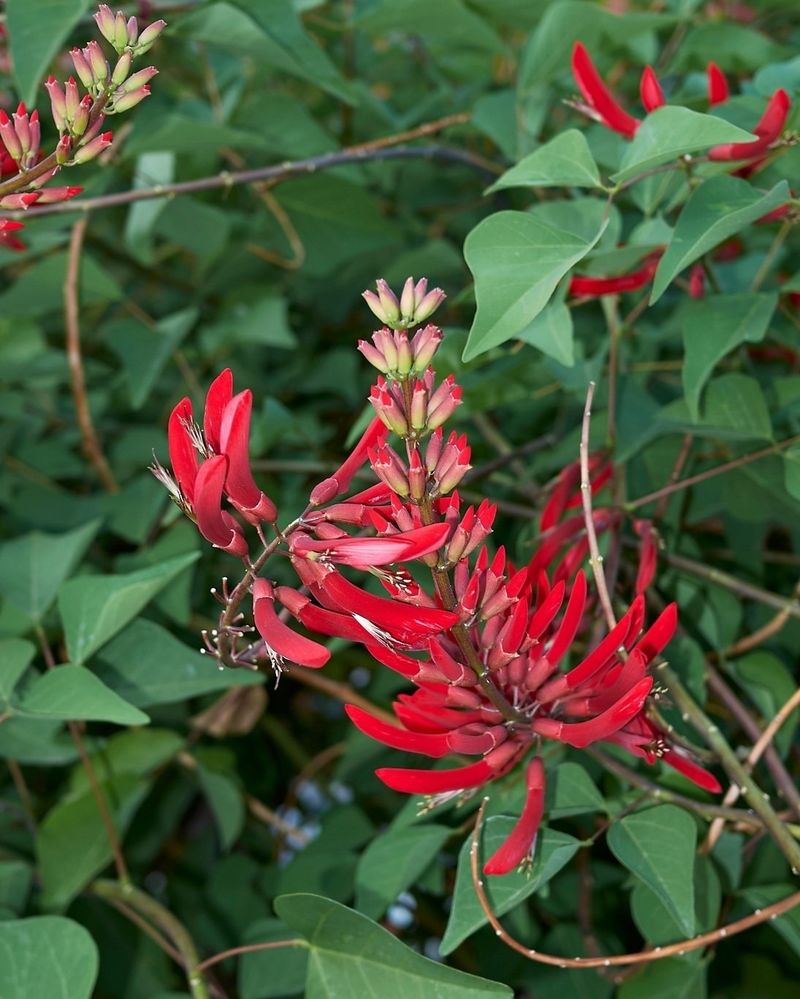
Bold, striking, and full of personality, Coral Bean is the kind of shrub that makes people stop and ask what it is. Erythrina herbacea, as it is scientifically known, sends up tall spikes of brilliant red tubular flowers in spring that hummingbirds find completely irresistible.
Few sights in a Central Florida garden are as exciting as watching a hummingbird hover beside a Coral Bean in full bloom on a sunny March morning.
This native shrub is built for the Florida climate. It is highly drought-tolerant once established and thrives in full sun, making it a great low-water option for gardeners looking to be more eco-friendly.
The plant can behave more like a perennial in some parts of Central Florida, dying back to the ground after cold snaps but returning with fresh growth once temperatures warm up again in late winter and spring.
Coral Bean grows naturally in sandy, well-drained soils, which are common throughout Central Florida, so you likely will not need to do much soil prep beyond adding a bit of compost. It typically reaches three to six feet in height, though it can occasionally grow taller in ideal conditions.
Keep in mind that the bright red seeds that follow the flowers are toxic if swallowed, so be mindful of where you plant it. Late March is an ideal time to get it in the ground because the warming soil encourages fast, healthy root development.
It is a native gem that truly earns its place in any Florida-friendly landscape.
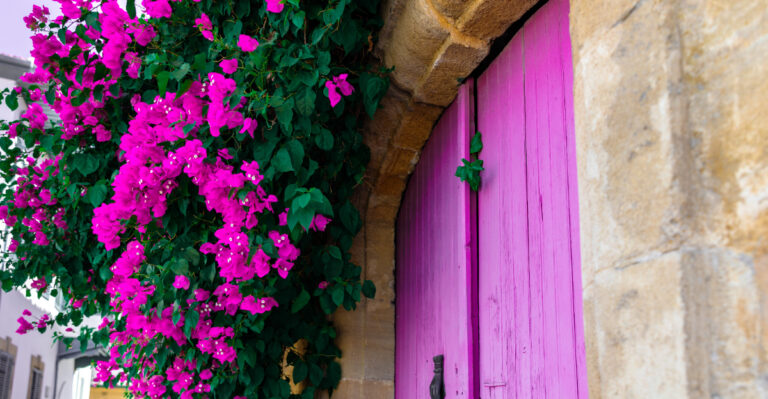
8. Bougainvillea And Its Brilliant Summer Hues
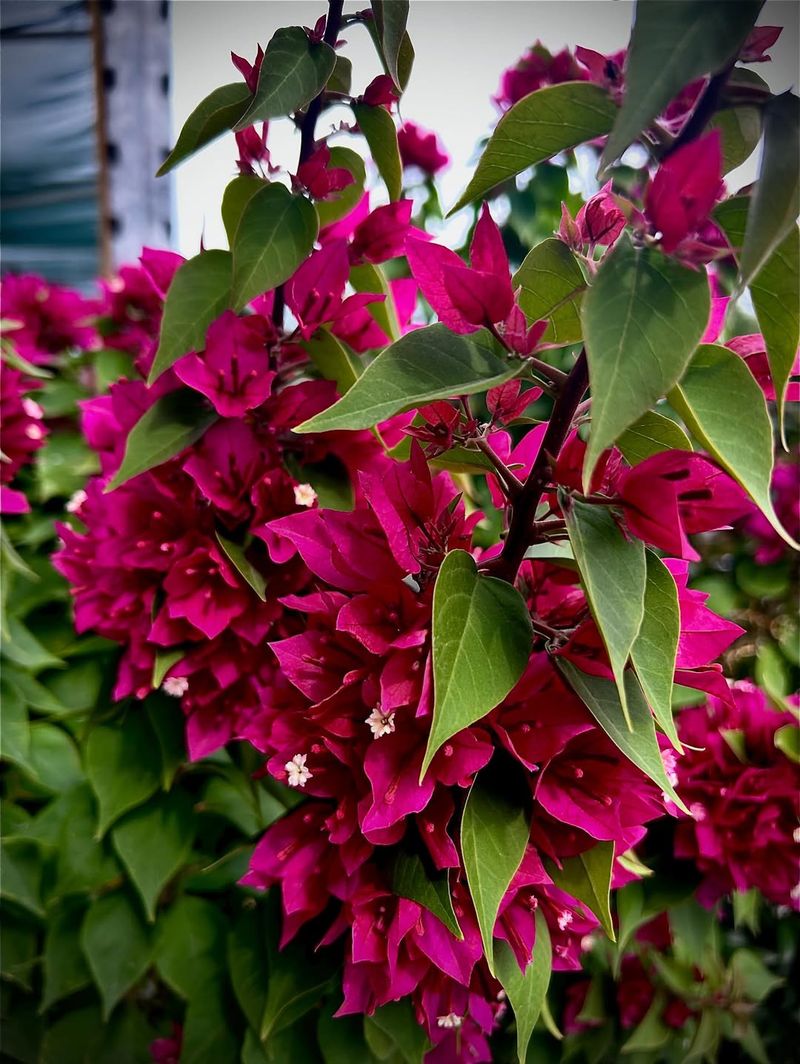
If color is what you are after, nothing in the shrub world delivers quite like Bougainvillea. Those vivid, papery bracts in shades of hot pink, magenta, orange, red, and purple are actually not the flowers themselves but modified leaves that surround tiny white blooms.
The effect is absolutely stunning, and in Central Florida, where the sun shines bright and the growing season is long, Bougainvillea thrives like it was born for the place.
Late March is a smart time to plant Bougainvillea in Central Florida because the warm soil temperatures encourage quick root establishment. It loves full sun and actually blooms more prolifically when it experiences a little stress, like slightly dry conditions between waterings.
Overwatering is one of the most common mistakes with this plant, so let the soil dry out a bit between watering sessions to encourage more flowers rather than excess leafy growth.
Bougainvillea grows vigorously and can be trained to climb trellises, fences, or pergolas, or it can be pruned into a large, free-standing shrub. The thorns on its branches are sharp, so wearing gloves when pruning is a smart habit.
It is not frost-hardy, so Bougainvillea can be damaged by freezes, meaning gardeners should provide protection during cold snaps, even though Central Florida freezes are infrequent. Fertilize with a low-nitrogen, high-phosphorus fertilizer to promote blooming.
Once established, this plant rewards Central Florida gardeners with wave after wave of brilliant color that can last for months at a time.