What Southwest Ohio Gardeners Can Plant Early For A Head Start
Stop staring at those seed catalogs – your Southwest Ohio garden is ready to wake up much sooner than you think.
While most neighbors are waiting for the “perfect” spring day, savvy Buckeye State gardeners know that USDA Hardiness Zones 6a and 6b offer a secret window for early-season success.
You don’t have to wait for the last frost to get your hands in the dirt. The trick is choosing the right cool-season crops that thrive in workable ground while the air is still crisp.
By mastering the fine line between “early” and “too early,” you can jumpstart your harvest weeks ahead of schedule.
When the timing lines up, you’ll be picking fresh vegetables while everyone else is still waiting for the weather to settle.
1. Peas Give Southwest Ohio Gardens One Of The Earliest Harvests
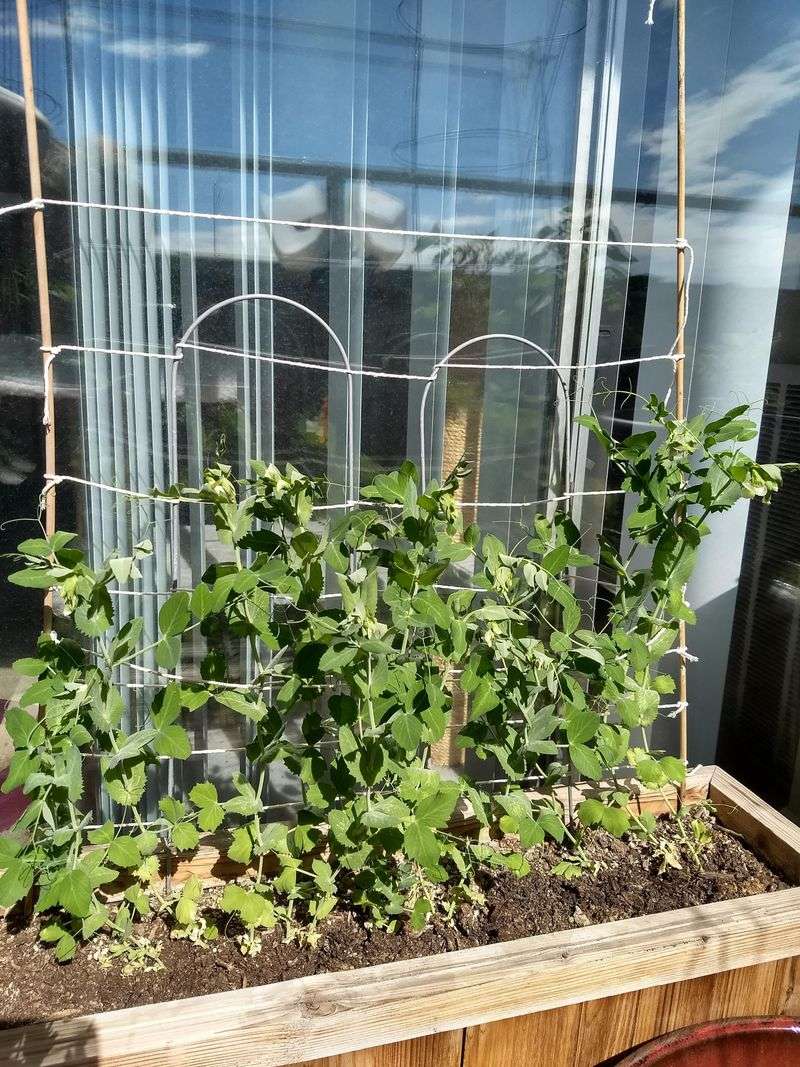
Few things signal the start of the growing season quite like pressing pea seeds into cool, damp Ohio soil while frost still lingers in the forecast.
Peas are one of the most cold-tolerant vegetables a southwest Ohio gardener can grow, and they actually prefer the chilly conditions that make other crops stall out.
Getting them in the ground in late March – as soon as the soil is workable and not waterlogged – gives them exactly the environment they need to germinate and climb.
Peas do best when soil temperatures are somewhere between 40 and 75 degrees Fahrenheit.
They can handle light frosts without much trouble, which makes them a strong fit for the unpredictable early spring weather that southwest Ohio is known for.
Direct sowing is the standard approach since peas do not transplant well. Push seeds about one inch deep and roughly two inches apart along a trellis or support structure so the vines have somewhere to climb as they grow.
Succession sowing every ten to fourteen days through April can extend the harvest window before summer heat causes the plants to fade. Keeping the soil consistently moist during germination helps seeds sprout evenly.
Early harvest in late May or early June rewards patient gardeners with sweet, tender pods that taste far better fresh off the vine than anything available at the store.
2. Spinach Handles Chilly Spring Weather Better Than Most Crops
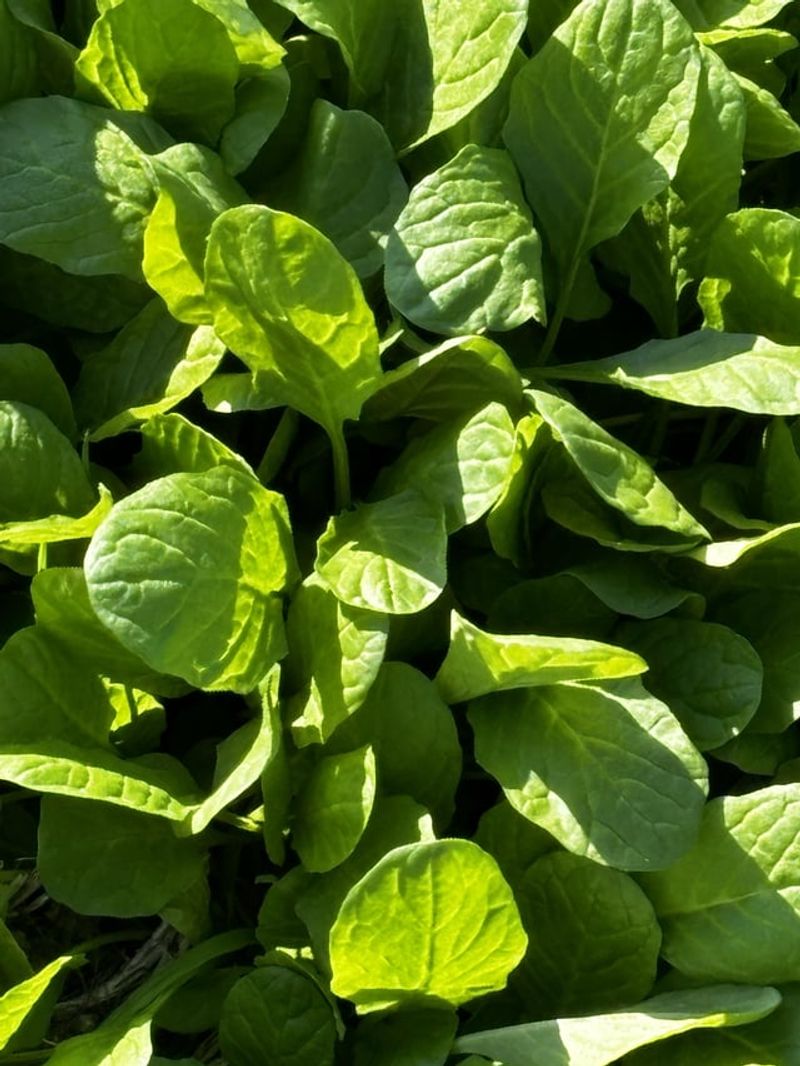
On a cold April morning when most of the garden still looks bare and brown, a row of spinach pushing up through the soil is one of the most encouraging sights a gardener can find. Spinach is remarkably tough for a leafy green.
It can survive temperatures down into the mid-20s Fahrenheit once it has established a bit of growth, and it actually develops better flavor after exposure to cool temperatures.
That combination makes it a natural fit for southwest Ohio’s unpredictable early spring.
Seeds can go directly into the ground as early as mid-March if the soil has thawed and dried out enough to work without compacting.
Spinach germinates best when soil temperatures are between 45 and 65 degrees Fahrenheit, and it tends to bolt – sending up seed stalks and turning bitter – once the weather heats up in late spring or early summer.
Your Ohio Garden Changes Every Week. Your Plan Should Too.
Gardening in Ohio changes quickly throughout the season. Every Friday you’ll receive a simple weekly plan showing exactly what to plant, prune, fertilize, harvest, and protect so you never miss the right timing.
Getting it in early takes advantage of the cool window before that happens.
Sow seeds about half an inch deep and thin seedlings to roughly three to four inches apart once they are a couple of inches tall. Thinning improves air circulation and helps prevent the crowding that can lead to disease.
A light layer of row cover can offer extra protection during late cold snaps and keep the harvest going a bit longer into the warming weeks of May.
3. Leaf Lettuce Gets The Season Going Fast
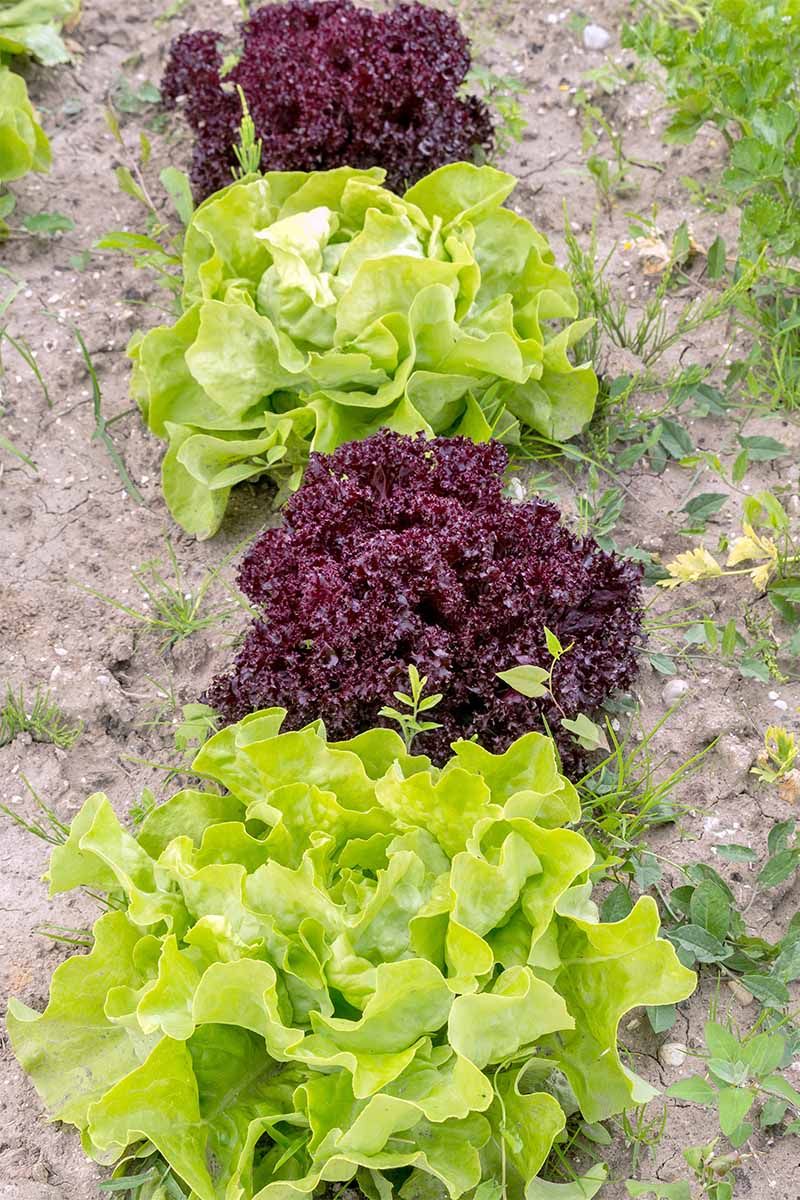
Watching leaf lettuce push up through the soil just a week or two after sowing is one of the genuine pleasures of early spring gardening in southwest Ohio.
Lettuce is a fast mover under cool conditions, and loose-leaf varieties in particular can go from seed to first harvest in as little as forty to fifty days.
That kind of speed makes it ideal for gardeners eager to see results while the season is still just getting started.
Leaf lettuce tolerates light frosts reasonably well, especially once seedlings have put on a few true leaves.
Direct sowing can begin in late March in southwest Ohio, and the seeds need very little depth – just press them lightly into the surface of loose, moist soil and keep the area evenly watered until germination occurs.
Lettuce prefers cool temperatures between 45 and 65 degrees Fahrenheit and tends to bolt and turn bitter when summer heat settles in.
Starting a second small sowing two to three weeks after the first one keeps a steady supply of tender leaves coming through May and into early June.
Planting in a spot with afternoon shade can help extend the harvest a bit longer as temperatures climb.
Thin seedlings to about six inches apart to give each plant room to fill out. Harvesting outer leaves regularly encourages the plant to keep producing rather than rushing to set seed.
4. Radishes Bring Quick Results While The Garden Warms Up
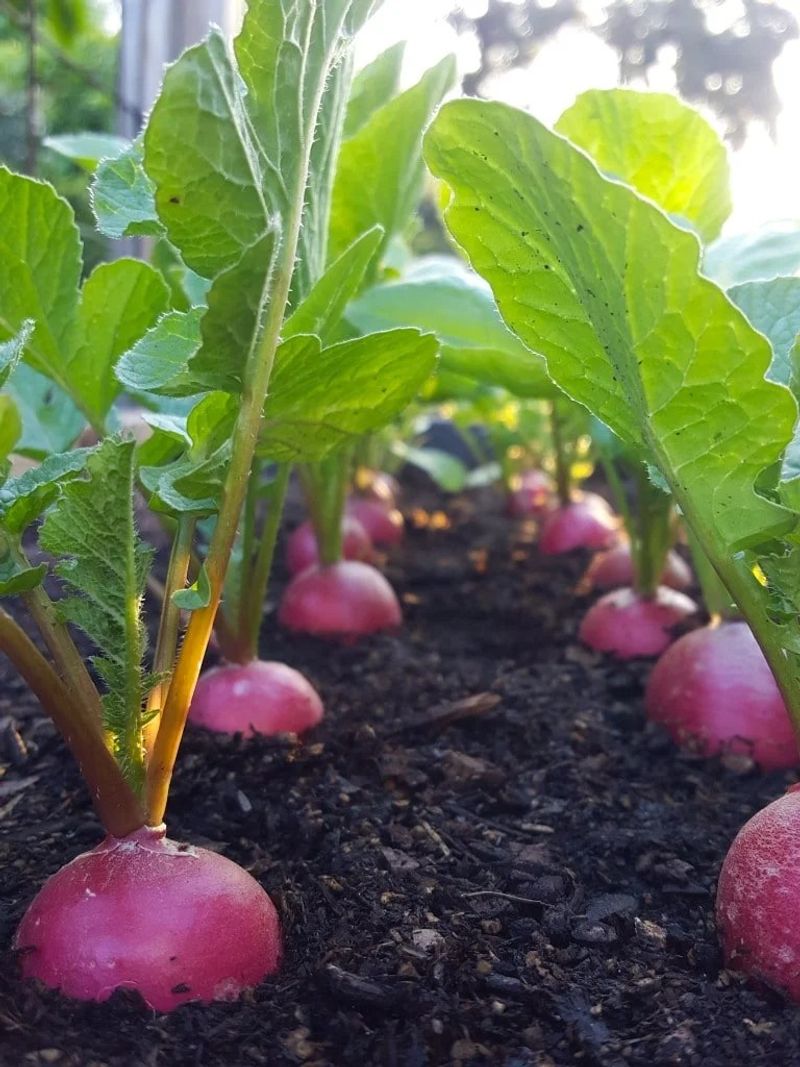
For gardeners who want something to show for their early efforts while the rest of the garden is still getting started, radishes are hard to beat.
They are among the fastest-maturing vegetables available, with some varieties ready to pull in as few as twenty-five to thirty days after sowing.
That quick turnaround makes them a satisfying choice for southwest Ohio spring gardens, where the cool soil and moderate temperatures of March and April suit them extremely well.
Radishes are direct-sown crops, and they do not need much fussing. Sow seeds about half an inch deep and one inch apart in rows or wide bands, then thin to about two inches apart once seedlings emerge.
Loose, well-drained soil produces the smoothest, most evenly shaped roots. Compacted or rocky ground tends to cause forking and irregular growth.
Keeping soil moisture consistent prevents the roots from becoming pithy or cracking, which can happen when dry spells are followed by heavy watering.
Succession sowing every seven to ten days through April keeps a continuous supply of fresh radishes coming.
Radishes can also serve a useful role as row markers when sown alongside slower-germinating crops like carrots, helping gardeners identify where other seeds were planted.
Once daytime temperatures start climbing consistently above 75 degrees Fahrenheit, radishes tend to bolt quickly, so getting them in early and harvesting promptly makes the most of the cool-season window.
5. Kale Starts Strong In Cool Southwest Ohio Soil
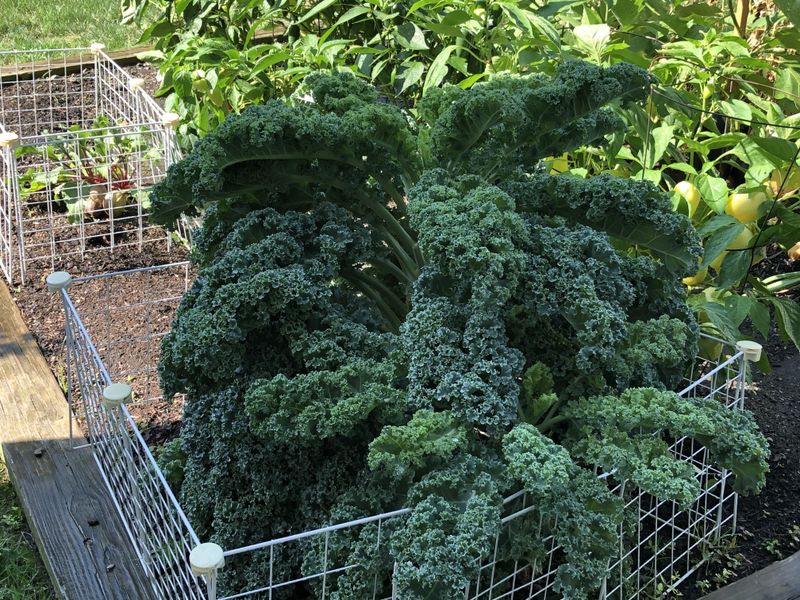
Kale has earned a well-deserved reputation for toughness, and southwest Ohio’s cool, variable spring weather is exactly the kind of environment where it thrives.
Unlike crops that stall out when temperatures dip below 50 degrees Fahrenheit, kale keeps growing steadily in cool soil and can handle frosts that would set back less hardy vegetables.
Many gardeners find that a light frost actually improves the flavor, triggering the plant to convert some of its starches to sugars and producing a noticeably sweeter leaf.
Kale can be direct-sown outdoors in late March to early April in southwest Ohio, or started indoors six to eight weeks before the last expected frost and transplanted out once seedlings are sturdy enough to handle the conditions.
Either approach works well.
Direct-sown kale takes a bit longer to reach harvest size, but it tends to develop strong root systems from the start. Transplants give a few weeks’ head start and can begin producing harvestable leaves sooner.
Space plants about twelve to eighteen inches apart to allow good air circulation and room for the large, broad leaves to develop fully. Kale prefers fertile, well-drained soil with consistent moisture.
Harvesting the lower, outer leaves regularly encourages the plant to keep producing new growth from the center.
With the right timing and a little attention to soil preparation, kale can deliver harvests from late spring all the way through the summer and into fall.
6. Onion Sets Get Off To An Early And Easy Start
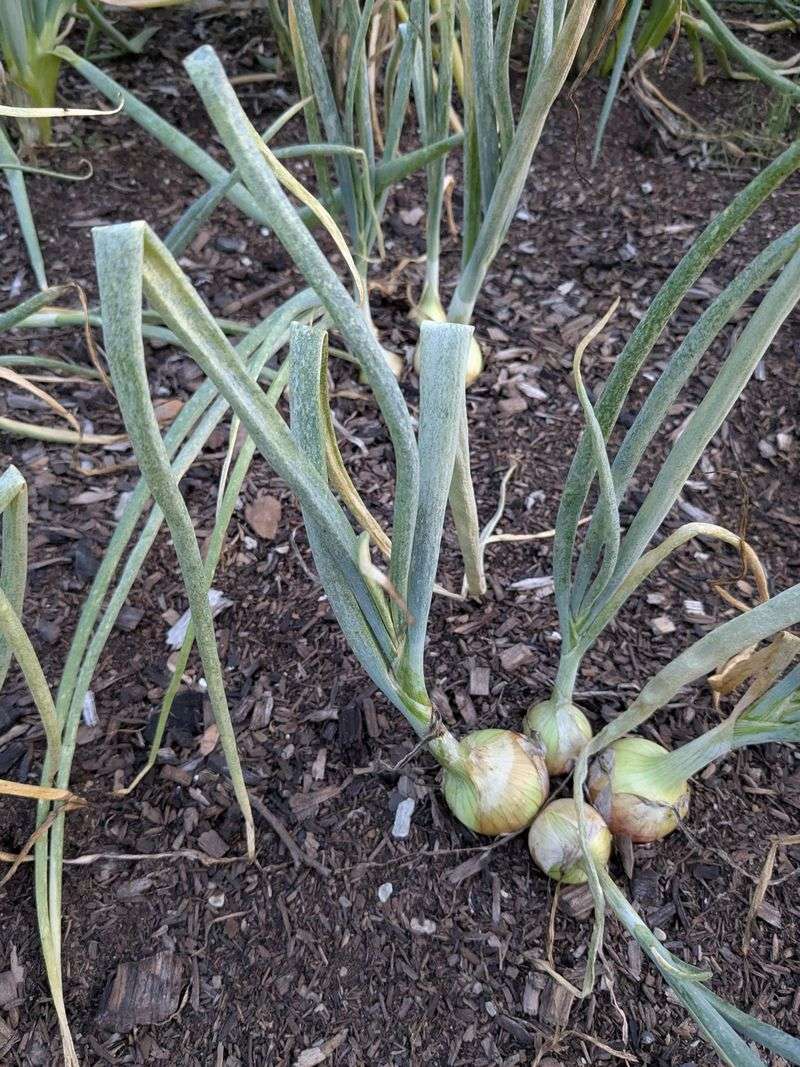
Onion sets have a straightforward appeal that experienced southwest Ohio gardeners appreciate – they are small, dormant bulbs that go into the ground early and ask for very little in return.
Compared to starting onions from seed, sets are forgiving and fast to establish.
They can go into the garden in late March or early April, well before the last frost date, because established onion plants handle cold temperatures without much difficulty.
Plant sets with the pointed tip facing upward, about one inch deep and four to five inches apart in rows. Onions are shallow-rooted, so loose, well-prepared soil makes a real difference in how well they develop.
Compacted ground can restrict bulb expansion and reduce overall size at harvest. Adding compost to the planting area before setting bulbs improves drainage and provides steady nutrition as the plants grow through the spring and into summer.
Onions need consistent moisture, especially during bulb development in mid to late summer. Keeping weeds under control is also important since onions do not compete well against aggressive weed growth.
The green tops that emerge in spring can be harvested as scallions if thinning is needed, which means nothing goes to waste.
Full-sized bulbs are typically ready to harvest in mid to late summer once the tops begin to fall over naturally, signaling that the bulbs have finished forming underground.
7. Carrots Are Worth Sowing Before Warm Weather Arrives
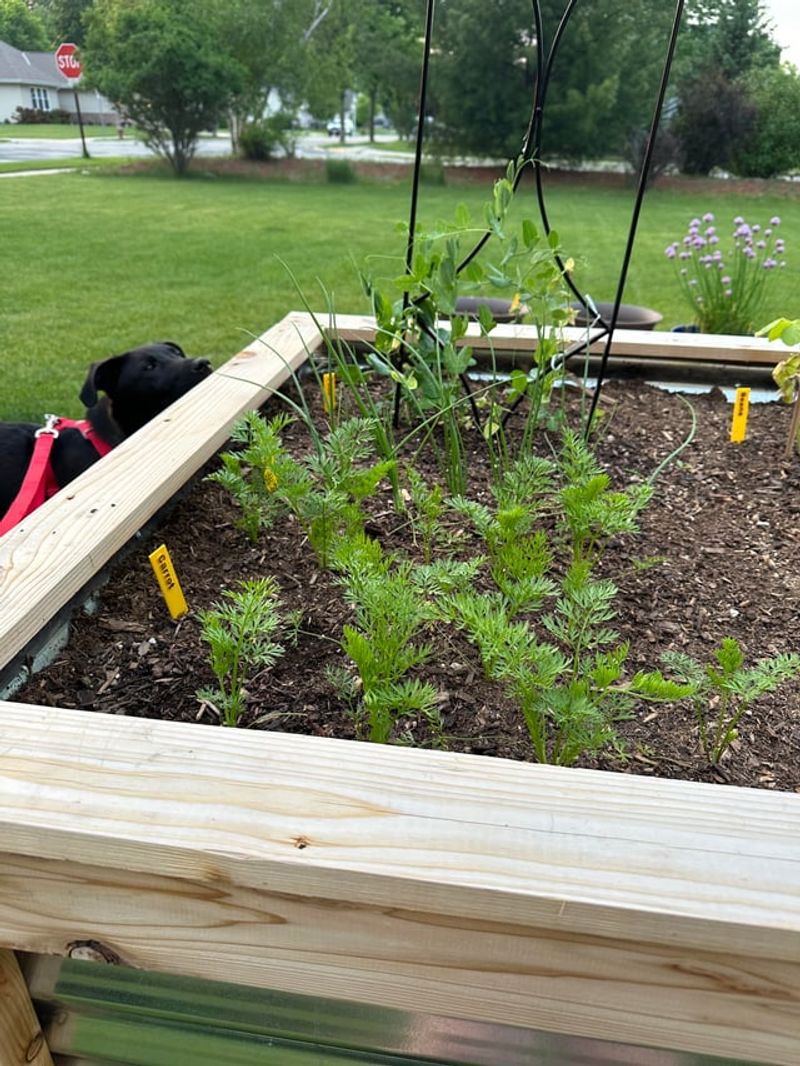
Carrots require a bit more patience than some other early crops, but southwest Ohio gardeners who sow them in early spring are rewarded with roots that develop steadily under the cool conditions carrots handle well.
They germinate in relatively cool soil, and getting them started before summer heat builds helps produce better texture and flavor.
Sowing in late March or early April, once the soil is workable, gives them a good seasonal window in southwest Ohio.
The biggest challenge with carrots is soil preparation. They need loose, deep, stone-free soil to develop long, straight roots.
Heavy clay soil, which is common in parts of southwest Ohio, can cause forking and stunted growth. Raised beds filled with well-loosened, amended soil work especially well for carrots and take away a lot of the guesswork.
Sow seeds about a quarter inch deep and keep the seedbed consistently moist until germination, which can take roughly ten to twenty days depending on soil temperature.
Thinning is one of the most important steps in growing good carrots. Once seedlings are a couple of inches tall, thin them so each root has room to expand.
Skipping this step leads to crowded, misshapen roots that are harder to harvest and less satisfying at the table.
Carrots sown in early spring in southwest Ohio are often ready to pull by early to mid-summer, depending on the variety and growing conditions.
8. Broccoli Transplants Make A Smart Early Move In Spring
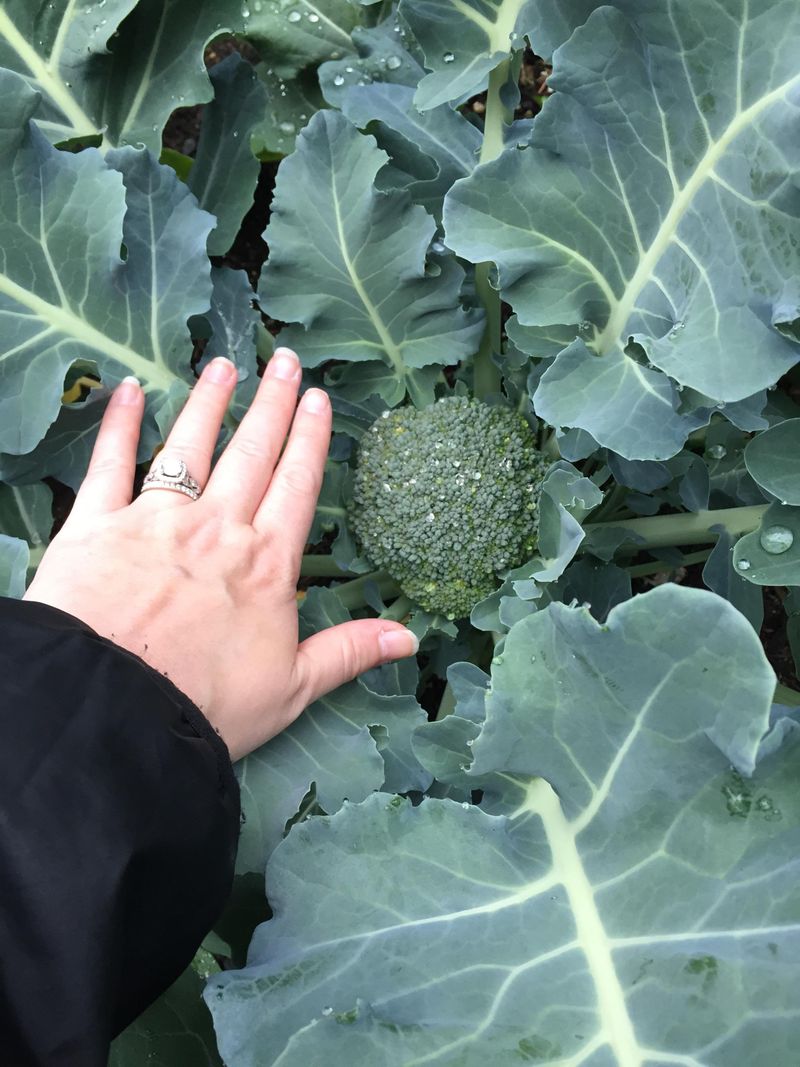
Starting broccoli indoors and moving transplants out to the garden in early spring is one of the smarter moves a southwest Ohio gardener can make.
Broccoli is a cool-season crop that produces its best heads when temperatures stay between 45 and 65 degrees Fahrenheit.
Setting transplants out in late March or early April – roughly four to six weeks before the average last frost date for the region – lines up the main head development with the mild, cool weeks of late spring before summer heat arrives.
Start seeds indoors six to eight weeks before planned transplant date. By the time seedlings are ready to go outside, they should have four to six true leaves and a sturdy stem.
Harden them off gradually over a week or so by setting them outside for increasing amounts of time each day before placing them in the garden.
Broccoli transplants can handle light frosts once they have adjusted to outdoor conditions, which makes the early timing workable in southwest Ohio.
Space transplants about eighteen inches apart in rows that are roughly twenty-four inches apart.
Consistent moisture and a balanced fertilizer applied a few weeks after transplanting help the plants develop the large, dense heads that make the effort worthwhile.
Once the central head is cut, many broccoli varieties send up smaller side shoots that extend the harvest for several additional weeks – a welcome bonus during a busy spring garden season.