The Best Time To Fertilize Ohio Perennials For The Strongest Summer Bloom
Summer blooms do not start in summer. That is the mistake many Ohio gardeners miss.
By the time perennials need extra strength, the real window for feeding has often passed. Too soon, and spring rain can wash nutrients away.
Too late, and plants put energy in the wrong places. Ever wonder why one garden bursts with color while another looks just okay?
Timing usually tells the story. Ohio weather does not make it easy either, with cold snaps, soggy soil, and sudden warm stretches that throw everything off.
A single feeding at the right point can shape stronger stems, fuller growth, and a much better flower show once the heat rolls in. Miss that sweet spot, and even healthy plants may never reach their full potential.
Want bigger, brighter perennial blooms this summer? It starts with knowing exactly when to feed them.
1. Early Spring Feeding Sets The Stage For Summer Blooms
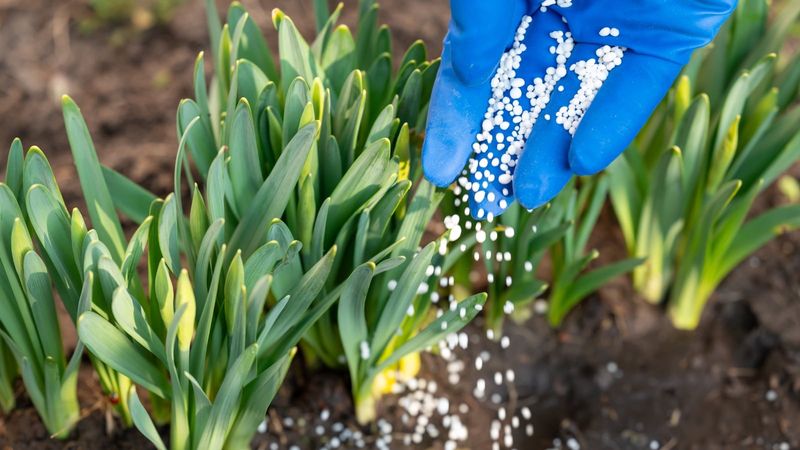
Picture your garden in early April, with tiny green shoots just starting to push through the soil after a long Ohio winter. That moment, when new growth first appears, is your green light to start fertilizing your perennials.
According to Ohio State University Extension, applying a balanced, slow-release fertilizer at this stage gives plants the nutrients they need right when their roots are becoming active again.
A balanced fertilizer, something like a 10-10-10 formula, works well for most perennials because it supplies equal amounts of nitrogen, phosphorus, and potassium. These three nutrients support healthy leaves, strong roots, and vigorous flowering.
Apply the fertilizer around the base of your plants and work it lightly into the soil, then water thoroughly so the nutrients can start moving down to the root zone.
Early spring feeding sets your perennials up for a strong performance all season. When plants have access to nutrients during their most active growth phase, they develop deeper roots and more flower buds.
That foundation built in April is what produces those full, colorful blooms you will enjoy throughout June, July, and August. Getting this first feeding right is honestly one of the most impactful things you can do for your Ohio garden.
2. Waiting Too Long Can Cost You Flowers
Most gardeners know they should fertilize, but plenty of them wait until the plants look like they actually need help. By then, the window for maximum bloom support has already passed.
Missing the early growth period means your perennials spend their energy trying to catch up rather than building the flower buds that create a spectacular summer display.
Perennials do most of their critical root and shoot development in the weeks right after they emerge from dormancy. If fertilizer is not available during that period, plants may still bloom, but the flowers tend to be smaller, fewer in number, and shorter-lived.
For showstopper perennials like peonies or tall garden phlox, that difference is very noticeable.
Think of it like a race where the starting gun has already fired. A plant that received nutrients right at emergence hits the ground running, while one that was fed a month later is playing catch-up the whole season.
Your Ohio Garden Changes Every Week. Your Plan Should Too.
Gardening in Ohio changes quickly throughout the season. Every Friday you’ll receive a simple weekly plan showing exactly what to plant, prune, fertilize, harvest, and protect so you never miss the right timing.
For Ohio gardeners, the practical takeaway is simple: keep an eye on your garden beds as soon as March turns into April, and be ready to feed when those first shoots appear.
Do not let a busy schedule push this task into late May, because your summer blooms will reflect that delay in ways that are hard to fix once the season is rolling.
3. New Growth Is Your Best Fertilizing Signal
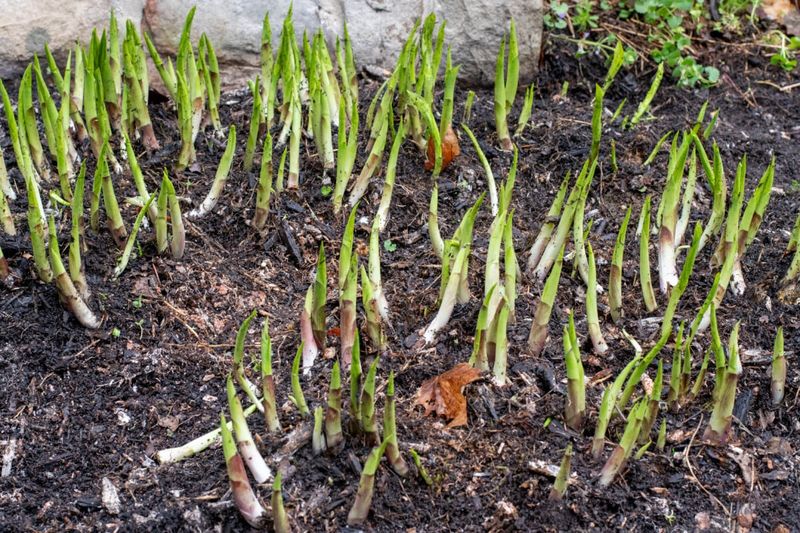
Calendar dates can be tricky to rely on in Ohio because spring does not always arrive on schedule. Some years, April feels like February.
Other years, warm weather shows up in late March and plants break dormancy ahead of schedule. That is exactly why experienced gardeners learn to read their plants instead of watching the calendar.
The signal you are looking for is fresh, actively growing shoots pushing up from the crown of your perennials. When you see that new green growth, it means the plant’s root system is waking up and beginning to take in water and nutrients again.
This is the moment fertilizer will actually be used by the plant rather than sitting unused in the soil.
Ohio State University Extension recommends observing your garden closely in early spring and using plant emergence as your primary timing guide. Different perennials may emerge at slightly different times, so check each variety before feeding.
For most Ohio gardens, this window lands somewhere between late March and mid-April depending on the year. The beauty of this approach is that it removes the guesswork.
When the plant tells you it is ready, you feed it. That simple, observation-based method consistently produces better results than any fixed date ever could, and it helps you stay in sync with what your garden is actually doing.
4. Cold Soil Means Nutrients Go To Waste
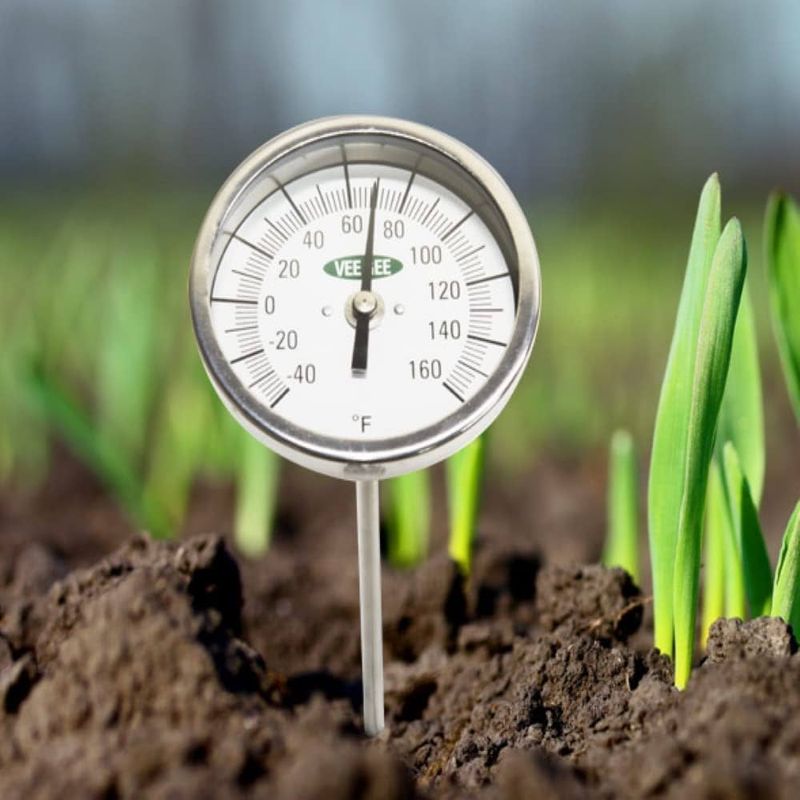
One of the most common mistakes Ohio gardeners make is getting excited about the first warm day in late February or early March and rushing out to fertilize. The air might feel like spring, but the soil tells a completely different story.
When soil temperatures are still below 50 degrees, plant roots are not active enough to absorb nutrients efficiently.
Fertilizer applied to cold soil is largely wasted. The nutrients either sit unused in the soil or get washed away by spring rains before roots are ready to take them in.
That means you have spent money on fertilizer that did your plants very little good, and you may even be contributing to nutrient runoff into nearby waterways.
A simple soil thermometer, available at most garden centers, can tell you exactly when your soil has warmed enough to make fertilizing worthwhile.
Once the soil at a depth of two to three inches reaches around 50 degrees, roots start actively growing and nutrient uptake picks up significantly.
In most parts of Ohio, that threshold is typically reached somewhere in April. Being patient and waiting for the right soil temperature is not procrastinating, it is gardening smart.
Your perennials will respond far better to fertilizer applied at the right temperature than to fertilizer applied too early out of enthusiasm.
5. Late Feeding Can Lead To Weak Growth
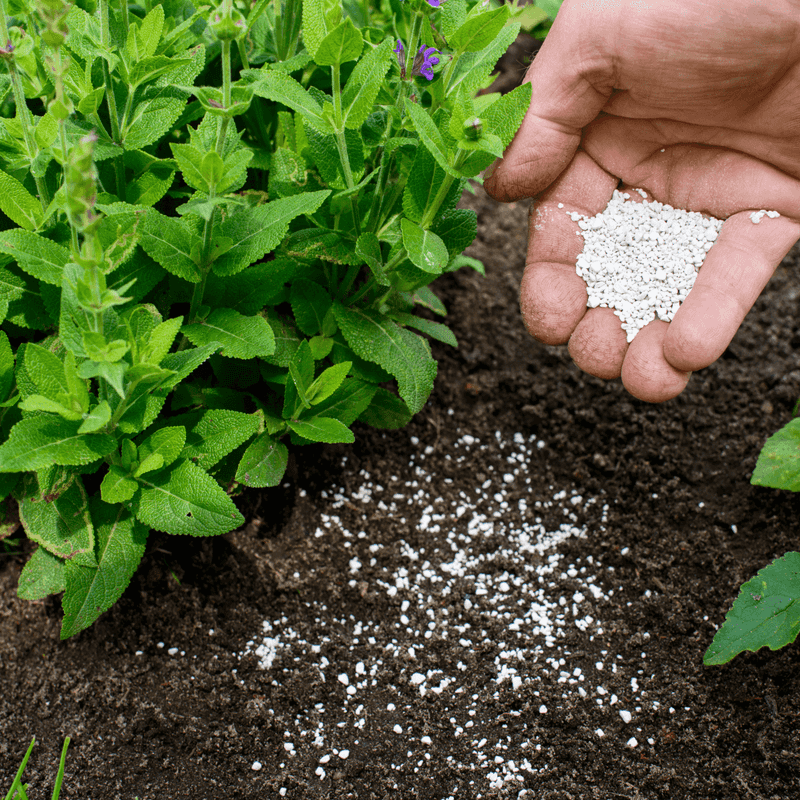
There is a window at the end of the growing season when fertilizing your perennials actually works against you. If you apply a nitrogen-rich fertilizer too late in summer, you push plants into producing soft, leafy new growth at exactly the wrong time.
Instead of hardening off and preparing for the colder months ahead, plants are stuck in a growth mode they cannot sustain.
The tender new growth that results from a late feeding does not have enough time to strengthen before temperatures begin to drop in Ohio, which typically starts happening in September and October.
This can leave your plants stressed and less resilient heading into the next season.
Beyond the seasonal risk, late feeding also tends to redirect the plant’s energy away from flower production and toward producing more leaves. That is the opposite of what you want if your goal is a strong summer bloom.
The practical rule of thumb is to stop fertilizing most perennials by midsummer, around late July at the latest, unless you are doing a very light, targeted feeding for specific repeat bloomers.
Understanding this cutoff point is just as important as knowing when to start, and it protects the long-term health of your garden season after season.
6. Too Much Fertilizer Can Backfire Fast
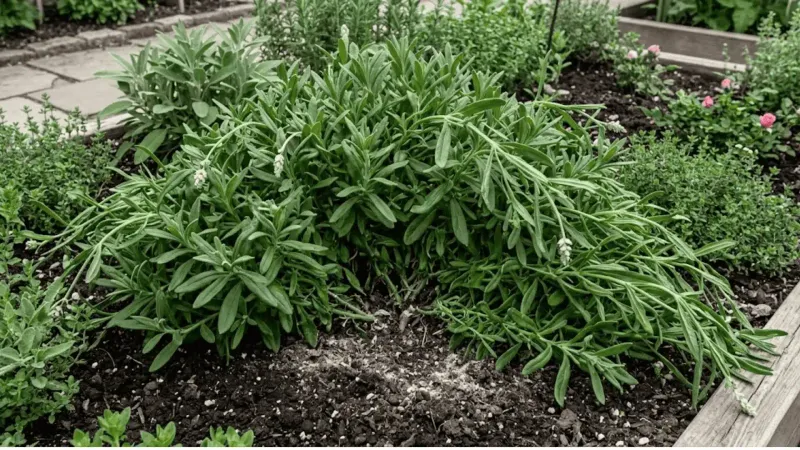
More is not always better in the garden, and fertilizer is one of the clearest examples of that truth. When perennials receive too much fertilizer, especially too much nitrogen, they respond by pushing out a lot of leafy green growth.
The plant looks healthy and lush at first glance, but the flower production drops noticeably because the plant is putting its energy into leaves instead of blooms.
This is sometimes called going to foliage, and it is a frustrating result for gardeners who were trying to do something good for their plants.
Ohio State University Extension recommends always following label directions carefully and erring on the lighter side rather than applying extra fertilizer in hopes of better results.
A soil test, available through the OSU Extension office, can also help you understand exactly what your garden needs so you are not guessing.
The fix, once overfertilizing has happened, is mostly a matter of waiting it out and cutting back on future applications. Water the area deeply to help flush excess nutrients through the soil, and resist the urge to add any more fertilizer until the following season.
For gardeners who are just starting out, using a slow-release granular fertilizer at the recommended rate is one of the safest ways to feed perennials without accidentally overdoing it.
Balance and restraint really do produce better blooms than enthusiasm alone ever could.
7. A Light Second Feeding Can Boost Blooms
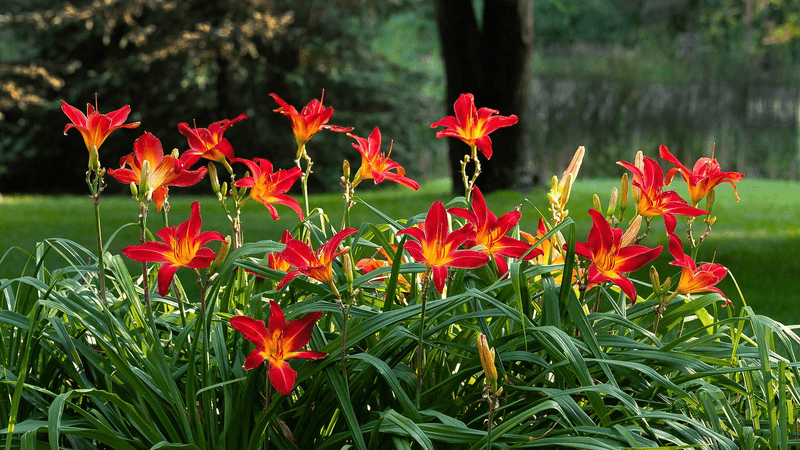
For certain perennials, one feeding in early spring is enough to carry them through the season beautifully.
But for heavy feeders like daylilies, tall garden phlox, and peonies, a second light application of fertilizer in early to midsummer can give their blooms an extra boost right when they need it most.
The second feeding, if done at all, should be lighter than the first and applied right after the initial flush of blooms begins to fade. The goal is to support continued flowering and overall plant vitality, not to push aggressive new growth.
A balanced fertilizer at about half the recommended spring rate works well for this purpose, applied around the base of the plant and watered in promptly.
The key word here is light. A gentle midsummer feeding nudges your repeat bloomers into producing another round of flowers without overwhelming the plant or sending it into the kind of leafy overdrive that reduces blooming.
Think of it as a small energy boost rather than a full meal. Not every perennial in your Ohio garden will benefit from this approach, so focus the extra feeding on those known to produce multiple bloom cycles.
When timed correctly, usually around late June to mid-July in Ohio, this second application can meaningfully extend the color and vibrancy of your summer garden well into August.
8. Right Timing Makes All The Difference
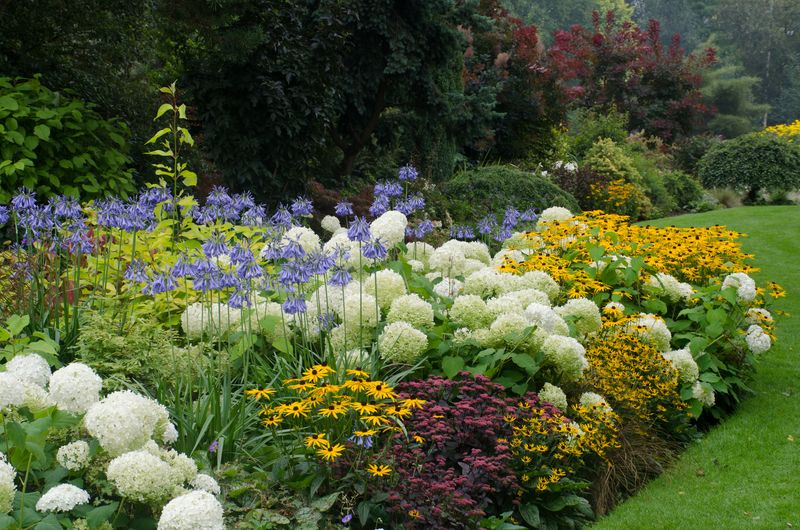
Every tip in this guide comes back to one central idea: timing is everything when it comes to fertilizing Ohio perennials.
You can use the best fertilizer on the market, but if you apply it at the wrong moment, whether that is too early in cold soil, too late in the season, or in amounts that overwhelm the plant, the results will always fall short of what your garden is capable of producing.
When you feed your perennials at the right time, which means watching for new growth in early spring and matching your feeding schedule to what the plants are actually doing, everything clicks into place.
Plants develop stronger root systems, produce more flower buds, and deliver the kind of consistent, colorful summer performance that makes all the hard work feel completely worth it.
Ohio gardeners have the added advantage of being able to tap into resources from Ohio State University Extension, which offers soil testing services, local planting guides, and expert advice tailored specifically to Ohio’s climate and growing conditions.
Using those tools alongside the timing strategies covered here puts you in a great position to grow perennials that are healthier, more productive, and more resilient year after year.
The garden you want is absolutely within reach, and getting your fertilizing timing right is one of the most straightforward ways to make it happen.