Crops Oregon Gardeners Should Start Indoors Right Now
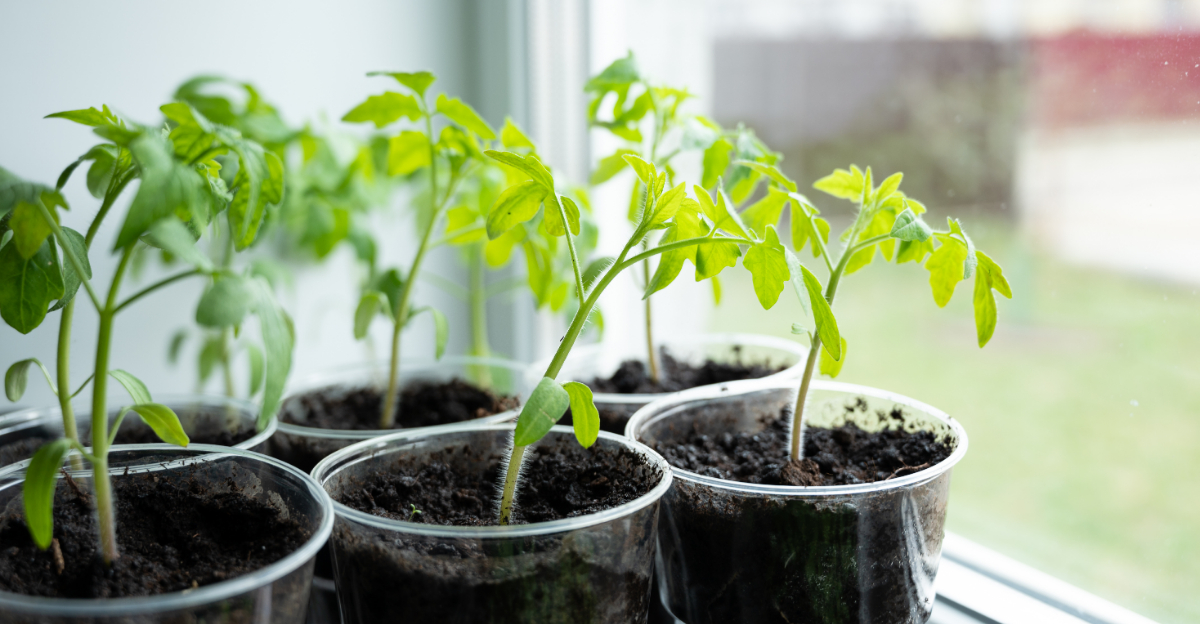
March mornings in Oregon can still feel crisp, but the garden whispers that spring is on its way. Many of us remember last year’s impatience – waiting for frost to pass while watching seeds sit dormant in packets on the counter.
Starting crops indoors now gives plants a head start, letting them grow strong before being moved outside.
It’s a small indoor routine that pays off with bigger, healthier vegetables and herbs when the weather finally warms.
Even a sunny windowsill or a corner of the kitchen can become a mini greenhouse, giving life to the garden months before you can plant outdoors.
If you’ve ever wished for an earlier, more productive harvest, the next steps reveal which crops will thrive under your care right now.
With a few careful choices and a little attention, you’ll be looking at a spring garden that’s ready for action as soon as the last frost fades.
1. Broccoli With Towering Green Crowns
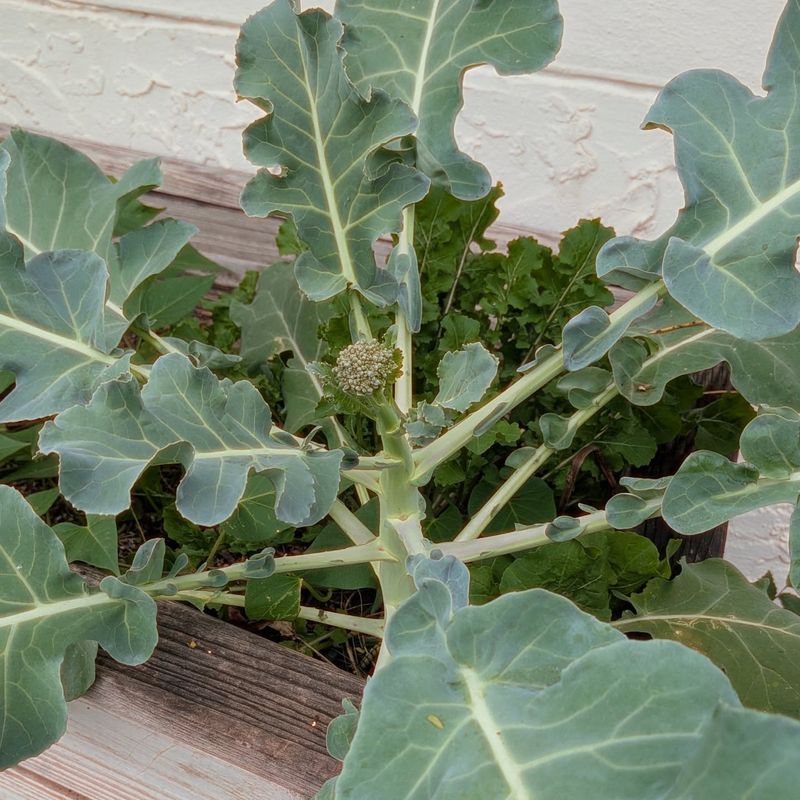
A vegetable that practically begs to be started indoors in Oregon, broccoli gets a head start when planted early inside. Cool-season crops like broccoli love the mild spring weather that rolls through the state, but they need a solid head start to really shine.
Planting seeds indoors in late winter or early spring gives the roots time to develop before transplanting outside.
Starting indoors also protects young seedlings from sudden cold snaps that are common in Oregon between February and April. Use small seed trays filled with a quality seed-starting mix, and keep the soil consistently moist but not soggy.
Broccoli seeds typically sprout within five to ten days when kept at around 65 to 75 degrees Fahrenheit.
Once your seedlings have two to three sets of true leaves, they are ready to be hardened off. This means gradually introducing them to outdoor conditions over about a week before transplanting into the garden.
Space plants about 18 inches apart in a sunny spot with well-draining soil. With the right care, Oregon gardeners can expect a beautiful broccoli harvest in late spring or early summer.
Growing your own broccoli is rewarding, nutritious, and surprisingly easy to manage.
2. Cauliflower And Its Snowy White Heads
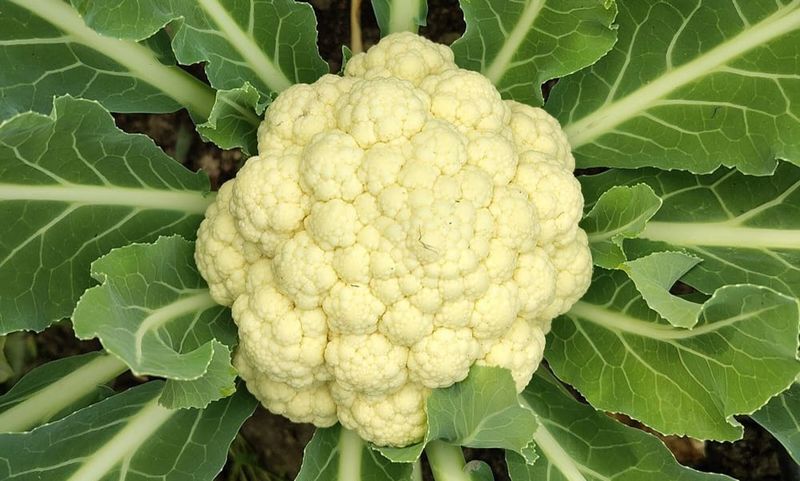
With a reputation for being picky, cauliflower thrives when Oregon gardeners start it indoors in March, giving it exactly the conditions it craves. Cooler temperatures during the growing period help cauliflower develop its tight, creamy white heads without bolting too quickly.
Starting seeds indoors about six to eight weeks before your last expected frost date sets you up for success.
Fill seed cells with a light, well-draining seed-starting mix and plant seeds about a quarter inch deep. Keep the trays in a warm spot until germination, then move them to a bright location or under grow lights.
Cauliflower seedlings grow steadily and do not need a lot of fuss, just consistent moisture and good light.
One helpful tip for Oregon growers is to watch the calendar closely. Cauliflower does not handle extreme heat well, so timing your transplant to avoid the hottest summer weeks is key.
Your Oregon Garden Changes Every Week. Your Plan Should Too.
Gardening in Oregon changes quickly throughout the season. Every Friday you’ll receive a simple weekly plan showing exactly what to plant, prune, fertilize, harvest, and protect so you never miss the right timing.
Once plants are established outdoors, they reward you with large, beautiful heads perfect for roasting, steaming, or eating raw. Starting cauliflower indoors now means you will be harvesting this crowd-pleasing vegetable just when the rest of your Oregon garden is really coming alive.
3. Cabbage That Packs Crunchy Power
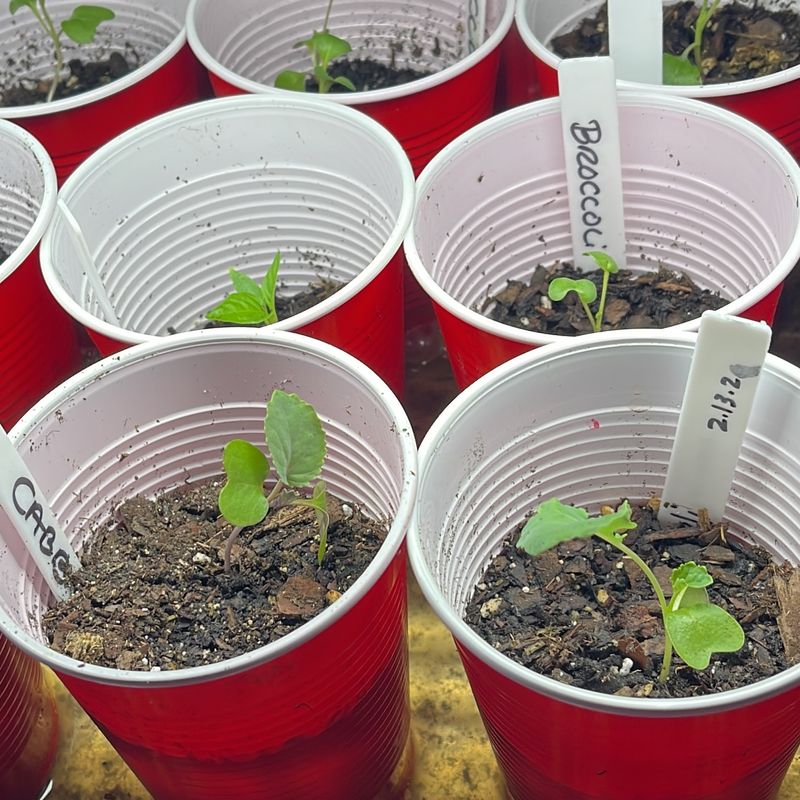
Few vegetables are as satisfying to grow as cabbage, and starting it indoors in Oregon is a game changer. Cabbage is a cool-season powerhouse that thrives in the Pacific Northwest’s mild spring climate.
When you give it an indoor head start, you are essentially buying yourself extra weeks of growing time, which means bigger, denser heads by harvest season.
Sow cabbage seeds about six to eight weeks before your planned transplant date. Use a seed-starting mix in small cells or trays, and water gently to keep the soil evenly moist.
Germination usually happens within a week, and seedlings grow quickly under bright light or a simple grow lamp setup.
One thing Oregon gardeners love about cabbage is how forgiving it can be once established. It handles light frosts well, making it a great candidate for early outdoor planting when the weather cooperates.
When transplanting, space plants about 12 to 18 inches apart in rich, fertile soil amended with compost. Cabbage pairs beautifully with other cool-season crops in the garden and is incredibly versatile in the kitchen.
From coleslaw to stir-fries and fermented kimchi, a healthy cabbage harvest from your Oregon garden will keep your meals interesting all season long.
4. Kale With Its Bold, Leafy Layers
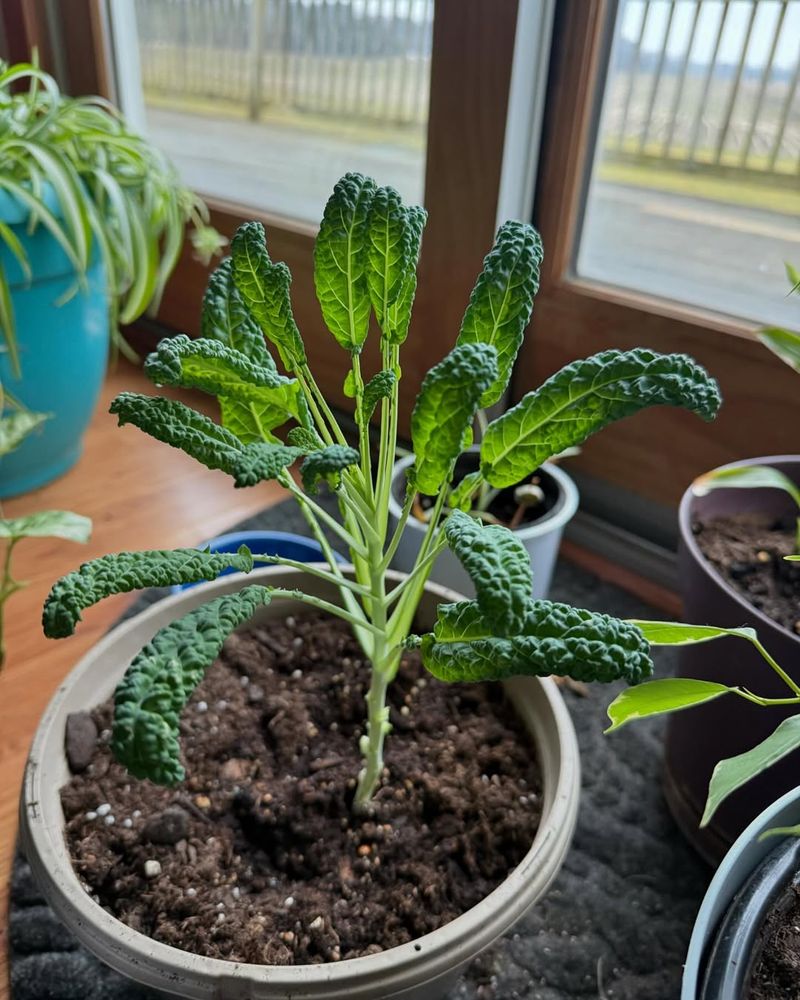
Kale might just be Oregon’s unofficial garden mascot. This leafy green is incredibly hardy, nutritious, and perfectly suited to the state’s cool, damp spring climate.
Starting kale indoors right now gives it a strong foundation before it hits the outdoor garden beds, where it will thrive for months.
Kale seeds are easy to work with. Sow them about a quarter inch deep in seed-starting mix, keep the soil moist, and expect germination within five to seven days.
Place the trays near a bright south-facing window or under a grow light to keep the seedlings from getting leggy and weak.
What makes kale especially great for Oregon gardeners is its ability to handle both cool spring temperatures and light summer heat. Once transplanted outdoors, kale grows vigorously and can be harvested continuously by picking outer leaves as needed.
The plant keeps producing for a long growing season, giving you fresh greens well into fall. Varieties like Lacinato, Red Russian, and Curly Kale all perform wonderfully in Oregon’s climate.
Rich in vitamins A, C, and K, homegrown kale is a nutritional powerhouse that tastes far better fresh from your garden than anything you will find at the grocery store.
5. Tomatoes Bursting With Juicy Flavor
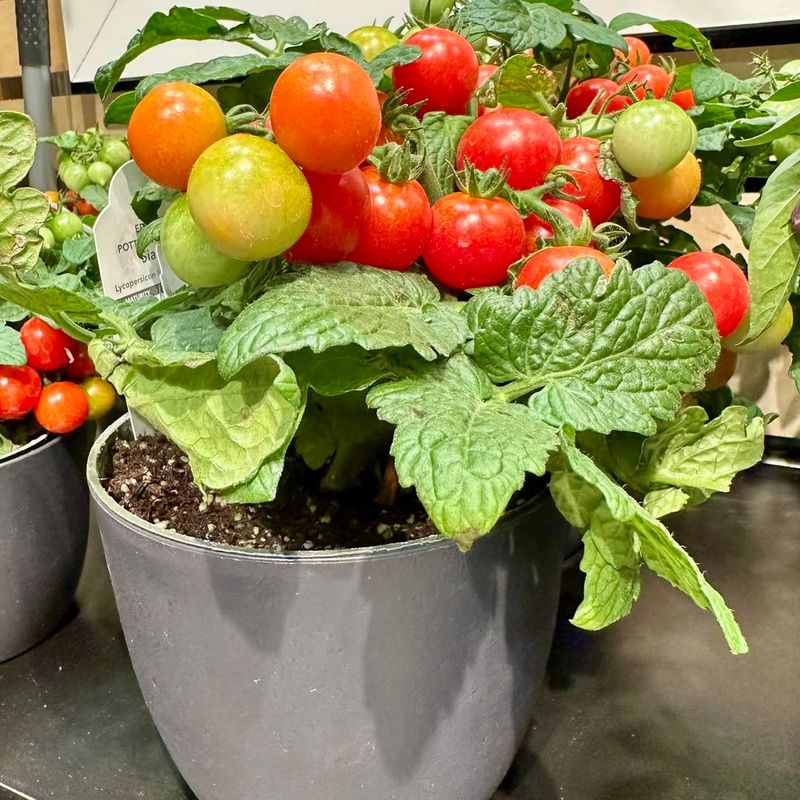
Ask any Oregon gardener what they look forward to most each summer, and chances are tomatoes will be at the top of the list. Warm, juicy, and deeply satisfying to grow, tomatoes need a long growing season to reach their full potential.
Starting them indoors in March gives them the extra weeks they need to thrive in Oregon’s relatively short warm season.
Sow tomato seeds about six to eight weeks before your last frost date, which in much of Oregon falls between late March and mid-May depending on your location. Use a seed-starting mix, plant seeds about a quarter inch deep, and keep the soil warm, ideally around 70 to 80 degrees Fahrenheit, to encourage fast germination.
Good light is critical for tomato seedlings. Without enough light, they become tall and spindly, which makes them harder to transplant successfully.
A south-facing window or a grow light set about two inches above the seedlings works great. Once the weather warms and nighttime temperatures stay above 50 degrees, tomatoes can be moved outdoors.
Oregon gardeners in the Willamette Valley and coastal regions often benefit from this indoor head start, as it can help extend the tomato harvest into early fall when outdoor growing seasons are shorter.
6. Peppers That Bring Heat And Color
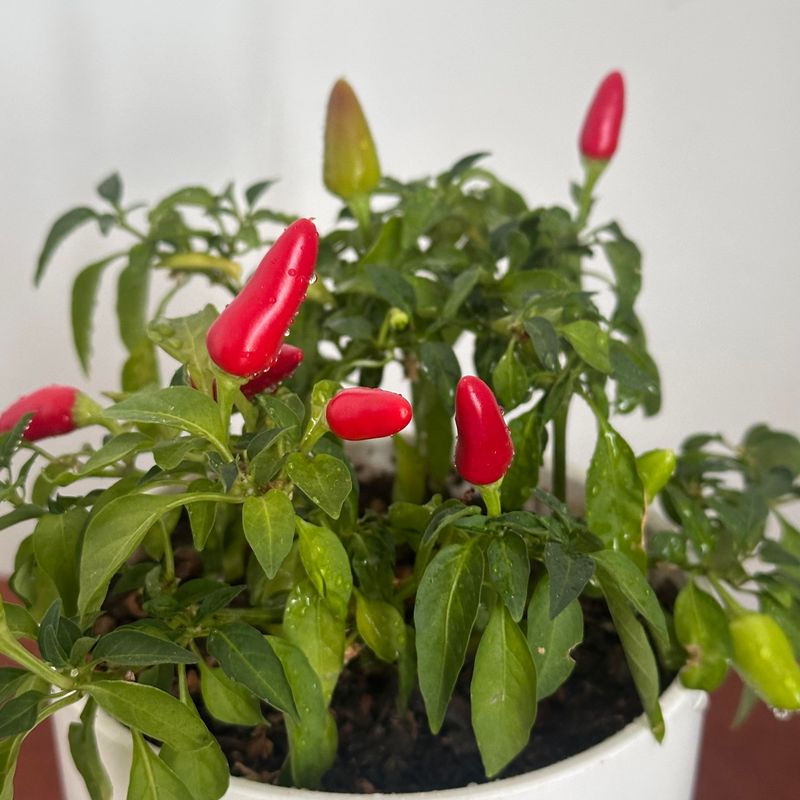
Crops that thrive in a long, warm growing season, peppers benefit greatly from being started indoors early in Oregon. Unlike tomatoes, peppers are slower to germinate and develop, so giving them an eight to ten week indoor head start is not just helpful, it is practically necessary for a successful harvest.
Warmth is the number one requirement for pepper seeds to sprout. Aim for soil temperatures between 75 and 85 degrees Fahrenheit during germination.
A seedling heat mat placed under the trays makes a huge difference and is a worthwhile investment for Oregon gardeners who grow peppers regularly.
Once seedlings emerge and develop their first set of true leaves, move them under bright light to keep growth strong and compact. Peppers can be sensitive to cold, so wait until nighttime temperatures in your Oregon location are consistently above 55 degrees before transplanting outdoors.
Raised beds or dark-colored containers that absorb heat are excellent choices for growing peppers in Oregon’s cooler coastal or valley regions. Whether you prefer sweet bell peppers or spicy varieties, starting them indoors now means you will be enjoying a colorful, flavorful pepper harvest all summer and into fall.
7. Eggplant With Deep Purple Elegance
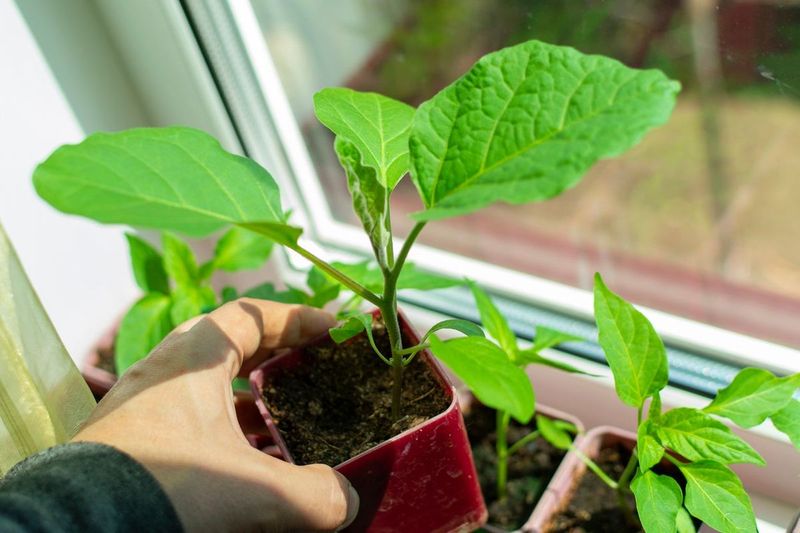
A warm‑season crop that performs well in Oregon, eggplant benefits from being started indoors now to help ensure a productive harvest. Like peppers, eggplant needs a long, warm growing season to produce well.
Starting seeds eight to ten weeks before your last frost date gives plants plenty of time to develop strong roots and sturdy stems before heading outside.
Germination requires warmth, so use a heat mat to keep soil temperatures between 75 and 85 degrees. Eggplant seeds can be slow to sprout, sometimes taking ten to fourteen days, so patience is important.
Once seedlings appear, bright light becomes the priority to prevent them from stretching and becoming weak.
Eggplant thrives in warm, sheltered spots in the Oregon garden. Raised beds work especially well because the soil warms up faster in spring.
Choose a location with full sun and amend the soil with plenty of compost for best results. Varieties like Japanese eggplant or classic Italian types do particularly well in the Pacific Northwest climate.
Roasted, grilled, or layered into a hearty bake, homegrown eggplant from your Oregon garden has a rich, tender flavor that store-bought versions simply cannot match. Starting indoors now sets you up for a truly impressive summer crop.
8. Bok Choy And Its Crisp, Tender Leaves
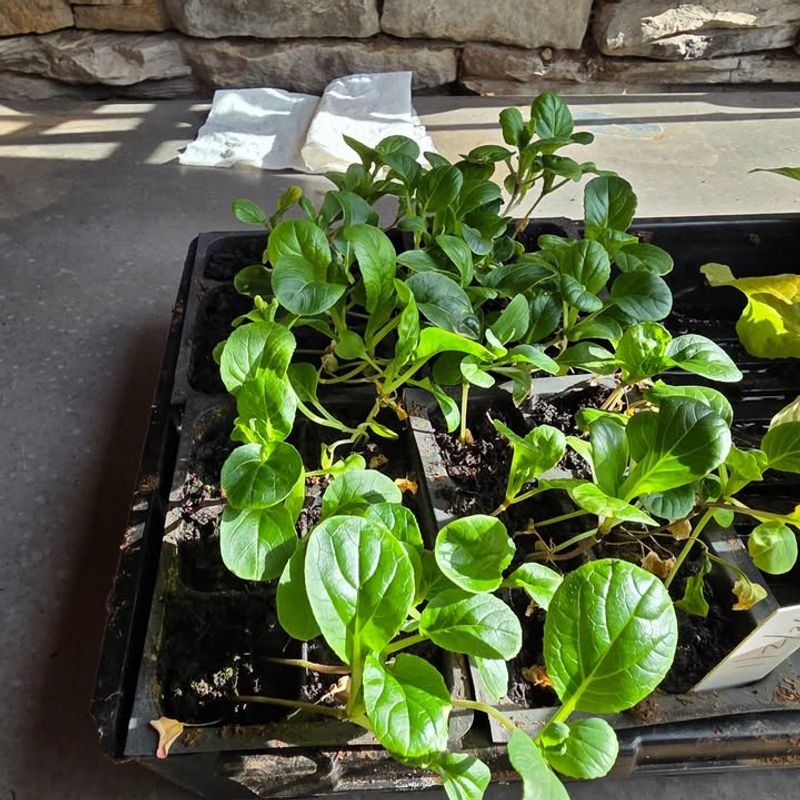
Fast-growing, crisp, and delicious, bok choy fits perfectly into Oregon’s cool spring growing season. Starting it indoors now gives you a jump on the season and lets you transplant healthy seedlings into the garden just as the soil begins to warm up.
It is one of the quickest crops to go from seed to harvest, often ready in just 45 to 60 days.
Plant bok choy seeds about a quarter inch deep in seed-starting mix and keep them moist and warm. Germination is usually quick, happening within four to seven days.
Move the trays to a bright location once sprouts appear, as good light helps the seedlings stay compact and vigorous rather than tall and floppy.
Bok choy prefers cooler temperatures, making it an ideal crop for Oregon’s spring and fall seasons. Transplant seedlings outdoors once they have a few sets of leaves and the outdoor temperatures are mild.
Space plants about six to eight inches apart in well-amended garden beds. Bok choy is a staple in Asian cooking and works beautifully in stir-fries, soups, and salads.
Oregon gardeners who have not tried growing it yet are missing out on one of the most productive and satisfying vegetables you can put in the ground.
9. Banana Peppers With Gentle Sweet Spice
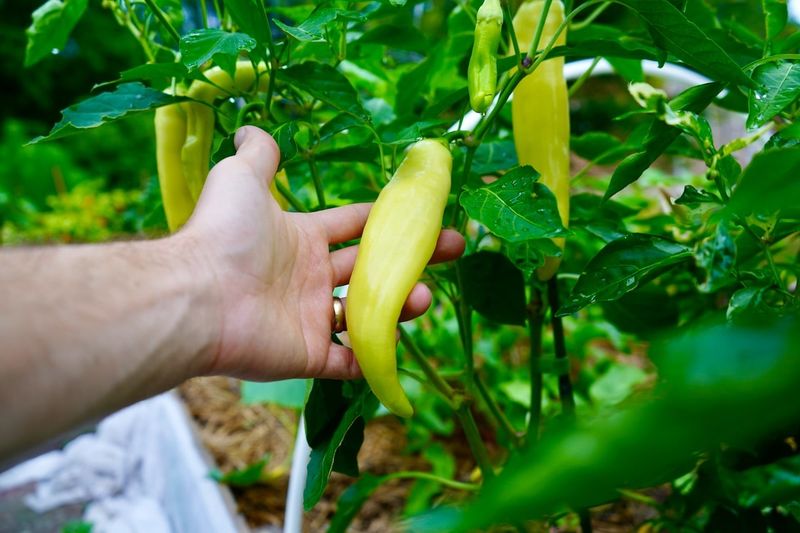
Bright yellow, mildly tangy, and incredibly versatile in the kitchen, banana peppers are a fantastic addition to any Oregon garden. They belong to the same family as bell and hot peppers, which means they share the same need for a long, warm growing season.
Starting banana pepper seeds indoors in March gives them the eight to ten weeks they need to develop before moving outside.
Use a heat mat to maintain soil temperatures around 80 degrees during germination, which typically takes seven to fourteen days. Once seedlings sprout, move them under grow lights or a bright south-facing window.
Consistent light of at least 14 to 16 hours a day keeps the plants stocky and strong rather than stretched and fragile.
Banana peppers are incredibly productive once established, often producing dozens of fruits per plant throughout the summer. They thrive in Oregon’s warmer inland valleys, especially when planted in raised beds or containers that retain heat.
Harvest them when they are pale yellow for a mild flavor, or leave them on the plant longer to develop a sweeter, deeper taste. Pickled banana peppers are a classic pantry staple, and growing your own in Oregon means you will have more than enough to preserve for the entire year ahead.
10. Poblano Peppers Packed With Rich Flavor
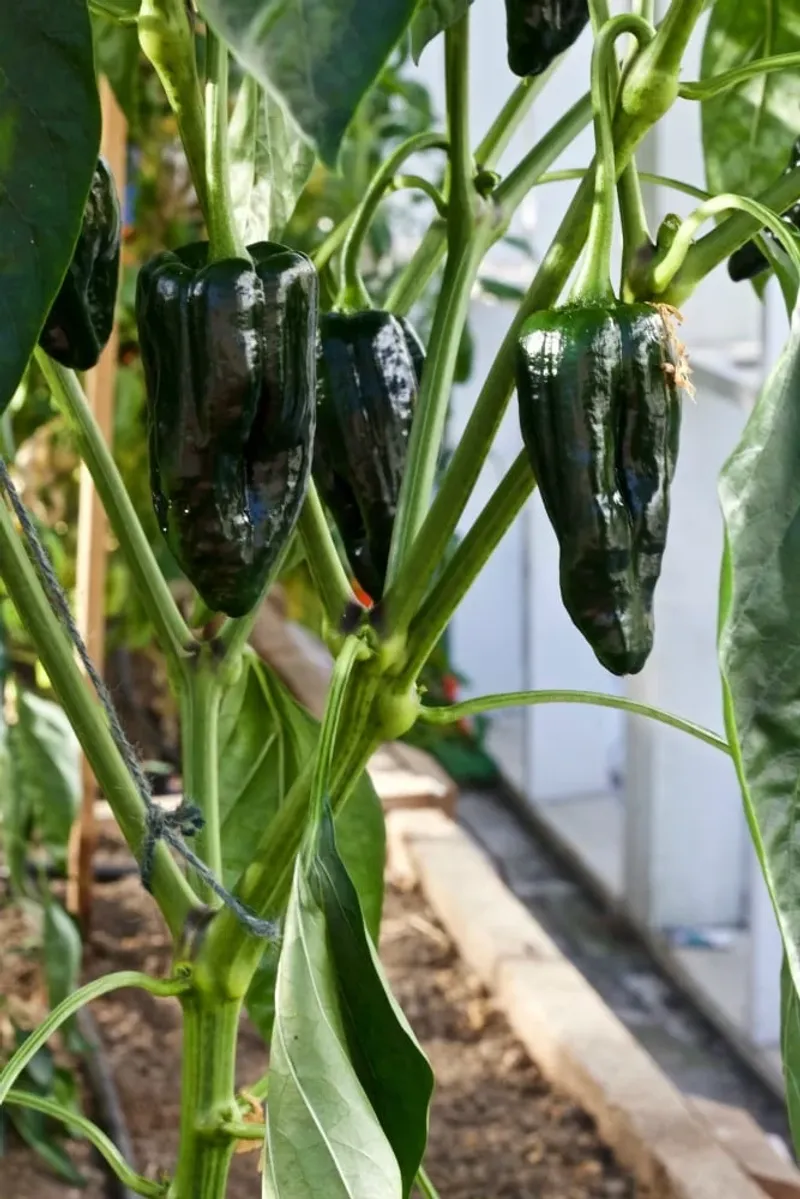
Rich, earthy, and mildly spicy, poblano peppers are a favorite among gardeners who love cooking with fresh ingredients. Starting poblano seeds indoors in Oregon right now is the key to getting a healthy, productive plant come summer.
Poblanos are warm-season vegetables that need a head start of at least eight to ten weeks before being transplanted outdoors.
Germination is best achieved with a heat mat, as poblano seeds prefer soil temperatures between 75 and 85 degrees. Expect sprouting within ten to fourteen days.
Once the seedlings are up and growing, bright light is essential. A grow light set close to the tops of the plants will keep them from stretching toward the nearest window and becoming too leggy to transplant well.
Poblano peppers perform beautifully in Oregon’s warmer inland regions, especially in raised beds with dark soil that absorbs heat throughout the day. They love full sun and regular watering, but do not tolerate waterlogged roots.
Harvest the peppers when they are dark green and firm, or leave them on the plant until they turn red for a sweeter, more complex flavor. Roasted poblanos are incredible in sauces, stuffed dishes, and salsas.
Growing your own in Oregon means fresh, flavorful peppers all summer long without the grocery store markup.