These Spring Garden Trends Don’t Work Well In Oregon
Not every garden idea that looks beautiful online makes sense in an Oregon yard. A lot of spring trends are built around dry weather, quick warmups, and neat little backyard setups that have very little in common with what many Oregon gardeners are actually working with.
Something that looks easy in a photo or short video can lead to soggy roots, slow growth, or a lot more upkeep than expected.
That is especially true in spring, when the excitement of a new season makes it easy to try fresh ideas without thinking much about local conditions. Garden centers are packed, inspiration is everywhere, and plenty of popular trends look tempting at first glance.
The trouble starts later, when the soil stays wet, temperatures swing around, and plants respond very differently than expected.
Some ideas simply do not suit Oregon’s spring pattern. Others create extra work for very little reward.
More than one has become common enough that gardeners repeat it year after year without realizing what it is costing them.
1. Thick Mulch On Wet Soil
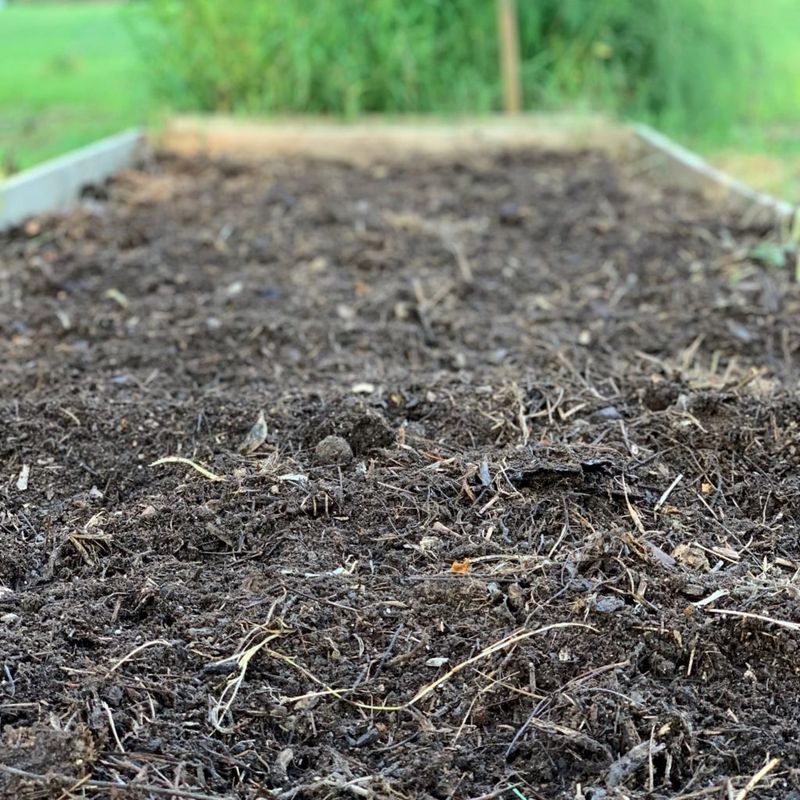
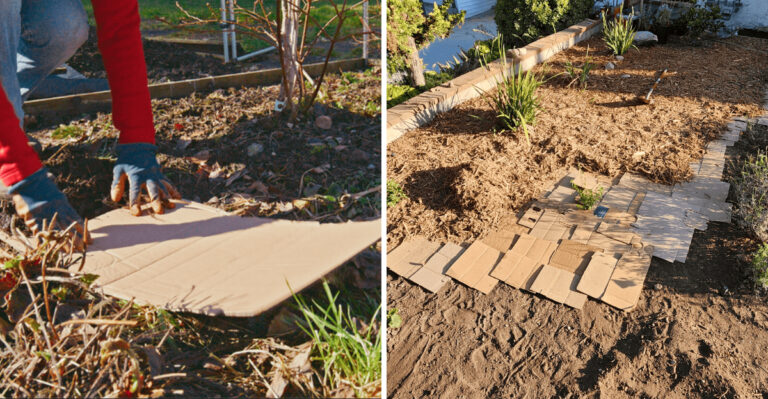
Mulching is one of those gardening habits that sounds great in theory, but in Oregon, piling on thick layers of mulch during spring can actually make things worse. The soil here stays wet for a long time after winter, and covering it with three to four inches of mulch traps even more moisture underneath.
That creates the perfect environment for root rot and fungal disease to take hold before your plants even get a real start.
Many gardeners in the Willamette Valley have learned this lesson the hard way. When wet soil stays covered and cannot breathe, beneficial soil microbes get choked out, and harmful pathogens multiply quickly.
The mulch can also prevent the soil from warming up, which slows down root development during those critical early spring weeks.
A smarter approach for Oregon gardens is to wait until the soil has dried out a bit and started warming before applying any mulch at all. If you do mulch early, keep it thin, no more than one to two inches, and pull it slightly away from plant stems and tree trunks.
Light, airy materials like straw or shredded leaves work better than heavy bark chips in wetter climates. Timing really does matter here, and being patient about mulching can save your plants from a season full of setbacks that are hard to recover from once they begin.
2. Rubber Or Plastic Mulch Around Trees

Walk through any big-box garden center in spring and you will find bags of rubber or plastic mulch stacked up and marketed as the low-maintenance solution to your yard problems. The sales pitch is tempting: it lasts for years, does not blow away, and keeps weeds down.
But around trees, especially in Oregon where rainfall is already heavy, rubber and plastic mulch can cause serious long-term damage that most people do not notice until it is too late.
One of the biggest problems is that these synthetic materials do not break down and add nutrients back to the soil the way organic mulch does. Trees rely on a steady supply of organic matter to feed the beneficial microbes living in the root zone.
Your Oregon Garden Changes Every Week. Your Plan Should Too.
Gardening in Oregon changes quickly throughout the season. Every Friday you’ll receive a simple weekly plan showing exactly what to plant, prune, fertilize, harvest, and protect so you never miss the right timing.
Rubber and plastic cut off that supply completely. On top of that, plastic sheeting prevents rainwater from soaking into the soil naturally, which forces roots to grow in unhealthy patterns near the surface.
Oregon’s mild but consistently wet climate means trees already have to manage a lot of moisture. Trapping heat and blocking airflow with rubber mulch adds unnecessary stress to the root system over time.
Certified arborists in Oregon often recommend removing these materials from around trees entirely and replacing them with two inches of wood chip mulch kept well away from the trunk. Choosing organic options supports the natural ecosystem under your tree and keeps it healthier through every season, not just spring.
3. Deep Raised Beds Filled With Native Soil Or Fill Dirt
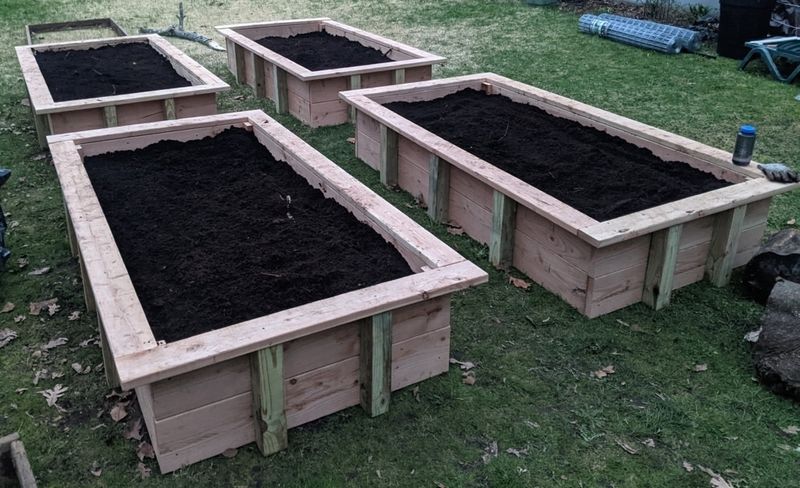
Raised beds have become one of the most popular garden trends across the country, and plenty of Oregon gardeners have jumped on board. The idea makes sense on paper: build up, improve drainage, and control your soil quality.
But a surprisingly common mistake is filling raised beds with poor-quality fill dirt or with heavy native soil that has not been improved for drainage and structure. Both choices can turn your beautiful new raised bed into a soggy, compacted mess within a single growing season.
Oregon’s native soil, especially in the valley areas, tends to be heavy clay. Clay holds water exceptionally well, which sounds useful, but in a raised bed it means the soil stays waterlogged after rain and then bakes into a brick-like layer during dry spells.
Fill dirt is even worse because it often contains subsoil with little to no organic matter, weed seeds, and sometimes construction debris mixed in.
The right approach is to fill raised beds with a well-drained planting mix. A good starting mix often includes topsoil, compost, and materials such as sand, lava rock, or vermiculite, depending on the blend.
Many Oregon gardeners use what is sometimes called a Mel’s Mix or a similar recipe that keeps things light and well-aerated. Deep beds, those taller than twelve inches, especially need quality fill because roots will travel down into whatever material you provide.
Investing in the right soil upfront saves you from replanting and frustration all season long.
4. Reactive Pesticide Spraying Instead Of IPM

Spotting a few holes in your kale leaves or finding some aphids on your roses can trigger an immediate reaction in a lot of gardeners: grab the spray bottle and cover everything. Reactive pesticide spraying feels satisfying in the moment, but it often does more harm than good, especially in Oregon where beneficial insect populations are both diverse and ecologically important.
Spraying at the first sign of trouble wipes out the good bugs along with the bad ones.
Integrated Pest Management, commonly called IPM, is a smarter system that Oregon State University Extension has been promoting for years. Instead of reacting with chemicals right away, IPM asks you to first identify the pest, understand its life cycle, and then choose the least harmful intervention that will actually work.
Sometimes that means doing nothing at all, because natural predators like ladybugs, lacewings, and parasitic wasps will handle the problem on their own within a week or two.
Oregon’s wet spring climate already creates pressure on plants from slugs, root aphids, and fungal issues. Adding broad-spectrum pesticides into that mix can disrupt soil biology and harm pollinators that your garden depends on for fruit and vegetable production.
Practical IPM strategies include row covers, sticky traps, hand-picking pests, encouraging beneficial insects, and only using targeted organic sprays as a last resort. Building your garden around prevention rather than reaction leads to healthier plants and a more balanced ecosystem right in your own Oregon backyard.
5. Adding Too Much Compost To Garden Soil
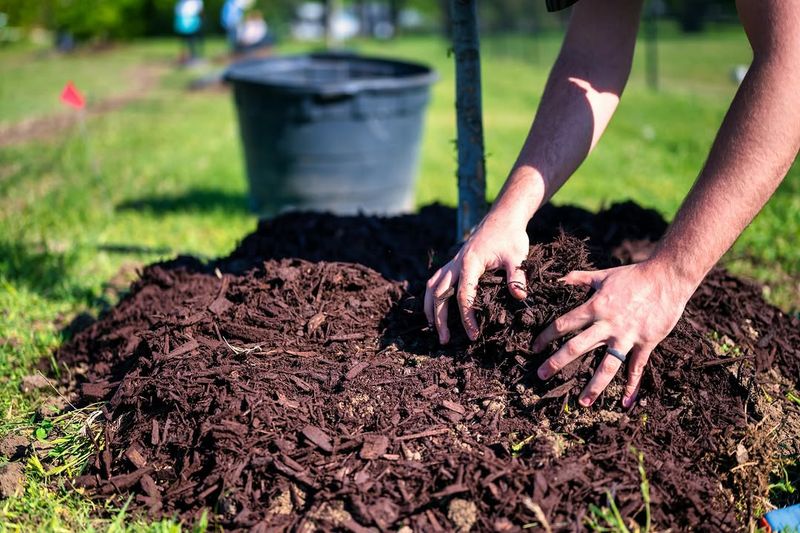
Compost is often called black gold in the gardening world, and for good reason. It improves soil structure, feeds plants, and encourages microbial activity.
But here is something that surprises a lot of Oregon gardeners: you can absolutely have too much of a good thing. Adding large amounts of compost every year, especially in soils that are already fertile, can lead to nutrient imbalances that actually hurt your plants instead of helping them.
Phosphorus is the nutrient most likely to build up to toxic levels when compost is over-applied. Oregon soils, particularly in western parts of the state, are often naturally high in phosphorus already.
When levels get too high, plants struggle to absorb zinc, iron, and other micronutrients even when those nutrients are present in the soil. You might notice yellowing leaves, stunted growth, or poor fruit development and not realize that too much compost is the cause.
Oregon State University Extension recommends getting a soil test done before adding any amendments each spring. A basic soil test costs very little and tells you exactly what your garden needs.
Many established garden beds need only a modest amount of compost, but the right amount depends on a soil test and the compost being used. New beds or sandy soils may need a bit more, but the key is always to add based on what your soil actually lacks rather than following a one-size-fits-all rule.
Smart composting leads to genuinely thriving plants season after season.
6. Dividing Spring-Blooming Perennials In Spring
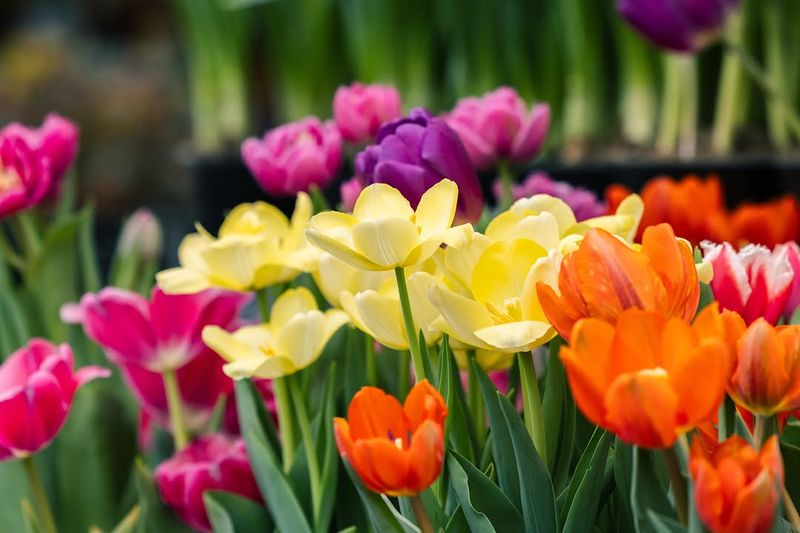
Spring fever hits hard when the weather finally starts to warm up in Oregon. After months of grey skies and rain, the urge to get out and work in the garden is completely understandable.
One popular spring task that gets a lot of attention online is dividing perennials to refresh crowded beds. The problem is that timing matters enormously, and dividing spring-blooming perennials while they are actively flowering is one of the most stressful things you can do to those plants.
Plants like bleeding heart, trillium, tulips, and early-blooming iris are putting all of their energy into producing flowers and seeds during spring. Their root systems are working overtime to support that growth.
Digging them up and splitting them apart during this phase interrupts that energy cycle and can prevent them from blooming properly for one to two full years while they recover. In Oregon’s cool, damp spring soil, divided plants are also more vulnerable to fungal rot before they can re-establish.
The right time to divide most spring bloomers is in late summer or early fall, after the foliage has started to fade and the plant has stored enough energy in its roots to handle the disruption. Ornamental grasses and summer or fall-blooming perennials, on the other hand, can be divided in early spring before active growth begins.
Keeping a simple calendar of your plants and their bloom times helps you plan divisions at the right moment and keeps your Oregon garden looking full and healthy year after year.
7. Planting Warm-Season Vegetables Too Early
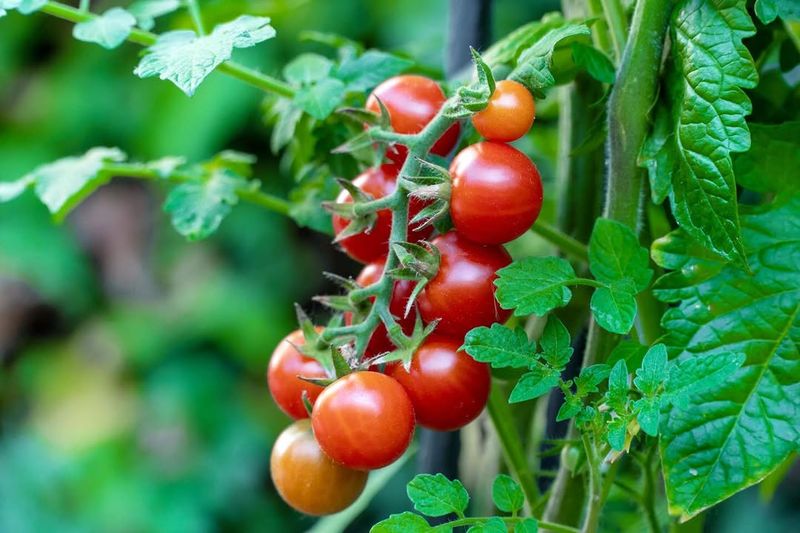
Every spring, the same thing happens at garden centers across Oregon. The moment the sun shows up for a few days in a row, trays of tomatoes, peppers, cucumbers, and squash hit the shelves and gardeners eagerly snap them up.
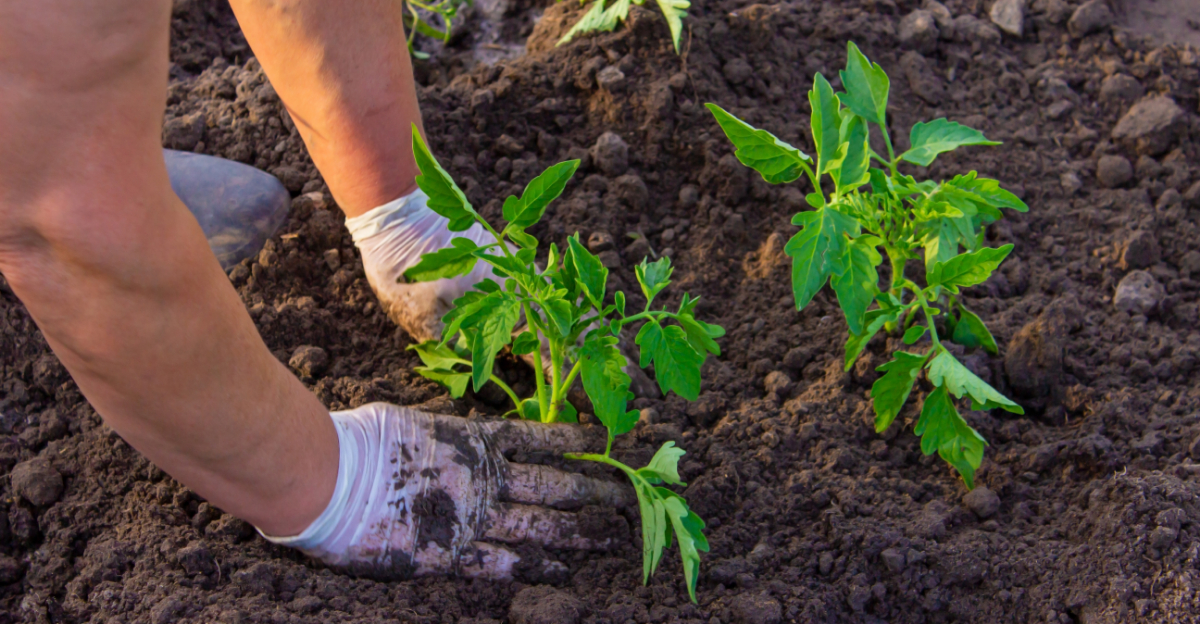
The excitement is real, but planting warm-season vegetables too early in Oregon is one of the most reliable ways to waste money and effort. These crops genuinely need warm soil and stable nighttime temperatures to grow well.
Tomatoes, for example, stop growing almost completely when soil temperatures drop below 55 degrees Fahrenheit. In most parts of western Oregon, soil does not consistently reach that temperature until late May or even early June.
Plants put in the ground too early just sit there, looking pale and stressed, while plants put in at the right time quickly catch up and often outperform the early ones by midsummer. Cold-stressed seedlings are also much more likely to attract aphids and develop root problems.
A simple and inexpensive soil thermometer takes all the guesswork out of timing. Push it into the ground a few inches and check the reading in the morning when the soil is at its coolest.
Wait until you get consistent readings above 60 degrees before putting in heat-loving crops. Using black plastic mulch or a soil warming mat can speed up that process by a week or two if you are eager to get started.
Patience at planting time pays off with a much stronger harvest later in the Oregon growing season.
8. Topping Trees Or Large Shrubs For A Quick Spring Reset
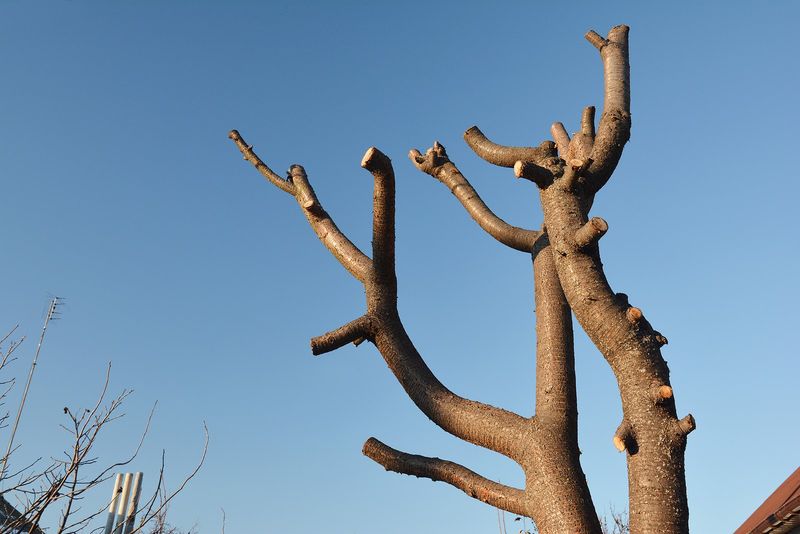
Topping a tree, which means cutting off the main upright branches to drastically reduce its height, has been a controversial practice in arboriculture for decades. Yet every spring, homeowners across Oregon reach for chainsaws and loppers looking to quickly reshape overgrown trees or large shrubs that have gotten out of hand over winter.
The results almost always look terrible immediately and create serious long-term problems that are much harder to fix than the original overgrowth.
When you remove large portions of a tree’s canopy all at once, the tree goes into survival mode. It responds by sending out dozens of fast-growing, weakly attached shoots called water sprouts from every cut point.
These shoots grow back faster than the original branches did, meaning you end up with a denser, more unruly tree within a couple of seasons. The large wounds left by topping cuts are also entry points for decay fungi and wood-boring insects that are common in Oregon’s moist climate.
Certified arborists in Oregon recommend a practice called structural pruning instead, which involves making smaller, strategic cuts over several years to gradually shape a tree without traumatizing it. For large shrubs like forsythia or lilac that have gotten overgrown, renewal pruning works well.
That means removing one-third of the oldest stems at the base each year for three years until the whole plant has been refreshed. Taking a measured, patient approach to pruning keeps Oregon trees and shrubs healthier, safer, and far more attractive for the long haul.