Plants California Gardeners Should Prune Before April
Late March in California is that magical time when gardens wake up from winter dormancy, and every gardener feels the urge to tidy and trim.
Many of us recall forgetting a shrub or cutting too late, losing out on the season’s best blooms.
Pruning now sets the stage for healthy growth and vibrant flowers. From roses to hydrangeas, trimming at the right moment encourages fresh shoots, strengthens plants, and keeps landscapes looking their best.
A little care and timing in these last weeks of winter can make a noticeable difference for spring’s display.
Even a single well-timed snip can spark new growth, and as branches fill out, blooms and fragrance start appearing faster than expected.
Your garden will soon be alive with color and energy, ready to surprise every visitor who steps into your yard this season.
1. Butterfly Bush With Flowers That Attract Pollinators
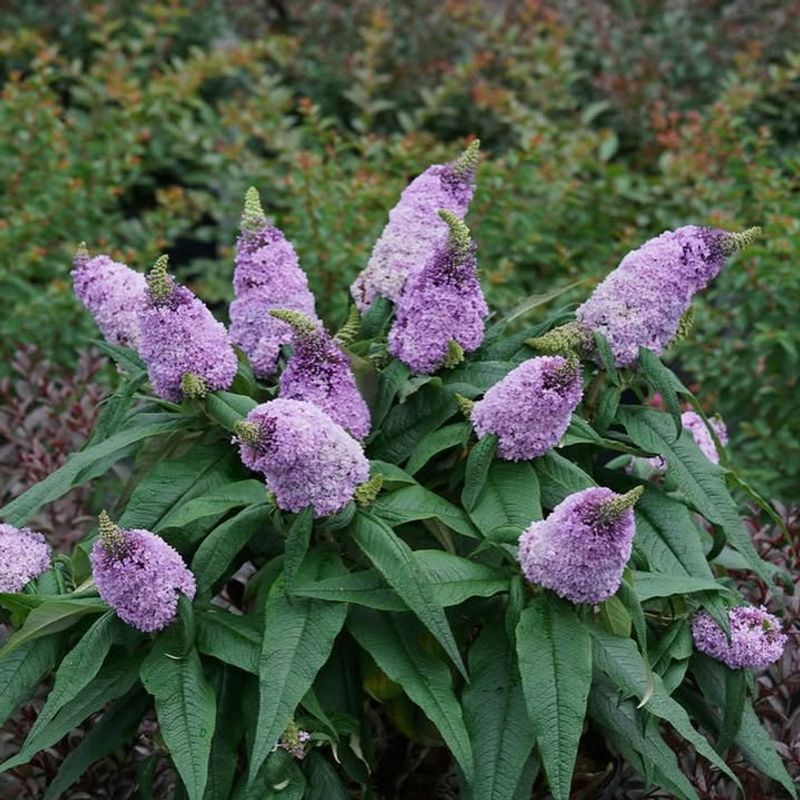
Few plants put on a summer show quite like the Butterfly Bush. Known for its long, cone-shaped flower clusters in shades of purple, pink, and white, this shrub is a magnet for pollinators across California gardens.
But without a good pruning before April, it can grow tall and scraggly, producing fewer blooms and taking over more space than you planned for.
The good news is that the Butterfly Bush is incredibly forgiving when it comes to pruning. Cut it back hard, down to about 12 to 18 inches from the ground, before new growth really gets going.
This might feel drastic at first, but trust the process because the plant will bounce back quickly and reward you with thicker stems and more vibrant flower spikes by summer.
Always use sharp, clean pruning shears when cutting back woody shrubs like this one. Dirty or dull blades can introduce disease and make ragged cuts that take longer to heal.
After pruning, clear away any debris around the base of the plant to improve airflow and reduce the chance of fungal issues. In California, where temperatures can warm up fast, giving your Butterfly Bush this early-season reset helps it stay compact and productive.
Gardeners in warmer inland regions, like the Central Valley, may find their plants ready to prune a little earlier than those closer to the cooler coast. Either way, getting it done before April is the sweet spot for the best results.
2. Panicle Hydrangea And Its Towering Bloom Clusters
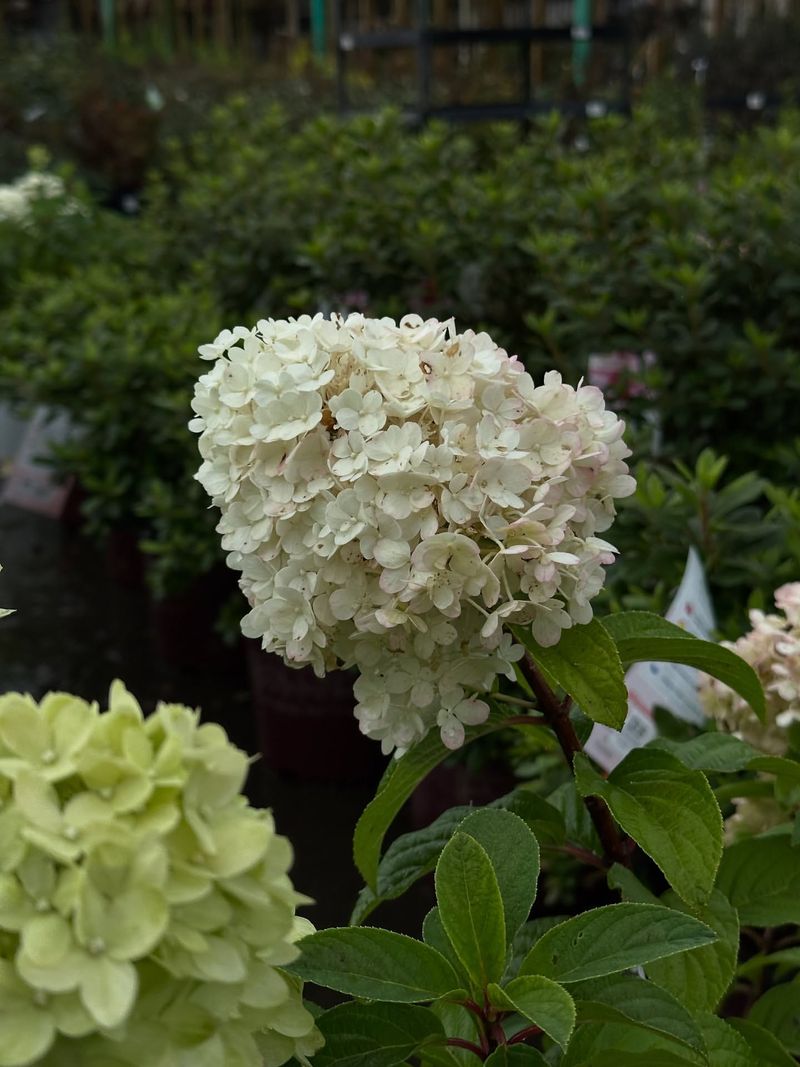
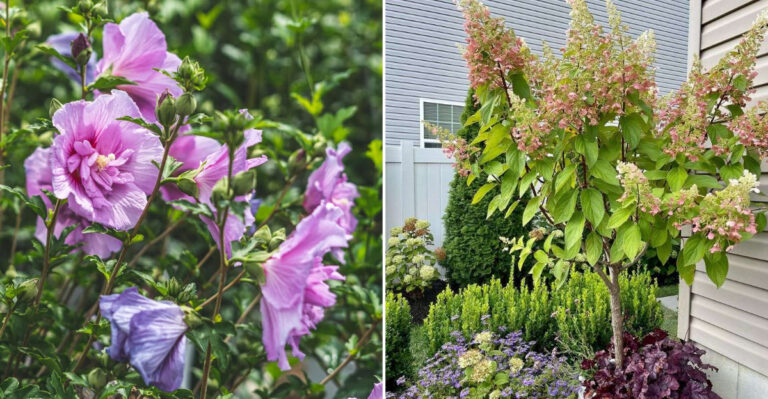
Sometimes called PG Hydrangeas, panicle hydrangeas are one of the most rewarding shrubs to grow in a California garden. Unlike their mophead cousins, these hydrangeas bloom on new wood, which means pruning them in late winter or early spring actually encourages a bigger, better flower display later in the season.
If you skip the prune, the plant can become top-heavy with weak stems that struggle to hold up those signature cone-shaped blooms.
Before April is the perfect window to get in there and clean things up. Aim to remove about one-third of the oldest, thickest stems right at the base.
Then trim back the remaining branches to a healthy pair of buds, which helps redirect the plant’s energy into producing strong new shoots. You do not need to be too precise here since Panicle Hydrangeas are tough and bounce back well even from an aggressive cut.
Your California Garden Changes Every Week. Your Plan Should Too.
Gardening in California changes quickly throughout the season. Every Friday you’ll receive a simple weekly plan showing exactly what to plant, prune, fertilize, harvest, and protect so you never miss the right timing.
One thing many California gardeners do not realize is that the dried flower heads from last season can actually be left on the plant through winter to add visual interest and offer some light frost protection. But once you are ready to prune before April, go ahead and remove those old heads along with any crossing branches.
In regions like Northern California where winters are cooler, wait until you see the buds starting to swell before making your cuts. Sharp tools and a little patience will set your Panicle Hydrangea up for a spectacular summer performance.
3. Smooth Hydrangea With Snowball-Style Blooms
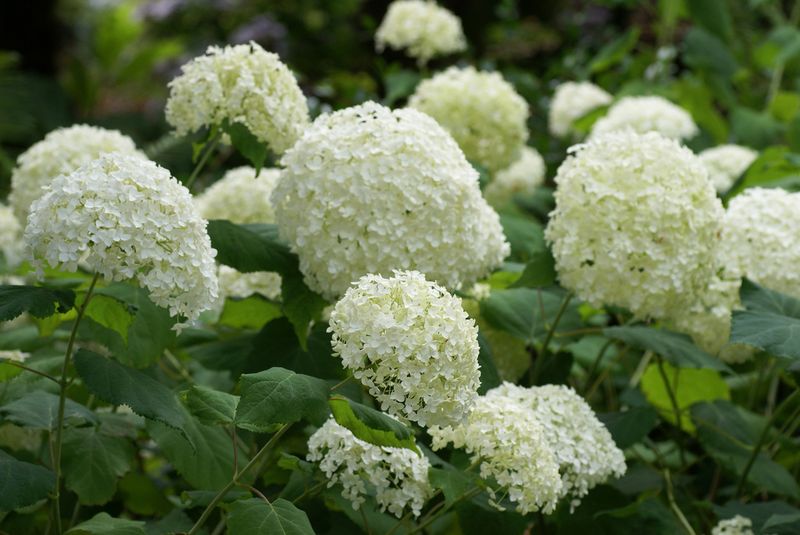
Best known by the popular variety Annabelle, smooth hydrangeas produce enormous white snowball-like blooms that are absolutely stunning in any California garden. What makes this hydrangea special is that it also blooms on new wood, which means a good hard prune before April is not just okay, it is actually encouraged.
Skipping this step often leads to a weaker plant with smaller flower heads and floppy stems that cannot support the weight of the blooms.
Cut Smooth Hydrangeas back to about 12 to 18 inches from the ground before new growth begins. Some experienced gardeners even cut them all the way down to 6 inches, and the plants still come roaring back with impressive vigor.
The key is to make clean cuts just above a healthy bud node, so the plant knows exactly where to focus its energy as spring warms up across California.
After pruning, consider adding a layer of compost or a slow-release fertilizer around the base of the plant. Smooth Hydrangeas are hungry feeders and respond beautifully to a nutritional boost right after their early spring trim.
In Southern California, where the growing season starts earlier, you may notice new shoots emerging as soon as late February, which is your signal that pruning time has arrived. Keep an eye on the weather, and avoid pruning right before an unexpected cold snap.
With just a little attention before April, your Smooth Hydrangea will reward you with a jaw-dropping bloom show from midsummer all the way through fall.
4. Roses That Fill The Garden With Fragrance
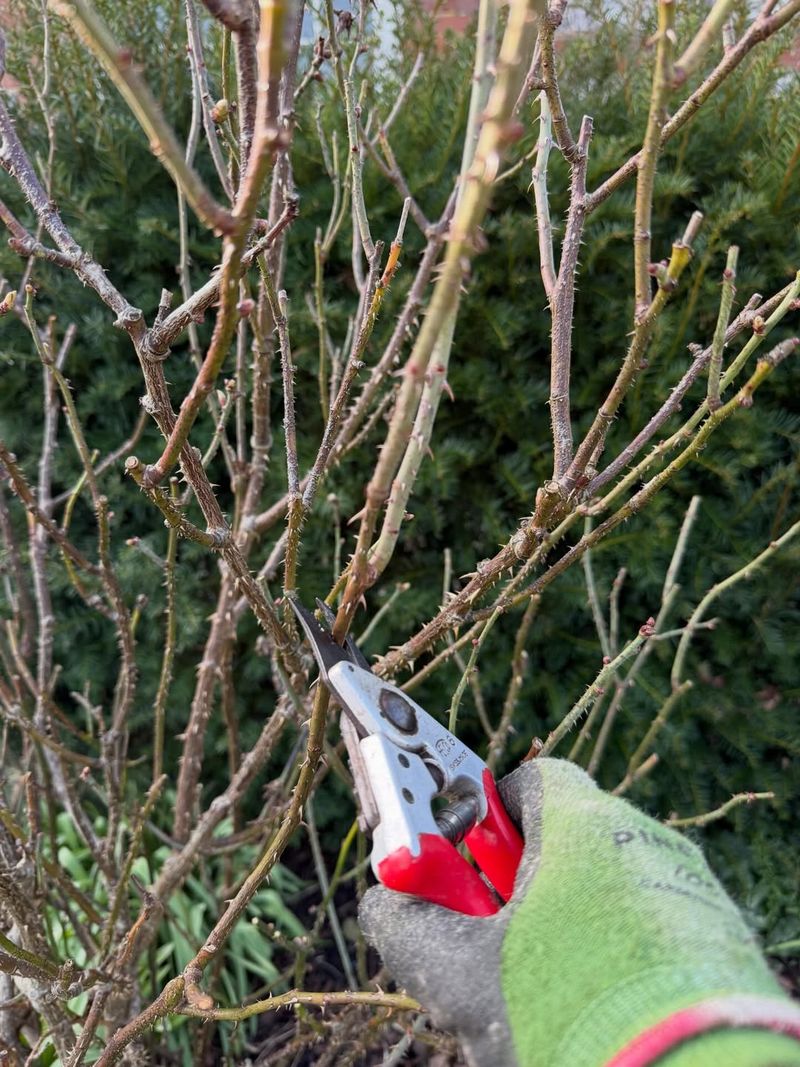
Ask any experienced California gardener what their most important spring task is, and roses will almost certainly come up. Pruning roses before April is one of those non-negotiable garden rituals that separates a good bloom season from a truly great one.
Whether you are growing hybrid teas in a Los Angeles backyard or climbing roses along a Northern California fence, getting your timing right makes all the difference.
The goal when pruning roses is to remove any damaged or crossing canes first. After that, cut the remaining healthy stems back to leave about three to five outward-facing buds.
This opens up the center of the plant to better airflow and sunlight, which helps reduce the risk of disease like black spot and powdery mildew. Make each cut at a 45-degree angle about a quarter inch above a bud, slanting away from it so water runs off rather than pooling on the cut.
A helpful trick many California rose growers swear by is to watch the forsythia. When forsythia blooms, it is generally safe to start pruning roses in your area.
Always sanitize your pruning tools between plants using a diluted bleach solution or rubbing alcohol to avoid spreading any lingering pathogens. After pruning, clean up all fallen leaves and clippings from around the base of the plant.
Roses are heavy feeders, so following up with a balanced rose fertilizer after pruning will give them the nutritional push they need to produce those gorgeous, fragrant blooms all season long.
5. Russian Sage With Clouds Of Lavender-Blue Flowers
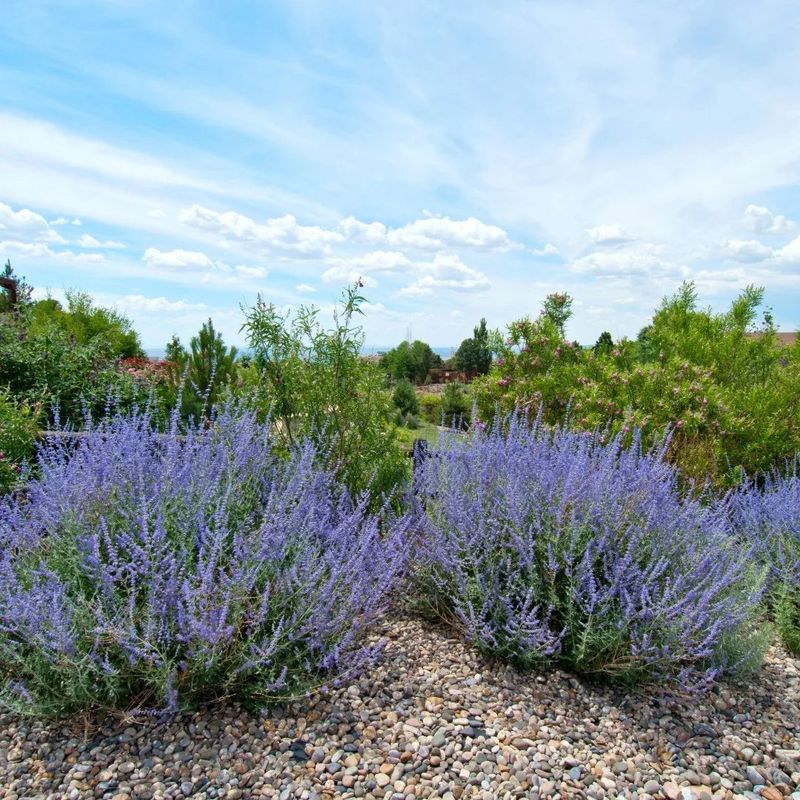
Loved by California gardeners for its drought tolerance, Russian sage creates a spectacular cloud of lavender-blue flowers that lasts well into fall. But by late winter, those tall, wispy stems from last season look pretty tired and worn out.
That is your cue to grab the pruning shears and give this tough perennial a serious reset before April rolls around.
Cut Russian Sage back to about 6 to 12 inches above the ground, leaving a short woody framework of stems. Do not worry about cutting too low because this plant is remarkably resilient and will push out fresh, fragrant new growth very quickly once the weather starts warming up.
In fact, skipping this step and leaving the old growth in place can actually slow down the plant and result in a messier, less productive shrub throughout the year.
One thing worth knowing about Russian Sage is that it has a deep, woody root system that makes it extremely well-suited to California’s dry summers. After pruning, you really do not need to do much else.
A light top dressing of compost around the base is helpful but not required. This plant thrives in full sun and well-drained soil, making it a natural fit for gardens across California’s hot inland valleys and coastal regions alike.
By pruning before April, you are setting the stage for those signature silvery stems and fragrant violet blooms that make Russian Sage such a standout from midsummer through early autumn.
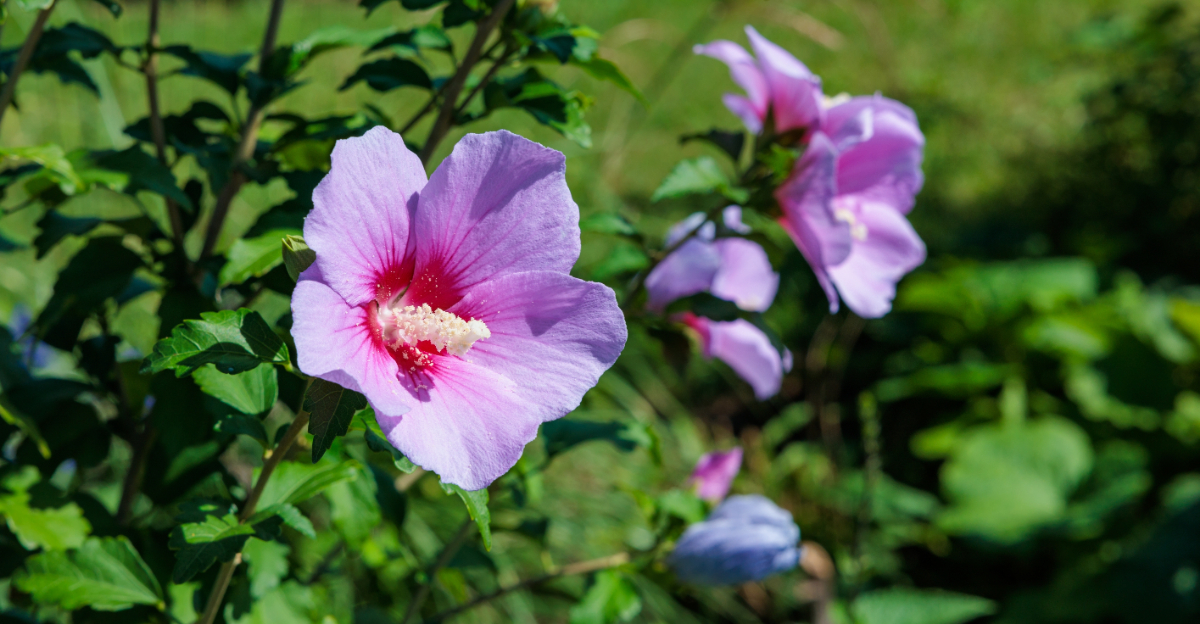
6. Rose Of Sharon That Brings Classic Charm
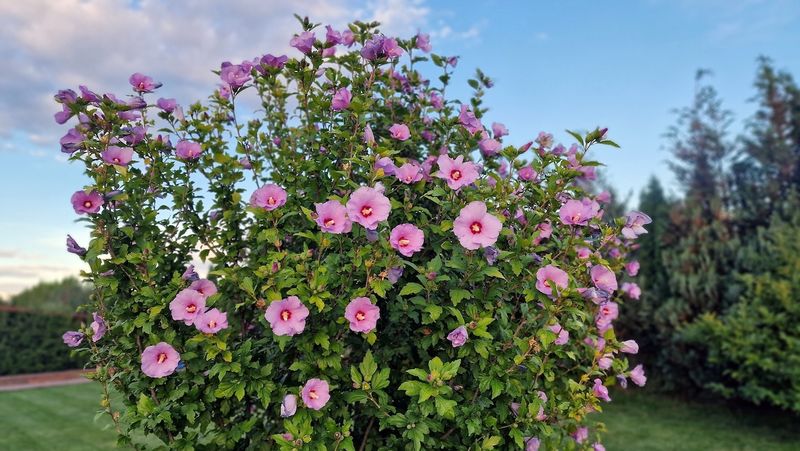
An old-fashioned shrub that never really goes out of style, Rose of Sharon remains a favorite in many gardens. With its hibiscus-like flowers in shades of white, pink, purple, and lavender, it brings a tropical feel to California gardens without demanding a lot of fuss.
Pruning it before April keeps it from getting out of hand and ensures you get the best possible flower show when summer arrives.
A light to moderate pruning is all that is needed for Rose of Sharon. Focus on removing any weak stems from the previous year, and then trim back the remaining branches by about one-third.
If your shrub has gotten quite large over the years, now is also a good time to do some more aggressive reshaping. Because it blooms on new wood, you do not have to worry about accidentally removing this season’s flower buds when you prune before growth begins.
Some gardeners report that Rose of Sharon can produce volunteer seedlings in favorable conditions, so monitoring young plants in your beds can help manage unwanted seedlings. Deadheading spent blooms during the growing season helps manage this, but getting in a good prune before April reduces some of that energy going toward seed production later on.
In California’s warmer climates, like the San Fernando Valley or the Inland Empire, Rose of Sharon tends to leaf out earlier than in cooler northern regions, so keep an eye on your plant and prune just before those first buds start to break.
7. Catmint With Its Resilient Purple Blossoms
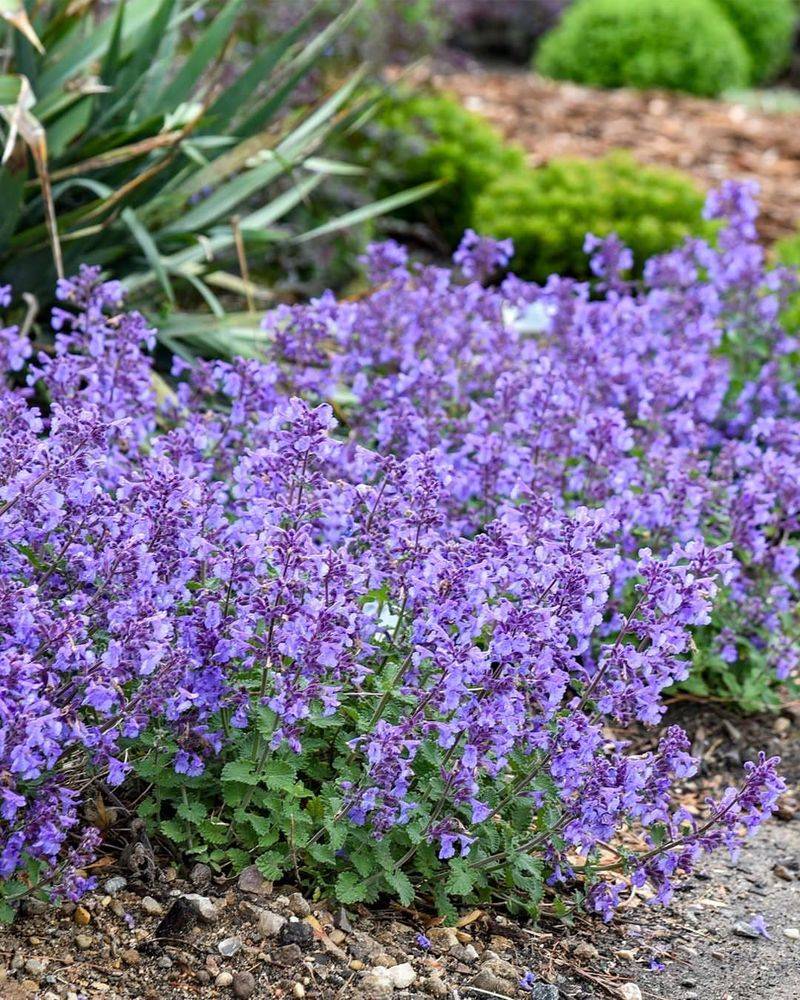
Catmint is a California garden superstar that does not always get the credit it deserves. This low-growing, fragrant perennial produces waves of soft lavender-blue flowers that spill over garden edges from late spring through summer, and pollinators absolutely cannot get enough of it.
But like many perennials, it benefits enormously from a good cut-back before April to look its best and perform at its peak.
By late winter, catmint usually looks a bit rough, with faded, tangled stems left over from the previous season. Cut the whole plant back to just a few inches above the ground, essentially leaving behind a low, tidy mound of fresh growth.
This hard reset encourages the plant to push out dense new foliage and produce a much more impressive flush of flowers than it would if left unpruned. Sharp scissors or small hand pruners work perfectly for this job.
After the first big bloom in late spring, you can shear catmint back by about half to encourage a second wave of flowers later in summer. This technique is popular among California gardeners who want continuous color without constantly replanting.
Catmint is wonderfully drought-tolerant once established, making it a smart choice for water-conscious gardeners throughout the state. It thrives in full sun and well-drained soil, and it pairs beautifully with roses, lavender, and ornamental grasses.
Getting that pre-April prune in sets up your catmint for a long, productive season that will keep your garden buzzing with bees and butterflies from spring right through to fall.
8. Lantana With Bright, Summer-Long Colors
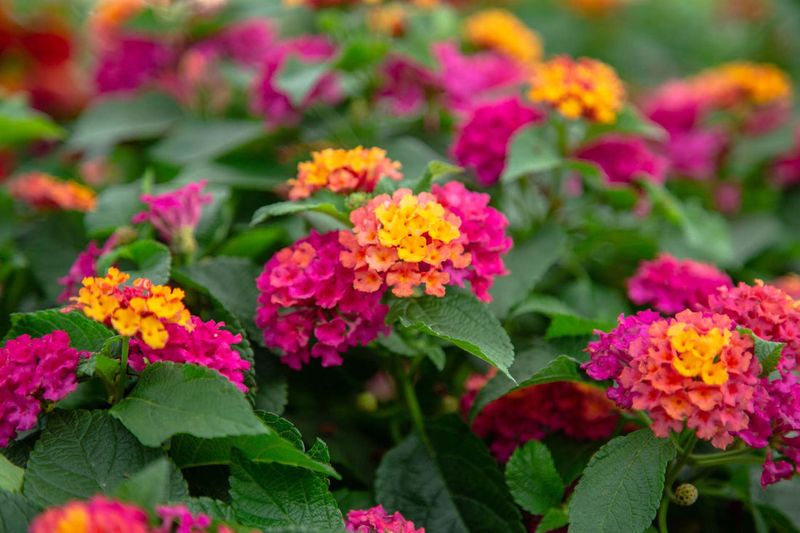
Walk through any sunny California neighborhood in summer and you are almost guaranteed to spot Lantana spilling over fences, cascading down slopes, or brightening up container plantings with its bold clusters of orange, yellow, red, and pink flowers. It is one of the toughest, most heat-tolerant plants you can grow in the state, but even Lantana benefits from a proper prune before April to stay looking sharp and producing blooms all season long.
Over winter, Lantana can become woody, straggly, and cluttered with stems that drag down the overall appearance of the plant. Before new growth kicks in, cut it back by about one-half to two-thirds of its total size.
In warmer parts of California, like San Diego or the Coachella Valley, where Lantana may stay semi-evergreen through the winter months, a more moderate trim is usually enough. In cooler inland areas, you may find the plant has died back further and needs a harder cut to clear away the old wood.
Lantana is not particularly fussy about soil or fertilizer, but it does appreciate good drainage and plenty of direct sunlight. After pruning, you can work a light application of balanced fertilizer into the soil around the base to give the plant an early boost.
One important note for California gardeners is that Lantana camara is listed by the California Invasive Plant Council as a species that can spread in parts of the state, and you may want to consult local extension guidance before adding it to your garden. Pruning established plants regularly before April helps manage their spread and keeps them looking intentional rather than wild.