California Native Trees You’ll Almost Never Find At A Nursery
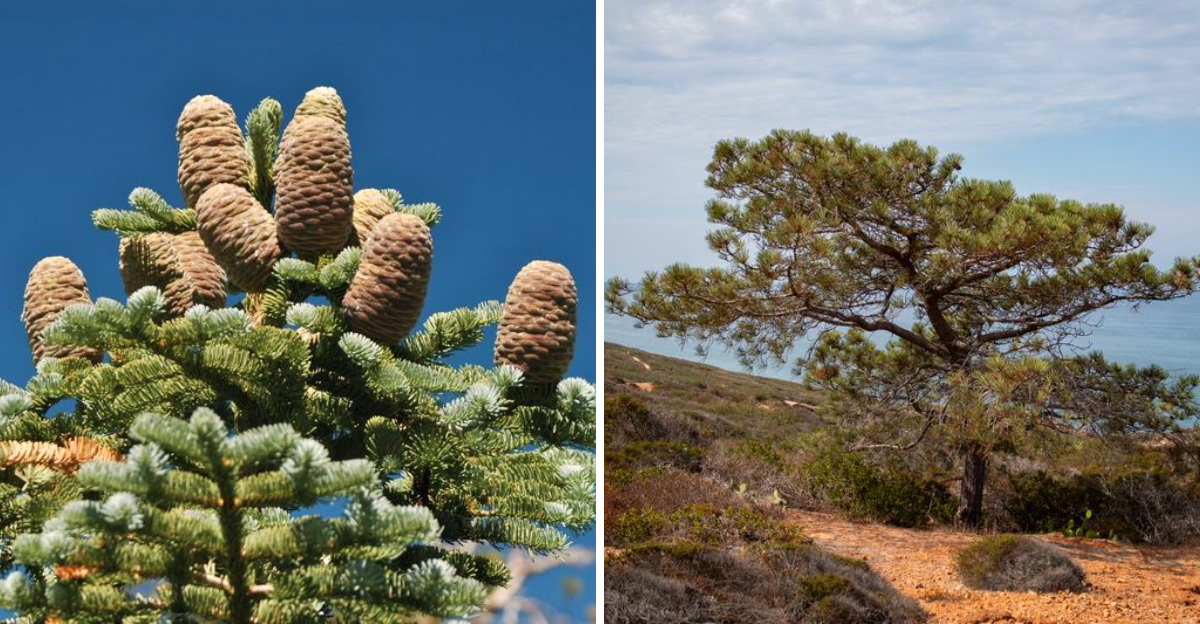
California has no shortage of famous native trees, but the nursery bench tells a much smaller story.
Walk into an average garden center and you will probably spot the usual familiar names, then realize the truly unusual California natives are nowhere in sight.
It is a little disappointing, and a little maddening, especially after falling in love with some rare beauty in a plant book. That is part of what makes these trees so interesting.
They are not the natives everyone talks about on repeat. They are the harder-to-find ones, the quiet standouts, the trees that make plant-loving Californians start plotting a visit to a specialty nursery or native plant sale.
Some are slow to propagate, some have very specific growing needs, and some simply do not get enough retail attention.
Whatever the reason, these hidden gems can feel like a real prize once you finally track one down.
1. Bigcone Douglas-Fir Is Rare In Nurseries
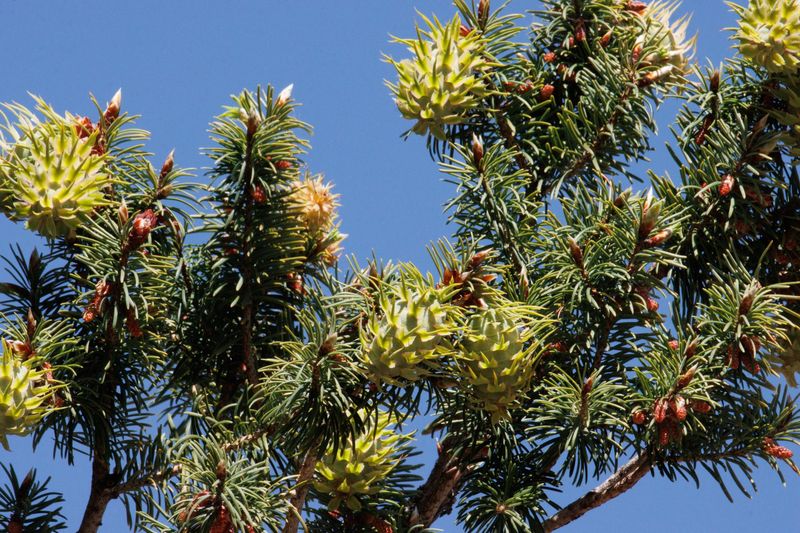
Walk into almost any Southern California nursery looking for Bigcone Douglas-Fir, and you will likely find an empty bench where it should be.
This impressive conifer, known scientifically as Pseudotsuga macrocarpa, is native to the mountains of Southern California, growing naturally in the San Gabriel, San Bernardino, and Cuyamaca ranges at elevations that bring both summer heat and winter cold.
What makes this tree so memorable is the size of its cones. At up to six inches long, they are the largest cones produced by any Douglas-Fir species in the world, which makes finding one in the wild feel like a genuine discovery.
The tree itself can reach impressive heights over many decades, with a rugged, drought-adapted form that suits dry mountain slopes and chaparral-adjacent landscapes.
So why is it so hard to find for sale? Propagation can be slow and inconsistent, and the tree has a fairly narrow native range that limits how well it is known outside of Southern California botany circles.
Retail nurseries tend to stock trees with broader appeal and faster turnover, which leaves Bigcone Douglas-Fir off the list at most standard garden centers.
Gardeners with a larger property in a foothill or mountain setting may find this tree a worthwhile pursuit. Checking with native plant nurseries, CNPS chapter sales, or specialty conifer growers in Southern California gives you the best chance of tracking one down.
Patience is part of the process with this rare and rewarding native.
2. California Red Fir Is Almost Never Sold
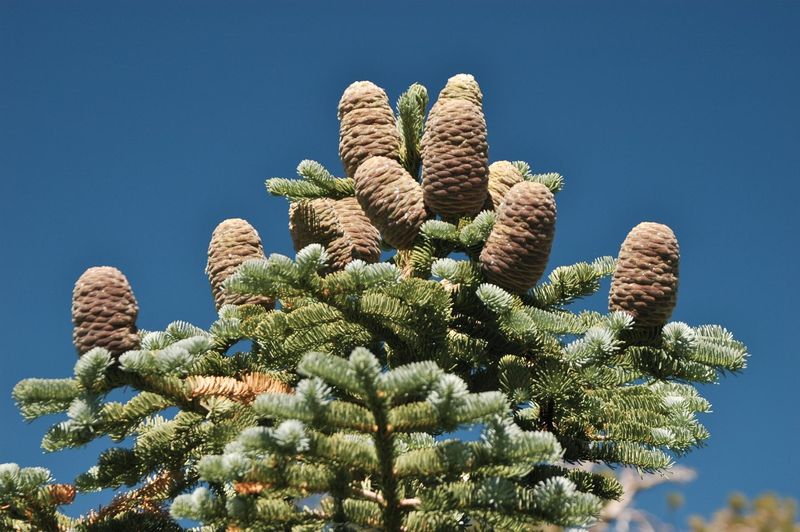
Few California conifers look as stately as the California Red Fir, yet finding one at a retail nursery is close to impossible for most gardeners.
Native to the high Sierra Nevada and the Cascade Range, this tree, known scientifically as Abies magnifica, thrives at elevations between roughly 5,000 and 9,000 feet where winters are long, cold, and snowy.
The bark alone sets it apart. Mature trees develop thick, deeply furrowed reddish-brown bark that gives the species its common name and makes older specimens look almost prehistoric in a forest setting.
Your California Garden Changes Every Week. Your Plan Should Too.
Gardening in California changes quickly throughout the season. Every Friday you’ll receive a simple weekly plan showing exactly what to plant, prune, fertilize, harvest, and protect so you never miss the right timing.
The foliage is a cool blue-green, and the upright cones can reach several inches in length, sitting like candles along the upper branches.
The reason it barely shows up in nurseries comes down to climate requirements. California Red Fir needs cold winters and cool summers to thrive, making it unsuitable for most low-elevation home gardens across the state.
Nurseries serving general audiences have little reason to stock a tree that would struggle in a typical backyard in Sacramento or Los Angeles.
For gardeners in high-elevation communities near the Sierra Nevada or southern Cascades, however, this tree can be a genuinely beautiful addition to a mountain property.
Specialty native plant nurseries and some conifer collectors occasionally offer seedlings, and regional CNPS plant sales in mountain communities sometimes carry it.
If your property sits at the right elevation, the search is well worth it for such a magnificent California native.
3. Santa Cruz Cypress Is Hard To Find
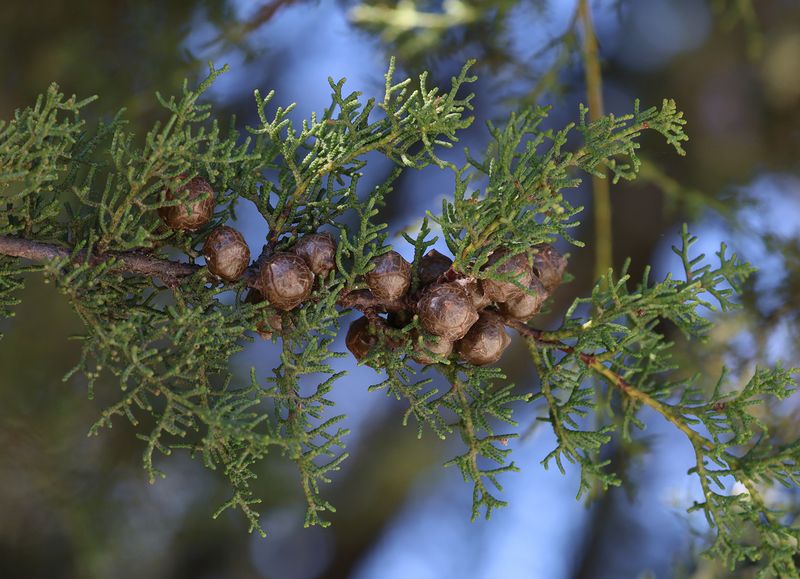
There is something quietly special about a tree that grows naturally in only one small corner of the world, and Santa Cruz Cypress fits that description precisely.
Cupressus abramsiana, now often listed as Hesperocyparis abramsiana, is native to just a few scattered populations in Santa Cruz County, making it one of the rarest cypresses in California and one of the least likely trees you will ever spot for sale at a standard garden center.
The tree has a naturally open, somewhat irregular form with grayish-green to blue-green foliage that gives it a soft, textured appearance.
It tends to grow at a moderate pace and can develop into a handsome specimen over time in the right conditions.
Like many California cypresses, it is adapted to dry summers and prefers well-drained soils with good air circulation.
Its rarity in the wild directly contributes to its rarity in nurseries. Limited seed sources, conservation concerns, and low public awareness all play a role in keeping this cypress off most nursery benches.
Many California gardeners have read about it in native plant guides without ever seeing it offered for sale locally.
Specialty native plant nurseries in the Central Coast region occasionally carry it, and some CNPS chapter sales in Santa Cruz and Santa Clara counties may have limited quantities from time to time.
Gardeners interested in rare California endemics or conservation-focused planting will find this cypress a compelling and meaningful addition to a native garden.
Tracking it down takes effort, but the reward is worth it.
4. Baker’s Cypress Is Rarely Offered
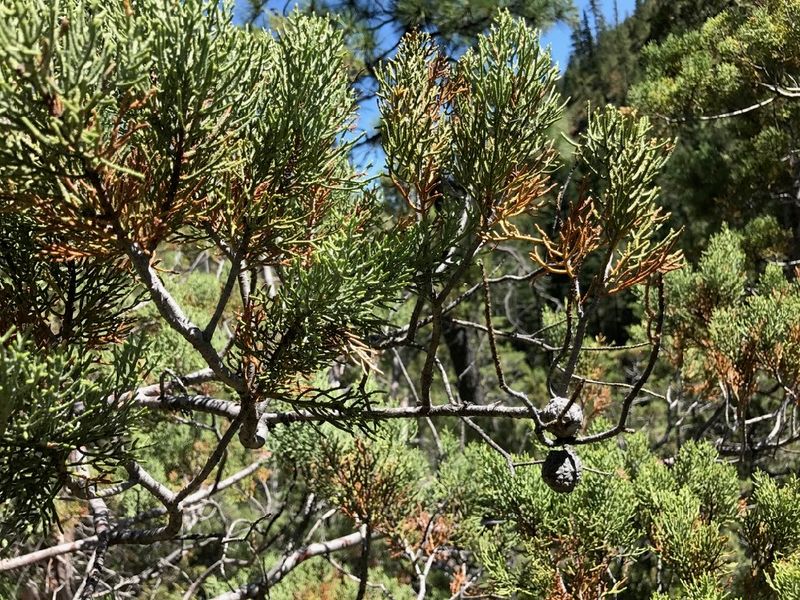
Spotted at a native plant sale in far Northern California, Baker’s Cypress tends to stop people in their tracks because so few gardeners have ever seen one outside of a botanical illustration.
Cupressus bakeri, also known as Hesperocyparis bakeri, is native to scattered locations in Siskiyou, Modoc, and Shasta counties, growing on dry, often serpentine or volcanic soils at mid to higher elevations where few other trees compete.
The foliage is a distinctive grayish-green with a somewhat glaucous quality, and the small round cones are typical of the California cypress group. The tree tends to grow at a slow to moderate pace and develops a naturally dense, upright to broadly conical form over time.
In the right setting, it can be a striking specimen with real character.
Availability is extremely limited because the tree has a narrow native range, relatively low public name recognition, and specific soil and climate preferences that make it less versatile than more commonly sold conifers.
Most retail nurseries in California have no inventory of it at all, and even specialty native plant growers may only carry it occasionally or in small quantities.
Gardeners in Northern California with rocky, well-drained soils and dry summer conditions may find Baker’s Cypress worth the search. Some specialty conifer nurseries and native plant societies in the northern part of the state occasionally offer seedlings or young trees.
Checking with CNPS chapters in Siskiyou and Shasta counties is a practical starting point for anyone serious about adding this rare California native to their landscape.
5. Torrey Pine Is Harder To Find Than Expected
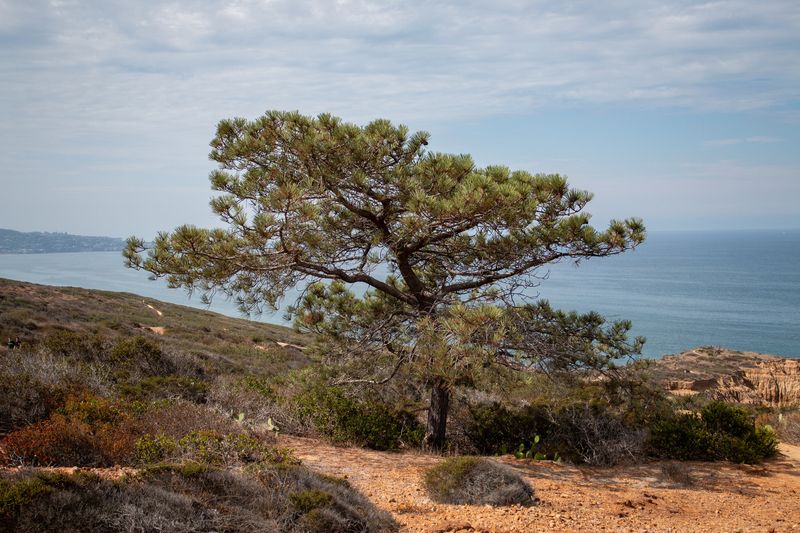
Given how famous Torrey Pine is as one of the rarest native pines in the United States, you might expect to find it at every California garden center. The reality is quite different.
Pinus torreyana grows naturally only in a small coastal area near San Diego and on Santa Rosa Island, and while it has a devoted following among California native plant enthusiasts, it rarely shows up in standard nursery inventories.
The tree has a dramatic, sculptural quality when grown in coastal conditions, with long needles bundled in groups of five and large, heavy cones that take three years to mature.
In its native habitat, the wind shapes the trees into striking, asymmetrical forms that have made them icons of the Southern California coast.
In cultivation away from the coast, the tree can grow more upright and somewhat faster.
Part of the challenge with nursery availability is that Torrey Pine has specific preferences for well-drained, sandy or rocky soils and does not always perform well in heavy clay or in hot inland gardens.
Retail nurseries serving a broad customer base tend to avoid trees with a reputation for being finicky in average garden conditions.
Specialty native plant nurseries in the San Diego area and some CNPS San Diego chapter sales occasionally carry seedlings. Gardeners along the Southern California coast with sandy, well-drained soils and mild temperatures have the best chance of success.
For those in the right location, growing a Torrey Pine is a meaningful way to connect with a truly rare piece of California natural heritage.
6. Santa Lucia Fir Is A Hidden Nursery Gem
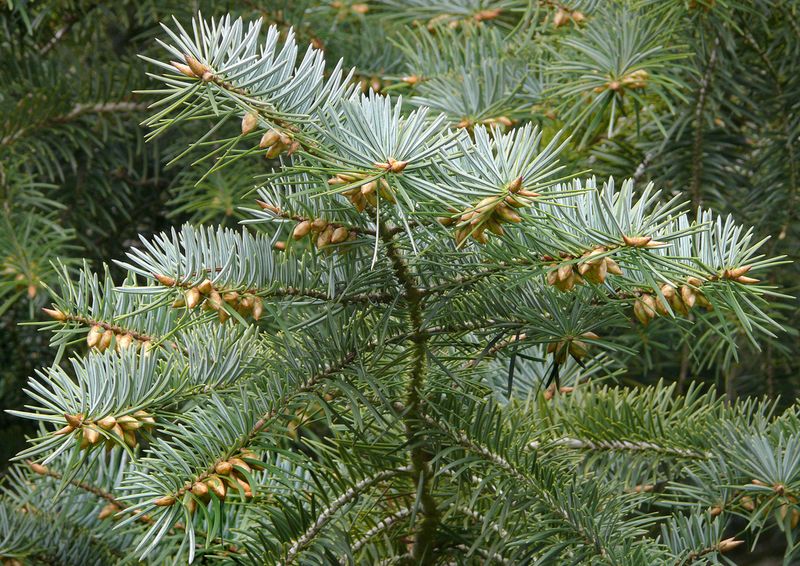
Among California’s rarest and most visually dramatic conifers, the Santa Lucia Fir deserves far more attention than it gets at most nurseries.
Abies bracteata grows naturally only in the Santa Lucia Mountains of Monterey and San Luis Obispo counties, clinging to steep rocky slopes and canyon walls where few other large trees can survive.
Its extremely limited native range makes it one of the rarest true firs in North America.
The needles are long, stiff, and sharply pointed, unlike the softer needles of most firs, and the cones are equally unusual, featuring long, bristle-like bracts that extend beyond the cone scales and give the tree an almost prehistoric appearance.
Mature trees develop a narrow, spire-like crown that looks striking against rocky mountain backdrops.
It is the kind of tree that stops botanists and gardeners alike in their tracks.
Finding it for sale is a genuine challenge. Propagation from seed requires fresh seed collected at the right time, and the tree is not widely grown in the nursery trade.
Its narrow native range and limited public familiarity keep demand low enough that most retail garden centers never bother stocking it.
Some specialty native plant nurseries in the Central Coast region have offered it occasionally, and botanical garden plant sales sometimes carry small quantities.
Gardeners in well-drained, rocky settings with mild to moderate temperatures may find it surprisingly adaptable outside its native range.
For the right collector or native plant enthusiast, Santa Lucia Fir is one of California’s most rewarding rare tree discoveries.