Plant These Herbs In North Carolina To Help With Pest Control In Your Vegetable Garden
There’s a certain satisfaction in walking through a North Carolina vegetable garden and noticing every plant thriving without a single leaf chewed.
Many of us recall frustrating seasons when tiny invaders seemed to enjoy our tomatoes and peppers more than we did.
Planting pest-repelling herbs alongside vegetables can make a noticeable difference. Simple herbs like basil, mint, or dill don’t just flavor your meals – they send pests packing, helping your plants flourish naturally.
Even small garden corners can become powerful protective companions when planned thoughtfully, saving both time and worry during busy spring afternoons.
When these herbs start filling your garden beds, you’ll notice pests staying away and vegetables growing stronger.
The vibrant leaves, fragrant aromas, and healthy growth will make every trip outside feel like a small victory over garden invaders.
1. Basil With Its Fragrant, Garden-Fresh Leaves
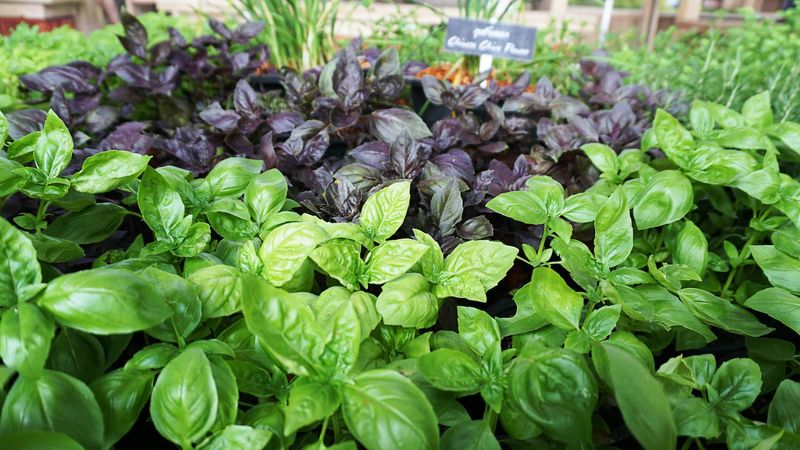
Few herbs pull double duty quite like basil. Not only does it add incredible flavor to your meals, but it also works hard in your North Carolina garden by keeping some of the most troublesome pests at bay.
Some gardeners report that basil planted near tomatoes may help mask scents that attract pests like aphids, though scientific evidence on reliably deterring tomato hornworms is limited.
The strong, sweet scent that basil releases naturally confuses and repels insects that would otherwise munch on your vegetables. Planting basil just a few inches away from your tomatoes creates a fragrant barrier that bugs simply do not want to cross.
North Carolina gardeners have been using this pairing for years because it genuinely works and requires very little extra effort.
Basil thrives in the warm, humid summers that are common across much of North Carolina, so it fits right into your garden without a lot of fuss. It grows best in full sun with well-drained soil and regular watering.
You can start seeds indoors about six weeks before the last frost, then transplant them outside once temperatures stay consistently warm. Keep pinching off the flower buds to help the plant stay bushy and productive.
The more basil you grow, the more protection your tomatoes get, and the more fresh leaves you have for cooking. It truly is one of the most hardworking herbs you can add to any vegetable garden in the state.
2. Rosemary That Brings Piney Aroma And Flavor
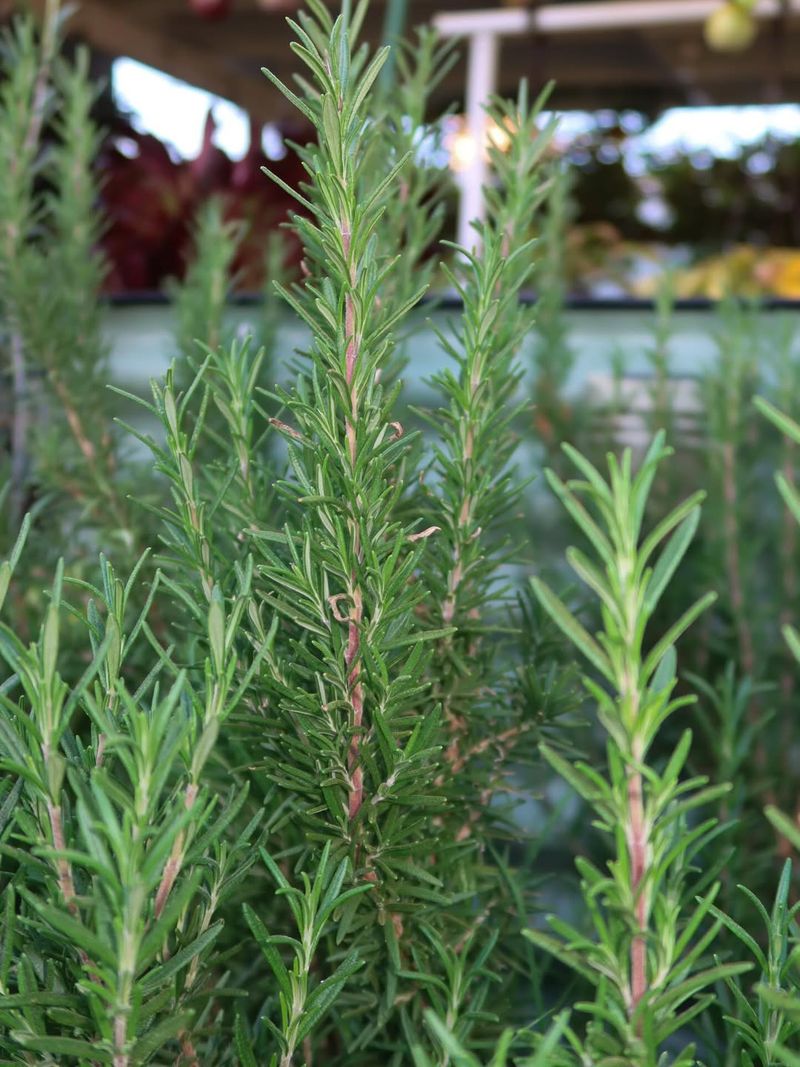
Tough, fragrant, and surprisingly powerful against pests, rosemary is one herb that earns its spot in any North Carolina vegetable garden. Its sharp, piney scent is appreciated by many gardeners and may help mask host plant odors for some insects, though its effectiveness specifically against cabbage moths, bean beetles, and carrot flies has not been clearly demonstrated in research.
Planting rosemary near your carrots and beans creates a natural shield that helps keep those damaging insects from settling in.
What makes rosemary especially appealing for North Carolina gardeners is how well it handles the heat. Once established, rosemary is fairly drought-tolerant and loves full sun, which means it fits right into the long, hot summers the state is known for.
Your North Carolina Garden Changes Every Week. Your Plan Should Too.
Gardening in North Carolina changes quickly throughout the season. Every Friday you’ll receive a simple weekly plan showing exactly what to plant, prune, fertilize, harvest, and protect so you never miss the right timing.
It grows into a sturdy shrub over time, so you can use it as a border plant around your vegetable beds to create a continuous pest-repelling barrier throughout the growing season.
Rosemary also has a long history of being used in gardens not just for cooking but for keeping pests away from crops. Ancient farmers recognized its protective qualities long before modern gardening guides ever documented them.
In North Carolina, where humidity can sometimes encourage pest populations to spike, having a reliable and low-maintenance herb like rosemary in your corner makes a real difference. Plant it in well-drained soil, give it plenty of sunlight, and it will reward you season after season.
Just be sure not to overwater it, since rosemary prefers things on the drier side. It is one herb that truly gets better and more established with each passing year.
3. Mint With Lively, Cooling Garden Vibes
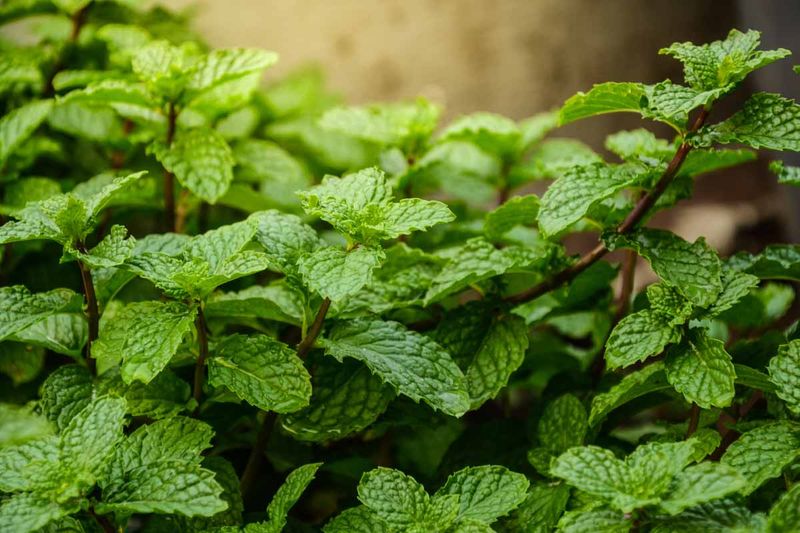
Bold, refreshing, and a little bit wild, mint is one of those herbs that comes with one important warning: give it a container or it will take over your entire garden. Seriously, mint spreads aggressively through underground runners, and before you know it, your vegetable beds could be overrun.
The smart move for North Carolina gardeners is to plant mint in pots and then set those pots right in the garden where you need pest protection most.
Once you manage that spreading habit, mint becomes an incredibly useful tool against pests. Cabbage moths and aphids may be less inclined to land where aromatic mint is present, and placing potted mint nearby can be part of an integrated strategy, though it should not be relied on as the sole method of pest control.
The scent alone is enough to send many insects looking elsewhere for a meal.
North Carolina’s warm growing season gives mint plenty of time to thrive, and it does well in both full sun and partial shade, making it flexible enough to fit almost anywhere in your garden setup. Peppermint and spearmint are both solid choices, and both offer strong pest-repelling properties.
Keep the soil moist and trim the plants regularly to encourage fresh, fragrant growth. Mint also attracts beneficial insects like bees, which help with pollination across your entire vegetable garden.
For a plant that is so easy to grow and so effective at protecting your crops, mint is absolutely worth the small effort of keeping it contained in a pot.
4. Thyme That Adds Tiny Leaves And Big Taste
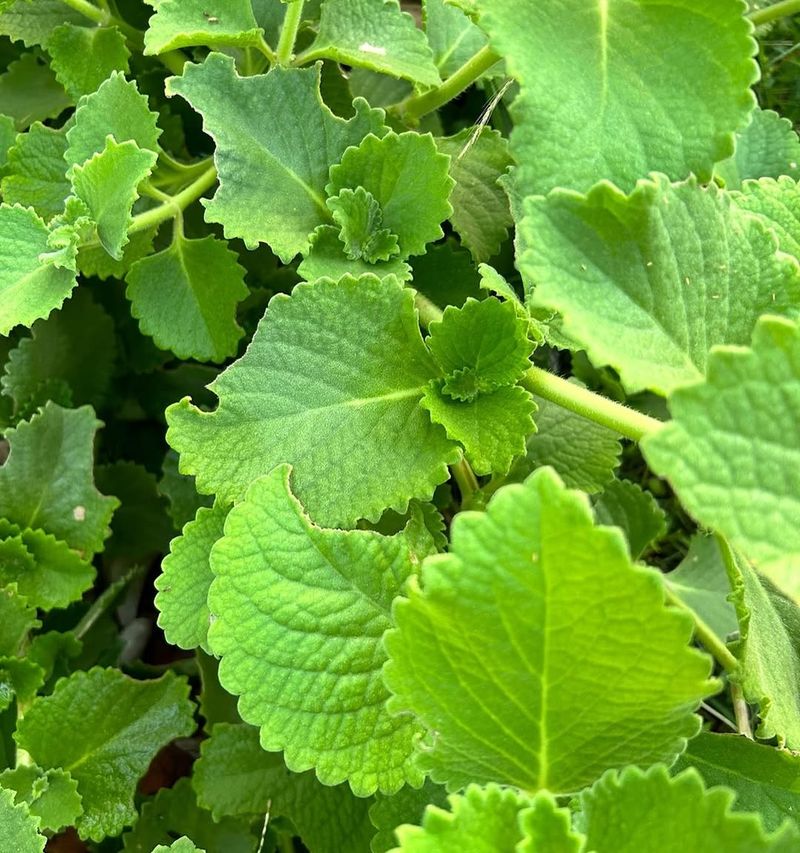
Gardeners who have struggled with cabbage worms, corn earworms, or tomato hornworms know just how frustrating those pests can be. Thyme offers a natural and pleasant-smelling solution that works quietly in the background of your North Carolina vegetable garden.
Its strong, earthy aroma may help mask plant scents and contribute to a diversified pest management plan, though thyme alone is not a guaranteed pest repellent.
Beyond pest repellent, thyme serves a second purpose as a living ground cover. Its low-growing, spreading nature means it fills in gaps between your vegetable plants, helping to suppress weeds and keep the soil from drying out too quickly.
In North Carolina, where summer heat can be intense, having a natural ground cover that also fights pests is a real win for any gardener trying to keep things manageable without lots of chemical intervention.
Thyme is also one of the easiest herbs to grow in the region. It loves full sun and well-drained soil, and once established, it handles dry spells with impressive resilience.
You can plant it along the edges of your beds or tuck it between rows of tomatoes, peppers, or cabbage for maximum benefit. There are many varieties to choose from, including English thyme, lemon thyme, and creeping thyme, all of which offer similar pest-deterring benefits.
Harvesting thyme regularly actually encourages the plant to grow more densely, which means more coverage and more protection for the vegetables growing nearby. It is a small herb that makes a surprisingly big impact in the garden.
5. Oregano With Bold, Mediterranean Flair
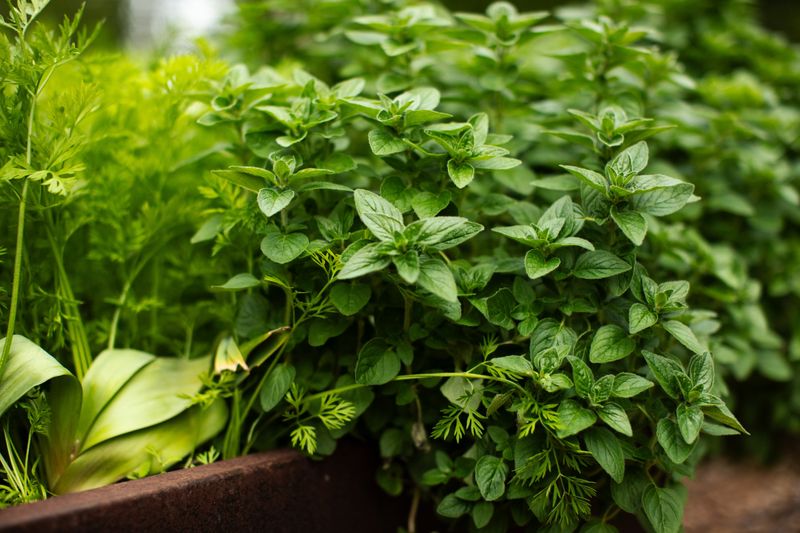
Adding flavor to your kitchen and helping mask vegetable scents in the garden, oregano can contribute to pest management when used alongside other strategies. Cucumber beetles and cabbage butterflies are among the insects that oregano helps keep away, and for North Carolina gardeners growing cucumbers, squash, or leafy greens, that kind of protection is genuinely helpful.
The herb releases aromatic oils that confuse and discourage insects from landing on nearby plants.
Much like thyme, oregano has a low, spreading growth habit that makes it useful as a ground cover between vegetable plants. It fills in bare soil, reduces weed growth, and keeps the garden looking tidy while it works behind the scenes to protect your crops.
Planting oregano along the borders of your vegetable beds or tucking it in between rows gives you the most coverage with the least amount of effort.
Oregano thrives in North Carolina’s warm climate and is quite forgiving once it gets established. It prefers full sun and well-drained soil, and it handles heat well, which is perfect for the long summers across much of the state.
Water it moderately and avoid soggy soil, since oregano does not like sitting in water for long periods. Harvesting the leaves regularly keeps the plant from getting too woody and encourages fresh, oil-rich growth that is more potent for pest repelling.
Whether you grow it in raised beds, in-ground gardens, or even in containers on a sunny porch, oregano is a reliable and hardworking addition to any vegetable garden in North Carolina.
6. Dill And Its Feathery, Flavor-Packed Foliage
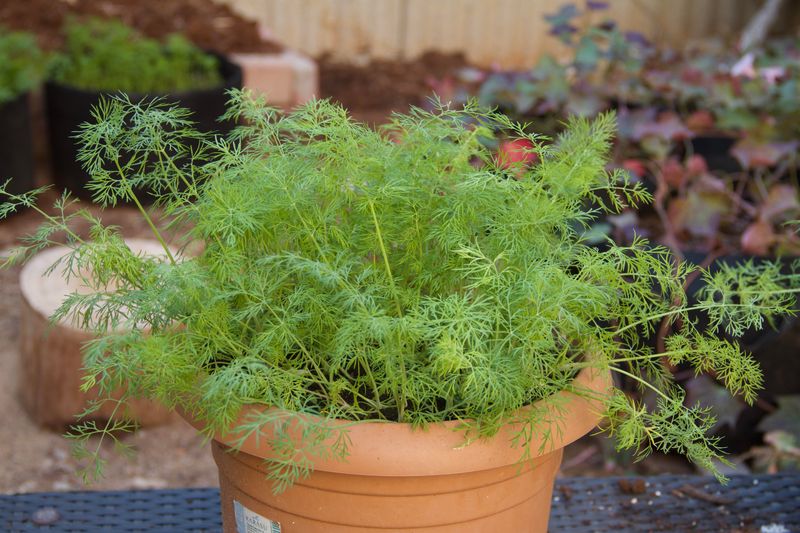
Not every herb in the pest control toolbox works by repelling insects. Dill takes a completely different and fascinating approach: it attracts the good guys.
Dill flowers are attractive to some beneficial insects like ladybugs and parasitic wasps, which can help reduce pest populations when part of a diverse garden ecosystem. Cabbage worms, in particular, are no match for the natural predators that dill helps bring in.
This strategy of using plants to invite beneficial insects is called companion planting, and dill is one of the most effective herbs for making it work. When you plant dill near your cabbage, broccoli, or kale, you are essentially setting up a welcoming station for nature’s own pest control team.
The tall, feathery stalks and bright yellow flower clusters of dill are irresistible to helpful bugs that will stick around and protect your entire garden.
Dill grows well in North Carolina’s climate, especially during the cooler parts of the growing season in spring and fall. It prefers full sun and does best when direct-seeded into the garden rather than transplanted, since it does not love having its roots disturbed.
One thing to keep in mind is that mature dill can inhibit the growth of tomatoes, so keep some distance between the two. Younger dill plants, however, are perfectly fine near tomatoes and can even offer some early season support.
With its feathery texture and cheerful flowers, dill adds beauty to your garden while quietly building up your garden’s natural defense system.
7. Sage That Smells As Good As It Tastes
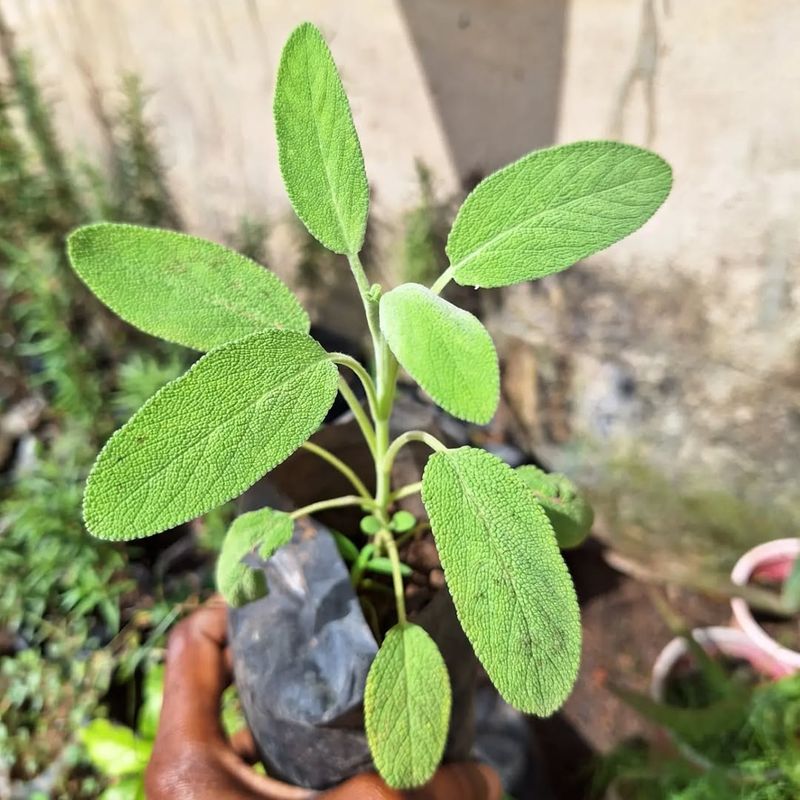
There is something almost ancient about sage. Humans have been using it for cooking, medicine, and even spiritual rituals for thousands of years, and in the garden, it has long been valued for its ability to protect crops from harmful insects.
In North Carolina, sage’s aromatic foliage may contribute to a garden’s diversity and help mask plant scents, but specific evidence of deterring cabbage moths and carrot flies is limited.
The silvery-green leaves of sage release a strong, musky scent that many insects find overwhelming and unpleasant. Planting it near your cabbage, broccoli, or carrots creates a fragrant zone that these pests tend to avoid.
However, one important thing to remember is that sage does not get along well with cucumbers. It can actually slow down cucumber growth, so keep sage on the opposite side of your garden from any cucumber plants you might have growing.
Sage does wonderfully in North Carolina’s warm, sunny climate. It prefers well-drained soil and full sun, and it handles heat and occasional dry spells without much complaint.
Once established, sage is a low-maintenance herb that rewards you with beautiful foliage and a steady supply of leaves for cooking. Trim it back in early spring to encourage fresh growth and prevent the plant from becoming too woody.
Sage also attracts pollinators when it flowers, which adds another layer of benefit for your vegetable garden. For a plant with such a rich history, it continues to prove its worth in modern gardens across the state.
8. Chives With Pretty Purple Blossoms And Onion Notes
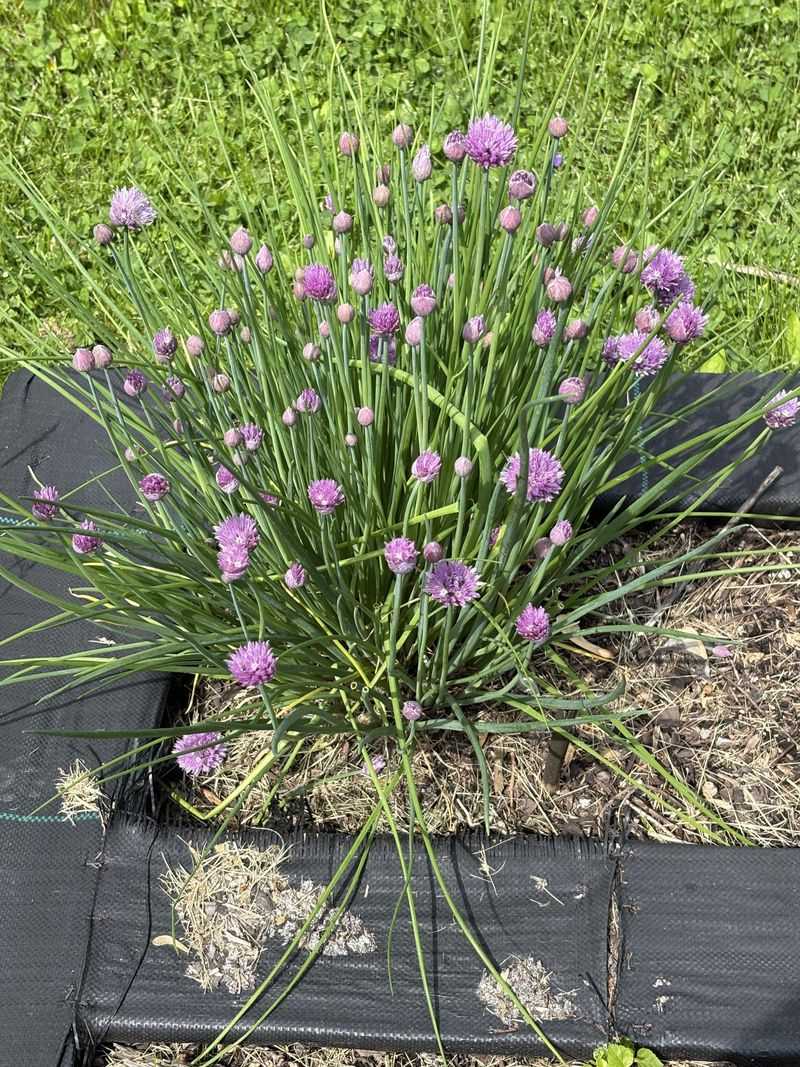
Delicate in appearance with thin, grass-like stalks and pretty purple flowers, chives are tougher and more resilient than they seem. These little herbs pack a powerful punch when it comes to keeping pests away from your North Carolina vegetable garden.
Their strong, onion‑like aroma may help mask host plant scents and can be one component of pest management, though chives alone are not a guaranteed deterrent for aphids or Japanese beetles.
Carrots and tomatoes benefit especially well from having chives planted nearby. The scent that chives release masks the smell of the vegetables themselves, making it harder for pests to locate their targets.
This masking effect is one of the reasons companion planting with chives has been popular among home gardeners for generations. It is a simple, low-cost strategy that adds a layer of protection without any chemicals or sprays.
Growing chives in North Carolina is about as easy as it gets. They tolerate a wide range of soil conditions, grow happily in full sun or partial shade, and come back year after year since they are perennials.
Once you plant them, they will return each spring without you needing to replant. They also spread slowly into clumps over time, giving you more plants to work with as the seasons go by.
Snipping the stalks regularly for use in cooking actually encourages the plant to produce fresh new growth, keeping it vigorous and aromatic. The purple blooms that appear in late spring are also edible and add a mild onion flavor to salads.
Chives are truly one of the most effortless and rewarding herbs you can grow.