These 7 Perennials Bloom Multiple Times A Year In North Carolina Gardens
Most perennials give you one reliable bloom period and then spend the rest of the season as filler. That is fine when you are building a layered garden with plenty of variety, but it leaves a lot of gardeners wishing certain plants would just keep going.
North Carolina’s long growing season creates a real opportunity here that gardeners in colder states simply do not have.
The combination of warm springs, extended summers, and mild falls means that reblooming perennials get multiple chances to perform in a single year rather than one compressed window.
The result is a garden that stays colorful and interesting from early spring well into fall without needing constant replanting or a lineup of annuals to fill the gaps.
These perennials were chosen specifically because they bloom more than once in North Carolina conditions and because they bring enough color and substance to genuinely carry a garden through the season. Once they are established, they just keep delivering.
1. Coreopsis (Coreopsis Spp.)
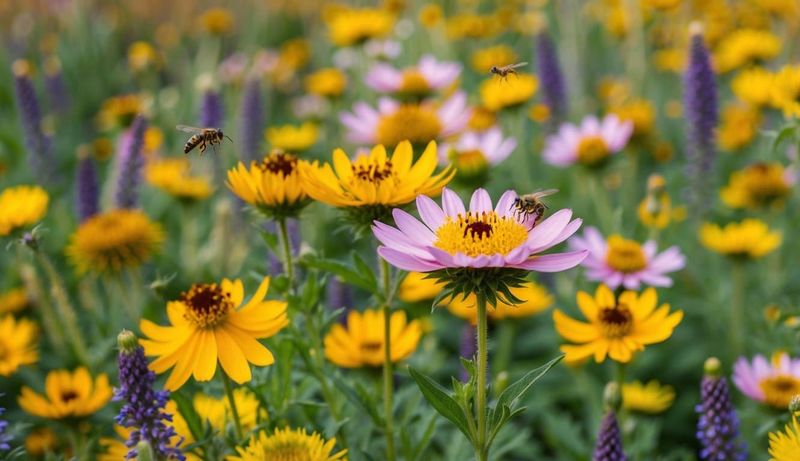
Sunshine in plant form, coreopsis is one of the cheeriest flowers you can grow in a North Carolina garden. Its bright yellow blooms pop against green foliage and attract butterflies and bees all season long.
Both native species and hybrid varieties thrive beautifully here, making it a flexible choice for almost any garden style.
The key to getting multiple rounds of blooms is deadheading, which simply means snipping off the spent flowers before they go to seed. When you remove those faded blooms regularly, the plant redirects its energy into producing fresh new flowers.
You can expect a strong flush in late spring, followed by a reliable second round through summer and even into early fall.
Full sun is where coreopsis truly shines, and well-drained soil is a must, especially in North Carolina where summer humidity can linger. Good airflow around your plants helps prevent the leaf diseases that sometimes show up in wetter seasons.
Avoid heavy clay soil or spots that stay wet after rain, because soggy roots will slow down blooming fast. Once established, coreopsis handles the Carolina heat with surprising toughness and needs very little extra watering.
It is a low-maintenance, high-reward perennial that rewards even beginner gardeners with season-long color.
2. Garden Phlox (Phlox Paniculata)
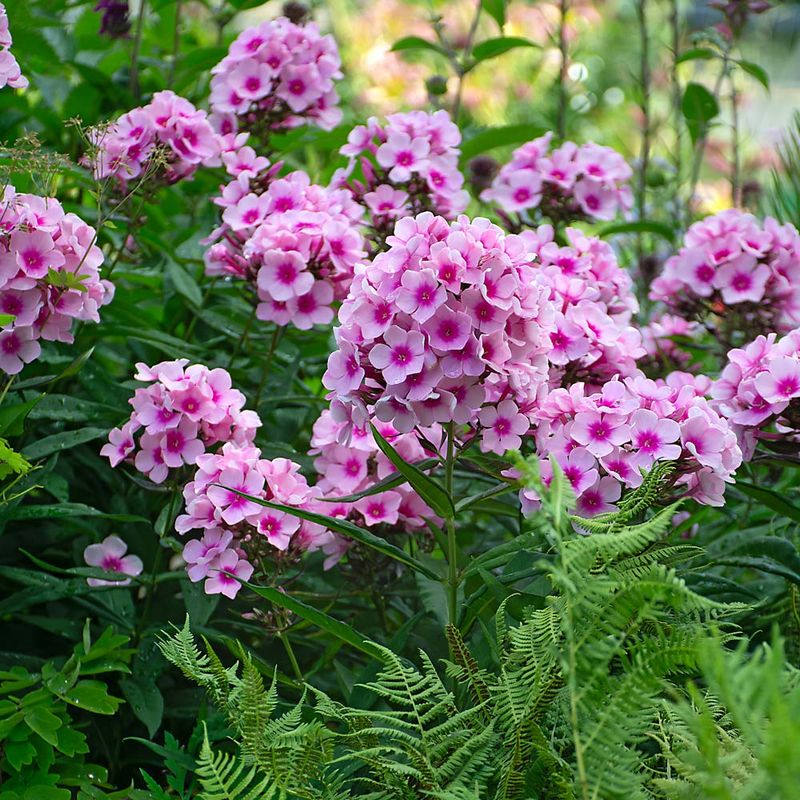
Few perennials bring the kind of bold, fragrant color that garden phlox delivers to a summer flower bed. Native to the eastern United States, it feels right at home in North Carolina gardens, thriving in the warm, humid summers that the region is known for.
Tall clusters of pink, purple, white, or red flowers make it a real showstopper from mid to late summer.
After the first big flush of blooms fades, cutting back the spent flower heads can encourage a smaller but still beautiful second round of flowers before the season ends. This is a simple trick that makes a big difference in how long your garden stays colorful.
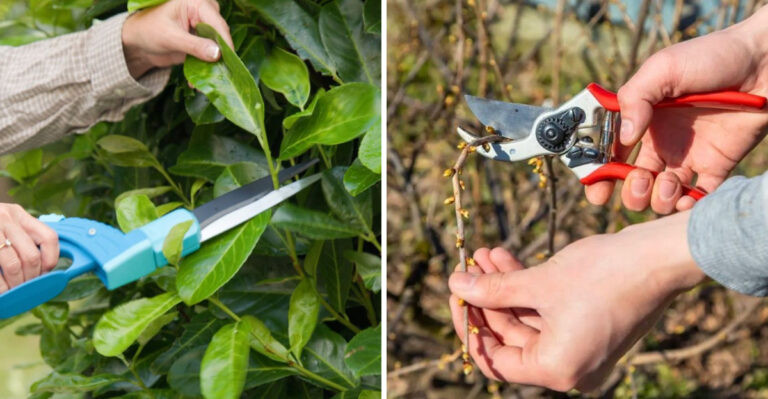
A clean pair of garden scissors and a few minutes is all it takes to keep phlox performing at its best.
Your North Carolina Garden Changes Every Week. Your Plan Should Too.
Gardening in North Carolina changes quickly throughout the season. Every Friday you’ll receive a simple weekly plan showing exactly what to plant, prune, fertilize, harvest, and protect so you never miss the right timing.
One thing to watch for in North Carolina is powdery mildew, a fungal issue that loves the combination of heat and humidity. Choosing mildew-resistant cultivars like David or Robert Poore is one of the smartest moves you can make.
Plant phlox in a spot with good air circulation and avoid wetting the foliage when watering. Full sun to light afternoon shade works well, and consistent moisture keeps the roots happy.
With the right care, garden phlox rewards you with waves of fragrant blooms that carry your garden deep into the warm season.
3. Black-Eyed Susan (Rudbeckia Fulgida)
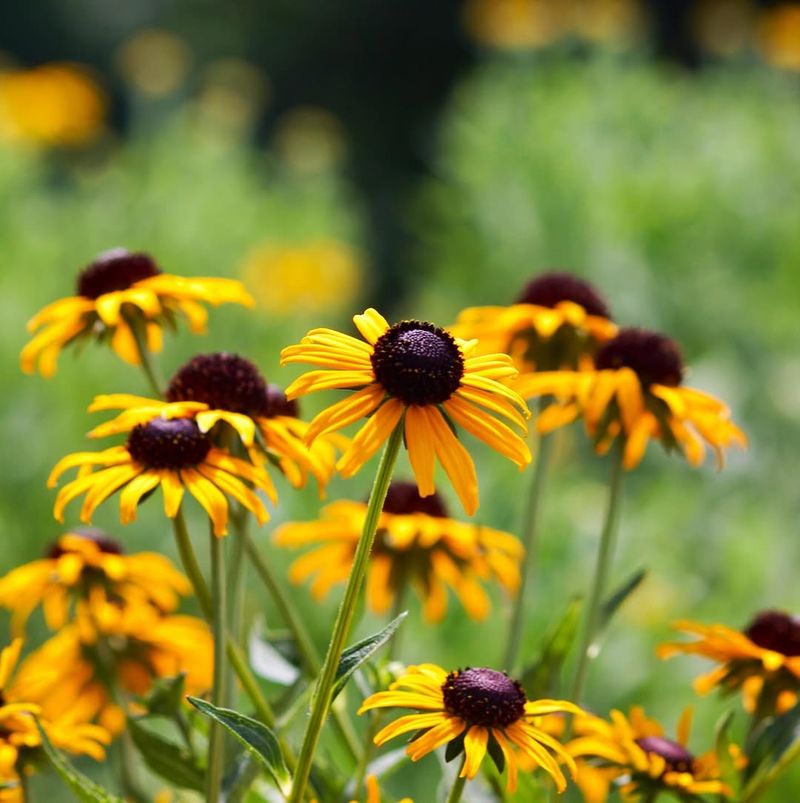
Bold, golden, and practically unstoppable, Black-Eyed Susan is one of the hardest-working native perennials you can plant in a North Carolina garden.
Its warm yellow petals surrounding a dark center give it that classic wildflower look that feels both cheerful and natural. Once established, it handles the intense Carolina summer heat without missing a beat.
What makes this plant especially valuable is its long blooming window. It typically starts flowering in early to mid summer and, with regular deadheading, can keep pushing out new blooms well into fall.
Removing spent flowers before they fully form seed heads signals the plant to keep producing, which means more color for your yard over a longer stretch of time.
Black-Eyed Susan performs best in full sun, though it tolerates a bit of afternoon shade without much complaint. Well-drained soil keeps it healthy, but it is surprisingly tough once its roots are settled in.
North Carolina gardeners appreciate how reliably it returns year after year, spreading slowly to fill in gaps in a border or meadow-style planting. It also attracts goldfinches, butterflies, and native bees, making it as wildlife-friendly as it is beautiful.
If you want a plant that asks for very little but gives back a whole lot of late-season color, Black-Eyed Susan belongs in your garden right now.
4. Purple Coneflower (Echinacea Purpurea)
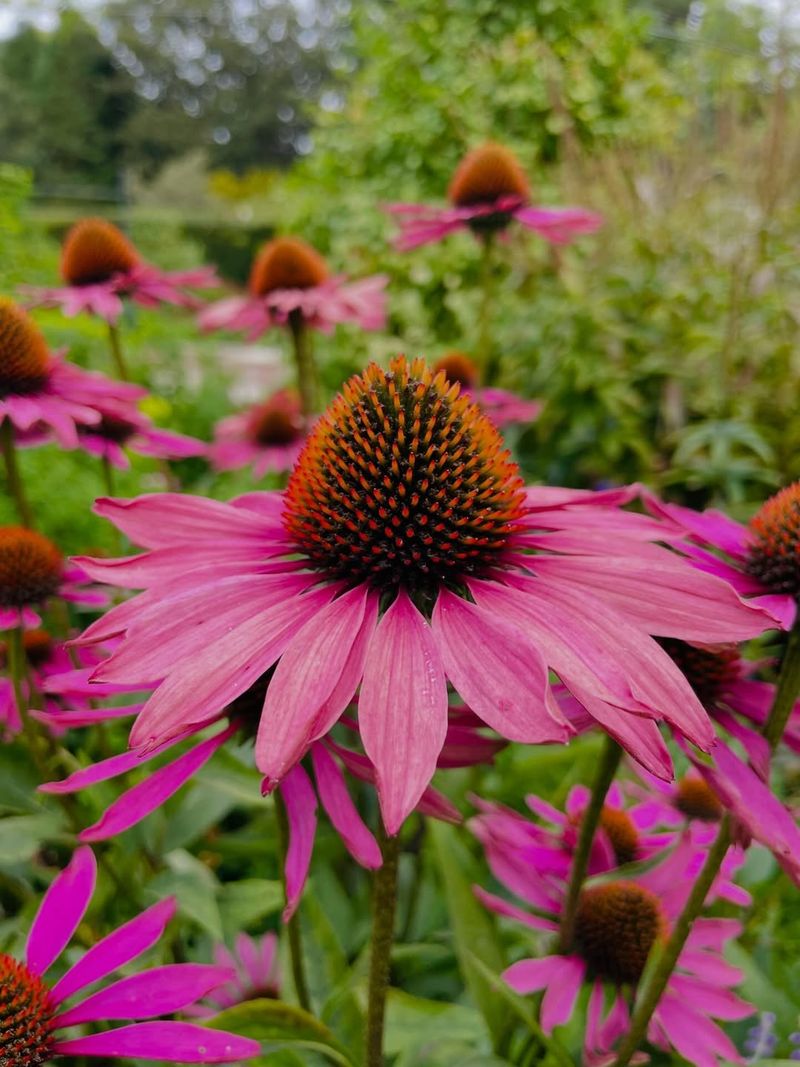
There is something almost iconic about a purple coneflower standing tall in a summer garden. Native to the central and eastern United States, Echinacea purpurea has been thriving in North Carolina landscapes for generations.
Its rosy-purple petals and spiky orange center cones give it a bold, architectural quality that stands out in any planting.
Purple coneflower blooms in summer and, with a little encouragement from deadheading, can continue producing new flowers through much of the warm season.
It does not bloom nonstop in the way some annuals do, but it extends its color season noticeably when spent blooms are removed before they fully mature.
Leaving a few seed heads in place at the end of the season also feeds birds, which is a nice bonus.
Growing Echinacea in North Carolina is wonderfully straightforward. It thrives in full sun and handles the summer heat with impressive ease once its roots are established.
Well-drained soil is preferred, and it is actually more tolerant of dry conditions than overly wet ones. Avoid heavy clay or poorly draining spots, which can cause root issues over time.
A wide range of cultivars is now available, from deep magenta to soft pink and even white, giving gardeners plenty of options to mix and match.
Purple coneflower also attracts pollinators throughout the season, making your garden both beautiful and buzzing with life.
5. Salvia (Salvia Spp.)
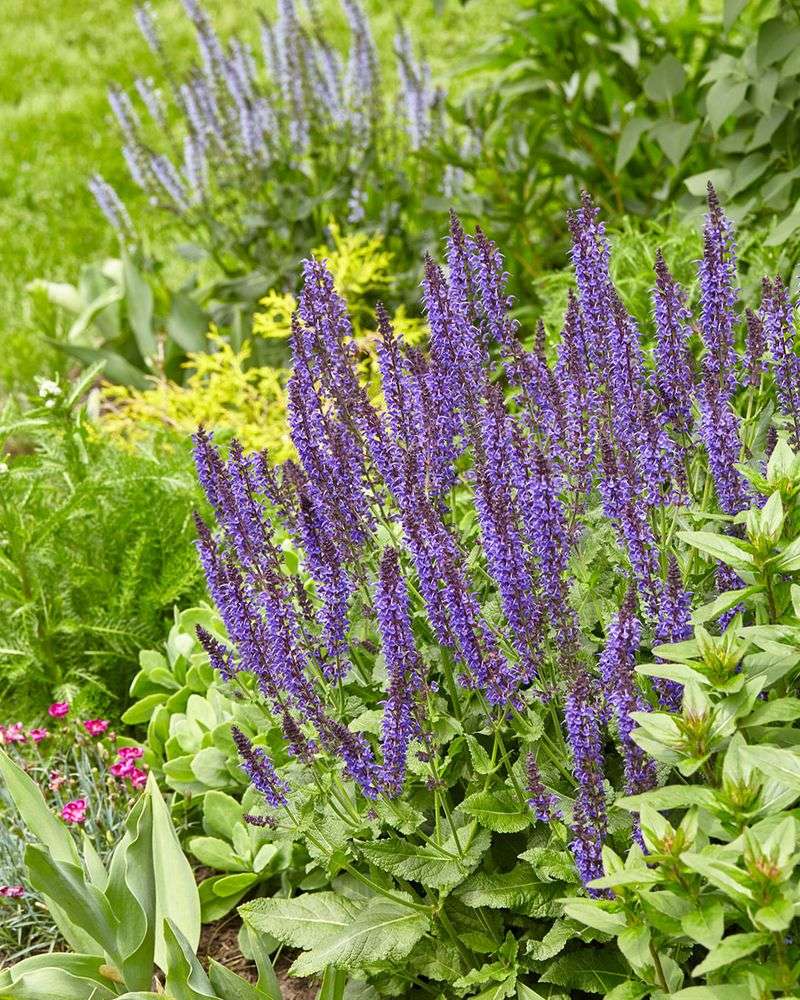
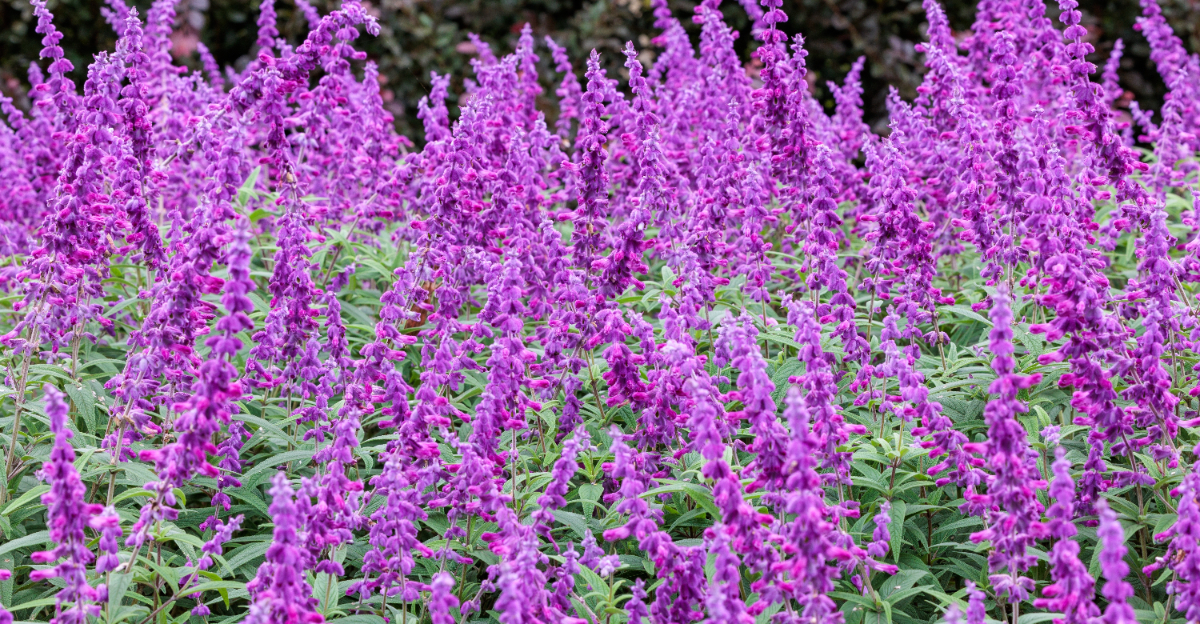
Walk past a garden border filled with salvia on a warm Carolina afternoon and you will immediately notice the bees and butterflies hovering around those slender purple spikes.
Perennial salvias are some of the most reliable reblooming plants available to North Carolina gardeners, and they earn that reputation season after season. Their upright flower spikes add great vertical texture to any planting scheme.
The secret to getting multiple rounds of blooms from salvia is shearing. Once the first flush of flower spikes fades, cut the whole plant back by about one-third.
Within a few weeks, fresh new growth emerges and new blooms are not far behind. Depending on the variety and the season, you can get two or even three rounds of flowers from a single plant in one growing year.
Salvia thrives in full sun and well-drained soil, which is worth keeping in mind if your North Carolina yard has heavy clay. Raised beds or amended soil can make a big difference in how well salvia performs.
Avoid overwatering, especially during the humid summer months, because soggy roots are the fastest way to weaken these plants. Popular varieties like May Night, East Friesland, and Caradonna are all excellent choices for Carolina gardens.
They are also drought-tolerant once established, which makes them perfect for gardeners who want beautiful results without constant maintenance. Few perennials offer this combination of beauty, toughness, and repeat blooming performance.
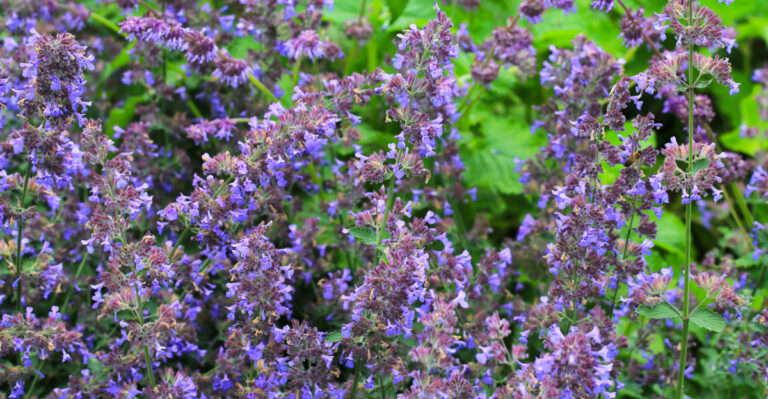
6. Catmint (Nepeta Spp.)
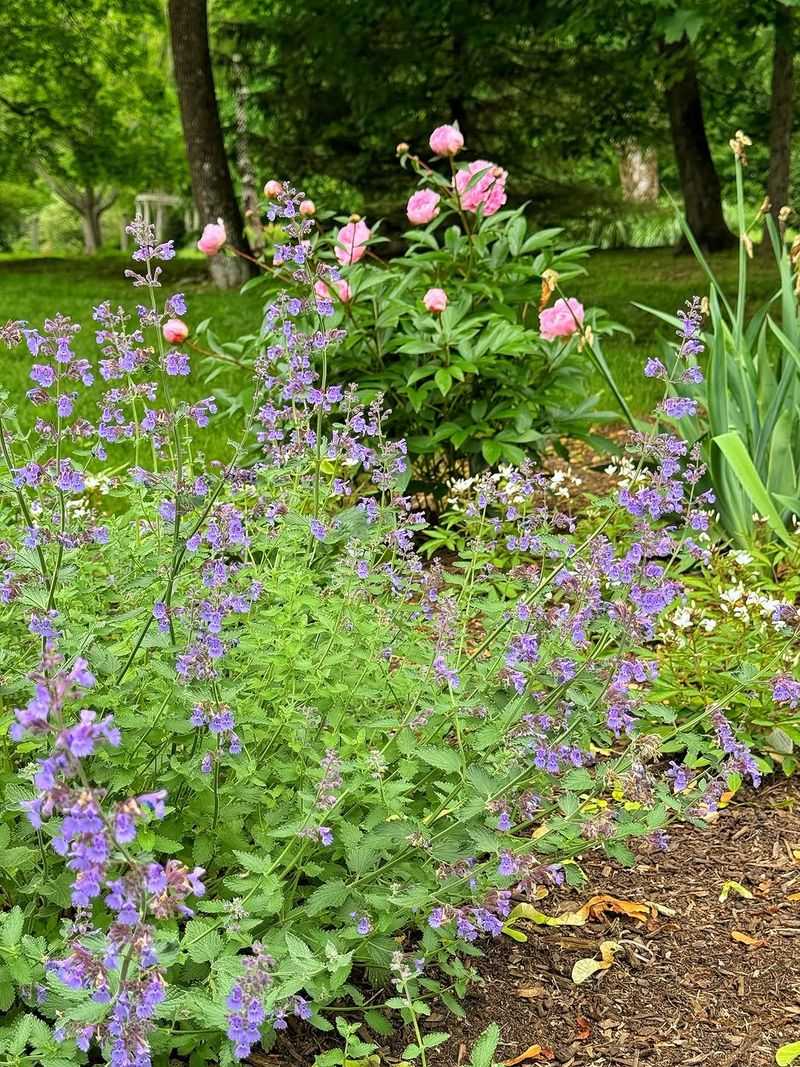
Soft, billowy, and covered in lavender-blue flowers, catmint is one of those plants that makes a garden look effortlessly put together. While it is not a North Carolina native, it has proven itself to be a well-behaved, non-invasive performer in gardens across the state.
Its relaxed, mounding habit looks especially beautiful spilling over the edges of walkways or along the front of a mixed border.
Catmint is one of the easiest perennials to coax into reblooming. After the first big flush of flowers in spring, simply shear the whole plant back by about half.
It looks a little rough for a week or two, but then fresh foliage fills back in quickly and a brand new wave of blooms follows. In North Carolina, you can often get two or three rounds of flowering in a single season with this approach.
Good drainage and full sun are the two things catmint needs most to stay healthy through the heat and humidity of a Carolina summer. In spots that stay wet, the plant can struggle, so avoid low areas of the yard that collect water after rain.
The aromatic, gray-green foliage is also naturally deer-resistant, which is a real advantage in many parts of North Carolina. Pollinators absolutely love catmint, and the constant hum of bees around it during bloom time is one of the most satisfying sounds a garden can offer.
It is a true workhorse of the perennial world.
7. Daylily (Hemerocallis Cultivars)
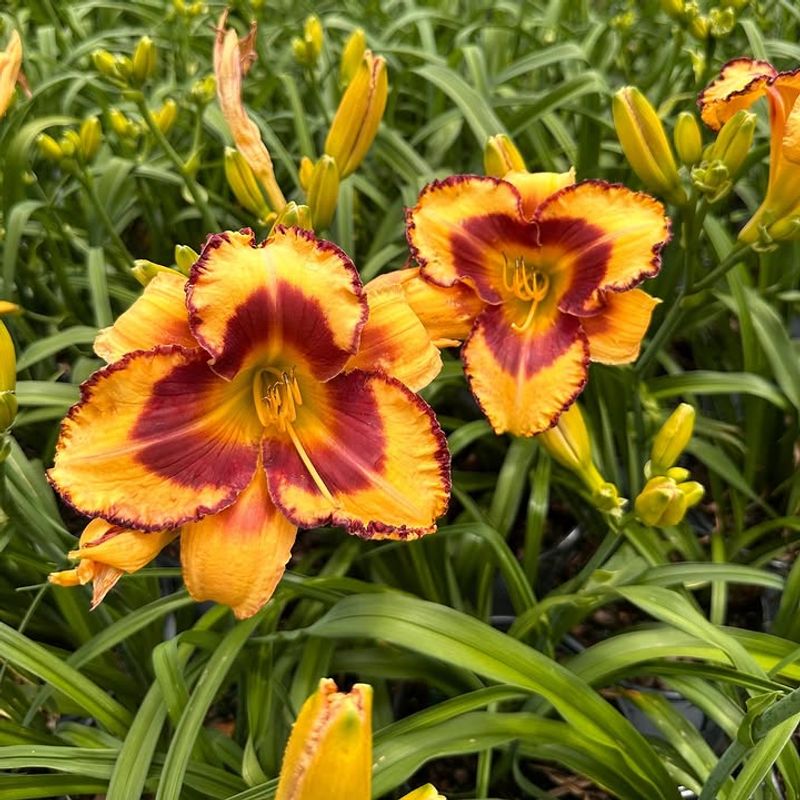
Ask any experienced North Carolina gardener which perennial gives the most bang for the buck, and daylilies will come up in the conversation almost every time.
Originally from Asia, these tough, adaptable plants have found a second home in Carolina gardens, thriving in the heat, the humidity, and even the occasional dry spell without much fuss.
Their trumpet-shaped blooms come in an almost endless range of colors, from creamy white and soft yellow to deep burgundy and vivid orange.
Not all daylilies rebloom, so choosing the right cultivar is the most important step. Look specifically for varieties labeled as reblooming types, such as Stella de Oro, Happy Returns, or Rosy Returns.
These cultivars are bred to produce more than one round of flowers in a single growing season, which is exactly what makes them so valuable in a North Carolina garden that stays warm from spring well into fall.
Daylilies are forgiving plants that adapt to many soil types, but they perform best in full sun with well-drained, moderately fertile soil. Dividing clumps every three to four years keeps them vigorous and blooming at their peak.
Deadheading spent blooms daily during peak season helps keep plants tidy and encourages more flower scapes to develop.
With the right reblooming variety and a little basic care, daylilies will reward you with wave after wave of cheerful color that stretches from early summer deep into the warmer months of the Carolina growing season.