9 Flowers California Gardeners Should Start From Seed This Spring
There’s something especially satisfying about growing flowers from seed. It starts small, just a handful of tiny specks and a bit of patience, and before long you’ve got real plants taking shape right in front of you.
It almost feels like a little garden magic happening in slow motion. Spring is the perfect time to get started, especially in California where the growing season gives you a nice head start.
With the right seeds, you can fill beds, borders, and containers with color without spending much at all.
Some flowers are surprisingly easy to grow this way and don’t need much fuss to get going. A bit of light, water, and decent soil is often all it takes to see those first green shoots pop up.
If you’re ready to try something rewarding and a little addictive, starting flowers from seed might just become your new favorite spring habit.
1. Marigolds
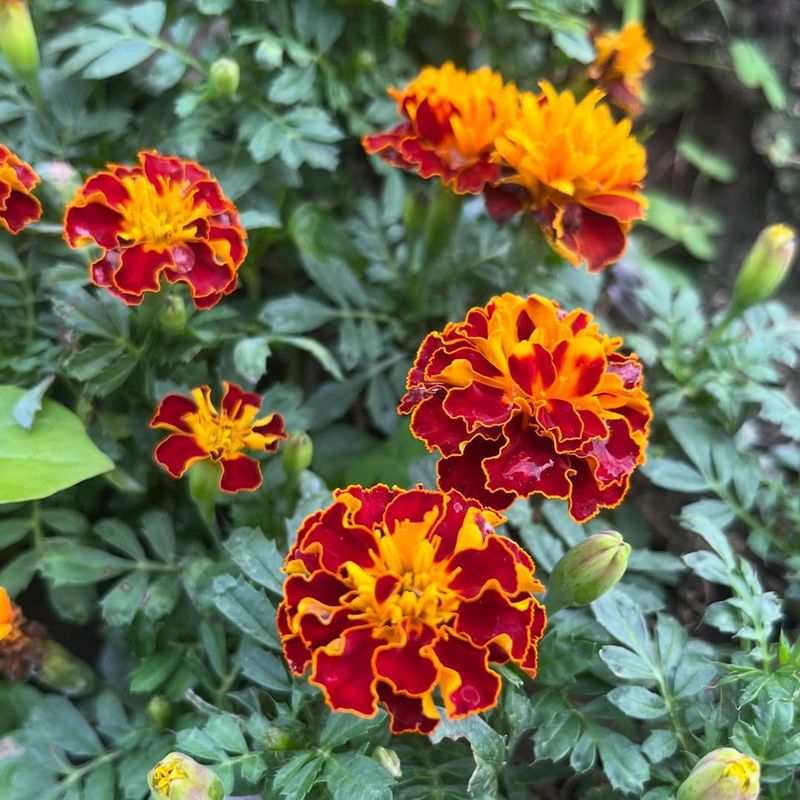
Few flowers bring as much cheerful energy to a garden as marigolds. These bold, sunny blooms have been a favorite in California gardens for generations, and it is easy to see why.
French marigolds stay compact and bushy, while African marigolds grow tall and produce big, fluffy flower heads that look almost too pretty to be real.
One of the best things about marigolds is that they are natural pest repellers. Planting them near vegetables helps protect your garden without using harsh chemicals.
In California, gardeners in Zones 9 and 10 can start seeds indoors about six weeks before the last frost, or sow them directly into the garden from March through April.
Marigolds love full sun and well-drained soil. Water them regularly but let the soil dry a little between waterings.
They bloom quickly, often within 50 to 60 days from seed. Deadhead spent flowers to keep them blooming all summer long.
Both French and African types attract butterflies and bees, making them excellent companions for any pollinator-friendly garden in California. They are truly one of the hardest-working flowers you can grow.
2. Gomphrena (Globe Amaranth)
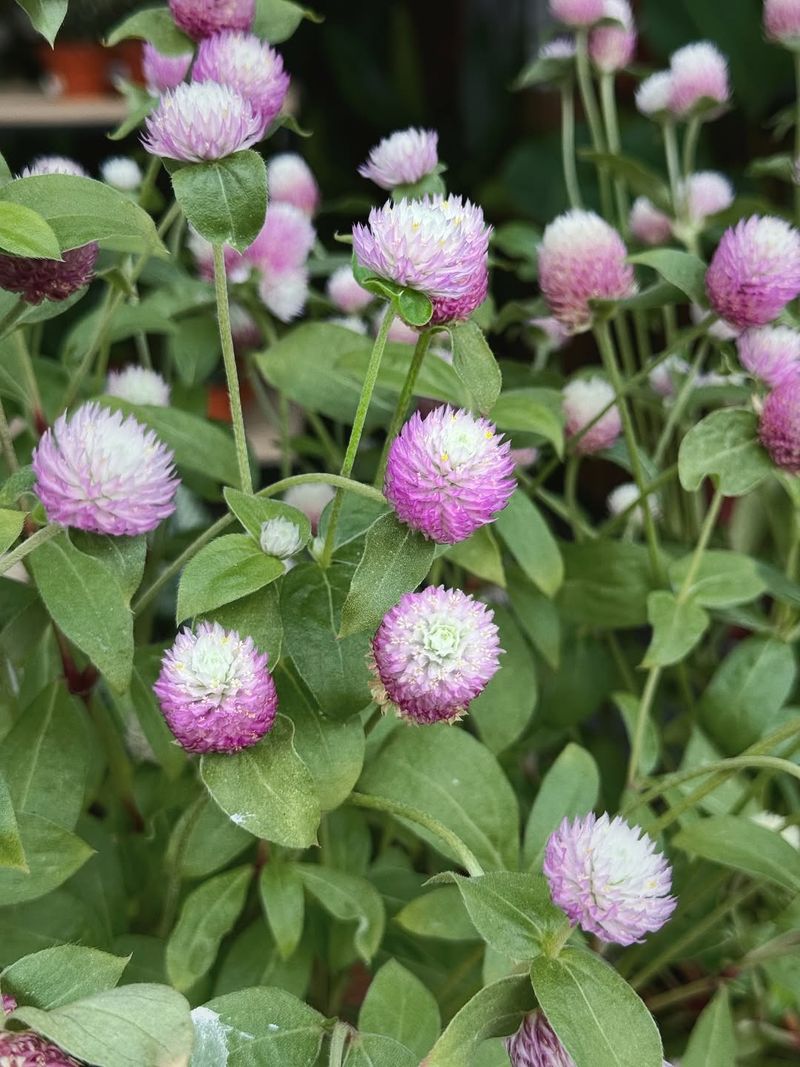
Round, bright, and almost impossibly vibrant, gomphrena is a flower that earns its spot in any California garden. These small globe-shaped blooms come in shades of hot pink, magenta, purple, orange, and white.
They look like tiny pompoms and hold their color even when dried, making them popular for both fresh and dried flower arrangements.
Gomphrena thrives in heat, which makes it a natural fit for California’s warm summers. Start seeds indoors about four to six weeks before your last frost date, or sow them directly outdoors once temperatures are consistently warm.
Soaking seeds in water overnight before planting can speed up germination. They do best in full sun and well-drained soil.
Did you know gomphrena is related to amaranth? Both plants are tough and long-blooming.
In California gardens from Los Angeles to Fresno, gomphrena blooms from early summer all the way through the first cool nights of fall. It is very low maintenance once established.
Butterflies flock to it throughout the season. If you are looking for a flower that gives maximum color with minimum fuss, gomphrena deserves a spot in your seed-starting lineup this spring.
Your California Garden Changes Every Week. Your Plan Should Too.
Gardening in California changes quickly throughout the season. Every Friday you’ll receive a simple weekly plan showing exactly what to plant, prune, fertilize, harvest, and protect so you never miss the right timing.
3. Cleome
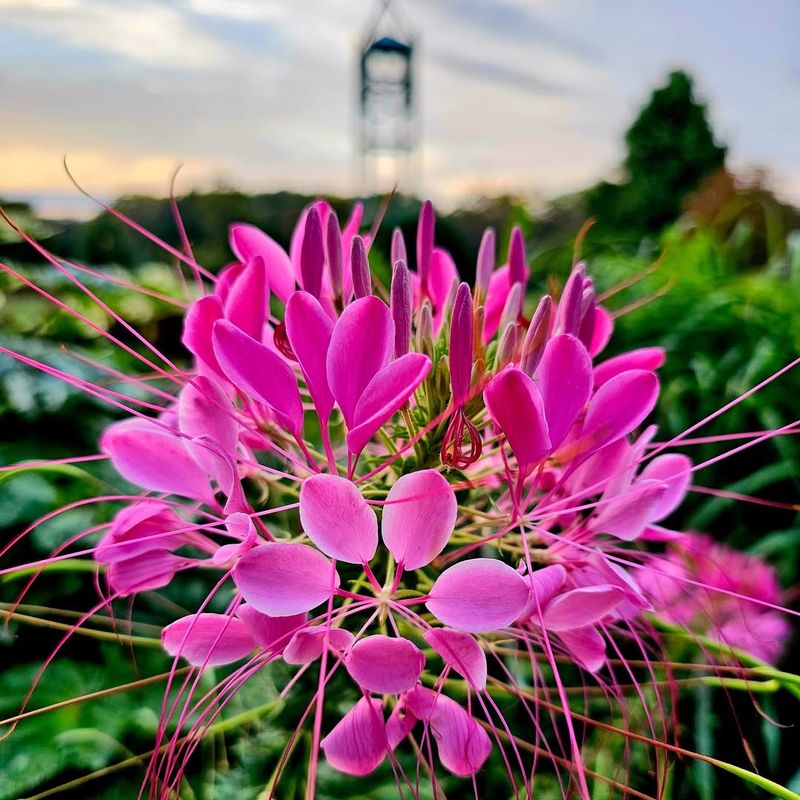
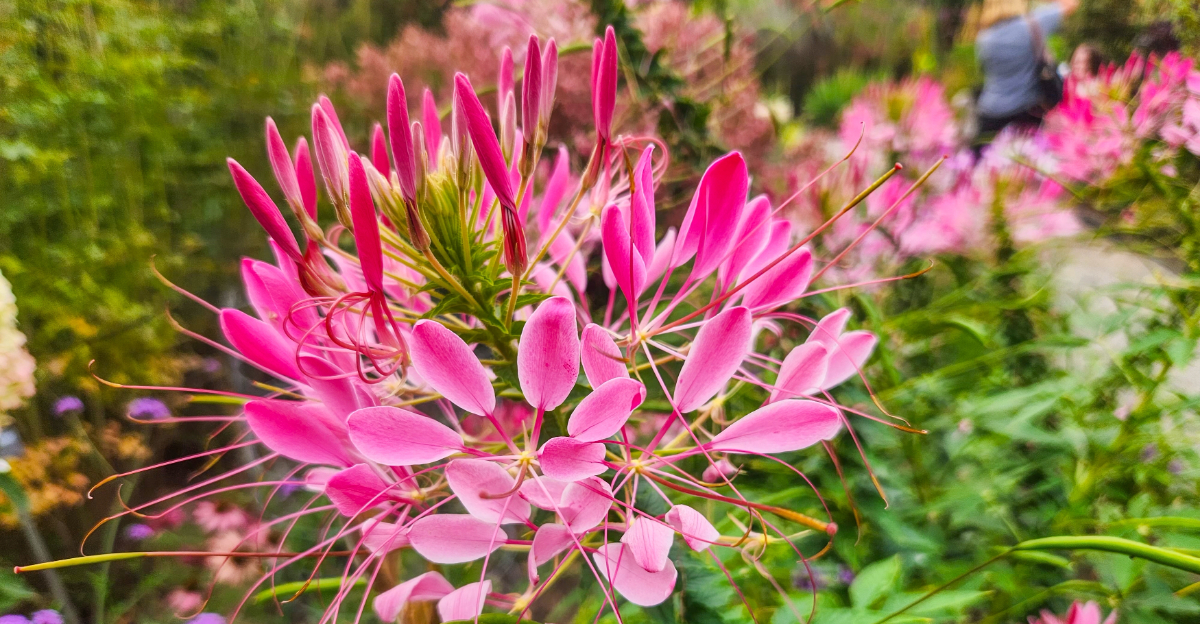
If you want a flower that makes people stop and say “What is that?”, cleome is your answer. Also called spider flower, this tall and dramatic annual produces clusters of wispy pink, purple, or white blooms that look like something from a tropical rainforest.
Yet it grows beautifully right here in California gardens from spring through fall.
Cleome grows fast from seed and can reach four to five feet tall. That makes it a great backdrop plant in garden beds.
Sow seeds directly in the ground after your last frost date. In warmer California regions like the Inland Empire or the Central Valley, that means mid-April is a safe starting point.
Press the seeds gently into the soil but do not bury them deep since they need light to germinate.
Once established, cleome is surprisingly tough. It handles heat well and tolerates dry spells, which is a huge bonus in California summers.
It also self-seeds freely, so you may find new plants popping up next year without any extra effort. Butterflies and hummingbirds absolutely love it.
Growing cleome is one of the easiest ways to add bold vertical interest and wildlife value to your garden.
4. Verbena (Annual Types)
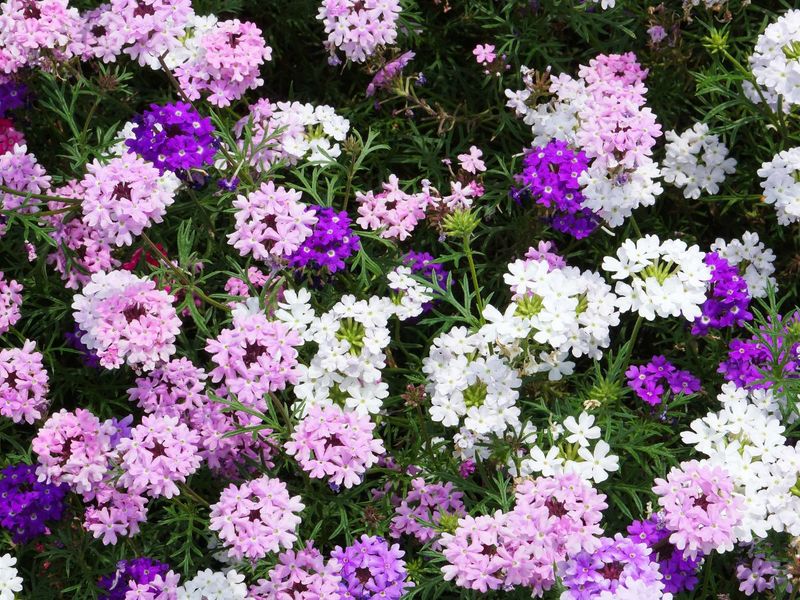
Annual verbena is one of those flowers that just keeps giving all season long. It spreads low and wide, covering bare soil with a colorful carpet of tiny blooms in red, purple, pink, white, and coral.
California gardeners love it because it thrives in the warm, sunny conditions the state is famous for, and it rarely needs much fussing over.
Starting verbena from seed takes a little patience since germination can be slow, sometimes up to three weeks. Sow seeds indoors eight to ten weeks before your last expected frost.
Keep the seed tray in a warm spot and make sure it gets plenty of light. Once seedlings are strong enough, transplant them outdoors into a sunny garden bed with good drainage.
Verbena is a magnet for butterflies. In California coastal gardens, it adds color to borders and hanging baskets from late spring through summer.
It is drought-tolerant once established, which means it fits perfectly into water-wise garden designs popular throughout Southern California. Trim plants back lightly mid-season to encourage fresh new growth and more blooms.
Annual verbena may be small in size, but its impact on a garden is anything but small.
5. Blanket Flower (Gaillardia)
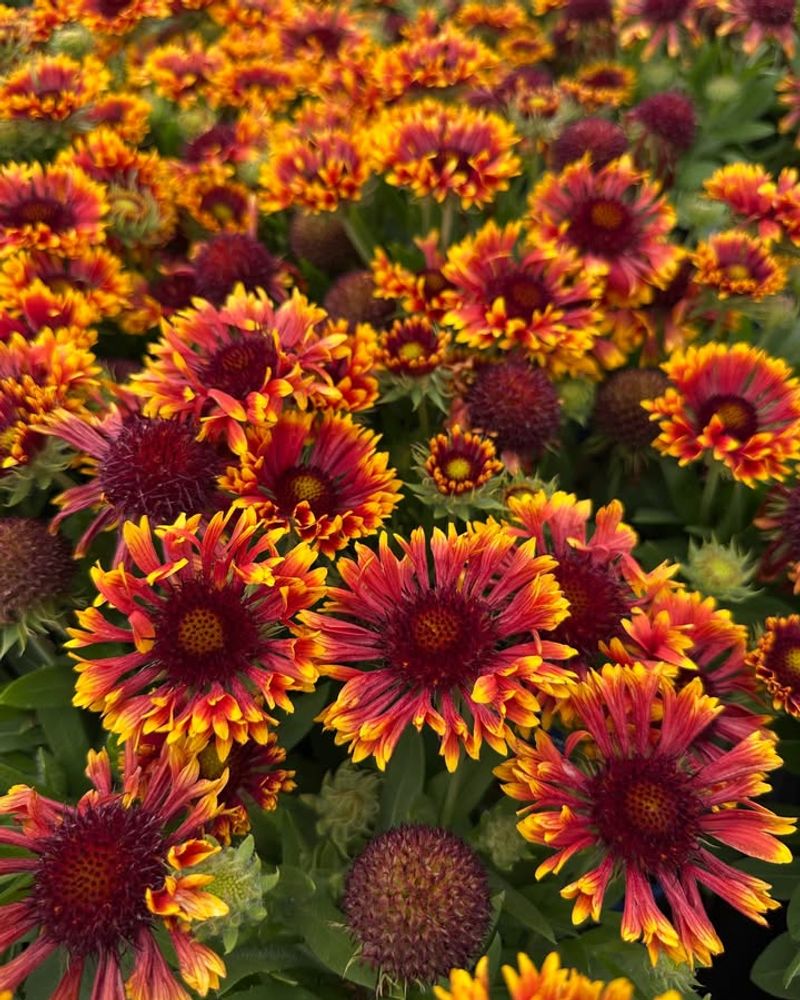
Blanket flower got its name from the bold, patterned colors of Native American blankets, and one look at it and you will understand why. The blooms are a fiery mix of red, orange, and yellow, often with a deep burgundy center.
They look like they belong in a Southwest landscape painting, and they thrive in California gardens with very little care.
Gaillardia is one of the best flowers to start from seed in spring because it germinates quickly and grows fast. Sow seeds directly into the garden after your last frost, or start them indoors about four to six weeks early.
They prefer sandy, well-drained soil and full sun. In fact, the more sun they get, the better they bloom.
Overwatering is one of the few things that can cause problems for this tough plant.
Blanket flowers are excellent for California’s drier inland regions like the Sacramento Valley or the Mojave foothills. They are drought-tolerant once established and attract both bees and butterflies throughout summer.
Deadhead regularly to extend the blooming season well into fall. If you love bold, warm colors and want a flower that practically takes care of itself, gaillardia is a must-grow this spring.
6. Salvia Splendens
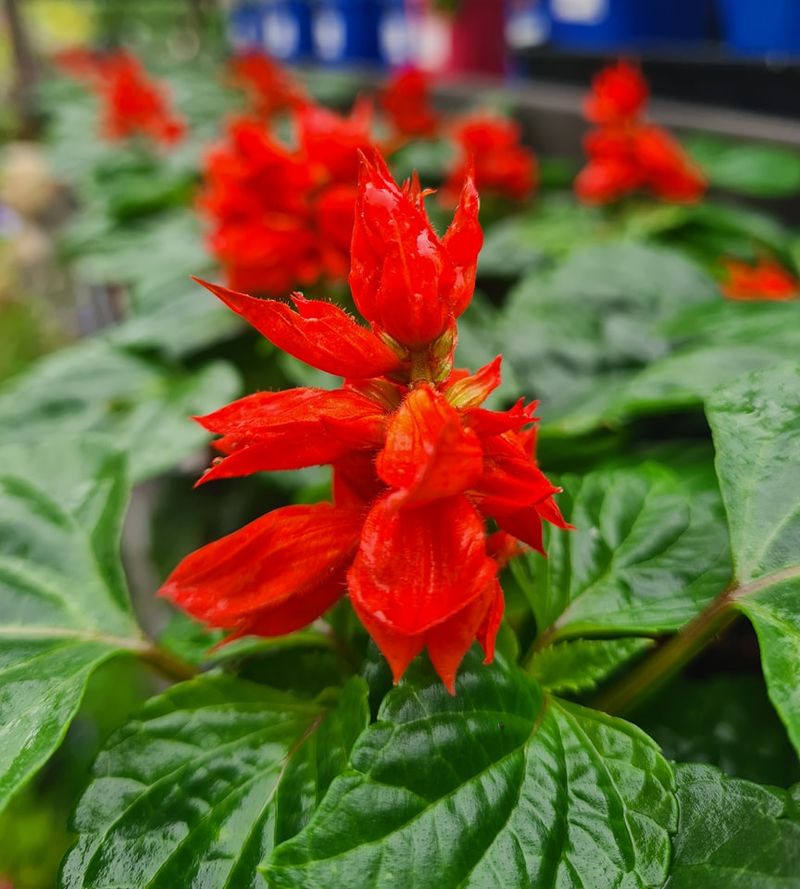
Walk past a garden full of red salvia in bloom and it is almost impossible not to stop and admire it. Salvia splendens, the classic annual salvia, produces tall spikes of brilliant scarlet flowers that hummingbirds simply cannot resist.
It is one of the most striking additions you can make to a California garden this spring.
Annual salvia is easy to start from seed indoors about eight to ten weeks before the last frost. The seeds need warmth to germinate well, so keep them in a sunny, warm spot or use a heat mat.
Once seedlings are ready, transplant them into the garden in a spot that gets full sun. In California’s warmer inland areas, salvia blooms from late spring all the way through autumn without much extra effort.
Beyond red, annual salvia also comes in purple, white, salmon, and bicolor varieties. All of them attract pollinators and add serious visual punch to borders, containers, and landscape beds.
Salvia handles California heat well and is fairly drought-tolerant once established. Regular watering during the hottest months keeps it looking its best.
For a flower that delivers bold color and wildlife value season after season, annual salvia is one of the smartest seeds you can plant this spring.
7. Borage
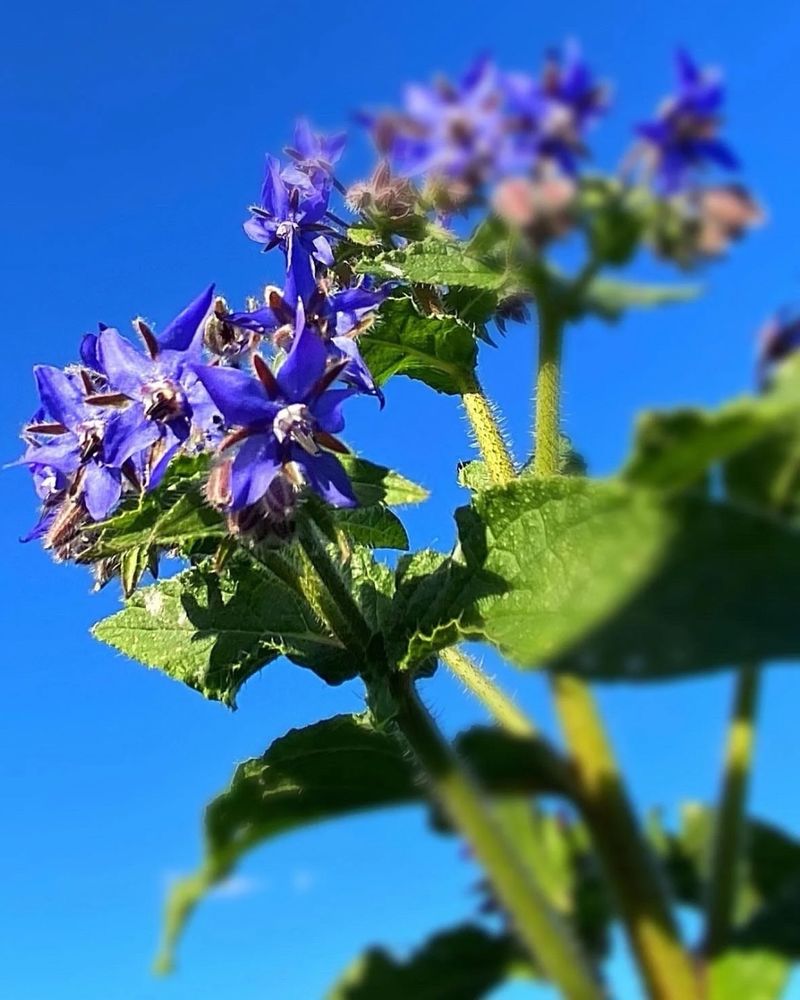
Borage might be the most underrated flower in the California garden. Its star-shaped blooms are a stunning shade of cobalt blue, which is actually quite rare in the flower world.
Beyond being beautiful, borage is completely edible. The flowers taste mildly like cucumber and can be tossed into salads, frozen into ice cubes, or floated on top of drinks for a fancy touch.
Starting borage from seed is wonderfully simple. It does not like being transplanted, so sow seeds directly into the garden where you want them to grow.
Choose a sunny spot with decent drainage and press seeds about a quarter inch into the soil. In California, you can start sowing in late February along the coast or wait until March or April in inland valleys.
Germination usually happens within a week or two.
Borage grows quickly and can reach two feet tall. It is a well-known companion plant that gardeners often tuck near tomatoes and squash to attract pollinators and deter certain pests.
Bees go absolutely wild for the flowers. Once established in a California garden, borage often self-seeds and comes back year after year on its own.
It is one of those rare plants that is genuinely both useful and gorgeous at the same time.
8. Dianthus (Annual Types)
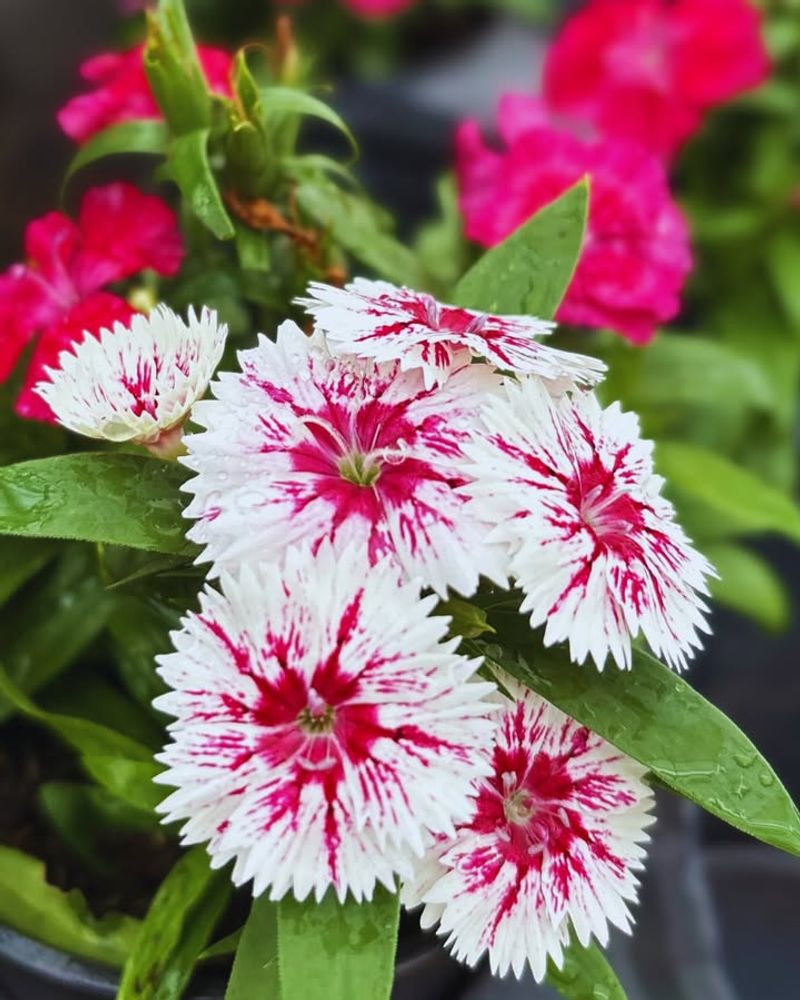
There is something wonderfully old-fashioned about dianthus. Also called pinks or sweet William depending on the variety, annual dianthus produces clusters of fringed, richly colored blooms in shades of red, pink, white, and bicolor patterns.
Many varieties carry a light, spicy-sweet fragrance that makes them especially delightful near patios or walkways.
Annual dianthus is a cool-season lover, which makes it perfect for California’s mild winters and early spring conditions. Along the coast and in Northern California, you can start seeds indoors in late winter and transplant them outdoors as early as February or March.
In hotter inland areas, get them in the ground early so they can bloom before summer heat sets in. Seeds germinate in about one to two weeks with consistent moisture and cool temperatures.
Dianthus looks beautiful in garden borders, raised beds, and containers. It pairs well with other cool-season flowers like pansies and snapdragons.
Deadhead spent blooms to keep new flowers coming. In California gardens that get mild summers, dianthus can bloom for months.
It is also a favorite of butterflies and beneficial insects. If you want a flower that combines classic charm with practical toughness, annual dianthus is an excellent seed-starting choice this spring.
9. Four O’Clocks (Mirabilis Jalapa)
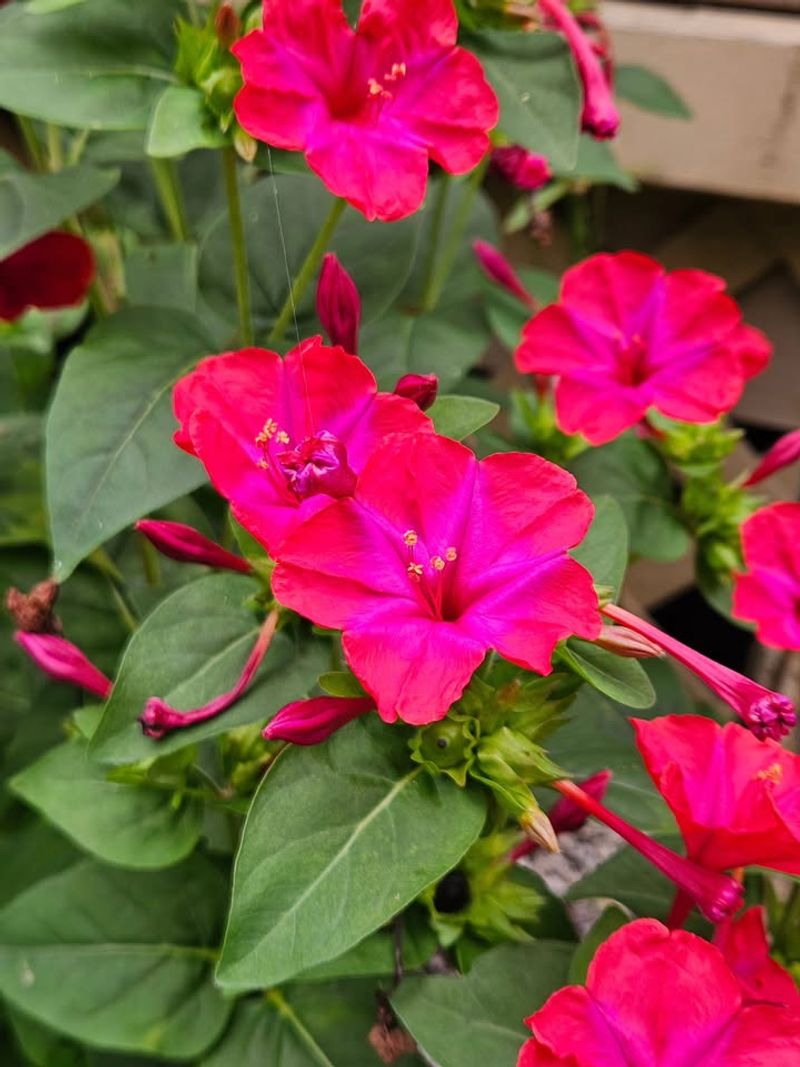
Four o’clocks have a charming little secret. Their flowers stay closed during the morning and only open in the late afternoon, usually around four o’clock, just in time to greet you after a long day.
This quirky habit makes them one of the most fun and conversation-starting flowers you can grow in a California garden.
Mirabilis jalapa is easy to start from seed and grows quickly in warm conditions. Sow seeds directly in the garden after the last frost, or start them indoors a few weeks early.
They do well in full sun to partial shade and adapt to a wide range of soil types, though well-drained soil gives the best results. In California’s warmer regions, seeds can go in the ground as early as April.
The flowers come in a wild mix of colors including pink, red, yellow, white, and magenta, and it is common to find plants with multiple colors on the same stem. They grow into bushy mounds two to three feet tall and spread nicely to fill bare spots.
Four o’clocks are also wonderfully fragrant in the evening, which draws in sphinx moths for pollination. For a flower full of personality and reliable summer color, four o’clocks are a fantastic seed-starting choice for California gardeners.