8 Boxwood Alternatives For California That Elevate Any Landscape
Boxwood has been the go-to for polished structure for so long that many California yards still lean on it by default. But plenty of gardeners are starting to look past that familiar clipped look and ask for something with a little more personality.
Better texture, softer movement, stronger drought tolerance, or simply a fresher feel can make a landscape look far more interesting without losing that tidy, intentional finish.
That is where the right alternatives really shine. Some bring evergreen form with less fuss, some handle heat and dry spells more gracefully, and others offer the kind of color or shape that makes a planting bed feel more custom and less copied.
In a state with so many climates and design styles, sticking with the usual choice does not always make the most sense.
A smart swap can change the whole mood of a yard. Suddenly the landscape feels richer, more current, and much better suited to the way California gardens actually live.
1. African Boxwood
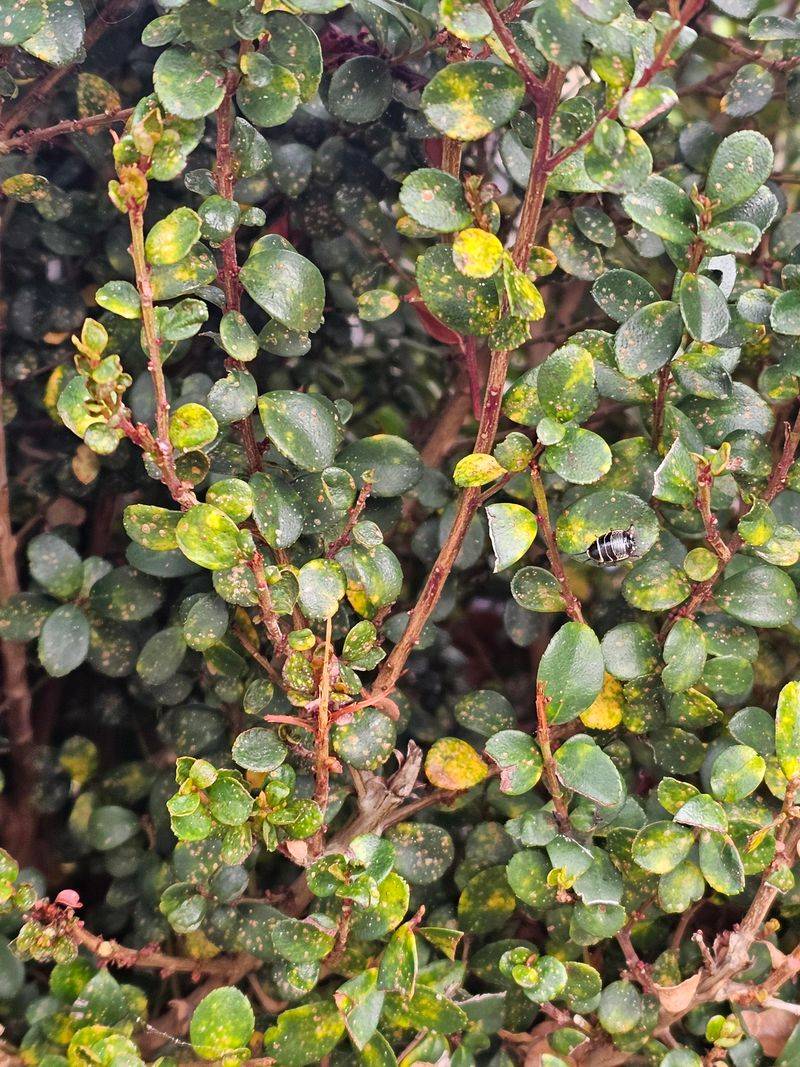
Not every great landscape plant gets the recognition it deserves, and African Boxwood is a perfect example of that. Scientifically known as Myrsine africana, this evergreen shrub has tiny, dark green leaves that are surprisingly similar to true boxwood.
It grows into a tidy, compact shape that looks clean and polished in any yard.
What makes it stand out in California is how well it handles heat and dry conditions. Once it settles in, it needs very little water, which is a huge bonus for homeowners dealing with water restrictions.
It grows slowly and holds its shape well, so you will not spend every weekend trimming it back into place.
African Boxwood works beautifully as a low hedge, a border plant, or even a container shrub on a patio. It does best in full sun to partial shade and prefers well-drained soil.
If you are looking for something that looks formal without demanding a lot of attention, this shrub checks every box. Many California gardeners are switching to it as a reliable, low-maintenance alternative that still brings structure and elegance to the landscape.
2. Coffeeberry
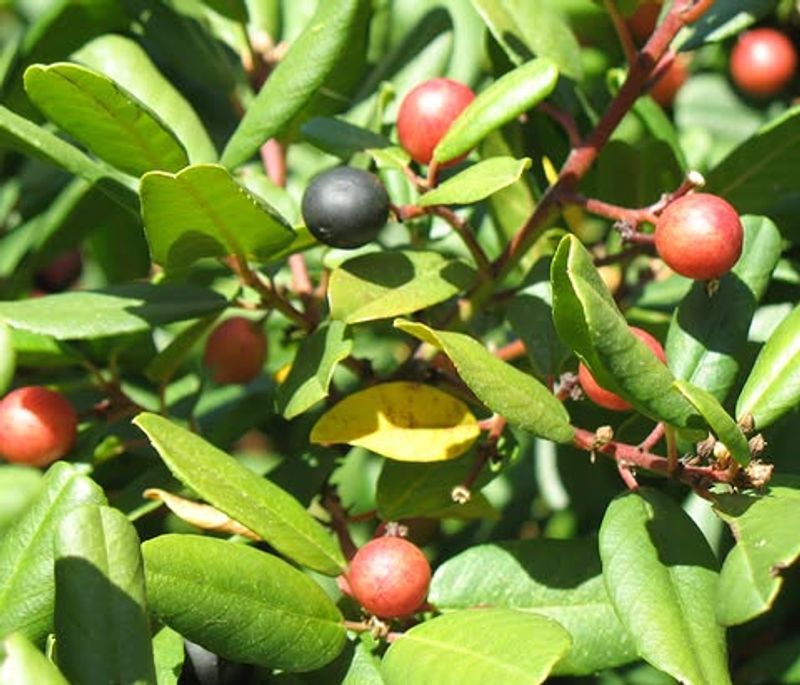
California has a knack for producing plants that are both beautiful and incredibly tough, and Coffeeberry is one of the best examples out there.
Known botanically as Frangula californica, this native evergreen shrub produces glossy, deep green leaves that stay attractive all year long.
In late summer and fall, it shows off clusters of berries that shift from green to red to deep purple as they ripen.
Birds absolutely love those berries, so planting Coffeeberry is like setting up a natural feeding station in your backyard. Beyond the wildlife benefits, it is one of the most drought-tolerant shrubs you can grow in California.
Once established, it can survive on rainfall alone in many parts of the state, making it a smart choice for water-conscious gardeners.
Coffeeberry grows to about four to eight feet tall depending on the variety, and there are compact cultivars available if you need something smaller. It adapts well to a wide range of soils, including clay, which is common in many California neighborhoods.
Your California Garden Changes Every Week. Your Plan Should Too.
Gardening in California changes quickly throughout the season. Every Friday you’ll receive a simple weekly plan showing exactly what to plant, prune, fertilize, harvest, and protect so you never miss the right timing.
Plant it in full sun or light shade, and it will reward you with year-round structure, seasonal color, and a steady stream of wildlife visitors to enjoy.
3. Ceanothus
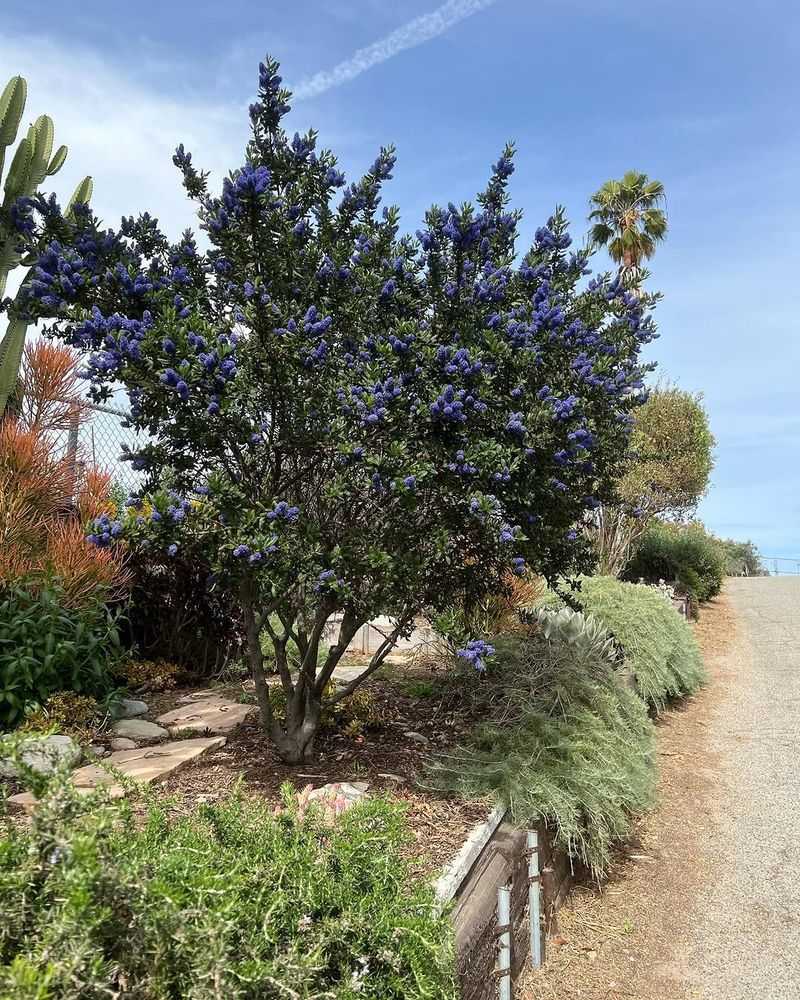
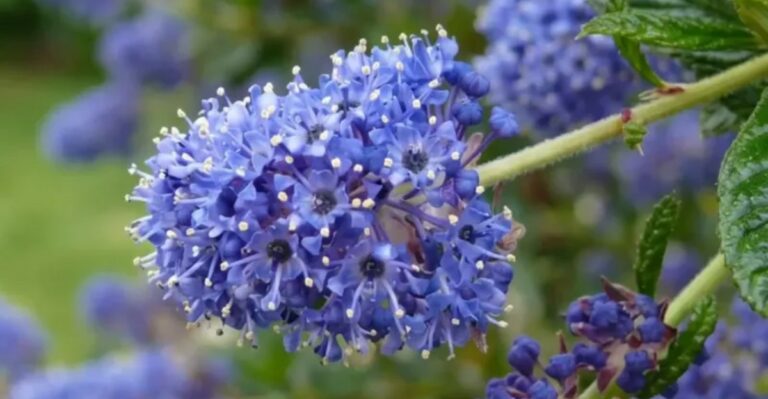
Few plants can stop a passerby in their tracks quite like Ceanothus in full bloom. Often called California Lilac, this native shrub explodes with clusters of blue, purple, or white flowers in spring, turning any yard into a showstopper.
Beyond the stunning flowers, it has dense, evergreen foliage that holds its structure throughout the year.
Ceanothus is built for California living. It thrives in full sun, handles poor soils with ease, and is extremely drought-tolerant once established.
Many species and cultivars are available, ranging from low-growing ground covers to large, upright shrubs reaching six feet or more. That variety makes it easy to find the right fit for your specific space and style.
Pollinators go wild for Ceanothus flowers. Bees, butterflies, and hummingbirds flock to it during bloom season, which adds life and movement to your garden.
For best results, plant it in well-drained soil and avoid overwatering, especially during summer. Ceanothus does not appreciate soggy roots.
If you want a native California plant that delivers bold seasonal color, supports local wildlife, and practically takes care of itself, this shrub belongs in your landscape plan without question.
4. Howard McMinn Manzanita
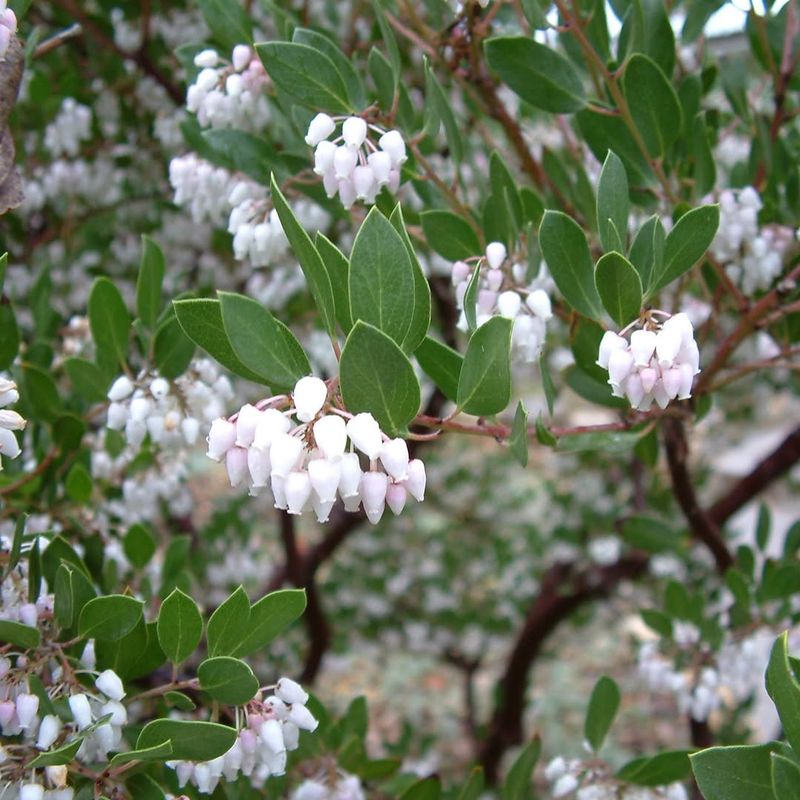
There is something almost artistic about Howard McMinn Manzanita. The smooth, reddish-brown bark practically glows in the sunlight, giving this shrub a sculptural quality that most plants simply cannot match.
It is a cultivar of Arctostaphylos densiflora and one of the most popular manzanitas used in California landscaping for good reason.
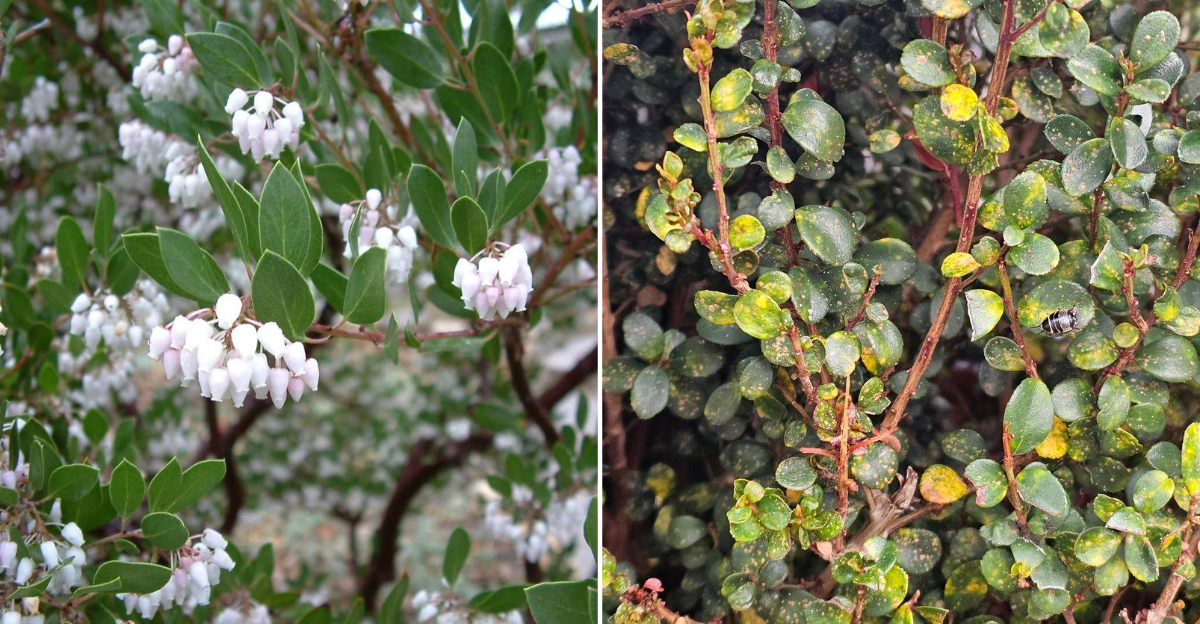
During late winter and early spring, it produces clusters of tiny, urn-shaped pink flowers that hummingbirds find irresistible. After the flowers fade, small berries develop, adding another layer of wildlife value.
The evergreen foliage stays neat and dense throughout the year, making it a reliable choice for hedges, borders, or naturalistic plantings.
Howard McMinn grows to about five to six feet tall and wide, creating a full, rounded shape that fills space beautifully without becoming invasive.
It thrives in full sun and well-drained soil and is highly drought-tolerant once established, which fits perfectly with California’s water-smart gardening goals.
Avoid heavy clay soils and overwatering, as manzanitas prefer to stay on the dry side. This is a plant that rewards patience and proper placement with years of low-maintenance beauty that genuinely feels like it belongs in a California landscape.
5. Ian Bush Manzanita
If you have a slope, a dry hillside, or a spot where nothing else seems to thrive, Ian Bush Manzanita might just be what you have been looking for.
This low-growing cultivar of Arctostaphylos densiflora spreads wide and low, making it an excellent ground cover or border plant for California gardens that need something tough and attractive.
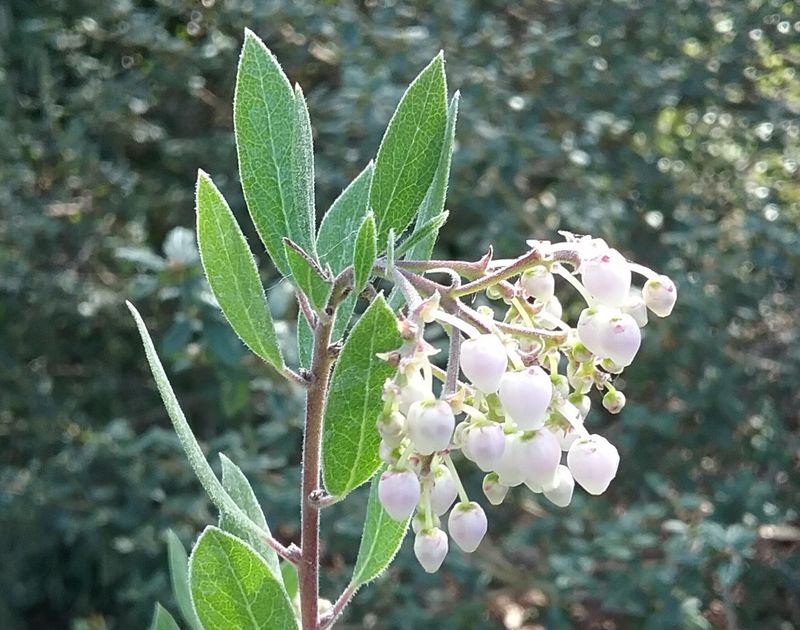
Ian Bush has silvery-green foliage that catches the light beautifully, and in late winter it produces small, pale pink flowers that attract hummingbirds and native bees. The reddish bark adds year-round visual interest even when the plant is not in bloom.
It typically reaches about two to three feet tall while spreading four to six feet wide, giving you solid coverage without taking over the space.
Like most manzanitas, Ian Bush thrives in full sun and well-drained soil. It is highly drought-tolerant and requires almost no supplemental irrigation once it is established in the garden. Avoid planting it in clay-heavy or poorly draining soil to keep it healthy long term.
For California homeowners who want a native, water-wise option that provides texture, seasonal interest, and wildlife value, Ian Bush Manzanita is an underrated gem worth adding to any landscape design.
6. Dwarf Coyote Brush
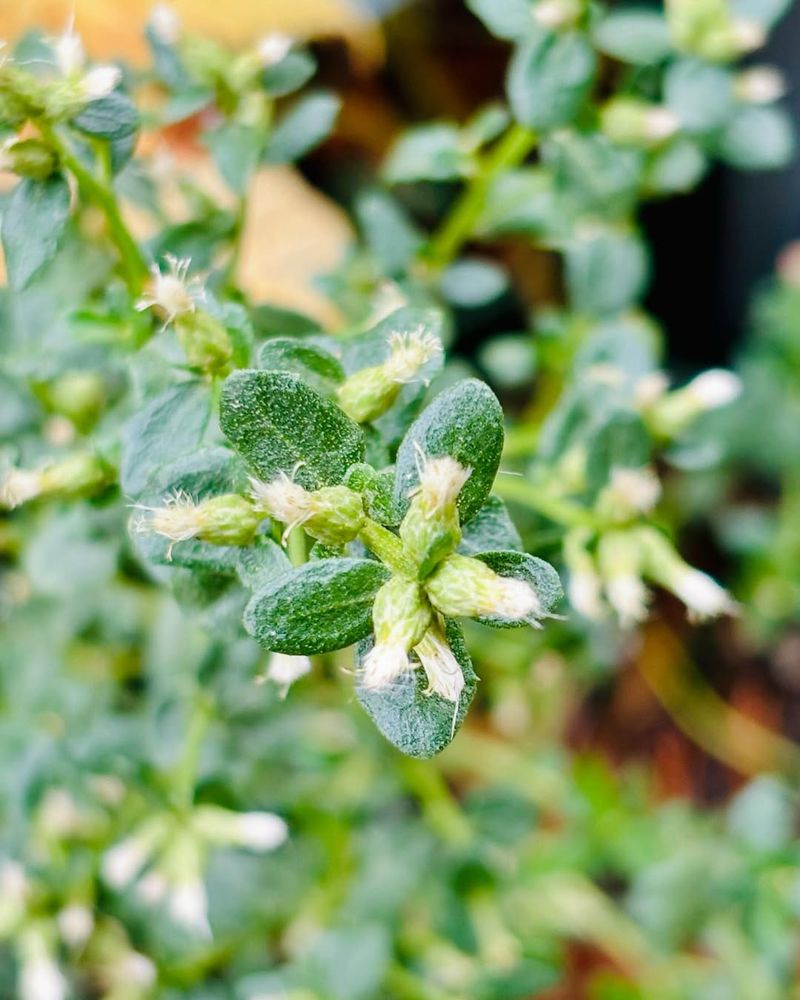
Sometimes the most underrated plants are the hardest workers in the garden, and Dwarf Coyote Brush fits that description perfectly.
Scientifically known as Baccharis pilularis ‘Twin Peaks,’ this low-growing California native spreads wide and stays close to the ground, making it an excellent choice for slopes, erosion-prone areas, and open garden beds that need coverage fast.
It is one of the most drought-tolerant plants you can grow in California, which is saying a lot given all the tough natives available in the state. Once it is established, Dwarf Coyote Brush can survive on rainfall alone in most coastal and inland areas.
The small, bright green leaves stay evergreen all year, giving your landscape a fresh, tidy look even during dry summer months.
This shrub grows to about one to two feet tall and spreads up to six feet or more, so give it plenty of room to do its thing. It prefers full sun and fast-draining soil.
Dwarf Coyote Brush also supports native insects and provides habitat for small wildlife, adding ecological value to your yard.
For California gardeners who want a no-fuss, low-water ground cover that genuinely thrives, this native plant is a reliable and smart landscape choice.
7. Toyon
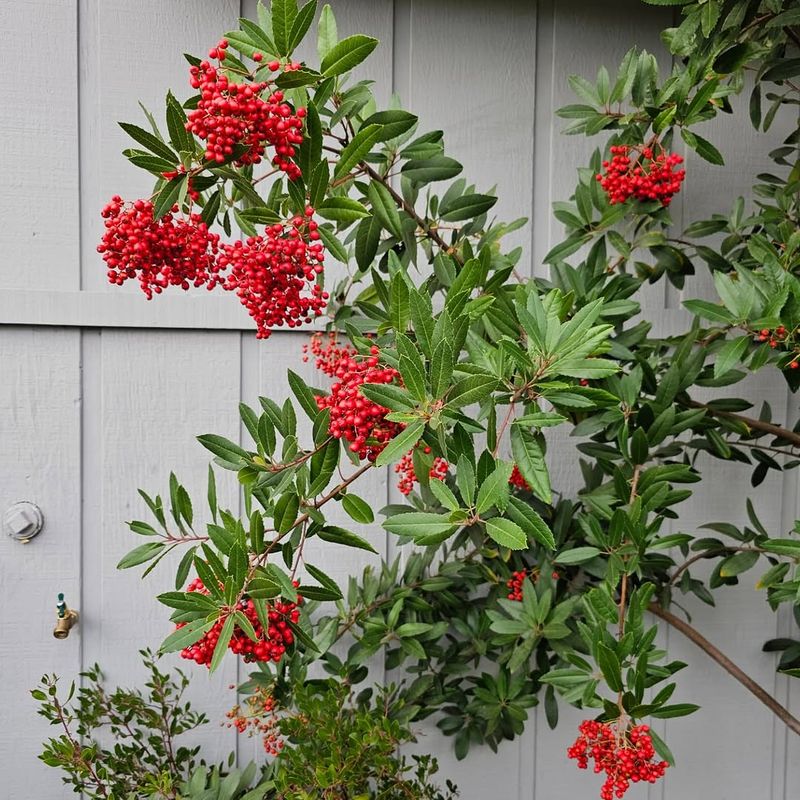
Walk through many California hillsides in December and you will likely spot Toyon dressed up in clusters of bright red berries that practically glow against its dark green leaves.
Also called California Holly or Heteromeles arbutifolia, this native evergreen shrub is deeply connected to the state’s natural landscape.
Some historians even believe Los Angeles got its Hollywood name partly because of Toyon’s abundance in the area.
Beyond its fascinating history, Toyon is a powerhouse plant for California gardens. It produces white flowers in summer that attract pollinators, followed by those iconic red berries in winter that birds love to feast on.
The dense, glossy foliage provides excellent year-round structure, making it a great boxwood alternative for anyone who wants something with more personality and seasonal drama.
Toyon can grow quite large, reaching up to ten feet or more, but it responds well to pruning and can be kept smaller with regular shaping. It thrives in full sun to partial shade and is very drought-tolerant once established, which makes it ideal for California’s dry summers.
Plant it in well-drained soil and give it room to grow. If you want a native shrub that connects your garden to California’s natural heritage while looking stunning all year, Toyon is an outstanding choice.
8. Rock Rose
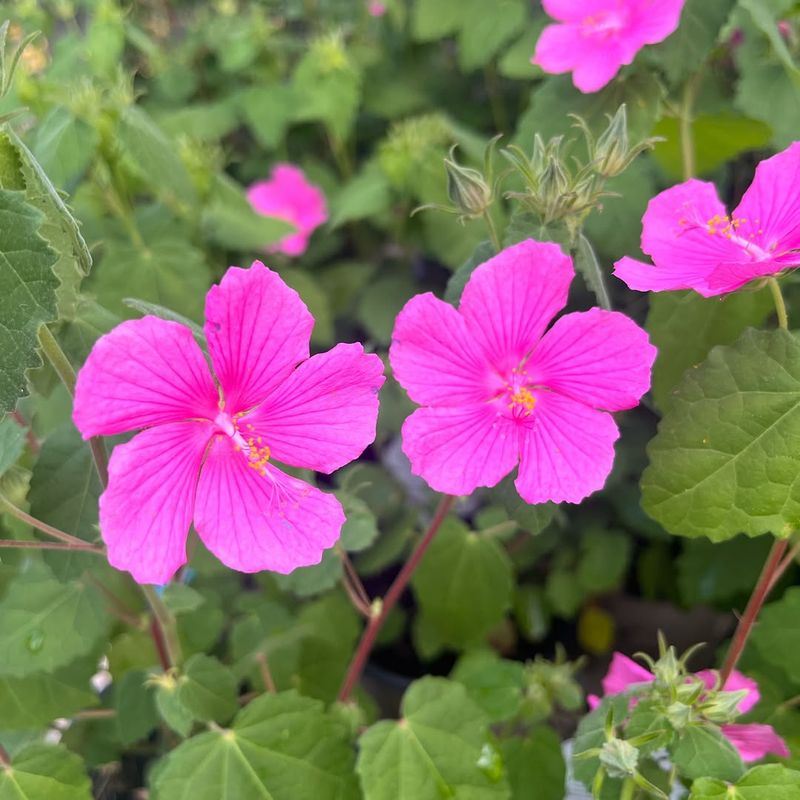
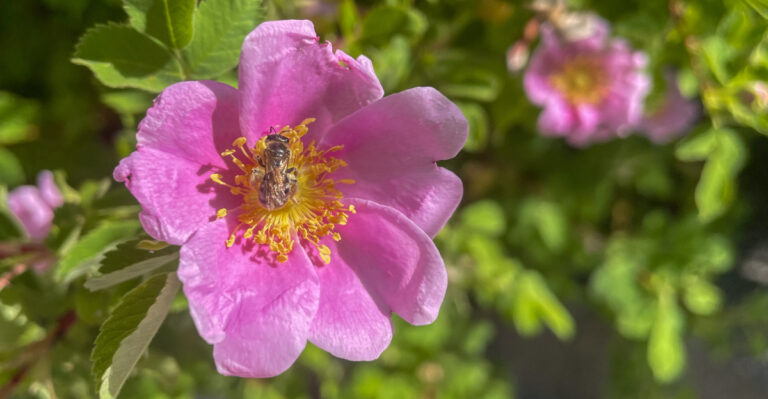
Imagine a shrub that practically thrives on neglect, bursts into gorgeous blooms every spring, and laughs in the face of drought. That is Rock Rose, known botanically as Cistus species, and it is one of the most satisfying plants you can add to a California landscape.
Originally from the Mediterranean region, it feels right at home in California’s similar climate of hot, dry summers and mild, wet winters.
Rock Rose produces large, papery flowers in shades of pink, white, or purple, often with contrasting spots near the center that give each bloom a striking, almost exotic look.
The flowers do not last long individually, but the plant produces so many of them that the show goes on for weeks.
The soft, gray-green foliage stays attractive all year and releases a pleasant, resinous fragrance when brushed against.
It grows to about three to five feet tall and wide, making it a great mid-size shrub for borders, hillsides, or mixed plantings.
Rock Rose loves full sun and well-drained soil, and it handles both poor soil and salt spray, which makes it a great option for California coastal gardens.
Once established, it needs almost no irrigation and very little pruning, making it one of the most low-effort, high-reward shrubs available for California homeowners.