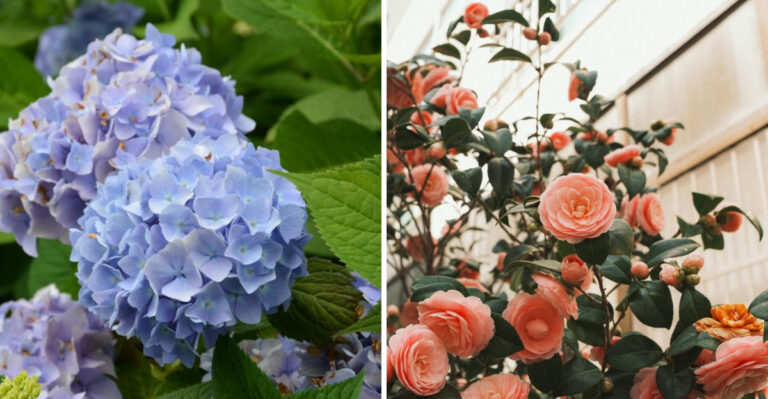
Think Twice Before Planting These 16 Trendy Perennials In Virginia
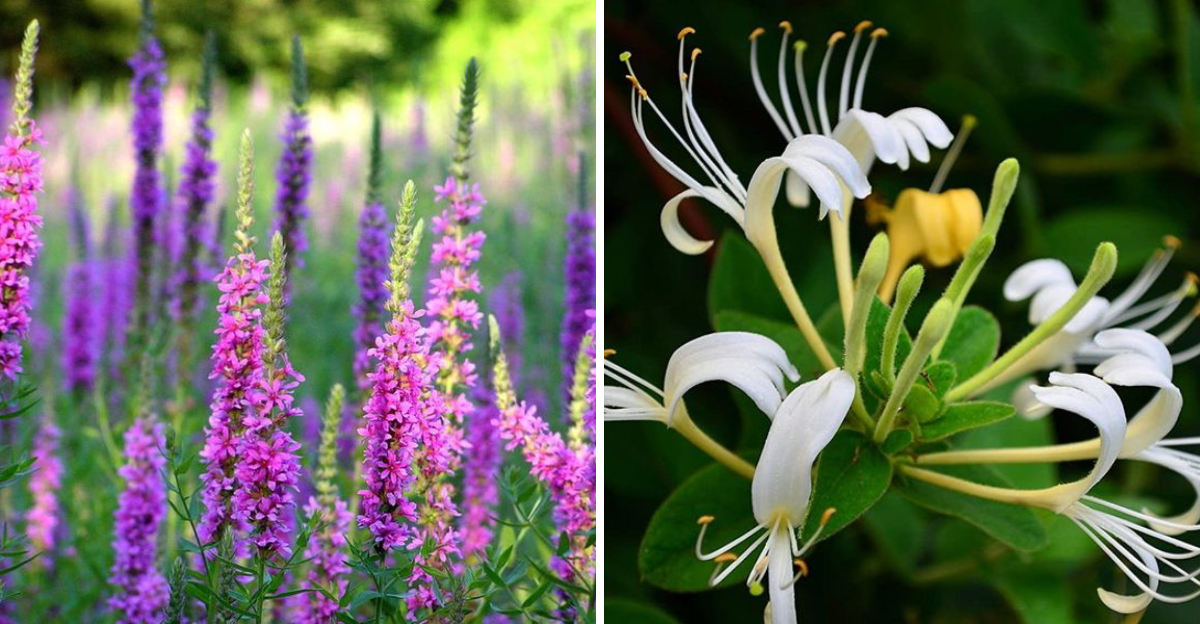
Before planting that trendy perennial, Virginia gardeners should know the truth.
While the state is known for its beautiful landscapes, from the Atlantic coastline to the Appalachian Mountains, its diverse climates and soils can be surprisingly challenging for certain plants.
What looks perfect at the nursery or in someone else’s garden might struggle once it’s planted in your yard.
Certain perennials may seem like great additions, but they can struggle to live up to expectations in Virginia gardens.
1. English Ivy
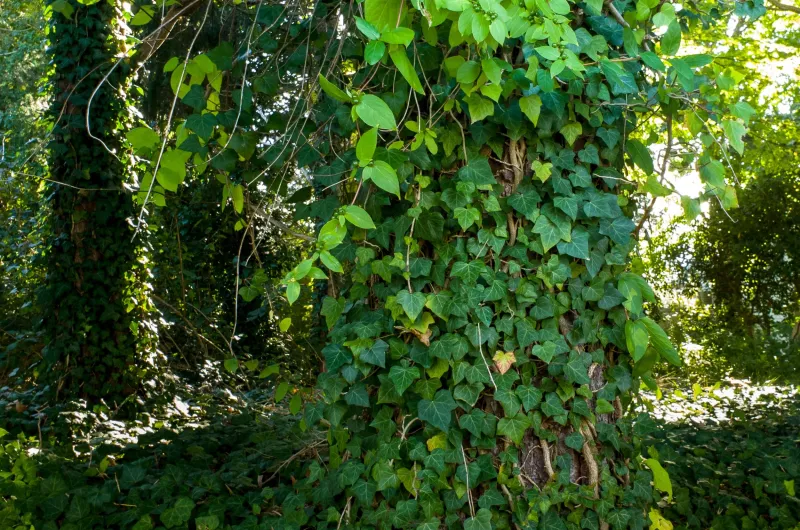
English Ivy looks like the perfect ground cover, and you’ve probably seen it draping elegantly over stone walls in garden magazines.
The problem is that, this plant doesn’t just grow, it takes over.
English Ivy spreads so fast that it smothers native plants, climbs trees, and weakens their structure over time.
Warm, humid summers give this plant exactly the conditions it craves, and once it gets established, removing it becomes a massive chore.
It’s considered an invasive species in many parts of the state, and the Virginia Department of Forestry has flagged it as a serious ecological threat.
Beyond the garden, English Ivy can harbor pests like rodents and mosquitoes because it creates dense ground cover where they love to hide.
Homeowners in Richmond and Charlottesville have spent entire weekends trying to pull it out, only to see it return a few weeks later.
If you love the look of a lush ground cover, try native alternatives like wild ginger or green-and-gold instead.
These options give you that same beautiful, carpeted effect without the aggressive spreading that makes English Ivy such a troublemaker in landscapes.
2. Burning Bush
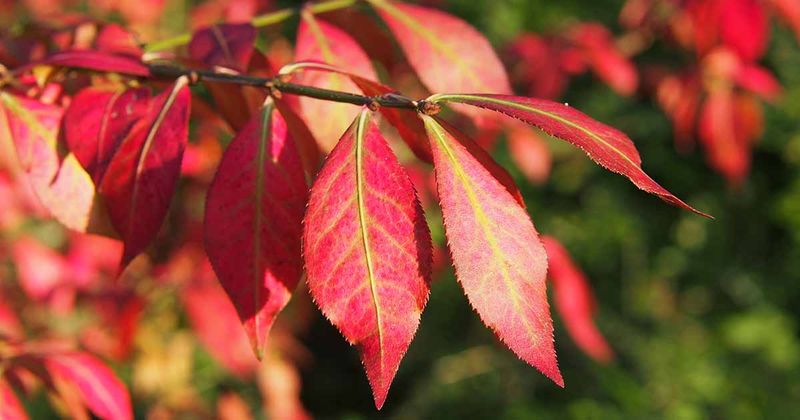
Every autumn, Burning Bush turns a jaw-dropping shade of crimson red that makes neighbors stop and stare, and that’s exactly why it ends up in so many gardens.
Nurseries have sold it for decades as a reliable, colorful shrub, and homeowners love the dramatic fall display it delivers year after year.
The catch is that Burning Bush has earned a spot on invasive species watch list, and for good reason.
Birds eat the bright red berries and scatter seeds into nearby forests, fields, and natural areas throughout the state.
Over time, seedlings pop up in woodlands, where they outcompete native understory plants that local animals depend on.
The plant is especially problematic near state parks and natural reserves, where it can spread into protected land from neighboring residential yards.
Some garden centers have voluntarily stopped selling it, recognizing the long-term harm it causes to local ecosystems.
The good news is that Virginia has amazing native alternatives with equally stunning fall color, like native blueberries, or itea.
These plants offer that same fiery autumn palette while supporting pollinators, birds, and other wildlife that call home year-round.
3. Chinese Wisteria
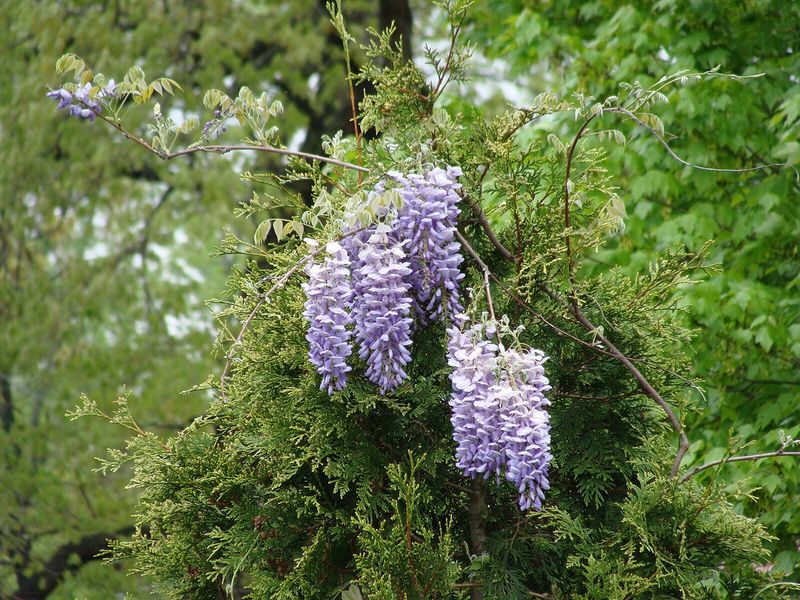
There are few sights more breathtaking than a wisteria in full bloom, with its cascading clusters of purple flowers and intoxicating fragrance filling the spring air.
It’s easy to see why gardeners fall head over heels for Chinese Wisteria at the nursery every spring.
Your Virginia Garden Changes Every Week. Your Plan Should Too.
Gardening in Virginia changes quickly throughout the season. Every Friday you’ll receive a simple weekly plan showing exactly what to plant, prune, fertilize, harvest, and protect so you never miss the right timing.
But this plant has a dark side that most garden tags conveniently leave out.
Chinese Wisteria is one of the most aggressive vines you can plant, capable of growing up to ten feet in a single season.
It wraps its woody stems around trees, fences, and structures with incredible force, eventually cracking wood, pulling down gutters, and girdling large trees.
In forests and roadsides, escaped wisteria has smothered entire tree canopies, blocking sunlight from the plants below.
The vine spreads both by runners and by seed, making it very hard to keep contained once it escapes your yard.
Removing an established Chinese Wisteria is a serious project that often requires cutting, digging, and repeated follow-up treatments over multiple seasons.
American Wisteria is a much better choice for gardeners, offering the same stunning blooms while staying far more manageable and supporting native pollinators beautifully.
4. Japanese Honeysuckle
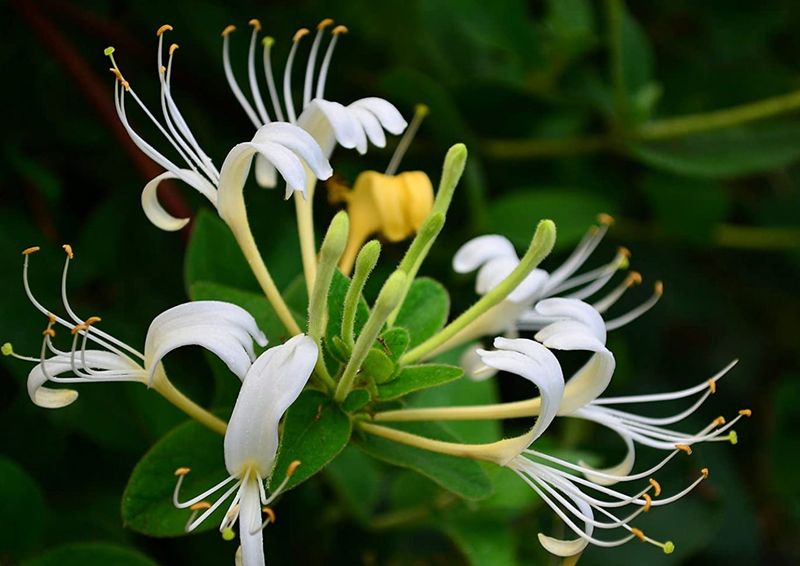
Few plants smell as wonderful as Japanese Honeysuckle in full bloom, and that sweet fragrance is exactly what makes it so tempting to plant.
But gardeners have learned the hard way that this vine is nearly impossible to control once it gets going.
Japanese Honeysuckle is one of the most problematic invasive plants in the entire southeastern United States, and Virginia is no exception.
It wraps itself around native shrubs and small trees, cutting off their sunlight and stunting their growth in a matter of seasons.
Along roadsides and forest edges, you can see the damage this plant causes, with entire stretches of native vegetation buried under its thick, tangled stems.
The plant spreads both by runners along the ground and by seeds carried by birds, which makes controlling it extremely difficult.
Even if you pull it out from one section of your yard, birds can replant it for you the very next season.
Native alternatives like coral honeysuckle are a much smarter choice for gardeners who want that beautiful climbing vine without the ecological baggage.
Coral honeysuckle also attracts hummingbirds, making it a win for your yard and for local wildlife.
5. Vinca Minor (Periwinkle)
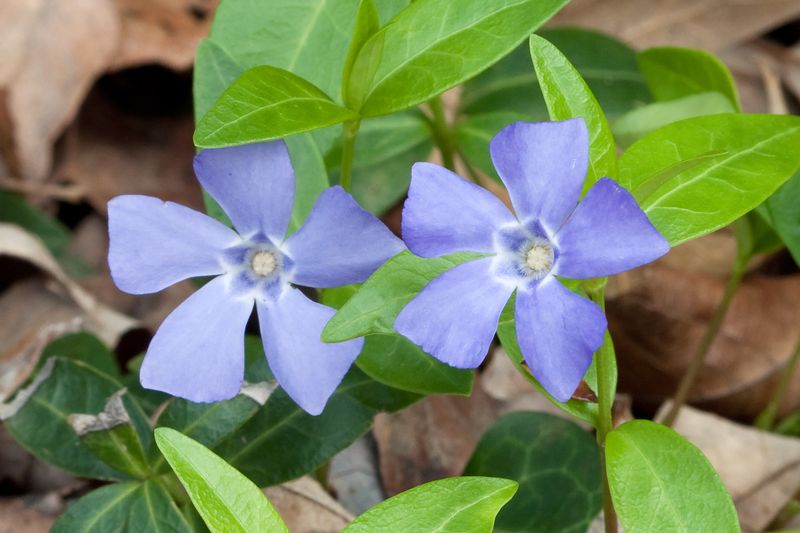
Vinca Minor, commonly called Periwinkle, seems like the perfect solution for shady spots where grass just won’t grow, and gardeners have planted it by the millions for exactly that reason.
Those cheerful little blue-purple flowers that appear in spring make it look completely harmless and even charming.
The reality is that Periwinkle spreads relentlessly in shaded woodland gardens, creeping well beyond its intended boundaries.
It forms such a thick, low mat that native wildflowers like trillium, bloodroot, and bluebells can’t push through it in spring.
In forested neighborhoods across Northern Virginia and the Shenandoah Valley, Periwinkle has crept into natural areas where it suppresses the native plant communities that local ecosystems depend on.
Unlike many invasives, Vinca is extremely difficult to remove because its stems root wherever they touch the ground, creating a dense network that’s hard to pull up cleanly.
Even small pieces left behind can regrow and restart the whole spreading process all over again.
For shady spots in yards, native alternatives like wild ginger, foamflower, or Pennsylvania sedge are far better choices.
They provide beautiful ground cover, support local wildlife, and stay where you put them without sneaking into your neighbor’s woods.
6. Lemon Balm
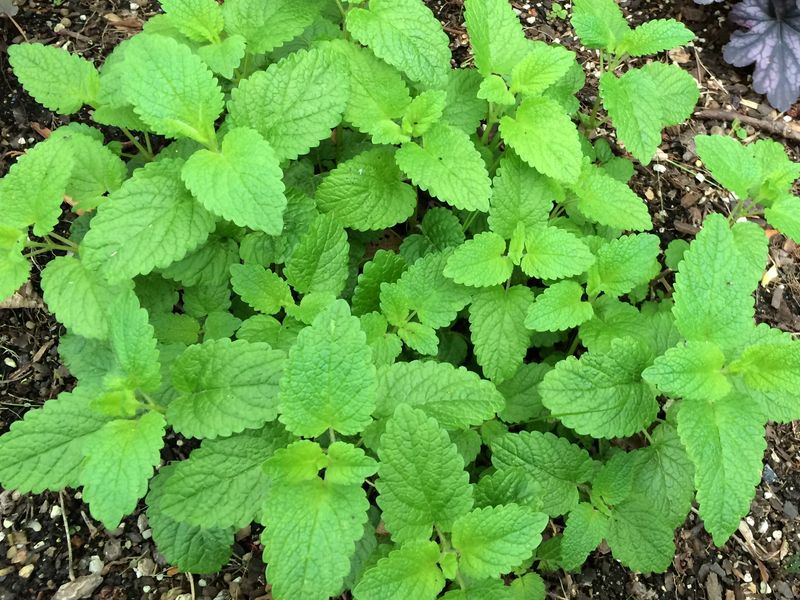
Lemon Balm smells absolutely amazing, and rubbing a leaf between your fingers releases a fresh, citrusy scent that makes you want to plant it everywhere.
Herb gardeners often add it thinking they’ll use it for teas, cooking, and natural remedies, which are all genuinely great uses for this plant.
The trouble starts when Lemon Balm realizes just how much it loves the state’s climate and decides to take over your entire garden.
This member of the mint family spreads aggressively by both underground runners and by self-seeding, which means it pops up in places you never intended.
Virginia gardeners who plant it in open beds often find it has spread several feet in every direction by the end of summer.
It can crowd out neighboring plants, including vegetables, flowers, and herbs you actually want to keep.
The seeds are tiny and spread easily, so even if you deadhead the flowers, some seeds will escape and germinate the following spring.
Growing Lemon Balm in a buried container or a pot is the smartest approach for herb gardeners who still want to enjoy its benefits.
Containing its roots prevents it from spreading while still giving you all the fragrant leaves you could ever want for summer teas and recipes.
7. Obedient Plant
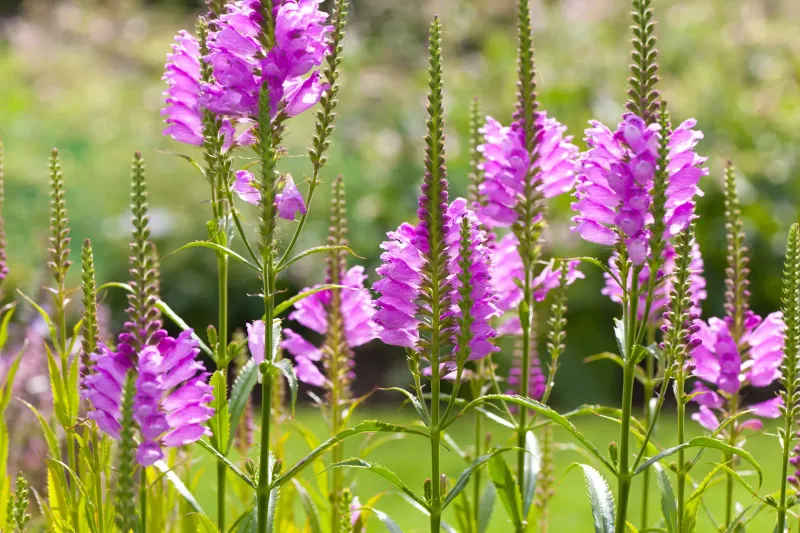
The name Obedient Plant is one of the greatest marketing tricks in the gardening world, because this plant is anything but obedient once it settles into the garden.
The individual flowers do have a fun quirk where you can push them to one side and they stay put, which is where the name comes from.
But the plant itself wanders wherever it pleases through aggressive underground rhizomes that spread in all directions.
Virginia gardeners who plant it in a mixed perennial border often discover the following season that it has crowded out neighboring plants and spread well beyond its original spot.
In rich, moist soil, which is common in many garden beds, Obedient Plant spreads even faster than usual, creating dense colonies that are tough to manage.
Dividing it every year or two helps keep it in check, but that means more work for you every single spring.
If you love the look of tall pink flower spikes, native alternatives like rose turtlehead or native blazing star are excellent choices for landscapes.
Both plants offer similar vertical interest and beautiful bloom color while behaving themselves far better in a mixed garden setting.
Gardeners in the Virginia Beach and Hampton Roads areas have found native blazing star especially rewarding because it also attracts monarch butterflies.
8. Purple Loosestrife
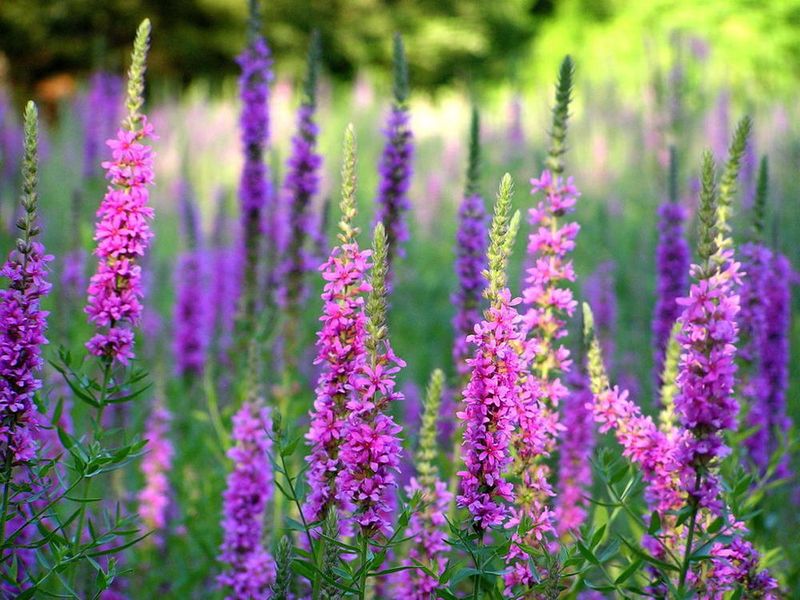
At first glance, Purple Loosestrife looks like a dream perennial, with its tall, vivid spikes of magenta blooms that light up any wet garden area.
Gardeners shopping at big-box stores often grab it without a second thought because it photographs beautifully and seems low-maintenance.
But, planting Purple Loosestrife near any water feature, rain garden, or low-lying area is asking for serious trouble.
This plant is a wetland bully, crowding out native species like cattails and bulrushes that local wildlife depend on for food and shelter.
A single Purple Loosestrife plant can produce up to two million seeds per year, and those seeds spread easily through water and wind.
Virginia’s rivers, streams, and wetlands are particularly vulnerable because the state has so many rich, biodiverse aquatic ecosystems worth protecting.
Once established in a wetland, this plant forms dense monocultures that are extremely expensive and labor-intensive to remove.
Several counties have active removal programs trying to keep Purple Loosestrife from spreading further into natural areas.
Swamp milkweed or blue flag iris are gorgeous native alternatives that offer similar visual drama without threatening Virginia’s fragile wetland ecosystems.
9. Ribbon Grass
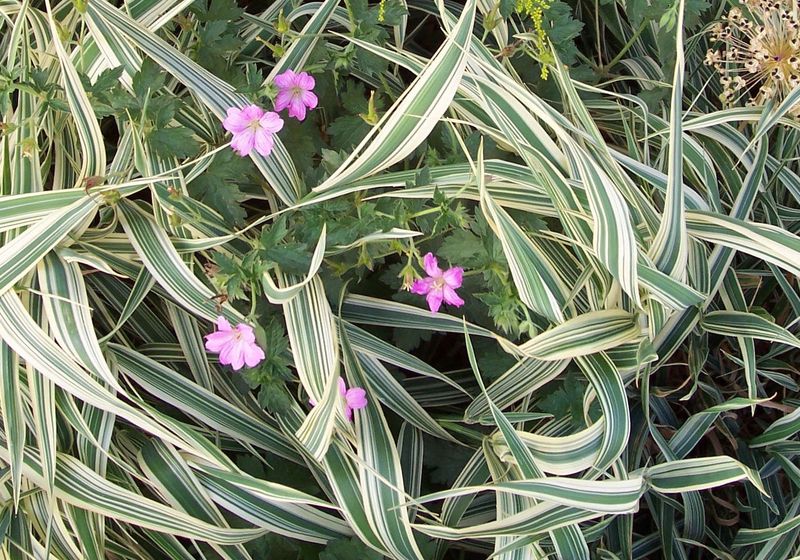
Ribbon Grass, with its eye-catching green and white striped leaves, looks like a sophisticated, modern addition to any landscape design.
It’s the kind of ornamental grass that grabs attention at the nursery and seems perfect for filling in tricky spots along borders or slopes.
What the plant tag rarely tells you is that Ribbon Grass spreads through underground stolons at a truly alarming rate in Virginia’s climate.
Once established, it can quickly outpace neighboring plants and push into your lawn, creating patchy, hard-to-mow areas that are frustrating to deal with.
Gardeners have reported finding Ribbon Grass popping up several feet away from where they originally planted it, seemingly overnight.
Removing it is a real challenge because any small piece of root left in the soil can regrow into a new clump.
Unlike many ornamental grasses that clump neatly and stay put, Ribbon Grass runs aggressively and does not respect garden boundaries of any kind.
If you love ornamental grasses for your garden, consider native options like river oats or little bluestem instead.
These grasses add beautiful texture and movement to the landscape while staying in well-behaved clumps that you don’t have to battle every season.
10. Houttuynia (Chameleon Plant)
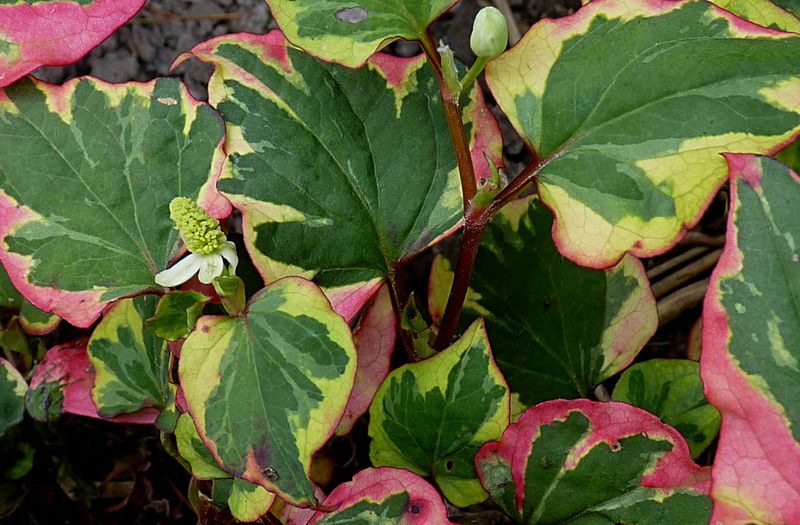
Walk into any garden center and you’ll likely spot Houttuynia, also called the Chameleon Plant, with its stunning multicolored leaves of red, green, yellow, and pink.
It’s the kind of plant that stops you in your tracks because nothing else in the garden offers quite that wild, tropical-looking foliage combination.
Unfortunately, Houttuynia is one of the most notoriously difficult plants to control in moist garden settings, and Virginia’s humid climate is basically its paradise.
It spreads through an extensive network of underground rhizomes that go deep into the soil, making complete removal nearly impossible without major digging.
Gardeners who have planted it near ponds, rain gardens, or low-lying areas have found it spreading across large areas within just a couple of seasons.
Even when you think you’ve removed it all, tiny root fragments left behind will sprout new plants the following spring.
The plant also has a strong, somewhat unpleasant odor when its leaves are crushed or bruised, which surprises many first-time growers.
For colorful foliage in damp spots across Virginia, native alternatives like cardinal flower or swamp rose mallow offer gorgeous color without the aggressive spreading habit.
Both plants are also excellent for attracting pollinators and hummingbirds throughout warm growing season.
11. Creeping Jenny
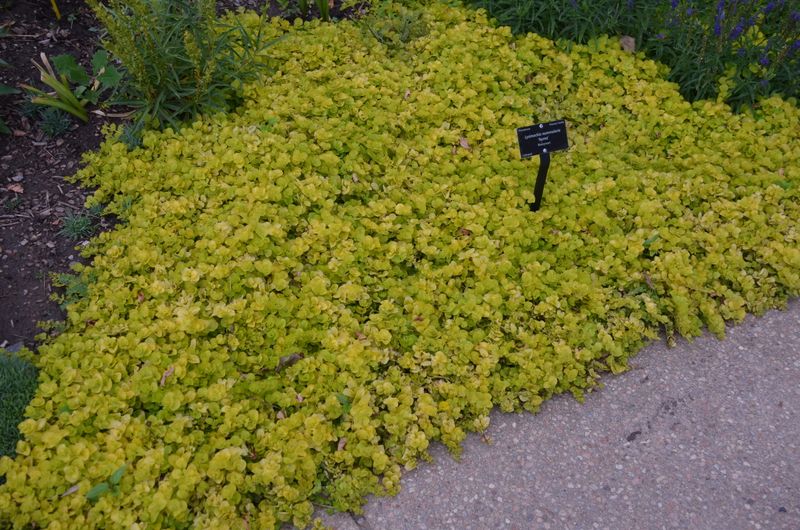
Creeping Jenny is one of those plants that garden designers love to use because its bright, almost neon-yellow-green leaves make any container or garden bed pop with color.
The golden variety especially catches attention, and gardeners often use it to add a splash of brightness to shady, damp corners of the yard.
But Creeping Jenny earns its name honestly, and in moist climate, it creeps with impressive speed.
It spreads by rooting at every node as it trails along the ground, forming a dense mat that can cover large areas in a single growing season.
Near water features, ponds, or any consistently moist area in Virginia yards, this plant can escape into natural areas and become a genuine ecological problem.
It has been flagged as a potentially invasive species in several mid-Atlantic states, and gardeners near natural waterways should be especially cautious.
Keeping it in a container where it can trail over the edges is the safest way to enjoy Creeping Jenny without letting it run wild.
If you want a low-growing, spreading native plant for damp spots in Virginia, consider golden groundsel or native sedges as more responsible alternatives.
These plants offer similar textures and ground-covering habits while contributing positively to the local ecosystem.
12. Mint (Mentha Species)
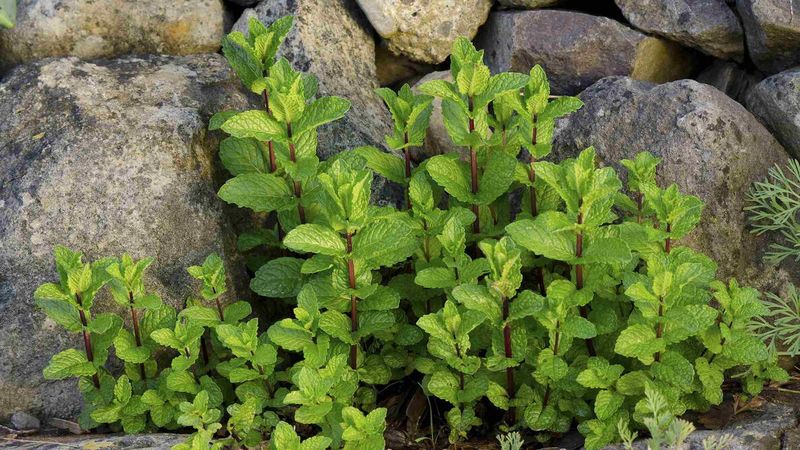
Almost every gardener has been tempted to plant mint, and honestly, the temptation makes total sense because mint is useful, fragrant, and incredibly easy to grow.
Fresh mint for mojitos, teas, and cooking is a genuine luxury, and it’s hard to argue against having it right outside your kitchen door.
The problem is that mint is basically the marathon runner of the plant world, spreading underground through runners that travel far and fast.
In fertile garden soil, mint can spread several feet in a single season, invading vegetable beds, flower borders, and even cracking through mulch layers to pop up in unexpected places.
Once it gets into a mixed planting area, separating it from other plants without disturbing their roots becomes a painstaking task.
Many gardeners have entire sections of their yard taken over by mint they casually planted years ago without thinking about containment.
The standard advice is to always plant mint in a buried container or a pot with drainage holes to keep the roots from escaping into surrounding soil.
Sunken pots work well in raised beds, giving you easy access to fresh mint while keeping those ambitious runners completely in check.
With just a little planning, you can enjoy all the fragrant benefits of mint without turning your whole garden into a mint monoculture.
13. Yarrow
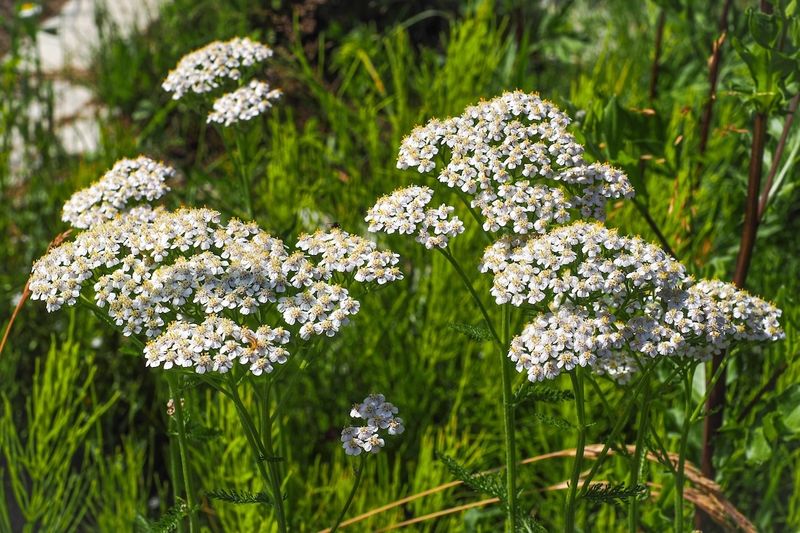
Yarrow has been having a serious moment in the gardening world lately, popping up in every trendy perennial garden photo on social media and garden design blogs.
With its feathery foliage and flat-topped flower clusters in shades of yellow, white, pink, and red, it’s genuinely a stunning plant when it’s well-behaved.
Gardeners should know, though, that Yarrow can become quite aggressive in the right conditions, particularly in well-drained, sunny spots that are common across much of the state.
Non-native Yarrow varieties spread both by underground rhizomes and by prolific self-seeding, which means new plants pop up throughout your garden without any invitation.
Over time, it can crowd out more delicate perennials and take over large sections of a mixed border that you carefully planned and planted.
In Piedmont region, where sunny, dry slopes are common, Yarrow can spread into natural areas and edge out native wildflowers.
Deadheading before seeds mature helps reduce self-seeding, but it requires consistent attention throughout the blooming season.
If you love Yarrow’s look, native wildflowers like Queen Anne’s Lace relatives or native coreopsis offer similar flat-topped flower clusters with far less aggressive spreading habits.
Choosing native plants always supports Virginia’s pollinators, butterflies, and beneficial insects more effectively than non-native alternatives.
14. Lily Of The Valley
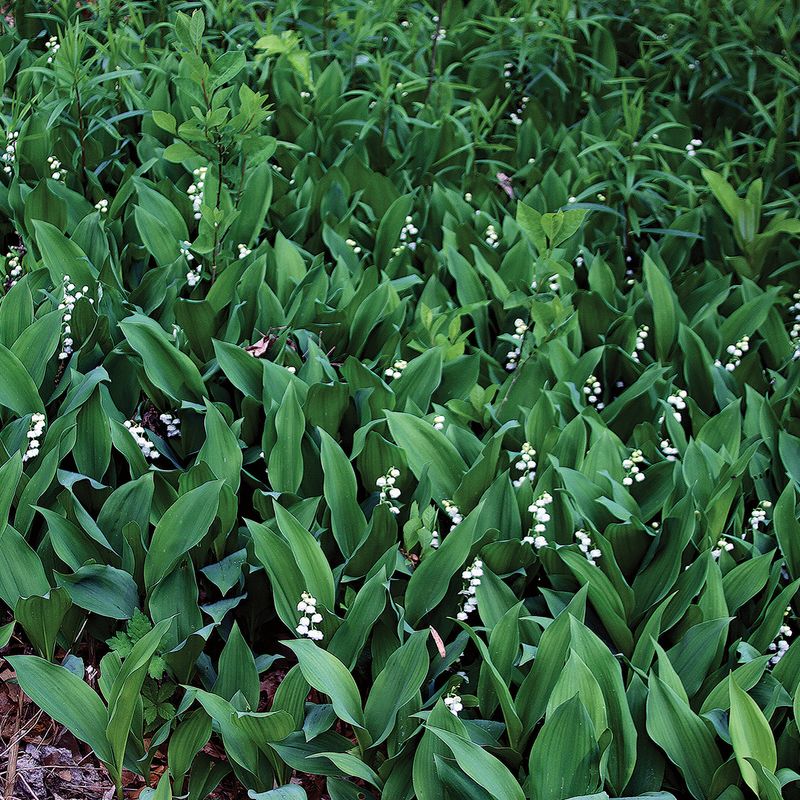
Lily of the Valley is the kind of plant that seems plucked straight from a fairy tale, with its dainty white bell-shaped flowers and sweet, powdery fragrance that fills the spring air.
Many gardeners inherit it in older yards or receive it as a gift from well-meaning friends, and at first it seems like a lovely, low-maintenance treasure.
After a season or two, though, most gardeners realize they’ve invited a very determined squatter into their garden.
Lily of the Valley spreads through underground rhizomes called pips, forming dense, spreading colonies that push out any other plant trying to share the space.
In shaded gardens beneath trees, which are extremely common in wooded suburban neighborhoods, it can take over entire areas within just a few years.
It’s also toxic to people and pets, so households with curious children or animals need to be especially cautious about planting it in accessible areas.
Removing an established colony is genuinely hard work because the rhizomes run deep and break apart easily, leaving behind pieces that regrow.
For shaded gardens, native wild ginger or trout lily offers similar charm and ground-covering ability with far less aggressive behavior.
Both are beautiful in spring and support local wildlife in ways that Lily of the Valley simply cannot.
15. Tansy
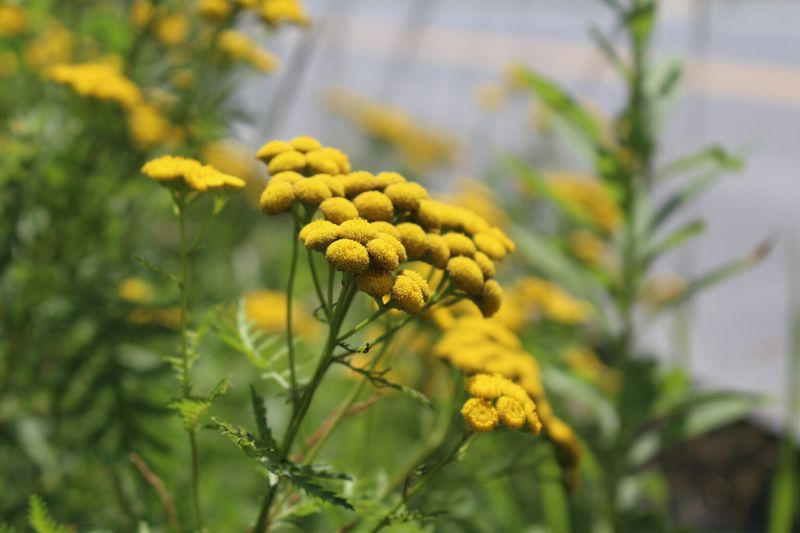
Tansy has made a comeback in herbal and cottage-style gardens thanks to its cheerful yellow button flowers and its reputation as a natural insect repellent.
Gardeners interested in organic pest control are often drawn to it for that reason, planting it near vegetable beds hoping to keep insects at bay.
The reality is that Tansy can become a persistent weed in gardens, self-seeding prolifically and spreading through underground runners simultaneously.
A single plant can produce thousands of seeds per season, and those seeds remain viable in the soil for years, sprouting long after you think you’ve removed the plant.
Along roadsides and disturbed areas in rural Virginia, Tansy has already naturalized in many spots, crowding out native wildflowers and plants that local insects depend on.
It also contains toxic compounds called thujone that make it dangerous for people and animals to ingest in any significant quantity.
Handling the plant repeatedly without gloves can cause skin irritation in some people, especially during hot, humid summers when skin sensitivity increases.
If you want to deter garden pests naturally, herbs like basil, rosemary, or native plants like wild bergamot are far safer and easier to manage.
Wild bergamot in particular is a beautiful native option that attracts pollinators while staying well within its boundaries in most garden settings.
16. Japanese Anemone
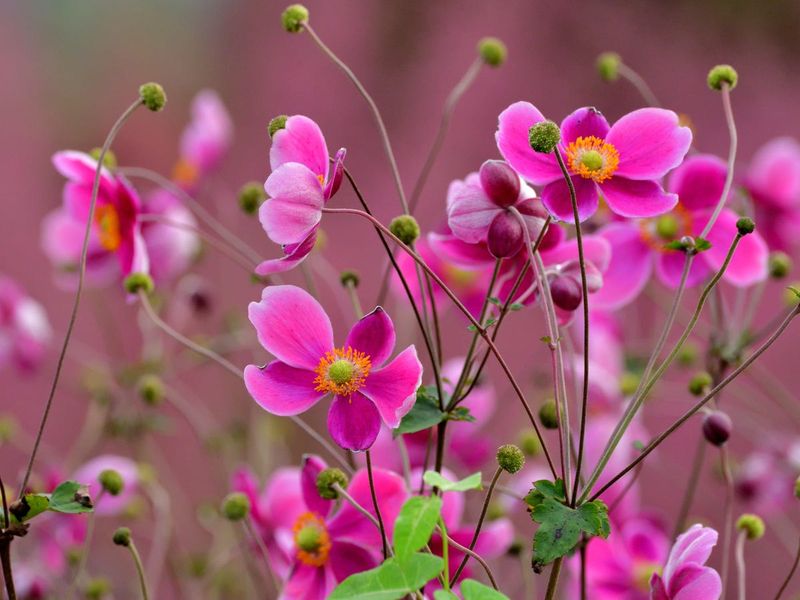
Japanese Anemone is one of fall’s most elegant perennials, producing delicate pink or white flowers on tall, wiry stems that sway gracefully in the autumn breeze.
Virginia gardeners love it because it blooms when most other perennials have finished for the season, bringing life and color to the garden well into October.
What catches many people off guard is just how aggressively Japanese Anemone spreads once it gets comfortable in a Virginia garden bed.
It pushes through underground runners that travel surprisingly far, popping up in the middle of other plants, in lawn edges, and even through cracks in pavement or mulch borders.
In warm, humid climate, the plant establishes quickly and can double or triple its footprint within two or three growing seasons.
Dividing it regularly and installing root barriers can help manage its spread, but both require consistent effort and attention every single year.
Removing it entirely is a major project because even small pieces of root left behind will sprout new plants the following spring.
Gardeners who want beautiful fall color without the management headache should consider native asters or goldenrod instead.
Both plants bloom gloriously in autumn, support dozens of native bee and butterfly species, and stay in polite, manageable clumps that won’t take over your entire garden.