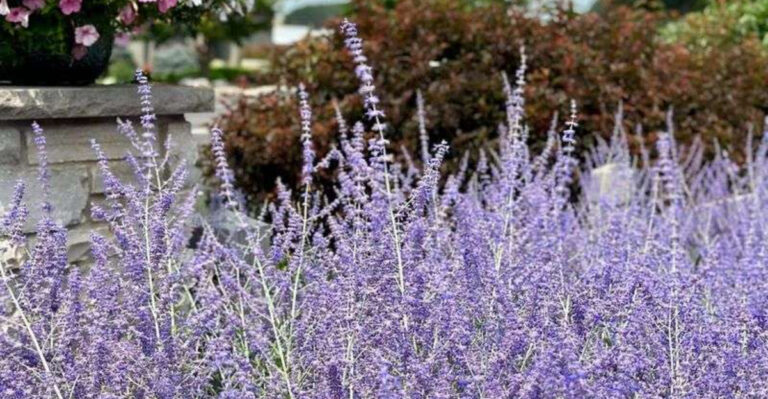
No Mow May Is Spreading Across New Jersey And The Results Are Surprising

Somewhere in New Jersey, a lawnmower is sitting in a garage collecting dust. The yard it usually keeps in line is thriving because of it.
No Mow May is exactly what it sounds like. One month.
No mowing. Whatever wants to grow, grows.
Wildflowers, clover, dandelions, the works. The movement started in the UK and has quietly made its way into New Jersey neighborhoods.
Homeowners are discovering that a little neglect in May pays off in ways a perfectly striped lawn never could. Pollinators show up.
Plants you never planted appear out of nowhere. And the neighbor who used to judge your crabgrass is now asking what kind of violets those are.
If you have always suspected that lawns are a bit overrated, May is your moment to find out.
Consider this your permission slip to be the most interesting yard on the block.
New Jersey’s May Is Already Working Against Your Lawn
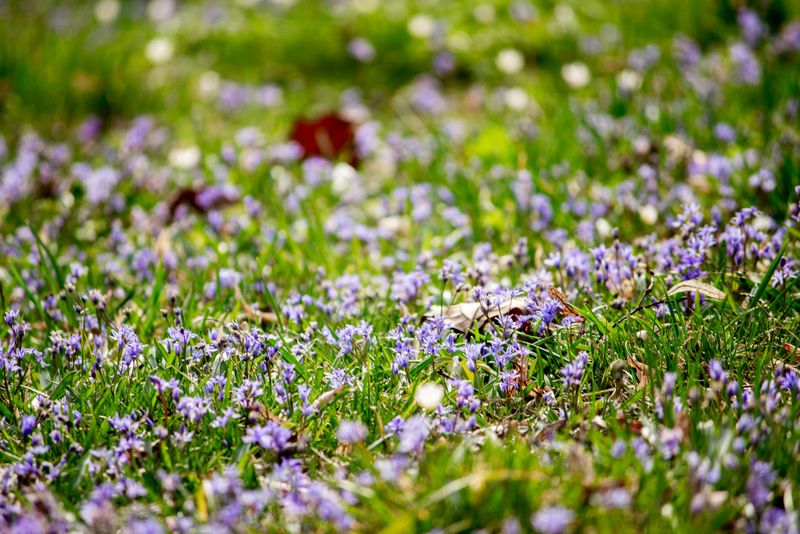
May in New Jersey is basically a turbo button for your yard.
The combination of warming soil, longer days, and spring rain creates a growth surge that most homeowners fight every single weekend.
Grass can shoot up an inch or two in just a week, and the pressure to keep things tidy feels relentless.
Here is the twist: that same biological surge is exactly what No Mow May is designed to work with, not against.
When you stop fighting the season, something remarkable happens.
Wildflowers that were dormant underground suddenly have the space and light they need to push through.
Dandelions, clover, and henbit may be classified as weeds, but in May they serve a purpose most lawns rarely get to fulfil.
They are early food sources for pollinators that emerge hungry after a cold winter.
New Jersey’s mild May temperatures and spring rainfall create good conditions for this kind of bloom cycle. It is part of why the movement has caught on so fast here.
For most lawns, skipping mowing for 31 days does not cause lasting damage. Most grass types bounce back fairly quickly once mowing resumes in June.
The month of May is short enough to be manageable but long enough to make a measurable difference for local wildlife.
The Pollinators Passing Through Are Not Your Neighbors’ Bees
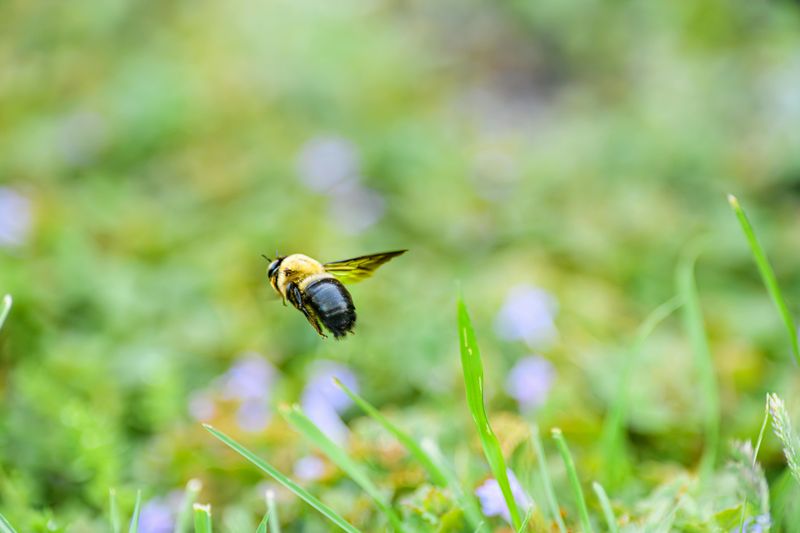
Most people picture honeybees when they think of pollinators, but honeybees are actually not native to North America.
The insects showing up in your unmowed yard are far more interesting.
New Jersey is home to hundreds of native bee species, many of them ground-nesters that depend on undisturbed soil and early blooms.
Bumble bees, mining bees, and mason bees all begin foraging in early spring.
They need pollen and nectar almost immediately after emerging, and a yard full of clover and dandelions is basically a buffet.
Early food sources give emerging queens a better chance of establishing colonies before summer begins. Monarchs and other migrating butterflies also pass through New Jersey in May.
A yard with tall grass and flowering plants can become a valuable rest stop on a very long journey. That patch of clover you almost mowed down could be fueling a butterfly traveling hundreds of miles.
Your Illinois Garden Changes Every Week. Your Plan Should Too.
Gardening in Illinois changes quickly throughout the season. Every Friday you’ll receive a simple weekly plan showing exactly what to plant, prune, fertilize, harvest, and protect so you never miss the right timing.
Beyond bees and butterflies, hoverflies and beetles also benefit from unmowed spaces. These insects are underrated pollinators that most homeowners never notice.
Letting the yard grow for one month creates a surprisingly rich ecosystem that supports far more life than a trimmed green carpet ever could.
These Are The Native Plants Worth Letting Bloom In A NJ Yard
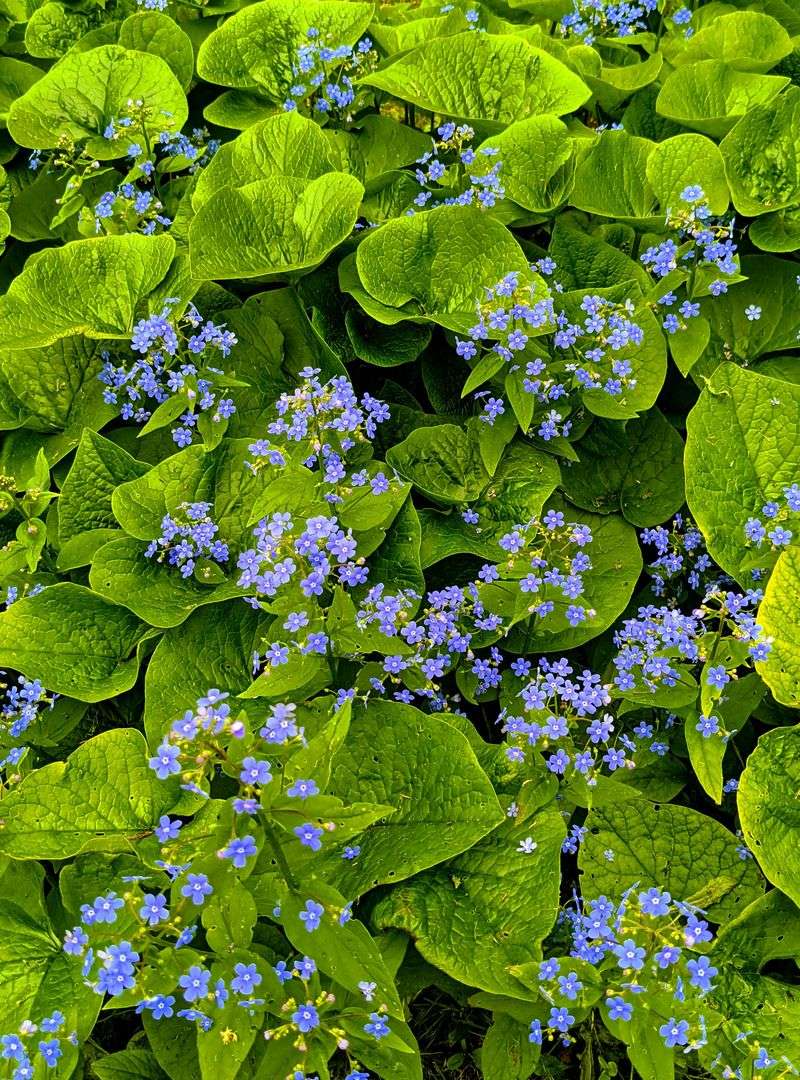
Wild violets are one of the first signs that skipping the mower was a good call.
Those small purple flowers tucked into the grass are not just pretty; they are the sole host plant for several fritillary butterfly species.
Without them, those butterflies simply cannot complete their life cycle.
Clover is another powerhouse hiding in plain sight. White and red clover fix nitrogen into the soil naturally, which means your lawn actually gets a free fertilizer boost during May.
It is one of the most pollinator-friendly plants you can have, and it costs you nothing to let it grow.
Dandelions get a bad reputation, but every part of the plant is edible and ecologically valuable.
Their deep taproots break up compacted soil, which improves drainage for everything growing around them. Birds eat the seeds, bees drink the nectar, and the roots pull up nutrients from deep underground.
Henbit, hairy bittercress, and ground ivy round out the typical No Mow May picture in New Jersey.
Henbit and hairy bittercress are annuals that tend to fade as temperatures rise, though they can spread if left unmanaged. Ground ivy is more persistent and worth monitoring; mowing alone may not be enough to control it long term.
Together, they form a temporary meadow that supports birds, insects, and soil health in ways a manicured patch of grass simply cannot match.
Why So Many NJ Homeowners Feel Like They Cannot Do This
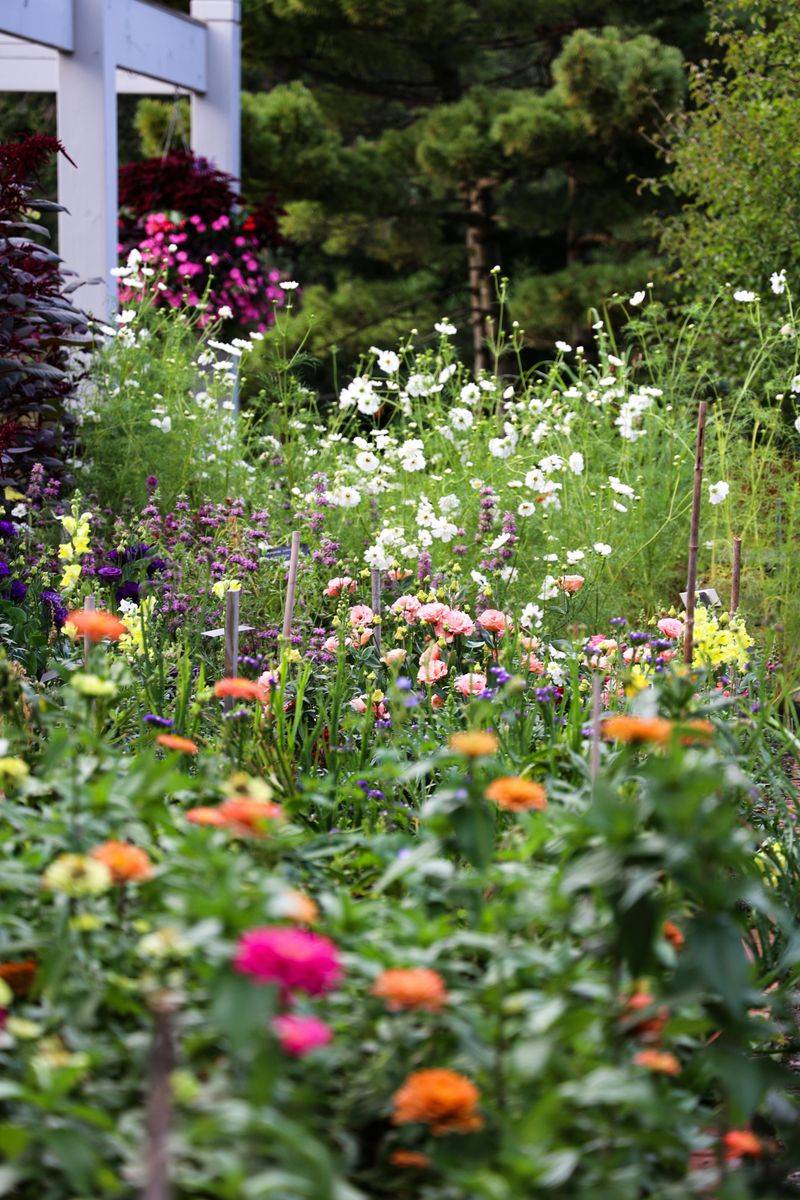
Neighborhood pressure is real, and it hits hardest in May when everyone else seems to be firing up their mowers on a Saturday morning.
Many New Jersey towns have ordinances that require grass to stay under a certain height, sometimes as low as eight inches.
For a homeowner who wants to participate, that legal gray area can feel like a wall.
The social pressure around how your grass looks is not a small thing. Research on suburban culture consistently shows that how a property is maintained gets read as a signal of responsibility and community pride.
Telling someone to let their grass grow tall can feel like asking them to stop caring about their home.
HOA rules add another layer of stress.
Some associations in New Jersey have sent warning letters to residents who participated in No Mow May without first checking their community guidelines.
Some municipalities are now officially recognizing No Mow May and pausing enforcement during the month.
Posting a small sign in your yard explaining the movement can also ease neighbor concerns before they escalate.
A little context goes a long way when your lawn looks different from every other house on the block.
The Towns Leading The Way In New Jersey
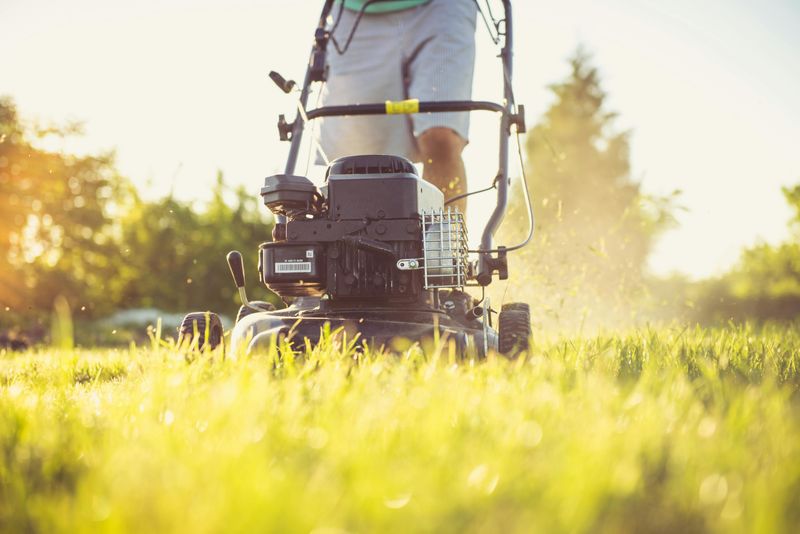
Some New Jersey communities have begun responding to the movement in organised ways. Towns like Maplewood and Montclair have seen growing interest from residents who want official guidance before letting their lawns grow.
Local environmental groups in several areas have also started connecting homeowners with native plant resources.
Princeton’s university community has been a natural hub for sustainability conversations. Local organisations there have started exploring ways to bring No Mow May into broader green initiatives.
In smaller towns like Haddonfield and Collingswood, the push has often come from individual neighbours rather than official policy.
A single block captain with a flyer and a willing street can shift how an entire neighbourhood thinks about May lawn care.
These ground-up efforts tend to stick because the idea feels owned, not mandated.
Why Your June Lawn Pays The Price For A Mowed May
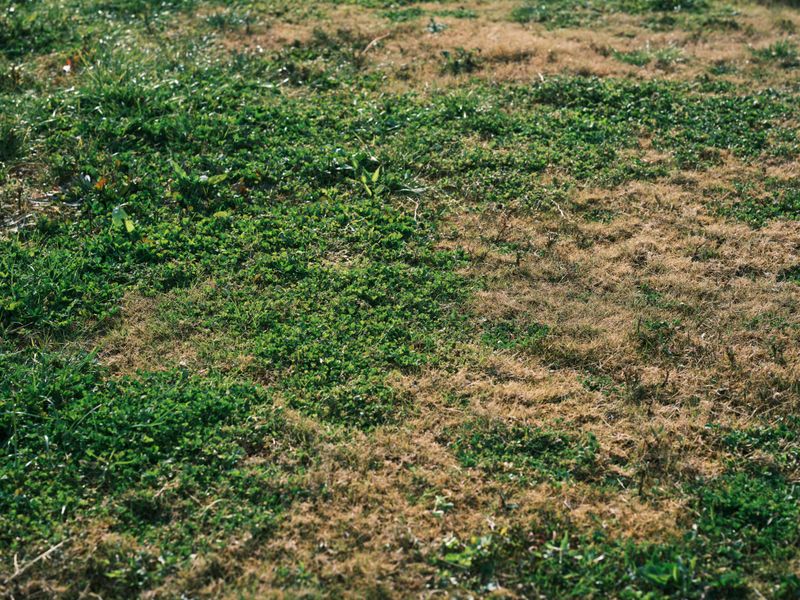
Cutting grass too short in May removes the leaf blade that the plant uses to absorb sunlight and produce energy. When you mow weekly during peak spring growth, you are essentially forcing the lawn to restart its energy cycle over and over again.
By June, that repeated stress shows up as thin patches, weak root systems, and increased vulnerability to summer drought.
Roots tell the real story here. Grass that is allowed to grow taller in May has a better opportunity to strengthen its root system before the summer heat arrives.
Deeper roots mean better access to moisture during July and August, which are typically the driest months in New Jersey.
Soil biology also benefits from a mowing break. Mycorrhizal fungi and beneficial microbes in the ground thrive when the surface above them is not constantly disturbed.
A healthier soil ecosystem means better nutrient cycling, which translates directly into greener, more resilient grass by midsummer.
Letting May do its thing is essentially a free treatment. For many lawns, no fertilizer, no aeration appointment, no overseeding needed.
Homeowners who skipped mowing in May have reported noticeably thicker grass by late June, often without doing anything extra. It rewards patience in ways that a bag of chemicals cannot replicate.
What 31 Days Of Growth Does To An Ordinary New Jersey Backyard
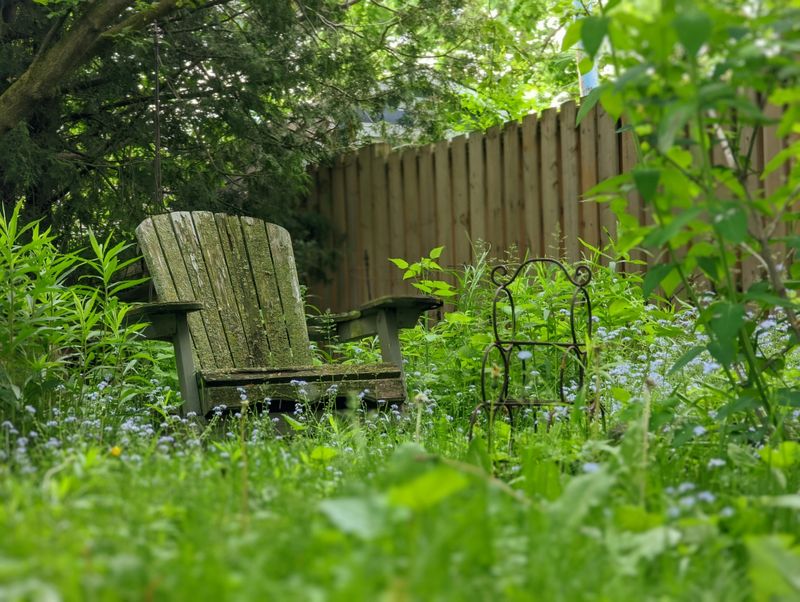
Four weeks without a mower transforms a plain grass rectangle into something that barely resembles what it was on April 30.
Colors appear that most homeowners had no idea were hiding in their soil.
Yellow, purple, white, and even pale blue flowers push through the green in waves, each one arriving on its own schedule.
The sounds change too.
Bees working a clover patch create a low, steady hum that feels almost meditative.
Birds that never visited before start showing up to hunt insects in the taller grass, turning an ordinary backyard into a small but functional habitat.
No Mow May does not create a permanent meadow.
Once you mow in early June, the yard returns to a more conventional look fairly quickly.
But the biological activity underground continues long after the blooms are gone. The insects that fed and nested there carry those benefits forward through the rest of the season.
The most surprising result reported by homeowners across New Jersey is emotional.
Many describe feeling a sense of relief at stepping back from weekly lawn maintenance.
Others talk about watching their kids crouch down to look at bees for the first time.
Something as simple as 31 days of growth has a way of reconnecting people to the natural world right outside their back door.