What Michigan Gardeners Should Be Doing In April In Zones 5 And 6
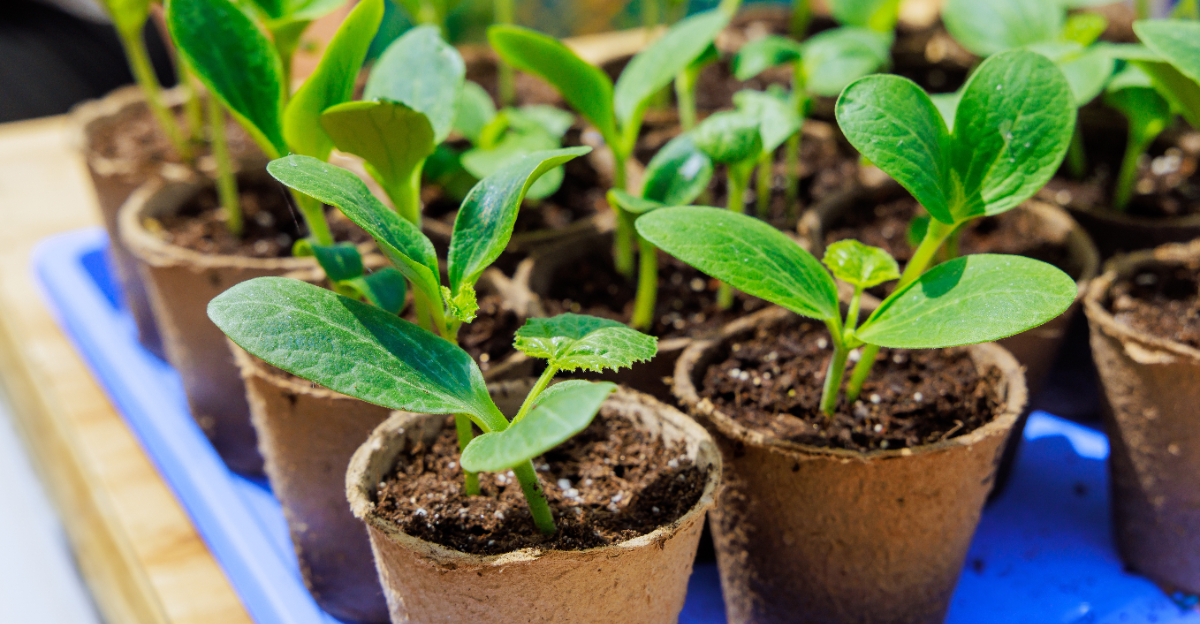
April is when Michigan gardens finally begin to come back to life. After months of cold, the soil starts to thaw, early green shoots appear, and the growing season feels close enough to reach.
For gardeners in Zones 5 and 6, this is the moment when small actions can have a big impact on everything that follows.
Across the Upper and Lower Peninsulas, April offers a short but powerful window to get ahead. Beds can be prepared, early crops can go in, and plants can begin establishing before the rush of late spring.
Gardeners who stay active now often see stronger growth and fewer problems once the season is in full swing. It is easy to underestimate how important this month is.
With the right approach, April can set the tone for a garden that grows more smoothly, produces more, and looks better all the way through summer.
1. Plant Cool Season Crops Outdoors
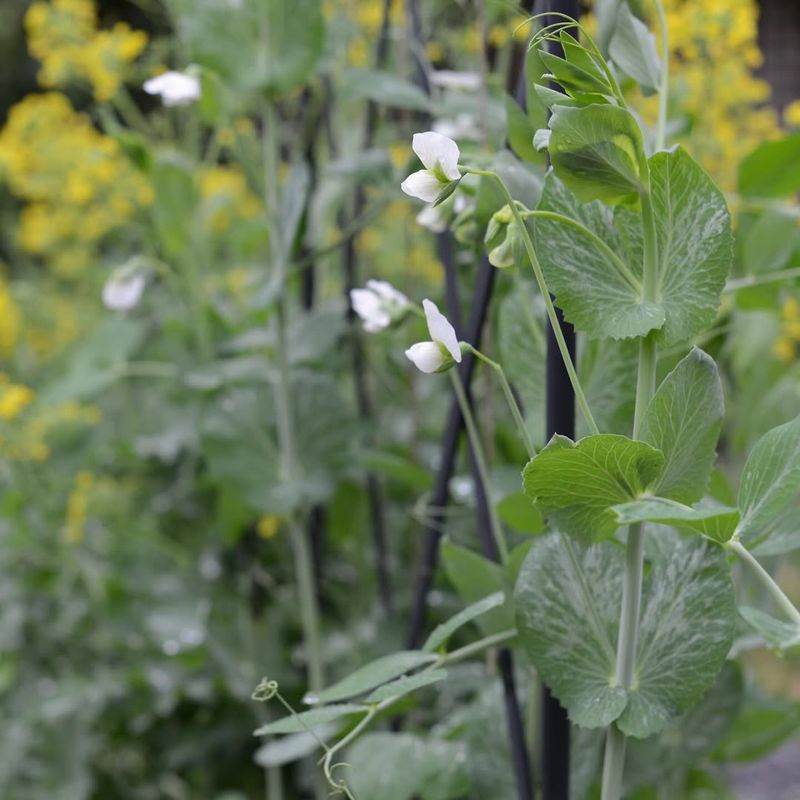
Something almost magical happens when you push that first seed into April soil and know the growing season has officially begun.
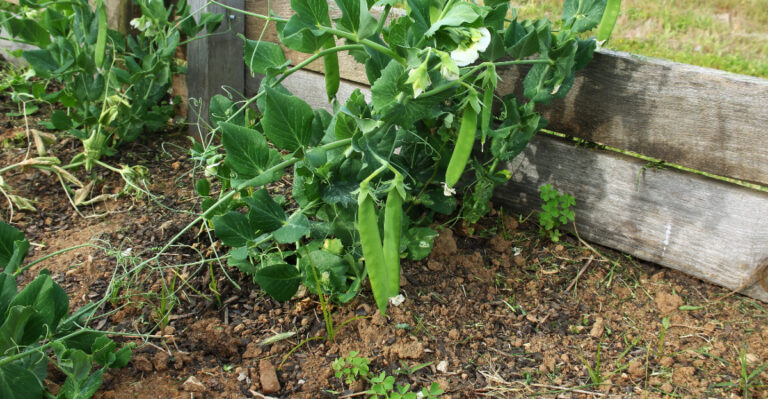
In Michigan Zones 5 and 6, cool-season crops like Pisum sativum (peas), Spinacia oleracea (spinach), and Raphanus sativus (radishes) can go directly into the ground as soon as the soil is workable.
These tough little plants actually prefer cooler conditions and handle a light frost without much fuss at all.
Before you sow, check that your soil temperature has reached at least 40 to 45 degrees Fahrenheit. A simple soil thermometer costs just a few dollars and saves you from guessing.
Peas should go about one inch deep, while radishes and spinach do well at around half an inch. Loose, well-draining soil gives seeds the best chance to germinate quickly and evenly.
Michigan gardeners who get these crops in the ground early often enjoy their first fresh harvest well before summer even shows up.
Succession planting every two weeks keeps the harvest rolling and prevents everything from ripening at once.
Radishes can be ready in as little as three weeks, making them one of the most satisfying crops to grow.
Starting outdoors now builds momentum and confidence for everything else coming later in the season.
2. Transplant Early Brassicas Outdoors
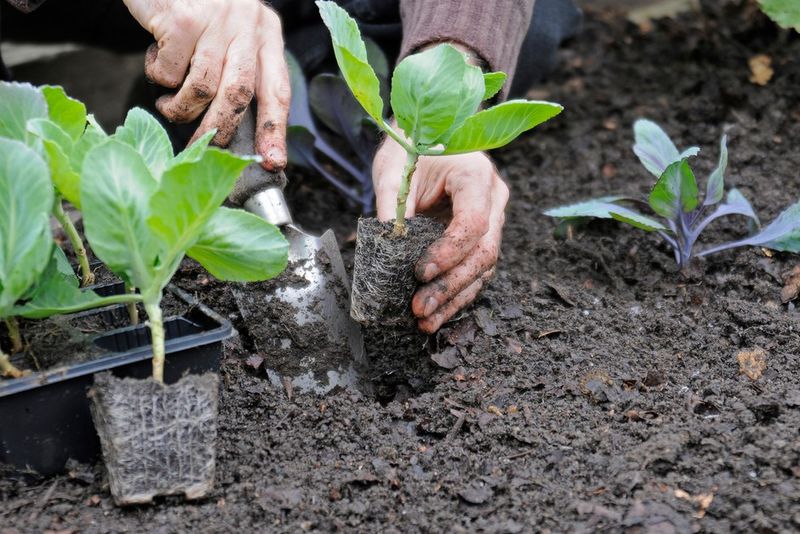
Broccoli seedlings sitting on a sunny windowsill are practically begging to get outside, and April in Michigan gives you the perfect window to make that move.
Hardy brassicas like Brassica oleracea varieties, including cabbage, broccoli, and kale, are tough enough to handle temperatures dipping into the upper 20s Fahrenheit without much trouble.
Getting them into the ground early gives their roots time to establish before summer warmth pushes them toward bolting. Spacing matters more than many gardeners expect.
Cabbage plants need about 18 inches between them, while broccoli does best with 12 to 24 inches of breathing room.
Kale is slightly more flexible but still appreciates good airflow to reduce the chance of fungal issues.
Planting on a cloudy day or in the late afternoon helps reduce transplant shock and gives roots a calm start. Row covers are your best friend for these early transplants in Michigan.
Your Michigan Garden Changes Every Week. Your Plan Should Too.
Gardening in Michigan changes quickly throughout the season. Every Friday you’ll receive a simple weekly plan showing exactly what to plant, prune, fertilize, harvest, and protect so you never miss the right timing.
A lightweight floating row cover traps just enough warmth to protect plants during surprise cold snaps while still letting light and rain through. Secure the edges with soil or clips so wind does not pull them loose overnight.
Checking on your brassicas every couple of days lets you catch any pest pressure early, especially from cabbage worms that show up once butterflies start flying around your garden beds.
3. Start Warm Season Crops Indoors
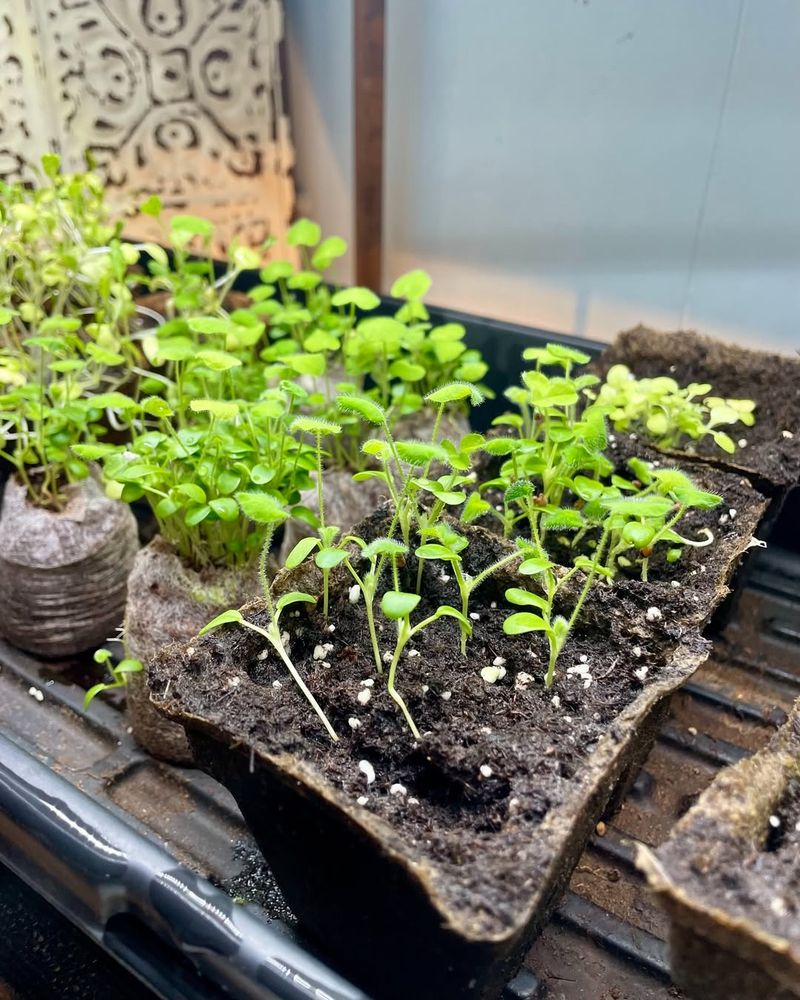
April might still feel chilly outside, but indoors is where the real warm-season action is happening right now.
Michigan gardeners in Zones 5 and 6 should be starting or continuing seeds for Cucurbita pepo (zucchini) and Cucumis sativus (cucumbers) under grow lights or near a bright south-facing window.
These crops grow fast once they get going, which means timing is everything if you want strong transplants ready after the last frost.
Starting cucumbers and zucchini about three to four weeks before your expected last frost date keeps them in their prime for transplanting.
In most of Michigan Zone 5, that last frost typically falls between late April and mid-May, while Zone 6 areas may see it slightly earlier.
Starting too soon leads to root-bound, leggy seedlings that struggle after they go outside, so patience with timing pays off big. Use small individual pots or cell trays with good drainage and a quality seed-starting mix.
These crops do not love having their roots disturbed, so biodegradable pots that go straight into the ground are a smart choice.
Keep soil consistently moist but never soggy, and aim for indoor temperatures around 70 to 75 degrees Fahrenheit for the best germination rates.
A heat mat placed under your trays speeds things up noticeably and is worth every penny for Michigan gardeners working against a shorter outdoor season.
4. Divide And Replant Perennials
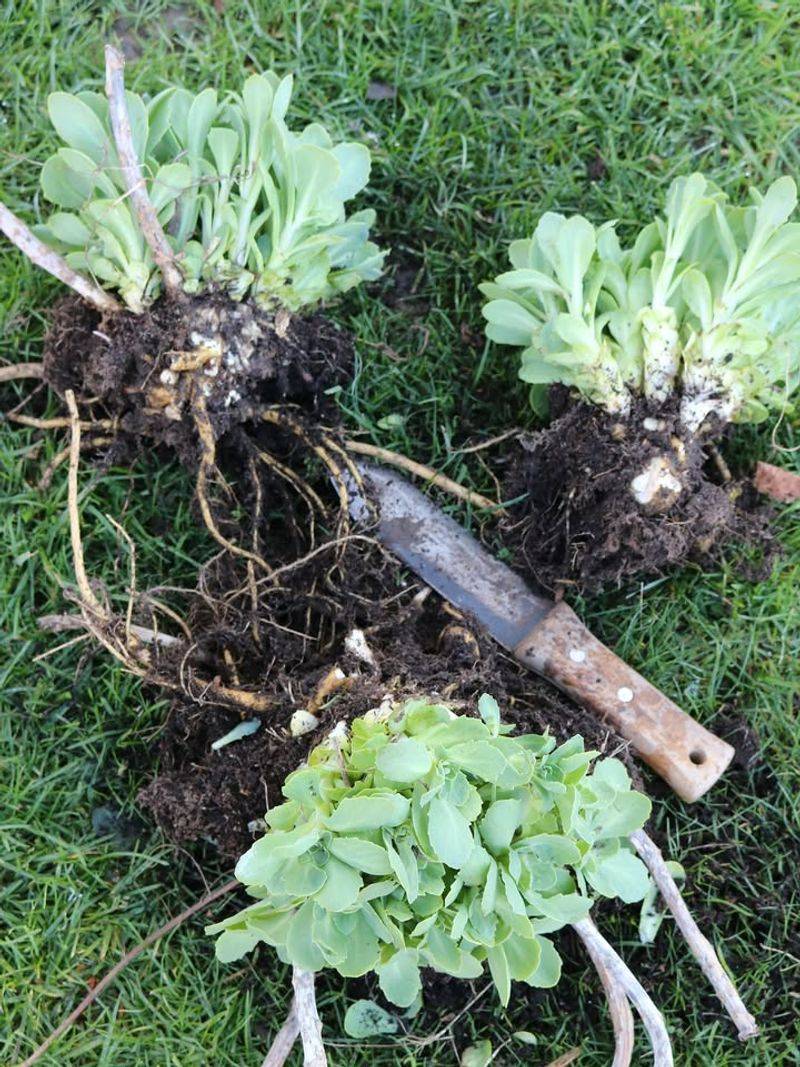
Perennials have a quiet secret that experienced Michigan gardeners already know: splitting them up actually makes them stronger.
April is one of the best times of year to divide plants like Hemerocallis (daylilies) and Hosta (hostas) because they are just beginning to push up new growth, making it easy to see where you are working without damaging too much foliage.
Dividing at this stage lets roots recover quickly in cool, moist spring soil. Grab a sharp spade or garden fork and work around the outer edge of the clump before prying it apart.
Large daylily clumps can be divided into sections with three to five healthy fans each, while hostas split cleanly into individual crowns.
Shaking off excess soil helps you see the root structure more clearly and makes the whole process easier and cleaner.
Replant your divisions at the same depth they were growing before, water them in well, and give them a few days of shade if possible to reduce stress.
Michigan gardeners often use April divisions to fill in bare spots across existing beds or start entirely new garden areas without spending a dime on new plants. It is one of the most rewarding and budget-friendly tasks of the entire gardening year.
Mulching lightly around newly replanted divisions helps hold moisture and keeps soil temperatures stable during those unpredictable spring weeks.
5. Prune New Wood Flowering Shrubs
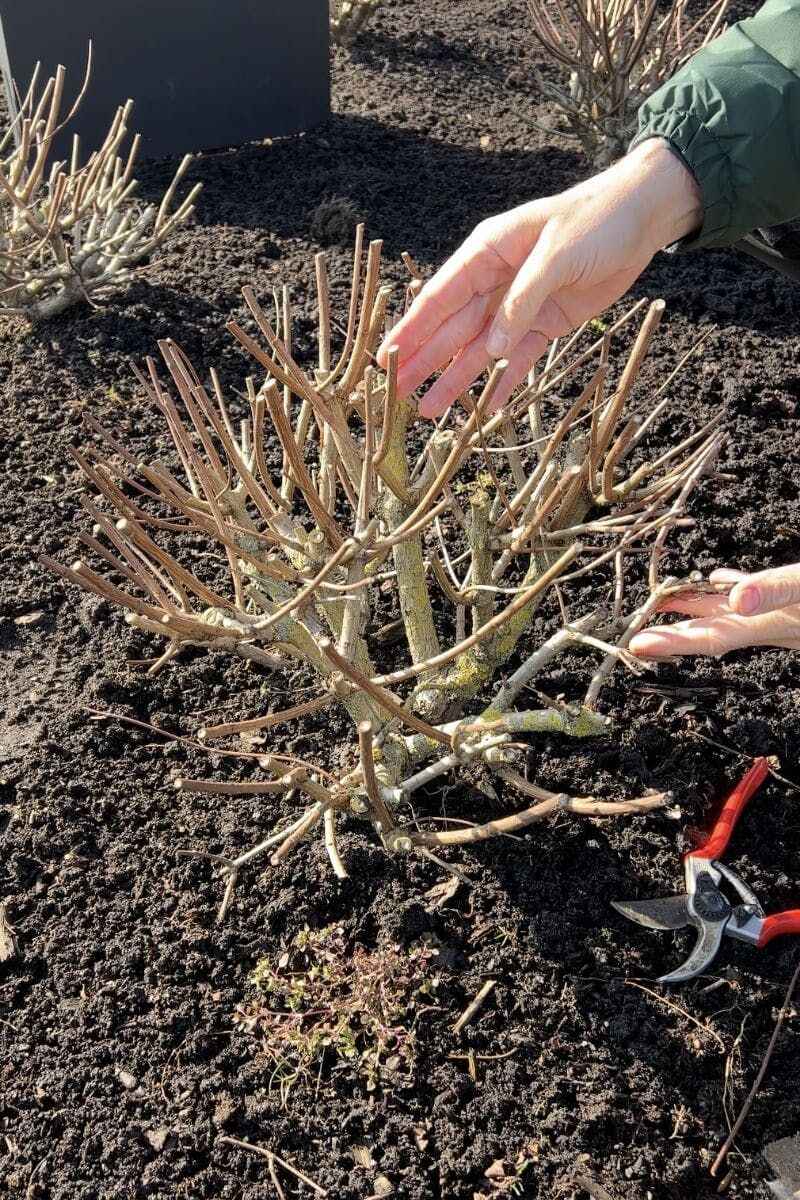
Panicle hydrangeas and Japanese spireas have something in common that makes April the perfect time to grab your pruners: they both bloom on new wood.
That means whatever growth they put out this spring will be exactly where the flowers show up later in summer.
Cutting them back now, before that growth really kicks into high gear, encourages the plant to push out vigorous new shoots loaded with blooming potential.
For Hydrangea paniculata varieties, cut stems back by about one-third to one-half of their total height.
This keeps the plant from getting too tall and floppy while encouraging strong, upright growth that holds blooms well.
Spiraea japonica responds beautifully to a harder cutback, often looking almost bare after pruning but bouncing back with dense, colorful new growth within just a few weeks.
Michigan gardeners sometimes hesitate to prune shrubs aggressively, worried they will harm the plant, but these species are genuinely resilient and respond well to confident cuts.
Always use clean, sharp bypass pruners to avoid tearing stems, and wipe blades with rubbing alcohol between plants to prevent spreading any disease.
Remove any crossing, weak, or damaged branches first, then step back and assess the overall shape before making final cuts.
A well-pruned shrub in April rewards you with a spectacular floral display by July and August right in your Michigan backyard.
6. Clean Up Garden Beds Carefully
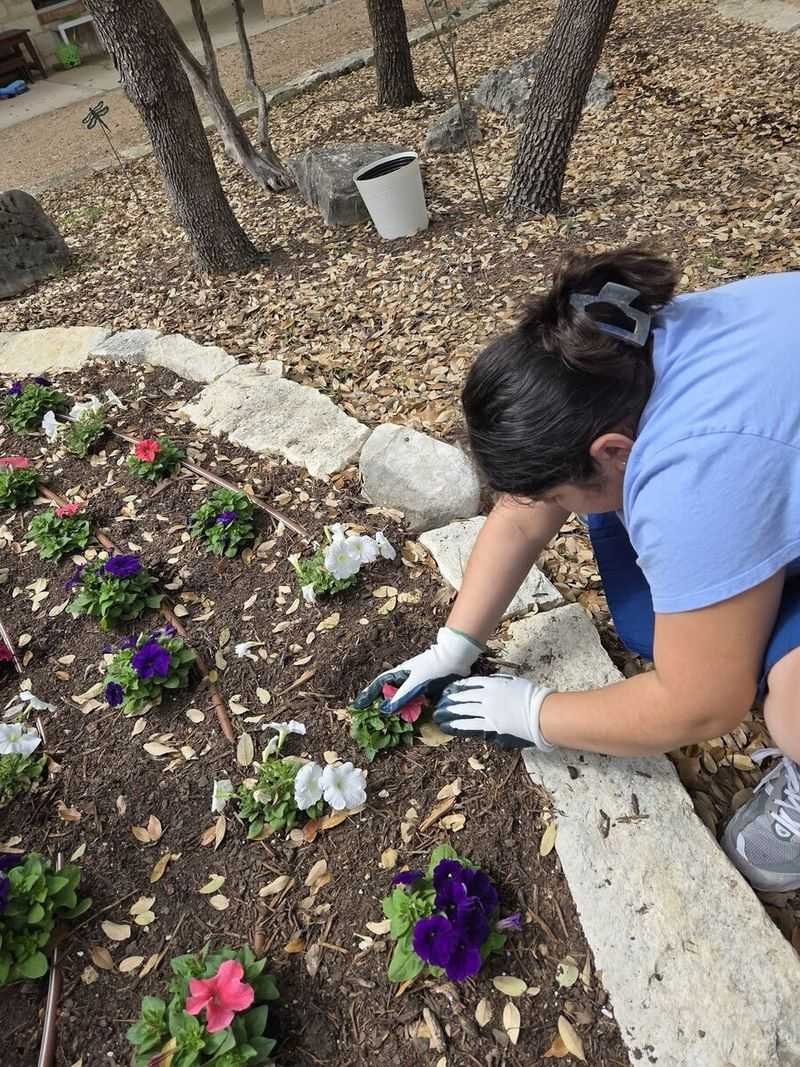
Not all garden cleanup is created equal, and April in Michigan calls for a thoughtful approach rather than an all-out tidy blitz.
Removing old stems, dead leaves, and winter debris is important for giving your plants room to grow, but rushing through it too aggressively can actually harm the garden.
Many beneficial insects, including native bees and ground beetles, spend the early spring tucked inside hollow stems or sheltering under leaf litter.
A good rule of thumb for Michigan gardeners is to wait until nighttime temperatures consistently stay above 50 degrees Fahrenheit before doing a thorough cleanup.
That threshold signals that most overwintering insects have emerged and moved on. In the meantime, focus on removing obviously debris-heavy spots, pulling out any remaining annual plant skeletons, and clearing pathways or edges that need attention first.
When you do pull stems, cut them rather than yanking, and consider leaving a small pile of hollow stems in a corner of the yard as a low-maintenance habitat spot.
Rake gently around emerging perennials to avoid scraping off new shoots that may still be just below the surface. Michigan springs can fool you with how fast things pop up once the soil warms.
A careful, patient cleanup approach not only protects helpful insects but also keeps your garden looking tidy while giving every plant the space and light it needs to thrive as the season picks up pace.
7. Apply Mulch After Soil Warms Slightly
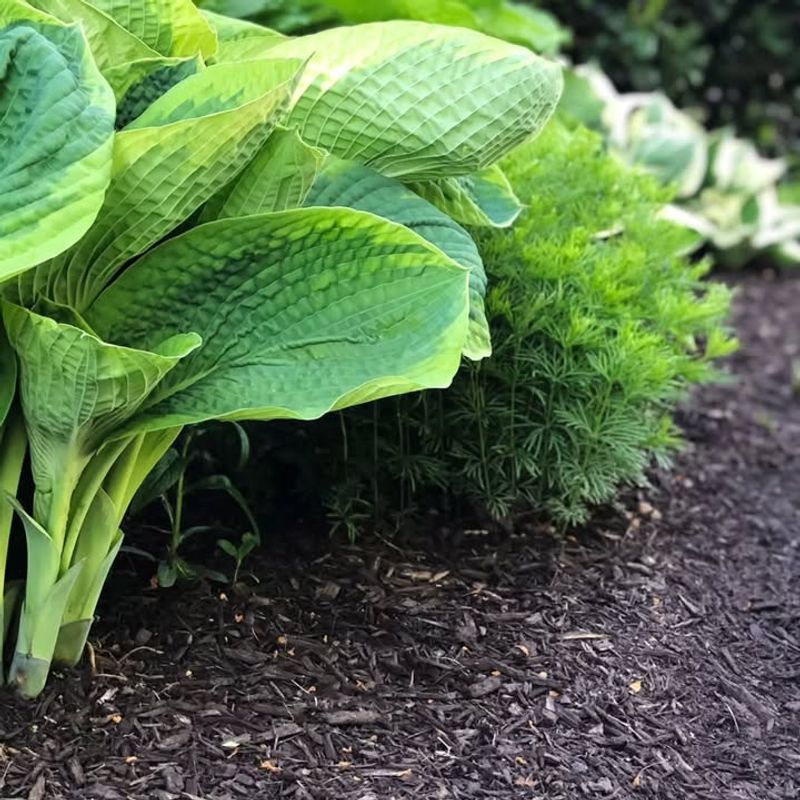
Mulch is one of the hardest-working materials in any Michigan garden, but putting it down too early in spring can actually slow things down.
If you spread mulch while the soil is still cold, it acts like an insulating blanket that keeps warmth from penetrating, which delays the soil temperature rise your plants are counting on.
Waiting until mid to late April, when the ground has had a chance to absorb some of that spring sunshine, gives you the best results.
Once the soil feels noticeably warmer to the touch, two to three inches of shredded bark, wood chips, or straw does a fantastic job of holding moisture and suppressing weeds throughout the rest of the season.
Michigan summers can swing between wet and dry stretches, so mulched beds stay more consistent and require far less watering.
Weeds also have a much harder time pushing through a solid mulch layer, which saves hours of hand-pulling work later on.
Keep mulch pulled back at least two to three inches from the base of plant stems and tree trunks to prevent moisture from sitting against them.
Piling it up against stems creates the perfect damp, dark environment for fungal issues and can cause real problems over time.
Applying mulch in the right way and at the right time is one of the simplest upgrades Michigan Zone 5 and 6 gardeners can make for a healthier, lower-maintenance garden all season long.
8. Plant Bare Root Trees And Shrubs
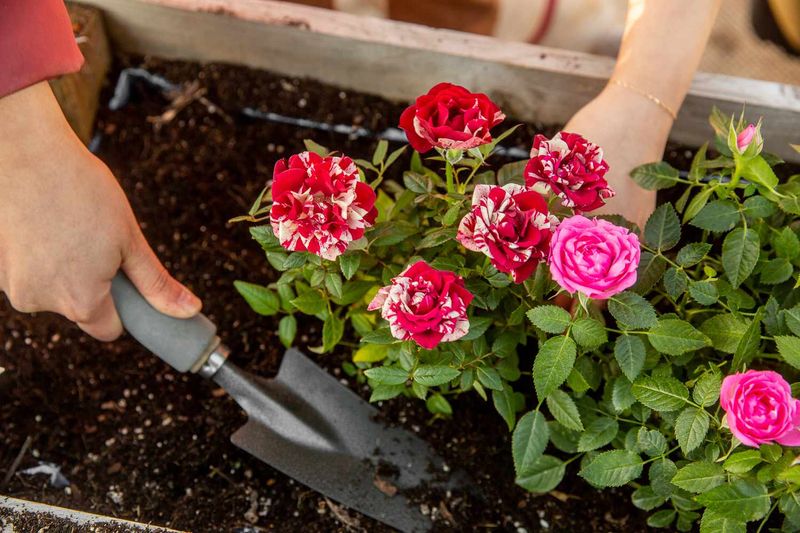
There is a short but incredibly valuable window each spring when bare root plants are available and the conditions for planting them are just about perfect.
April in Michigan offers exactly that window, with cool soil temperatures that help newly planted roots settle in without the stress of summer heat bearing down on them.
Bare root Malus domestica (apple trees) and Rosa (roses) are two of the most popular choices, and both establish beautifully when planted during this narrow seasonal sweet spot.
Bare root plants look surprisingly bare and unimpressive at first, but do not let that fool you. Because they are sold and shipped without heavy soil around the roots, they are lighter, easier to handle, and often less expensive than container-grown alternatives.
Soaking the roots in a bucket of water for several hours before planting rehydrates them and gives transplanting a strong head start.
Dig your planting hole wide rather than deep, spreading roots outward naturally without bending or circling them.
Position the graft union of roses about one to two inches below the soil surface in Michigan Zone 5 areas to protect it from hard winters.
Water thoroughly after planting and keep the soil evenly moist through the first several weeks as roots begin to establish.
Adding a light layer of mulch around the base, without touching the trunk, helps conserve that critical early moisture and gives your new tree or shrub the best possible beginning in your Michigan garden.
9. Fertilize Early Growing Plants Lightly
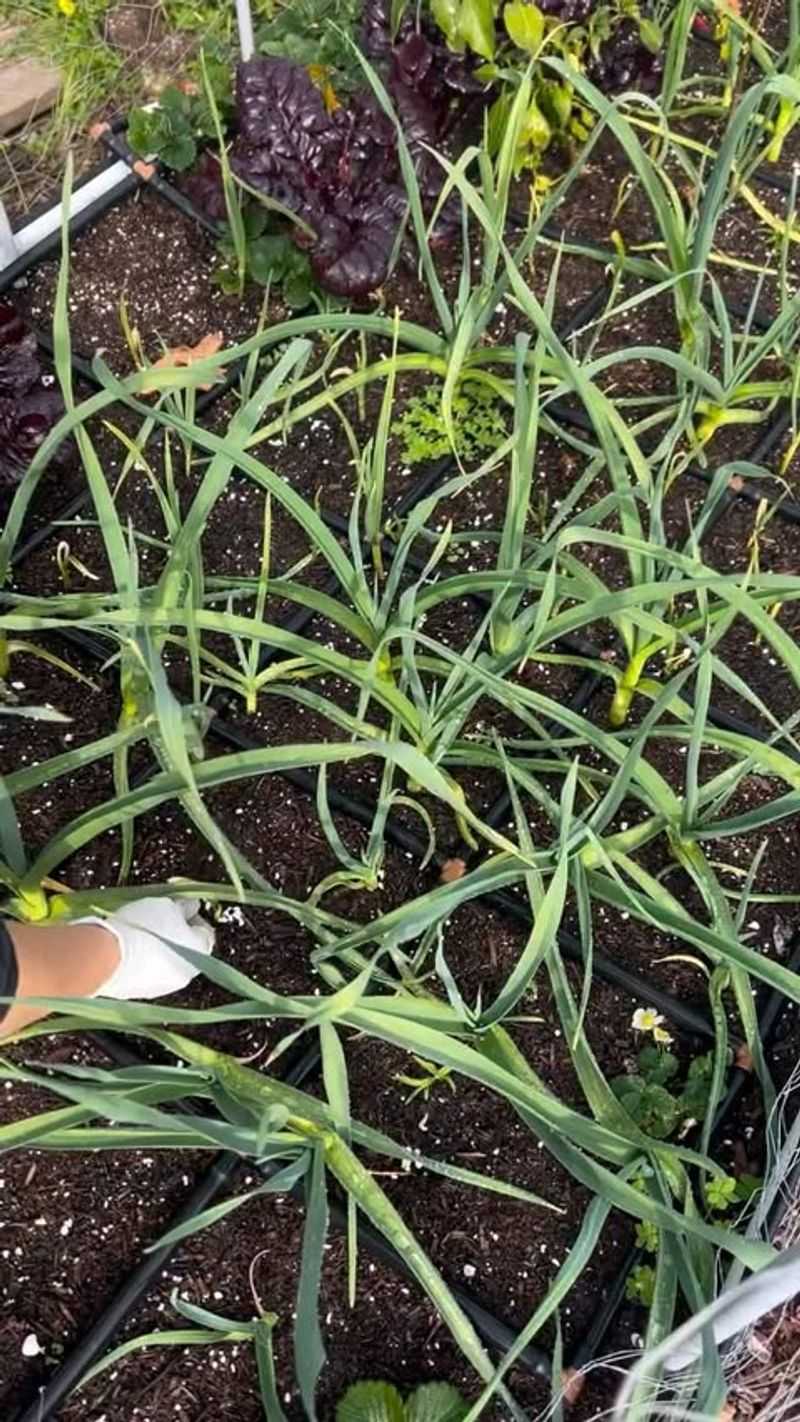
Watching your garden wake up in April is exciting, and it can be tempting to give everything a big boost of fertilizer right away.
Slow down just a little, though, because cool soil temperatures in Michigan actually limit how well plant roots can absorb nutrients.
Feeding too heavily when the ground is still cold can lead to nutrient runoff or buildup that does more harm than good, so a light touch early in the season is genuinely the smarter strategy.
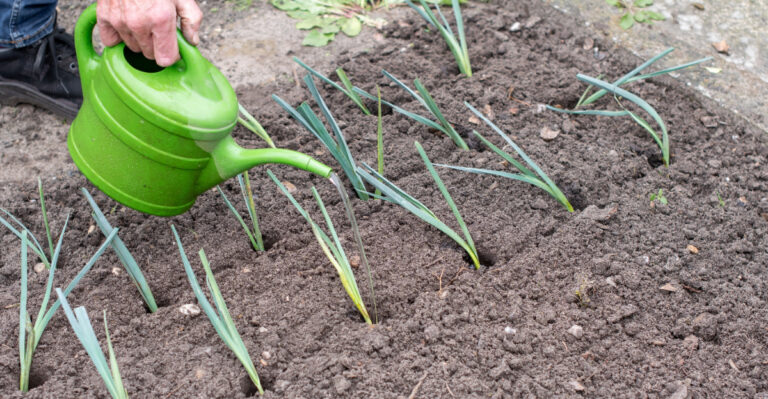
Allium ampeloprasum var. porrum (leeks) and leafy greens like spinach and kale respond well to a side-dressing of finished compost or a light application of balanced granular fertilizer with equal nitrogen, phosphorus, and potassium numbers.
Working compost gently into the top inch of soil around plants gives a slow, steady nutrient release that matches the pace of cool-season growth perfectly.
Liquid fertilizers diluted to half strength are another gentle option that works well for container-grown seedlings indoors.
Michigan gardeners who conducted a soil test over winter or earlier in spring have a real advantage here because they know exactly what their soil needs rather than guessing.
If you have not tested your soil yet, a basic kit from a local extension office or garden center is inexpensive and genuinely informative.
Feeding based on actual soil data prevents over-application and keeps your garden balanced and productive from the very first weeks of the Michigan growing season all the way through fall harvest.
10. Watch For Late Frost And Protect Plants
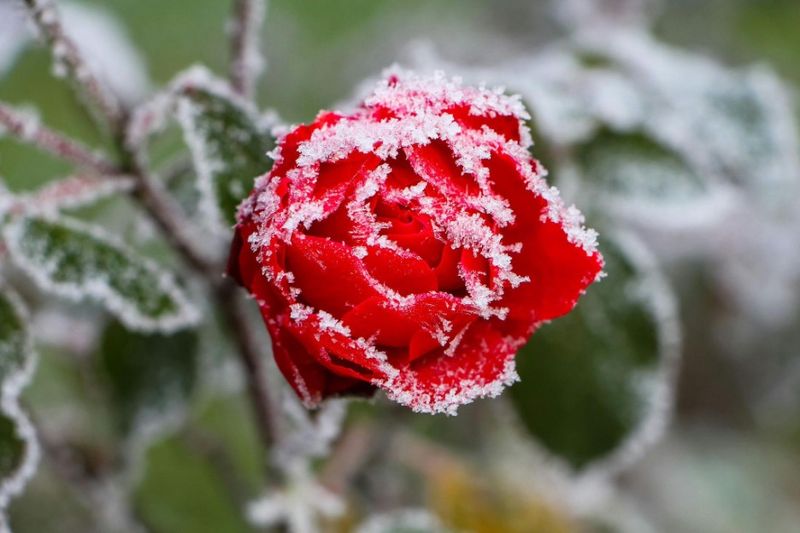
April in Michigan has a well-earned reputation for keeping gardeners on their toes, and frost protection is one task you absolutely cannot afford to skip this month.
Even in Zone 6 areas of Michigan, temperatures can drop below 32 degrees Fahrenheit on clear, calm nights well into the middle of April.
Zone 5 gardeners face this risk even longer, sometimes seeing frost threats stretch close to mid-May in certain years.
Keeping a close eye on the forecast is the single most effective habit you can build during spring gardening season.
Free weather apps and local news stations often give several days of advance notice before frost events, which is plenty of time to prepare.
Row covers, frost cloths, and cloches made from plastic jugs or glass domes are all reliable options that trap ground heat around vulnerable young plants overnight and release it again as the sun rises.
For Michigan gardeners who have already transplanted brassicas or sowed early crops, having a stack of row cover fabric nearby and ready to deploy takes the anxiety out of those unpredictable spring nights.
Anchor covers firmly so wind does not pull them off during the night, and remove them during warm sunny days to prevent overheating.
Cold frames are another excellent investment that essentially extends your planting window by several weeks.
Staying prepared and staying flexible is what separates gardeners who lose early plantings from those who sail through April with everything thriving and on schedule.