What Late Frost Really Does To Blueberry Blooms In Michigan
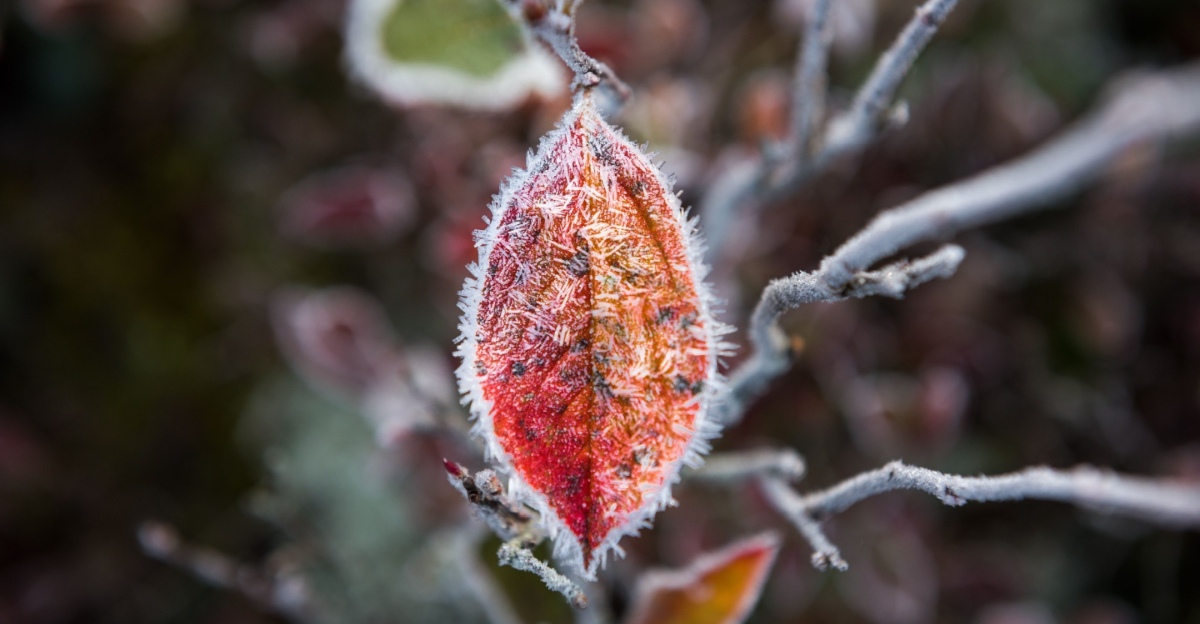
A few warm days in early spring can make blueberry bushes in Michigan look full of promise almost overnight. Then one cold snap rolls through, and suddenly those blooms don’t look quite the same.
It’s a moment many growers recognize, especially in a state where spring weather can shift quickly. Michigan’s climate often pushes plants into bloom early, only to follow with a late frost that catches them off guard.
Seeing wilted or darkened flowers after a chilly morning can raise a lot of questions. Understanding what actually happens during these frost events can help you read the signs and know what to expect next.
1. Late Frost Damages Open Blooms More Than Tight Buds
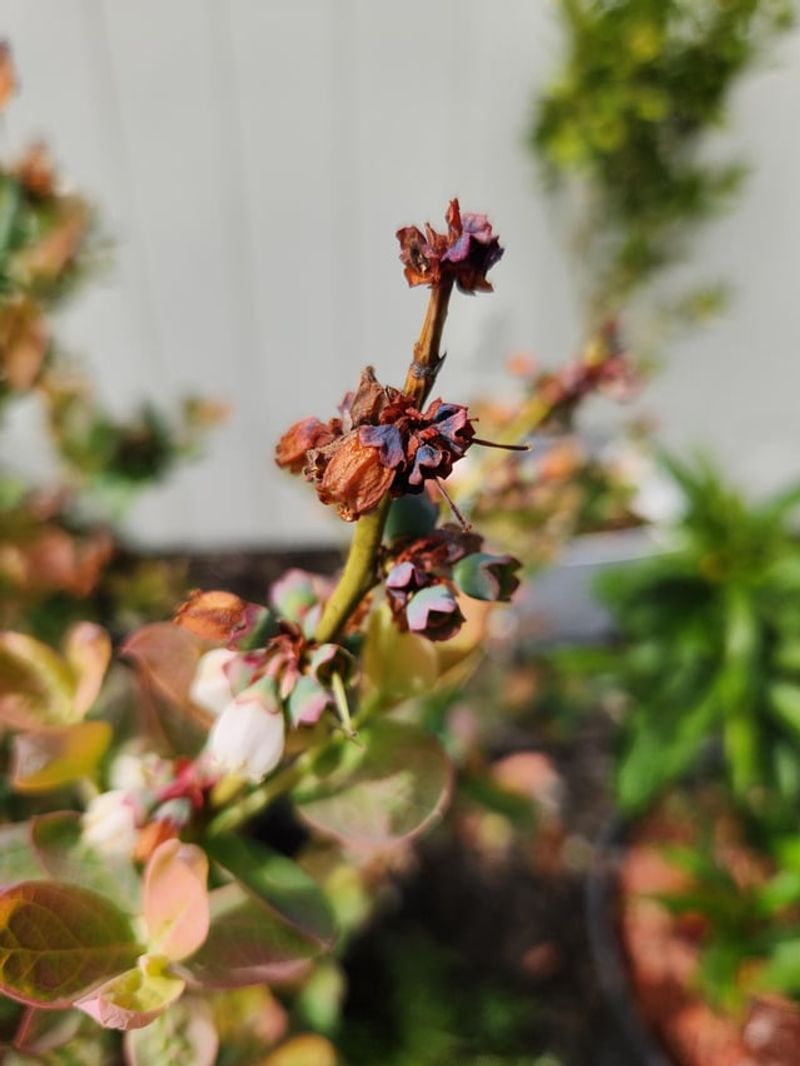
Open blueberry flowers are surprisingly fragile when temperatures drop unexpectedly. A bloom that looks healthy and white in the afternoon can show serious damage by the next morning if overnight temperatures fall into the upper 20s Fahrenheit.
The further along a flower is in its development, the less cold it can handle before damage sets in.
Tight, closed buds that have not yet begun to swell can tolerate much colder temperatures than open flowers. During deep winter dormancy, blueberry buds can survive temperatures well below zero.
But once those buds begin to open in early spring, their ability to handle cold drops dramatically with each passing day.
Fully open flowers are at the greatest risk during a frost event. Temperatures near 28°F can cause significant damage to open blooms, leading to a water-soaked appearance followed by browning and flower drop.
Michigan springs often bring exactly this kind of situation, where warm stretches push plants into full bloom before the last frost has passed.
Gardeners who check their plants after a cold snap may notice that some flowers look fine while nearby open blooms look scorched. That difference often comes down to how far along each flower was when temperatures fell.
Protecting plants during that critical open-bloom window matters more than almost any other time during the growing season.
2. Cold Temperatures Can Reduce Fruit Set Significantly
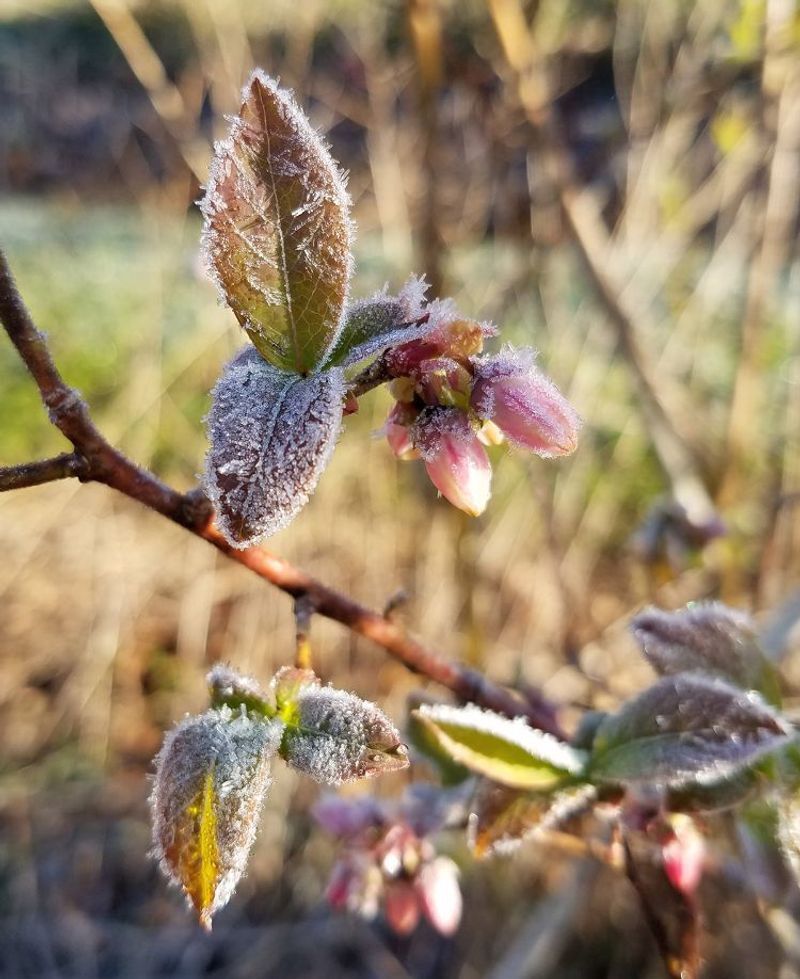
Even a brief dip below freezing during bloom season can quietly steal a large portion of the expected harvest. Fruit set depends on successful pollination and fertilization, and when frost damages the reproductive parts of a flower, that berry simply never develops.
The visible damage on the outside of a bloom is often just the beginning of the problem.
Inside a blueberry flower, the pistil is one of the most cold-sensitive parts. When temperatures drop to around 28°F, the pistil can be damaged even if the rest of the flower appears mostly intact.
A flower that looks only slightly damaged from the outside may still fail to produce fruit because the internal structure was compromised during that cold night.
Michigan growers sometimes walk through their fields after a frost thinking the damage looks minor, only to realize weeks later that far fewer berries are forming than expected.
Your Michigan Garden Changes Every Week. Your Plan Should Too.
Gardening in Michigan changes quickly throughout the season. Every Friday you’ll receive a simple weekly plan showing exactly what to plant, prune, fertilize, harvest, and protect so you never miss the right timing.
The gap between what the plant looks like and what it actually produces can be frustrating and confusing.
Understanding that cold injury often works from the inside out helps set more realistic expectations.
Fruit set can also be reduced when frost discourages or harms pollinators. Bees and other insects are far less active in cold weather, and a frost event that stretches over several days can interrupt pollination at a critical time.
Fewer pollinator visits during bloom means fewer berries, even if the flowers themselves survived the cold relatively well.
3. Frost Injury Often Causes Blossoms To Turn Brown
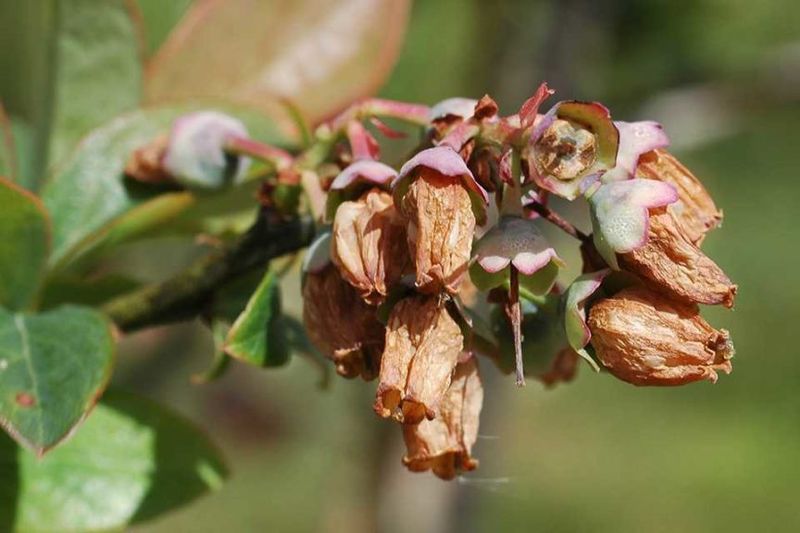
One of the most obvious signs of frost injury on blueberry plants is browning of the flowers. Healthy blossoms are typically white or pale pink, so the shift to a dull brown color is hard to miss once you know what to look for.
Many Michigan gardeners see this change and immediately know a cold night caused trouble.
The browning happens because frost damages plant cells, causing them to release moisture and break down. When cell walls rupture from ice formation, the tissue begins to break down and discolor.
This process can happen quickly, sometimes appearing within hours of the temperature dropping below the damage threshold.
Cutting open a flower or developing bud after a frost can reveal dark or blackened tissue inside, even when the outer parts still look relatively normal. That internal darkening is a reliable indicator of cold injury and a sign that the flower will not produce fruit.
Michigan gardening experts often recommend this simple cut test to assess how much damage has occurred after a frost event.
Not every brown blossom means total crop failure. Some flowers may show surface browning on petals while the core reproductive parts remain functional.
Waiting a few days after a frost before making any final assessments gives a clearer picture of which flowers still have the potential to set fruit and which ones are truly lost for the season.
4. Not All Blueberry Varieties Respond The Same To Cold
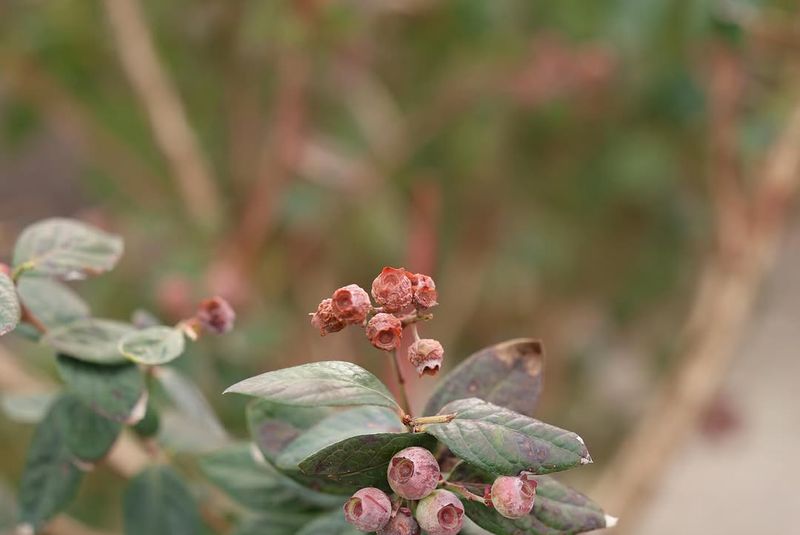
Walking through a Michigan blueberry planting after a frost event, you might notice that some varieties look far worse than others even when they were all exposed to the same cold temperatures. That difference is not random.
Different blueberry varieties have genuinely different levels of cold tolerance, and choosing the right variety for your region can make a meaningful difference in how your plants hold up after a late frost.
Highbush blueberry varieties, which are the most commonly grown type in Michigan, vary quite a bit in their bloom timing and frost sensitivity. Some varieties bloom earlier in spring, which puts them at greater risk from late frosts.
Others bloom later and may avoid the worst cold snaps entirely, simply because their flowers are not yet open when temperatures fall.
Breeders and researchers have worked for decades to develop varieties with better cold hardiness and later bloom times specifically to address the frost risk that Michigan growers face each spring.
Selecting varieties that are well-suited to your specific part of the state can reduce frost-related losses without requiring extra protective measures every year.
Home gardeners in Michigan often benefit from planting two or more varieties with different bloom times. This approach spreads the risk across the season so that a single frost event is less likely to damage all the flowers at once.
Local nurseries and gardening experts can offer guidance on which varieties perform best in your county or growing region.
5. Timing Of Bloom Matters Across Different Parts Of Michigan
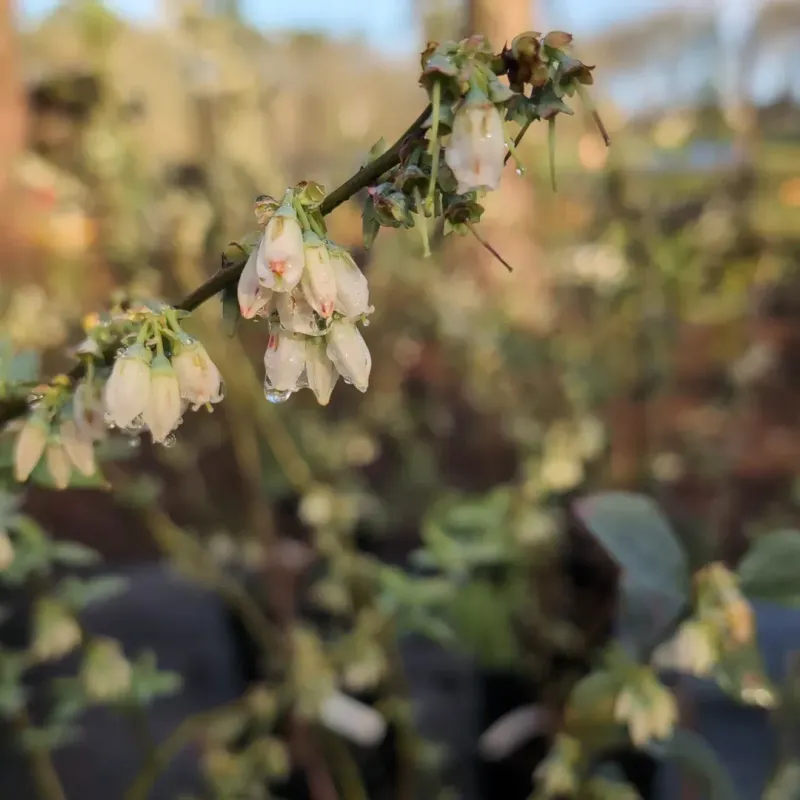
Michigan is a geographically diverse state, and blueberry bloom timing can vary by several weeks depending on where you are.
Southwest Michigan, which includes Van Buren and Allegan counties, is the heart of the state’s commercial blueberry industry and tends to see earlier springs thanks to the moderating effect of Lake Michigan.
Plants in that region may reach full bloom weeks before those in northern or central parts of the state.
That earlier bloom timing in southwest Michigan can be both a blessing and a risk. An earlier start to the season means an earlier harvest, but it also means flowers are open and vulnerable during a period when late frosts are still possible.
Growers in that region have learned to monitor weather forecasts carefully during April and early May, knowing that a single cold night can change the entire season.
In northern Michigan and the Upper Peninsula, blueberry growers deal with a shorter growing season overall. Bloom timing is later there, which sometimes means avoiding the worst of the late frost risk, but early summer frosts can still cause damage in some years.
Elevation also plays a role, with higher-elevation sites sometimes experiencing colder overnight temperatures than nearby lower areas.
Understanding how your specific location within Michigan influences bloom timing helps gardeners plan more effectively.
Knowing whether your site is prone to early blooming or cold air pooling can guide decisions about variety selection, protective measures, and when to start watching the forecast most closely each spring.
6. Frost Events Can Delay Or Reduce Harvest Size
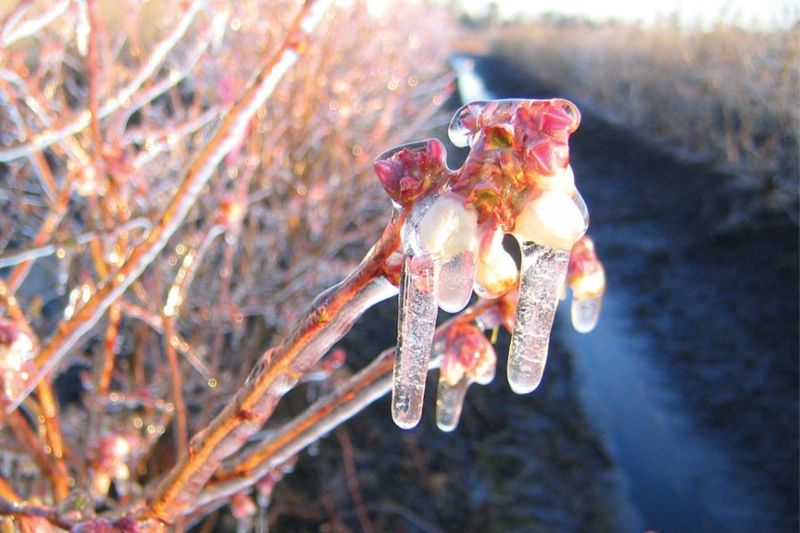
A late frost that damages blueberry blooms does not just affect what you see in spring – it shapes what you find in your bucket come July and August.
When a significant portion of flowers are ruined or damaged before they can set fruit, the result is a smaller harvest, sometimes dramatically so.
Michigan growers who rely on blueberries commercially feel the financial impact of these events in real and lasting ways.
In some cases, frost damage does not eliminate the harvest entirely but shifts it later in the season. When early blooms are damaged plants sometimes push out secondary growth or later-developing buds that were less damaged.
This can stretch the harvest window or push peak picking time back by a week or two compared to a normal season.
A reduced harvest also affects berry size in some situations. With fewer berries competing for the plant’s resources, surviving fruit may grow larger than average.
While that sounds like a silver lining, the overall volume loss still outweighs any benefit from slightly larger individual berries in most cases.
Home gardeners in Michigan may find that a frost-affected season simply produces less than expected, with some branches bearing fruit normally while others remain nearly bare.
Keeping records of frost events and their timing relative to bloom stage each year can help you build a clearer picture of how your specific planting responds and what to expect from future spring seasons.
7. Healthy Plants Can Still Produce After Partial Damage
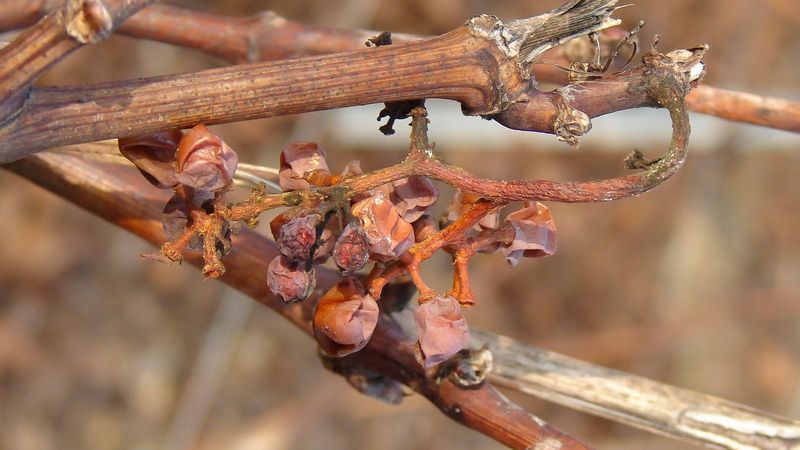
Finding frost damage on your blueberry plants in spring does not mean writing off the entire season. Healthy, well-established plants often have more resilience than gardeners expect, and partial damage to blooms does not always translate into a total crop failure.
Keeping a realistic but hopeful perspective after a cold event is genuinely worthwhile.
Blueberry plants typically carry more flower buds than they need to produce a full crop. This built-in redundancy means that even if a frost damages a portion of the open flowers, the remaining undamaged blooms can still set enough fruit to deliver a respectable harvest.
The percentage of blooms that survive matters, but losing a quarter or even a third of the flowers does not necessarily mean losing a quarter or a third of the berries.
Plant health going into the frost season plays a meaningful role in recovery. Bushes that were well-fertilized, properly pruned, and adequately watered during the previous season tend to carry stronger buds and bounce back more effectively after cold damage.
Stressed or neglected plants may struggle more to compensate for bloom loss.
Michigan gardeners who notice partial frost damage should continue caring for their plants normally rather than giving up on the season.
Consistent watering, avoiding unnecessary pruning of potentially viable branches, and monitoring for pest pressure in the weeks following a frost all support the plant’s ability to make the most of whatever healthy blooms remain after the cold snap.
8. Site Selection Influences Frost Risk In Michigan Gardens
Where you plant your blueberry bushes in Michigan can matter almost as much as which variety you choose or how well you care for them. Cold air is denser than warm air and flows downhill, collecting in low spots, valleys, and areas with poor air drainage.
These low-lying frost pockets can be several degrees colder than nearby elevated spots on the same property, sometimes making the difference between a damaged crop and a healthy one.
Planting on a gentle slope where cold air can drain away naturally is one of the most effective long-term strategies for reducing frost risk. A site with good air movement around the plants also helps, since stagnant cold air settles more easily on still nights.
Avoiding areas surrounded by dense windbreaks or solid fences that trap cold air near ground level can reduce the frequency of damaging frost events.
Proximity to large bodies of water in Michigan also influences frost risk. Areas near Lake Michigan benefit from a moderating effect that keeps spring temperatures slightly warmer and delays the last frost date compared to inland locations.
This lake effect is a key reason why southwest Michigan became such a productive blueberry-growing region in the first place.
Home gardeners evaluating potential planting sites should observe how their yard behaves on cold spring mornings. Spots where frost lingers longest or where puddles freeze while other areas stay clear are strong indicators of frost pocket conditions.
Choosing a slightly higher, more open location – even on the same property – can meaningfully reduce the frost risk your blueberry plants face each spring.