The March Lawn Mowing Height Trick Michigan Gardeners Should Try
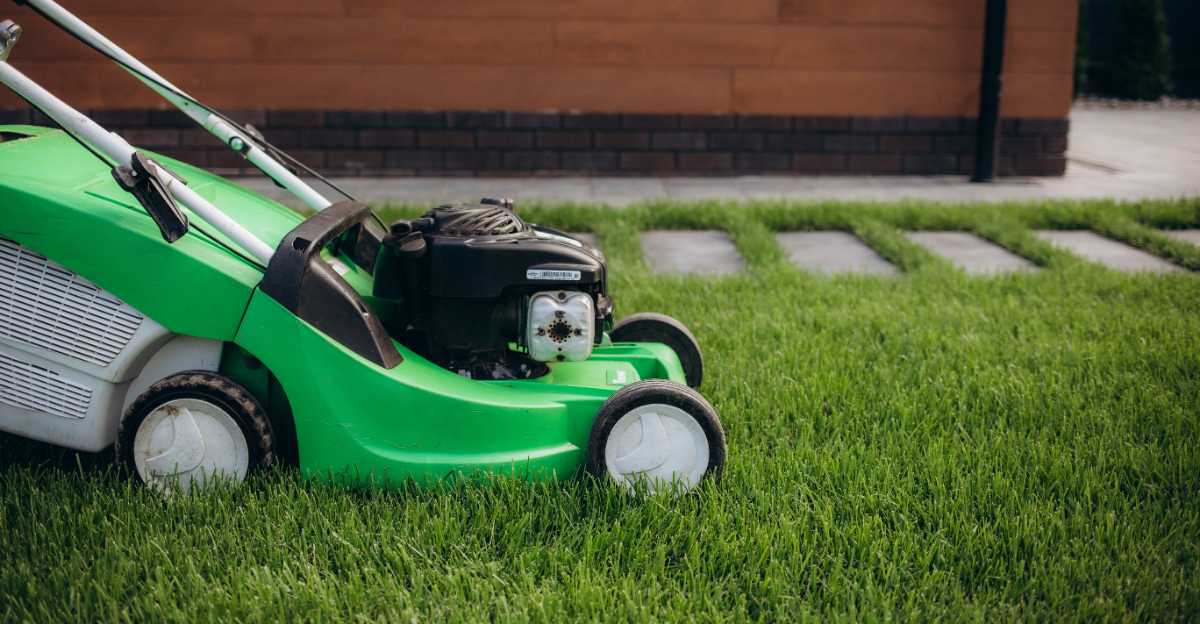
Most Michigan homeowners are ready to fire up the mower the moment the snow disappears. After a long winter, that first cut feels like the official start of lawn season.
But what many people do next can quietly affect how their grass performs for months. Across the Upper and Lower Peninsulas, early spring mowing is more important than it seems.
Cutting grass too short right away can weaken it just as it begins growing again. A slightly higher mowing height helps protect the lawn, supports deeper roots, and gives grass a better chance to compete with weeds as temperatures rise.
This simple adjustment is one of the easiest ways to improve lawn health without extra work.
Once Michigan gardeners see how much stronger their grass looks with the right early spring cut, it becomes a habit that pays off all season long.
1. Start The First Cut At The Highest Setting
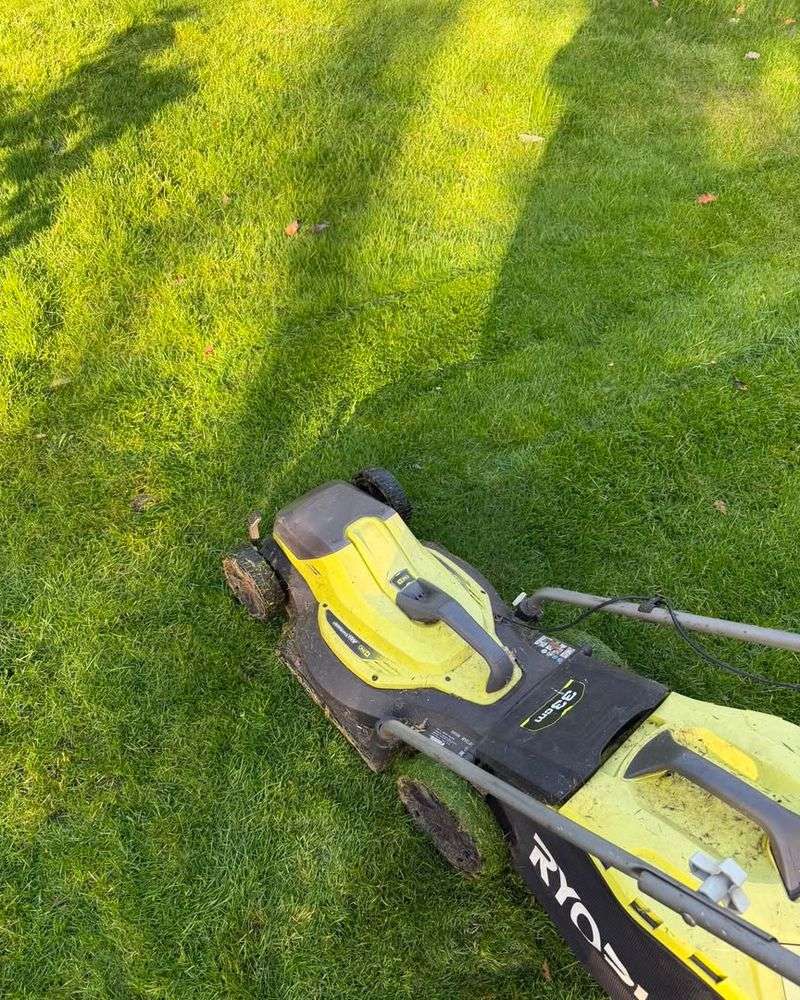
Picture this: the snow finally melts across Michigan, the grass starts turning green, and your first instinct is to grab the mower and cut it short. Resist that urge.
Michigan State University Extension strongly recommends setting your mower to its highest cutting position, around 3.5 to 4 inches, for that very first mow of the season in March or early April.
Cool-season grasses like Kentucky bluegrass, tall fescue, and perennial ryegrass are the most common types found in Michigan lawns.
These grasses come out of winter dormancy in a fragile state, and cutting them too short right away puts serious stress on the plant.
Scalping your lawn early can slow growth, weaken the grass, and open the door wide for weeds and bare spots. Mowing high acts like a gentle reset button for your lawn after a long Michigan winter.
The taller blades protect the crown of the grass plant, which is the part responsible for new growth.
When the crown stays safe and intact, your lawn bounces back faster, looks fuller, and builds the strength it needs to handle everything the Michigan growing season throws at it.
2. Taller Grass Helps Develop Stronger Roots
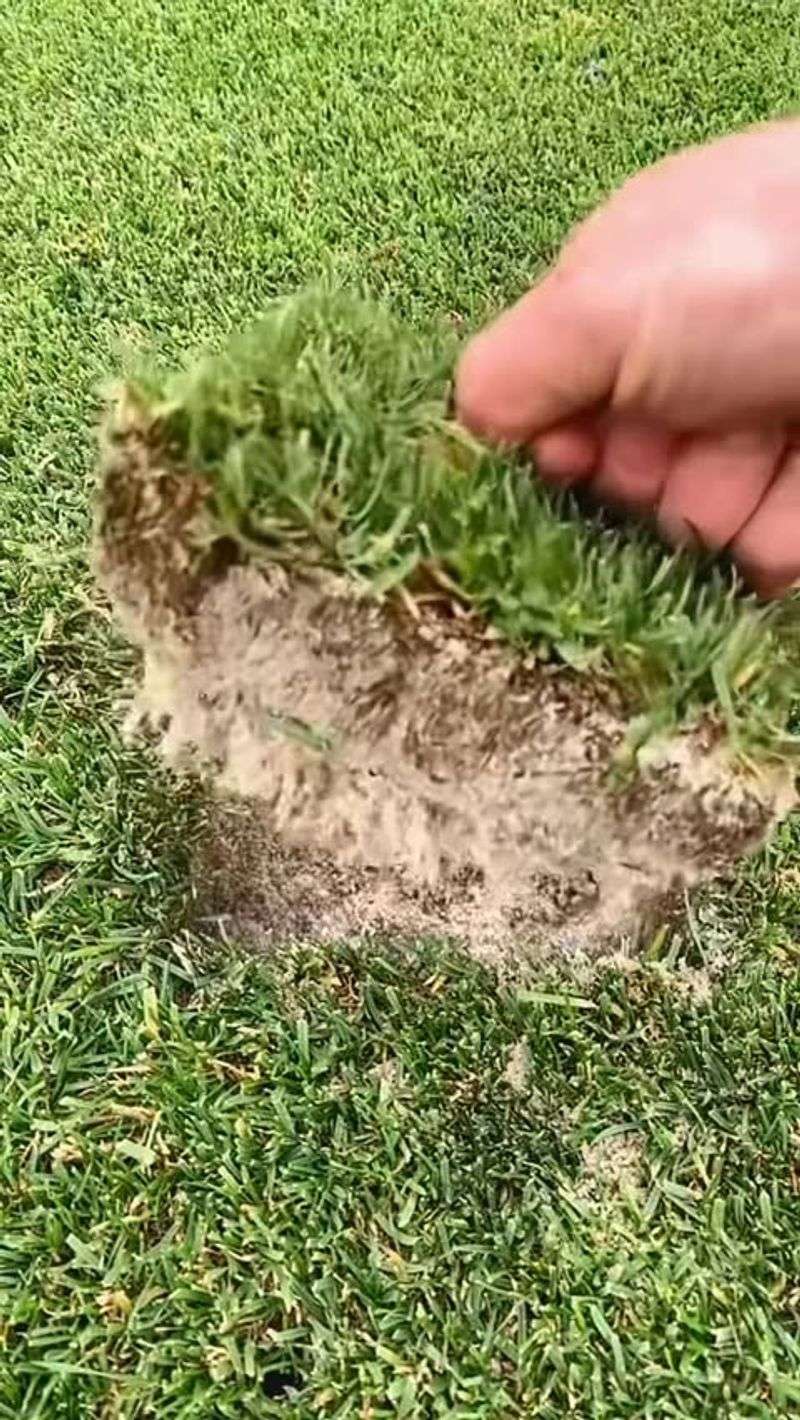
Roots are where all the real action happens in your lawn, and the length of your grass blades has a direct connection to how deep those roots grow.
When you mow high and leave more leaf blade above the ground, the grass can capture more sunlight and produce more energy through photosynthesis.
That extra energy goes straight into building a bigger, deeper root system underground. In Michigan, early spring is a recovery period for your lawn.
After months of freezing temperatures and snow cover, grass roots need time and energy to rebuild.
Taller grass gives the plant more surface area to work with, speeding up that recovery and helping roots push deeper into the soil before the heat of summer arrives.
Deeper roots can reach water and nutrients that shallow-rooted grass simply cannot access.
A Michigan lawn with strong, deep roots handles dry spells, foot traffic, and summer heat much better than a lawn that was cut too short in March. Think of mowing high as an investment in the underground foundation of your yard.
Your Michigan Garden Changes Every Week. Your Plan Should Too.
Gardening in Michigan changes quickly throughout the season. Every Friday you’ll receive a simple weekly plan showing exactly what to plant, prune, fertilize, harvest, and protect so you never miss the right timing.
The results you see above ground, thicker turf, richer color, and faster growth, all start with what is happening several inches below the surface during those early spring weeks.
3. Mowing High Helps Prevent Early Spring Weeds
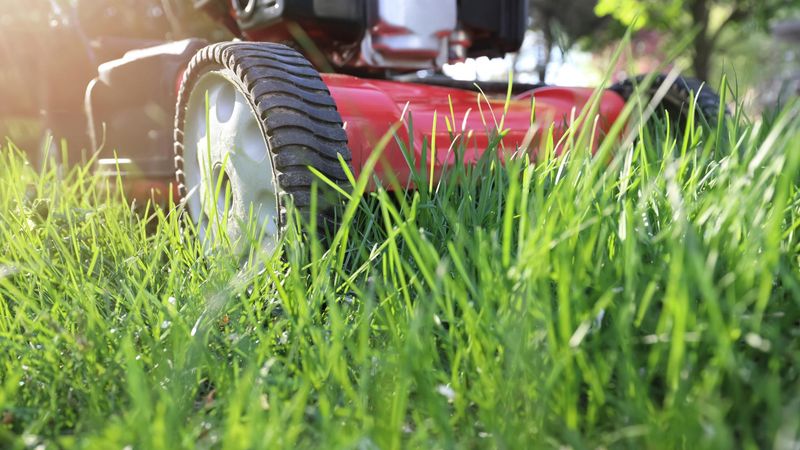
Weeds are opportunists. They move in fast the moment they get a little sunlight and bare soil to work with, and Michigan lawns are especially vulnerable to crabgrass and other early-season invaders.
Keeping your grass tall in March is one of the most effective natural defenses you have against this problem.
When grass blades are left at 3.5 to 4 inches, they create a thick canopy over the soil surface. That canopy blocks the sunlight that weed seeds need to germinate.
Crabgrass, for example, requires warm soil and direct sunlight to sprout. A dense, tall lawn essentially shades those seeds into dormancy before they ever get a chance to take hold.
Michigan State University Extension points out that mowing high is one of the most practical and chemical-free ways to manage weeds throughout the growing season.
You save money on herbicides, reduce the amount of product going into Michigan’s soil and waterways, and end up with a thicker lawn that keeps fighting weeds on its own.
Starting this habit in March sets the tone for the whole year. A lawn that enters spring tall and dense is far harder for weeds to crack than one that was cut short and left thin during those critical early weeks.
4. It Reduces Stress From Freeze And Thaw Cycles
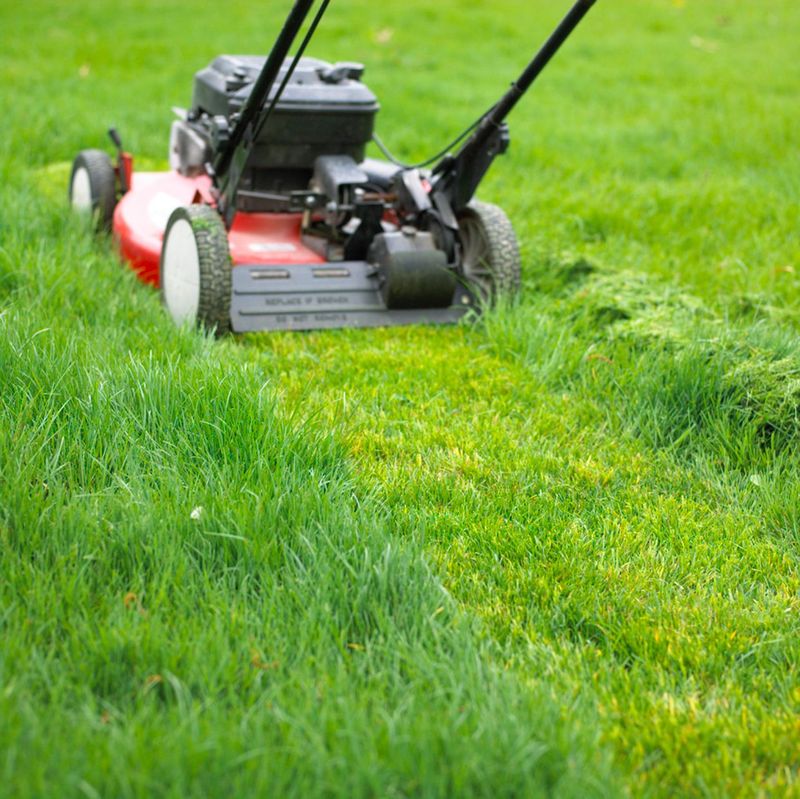
Michigan springs are unpredictable in a way that can catch even experienced gardeners off guard.
One week brings warm, sunny days that coax the grass out of dormancy, and the next week drops temperatures back below freezing.
This back-and-forth pattern is called the freeze-thaw cycle, and it puts real physical stress on your lawn.
When soil freezes and thaws repeatedly, it actually moves and shifts, a process called frost heaving. This movement can expose the crown of the grass plant, which is the sensitive growing point located just above the soil line.
An exposed crown is vulnerable to frost damage, drying out, and physical injury from foot traffic or mowing equipment.
Keeping your grass taller during this period adds a layer of natural insulation around the crown. The extra blade length helps buffer temperature swings and keeps the crown protected even when overnight temperatures dip back below freezing.
Michigan gardeners who skip this step often notice thin, patchy areas in their lawns by late spring, and freeze-thaw damage is frequently the cause.
A simple adjustment to your mower height in March costs you nothing extra but protects one of the most important parts of every grass plant in your yard through those unpredictable early spring weeks.
5. Taller Grass Retains Soil Moisture Better
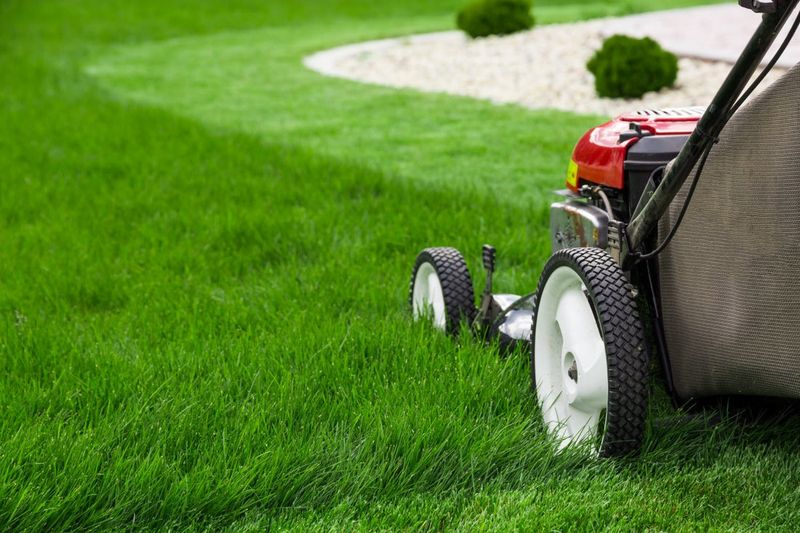
Spring weather in Michigan can flip from soaking wet to surprisingly dry and windy within just a few days.
When the soil dries out too fast, young grass plants struggle to get the water they need, especially while they are still recovering from winter. Keeping your grass tall is one of the easiest ways to slow down that moisture loss.
Longer grass blades create shade over the soil surface, which lowers the soil temperature and reduces evaporation. Think of it like a natural umbrella for your yard.
When the soil stays cooler and more shaded, it holds onto moisture much longer than bare or closely mowed ground would.
That retained moisture keeps grass roots hydrated and actively growing even during those dry, breezy Michigan spring days.
Water conservation is a real benefit that often gets overlooked when people talk about mowing height.
Michigan gardeners who mow high in March tend to water their lawns less frequently because the soil simply does not dry out as fast.
Over the course of a full spring and summer, that adds up to a noticeable difference in water use and utility costs.
Plus, grass that stays consistently hydrated looks greener, grows more evenly, and handles the occasional dry stretch without going into a stressed, brownish state that takes weeks to recover from.
6. It Makes Lawns More Resistant To Grubs
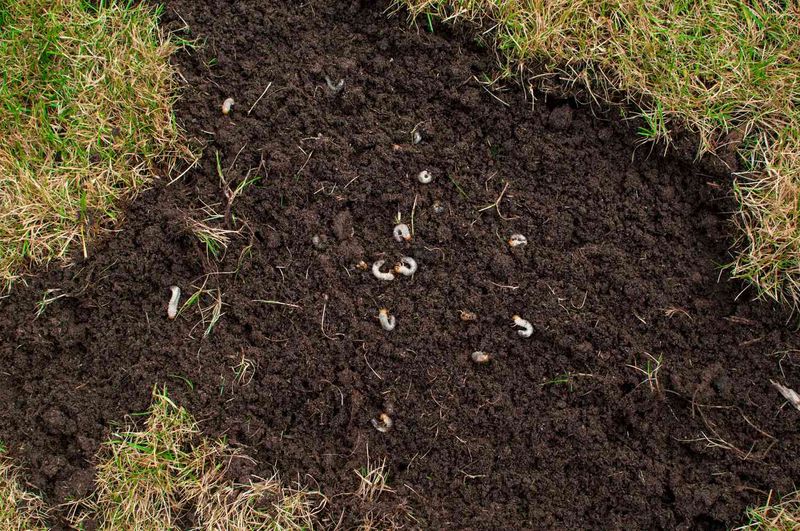
Grubs are a genuine headache for Michigan homeowners, and they tend to do their most noticeable damage during late summer when they feed on grass roots near the soil surface.
While mowing height does not directly remove grubs from your lawn, it plays a surprisingly important role in how well your lawn survives a grub infestation.
A lawn that has been mowed high throughout early spring develops a deeper, stronger root system by the time grub season arrives.
Roots that reach several inches into the soil are not as easily disrupted by surface-level grub feeding.
The grass has more reserves to draw from, so even if some roots are damaged, the plant can continue growing and filling in rather than wilting and browning out in patches.
Michigan State University Extension highlights this connection between mowing height and overall lawn resilience. A dense, well-rooted lawn built on good early-season habits is simply harder to knock down.
Grubs find it more difficult to cause widespread visible damage in a thick, healthy turf compared to a thin, shallow-rooted lawn that was cut short all spring.
Starting in March with a high mowing setting is one piece of a larger lawn health strategy that pays off significantly when those white grubs start feeding underground in the Michigan summer months ahead.
7. Avoid Cutting More Than One Third Of The Blade
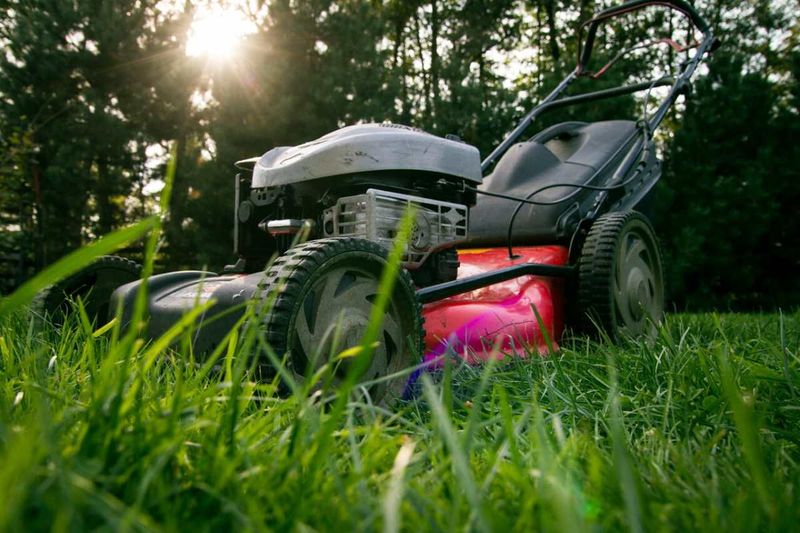
Every experienced lawn care pro in Michigan knows about the one-third rule, but plenty of homeowners are still cutting way more than they should in one session.
The rule is simple: never remove more than one-third of the grass blade height in a single mowing. If your grass is 4.5 inches tall, cut it down to no lower than 3 inches at a time.
Removing too much of the blade at once sends the grass plant into a kind of shock. The plant suddenly loses most of its food-producing surface area and has to redirect all of its energy into regrowing leaves instead of building roots or storing nutrients.
In early spring, when Michigan lawns are already recovering from winter stress, this kind of setback can slow growth for weeks.
Following the one-third rule also means you might need to mow more frequently during peak spring growth rather than waiting until the grass gets very long and then cutting it down dramatically.
That might sound like extra work, but the payoff is a healthier, more even-looking lawn all season long.
Michigan gardeners who stick to this rule consistently report fewer bare patches, more uniform color, and a lawn that bounces back quickly from whatever challenges the season brings. Small habits like this one make a genuinely big difference over time.
8. Gradually Adjust Height Later In Spring
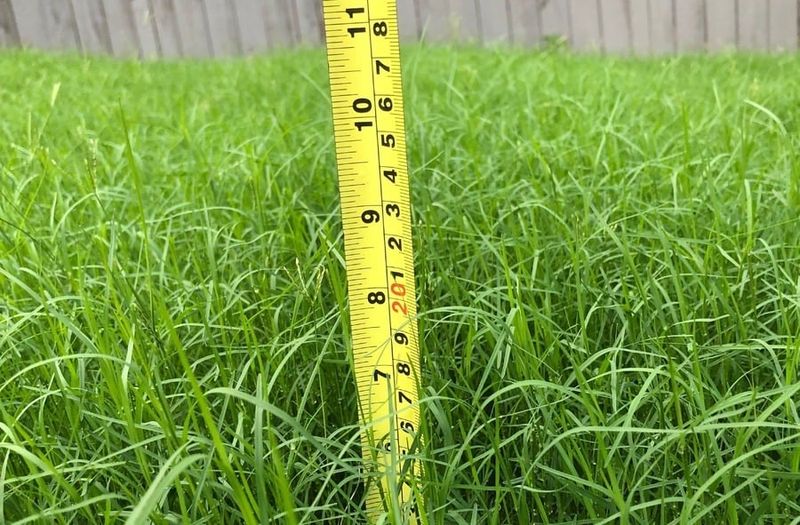
Mowing high in March does not mean your lawn stays at 4 inches forever. As spring progresses and the grass settles into a steady growth pattern, Michigan gardeners can begin making small, gradual adjustments to their mowing height.
The key word here is gradual, because sudden big drops in cutting height are just as stressful in May as they are in March.
By mid to late spring, most Michigan lawns are typically maintained at somewhere between 2.5 and 3.5 inches.
That range still keeps the grass healthy and weed-resistant while giving your yard a neat, well-kept appearance.
Dropping below 2.5 inches, especially during warm or dry stretches, puts the grass under unnecessary stress and makes it more vulnerable to both weeds and pests.
A good approach is to lower the mower by just half an inch at a time over several mowing sessions rather than jumping straight from 4 inches down to 2.5 inches in one cut.
Your lawn will barely notice the change, and the transition will be smooth and stress-free for the grass.
Michigan gardeners who manage this gradual shift well tend to have lawns that look consistently healthy from early spring all the way through to fall, without the brown patches and uneven growth that come from abrupt changes in mowing habits.
9. Wait Until The Lawn Is Dry Before Mowing
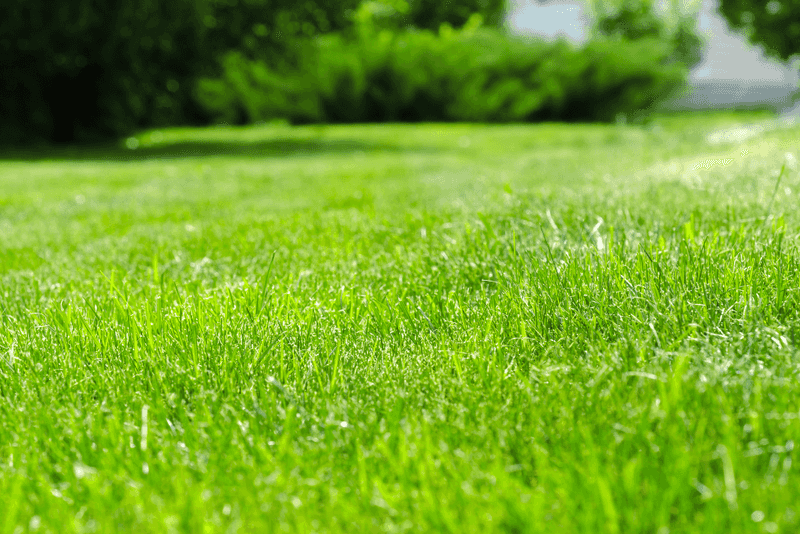
March in Michigan usually means one thing for lawns: wet. Snowmelt, spring rain, and thawing soil combine to leave yards soggy for days or even weeks at a stretch.
Mowing a wet lawn might seem harmless, but it can actually cause some serious problems that linger well into the growing season.
Wet soil is soft and compressible, which means mower wheels and your own footsteps leave deep ruts and compacted tracks.
Compacted soil blocks air and water from reaching grass roots, creating conditions where grass struggles and weeds thrive.
On top of that, wet grass clippings clump together and smother the lawn below, blocking sunlight and creating conditions where fungal issues can develop.
The simple test Michigan gardeners can use is the footprint method. Walk across your lawn and look back at your footprints. If the grass springs back up quickly, the ground is firm enough to mow.
If your footprints leave deep impressions or the soil feels spongy underfoot, give it another day or two. Patience pays off here.
Waiting just a short time for the right conditions protects your soil structure, keeps your mower running cleanly, and ensures that first spring cut in Michigan sets your lawn up for a strong, healthy season rather than starting things off with unnecessary damage.