These Are The Best Climbing Plants For Pennsylvania Arbors And Pergolas
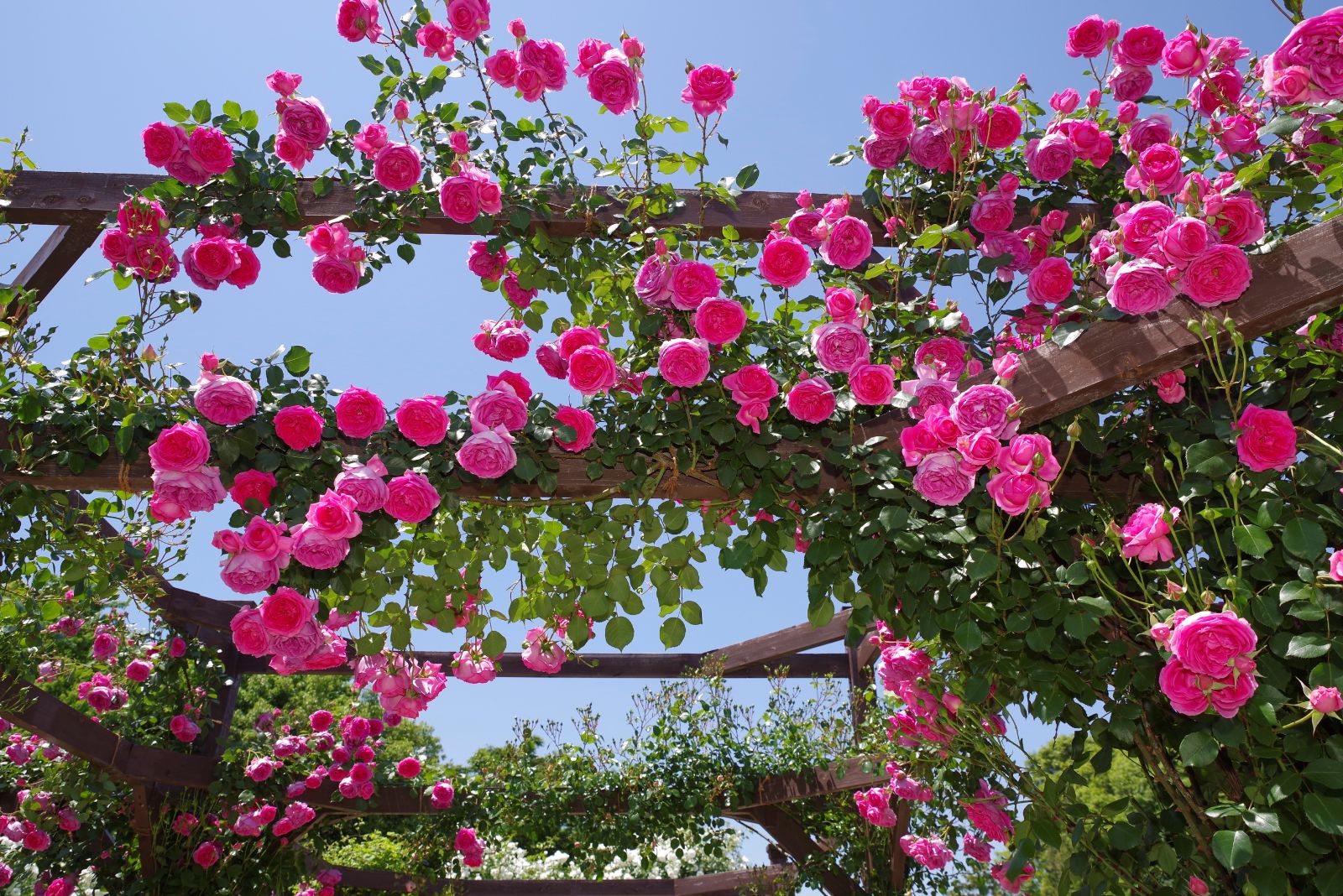
An arbor or pergola always looks a little more inviting when it has something beautiful climbing over it. In Pennsylvania gardens, these structures can do much more than define a walkway or create a shaded sitting area.
With the right plants, they become standout features that add color, texture, and a sense of charm that plain wood or metal alone just cannot match.
Climbing plants bring a garden to life in a very different way than shrubs or flower beds. They soften hard lines, create vertical interest, and can turn an ordinary space into one that feels lush and established.
Some offer fragrant flowers, some bring dense green coverage, and others put on a dramatic seasonal show that makes the whole yard feel more special.
Of course, not every vine is the right fit for Pennsylvania. The best choices need to handle the local climate, grow well with the support available, and give you the look you actually want.
Once you find the right match, an arbor or pergola can become one of the most eye-catching and enjoyable parts of your entire garden.
1. Clematis
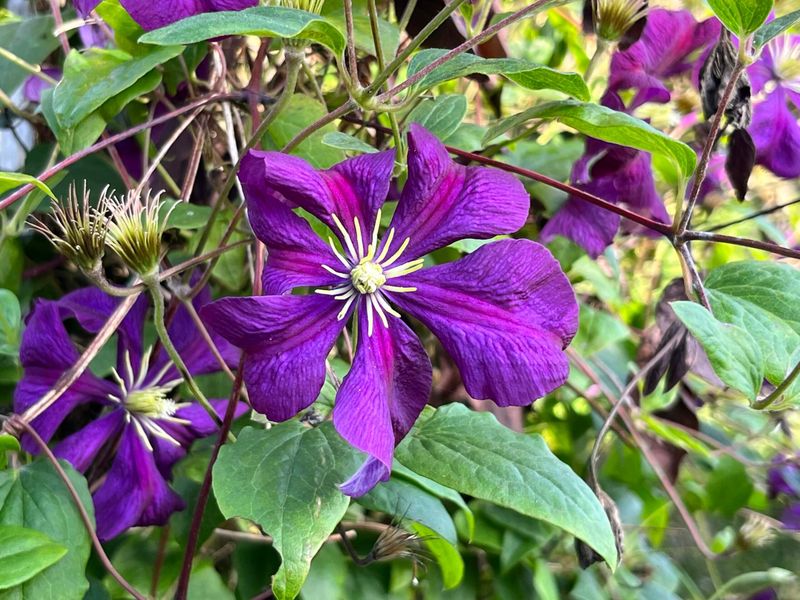
Often called the Queen of Climbers, clematis has earned its royal title for good reason. Few plants offer the same range of flower colors, sizes, and bloom times all in one easy-to-grow package.
From deep purple and bold magenta to soft white and pale lavender, there is a clematis variety for nearly every taste and garden style.
In Pennsylvania, clematis thrives beautifully because the state sits in USDA hardiness zones 5 through 7, which matches the plant’s preferred growing range. It loves having its vines and flowers in full sun while keeping its roots shaded and cool.
You can achieve this by planting low-growing perennials or placing a few flat stones around the base to block direct sunlight from hitting the soil.
Support structures like trellises, arbors, and pergola posts are perfect for clematis to wrap its tendrils around.
It climbs by twisting its leaf stalks around whatever it touches, so thin supports work great. Make sure the structure is sturdy enough to handle several years of growth.
Pruning is one of the most important things to learn with clematis. Different varieties have different pruning needs depending on when they bloom, so it helps to know which group your plant belongs to before cutting anything back.
With the right pruning schedule, your clematis will reward you with even more blooms the following season.
Pennsylvania gardeners often report clematis as one of their most satisfying vines because it performs reliably year after year with minimal fuss.
2. Trumpet Vine
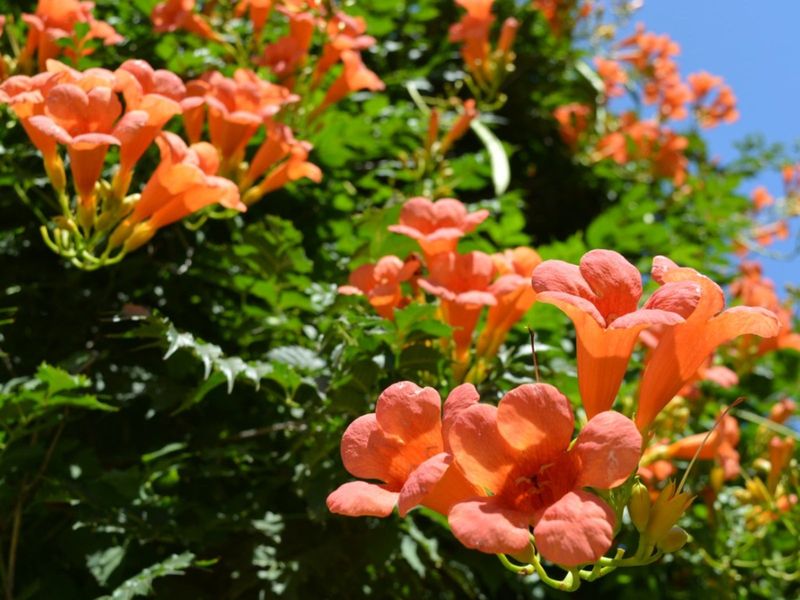
If you want a vine that makes a bold statement fast, trumpet vine is ready to deliver. This powerhouse plant can grow up to 30 feet in a single season under the right conditions, covering an arbor or pergola with thick, lush foliage in no time.
The flowers are hard to miss too, bright orange to red, shaped like little trumpets, and absolutely irresistible to hummingbirds.
Your Pennsylvania Garden Changes Every Week. Your Plan Should Too.
Gardening in Pennsylvania changes quickly throughout the season. Every Friday you’ll receive a simple weekly plan showing exactly what to plant, prune, fertilize, harvest, and protect so you never miss the right timing.
Trumpet vine is native to the eastern United States, which makes it a natural fit for Pennsylvania gardens. It handles the state’s hot summers and cold winters without much complaint.
Once established, it is incredibly tough and rarely needs extra watering or fertilizing. In fact, giving it too much fertilizer can actually reduce flowering, so a hands-off approach works best.
Because this vine grows so aggressively, it needs a strong support structure. Light wooden trellises may not hold up well over time.
A solid pergola or heavy-duty arbor made from thick wood or metal is a much better choice. Without proper pruning, trumpet vine can spread beyond its intended space and even send up shoots from the roots.
Regular trimming is essential to keep it looking tidy and contained. Pruning back hard in late winter or early spring encourages fresh growth and a better flower display.
Pennsylvania gardeners who stay on top of pruning are rewarded with one of the most dramatic and wildlife-friendly vines available anywhere in the region.
3. Climbing Roses
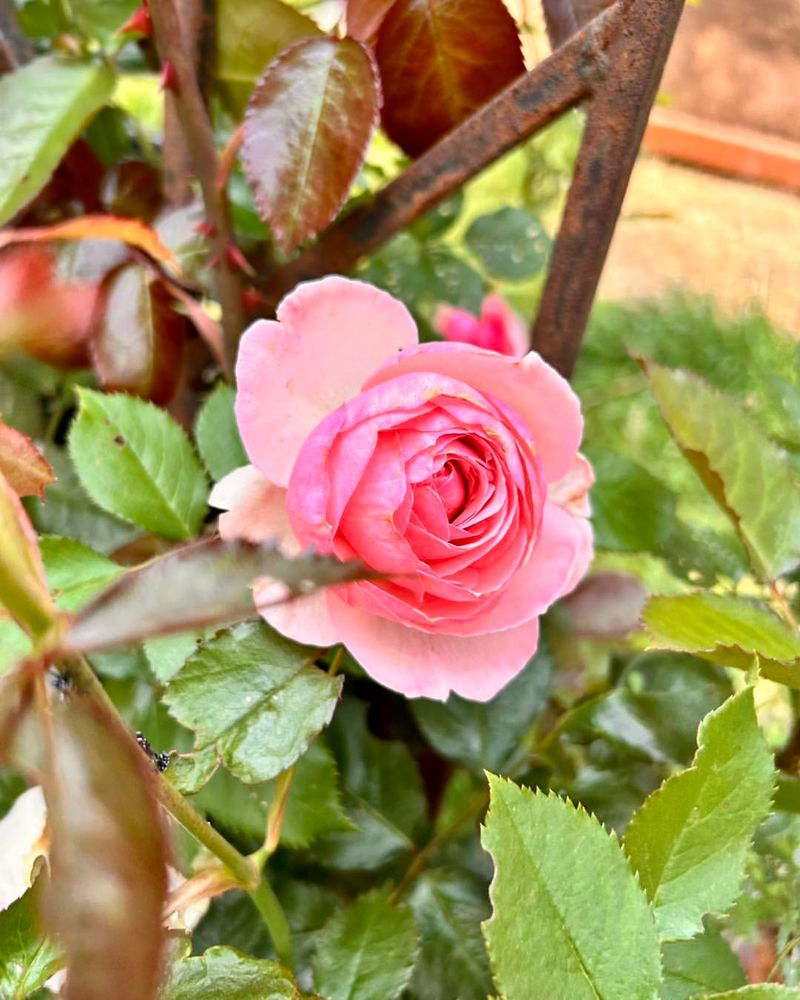
Few things in a garden feel as timeless and romantic as climbing roses arching over an arbor or draping gracefully along a pergola. Their blooms bring an old-fashioned elegance that is hard to replicate with any other plant.
Add their sweet fragrance drifting through the yard on a warm afternoon, and it is easy to understand why climbing roses remain one of the most popular garden choices in Pennsylvania.
Choosing the right variety matters a lot in this region. Pennsylvania winters can be harsh, especially in the northern parts of the state, so picking a hardy variety is key.
Look for options like New Dawn, which is well known for being cold-tolerant, disease-resistant, and incredibly vigorous.
Zephirine Drouhin is another excellent choice for Pennsylvania because it handles cold well and is nearly thornless, making it easier to work around.
Climbing roses need at least six hours of direct sunlight daily to bloom their best. Good air circulation around the canes helps prevent common fungal issues like black spot and powdery mildew.
Spacing plants properly and avoiding overhead watering can make a big difference in keeping the foliage healthy throughout the season.
Training the canes horizontally along a pergola or arbor frame encourages more lateral growth, which actually produces more blooms. Tying canes loosely with soft garden ties works better than rigid clips.
With a little attention each season, climbing roses can grace a Pennsylvania garden structure for decades.
4. American Wisteria
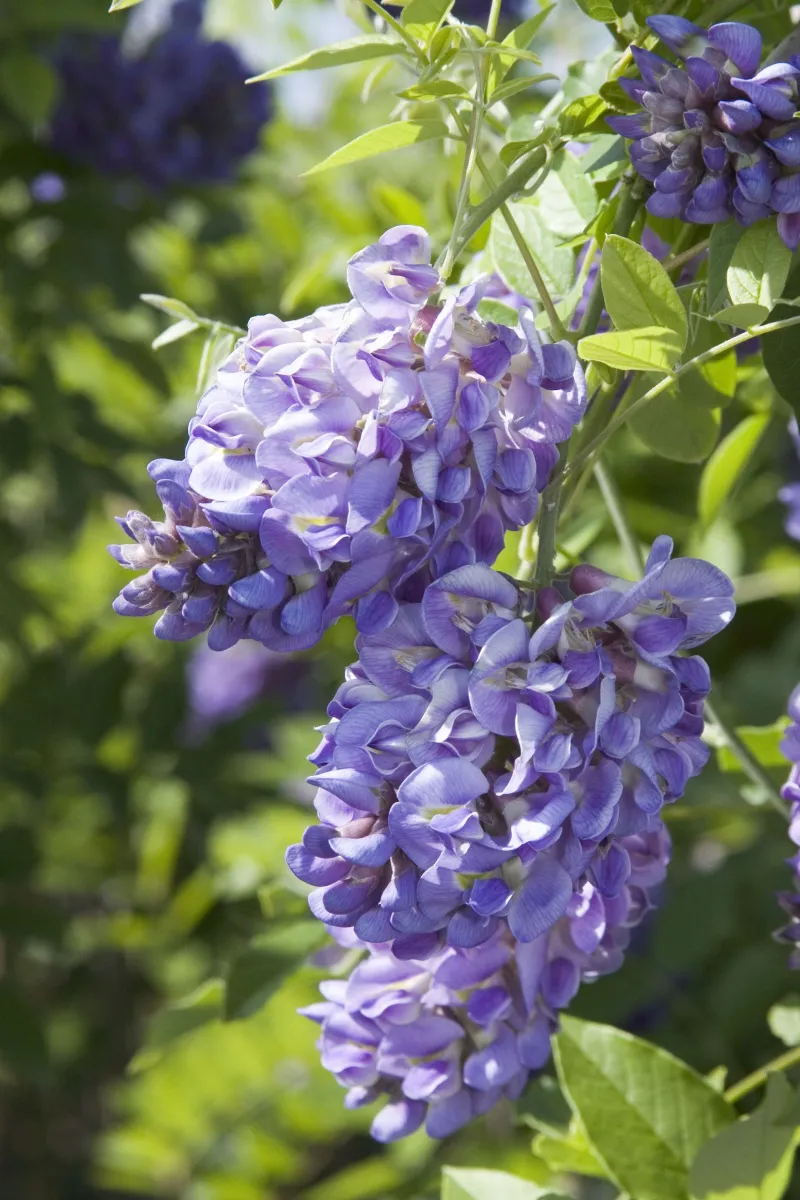
Wisteria is one of those plants that stops people in their tracks. The long, cascading clusters of purple, pink, or white flowers hanging from a pergola look almost unreal, like something out of a fairy tale.
The trick is choosing the right species, and for Pennsylvania gardeners, American wisteria is the smart pick.
Asian wisteria species, like Japanese and Chinese wisteria, are beautiful but notoriously aggressive. They can escape cultivation, strangle trees, and spread into natural areas.
American wisteria, or Wisteria frutescens, is a native alternative that offers all the visual drama with far more manageable growth habits. It still needs support and occasional pruning, but it will not take over your entire yard.
Two popular cultivars worth seeking out are Amethyst Falls and Nivea. Amethyst Falls blooms a bit earlier than most and produces fragrant lavender-blue flower clusters.
Nivea offers clean white blooms that look stunning against dark wood pergolas. Both are well suited to Pennsylvania’s climate and perform reliably in zones 5 through 9.
American wisteria prefers full sun and moist, well-drained soil. It blooms on new growth, so pruning in late winter helps encourage a fuller flower display.
Patience is needed in the early years since young plants focus on root development before putting on a floral show. Once established, though, this native vine becomes one of the most rewarding and visually spectacular plants in any Pennsylvania garden.
5. Honeysuckle
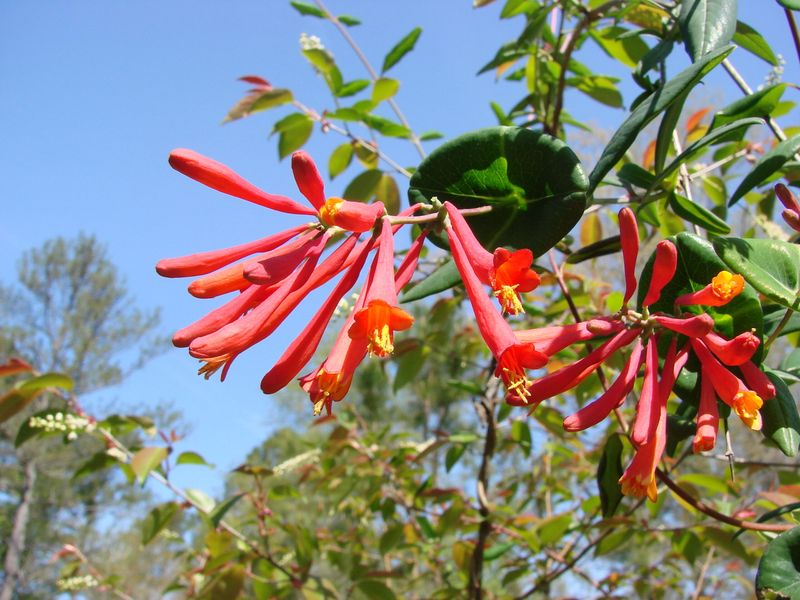
Coral honeysuckle, known botanically as Lonicera sempervirens, is one of those vines that works hard without asking for much in return.
Unlike its invasive cousin Japanese honeysuckle, this native species plays nicely in the garden and supports local wildlife beautifully.
Hummingbirds, butterflies, and native bees are drawn to its slender tubular flowers, which range from bright coral red to soft orange with a yellow interior.
One of the best things about growing coral honeysuckle in Pennsylvania is its incredibly long blooming season. Flowers typically appear in spring and continue off and on all the way through fall, giving your arbor or pergola color for months at a time.
That kind of extended bloom period is hard to find in a single plant. This vine is also quite adaptable. It grows well in full sun to partial shade, which makes it useful in spots where other vines might struggle.
It handles Pennsylvania’s variable weather conditions with ease and does not require heavy fertilizing or fussy soil preparation. A moderately fertile, well-drained spot is usually all it needs to get going.
Lonicera sempervirens climbs by twining, so it benefits from a trellis, arbor post, or pergola railing to wrap around. It stays at a manageable size, typically reaching 10 to 20 feet, making it a practical choice for smaller garden structures.
Regular light pruning after the main bloom flush keeps the plant tidy and encourages fresh new flowering growth throughout the rest of the season.
6. Virginia Creeper
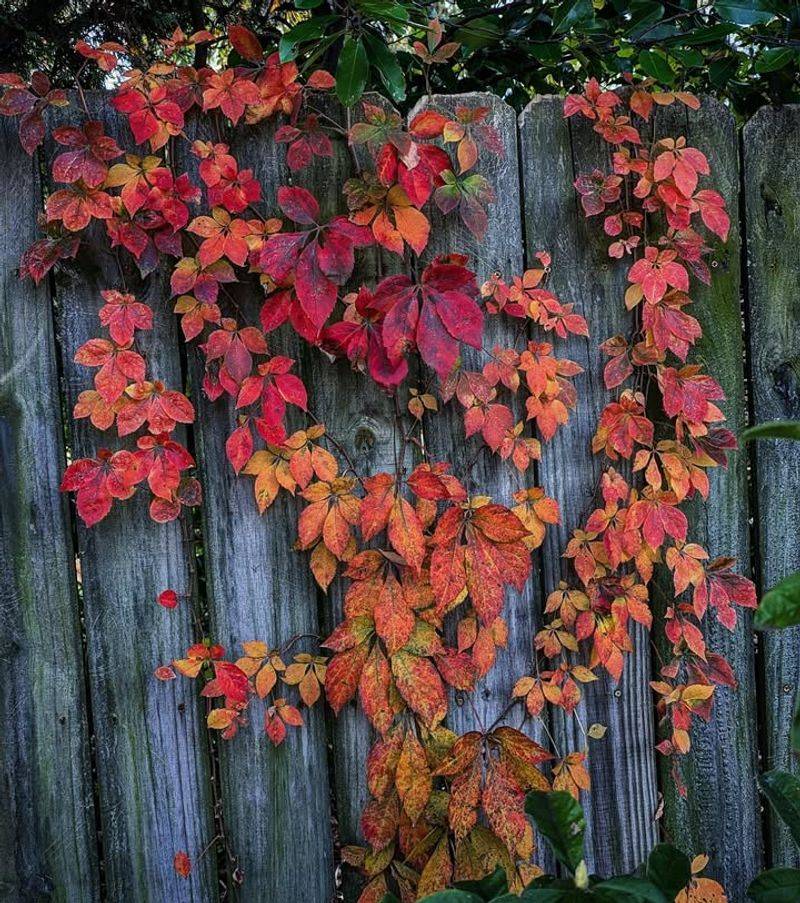
Every fall, Virginia creeper puts on one of the most breathtaking color displays of any plant in the eastern United States.
The five-leaflet leaves turn from green to brilliant shades of crimson, scarlet, and burgundy as temperatures drop, creating a dramatic seasonal show that can completely transform an arbor or pergola.
If fall color is high on your list of priorities, this native vine belongs in your Pennsylvania garden.
Virginia creeper is a true workhorse. It grows fast, sometimes putting on 10 feet or more of new growth in a single season, and it clings to surfaces using small adhesive pads at the tips of its tendrils.
This means it can attach directly to wood, brick, or stone without needing a separate trellis. For covering a pergola quickly or filling in a bare fence, few vines match its speed and reliability.
Maintenance is refreshingly simple with this plant. It tolerates a wide range of soil types, from sandy to clay, and handles both full sun and deep shade without complaint.
Drought tolerance is another strong point, making it a low-stress addition to any Pennsylvania landscape. Once established, it largely takes care of itself through the seasons.
Pruning once or twice a year keeps Virginia creeper from spreading beyond its intended boundaries. The dark blue berries that appear in fall are a favorite food source for birds, adding extra wildlife value to your yard.
It is a true Pennsylvania native that rewards gardeners with beauty, toughness, and ecological benefit all in one vine.
7. Climbing Hydrangea
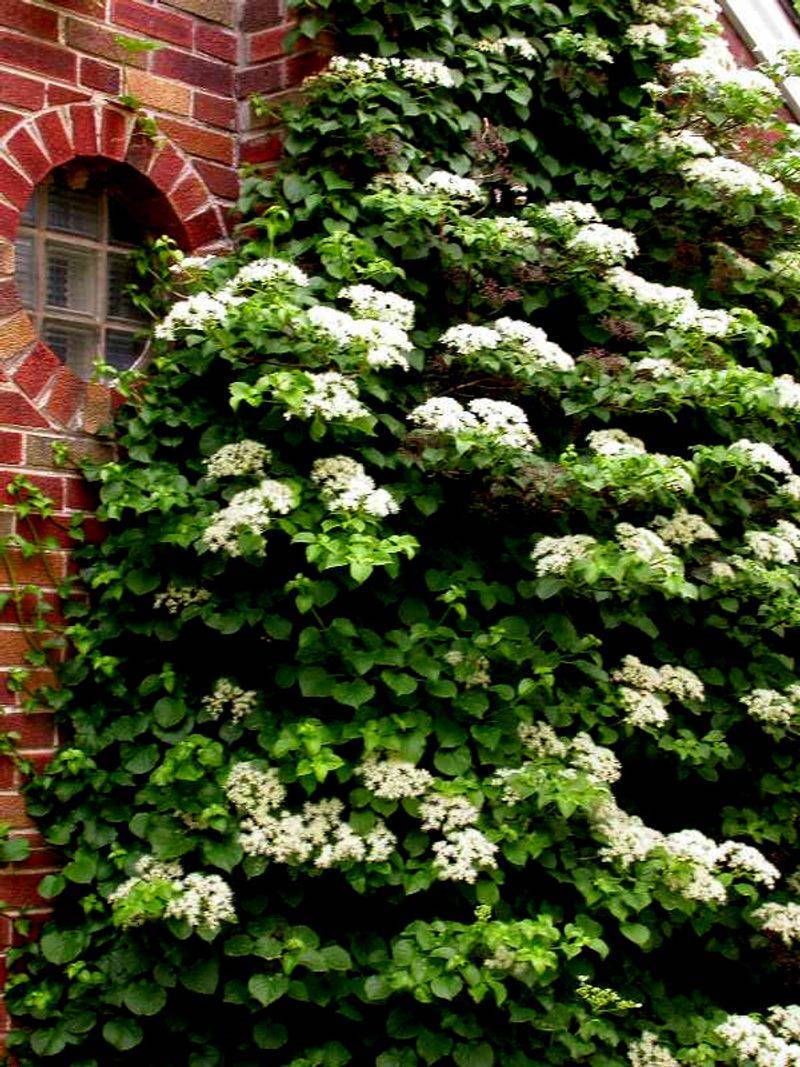
Shade gardeners in Pennsylvania often feel limited when it comes to flowering vines, but climbing hydrangea is here to change that.
This remarkable plant thrives in spots where most other vines would struggle, making it a genuine problem-solver for north-facing walls, shaded arbors, or pergolas tucked under a tree canopy.
Its large, flat-topped white flower clusters, called lacecaps, bloom in early summer and create a soft, elegant display unlike anything else in the garden.
Patience is the one thing you need most when starting climbing hydrangea. For the first two or three years, the plant puts most of its energy into developing a strong root system rather than producing showy top growth.
Some gardeners worry nothing is happening, but underground, the plant is getting ready for something impressive. Once it hits its stride, usually around year four or five, growth accelerates and flowering becomes more generous each season.
Climbing hydrangea clings to surfaces using small aerial rootlets, similar to English ivy. It can grip wood, stone, and brick without additional support, which makes it incredibly versatile for different structure types.
The exfoliating cinnamon-brown bark adds winter interest even after the leaves have dropped, giving the plant year-round visual appeal.
In Pennsylvania, this vine performs best in partial to full shade with consistently moist, organically rich soil. Mulching around the base helps retain moisture during dry spells.
With the right conditions and a little patience in the early years, climbing hydrangea becomes one of the most reliable and beautiful long-term additions to any Pennsylvania garden structure.