The 10 Flowers That Attract Bumblebees Back To Oregon Gardens In Spring
There’s something about seeing bumblebees back in the garden that makes spring feel official. One minute things are quiet, and the next you hear that familiar deep buzz drifting from flower to flower.
It’s a small moment, but it means your garden is coming back to life. Bumblebees don’t show up just anywhere, though.
They’re picky in their own way, searching for flowers that offer the right mix of nectar, pollen, and easy access.
If your garden has what they’re looking for, they’ll stick around. If not, they’ll move on pretty quickly.
The good news is it doesn’t take much to win them over. A handful of the right flowers can turn your space into a regular stop on their daily rounds.
If you’re hoping to see more of these fuzzy little pollinators this spring, these are the flowers that can bring them buzzing back in a big way.
1. Oregon Grape
Long before most flowers even think about blooming, Oregon Grape is already putting on a show. This tough evergreen shrub is Oregon’s state flower, and it earns that title every spring.
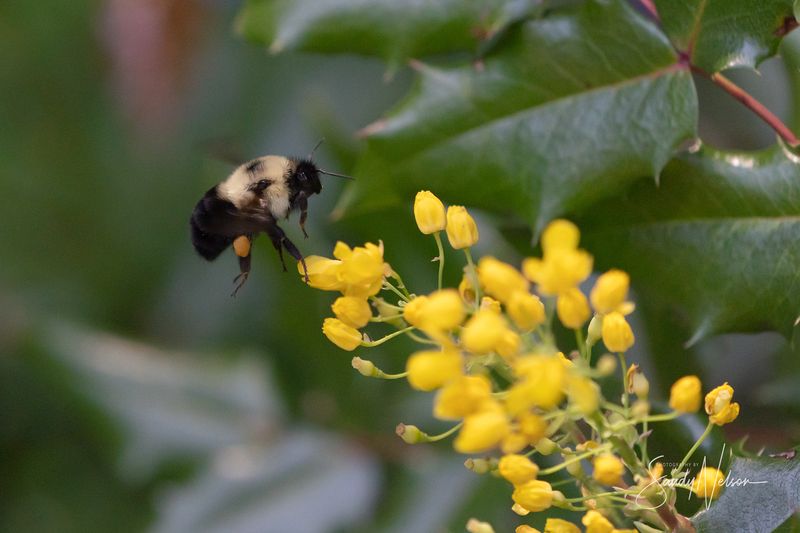
Its bright yellow flower clusters pop up early in the season, giving bumblebees one of their first meals after a long winter rest.
Oregon Grape grows well in many parts of the state, from shady woodland gardens to sunny borders. It handles dry summers and wet winters without much fuss.
The berries that follow the flowers are a bonus, feeding birds well into summer.
Plant this shrub in well-drained soil with partial to full shade for best results. It pairs nicely with ferns and native grasses.
Once established, it needs very little water, making it a smart choice for low-maintenance Oregon gardens.
Bumblebees are especially drawn to the clusters of small yellow flowers, which are packed with pollen and nectar. Watching a fat bumblebee work its way through a spray of Oregon Grape blooms is one of spring’s best small pleasures.
Add this native gem to your garden and let the bees find it fast.
2. Red-Flowering Currant
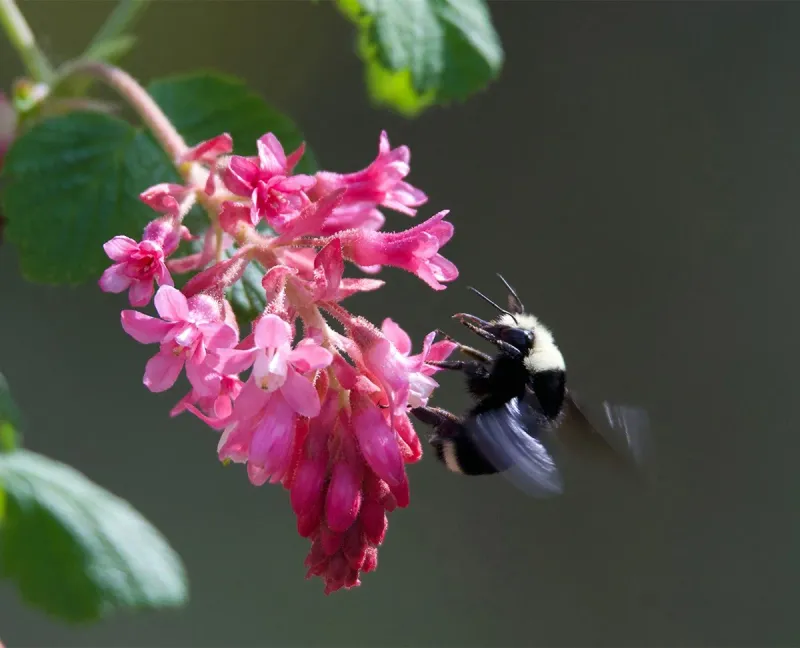
Few shrubs announce spring quite as boldly as Red-Flowering Currant. Its deep pink to red flower clusters dangle from bare branches before the leaves even fully open, creating a stunning early-season display.
In Oregon, this native shrub is one of the first reliable nectar sources for bumblebees coming out of winter.
Bumblebee queens, which emerge earlier than worker bees, love this plant. Getting a good nectar meal early in the season helps them build strong colonies.
Planting Red-Flowering Currant is one of the best things you can do for Oregon’s native bee populations.
This shrub is easy to grow in a range of conditions. It does well in full sun or partial shade and handles Oregon’s rainy winters without any trouble.
Once established, it is quite drought-tolerant, which is helpful during dry Oregon summers.
Pair it with Oregon Grape for a one-two punch of early spring color and pollinator support. Red-Flowering Currant grows to about six to ten feet tall, so give it room to spread.
Your Oregon Garden Changes Every Week. Your Plan Should Too.
Gardening in Oregon changes quickly throughout the season. Every Friday you’ll receive a simple weekly plan showing exactly what to plant, prune, fertilize, harvest, and protect so you never miss the right timing.
Hummingbirds also visit the flowers, making your yard feel like a wildlife sanctuary from the very first warm days of spring.
3. Lupine
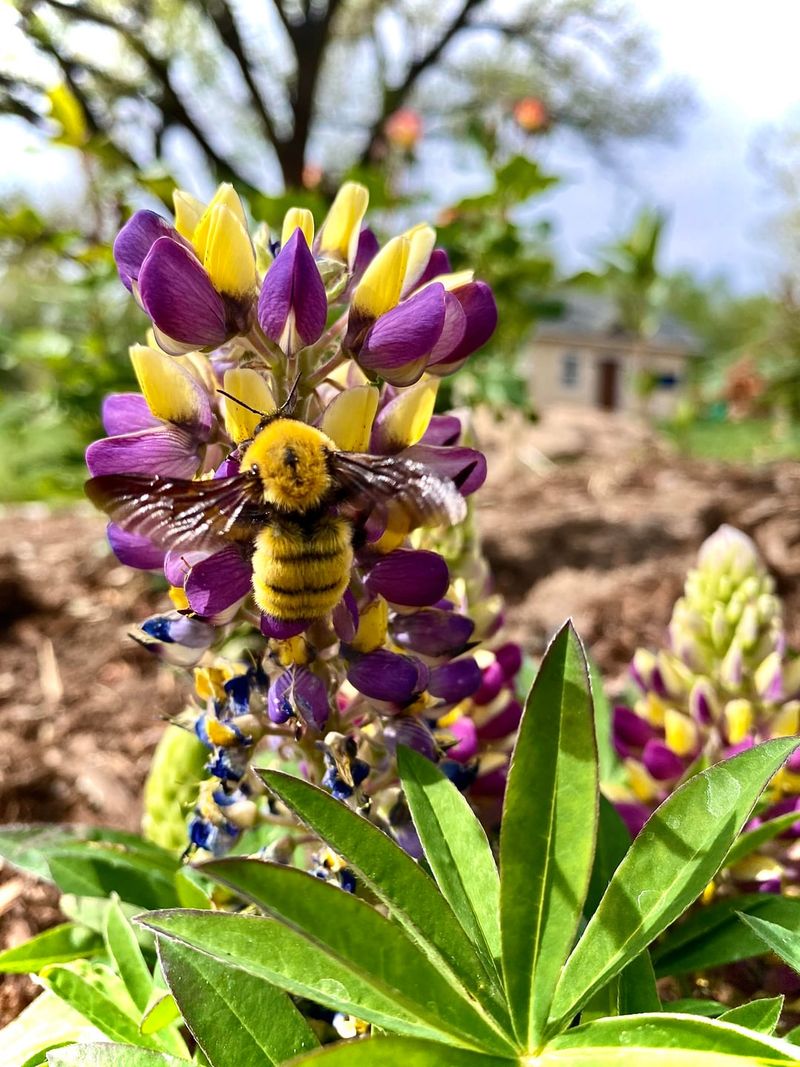
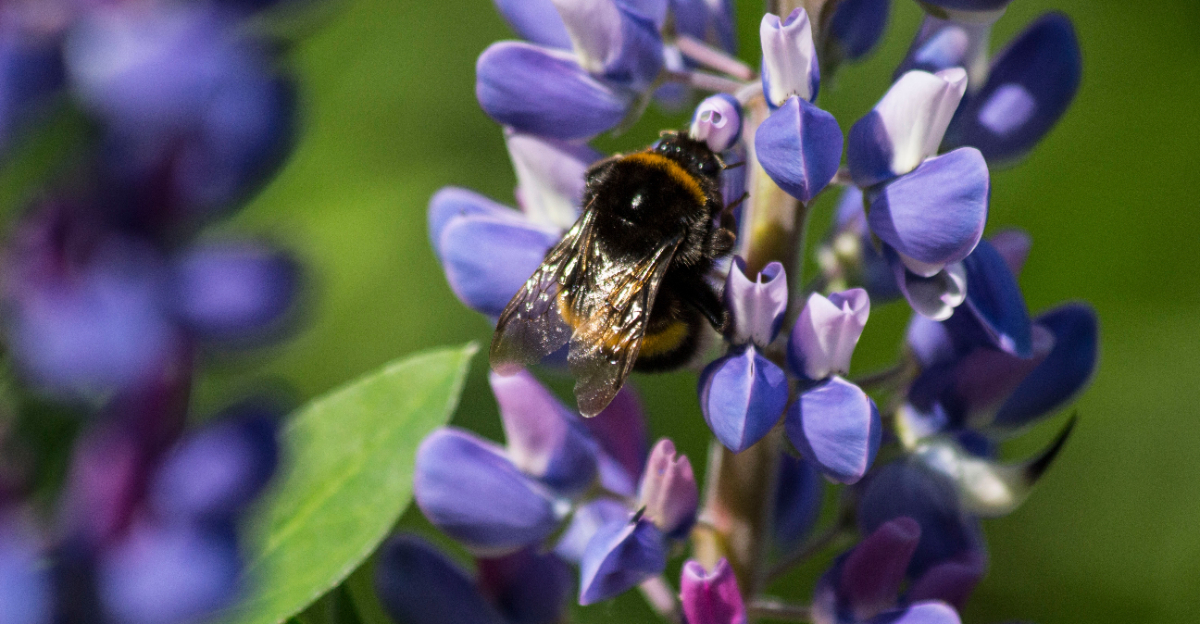
Tall, dramatic, and absolutely beloved by bumblebees, Lupine is a spring garden star in Oregon. Those bold spikes of purple and blue flowers are hard to miss, and bumblebees agree.
They are especially good at working lupine flowers because their heavy bodies help push open the petals to reach the pollen inside.
Broadleaf Lupine is a native species found across Oregon’s meadows and hillsides. Growing it in your garden connects your yard to the wild landscapes of the state.
It also does something really cool for your soil: it fixes nitrogen, which means it feeds the ground around it naturally.
Lupine prefers full sun and well-drained soil. It does not love being moved once planted, so pick a good spot from the start.
Direct seeding in fall works well, letting seeds go through Oregon’s cold winters before sprouting in spring.
Once established, lupine comes back year after year with minimal effort. The seed pods are also fun to watch as they dry and pop open in summer.
Whether you plant it in a wildflower meadow or a formal border, lupine brings height, color, and a steady stream of buzzing visitors to any Oregon garden all spring long.
4. Phacelia
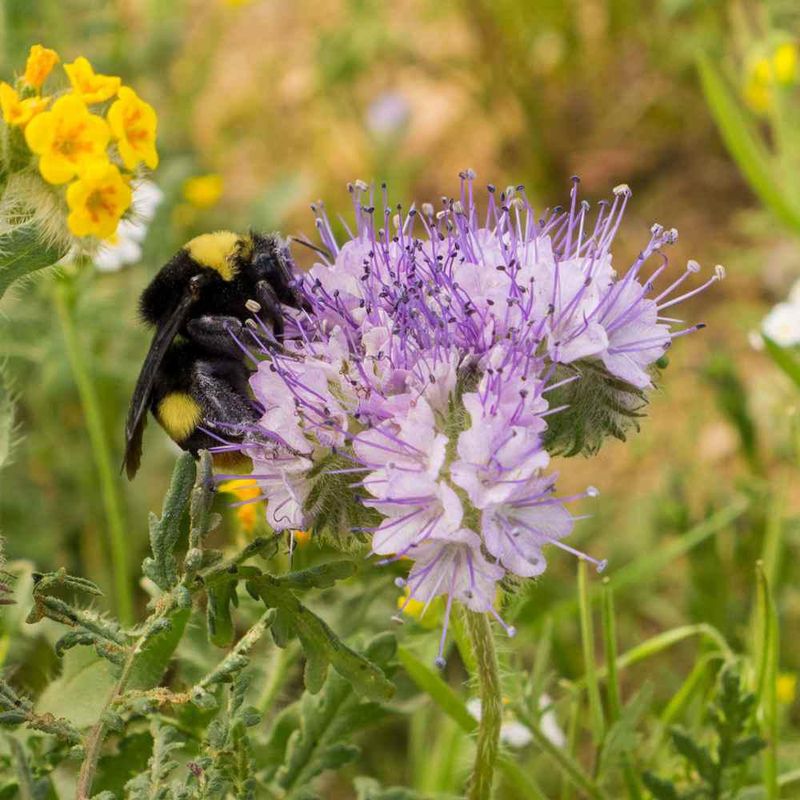
Not every gardener knows about Phacelia, but bumblebees certainly do. Sometimes called scorpionweed or lacy phacelia, this wildflower produces coiled clusters of small purple-blue flowers that are absolutely irresistible to native bees.
In Oregon, it is one of the top bee-attracting plants you can grow from seed.
Phacelia is an annual, meaning it completes its whole life cycle in one season. The good news is that it self-seeds readily, so once you plant it, it tends to come back on its own.
Scatter seeds in a sunny spot in early spring or even in late fall for earlier blooms.
The flowers are rich in both nectar and pollen, making Phacelia a powerhouse food source for bumblebees and other pollinators. Studies have shown that it produces more nectar than many other common garden flowers.
That makes it a smart investment for any Oregon pollinator garden.
Phacelia also works well as a cover crop between vegetable beds, adding beauty and function at the same time. It grows quickly, does not need much water once established, and looks stunning in a casual wildflower mix.
Add it to your Oregon garden this spring and watch the bumblebees arrive within days of the first blooms opening.
5. Salvia (Early-Blooming Types)
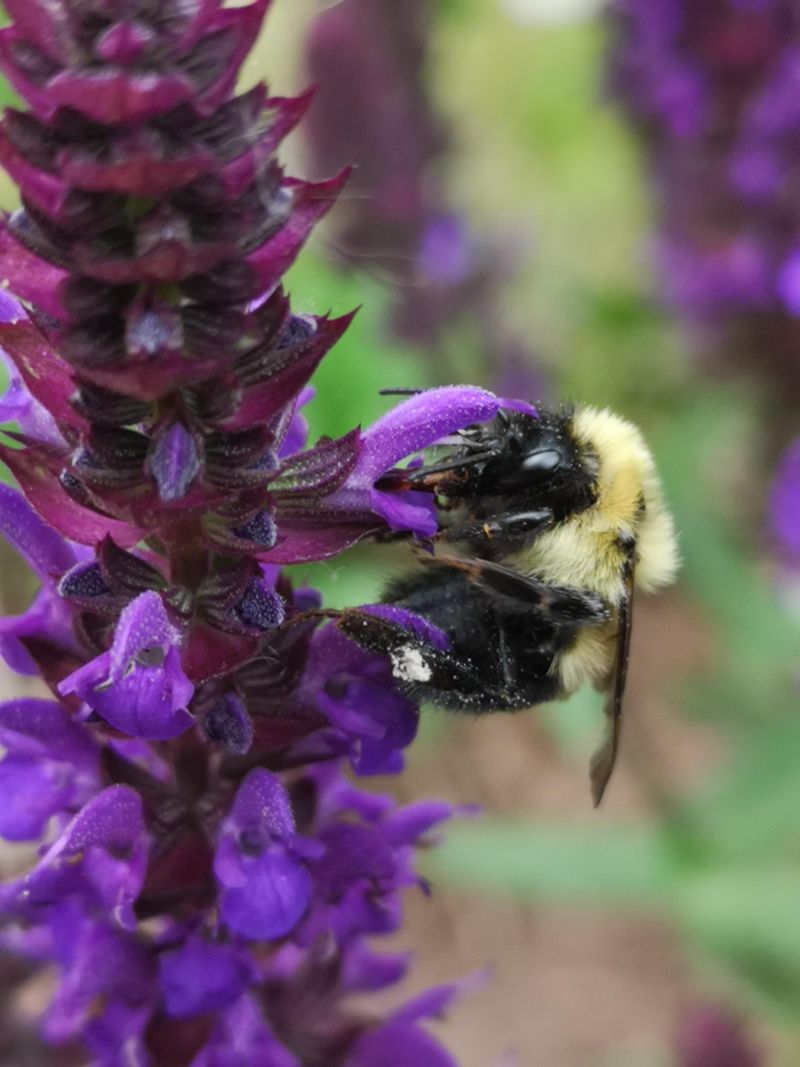
Salvia has a well-earned reputation as one of the top bumblebee plants around, and early-blooming types bring that magic to Oregon gardens right when bees need it most.
The tubular flowers are perfectly shaped for bumblebees, which are strong enough to push inside and reach the nectar that smaller insects cannot access.
Early-blooming salvias, including native species like Salvia spathacea and some garden cultivars, start flowering in mid to late spring. Their deep purple or blue flower spikes can last for weeks, giving bumblebees a long-lasting food supply.
The strong fragrance also helps guide bees from a distance.
Salvia grows best in full sun with well-drained soil. Most types are drought-tolerant once established, which suits Oregon’s dry summer climate well.
Cutting back spent flower spikes encourages fresh blooms and keeps the plant looking tidy through the season.
Beyond bumblebees, salvia draws hummingbirds and butterflies, turning your Oregon garden into a lively pollinator hub. It works beautifully as a border plant or in containers on a sunny porch.
Mix different salvia varieties to extend the bloom period and keep pollinators coming back week after week throughout spring and into early summer.
6. Pacific Bleeding Heart
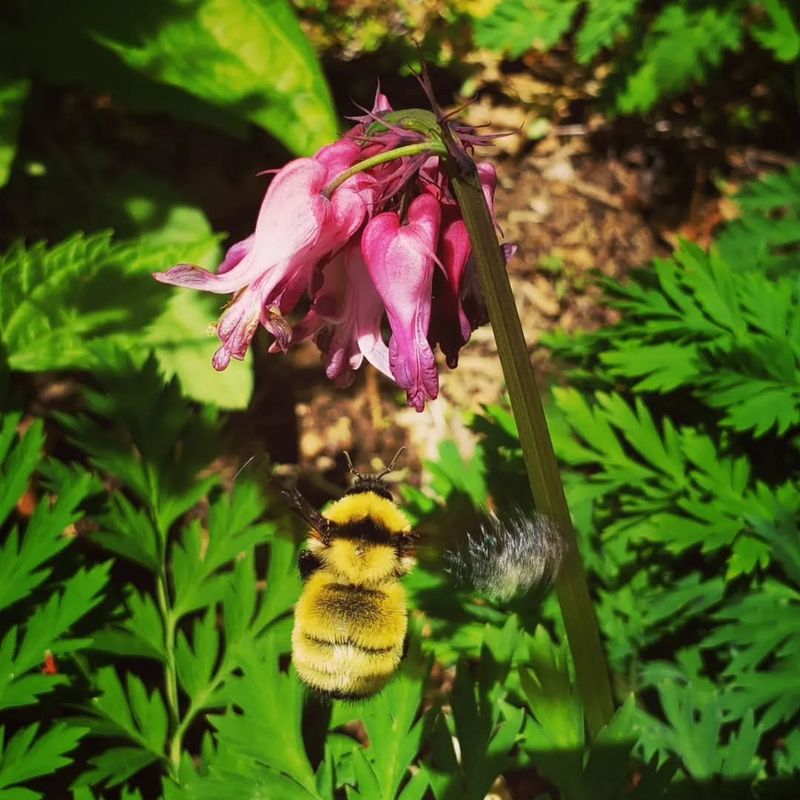
There is something almost magical about Pacific Bleeding Heart. Its delicate pink, heart-shaped flowers hang from arching stems like tiny ornaments, appearing just as Oregon’s spring rains begin to ease.
This native perennial is a woodland gem, thriving in the shaded spots where many other plants struggle.
Bumblebees are well-suited to these unique flowers. Their long tongues and strong bodies let them access the nectar tucked inside each heart-shaped bloom.
Watching a bumblebee cling to a swaying Bleeding Heart stem while gathering nectar is one of the most charming spring garden moments in Oregon.
Pacific Bleeding Heart spreads gradually over time, filling in shady borders with a soft carpet of ferny green leaves and nodding pink flowers. It pairs beautifully with ferns, trillium, and other woodland natives.
In Oregon’s mild coastal and valley climates, it can bloom from early spring all the way into summer.
Plant it in moist, humus-rich soil under deciduous trees for the best results. It goes dormant in summer heat, so mix it with shade-loving plants that fill in when it fades.
This native beauty asks for very little and gives back so much, both to your garden’s appearance and to Oregon’s hardworking bumblebees.
7. Western Columbine
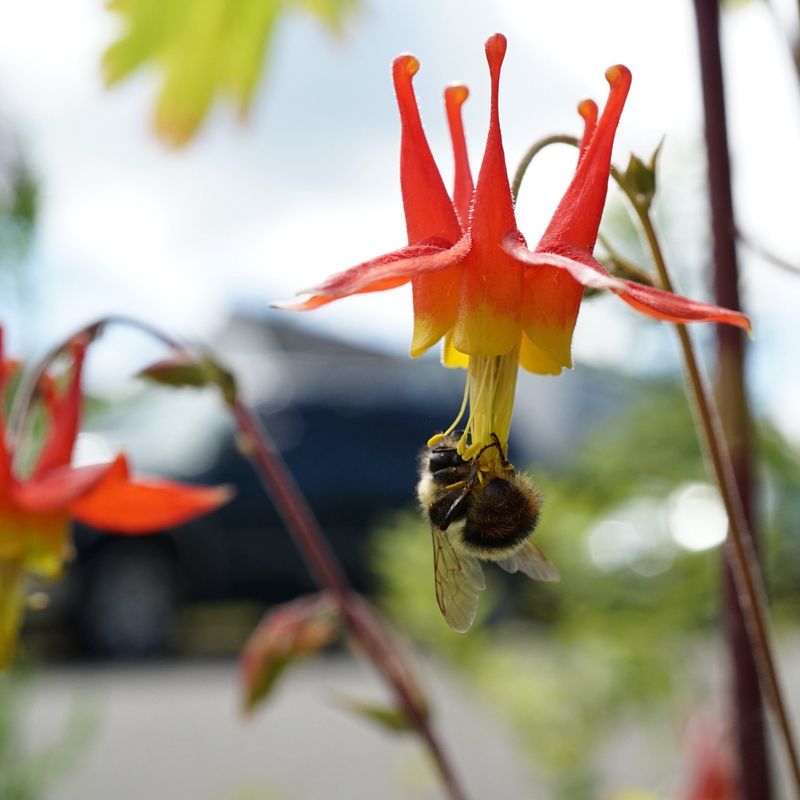
Western Columbine is one of those plants that makes you stop and stare. Its nodding red and yellow flowers have long backward spurs that give them a whimsical, almost fairy-tale look.
Native to Oregon’s forests and stream banks, this perennial is a spring favorite for both gardeners and bumblebees alike.
The flower spurs hold pools of nectar that long-tongued bumblebees are perfectly built to reach.
Hummingbirds also love this plant, so planting Western Columbine often turns a quiet corner of your Oregon garden into a busy little wildlife scene from late spring onward.
Growing Western Columbine is straightforward. It prefers partial shade and moist, well-drained soil, making it ideal for Oregon’s woodland garden style.
It self-seeds freely once established, so you may find new plants popping up in unexpected spots each year, which is a happy surprise.
This plant blooms from mid to late spring, bridging the gap between early bloomers like Oregon Grape and summer perennials. The ferny, blue-green foliage stays attractive even when the flowers fade.
For a naturalistic Oregon garden that feels connected to the wild landscapes of the Pacific Northwest, Western Columbine is an absolute must-have addition to your spring planting plan.
8. Camas Lily
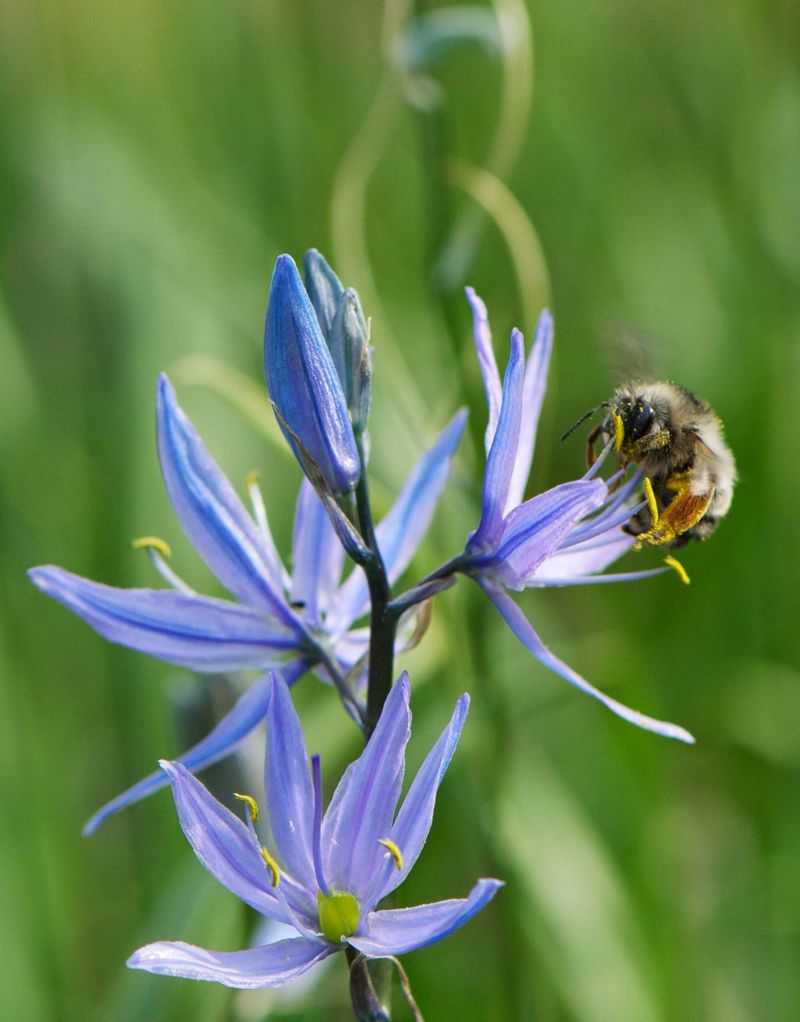
Camas Lily has deep roots in Oregon’s history and landscape. Indigenous peoples across the Pacific Northwest harvested camas bulbs as a food staple for thousands of years, and vast meadows of blue camas flowers once covered much of the Willamette Valley.
Today, planting camas in your garden honors that heritage while also feeding spring bumblebees.
The star-shaped blue to purple flowers bloom on tall spikes in mid to late spring, right when bumblebee colonies are growing and need steady food sources. Each flower is open and accessible, making it easy for bumblebees to land and forage.
A patch of blooming camas is a reliable magnet for pollinators in any Oregon garden.
Camas grows from bulbs planted in fall. It prefers moist, heavy soil and does well in areas that stay wet through spring, such as low spots in the yard or near downspouts.
Once established, it spreads slowly over the years, creating a natural-looking drift of blue flowers each spring.
Pair camas with native grasses and other wetland-tolerant plants for a meadow-style planting that looks beautiful and supports Oregon wildlife. The foliage fades gracefully in summer, leaving room for other plants to shine.
Few native bulbs offer this much beauty and ecological value in one package.
9. Primrose (Native Evening Primrose Types)
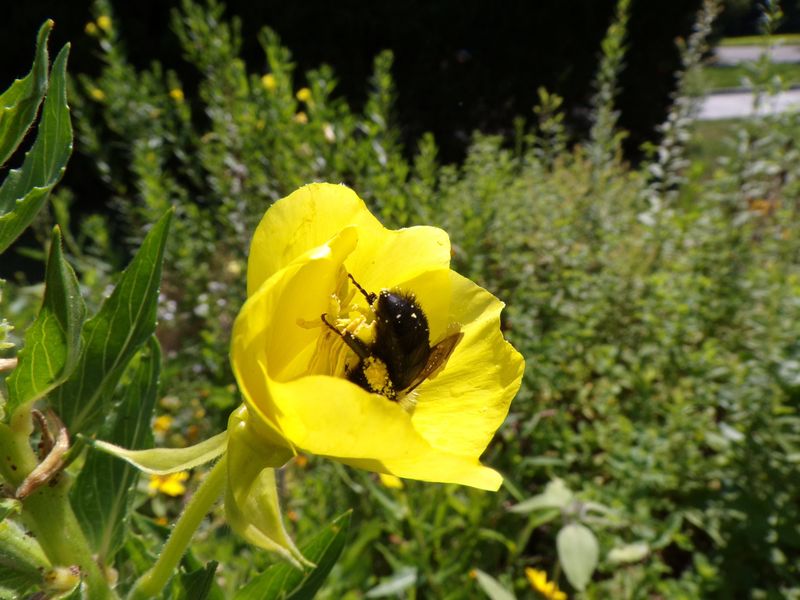
Native Evening Primrose types bring a soft, cheerful yellow to the Oregon spring garden, and bumblebees find them hard to resist.
While some evening primroses are known for opening at dusk, certain native types bloom during the day, making them accessible to daytime foragers like bumblebees.
Their wide, open flowers are easy to land on and loaded with pollen.
These plants are well-adapted to Oregon’s varied climate. They handle both dry and moderately moist soils, and they spread naturally over time, filling in gaps in garden beds or along pathways.
The bright yellow flowers create a warm contrast against the greens and blues of other spring natives.
Growing native primrose is simple. Direct sow seeds in a sunny to partly shaded spot in early spring or fall.
Once established, these plants need very little attention and often self-seed, returning reliably each year without any replanting effort on your part.
Beyond feeding bumblebees, native evening primroses support other pollinators including moths and native bees. They work well in wildflower mixes, cottage-style gardens, and naturalized areas across Oregon.
If you want a low-effort, high-reward plant that keeps bumblebees buzzing through your yard all spring, native evening primrose deserves a spot in your garden plan.
10. Penstemon
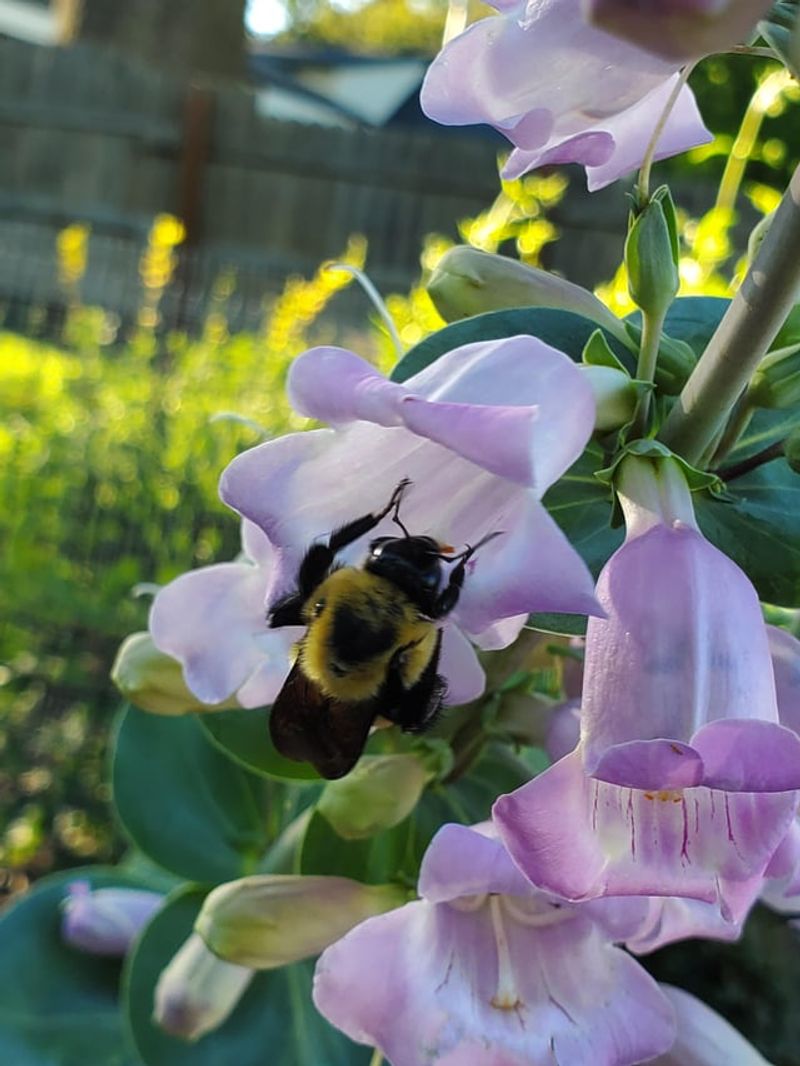
This might just be the bumblebee’s best friend in the Oregon garden. These native wildflowers produce tall spikes of tubular blooms in shades of purple, pink, red, and white, and their flower shape is practically tailor-made for bumblebees.
The bees grip the flower and push inside to collect pollen, a process called buzz pollination that shakes loose more pollen than gentle foraging ever could.
Oregon is home to dozens of native penstemon species, from the shrubby Penstemon fruticosus of the mountains to the elegant Penstemon serrulatus found in moist lowland areas.
Choosing a species native to your region of Oregon ensures the plant is already adapted to local soils, rainfall, and temperatures.
Most penstemons prefer full sun and well-drained soil. They are tough plants that handle Oregon’s dry summers with ease once they get established in their first season.
Avoid overwatering, which is one of the few things that can set them back.
Spring-blooming penstemons give bumblebee colonies a protein-rich pollen source just when they need it most. The flowers last for several weeks, and cutting back spent spikes can encourage a second flush of blooms.
Plant penstemon in groups for the biggest visual impact and the most bumblebee activity in your Oregon garden this spring.